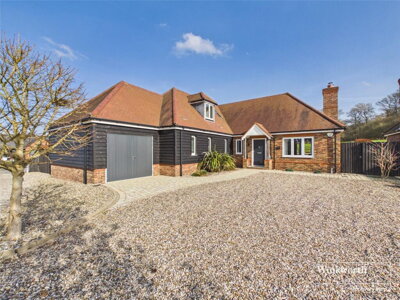
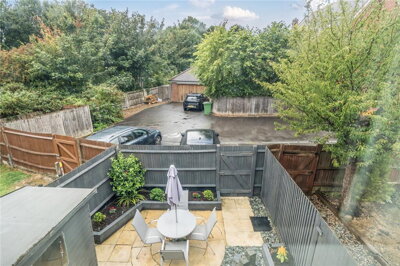
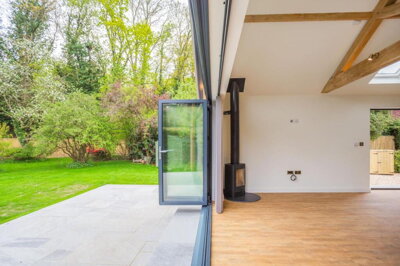
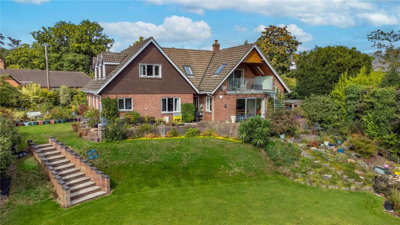
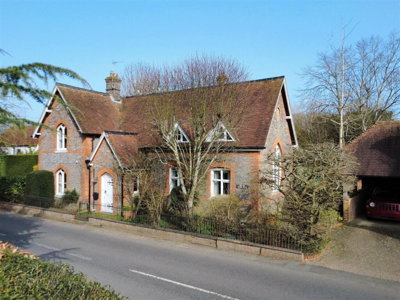
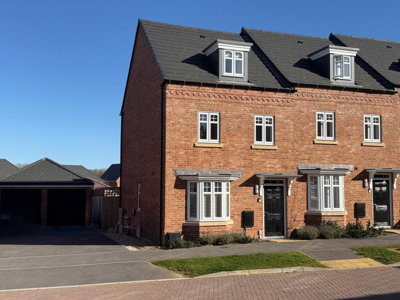
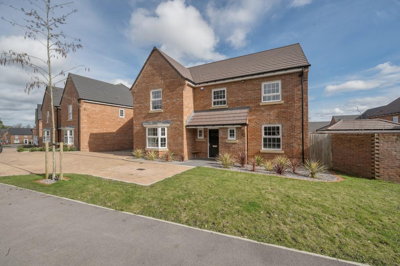
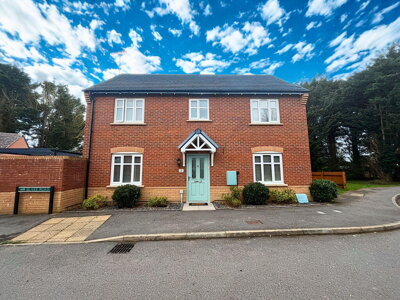
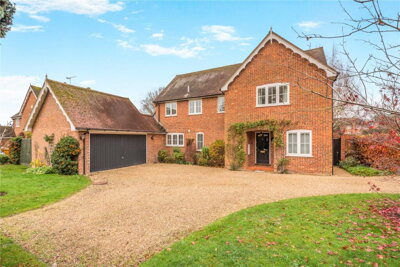
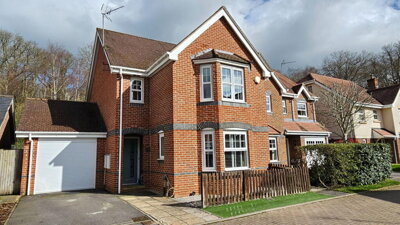
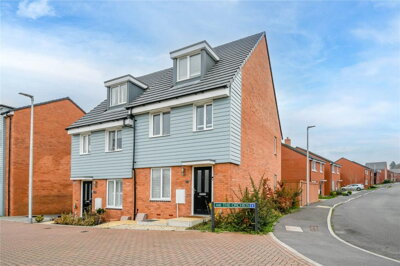
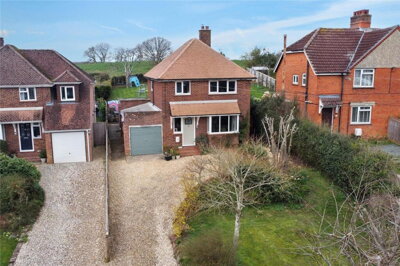
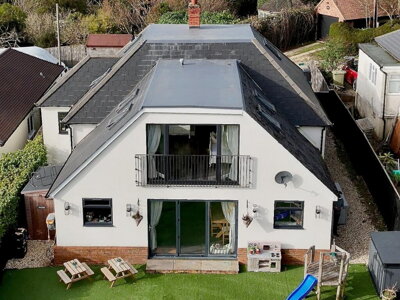
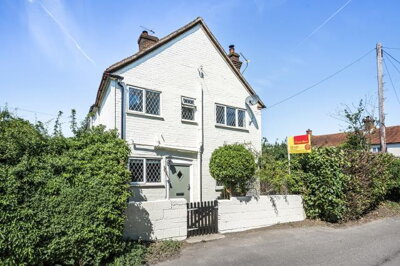
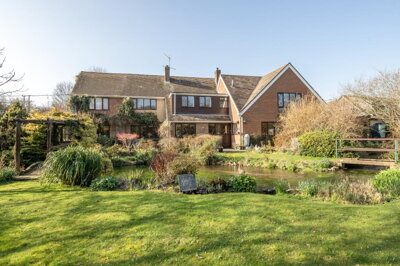
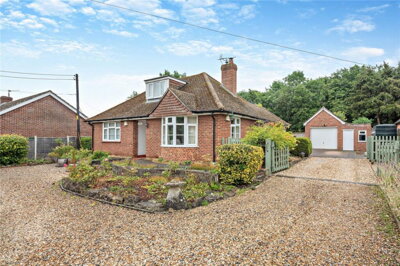
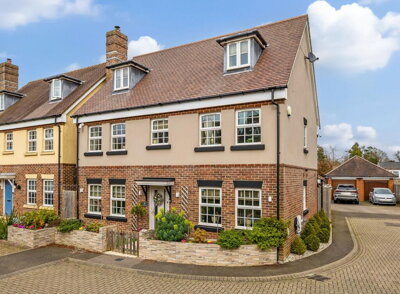
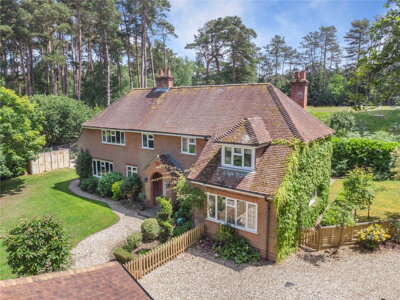
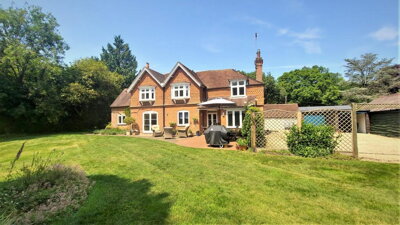
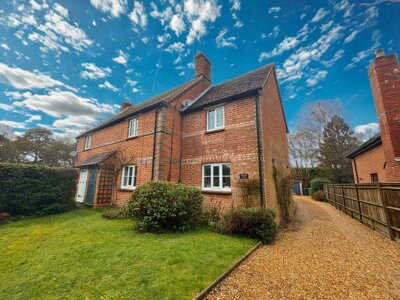
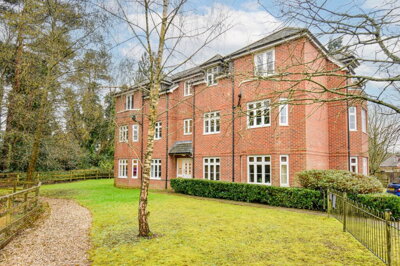
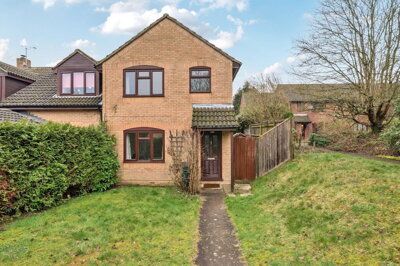
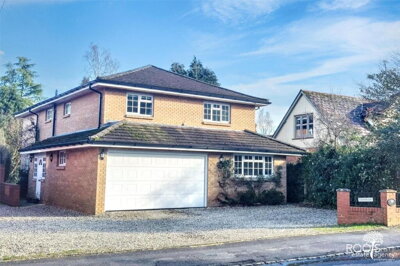
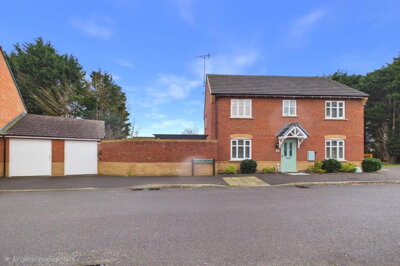
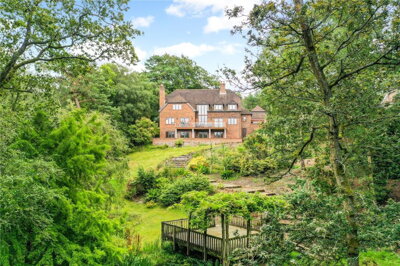
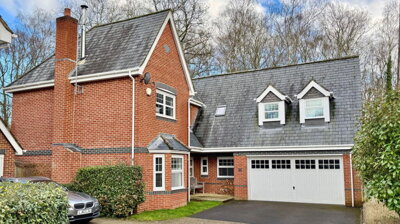
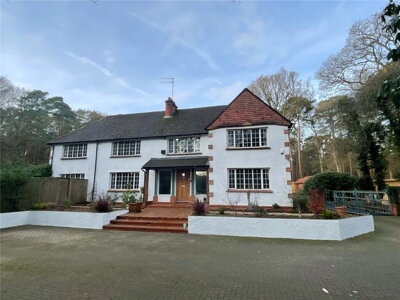
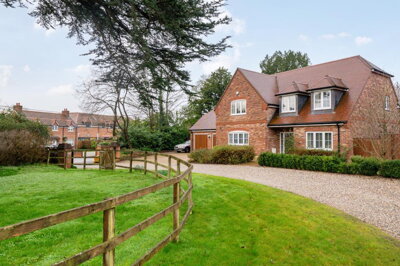
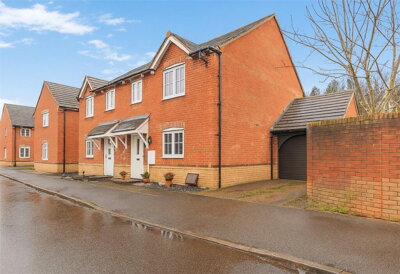
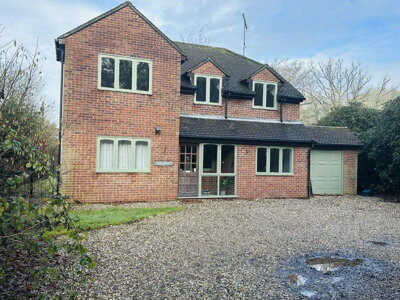
Browse 77 homes for sale in Chieveley, West Berkshire from local estate agents.
£825k
14
1
118
Source: home.co.uk
Source: home.co.uk
Detached
7 listings
Avg £1.11M
Bungalow
3 listings
Avg £733,333
Barn Conversion
1 listings
Avg £695,000
End of Terrace
1 listings
Avg £325,000
Equestrian Facility
1 listings
Avg £2.50M
Semi-Detached
1 listings
Avg £365,000
Source: home.co.uk
Source: home.co.uk
The Kedington property market has demonstrated strong momentum recently, with the average sold price reaching £369,010 over the last 12 months and values currently sitting at approximately £379,000. Despite being 2% below the 2022 peak of £383,999, the market has recovered significantly with a 27% year-on-year increase, indicating robust demand for properties in this West Suffolk village. Historical data shows that 329 properties have sold in Kedington over the past decade, with 884 total sold price records available on major property portals, demonstrating consistent activity in this sought-after location.
Property types in Kedington cater to various buyer requirements, with detached homes averaging £485,244, semi-detached properties at £290,800, and terraced houses at £320,000. The village predominantly features older housing stock constructed from traditional Suffolk materials including flint, red brick, and timber, with roofs typically finished in black or orange clay pantiles. This historic building stock contributes to the village's distinctive character but means buyers should budget for potential maintenance on period properties. No active new-build developments were identified in the CB9 postcode area, making existing properties the primary source of available housing in this charming village location.
The constrained supply of new housing in Kedington has helped support property values, with the village's limited housing stock creating inherent scarcity in the local market. For investors and buyers alike, the combination of rising demand from Cambridge commuters seeking more affordable alternatives and the village's lack of development pipeline suggests continued market strength. Our search results compile listings from local estate agents active in the area, giving you a comprehensive view of what is currently available for purchase.

Life in Kedington centres on its strong community spirit and essential village amenities, with local employers spanning manufacturing, wholesale and retail trades, transport and storage, education, and healthcare sectors. The village forms part of the Haverhill East and Kedington electoral division, where the age profile shows healthy representation across all demographics, particularly among 30-34 year olds and 50-54 year olds. Residents benefit from a peaceful rural setting while maintaining access to the comprehensive services available in nearby Haverhill, just a short journey away.
Kedington's heritage is evident throughout the village, most notably through the Grade I listed Church of St Peter and St Paul, which anchors the historic core. The village contains numerous Grade II listed buildings including properties on School Road such as 26 and 28 School Road, 3 Bunty Lane, and the notable Ketton House (which holds a Grade II* listing), reflecting centuries of continuous habitation and architectural development. The River Stour flows near the village, contributing to the attractive landscape while offering opportunities for riverside walks and appreciation of the natural environment. Local amenities include traditional pubs such as The Barnardiston Arms and The White Horse Inn, village shops, and community facilities that serve both Kedington residents and those from surrounding smaller settlements.
Community life in Kedington benefits from active local organisations and regular events that bring residents together throughout the year. The village's proximity to Haverhill provides additional retail and leisure options, while the historic market town of Bury St Edmunds is accessible for those seeking a wider range of cultural and shopping experiences. For families, the combination of village primary schooling and access to secondary education options in surrounding towns creates a balanced educational environment for children of all ages.
Education provision in Kedington serves families considering a move to this West Suffolk village, with primary education available within the village itself and secondary options accessible in nearby towns. The local primary school serves as a foundation for young families, while older students typically travel to Haverhill or surrounding towns for secondary education. The broader West Suffolk area maintains a network of primary and secondary schools, with grammar school options available in towns such as Bury St Edmunds for academically able students.
For families with school-age children, understanding catchment area boundaries is essential when selecting a property in or around Kedington. Suffolk County Council manages school admissions and publishes annual admission information that outlines which areas feed into specific schools. The nearest secondary schools are located in Haverhill, with additional options in Clare and Sudbury for families willing to travel. Parents should verify current school performance data through Ofsted reports, as educational standards can vary between institutions and change over time.
Further and higher education opportunities are accessible through colleges in Bury St Edmunds and Cambridge, both within reasonable commuting distance from Kedington. The University of Cambridge and Anglia Ruskin University attract students from across the region, while further education colleges provide vocational routes for those pursuing trades or technical careers. For working parents, the village's location provides flexibility for families where adults commute to employment in Cambridge or other major employment centres while children remain settled in local schooling.
Transport connectivity from Kedington combines the benefits of rural living with access to major road networks and rail connections via nearby towns. The village sits within the CB9 postcode area, with the A1017 providing local road connections and the A1307 offering routes towards Haverhill and Cambridge. For commuters, the market town of Haverhill provides nearest access to additional transport options, while the historic city of Cambridge is reachable within approximately 45 minutes by car for those working in the technology and academic sectors.
Rail services are accessible from stations in surrounding towns, with connections to Cambridge, Bury St Edmunds, and London available through the wider Suffolk rail network. Audley End station provides access to London Liverpool Street, while Cambridge station offers connections to King's Cross for those working in central London or accessing the wider rail network. The absence of a direct train station in Kedington itself means residents rely primarily on road transport or bus services to reach rail hubs, so factoring this into commuting plans is advisable.
Bus services operate between Kedington and neighbouring communities, providing essential public transport options for those without vehicles, though frequency may be more limited than urban routes. The village's position along the A1017 places it on a bus corridor connecting Haverhill with surrounding villages, though passengers should check current timetables for the most accurate service information. For cyclists, the quiet country lanes surrounding Kedington offer pleasant routes for local travel, though longer distances to major employment centres require careful route planning.
Explore Kedington's property market using Homemove's search tool to understand current listings, average prices, and the types of properties available. Given the village's older housing stock and mix of period properties dating from the 16th century onwards, research specific streets and property ages that match your requirements. Pay particular attention to the distinction between Grade II listed properties and unlisted buildings, as listed status carries significant implications for future renovation work and maintenance obligations.
Before viewing properties, arrange a mortgage agreement in principle with a lender. This strengthens your position when making offers and demonstrates your purchasing capability to estate agents representing sellers in this competitive market. With average property prices around £376,914, most buyers will require mortgage financing, and having documentation ready shows sellers you are a serious purchaser. Contact multiple lenders to compare rates, as even small percentage differences translate to meaningful savings over a 25-year mortgage term.
Schedule viewings of properties matching your criteria, taking time to assess the condition of buildings, their proximity to the River Stour in low-lying areas, and any signs of age-related maintenance needs. When viewing period properties in Kedington, examine walls for cracking that might indicate subsidence (particularly relevant given the local boulder clay geology), check roof conditions on properties with clay pantile coverings, and look for evidence of damp in older buildings with solid walls. Bring a torch and checklist to thoroughly inspect properties during viewings.
Given Kedington's predominance of older properties dating from the 16th century onwards, a RICS Level 2 survey is strongly recommended to identify issues such as damp, structural movement, or timber defects. Our inspectors regularly encounter properties with traditional Suffolk construction methods that require expert assessment, and the survey cost typically ranges from £400-800 depending on property size. For listed buildings or properties showing signs of previous structural work, a more detailed RICS Level 3 survey may be appropriate.
Once your offer is accepted, instruct a conveyancing solicitor to handle the legal transfer of ownership, searches, and contract exchange. Your solicitor should be familiar with West Suffolk Council requirements and any local planning considerations that might affect the property. Search fees typically include drainage and water checks, environmental searches covering flood risk from the River Stour, and local authority queries. The conveyancing process for a village property in West Suffolk typically takes 8-12 weeks, though transactions involving mortgage finance or leasehold elements may take longer.
Finalize mortgage arrangements, pay stamp duty if applicable (non-first-time buyers purchasing at the Kedington average price of £376,914 would pay approximately £6,346 in SDLT), and coordinate with your solicitor to complete the transaction. Arrange building insurance from the point of contract exchange, as properties are at your risk from this point. Contact utility providers to transfer services into your name and arrange removals for your move to your new Kedington home.
Purchasing a property in Kedington requires attention to local-specific considerations that reflect the village's character and geological setting. Properties in West Suffolk sit on boulder clay soils, which are susceptible to shrink-swell behaviour responsible for approximately 70% of all UK subsidence cases. This means buyers should carefully inspect properties for signs of structural movement, cracking, or previous subsidence remedial work, particularly in older buildings with potentially shallow foundations. Our inspectors frequently identify crack patterns and door alignment issues that suggest historic ground movement in properties across this region.
The village's high concentration of listed buildings means many properties carry restrictions on alterations and maintenance. If considering renovation or extension work, consultation with West Suffolk Council's planning department and potentially Historic England is essential. Properties such as Ketton House, The Barnardiston Arms Public House, and numerous cottages on School Road and Bunty Lane carry listed status that protects their architectural features. Any works affecting the character or structure of these buildings require consent, which can limit renovation possibilities and add costs to any future improvement projects.
River flood risk near the River Stour should also be assessed, with property flooding possible during periods when river levels exceed 1.75m at monitoring points. As of early 2026, no active flood warnings were in place for Kedington and short-term flood risk remained low, though buyers should request information about any historical flooding incidents. Surface water flooding can occur during heavy rainfall events, and residents experiencing surface water issues should contact West Suffolk Council. When viewing properties near the river or in low-lying areas of the village, examine ground floor levels and ask about any flood resilience measures the property may have.
Traditional Suffolk construction features require particular attention during property inspections. Flint knapping work, common in medieval buildings throughout the region, can deteriorate over time and requires specialist repair. Timber-framed properties with wattle and daub or lath and plaster infill panels may show signs of timber rot or insect attack, particularly at sole plate level where wood meets brickwork. Properties with black or orange clay pantile roofs should be inspected for cracked or slipped tiles, as these traditional coverings are more brittle than modern alternatives and may require more frequent maintenance.
The average property price in Kedington is currently £376,914, with recent data showing sold prices averaging £369,010 over the last 12 months and current values around £379,000 as of early 2026. Detached properties average £485,244, semi-detached homes £290,800, and terraced properties around £320,000. House prices have increased by approximately 27% over the past year, though values remain 2% below the 2022 peak of £383,999, suggesting the market has largely recovered from recent price corrections while still offering relative value compared to Cambridge and surrounding commuter areas.
Properties in Kedington fall under West Suffolk Council's jurisdiction, with council tax bands ranging from A to H based on the Valuation Office Agency's assessment of property value. Band A properties, typically valued below £40,000, command the lowest annual charges, while bands D and E represent mid-range valuations common for family homes in the village. You can verify the specific band for any property through the Valuation Office Agency website or by contacting West Suffolk Council directly, and your solicitor will confirm the banding during conveyancing.
Kedington has primary education provision within the village, with additional primary schools available in nearby communities including Haverhill. Secondary schools are typically accessed in Haverhill or surrounding towns, with grammar school options in Bury St Edmunds such as King Edward VI School and St Benedict's Catholic School for academically able students. Parents should check current Ofsted ratings and catchment area information through Suffolk County Council's education department when planning school placements, as admission policies and school performance can influence which properties best suit family needs.
Kedington has limited public transport options, with bus services connecting to neighbouring towns and villages along the A1017 corridor. The village does not have a direct rail station, so residents travel to surrounding towns for train services, with Cambridge providing mainline connections to London King's Cross and Liverpool Street. For commuters working in Cambridge's technology and academic sectors, the approximately 45-minute drive time makes Kedington a viable option for those willing to drive to work, though the lack of rail access at the village limits alternatives to car commuting.
The Kedington property market has shown strong performance with 27% annual price growth, indicating healthy demand for village properties in this part of West Suffolk. The lack of new build developments in the CB9 postcode area means supply remains constrained, which typically supports prices in the medium term. Local employment in manufacturing, retail, and education sectors provides economic stability, though investors should consider the village's rural nature and transport limitations when assessing rental demand from tenants seeking proximity to Cambridge without city prices.
For properties purchased in Kedington, stamp duty land tax (SDLT) rates are 0% on the first £250,000, 5% on £250,001 to £925,000, 10% on £925,001 to £1.5 million, and 12% above £1.5 million. First-time buyers receive relief on the first £425,000, with 5% applied between £425,001 and £625,000. Given average Kedington prices around £376,914, a non-first-time buyer would pay SDLT only on £126,914, resulting in approximately £6,346 in stamp duty, while first-time buyers would pay no SDLT on properties at this price point.
Given the high proportion of older properties in Kedington, many dating from the 16th century onwards, a RICS Level 2 survey provides essential protection for buyers investing in this market. Our inspectors regularly identify issues specific to West Suffolk properties, including damp in solid-walled construction, timber defects in period buildings, and subsidence risk from the local boulder clay geology. A survey typically costs between £400-800 depending on property size and provides detailed information about condition that no viewing can reveal, allowing you to budget for any necessary repairs or renegotiate the price if significant defects are found.
From 4.5%
Competitive mortgage rates from trusted lenders
From £499
Expert property solicitors for your Kedington purchase
From £400
Comprehensive survey by qualified local inspectors
From £60
Energy performance certificate for your new home
Buying a property in Kedington involves several costs beyond the purchase price, with stamp duty land tax (SDLT) being a significant consideration for most buyers. The standard SDLT threshold is £250,000, meaning buyers pay nothing on the first portion, 5% on the amount between £250,001 and £925,000, 10% on £925,001 to £1.5 million, and 12% on any amount above £1.5 million. For a typical Kedington property priced at the current average of £376,914, a non-first-time buyer would pay SDLT only on £126,914, resulting in approximately £6,346 in stamp duty, while a first-time buyer at the same price point would pay no SDLT at all.
First-time buyers benefit from increased thresholds introduced in recent years, paying 0% on the first £425,000 and 5% on amounts between £425,001 and £625,000. This relief can significantly reduce costs for properties within these price ranges, though properties above £625,000 receive no first-time buyer relief. Given that the average Kedington property price of £376,914 falls entirely within the relief threshold, many first-time buyers purchasing in the village will avoid SDLT entirely. Your solicitor will calculate the exact SDLT liability based on your circumstances and the property purchase price.
Additional buying costs include solicitor fees typically ranging from £800 to £2,500 depending on complexity and whether the property is freehold or leasehold. Search fees amount to approximately £250-400 and cover essential environmental, drainage, and local authority checks specific to West Suffolk. Mortgage arrangement fees vary between lenders, ranging from £0 to £2,000, and should be factored into your comparison of overall mortgage costs. Survey costs of £400-800 for a RICS Level 2 report represent a wise investment given the age of many Kedington properties, while surveyors such as Allan Henderson Building Surveyor Ltd offer services covering properties in this area. Building insurance, removals, and potential renovation costs should also be factored into your budget when purchasing in Kedington.

Properties for Sale In London

Properties for Sale In Plymouth

Properties for Sale In Liverpool

Properties for Sale In Glasgow

Properties for Sale In Sheffield

Properties for Sale In Edinburgh

Properties for Sale In Coventry

Properties for Sale In Bradford

Properties for Sale In Manchester

Properties for Sale In Birmingham

Properties for Sale In Bristol

Properties for Sale In Oxford

Properties for Sale In Leicester

Properties for Sale In Newcastle

Properties for Sale In Leeds

Properties for Sale In Southampton

Properties for Sale In Cardiff

Properties for Sale In Nottingham

Properties for Sale In Norwich

Properties for Sale In Brighton

Properties for Sale In Derby

Properties for Sale In Portsmouth

Properties for Sale In Northampton

Properties for Sale In Milton Keynes

Properties for Sale In Bournemouth

Properties for Sale In Bolton

Properties for Sale In Swansea

Properties for Sale In Swindon

Properties for Sale In Peterborough

Properties for Sale In Wolverhampton

Enter your details to see if this property is within your budget.
Loans, cards, car finance
Estimated property budget
Borrowing + deposit
You could borrow between
Typical borrowing
Monthly repayment
Est. at 4.5%
Loan-to-value
This is an estimate only. Your actual budget may vary depending on interest rates, credit history, and personal circumstances. For an accurate affordability assessment, speak to one of our free mortgage advisors.
This calculator provides estimates for illustrative purposes only and does not constitute financial advice. Your home may be repossessed if you do not keep up repayments on your mortgage. Estimates based on 4.5% interest rate, repayment mortgage. Actual rates depend on your circumstances.
Homemove is a trading name of HM Haus Group Ltd (Company No. 13873779, registered in England & Wales). Homemove Mortgages Ltd (Company No. 15947693) is an Appointed Representative of TMG Direct Limited, trading as TMG Mortgage Network, which is authorised and regulated by the Financial Conduct Authority (FRN 786245). Homemove Mortgages Ltd is entered on the FCA Register as an Appointed Representative (FRN 1022429). You can check registrations at NewRegister or by calling 0800 111 6768.

We use cookies to show you personalised content and improve your experience of our website. Find out more in our Privacy policy and Cookie policy.