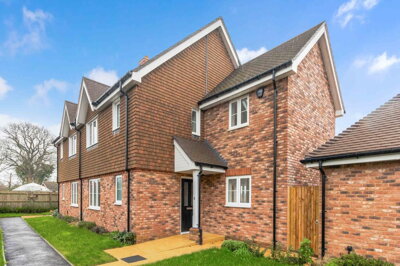
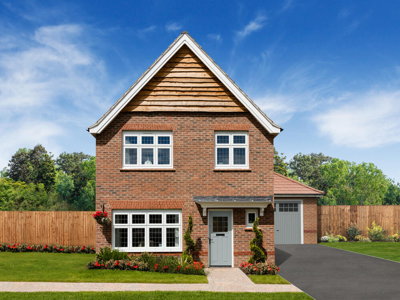
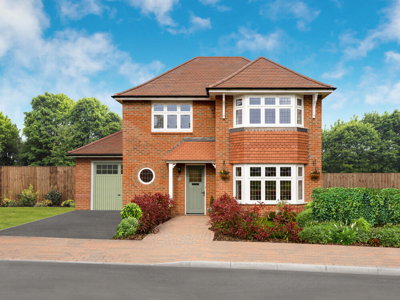
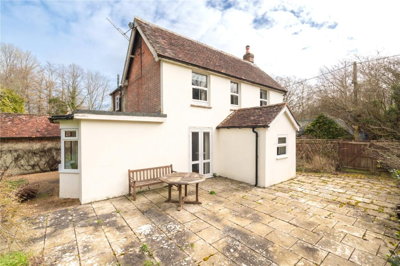
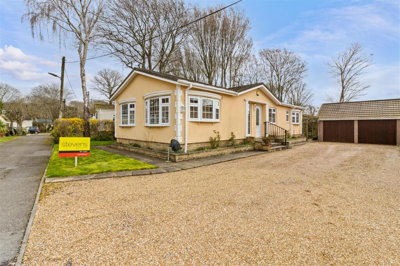
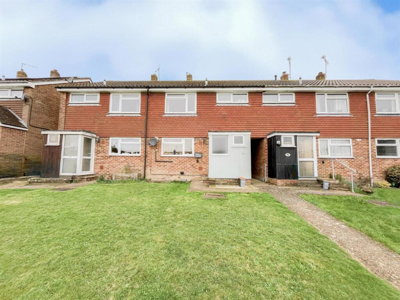
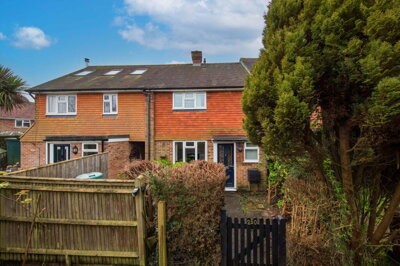
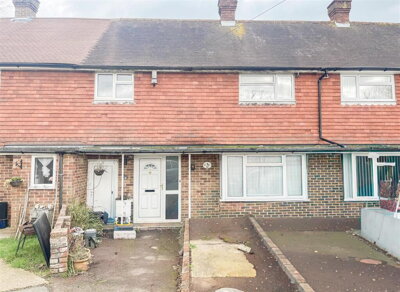
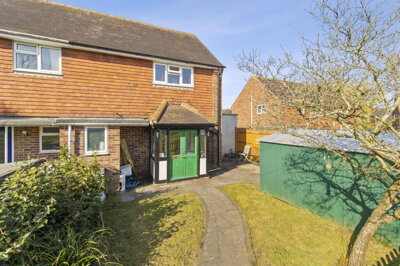
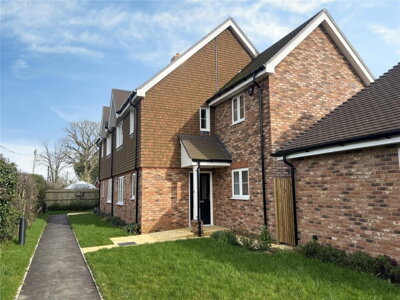
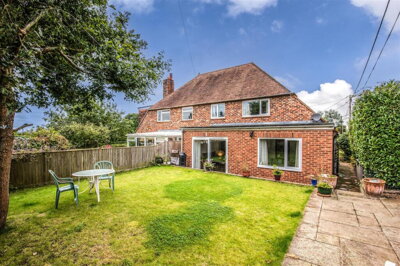
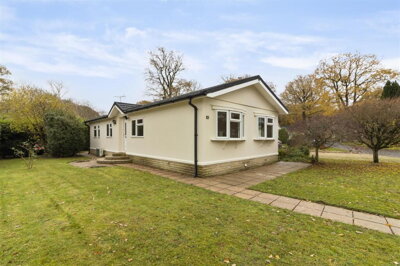
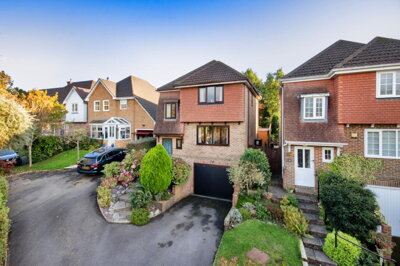
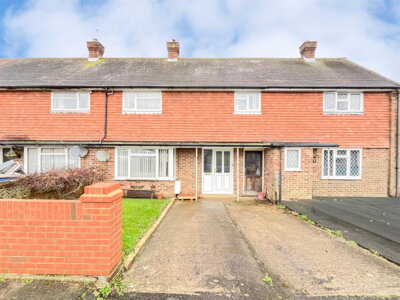
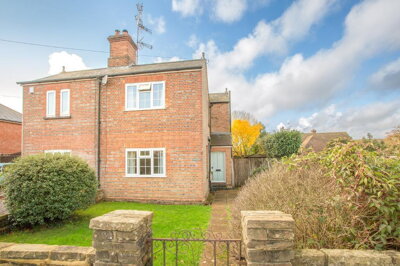
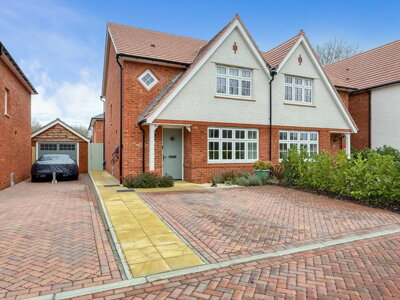
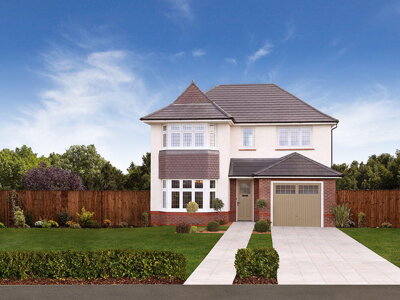
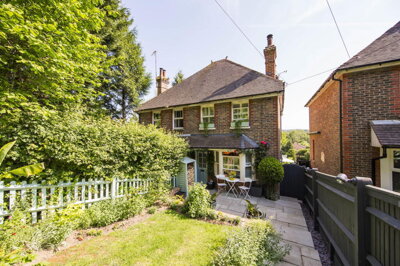
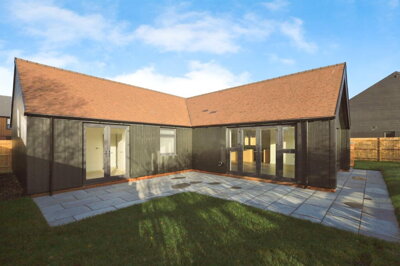
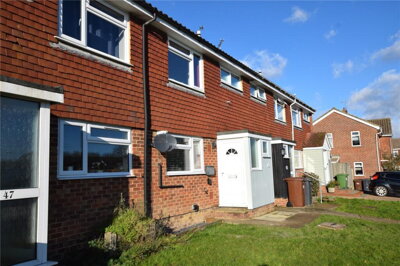
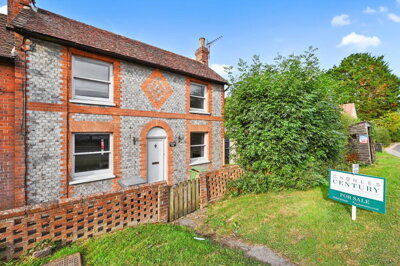
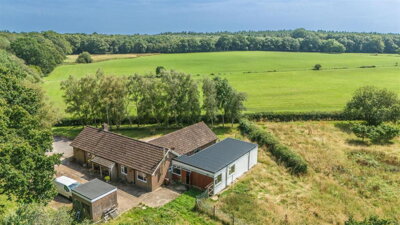
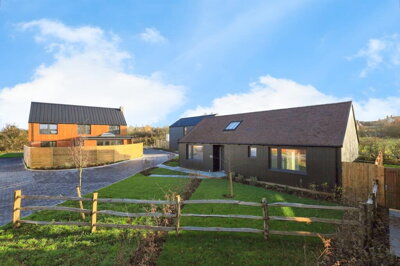
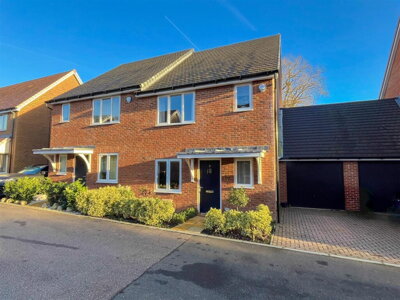
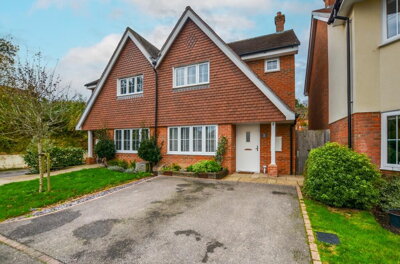
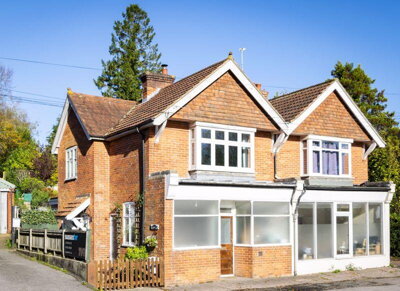
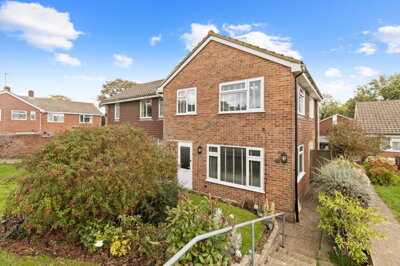
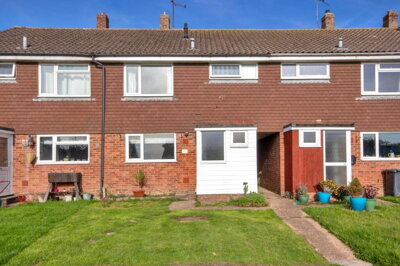
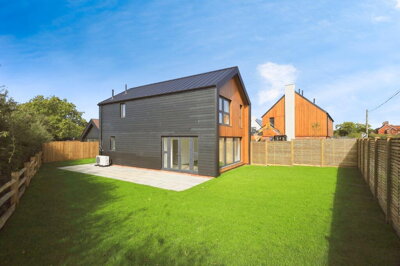
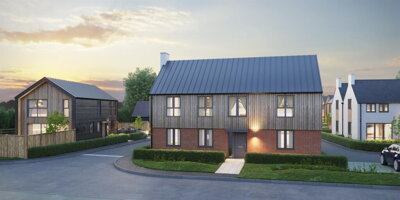
Browse 35 homes for sale in Chiddingly, Wealden from local estate agents.
Three bedroom properties represent a significant portion of the Chiddingly housing market, offering space for families with multiple reception rooms and gardens in many cases. Browse detached, semi-detached, and terraced options ranging from period character homes to contemporary developments.
£750k
1
0
11
Source: home.co.uk
Showing 1 results for 3 Bedroom Houses for sale in Chiddingly, Wealden. The median asking price is £750,000.
Source: home.co.uk
Detached
1 listings
Avg £750,000
Source: home.co.uk
Source: home.co.uk
The Chiddingly property market reflects the character of this historic village, with detached homes forming the majority of sales activity over the past year. Our data shows that detached properties in Chiddingly averaged £525,000, while semi-detached homes commanded higher prices at approximately £699,000, demonstrating strong demand for family-sized accommodation in this sought-after location. The overall average sold price stands at £647,500 according to Zoopla data, though Rightmove reports a slightly lower average of £568,500 over the same period, with the variation reflecting different methodologies in data collection. The market has experienced a notable correction over the past twelve months, with prices falling approximately 23% from their previous levels and standing 57% below the 2021 peak of £1,327,500.
For buyers considering the Chiddingly area, this price correction presents a potentially favourable entry point into a village that has historically commanded premium valuations due to its conservation status and rural character. The nearby hamlet of Muddles Green, which shares the same BN8 6 postcode, has seen a gentler price decline of 8% over the past year, with a 2021 peak of £905,000, suggesting that certain pockets of this broader parish have maintained relative value better than others. New build activity in the area remains limited, though Zoopla does list small bespoke developments priced from around £540,000 for those seeking modern construction within this village setting. The wider East Sussex market has seen transaction volumes decline by approximately 17.6% over the past year, with county-wide sales dropping by 2,300 transactions, yet Chiddingly's desirable location continues to attract committed buyers who appreciate the village's unique combination of historical significance and natural beauty.
Understanding the local market dynamics requires appreciating how Chiddingly fits within the broader Wealden district property landscape. The village benefits from its conservation area designation, which restricts new development and helps maintain property values by preserving the character that makes the location desirable. Properties here typically feature traditional construction methods, with many homes predating 1919 and constructed using solid brick or stone walls with lime-based mortar. This age profile of the housing stock means that buyers should budget not only for purchase prices but also for potential renovation work, a factor that experienced local estate agents factor into their valuations when advising on offers.

Chiddingly presents a quintessential English village atmosphere where traditional Sussex architecture meets the rhythms of rural life. The village centre features the impressive 13th-century Church of England parish church, a Grade I listed building that has stood the community for over 800 years, alongside the scattered remnants of Chiddingly Place, the former Tudor mansion rebuilt around 1574 that once dominated the parish. Stone Hill stands as a particularly well-preserved example of Tudor-style architecture, with this 600-year-old farmhouse representing the type of historic properties that define this village's distinctive character. The village's designation as a Conservation Area encompassing both Chiddingly and the hamlet of Muddles Green ensures that any new development respects the established vernacular, preserving the area's architectural heritage for future generations.
The parish sits within the Low Weald, a region characterised by its gentle rolling landscape, extensive woodlands, and network of tributaries feeding into the River Cuckmere. Residents enjoy access to an abundance of countryside pursuits, with numerous public footpaths and bridleways crossing the agricultural land that has shaped this community for centuries. The local economy maintains strong connections to farming, while cultural venues such as Farley Farm House attract visitors interested in the lives of art patron Roland Penrose and photographer Lee Miller, whose legacy continues to draw art enthusiasts to this corner of East Sussex. The annual Chiddingly Festival brings the village to life with arts and entertainment, fostering the sense of community that makes village life in this part of East Sussex so rewarding. Commuters will find that while Chiddingly maintains its peaceful rural character, the larger towns of Hailsham and Uckfield are within easy reach for everyday amenities and services.
The historical significance of Chiddingly extends back to Roman times, when the area was known for its iron mining and smelting operations. Archaeological evidence suggests that the natural resources of the Weald made this region particularly valuable during the Roman period, establishing an industrial heritage that continued through subsequent centuries. By the 16th century, Chiddingly supported several ironworks, reflecting the ongoing importance of metalworking to the local economy. Today, this rich history manifests in the architecture of the village, where older properties often incorporate traditional building techniques and materials that speak to the craftsmanship of previous generations. The village's connection to broader Sussex history, including its proximity to the South Downs National Park, adds another dimension to the appeal of living in this historic community.

Families considering a move to Chiddingly will find educational provision distributed across the surrounding Wealden district, with primary schooling available at nearby village schools serving the local communities. The nearest primary schools typically include those in surrounding villages such as Chiddingly, East Hoathly, and surrounding parishes, each serving their local catchment areas with varying capacities and admission policies. Parents should research specific school performance data, including recent Ofsted reports, to identify the most suitable options for their children, as rural school provision can vary significantly in quality and accessibility. School transport arrangements for children attending schools outside their immediate village should be verified with East Sussex County Council before committing to a property purchase.
Secondary education from Chiddingly is generally accessed through schools in nearby towns that serve the wider rural catchment area, with pupils typically travelling to secondary schools in Hailsham, Uckfield, or surrounding towns depending on admission arrangements. The Wealden district generally offers reasonable educational provision, though specific school performance and available places fluctuate year by year based on demand and capacity. Parents should be aware that competition for places at popular schools in this area can be significant, given the desirability of village living for families with children. Checking current admission policies, catchment area boundaries, and any planned changes to school provision should form part of any family's due diligence before purchasing in Chiddingly.
For families seeking broader educational choices, the surrounding region offers several options including faith schools and schools with particular specialisms or philosophies. Independent schools in the broader East Sussex area provide alternatives for those seeking education beyond the state system, with some families choosing to travel to schools in larger towns like Eastbourne or Tunbridge Wells. Sixth form provision is available at secondary schools in nearby towns, offering students the opportunity to continue their education locally without facing lengthy commutes during their important post-16 years. The presence of good schools in the wider area contributes significantly to the appeal of Chiddingly for families seeking to balance rural living with educational opportunity, though the specific provision available should be researched thoroughly to ensure it meets individual family requirements.
Transport connections from Chiddingly reflect its village character, with residents relying primarily on car travel for daily commuting and larger shopping trips to nearby towns. The village sits within reasonable distance of the A22 and A27 trunk roads, providing access to the regional road network for travel towards Eastbourne, Brighton, and beyond. For those working in London, the mainline railway stations at Berwick, Polegate, or Uckfield offer connections to London Victoria and London Bridge, though journey times will be longer than from more urban locations. Bus services operate in the area, providing essential connections for those without private vehicles, though frequency may be limited compared to urban routes.
Cycling is a popular option for shorter journeys in this part of East Sussex, with the relatively flat terrain of the Weald making cycling accessible for commuters of varying fitness levels. The proximity to the South Downs National Park also makes cycling for leisure an attractive proposition, with numerous scenic routes available on quiet country lanes. For international travel, Gatwick Airport is accessible via the road network, typically within 90 minutes by car, while Southampton Airport provides an alternative for those preferring regional flight options. The balance of rural tranquility with reasonable access to major transport links makes Chiddingly particularly appealing to those who work flexibly or can combine remote working with occasional office attendance.
Before making any commitments, spend time researching current listings, recent sale prices, and the types of property available in the village. Understanding local market conditions, including the recent price adjustments noted in the area, will help you set realistic expectations and identify properties that offer genuine value. Pay particular attention to the distinction between asking prices and sold prices, as this gap can be significant in rural village markets where transactions are less frequent.
Once you have a clear budget and have identified Chiddingly as your target area, approach lenders to obtain a mortgage agreement in principle. This strengthens your position when making offers and demonstrates to sellers that you have financing secured, which is particularly important in competitive village property markets where desirable homes may attract multiple buyers.
Work with local estate agents who know the Chiddingly area intimately to arrange viewings of properties that match your criteria. Pay attention to property condition, as many homes in this historic village may be older properties requiring maintenance or renovation work. Viewing properties at different times of day and in various weather conditions can reveal aspects that a single visit might miss.
Given the age of many properties in Chiddingly, arranging a RICS Level 2 Survey before completing your purchase is highly recommended. Our inspectors are experienced in assessing period properties common to this part of East Sussex, including those constructed with solid brick or stone walls and traditional building techniques. This survey will identify any structural issues, defects in older construction, or concerns that might affect your decision or negotiating position.
Engage a solicitor with experience in rural property transactions to handle the legal aspects of your purchase. They will conduct searches, handle land registry requirements, and ensure all documentation is in order for your Chiddingly property. Given the conservation area status of the village, your solicitor should also investigate any planning conditions or restrictions that may affect the property.
Once all surveys, searches, and legal work are satisfactory, you will exchange contracts and agree a completion date. On completion day, your solicitor will transfer the funds and you will receive the keys to your new Chiddingly home. At this point, you should also ensure that buildings insurance is in place and that you have arranged utility transfers to your name.
Purchasing property in Chiddingly requires careful attention to the specific characteristics of this historic village, where many homes date from earlier periods and may require consideration of factors not encountered in more modern developments. The prevalence of older construction in the village means that potential buyers should be particularly vigilant about common issues affecting period properties, including damp, timber defects, and roof condition. The village's location in the Low Weald raises potential considerations regarding clay soils and the possibility of shrink-swell movement affecting foundations, a factor that becomes particularly relevant during periods of extended dry weather or heavy rainfall. Engaging a qualified surveyor with experience in East Sussex properties is essential to identify any concerns before committing to a purchase.
The Conservation Area designation covering Chiddingly and Muddles Green brings planning considerations that buyers should understand, as any external alterations or extensions to properties within the conservation area require consent from Wealden District Council. Properties in conservation areas are subject to stricter controls on external appearance, including restrictions on window replacements, roof materials, and exterior paint colours. Listed buildings in the village, including the Grade I listed church and various historic dwellings, are subject to additional regulations under the Planning (Listed Buildings and Conservation Areas) Act 1990 that affect what owners can do with their properties. These restrictions should be factored into any plans for property improvements or renovations.
Our team understands the specific challenges and opportunities presented by the Chiddingly property market, where the majority of homes predate 1919 and feature traditional construction methods including solid brick or stone walls, timber roof structures, and lime-based mortar pointing. These construction types require different maintenance approaches compared to modern cavity-wall properties, and buyers should understand the ongoing maintenance commitments involved in owning a period property. We strongly recommend that anyone considering a purchase in Chiddingly commissions a thorough survey before proceeding, as the cost of a RICS Level 2 Survey represents a small fraction of the purchase price and can reveal issues that might significantly affect your decision or provide valuable negotiating leverage.
According to recent market data, the average sold price in Chiddingly is approximately £647,500 based on Zoopla data, with Rightmove reporting an overall average of £568,500 over the past year. Detached properties averaged £525,000 while semi-detached homes commanded around £699,000. The market has seen prices decline by approximately 23% from the previous year, offering potential buyers an opportunity to enter this desirable village market at more accessible price points than the 2021 peak of £1,327,500.
Properties in Chiddingly fall under Wealden District Council for council tax purposes, with specific band allocations varying by property depending on the valuation established by the Valuation Office Agency. Most rural properties in the village, particularly older cottages, farmhouses, and period homes, typically fall into bands C through E, though larger detached properties may be placed in higher bands. Buyers should check the specific banding for any property they are considering purchasing, as this forms part of the ongoing costs of homeownership.
Chiddingly is served by primary schools in the surrounding villages, with children typically attending establishments in parishes such as East Hoathly or other nearby villages that form the local primary catchment. Secondary education is available at schools in nearby towns including Hailsham and Uckfield, which serve the wider rural catchment area of the Wealden district. The Wealden district generally offers good educational provision, though specific school performance, catchment boundaries, and admission policies should be researched thoroughly through East Sussex County Council or individual school websites before committing to a purchase.
Public transport options from Chiddingly are limited, reflecting its village character, with bus services operating in the area but with limited frequency that makes private vehicle travel the primary mode of transport for most residents. Mainline railway stations at Berwick, Polegate, and Uckfield are within reasonable driving distance, offering connections to London Victoria and London Bridge for commuters. For those working in Brighton or Eastbourne, these towns are accessible by car via the A22 and A27 roads that link Chiddingly to the wider regional transport network.
Chiddingly offers several characteristics that appeal to property investors, including its conservation status, historic character, and limited new build supply that maintains the scarcity of quality homes in the village. While the recent market correction has seen prices fall from 2021 peaks, the village's desirable location within easy reach of the South Downs National Park and good road connections suggests long-term appeal. Properties in conservation areas with historic character often maintain their value well, though investors should consider ongoing maintenance costs for older properties, potential planning restrictions affecting future saleability, and the relatively low transaction volumes typical of village property markets.
Stamp duty land tax (SDLT) applies to all property purchases in England, with current thresholds starting at 0% for purchases up to £250,000, rising to 5% for the portion between £250,001 and £925,000, and 10% for amounts between £925,001 and £1.5 million. Given average Chiddingly property prices of around £568,500, most purchases will attract SDLT in the 5% bracket on the portion above £250,000, resulting in approximately £15,925 in stamp duty. First-time buyers benefit from relief on purchases up to £625,000, reducing their liability to approximately £7,175 on a property at the village average.
Chiddingly is situated inland away from coastal erosion risks, though the parish is crossed by tributaries of the River Cuckmere that may present some surface water flooding considerations during periods of heavy rainfall. Properties located near watercourses or in low-lying areas of the valley may have some exposure to flooding, and local drainage searches through Wealden District Council can provide specific information about flood risk for individual properties. Buildings insurance costs may be affected by flood risk assessments, and buyers should factor potential insurance costs into their overall affordability calculations when considering properties in areas adjacent to watercourses.
Detached properties form the majority of the housing stock in Chiddingly, with the village characterised by historic cottages, converted agricultural buildings, and larger period homes set within generous grounds. Given the village's history dating back to Roman times and its Tudor-era manorial buildings, a significant proportion of properties predate 1919, featuring traditional construction methods including solid brick or stone walls bonded with lime-based mortar and pitched roofs covered with tiles or slates. Modern properties are less common in the village core, though some contemporary homes and conversions exist for those seeking newer construction within this historic setting.
Understanding the full costs of purchasing property in Chiddingly extends beyond the advertised asking price, with stamp duty land tax representing one of the most significant additional expenses for buyers. At current thresholds, a property purchased for the Chiddingly average of around £568,500 would attract SDLT at 5% on the amount exceeding £250,000, resulting in a tax liability of approximately £15,925. First-time buyers purchasing at this price point would benefit from relief on the first £425,000, reducing their SDLT to approximately £7,175 on the portion between £425,001 and £568,500. These calculations should be verified close to the time of purchase, as thresholds and rates are subject to change by the Treasury.
Beyond stamp duty, buyers should budget for survey costs, with a RICS Level 2 Survey typically ranging from £350 to £600 depending on property size and complexity, and a RICS Level 3 Building Survey potentially costing £700 or more for larger or older properties in Chiddingly. Our team of qualified surveyors regularly assesses period properties across the Wealden district and understands the specific construction types common to this area, including solid-wall construction and traditional building materials that require specialist knowledge to evaluate properly. Conveyancing fees in the Chiddingly area generally start from around £499 for straightforward transactions, rising for properties with complications such as existing mortgages, unusual title arrangements, or conservation area restrictions.
Local search fees, land registry charges, and electronic transfer fees typically add several hundred pounds to the legal costs of purchasing in Chiddingly, while searches specific to this area should include drainage and water authority searches through South East Water and Southern Water, as well as local authority searches through Wealden District Council. Buildings insurance should be arranged from the point of exchange, and given the age of many properties in the village, insurance costs may vary significantly depending on construction type, condition, and flood risk assessments. Removals costs should not be overlooked when calculating the total budget for your move to this attractive East Sussex village, particularly if you are moving from a more urban location and may require additional services for longer distance relocations.
Properties for Sale In London

Properties for Sale In Plymouth

Properties for Sale In Liverpool

Properties for Sale In Glasgow

Properties for Sale In Sheffield

Properties for Sale In Edinburgh

Properties for Sale In Coventry

Properties for Sale In Bradford

Properties for Sale In Manchester

Properties for Sale In Birmingham

Properties for Sale In Bristol

Properties for Sale In Oxford

Properties for Sale In Leicester

Properties for Sale In Newcastle

Properties for Sale In Leeds

Properties for Sale In Southampton

Properties for Sale In Cardiff

Properties for Sale In Nottingham

Properties for Sale In Norwich

Properties for Sale In Brighton

Properties for Sale In Derby

Properties for Sale In Portsmouth

Properties for Sale In Northampton

Properties for Sale In Milton Keynes

Properties for Sale In Bournemouth

Properties for Sale In Bolton

Properties for Sale In Swansea

Properties for Sale In Swindon

Properties for Sale In Peterborough

Properties for Sale In Wolverhampton

Enter your details to see if this property is within your budget.
Loans, cards, car finance
Estimated property budget
Borrowing + deposit
You could borrow between
Typical borrowing
Monthly repayment
Est. at 4.5%
Loan-to-value
This is an estimate only. Your actual budget may vary depending on interest rates, credit history, and personal circumstances. For an accurate affordability assessment, speak to one of our free mortgage advisors.
This calculator provides estimates for illustrative purposes only and does not constitute financial advice. Your home may be repossessed if you do not keep up repayments on your mortgage. Estimates based on 4.5% interest rate, repayment mortgage. Actual rates depend on your circumstances.
Homemove is a trading name of HM Haus Group Ltd (Company No. 13873779, registered in England & Wales). Homemove Mortgages Ltd (Company No. 15947693) is an Appointed Representative of TMG Direct Limited, trading as TMG Mortgage Network, which is authorised and regulated by the Financial Conduct Authority (FRN 786245). Homemove Mortgages Ltd is entered on the FCA Register as an Appointed Representative (FRN 1022429). You can check registrations at NewRegister or by calling 0800 111 6768.

We use cookies to show you personalised content and improve your experience of our website. Find out more in our Privacy policy and Cookie policy.