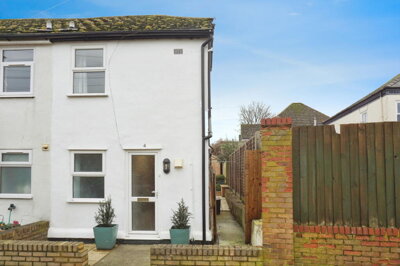
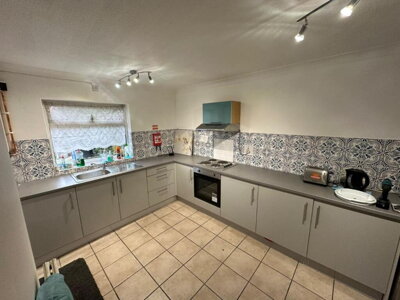
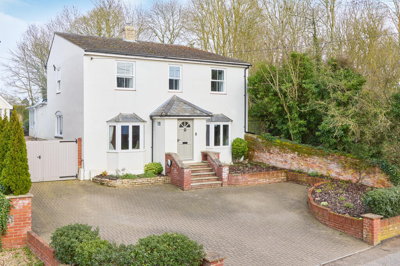
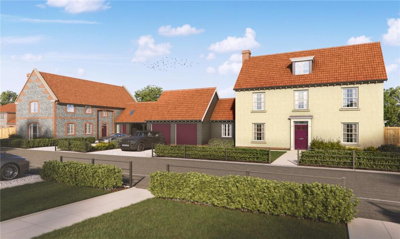
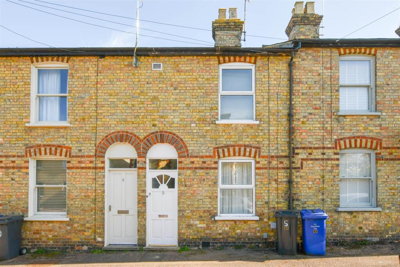
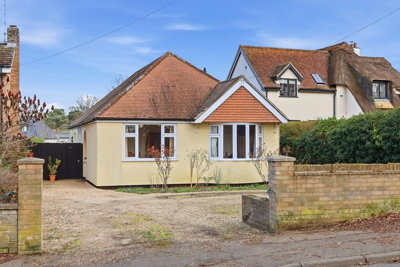
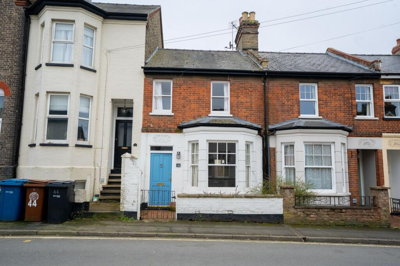
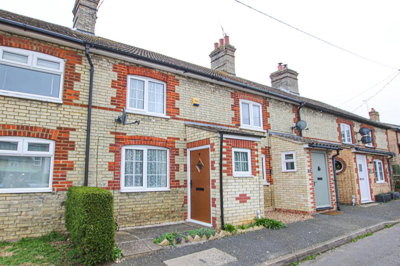
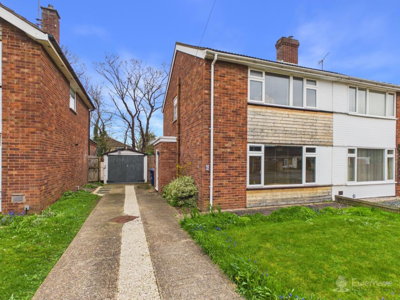
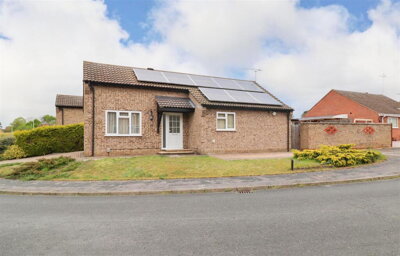
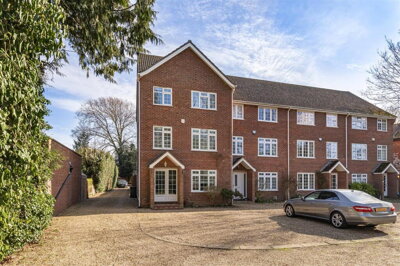
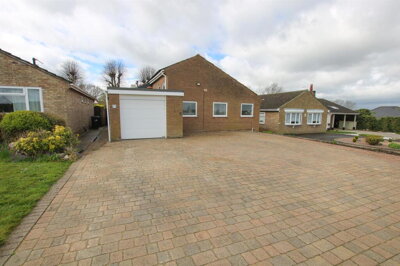
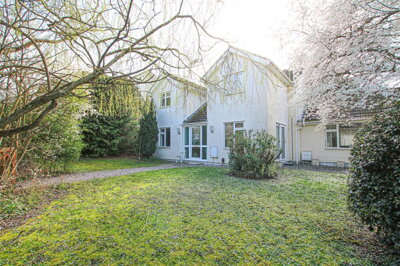
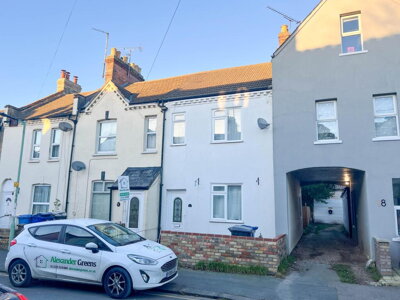
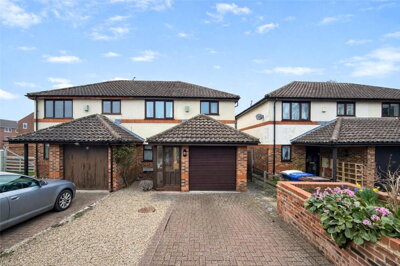
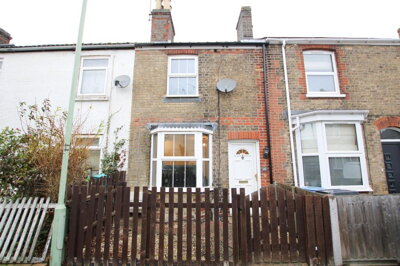
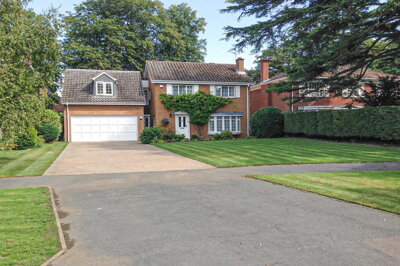
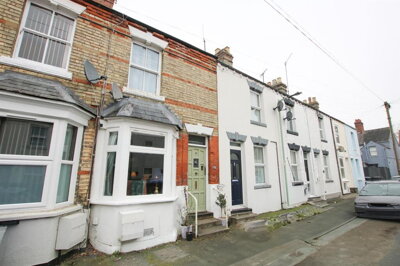
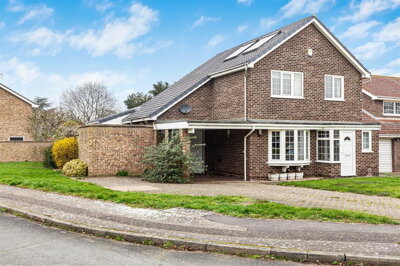
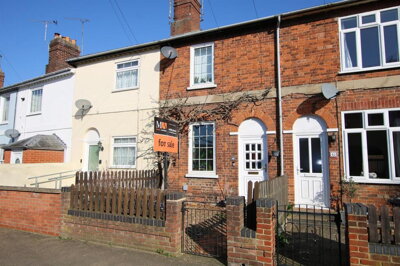
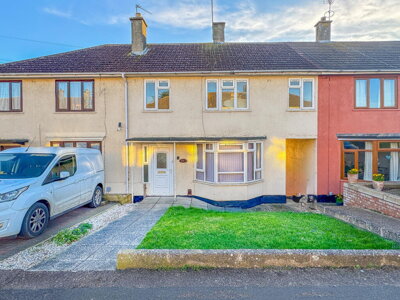
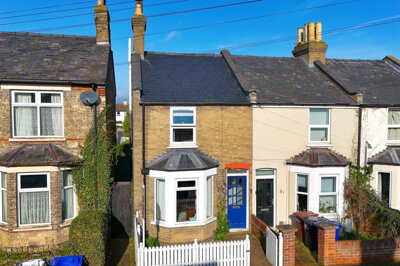
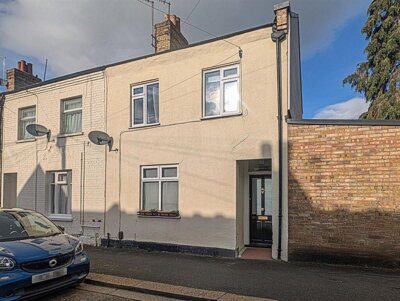
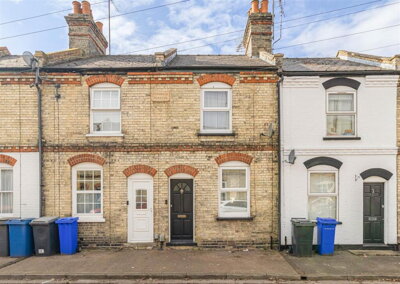
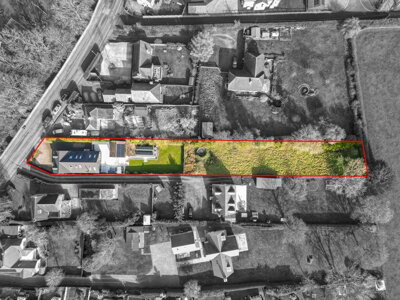
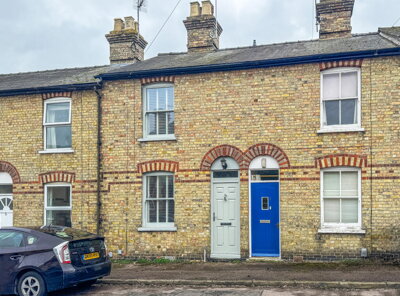
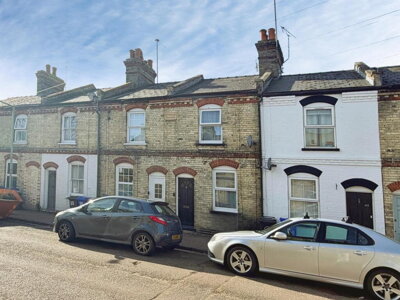
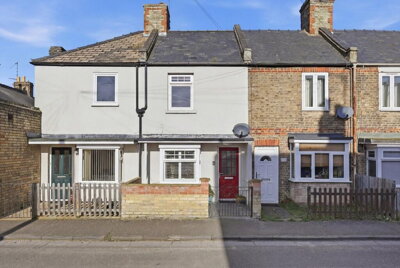
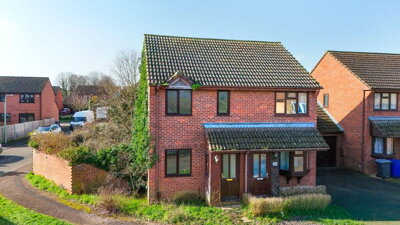
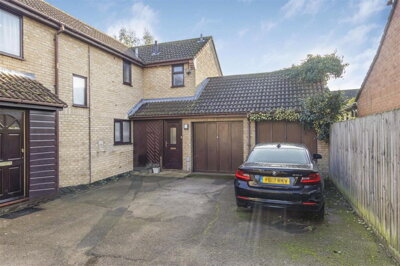
Browse 197 homes for sale in Cheveley, East Cambridgeshire from local estate agents.
The Cheveley property market offers detached, semi-detached, and terraced houses spanning various price ranges and neighbourhoods. Each listing includes detailed property information, photographs, and direct contact with the marketing agent.
£550k
17
0
119
Source: home.co.uk
Showing 17 results for Houses for sale in Cheveley, East Cambridgeshire. The median asking price is £550,000.
Source: home.co.uk
Detached
12 listings
Avg £698,329
Semi-Detached
4 listings
Avg £477,500
Terraced
1 listings
Avg £240,000
Source: home.co.uk
Source: home.co.uk
The Kenardington property market operates as a discreet, low-volume segment of the Ashford housing landscape. According to Rightmove data, the overall average house price stands at £565,000, with Zoopla reporting sold prices averaging £665,000 over the past twelve months. These figures reflect a market that has demonstrated solid long-term growth, with prices increasing by 25.5% over the past decade. However, the market has experienced an 8% correction from the 2021 peak of £612,500, presenting potential opportunities for buyers who act decisively when properties become available.
Property types in Kenardington skew heavily toward detached houses, reflecting the village's agricultural heritage and generous plot sizes. Recent sales data reveals detached properties commanding between £565,000 and £765,000, with an end-of-terrace property currently listed at £550,000 demonstrating continued demand for character homes at various price points. Semi-detached properties have appeared at lower price levels, with one such home selling for £216,000 in April 2023, though these entry-level options remain rare. New build activity within the TN26 postcode area has not produced any verified active developments, meaning buyers seeking modern specifications may need to look to nearby settlements or accept that character comes as standard in this historic parish.
Properties on Appledore Road have shown particular resilience, achieving an average price of £665,000 over the last year, which represents a 4% increase on the 2023 peak of £637,750. This suggests that certain locations within the village command premium valuations, likely due to their proximity to the station at Hamstreet or their positioning relative to the village centre. The TN26 2LY postcode area has recorded only 3 property sales over the past 22 years, with the most recent in April 2022, illustrating just how rarely properties come to market in this village and underscoring the importance of acting quickly when homes do appear for sale.
Properties in Kenardington reflect the village's long agricultural history, with construction methods and materials that have evolved over centuries. The Grade II* listed Kenardington Manor exemplifies traditional Kentish construction, featuring intricate timbered and jettied facades that extend over the street line, high timbered and beamed ceilings throughout the principal rooms, and original herringbone brick floors that speak to the craftsmanship of medieval builders. These features are not merely historical curiosities but practical considerations for any buyer evaluating a period property, as timber-framed structures require ongoing maintenance of their structural timbers and protective treatment against wood-boring insects.
Farmhouses in the village, such as High House Farmhouse which is late 18th century in origin, demonstrate the transition from timber framing to more regular brick construction, with frontages in red brick and sides incorporating grey headers for visual interest. Traditional properties throughout the parish generally feature solid masonry walls, lime-based mortars and plasters, and natural slate or clay tile roofing. Kentish ragstone, extracted from local quarries, appears in boundary walls and outbuildings across the village. Understanding these construction methods is essential for buyers, as older properties may have different maintenance requirements and structural characteristics compared to modern buildings. Our inspectors frequently encounter these traditional construction details when surveying homes in the village, and we factor them into every assessment we produce.

Life in Kenardington unfolds at a pace that many city dwellers find impossible to imagine. This small rural village, tracing its origins to the late 9th century, preserves an agricultural landscape that has changed relatively little over generations. The community centres around the Grade II* listed Church of St Mary the Virgin, whose tower dates to 1170 AD and whose nave incorporates 13th and 15th century construction. The village green and surrounding farmland create a setting that appears almost timeless, with hedgerows, orchards and paddocks forming the everyday backdrop to village life.
The parish spans approximately 2.5 miles from north to south, with properties concentrated in a loose cluster around the church and village hall. Residents describe the atmosphere as genuinely village-like, where local events, parish council meetings and country walks provide the social fabric of daily life. The nearest shops and railway station at Hamstreet lie approximately two miles away, placing basic amenities within comfortable cycling distance. For wider shopping, dining and entertainment, the market town of Ashford sits just seven miles distant, offering direct rail connections to London and the continent via the International Railway Station.
The proximity to Romney Marsh provides access to excellent walking routes, birdwatching opportunities and the distinctive landscape of England's newest National Nature Reserve. The economy of the village remains rooted in agriculture and local services, with residents often commuting to larger employment centres in Ashford and beyond. The population has grown modestly from 283 recorded in the 2021 Census to an estimated 303 in 2024, reflecting steady interest in village living without the dramatic changes seen in more accessible Kent settlements. Community life revolves around the village hall, the church, and the network of public footpaths that crisscross the surrounding farmland, offering miles of walking through some of Kent's most unspoiled countryside.

Kenardington enjoys a strategic position for commuters seeking to balance rural living with accessibility to major employment centres. Hamstreet railway station, located approximately two miles from the village centre, provides regular services to Ashford International in around 12 minutes. From Ashford, travellers can access Southeastern mainline services to London St Pancras International in approximately 37 minutes, making day-to-day commuting into the capital entirely feasible for those with office-based employment. The HS1 high-speed service further extends connectivity to continental Europe via the Channel Tunnel, a consideration for buyers with business interests in France or Belgium.
Road connections from Kenardington centre operate via the A2070 and A28, linking to the M20 motorway at Ashford. The M20 provides direct access to the Channel ports of Dover and Folkestone, making continental travel straightforward for business or leisure. For air travel, London Gatwick can be reached in approximately one hour, while London Heathrow requires around 90 minutes by car. Local bus services operated by Stagecoach and other providers connect Kenardington to surrounding villages and market towns, though frequencies are limited, typically hourly or less on weekdays. Prospective buyers without private transport should factor in the practical implications of rural public transport provision when considering Kenardington as a place to call home.
We always advise buyers to consider their transport requirements carefully before committing to a purchase. The village's rural character means that daily reliance on public transport may prove challenging, particularly for those working standard office hours. However, the proximity of Hamstreet station does provide a genuine commuting option for those whose employers offer hybrid working patterns, and many residents find that visiting the village a few times weekly combined with home working suits their lifestyle perfectly.
Before beginning your property search in Kenardington, obtain a mortgage agreement in principle from a lender. This demonstrates to estate agents and sellers that you are a serious buyer with financing in place. Given the higher average property values in this Kent village, ensuring your borrowing capacity covers properties in the £500,000 to £700,000 range will help you act quickly when suitable homes appear on the market.
Spend time exploring Kenardington at different times of day and week before committing to a purchase. Walk the footpaths, visit the village hall, and speak with existing residents to understand what daily life entails. Consider your proximity requirements to Hamstreet for station access and Ashford for shopping and healthcare, as well as your tolerance for the limited local amenities that come with village living.
Use Homemove to search for properties currently listed for sale in Kenardington. Register for alerts to be notified immediately when new homes come to market. Given the low volume of sales in this village, properties can move quickly, and being first to view often proves essential for securing your preferred home. The rarity of available properties means that preparation is everything - have your financing arranged and your conveyancer on standby before you begin your search.
Once you identify a property, arrange a viewing promptly and consider requesting a RICS Level 2 or Level 3 survey depending on the property age and condition. Given the prevalence of listed buildings and historic properties in Kenardington, a thorough survey is particularly important to identify any issues with timber framing, traditional construction or damp that commonly affect older properties in the village. Properties over 50 years old, unusual construction, or listed status all warrant the more comprehensive Level 3 Building Survey.
Appoint a conveyancing solicitor with experience handling rural and listed property transactions in Kent. Your solicitor will conduct local authority searches, check for planning conditions affecting the property, and manage the legal transfer of ownership. Given the potential flood risk from proximity to Romney Marsh and the Royal Military Canal, ensure your solicitor investigates drainage and flood risk carefully. Listed building consent requirements should also be checked for any planned modifications.
Once your mortgage offer is confirmed and searches are satisfactory, you will exchange contracts and pay your deposit. Completion typically follows within two to four weeks, after which you will receive the keys to your new Kenardington home. Plan your move carefully given the rural location and arrange utility connections and broadband installation well in advance, as these services may take longer to schedule in rural areas.
Purchasing property in Kenardington requires careful attention to matters that may not appear in standard property listings. The village's location on the edge of Romney Marsh warrants specific investigation into flood risk, as properties near the Royal Military Canal may be susceptible to flooding during periods of heavy rainfall or tidal surge. Your survey should assess drainage systems, the condition of any flood defences, and the history of flooding at the property. While the majority of properties here have stood for centuries without significant incident, the marshland setting means that thorough due diligence provides essential .
The underlying geology of Kenardington and the surrounding marshland consists largely of alluvial deposits, including clay and silt that were deposited over millennia as the Romney Marsh evolved. This clay-rich geology can create shrink-swell risks for structures, particularly during periods of drought followed by heavy rainfall when clay soils contract and expand. We check foundations carefully during surveys, looking for signs of movement or subsidence that may relate to soil conditions. Properties with deep foundations into more stable substrate typically perform better in these conditions, while shallower foundations may show evidence of past movement.
With eleven listed buildings including two Grade II* and nine Grade II structures, buyers should understand that many properties in Kenardington carry architectural protections that restrict alterations and improvements. If you are considering any modifications to a period property, you will need to apply for listed building consent from Ashford Borough Council, and works must be carried out using appropriate materials and techniques. The village's lack of a designated conservation area does not diminish the importance of these protections, as listed status alone imposes significant obligations on owners. Properties such as Kenardington Manor, with its intricate timbered and jettied facades, represent exceptional heritage assets requiring sympathetic long-term maintenance. We have surveyed many of these historic properties and understand the particular challenges they present.
According to recent market data, the average house price in Kenardington stands at approximately £565,000 according to Rightmove, with Zoopla reporting sold prices averaging £665,000 over the past twelve months. The village has seen a 25.5% increase in property values over the past decade, though prices are currently 8% below the 2021 peak of £612,500. Detached properties typically command between £565,000 and £765,000, while terraced and semi-detached options are rarer and priced accordingly. Given the low volume of sales in this village, individual property prices can vary considerably depending on condition, plot size and historical significance, with properties on Appledore Road achieving premiums of around 4% above village averages.
Properties in Kenardington fall under Ashford Borough Council jurisdiction. Council tax bands for properties in the TN26 postcode area follow the standard Valuation Office Agency banding system ranging from Band A through to Band H. Exact bands for individual properties should be confirmed through the Valuations Office Agency website or your conveyancing solicitor during the purchase process. Historic properties and those with exceptional features may sometimes attract higher banding due to their market value, and period properties with significant land or outbuildings may also be assessed differently than standard residential dwellings.
As a small rural parish with only 283 residents, Kenardington does not have its own primary or secondary school. The nearest primary schools are located in nearby villages and Hamstreet, with primary-aged children typically attending schools in Appledore or Hamstreet. Secondary education is provided by schools in Ashford, with catchment areas and admission policies determined by Kent County Council. Parents should verify current school allocations and admission arrangements directly with Kent County Council, as these can change and may affect which schools children can attend from a Kenardington address. School transport arrangements for secondary pupils travelling to Ashford should also be confirmed before purchasing.
Public transport options from Kenardington are limited, reflecting its status as a small rural village. Hamstreet railway station, approximately two miles away, provides the nearest rail access with services to Ashford International in around 12 minutes. Bus services operated by Stagecoach connect Kenardington to surrounding villages and Ashford, though frequencies are typically limited to hourly or less on weekdays. Prospective buyers relying entirely on public transport should carefully review current timetables and consider whether the village meets their practical transport requirements. For full connectivity, private vehicle ownership remains strongly advisable for most residents, particularly those working standard hours or with family commitments requiring flexible transport options.
Kenardington offers the characteristics that make rural Kent villages attractive to certain investors: limited supply, strong historical character, and a consistent appeal for buyers seeking authentic countryside living. The 25.5% growth in property values over the past decade demonstrates that Kenardington property has performed well over the longer term, though the 8% correction from the 2021 peak shows that even rural markets experience volatility. Rental demand in the village is likely to be modest given the limited local employment and amenities, making Kenardington more suitable for buyers seeking personal occupation rather than buy-to-let investment. The presence of historic properties and listed buildings could appeal to those with renovation projects in mind, though planning restrictions may limit achievable returns. The village's limited supply of available properties also means opportunities to purchase are rare, which can support values when properties do come to market.
Stamp Duty Land Tax rates for residential property purchases in England are calculated on a sliding scale. For properties purchased at the current average price of £565,000, a buyer paying standard rates would pay no SDLT on the first £250,000, then 5% on the portion between £250,000 and £565,000, totalling approximately £15,750. First-time buyers purchasing properties up to £625,000 may qualify for relief, paying 0% on the first £425,000 and 5% on the amount between £425,000 and £565,000, reducing the SDLT liability to £7,000. Properties purchased above £925,000 attract higher rates. Your solicitor or conveyancer will calculate the exact SDLT liability based on your circumstances and the purchase price.
Kenardington sits on the northern edge of Romney Marsh, a landscape historically shaped by water management and flood defence systems. The nearby Royal Military Canal, built in the early 19th century as a defensive feature, also serves as part of the local drainage infrastructure. Properties in low-lying areas near the marsh may face some flood risk during exceptional weather events or periods of sustained rainfall. Your solicitor should raise specific drainage and flood risk enquiries through local authority searches and the Environment Agency, and your survey should assess the property's susceptibility to flooding. Many historic properties in the village have stood successfully for centuries, but understanding the specific risk profile of your chosen property is essential before completing a purchase.
Given the age of much of the housing stock in Kenardington, with many properties dating from the 18th and 19th centuries alongside earlier timber-framed buildings, several defect categories recur regularly. Damp affects both solid-walled and timber-framed properties, often manifesting in ground floor walls, around windows and door frames, and in cellars or basements where these exist. Roof condition requires careful assessment, as traditional clay tiles and slates may have reached the end of their serviceable life and require renewal. Electrical installations in older properties frequently pre-date modern standards and may require complete rewire. Structural timbers in timber-framed buildings should be inspected for signs of wood-boring insect activity or fungal decay, and foundations should be checked for movement related to the shrink-swell behaviour of the underlying clay soils. We have encountered all of these issues during surveys in the village, and our inspectors know precisely what to look for in traditional Kentish construction.
From £400
A detailed inspection of conventional properties in reasonable condition. Recommended for newer properties and standard construction.
From £600
Our most comprehensive survey for older, larger, or listed properties. Recommended for all properties over 50 years old in Kenardington.
From 4.5% APR
Compare rates from leading lenders for your Kenardington property purchase.
From £499
Specialist solicitors handling rural and listed property transactions in Kent.
Understanding the full costs of purchasing property in Kenardington extends well beyond the asking price. Stamp Duty Land Tax represents the most significant additional cost, calculated on a tiered system that sees no tax applied to the first £250,000 of a property purchase. For a typical Kenardington home at the current average price of £565,000, a standard buyer would incur SDLT of approximately £15,750, calculated as 5% on the amount between £250,000 and £565,000. First-time buyers may benefit from the increased threshold of £425,000, reducing their SDLT liability to around £7,000 for properties within that limit.
Beyond stamp duty, buyers should budget for solicitor conveyancing fees typically ranging from £499 to £1,500 depending on complexity, plus disbursements including local authority searches (approximately £200-£400), land registry fees and money laundering checks. Survey costs for a RICS Level 2 HomeBuyer Report typically range from £400 to £800, while a full RICS Level 3 Building Survey for a larger or older property may cost £600 to £1,500. Given the prevalence of historic properties in Kenardington, investing in a thorough survey is particularly advisable, as older construction methods and listed building status may reveal issues that require specialist attention. Mortgage arrangement fees, valuation fees and broker charges may also apply depending on your chosen lender and deal structure.
For properties above £500,000, which represents the majority of detached homes in Kenardington, survey costs may be higher than the national average due to property value considerations and the additional complexity of surveying historic buildings. Listed building status typically adds a premium of £150 to £400 to survey costs, reflecting the specialist knowledge required to assess heritage properties accurately. We believe these costs are money well spent, particularly in a village where properties change hands infrequently and buyers may be committing significant capital to homes that will be with them for many years to come.
Properties for Sale In London

Properties for Sale In Plymouth

Properties for Sale In Liverpool

Properties for Sale In Glasgow

Properties for Sale In Sheffield

Properties for Sale In Edinburgh

Properties for Sale In Coventry

Properties for Sale In Bradford

Properties for Sale In Manchester

Properties for Sale In Birmingham

Properties for Sale In Bristol

Properties for Sale In Oxford

Properties for Sale In Leicester

Properties for Sale In Newcastle

Properties for Sale In Leeds

Properties for Sale In Southampton

Properties for Sale In Cardiff

Properties for Sale In Nottingham

Properties for Sale In Norwich

Properties for Sale In Brighton

Properties for Sale In Derby

Properties for Sale In Portsmouth

Properties for Sale In Northampton

Properties for Sale In Milton Keynes

Properties for Sale In Bournemouth

Properties for Sale In Bolton

Properties for Sale In Swansea

Properties for Sale In Swindon

Properties for Sale In Peterborough

Properties for Sale In Wolverhampton

Enter your details to see if this property is within your budget.
Loans, cards, car finance
Estimated property budget
Borrowing + deposit
You could borrow between
Typical borrowing
Monthly repayment
Est. at 4.5%
Loan-to-value
This is an estimate only. Your actual budget may vary depending on interest rates, credit history, and personal circumstances. For an accurate affordability assessment, speak to one of our free mortgage advisors.
This calculator provides estimates for illustrative purposes only and does not constitute financial advice. Your home may be repossessed if you do not keep up repayments on your mortgage. Estimates based on 4.5% interest rate, repayment mortgage. Actual rates depend on your circumstances.
Homemove is a trading name of HM Haus Group Ltd (Company No. 13873779, registered in England & Wales). Homemove Mortgages Ltd (Company No. 15947693) is an Appointed Representative of TMG Direct Limited, trading as TMG Mortgage Network, which is authorised and regulated by the Financial Conduct Authority (FRN 786245). Homemove Mortgages Ltd is entered on the FCA Register as an Appointed Representative (FRN 1022429). You can check registrations at NewRegister or by calling 0800 111 6768.

We use cookies to show you personalised content and improve your experience of our website. Find out more in our Privacy policy and Cookie policy.