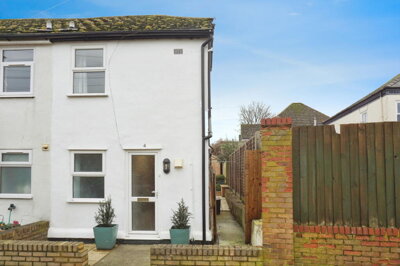
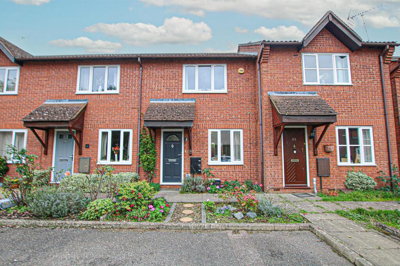
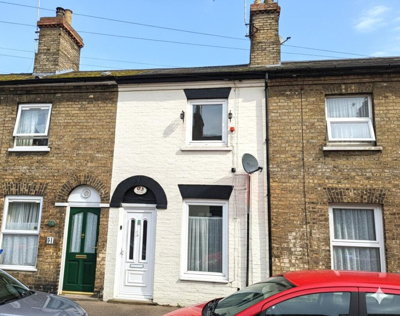
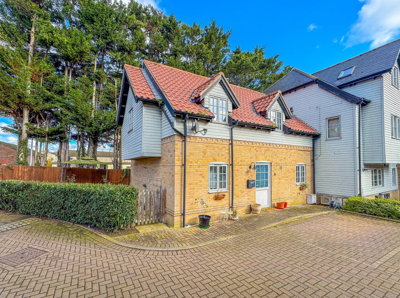
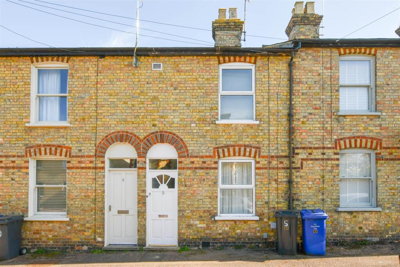
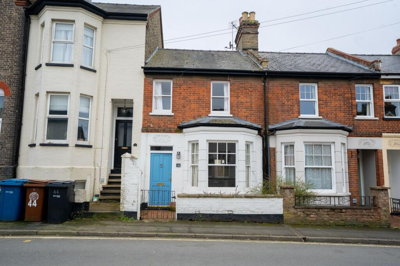
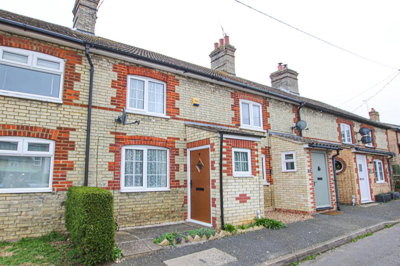
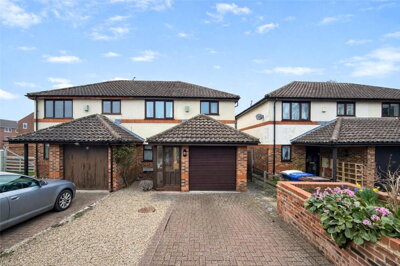
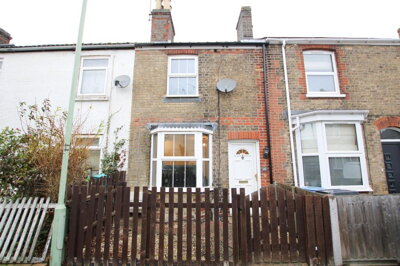
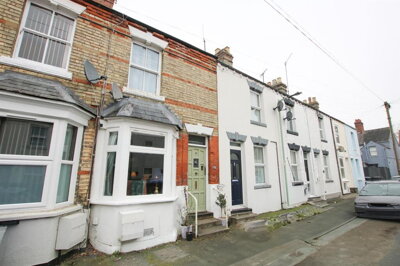
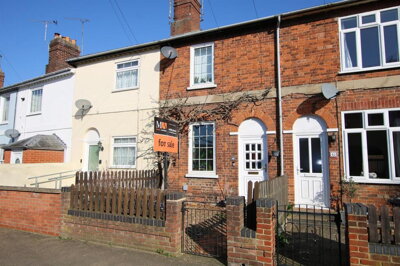
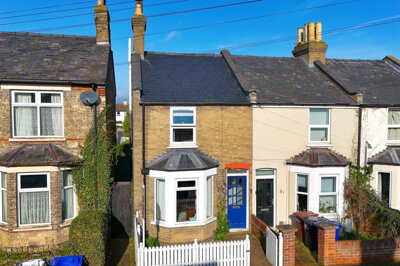
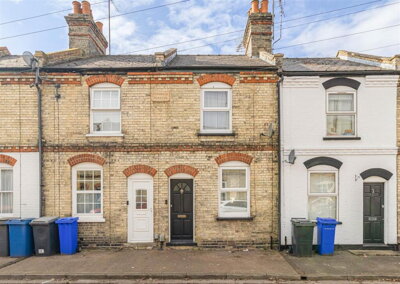
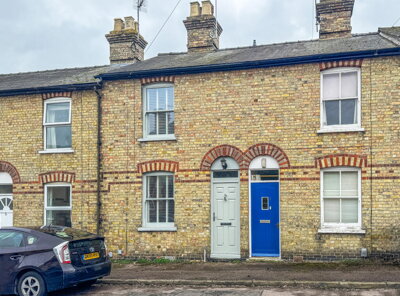
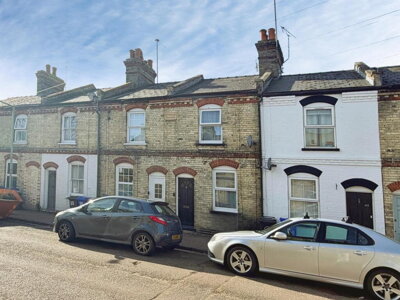
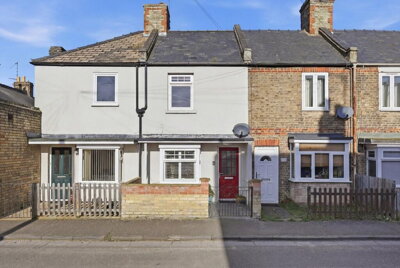
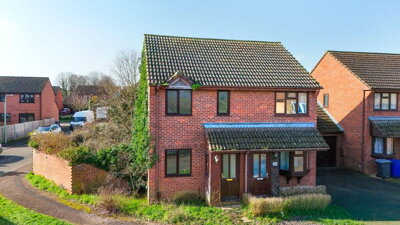
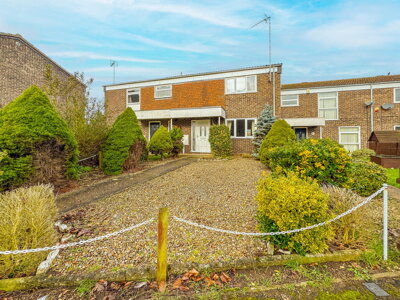
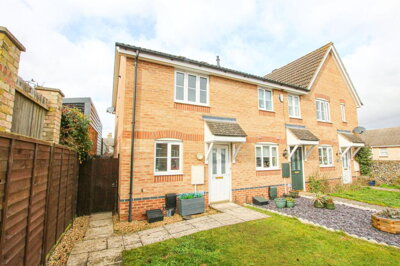
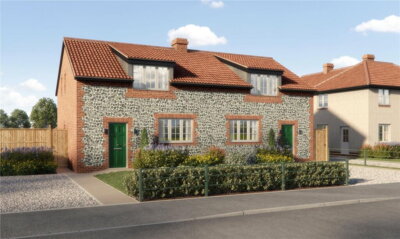
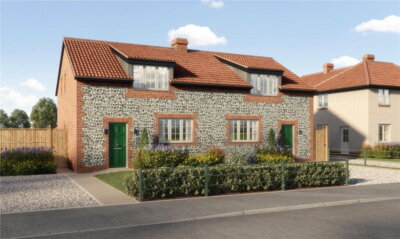
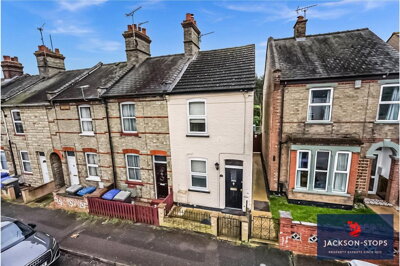
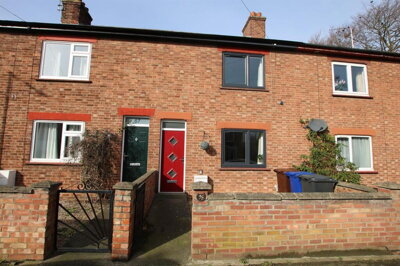
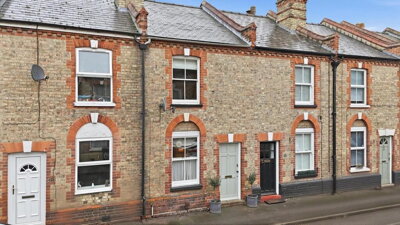
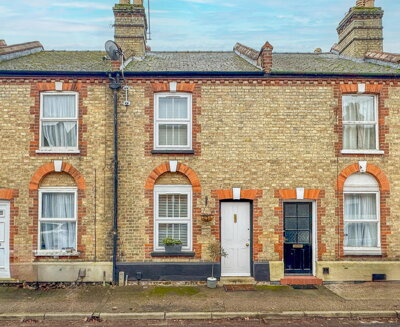
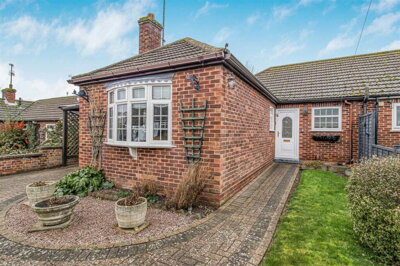
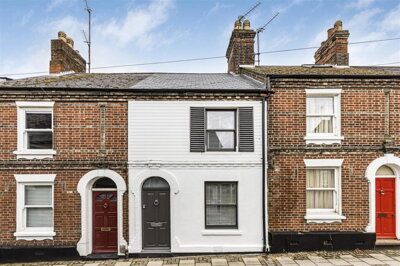
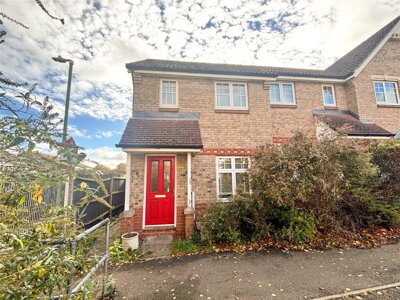
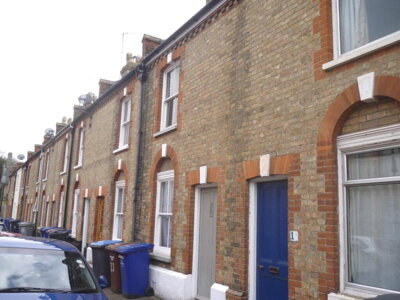
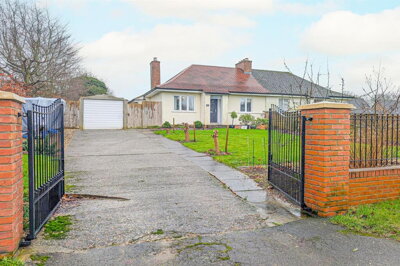
Browse 76 homes for sale in Cheveley, East Cambridgeshire from local estate agents.
The 2 bed house market features detached, semi-detached, and terraced properties with two separate bedrooms plus living spaces. Properties in Cheveley range from Victorian and Edwardian period homes to modern new builds, with pricing varying across different neighbourhoods.
£0k
0
0
0
Source: home.co.uk
Showing 0 results for 2 Bedroom Houses for sale in Cheveley, East Cambridgeshire.
The Cheveley property market reflects the village's desirable location and strong local demand. The average house price stands at £597,559, with detached properties commanding premium prices averaging £777,900. Those seeking more affordable options will find terraced properties averaging £315,875, offering an accessible entry point to this sought-after Cambridgeshire village. Semi-detached homes average £372,000, providing a middle ground between the cottage-style terraced properties and the larger detached family homes that dominate the market.
Price trends reveal an interesting market trajectory. Historical sold prices in Cheveley over the last year were 38% up on the previous year, though 17% down on the 2023 peak of £719,000. This correction from peak prices presents opportunities for buyers who missed the previous market high. The majority of properties sold are detached homes, which aligns with the village's character as a premium residential location. One notable new development is Farriers Walk by Denbury Homes off Little Green, offering two-bedroom bungalows through to six-bedroom houses, including five affordable homes for those meeting eligibility criteria.
Transaction volumes in Cheveley remain steady, with ongoing sales activity reflecting sustained interest in the village. The limited supply of new properties, combined with the village's Conservation Area status that restricts significant alterations, helps maintain property values over time. For buyers, this means careful property selection is important, as finding the right home may require patience or willingness to compromise on less critical features. The market attracts a diverse range of buyers, from commuters working in Cambridge to equestrian professionals based in Newmarket.

Cheveley offers a lifestyle rooted in rural English charm while maintaining strong connections to urban amenities. The village economy revolves around the thoroughbred horse breeding and racing industry, with nearly all agricultural land converted to over a dozen stud farms by the late twentieth century. This equestrian heritage permeates the local culture, with the village sitting just four miles from Newmarket, where approximately one in three local jobs are connected to the racing industry. The community attracts professionals from the horse racing world, countryside enthusiasts, and families seeking a peaceful environment with good schools nearby.
The local geography creates a distinctive landscape of chalk downland and clay-capped hills, with rolling farmland stretching toward the Cambridgeshire Fens. The village centre, designated a Conservation Area in 1981, features an early 14th-century Church of St Mary alongside traditional thatched cottages dating to the 1600s. Flint boundary walls, timber-framed buildings with pargetted panels, and steeply pitched slate roofs characterise the architectural heritage. Cheveley Park retains gate piers and a boundary wall from the late 17th century, reflecting the village's historical significance as a seat of minor nobility.
Community life in Cheveley centres on active local clubs, village events, and the surrounding countryside. A farm shop provides fresh local produce, while nearby Newmarket offers additional shopping, restaurants, and leisure facilities. The village green and surrounding footpaths provide recreational opportunities for walking and cycling through the stud farm pastures. With 66.7% of households owning their homes outright, the village maintains a stable, established character that appeals to buyers seeking long-term community roots.
The village centre around the High Street provides most daily amenities within walking distance, with a village store and post office serving residents. For larger shopping requirements, Newmarket town centre is a short drive away, offering major supermarkets, independent retailers, and a twice-weekly market. Cambridge city centre, approximately 20 minutes by car, provides access to major retail destinations, cinemas, and cultural attractions for those seeking more extensive entertainment options.

Education provision in Cheveley serves families with children of all ages, though the village itself offers limited schooling options. Cheveley Primary School provides local primary education within the village, catering to children from Reception through to Year 6. For secondary education, families typically look to nearby Newmarket, which offers several secondary schools including Newmarket Academy. The surrounding area also includes Bottisham Community College, a popular non-selective option, while King Edward VI School in Bury St Edmunds provides grammar school access for those who pass the 11-plus examination.
The wider Cambridgeshire education landscape offers excellent choices for families willing to travel. The county is renowned for its academic standards, with Cambridge schools consistently performing well in national league tables. Parents should verify current Ofsted ratings and examination results, as school performance can vary year by year. For sixth form education, learners have options in Newmarket, Cambridge, and Bury St Edmunds, with sixth form colleges and school-based provision available. Families moving to Cheveley should research catchment areas carefully, as school admissions often prioritise local residents.
Independent schooling options in the wider area include The King's School in Ely and St Mary's School in Cambridge, both offering co-educational and single-sex education from primary through to sixth form. Several preparatory schools in Newmarket and the surrounding villages provide feeder pathways to these independent secondary schools. For families considering private education, understanding the admissions processes and registration timelines for these schools is essential when planning a move to the area.
Transport connections from Cheveley balance rural tranquility with practical commuting options. The village does not have its own railway station, but Newmarket provides the nearest rail services with regular trains to Cambridge taking approximately 20 minutes and services to London Liverpool Street in around 75 minutes. These connections make Cheveley viable for professionals working in Cambridge's technology sector or commuting to London, while the village itself offers the peace and space that city living cannot match.
Road connectivity serves drivers well, with the A14 trunk road providing access to Cambridge, Ipswich, and the wider motorway network. The A11 trunk road offers a direct route toward Norwich and the East Anglia coast. For air travel, Stansted Airport is approximately 40 miles distant with excellent motorway access via the M11 and A120, while Cambridge Airport provides domestic and European flights. The village benefits from community transport schemes and bus services connecting to Newmarket and Cambridge, though private transport remains advantageous for full flexibility.
For commuters working in Cambridge's growing technology and bioscience sectors, Cheveley offers a viable alternative to more expensive city-centre living. The journey to Cambridge Science Park and the Biomedical Campus typically takes 25-30 minutes by car outside peak hours. The A14 evening outbound traffic can extend journey times significantly, so prospective buyers should consider their specific commute patterns when evaluating the village as a potential home location.
Contact a mortgage broker to secure your agreement in principle before viewing properties. This demonstrates your budget to agents and sellers, strengthens your position when making offers, and helps you understand what monthly payments to expect. Current mortgage rates vary, so comparing options from multiple lenders ensures you find the best deal for your circumstances.
Explore the village's different neighbourhoods, from the Conservation Area around the High Street to newer developments like Farriers Walk. Consider proximity to schools, transport links, and local amenities. Understanding the area's character helps you identify properties that match your lifestyle priorities.
Once you have identified suitable properties, contact the listing agents to arrange viewings. Take time to assess each property carefully, considering both the interior condition and the surrounding neighbourhood at different times of day. Ask about the local community, recent sales in the area, and any planned developments nearby.
Given Cheveley's heritage properties, arrange a RICS Level 2 survey before proceeding. A Level 2 survey typically costs between £416 and £639 for properties in this price range, providing a detailed assessment of condition and highlighting any defects that might affect value or require attention. For older or listed properties, consider a more comprehensive Level 3 survey.
Your solicitor will conduct searches, review contracts, and manage the legal transfer of ownership. Cheveley's conservation area status and listed buildings may require additional enquiries. Once all parties agree on terms, you will exchange contracts and pay your deposit, typically 10% of the purchase price, making the sale legally binding.
On completion day, your solicitor transfers the remaining funds, and you receive the keys to your new Cheveley home. Ensure you have buildings insurance in place from this date and notify relevant parties of your change of address. Take time to familiarise yourself with the property and settle into your new community.
Purchasing property in Cheveley requires awareness of several local-specific factors that affect buyer decisions. The village's Conservation Area status means any significant alterations to properties require planning permission from East Cambridgeshire District Council. If you are considering extending or modifying a period property, understanding these restrictions before purchase prevents costly disappointments. Properties within the Conservation Area benefit from protections that maintain the village's character, but these same protections limit what changes owners can make to their homes.
The predominant building materials in Cheveley include traditional construction methods that differ from modern properties. Thatched roofs, timber frames, flint walls, and pargetted plasterwork require specialist maintenance and insurance considerations. Properties of this age commonly develop issues including damp, timber defects, and outdated electrical systems. The chalk downland and clay-capped hills underlying the village may affect ground conditions, so buyers should commission thorough surveys that investigate these potential concerns.
With over 30 listed buildings in the parish, buyers considering heritage properties should understand the implications of listing status. Grade I listed buildings such as the Church of St Mary and Grade II listed properties including several on High Street require consent from East Cambridgeshire District Council for any works that might affect their character. These properties often carry higher maintenance obligations but also benefit from significant protection and distinctive character that modern properties cannot replicate. Always review the Property Information Pack provided by sellers and conduct your own independent searches to understand any rights of way, covenants, or environmental factors affecting the property.
Common defects in Cheveley's older properties warrant careful attention during the survey process. Damp issues frequently affect historic buildings with solid walls and traditional construction, manifesting as peeling wallpaper, musty smells, or cold internal surfaces. Timber-framed properties may show signs of woodworm or rot, particularly in areas where moisture has penetrated. Roof condition on thatched properties requires specialist assessment, as re-thatching is a significant expense that buyers should budget for. Electrical systems in period properties often require complete rewiring to meet modern standards, a cost that should be factored into any offer on older homes.
The average house price in Cheveley is £597,559 based on recent sales data. Detached properties average £777,900, semi-detached homes average £372,000, and terraced properties average £315,875. Price trends show historical sold prices were 38% up on the previous year, though down 17% from the 2023 peak of £719,000, indicating some market correction from recent highs.
Council tax bands in Cheveley, administered by East Cambridgeshire District Council, range from Band A through to Band H based on property value. Most family homes in the village fall within Bands D through F. Prospective buyers should check the specific band for any property they are considering, as this affects annual running costs alongside mortgage payments, insurance, and maintenance.
Cheveley Primary School serves the village for primary education. For secondary education, families typically consider Newmarket Academy, Bottisham Community College, or King Edward VI School in Bury St Edmunds for grammar school entry. Parents should verify current Ofsted ratings and examination results, as school performance varies and catchment areas can affect admissions eligibility.
Cheveley does not have its own railway station, but Newmarket provides the nearest rail services with direct trains to Cambridge in approximately 20 minutes and to London Liverpool Street in around 75 minutes. Bus services connect Cheveley to Newmarket and Cambridge, though private transport offers greater flexibility. The A14 and A11 provide road access to Cambridge and the wider motorway network.
Cheveley offers strong investment fundamentals due to its desirable location between Cambridge and Newmarket, limited new housing supply, and strong demand from commuters and equestrian professionals. Property values have shown long-term growth with recent volatility reflecting broader market conditions. The village's Conservation Area status and limited developable land help protect property values. Detached family homes and character properties in the village centre tend to command premium prices.
Stamp duty rates for England from April 2025 start at 0% on the first £250,000 of purchase price, rising to 5% on amounts between £250,001 and £925,000. Properties above £925,000 incur 10% stamp duty, while those exceeding £1.5 million pay 12%. First-time buyers qualify for relief on purchases up to £625,000, with 0% charged on the first £425,000 and 5% on the remainder.
Beyond the purchase price, budget for stamp duty based on your purchase price and eligibility, solicitor fees typically ranging from £500 to £2,000, survey costs between £416 and £639 for a Level 2 survey, and moving expenses. If purchasing with a mortgage, factor in arrangement fees and valuation costs. Ongoing costs include council tax, buildings insurance, and maintenance reserves. Requesting a mortgage agreement in principle before viewing helps clarify your true budget.
Cheveley parish contains over 30 listed buildings, including the Grade I listed Church of St Mary dating to the early 14th century and several Grade II properties on High Street including numbers 105, 129, and 137. Cheveley Castle, a 14th-century moated fortified manor house, is a scheduled monument. Buyers considering listed properties should budget for specialist surveys and understand that any works affecting the building's character require consent from East Cambridgeshire District Council.
The central part of Cheveley village is designated a Conservation Area, originally designated on 27 January 1981. This designation protects the village's historic character, including the early 14th-century church, thatched cottages dating to the 1600s, and traditional flint boundary walls. Properties within the Conservation Area require planning permission for significant alterations, extensions, or demolitions that might affect their character. This protection helps maintain property values and the village's distinctive appearance, but buyers should understand the limitations this places on future modifications.
Cheveley maintains a strong sense of community with 66.7% of households owning their homes outright, reflecting the village's established character. Community life centres on local clubs, village events, and access to the surrounding countryside through an extensive footpath network. The village attracts diverse residents including equestrian professionals from nearby Newmarket, commuters working in Cambridge, and families seeking a peaceful rural environment. The farm shop provides a focal point for local produce, while the village green hosts seasonal events throughout the year.
From 4.5%
Compare mortgage rates and find the best deal
From £499
Expert solicitors for your Cheveley purchase
From £455
Essential survey for any Cheveley property
From £85
Energy performance certificate
Understanding the full costs of purchasing property in Cheveley helps buyers budget accurately and avoid surprises during the transaction. Stamp duty land tax applies to all purchases above £250,000 at standard rates, with first-time buyers receiving relief on properties up to £625,000. The rates range from 0% on the first £250,000 to 12% on portions above £1.5 million. For a typical Cheveley property at the average price of £597,559, a standard buyer would pay approximately £17,378 in stamp duty after the nil-rate threshold.
Professional fees form a significant part of purchase costs. Solicitor conveyancing fees typically range from £500 to £2,000 depending on complexity and property value, with Cheveley's Conservation Area properties potentially requiring additional local searches and specialist advice. Survey costs vary by property type and value, with a RICS Level 2 survey averaging around £455 and increasing for higher-value homes above £500,000. Mortgage arrangement fees, valuation costs, and broker charges add further expenses that buyers should factor into their overall budget.
Homemove brings together listings from all local estate agents and private sellers, giving buyers a comprehensive view of the Cheveley market in one convenient location. Our platform eliminates the need to check multiple websites, saving time while ensuring you do not miss any suitable properties. Combined with our mortgage, conveyancing, and survey services, Homemove provides everything you need to complete your Cheveley property purchase smoothly and efficiently.
Cheveley presents a compelling case for buyers seeking village life without sacrificing connectivity to major employment centres. The village sits strategically between Cambridge, with its world-renowned technology and bioscience sectors, and Newmarket, the global centre of thoroughbred horse racing. This dual advantage attracts professionals from diverse industries, supporting strong and stable property demand. The village's limited housing supply, constrained by Conservation Area protections and Green Belt considerations, means demand consistently outstrips new development.
For families, Cheveley offers access to good primary schooling within the village, with secondary options available in nearby Newmarket and the wider Cambridgeshire area. The village's low crime rate, strong community bonds, and extensive footpath network through stud farm pastures create a safe and family-friendly environment. The absence of through traffic, combined with the village green and surrounding countryside, provides for parents with young children. Local clubs and village events throughout the year offer opportunities for children to build friendships and engage with community life.
The equestrian heritage of Cheveley creates unique opportunities for buyers with an interest in horses. Proximity to Newmarket's world-class training facilities, racecourses, and stud farms offers access to equestrian employment, leisure riding opportunities, and the social connections that come with this exclusive community. Properties with stabling or paddock land command premium prices, reflecting the limited supply of such holdings in the village. For horse enthusiasts, few locations in Cambridgeshire offer the same combination of rural charm and equestrian infrastructure.
Given Cheveley's significant heritage stock, with origins dating back to the tenth century and many properties built in the 1600s, 1700s, and 1800s, buyers should be aware of common defects affecting period properties. Damp represents one of the most frequent issues in historic buildings with solid walls and traditional construction. Signs include musty smells, flaking paint, cold walls, black specks on window sills, curling wallpaper, and increased heating bills. Rising damp, penetrating damp from cracked brickwork or leaky gutters, and condensation from poor ventilation all require different remediation approaches.
Timber defects pose another significant concern in Cheveley's older properties. The timber-framed construction common to many period buildings can suffer from woodworm infestation, wet rot, and dry rot when moisture penetrates the structure. Surveyors typically inspect accessible timber for signs of decay, fungal growth, or insect activity. Properties with thatched roofs require specialist assessment, as re-thatching represents a substantial expense that buyers should budget for if considering such a property. Insurance costs for thatched properties also tend to be higher than for standard construction.
The chalk downland and clay-capped hills underlying Cheveley can create ground movement risks in certain conditions. Clay soils are prone to shrink-swell movement in response to moisture changes, particularly during periods of drought or when large trees are present near the property. While specific subsidence claims are not prominently documented in the village, buyers should commission thorough surveys that include investigation of any cracks, movement, or signs of structural stress. Properties in the village centre, near the former Cheveley Park grounds, may have different ground conditions than those on the surrounding chalk downland.
Electrical systems in period properties frequently require updating to meet modern standards and safety requirements. Wiring installed decades ago may not cope with contemporary power demands, and consumer unit upgrades are often necessary. Buyers should budget for potential re-wiring costs when purchasing older properties, as this work can cost several thousand pounds depending on the property size and accessibility. Similar considerations apply to plumbing, heating systems, and insulation, where period properties may fall well below modern standards and require significant investment to bring up to scratch.
Properties for Sale In London

Properties for Sale In Plymouth

Properties for Sale In Liverpool

Properties for Sale In Glasgow

Properties for Sale In Sheffield

Properties for Sale In Edinburgh

Properties for Sale In Coventry

Properties for Sale In Bradford

Properties for Sale In Manchester

Properties for Sale In Birmingham

Properties for Sale In Bristol

Properties for Sale In Oxford

Properties for Sale In Leicester

Properties for Sale In Newcastle

Properties for Sale In Leeds

Properties for Sale In Southampton

Properties for Sale In Cardiff

Properties for Sale In Nottingham

Properties for Sale In Norwich

Properties for Sale In Brighton

Properties for Sale In Derby

Properties for Sale In Portsmouth

Properties for Sale In Northampton

Properties for Sale In Milton Keynes

Properties for Sale In Bournemouth

Properties for Sale In Bolton

Properties for Sale In Swansea

Properties for Sale In Swindon

Properties for Sale In Peterborough

Properties for Sale In Wolverhampton

Enter your details to see if this property is within your budget.
Loans, cards, car finance
Estimated property budget
Borrowing + deposit
You could borrow between
Typical borrowing
Monthly repayment
Est. at 4.5%
Loan-to-value
This is an estimate only. Your actual budget may vary depending on interest rates, credit history, and personal circumstances. For an accurate affordability assessment, speak to one of our free mortgage advisors.
This calculator provides estimates for illustrative purposes only and does not constitute financial advice. Your home may be repossessed if you do not keep up repayments on your mortgage. Estimates based on 4.5% interest rate, repayment mortgage. Actual rates depend on your circumstances.
Homemove is a trading name of HM Haus Group Ltd (Company No. 13873779, registered in England & Wales). Homemove Mortgages Ltd (Company No. 15947693) is an Appointed Representative of TMG Direct Limited, trading as TMG Mortgage Network, which is authorised and regulated by the Financial Conduct Authority (FRN 786245). Homemove Mortgages Ltd is entered on the FCA Register as an Appointed Representative (FRN 1022429). You can check registrations at NewRegister or by calling 0800 111 6768.

We use cookies to show you personalised content and improve your experience of our website. Find out more in our Privacy policy and Cookie policy.