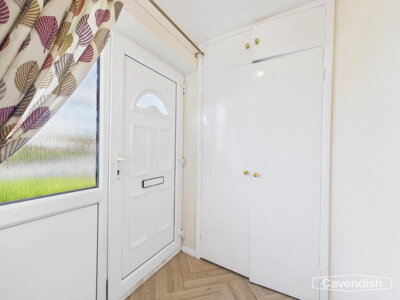
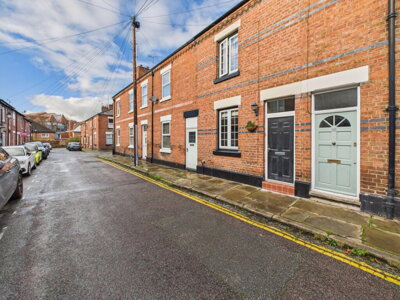
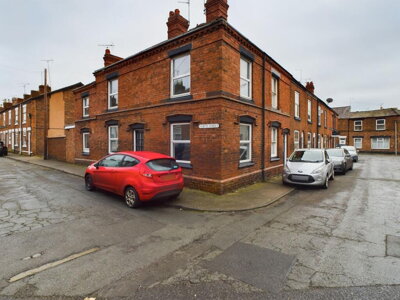
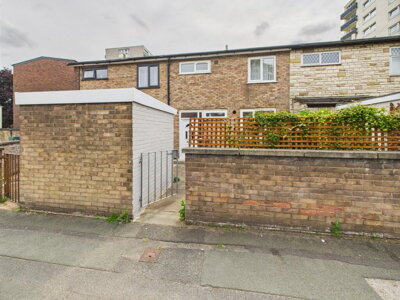
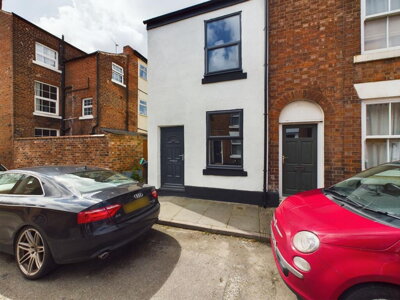
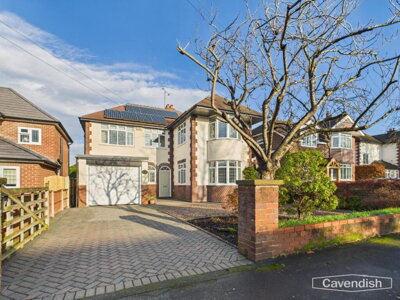
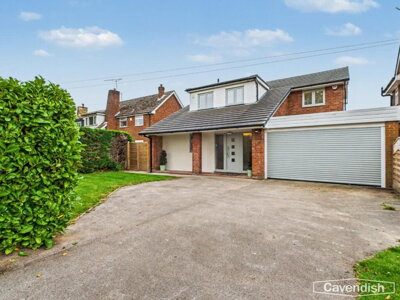
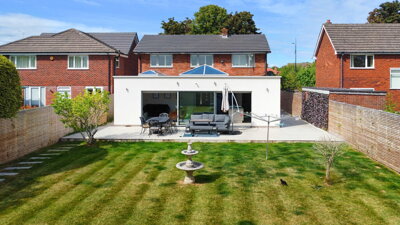
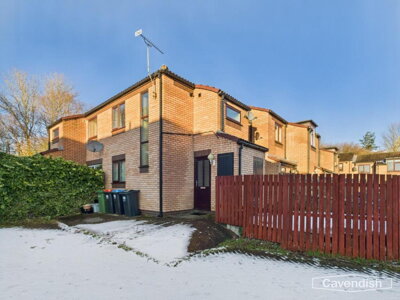
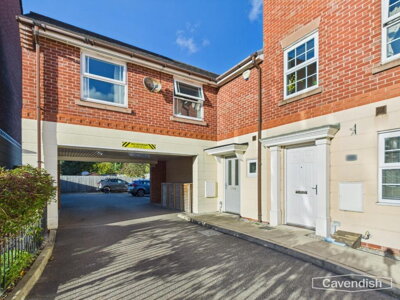
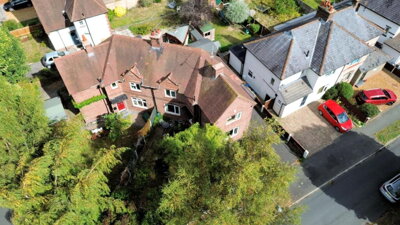
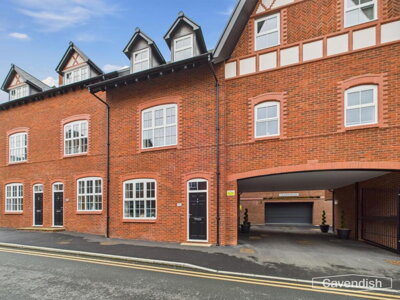
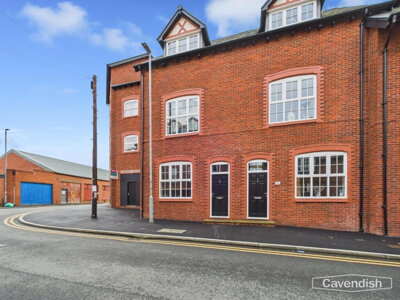
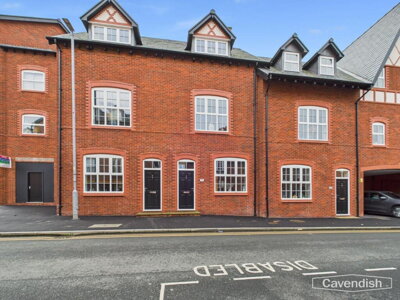
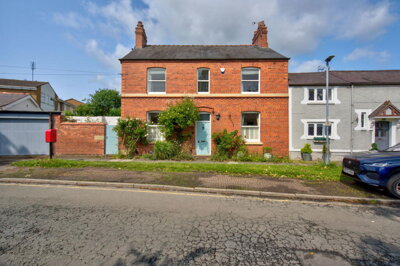
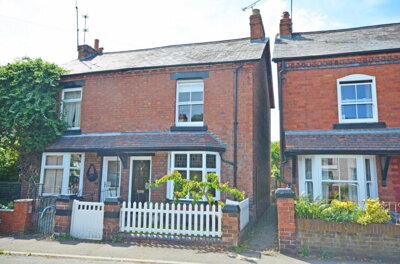
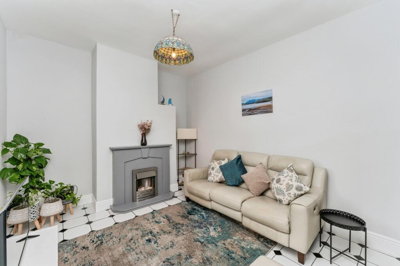
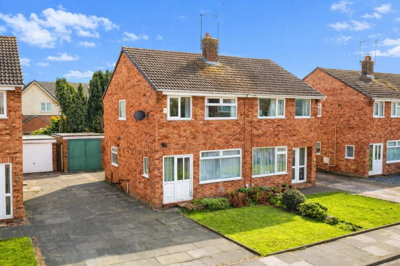
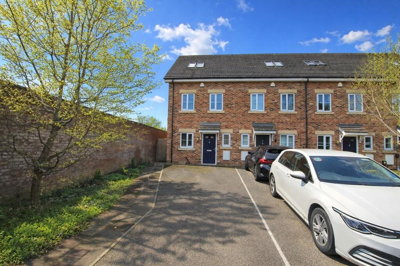
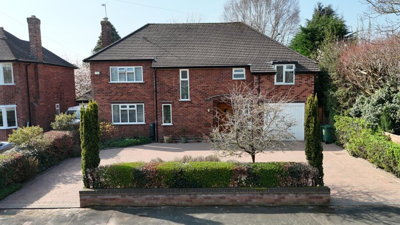
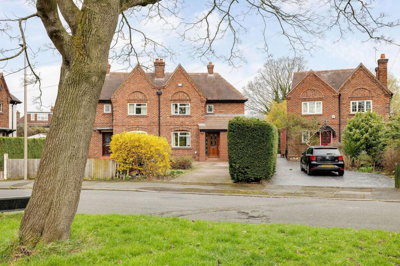
Browse 183 homes for sale in Chester Castle from local estate agents.
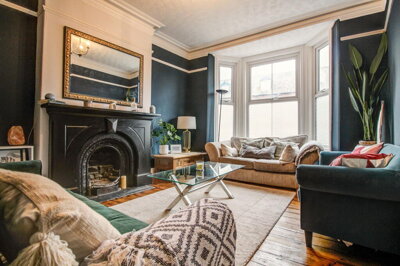
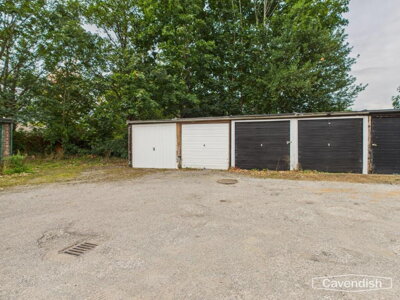
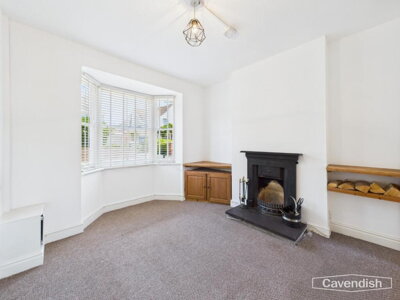
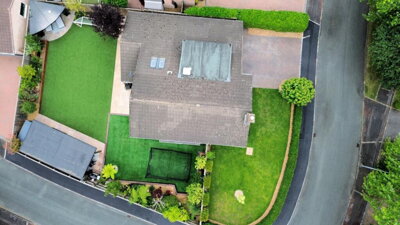
The Chester Castle property market offers detached, semi-detached, and terraced houses spanning various price ranges and neighbourhoods. Each listing includes detailed property information, photographs, and direct contact with the marketing agent.
The Chester Castle property market reflects its prestigious city centre location, with prices showing strong performance over the past twelve months. The average property price in Chester Castle has risen 18% compared to the previous year, reaching £244,078, though this remains 7% below the 2016 peak of £263,474. The nearby Castle Street area commands slightly higher averages at £280,000, with terraced properties around £250,000 and flats averaging £310,000. These figures demonstrate continued demand for properties in Chester's historic core, driven by buyers seeking character properties in an accessible city location.
Looking at the broader Chester postcode area, the market shows more modest growth with prices increasing by just under 1% over the past twelve months to reach an average of £255,000 and median of £220,000. The Chester city area recorded 1.2k property sales in the last twelve months, though this represents a 14.9% decrease compared to the previous year. Cheshire West and Chester as a whole saw a 2.8% annual price increase to an average of £265,955. New build properties command a premium throughout the area, averaging £337,000 in Chester city compared to £288,000 for established properties.
The CH1 2 postcode area immediately surrounding Chester Castle has shown particularly strong growth of 18.3% over the past year, with prices rising 13.9% after accounting for inflation. This outperforms the broader Chester market and suggests continued confidence in city centre property investments. The limited supply of new development in the conservation area, combined with high buyer demand for historic properties, creates conditions that support prices over the medium term.

Chester Castle occupies a distinctive position at the geographic and cultural heart of Chester, one of England's most architecturally significant cities. The immediate area is characterised by its remarkable architectural heritage, including the Norman castle itself alongside Georgian townhouses, Tudor timber-framed buildings with their characteristic black and white facades, and Victorian red brick terraces. The famous Chester Rows, unique two-level medieval shopping galleries, create a shopping experience found nowhere else in Britain. The River Dee flows nearby, with the historic city walls providing scenic walking routes that offer views across the surrounding Cheshire countryside.
The local economy benefits from diverse sectors including tourism centred on Chester Castle, the Roman amphitheatre, and Chester Zoo, alongside retail, financial services, education at the University of Chester, and public sector employment with Cheshire West and Chester Council. This economic diversity supports stable housing demand, particularly for properties appealing to city workers, young professionals, and investors seeking rental opportunities. Local amenities include independent shops, restaurants, cafes, and pubs within walking distance, while essential services such as healthcare facilities and supermarkets are readily accessible throughout the wider city centre.
The University of Chester adds significantly to the area's atmosphere, with student accommodation contributing to the vibrant character of neighbourhoods close to Chester Castle. This student population creates consistent demand for rental properties, making city centre flats and small terraced houses attractive investment options. The tourism sector supported by Chester Castle, the Roman walls, and Chester Zoo brings millions of visitors annually, supporting hospitality businesses and contributing to the lively atmosphere that residents enjoy.

Properties in Chester Castle represent centuries of British building tradition, with construction materials reflecting the distinctive local geology and resources. The area's most iconic buildings utilise local red sandstone, the same material used for Chester Cathedral and stretches of the Roman walls. This sandstone gives many buildings their warm, distinctive hue while requiring specific maintenance approaches to prevent weathering and erosion over time.
The timber-framed buildings so characteristic of Chester, particularly those along the Rows and Castle Street, feature the famous black and white facades with white infill panels between dark timber frames. These properties, many dating from the Tudor and Jacobean periods, require regular maintenance to prevent rot and woodworm infestations in their timber structures. The solid wall construction of these historic properties means thermal performance typically falls below modern standards, with single glazing and limited insulation contributing to higher energy costs.
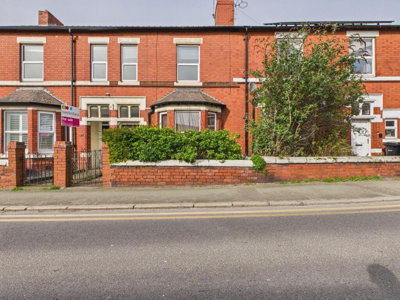
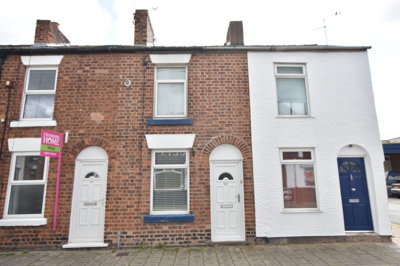
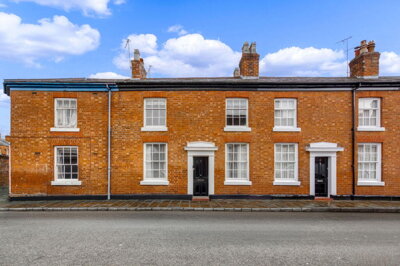
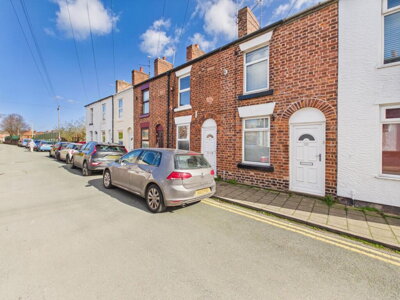
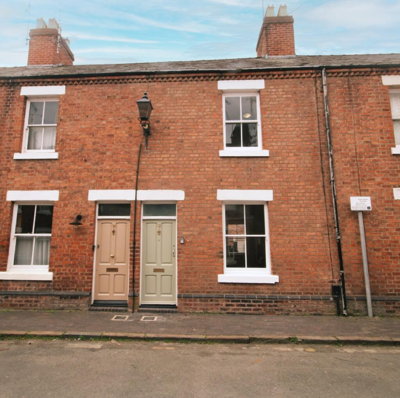
Victorian and later red brick construction appears throughout the area, particularly in residential terraces away from the main tourist streets. These properties often feature decorative brickwork, bay windows, and original period features that appeal to buyers seeking character with more modern convenience. Roof construction throughout the area typically uses slate or clay tiles, with chimney stacks a common feature requiring periodic maintenance due to exposure to weather.
Understanding the local geology is important for anyone considering a property purchase in Chester Castle. The area sits on Triassic sandstones and Mercia Mudstone, with the mudstone containing significant clay deposits capable of shrink-swell movement. This clay-related ground movement can affect foundations, particularly where mature trees are present within or near property boundaries. Surveyors inspect for signs of subsidence or heave, and buyers of older properties should consider whether a specialist structural survey is warranted.
River flooding from the River Dee presents an environmental risk for properties in low-lying areas close to the waterway. Surface water flooding can also occur during heavy rainfall, particularly in urban environments with extensive hard standings that reduce natural drainage. A comprehensive flood risk search should form part of the conveyancing process for any Chester Castle property, with buyers particularly scrutinising properties in the Castle Street and riverside areas.
Chester is not a coal mining area, but the historic sandstone quarrying that shaped much of the city's development means localised ground conditions can vary. For complete , a mining search can be included as part of the conveyancing package. Properties within the Chester City Centre Conservation Area benefit from strict planning controls that limit inappropriate development, helping to protect the character and value of the historic housing stock.
Families considering a move to Chester Castle will find a range of educational options within and around Chester city centre. Primary education is served by several well-regarded schools including Chester Blue Coat Church of England Primary School, rated Good by Ofsted, and King's School Chester, a prestigious independent preparatory school with an excellent academic record. The Catholic Primary School at St. Werburgh's and St. Theresa's serve local communities, while the University of Chester Early Years Centre provides childcare and early education support for younger families.
Secondary education options include the highly selective Chester Catholic High School, which admits students based on faith and academic criteria, alongside comprehensive schools such as Christleton High School and Queen Elizabeth High School in the wider Chester area. For sixth form and further education, the University of Chester offers undergraduate degrees, while West Cheshire College provides vocational qualifications and apprenticeships. The presence of the University of Chester itself adds to the academic atmosphere of the city centre, with student accommodation contributing to the vibrant character of areas close to Chester Castle.
The concentration of educational institutions in Chester makes the city attractive to families and supports the rental market for properties near campus locations. Student accommodation demand spills over into the private rental sector, particularly for flats and Houses in Multiple Occupation (HMOs) in the city centre, creating investment opportunities for buyers seeking rental income.
Chester Castle benefits from excellent transport connections that make it one of the most accessible city centre locations in the North West of England. Chester railway station, located a short walk from the castle, provides direct services to major destinations including London Euston (approximately 2 hours), Birmingham New Street (1 hour 45 minutes), Liverpool Lime Street (40 minutes), and Manchester Piccadilly (50 minutes). The station also connects to regional destinations throughout Cheshire and North Wales, making Chester Castle an attractive base for commuters who work in larger cities but prefer city centre living.
Road connectivity is equally strong, with the M53 motorway providing links to Liverpool and the wider motorway network, while the A41 and A55 trunk roads serve destinations across Cheshire. Chester Bus Exchange in the city centre offers extensive local bus services, including routes to Chester Zoo, the university campus, and surrounding towns and villages. For those who cycle, the city has invested in dedicated cycle lanes and the Flatts Lane traffic-free route connects Chester to Waverton. Daily parking costs in the city centre typically range from £6-15 depending on location, which should be factored into living costs if you plan to commute by car.
Liverpool John Lennon Airport is approximately 45 minutes away by car or public transport, offering flights to destinations across the UK and Europe. Manchester Airport, reachable in under an hour by train, provides a wider range of international flights, making Chester Castle a convenient location for regular travellers.
Before viewing properties in Chester Castle, research the local market thoroughly. With an average property price of £244,078 and flats averaging £264,604, understanding what your budget buys in this historic city centre location is essential. Factor in additional costs such as stamp duty, solicitor fees, and survey costs when calculating your true affordability. Consider visiting the area at different times of day to understand the traffic, noise levels, and atmosphere before committing to a purchase.
Contact mortgage lenders or use Homemove's mortgage comparison tools to obtain an Agreement in Principle before you start viewing properties. This document demonstrates to sellers that you are a serious buyer with financing already arranged, strengthening your position when making offers in what can be a competitive market. For city centre flats and period properties, some lenders have specific criteria or restrictions, so discussing your property type with a broker familiar with Chester's historic housing stock is advisable.
Arrange viewings through our platform which lists properties from local estate agents across Chester Castle. When you find a property you love, make an offer that reflects current market conditions. Remember that the Chester Castle market has shown 18% annual price growth, so pricing your offer appropriately for the current conditions is important. For listed buildings or properties in the conservation area, factor in any planned improvements that may require planning permission or listed building consent.
Before proceeding with your purchase, book a RICS Level 2 Survey (Homebuyer Report) to assess the property's condition. Given that properties around Chester Castle are predominantly pre-1919 construction, a thorough survey is particularly important to identify issues common to historic buildings such as damp, timber defects, and potential structural movement. Survey costs in the Chester area typically range from £400-700 depending on property size and type.
Choose a solicitor experienced in Chester city centre transactions, particularly for listed buildings or properties within the Chester City Centre Conservation Area. Your solicitor will handle searches, contracts, and the registration of your ownership with the Land Registry. Local knowledge is valuable for understanding the implications of conservation area status and any historic covenants that may affect the property.
Once all searches are satisfactory and financing is confirmed, you will exchange contracts and pay your deposit. Completion typically follows within 2-4 weeks, after which you will receive your keys and can move into your new Chester Castle home.
Properties in Chester Castle require careful consideration given their historic character and the special planning controls in place. The entire area falls within the Chester City Centre Conservation Area, meaning that external alterations, extensions, and even some internal works may require planning permission from Cheshire West and Chester Council. Many properties are Listed Buildings, with Chester Castle itself Grade I listed and numerous buildings on Castle Street protected for their architectural significance. Before purchasing, understand what permissions you may need for any planned improvements.
The local geology presents specific considerations for property buyers. Chester sits on Triassic sandstones and Mercia Mudstone, which includes significant clay deposits capable of shrink-swell movement that may affect foundations, particularly where mature trees are nearby. Surveyors will check for signs of subsidence or heave, and you should consider requesting a specialist structural survey for older properties. River flooding from the River Dee and surface water flooding are additional environmental risks that buyers should understand, with flood risk searches forming an important part of the conveyancing process.
Construction materials in the area reflect centuries of building tradition, with red sandstone, timber-framed black and white facades, and Victorian red brick all featuring prominently. These materials require specific maintenance approaches, and older properties may have outdated electrical wiring, plumbing, and heating systems. The timber-framed properties common on Castle Street and around the Rows require regular maintenance to prevent rot and woodworm, while solid wall construction means thermal performance may be lower than modern standards, potentially affecting energy costs.
The conservation area status that protects Chester Castle's character also means buyers face additional considerations. Always check whether a property is listed before purchasing, and factor in potential costs for maintaining period features. A thorough RICS Level 2 Survey is essential for identifying defects common to historic buildings, including damp, timber issues, and structural movement.
Understanding the full costs of buying a property in Chester Castle extends beyond the purchase price to include stamp duty land tax and various associated fees. For a property priced at the Chester Castle average of £244,078, standard buyers pay no stamp duty on the first £250,000, meaning most buyers at this price point would incur zero SDLT. First-time buyers benefit from relief on the first £425,000, so would also pay no stamp duty on average-priced properties in this area. This represents significant savings compared to many other UK city centres.
Additional buying costs to budget for include mortgage arrangement fees typically ranging from £0 to £2,000 depending on the lender and deal chosen, a RICS Level 2 Survey costing approximately £400-700 for properties in the Chester area, and conveyancing fees of £500-1,500 for legal work including local searches. Local searches from Cheshire West and Chester Council include drainage and water searches, environmental searches to identify potential contamination or flood risk, and planning searches to check for any outstanding permissions or enforcement notices affecting the property.
For properties in Chester Castle specifically, buyers should budget for potential additional costs related to the historic nature of the housing stock. Older properties may require updated electrical certificates, gas safety checks, or remedial works identified during survey. Buildings insurance in city centre locations can be higher than average due to the proximity to the River Dee and the value of period features. If purchasing a leasehold flat, review the service charges and ground rent carefully, as these can vary significantly between developments. Factor in removal costs and any immediate repairs or decorating you may wish to undertake when you move into your new Chester Castle home.
The average property price in Chester Castle is currently £244,078 based on Rightmove data from the past year. Flats average £264,604 while terraced properties average around £182,500. The broader Chester postcode area has a median price of £220,000, with Chester city centre averaging £289,000 and the wider Cheshire West and Chester district at £265,955. Prices in Chester Castle have risen 18% over the past twelve months, showing strong demand for city centre properties. The CH1 2 postcode area immediately surrounding Chester Castle showed 18.3% growth, outperforming broader Chester averages.
Properties in Chester Castle fall under Cheshire West and Chester Council (banding ranges A to H depending on property value). Most city centre flats and terraced properties fall into bands A to D, while larger Georgian townhouses and period properties may be in higher bands. You can check the specific band for any property on the Valuation Office Agency website using the property address or postcode CH1.
Primary schools serving Chester Castle include Chester Blue Coat Church of England Primary School and St Werburgh's and St Theresa's Catholic Primary School, both rated Good by Ofsted. King's School Chester is a highly regarded independent primary school. Secondary options include Chester Catholic High School and Christleton High School in the wider area. The University of Chester provides higher education opportunities within the city, while West Cheshire College offers vocational qualifications for students seeking alternative pathways.
Chester Castle is exceptionally well connected, with Chester railway station offering direct trains to London Euston (2 hours), Birmingham (1 hour 45 minutes), Liverpool (40 minutes), and Manchester (50 minutes). Chester Bus Exchange provides extensive local bus services throughout the city and surrounding areas. The M53 motorway is easily accessible for car travel, and Liverpool John Lennon Airport is approximately 45 minutes away by car or public transport, with Manchester Airport reachable in under an hour by train.
Chester Castle offers several investment advantages including strong historical demand for city centre properties, a diverse local economy with tourism, education, and public sector employment, and consistent price growth of 18% over the past twelve months. The student population from the University of Chester creates demand for rental properties, while the conservation area status limits new development, helping to maintain property values. However, investors should factor in higher maintenance costs for historic properties, potential void periods between tenancies, and the costs associated with listed building compliance if purchasing period properties.
For standard purchases, stamp duty rates are 0% on the first £250,000, 5% on £250,001 to £925,000, and 10% on £925,001 to £1.5 million. First-time buyers pay 0% on the first £425,000 with 5% on £425,001 to £625,000. For an average Chester Castle property at £244,078, a first-time buyer would pay no stamp duty, while a subsequent buyer would pay nothing on the first £250,000. This zero SDLT threshold applies to the majority of properties in this price range.
Properties near the River Dee face river flooding risk, particularly those in low-lying areas close to the waterway. Surface water flooding can also occur during heavy rainfall in urban areas with extensive hard standings. A comprehensive flood risk search should form part of conveyancing for any Chester Castle property. While the area is inland so coastal flooding does not apply, the combination of river proximity and urban drainage demands thorough investigation before purchase.
Many properties in Chester Castle are listed buildings, with Chester Castle itself Grade I listed and numerous buildings on Castle Street and surrounding streets having Grade II listing. Listed building consent is required for virtually any alteration that affects the building's character, inside or out. Maintenance costs for listed buildings can be higher due to requirements for traditional materials and specialist contractors. Insurance costs may also be higher, and some mortgage lenders have restrictions on lending for listed properties.
From 4.5% APR
From 4.5% APR, compare deals from multiple lenders to find the best rate for your Chester Castle property purchase
From £499
Conveyancing solicitors experienced in Chester city centre transactions, including listed buildings and conservation area properties
From £400
Recommended for Chester Castle's pre-1919 properties to identify damp, timber defects, and structural issues common to historic buildings
From £600
Comprehensive structural survey for older or complex properties, particularly recommended for listed buildings in Chester Castle
Properties for Sale In London

Properties for Sale In Plymouth

Properties for Sale In Liverpool

Properties for Sale In Glasgow

Properties for Sale In Sheffield

Properties for Sale In Edinburgh

Properties for Sale In Coventry

Properties for Sale In Bradford

Properties for Sale In Manchester

Properties for Sale In Birmingham

Properties for Sale In Bristol

Properties for Sale In Oxford

Properties for Sale In Leicester

Properties for Sale In Newcastle

Properties for Sale In Leeds

Properties for Sale In Southampton

Properties for Sale In Cardiff

Properties for Sale In Nottingham

Properties for Sale In Norwich

Properties for Sale In Brighton

Properties for Sale In Derby

Properties for Sale In Portsmouth

Properties for Sale In Northampton

Properties for Sale In Milton Keynes

Properties for Sale In Bournemouth

Properties for Sale In Bolton

Properties for Sale In Swansea

Properties for Sale In Swindon

Properties for Sale In Peterborough

Properties for Sale In Wolverhampton

Enter your details to see if this property is within your budget.
Loans, cards, car finance
Estimated property budget
Borrowing + deposit
You could borrow between
Typical borrowing
Monthly repayment
Est. at 4.5%
Loan-to-value
This is an estimate only. Your actual budget may vary depending on interest rates, credit history, and personal circumstances. For an accurate affordability assessment, speak to one of our free mortgage advisors.
This calculator provides estimates for illustrative purposes only and does not constitute financial advice. Your home may be repossessed if you do not keep up repayments on your mortgage. Estimates based on 4.5% interest rate, repayment mortgage. Actual rates depend on your circumstances.
Homemove is a trading name of HM Haus Group Ltd (Company No. 13873779, registered in England & Wales). Homemove Mortgages Ltd (Company No. 15947693) is an Appointed Representative of TMG Direct Limited, trading as TMG Mortgage Network, which is authorised and regulated by the Financial Conduct Authority (FRN 786245). Homemove Mortgages Ltd is entered on the FCA Register as an Appointed Representative (FRN 1022429). You can check registrations at NewRegister or by calling 0800 111 6768.

We use cookies to show you personalised content and improve your experience of our website. Find out more in our Privacy policy and Cookie policy.