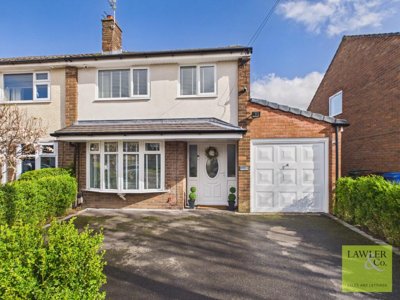
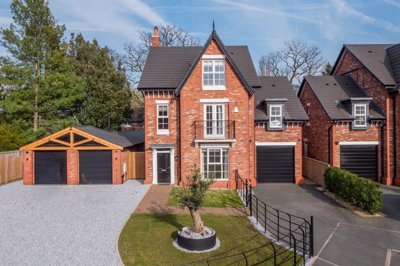
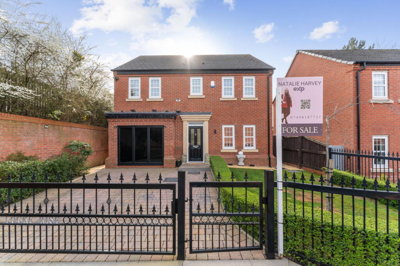
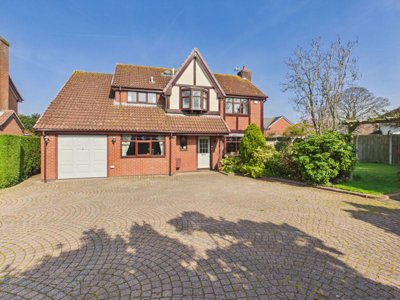
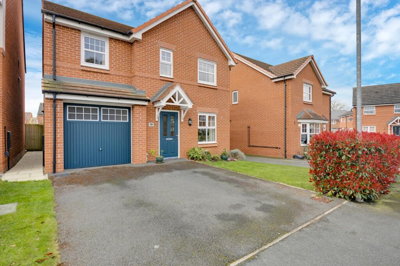
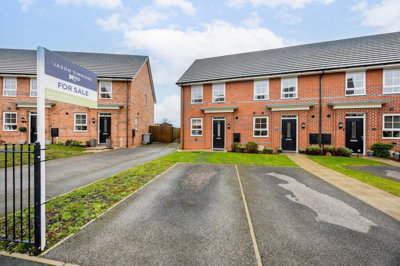
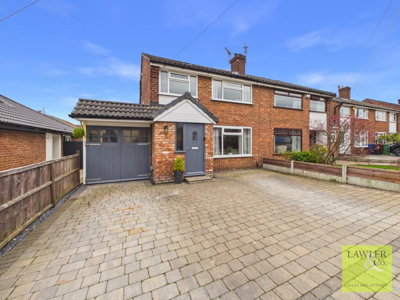
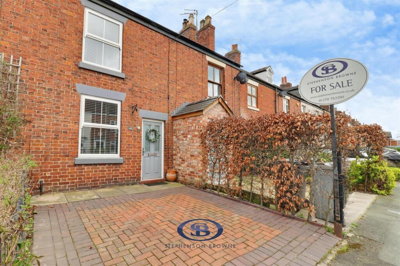
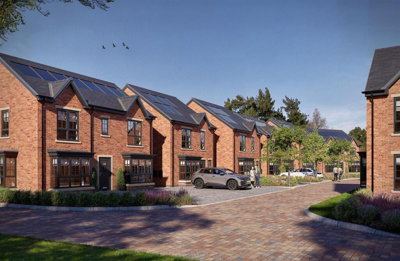
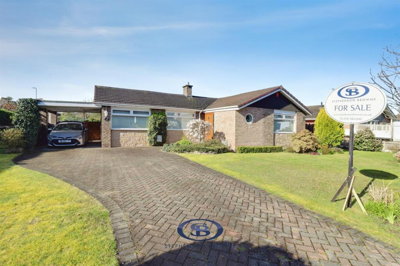
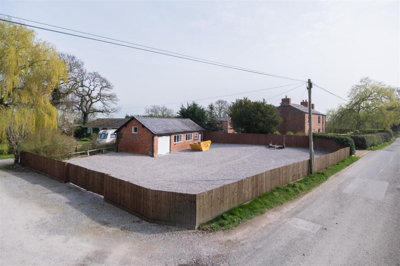
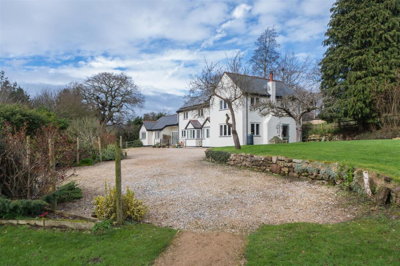
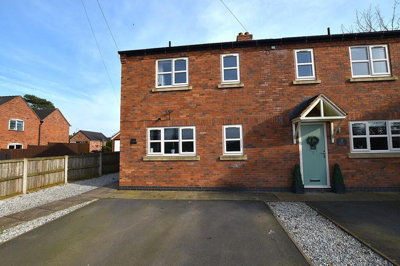
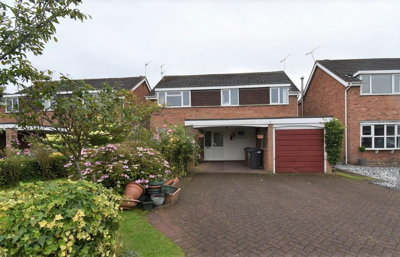
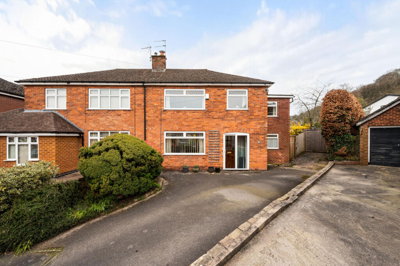
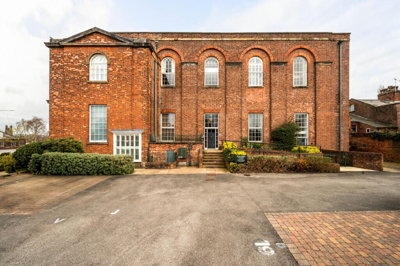
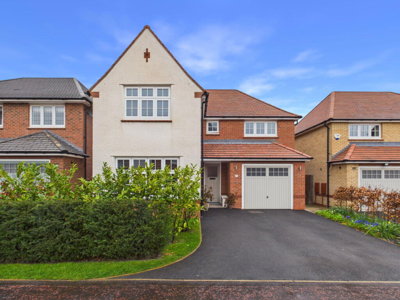
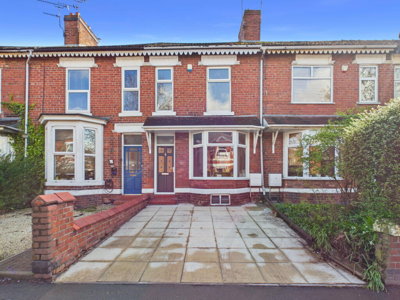
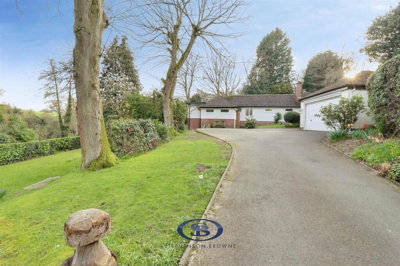
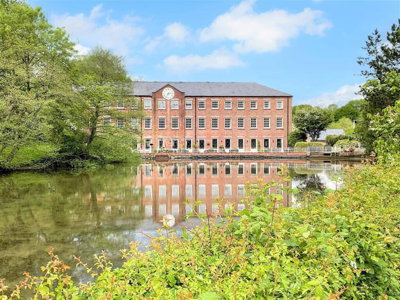
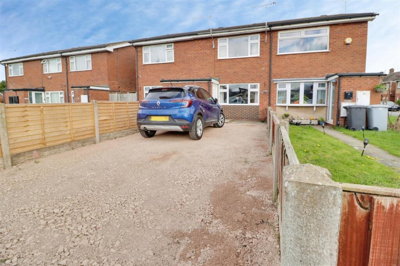
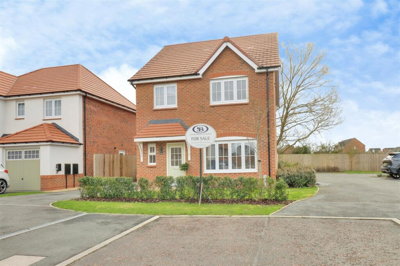
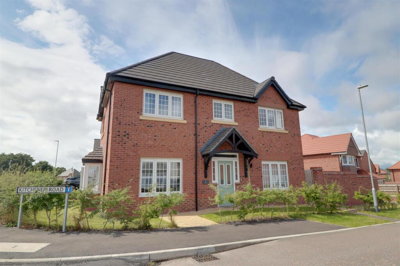
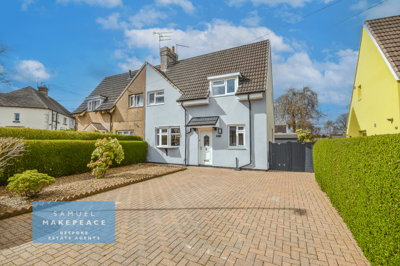
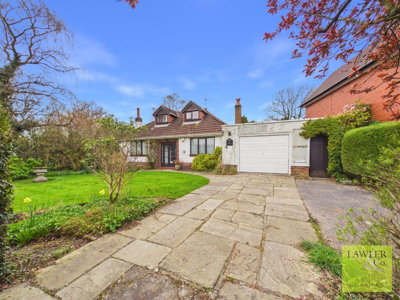
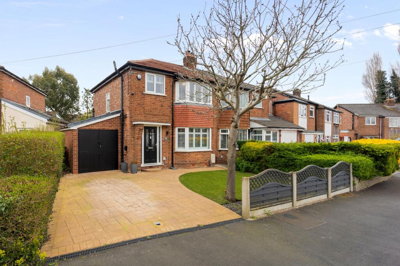
Browse 8,193 homes for sale in Cheshire East from local estate agents.
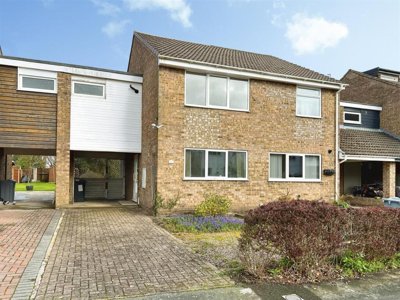
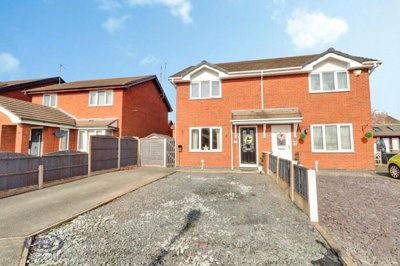
The Cheshire East property market demonstrates healthy diversity across property types, with prices to suit various budgets and preferences. Detached properties command an average price of £496,000, reflecting the strong demand for family homes with gardens and generous living space in this sought-after borough. Semi-detached properties average £293,000, offering excellent value for families seeking that perfect balance between space and accessibility. These larger semis have shown the strongest price growth at 6.9% annually, indicating robust demand from buyers upgrading from terraced properties or relocating from Manchester's more expensive suburbs.
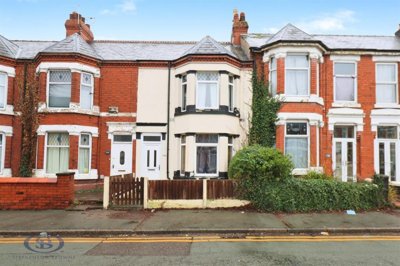
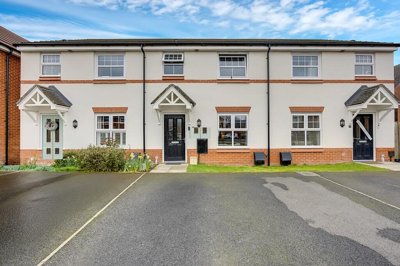
Terraced properties in Cheshire East average £226,000, representing an attractive entry point into this desirable market. Many of these homes are situated in historic towns like Nantwich, with its famous cobbled streets and medieval architecture, or Macclesfield, where Victorian terraces line the hillsides overlooking the Peak District. Flats and maisonettes average £156,000, offering affordable options for first-time buyers or investors seeking rental opportunities in towns with strong tenant demand. The market recorded 13,800 property sales over the twelve months to December 2025, with newly built properties accounting for 453 transactions, representing 3.3% of all sales and providing opportunities for buyers seeking modern specification homes.
Property type distribution across Cheshire East reflects the borough's varied character, with detached homes comprising 30.1% of recent sales, semi-detached properties at 33.4%, terraced homes at 27.1%, and flats making up 9.4% of transactions. This mix ensures that buyers with different requirements and budgets can find suitable accommodation, whether they prioritise the generous space of a detached family home in Wilmslow or the character of a period terraced property in Nantwich's conservation areas.

Life in Cheshire East offers an enviable combination of rural charm and urban convenience that attracts residents from across the UK. The borough spans 450 square miles of varied landscape, from the rolling hills of the Pennine foothills in the east to the fertile Cheshire Plain in the west. The local geology, characterised by glacial deposits over Triassic sandstones and mudstones, has shaped both the landscape and the architecture, with red brick being the predominant building material in most communities. Clay soils are present throughout the area, contributing to the lush green countryside but also requiring consideration for property foundations, with some areas presenting shrink-swell risks during periods of extreme weather.
The borough is home to 169,400 households and a population of 395,600 residents, creating vibrant communities with excellent local amenities in every town. Historic market towns like Knutsford, with its aristocratic heritage and charming independent shops, and Nantwich, famous for its timber-framed buildings and annual events including the World Worm Charming Championships, offer distinctive characters that attract visitors and residents alike. Macclesfield provides excellent value with its stunning Silk Road heritage, robust independent cafe culture, and immediate access to the Peak District National Park. The borough's economy benefits from diverse sectors including advanced manufacturing, life sciences, financial services, and tourism, with major employers including AstraZeneca and Mubadala Investment Company maintaining significant operations in the area.
The quality of life in Cheshire East is further enhanced by its excellent range of leisure facilities, from golf clubs and equestrian centres to canal walks and country parks. The constituency's location provides easy access to the Lake District, Welsh mountains, and major cities, making it an ideal base for those who appreciate both rural tranquility and urban accessibility. Local communities host numerous events throughout the year, from Knutsford's Royal May Day to Nantwich's historic Jazz Festival, fostering a strong sense of belonging among residents.

Education provision in Cheshire East represents a significant factor for families considering relocation to the borough. The area boasts an impressive selection of primary and secondary schools, with many establishments consistently achieving above-average results in national assessments and examinations. Towns like Wilmslow and Alderley Edge are particularly renowned for their educational provision, with schools in these areas often featuring among the highest-performing in the North West. Parents moving to Cheshire East benefit from a mix of outstanding local authority schools, well-established independent schools, and grammar school options in certain catchment areas, providing diverse educational pathways for children of all abilities and interests.
The borough's commitment to education is reflected in the presence of several notable sixth form colleges and further education establishments, including Macclesfield College and Wilmsfield High School's sixth form provision. These institutions prepare students for university applications and vocational pathways, with many students progressing to Russell Group universities across the country. Families relocating to Cheshire East should research specific catchment areas, as school admissions policies significantly impact property values and competition for places in popular catchments. The presence of numerous conservation areas, particularly in towns with historic character like Nantwich and Knutsford, means some schools are situated in sensitive locations where planning restrictions preserve the architectural integrity of the surrounding neighbourhood.
Primary schools serving families in Cheshire East include Wilmslow High Street Primary School, Alderley Edge Community Primary School, and Pownall Hall School, all of which maintain strong reputations for academic achievement and pastoral care. At secondary level, The King's School in Macclesfield stands as one of the region's most prestigious independent schools, while state options such as Wilmslow High School and Knutsford Academy continue to attract families seeking excellent educational outcomes. For parents prioritising school catchment areas, we recommend consulting Cheshire East Council's school admissions information and considering how catchment boundaries may affect your property search in this competitive market.
Transport connectivity ranks among Cheshire East's most significant advantages for residents who commute to work or travel regularly. The borough sits the North West's transport network, with direct rail connections from major towns including Crewe, Macclesfield, and Wilmslow to Manchester Piccadilly. Commuters from Wilmslow can reach Manchester city centre in approximately 20 minutes, while Macclesfield residents enjoy a 25-minute journey to the heart of the city. Crewe station provides additional connectivity with direct services to London Euston, taking around 90 minutes, as well as connections to Birmingham, Liverpool, and destinations across the UK. This exceptional accessibility has made Cheshire East particularly attractive to professionals working in Manchester but seeking larger properties and superior quality of life.
Road transport is equally well-serviced, with the M6 motorway running through the western part of the borough and providing connections to the broader national motorway network. The A34 trunk road passes through Wilmslow and Alderley Edge, linking these towns directly to Manchester Airport, which is accessible within 15 minutes from most parts of the borough. Bus services operated by Arriva and other providers connect smaller towns and villages with larger centres, while cycling infrastructure continues to improve with dedicated routes in urban areas. For property buyers, the transport profile of specific neighbourhoods should be carefully considered, as journey times to stations and motorway access points vary significantly across the borough's diverse geography.
Manchester Airport serves as a major international gateway for Cheshire East residents, offering direct flights to destinations across Europe, North America, and Asia. Business travellers particularly value the proximity of towns like Wilmslow and Alderley Edge to this hub, as it enables efficient international travel without the inconvenience of long road journeys to more distant airports. The West Coast Main Line's calling point at Crewe also positions the borough favourably for those who travel regularly to London, Birmingham, or Scotland, with regular express services providing reliable connections throughout the day and evening.
Understanding the construction methods and building materials used in Cheshire East properties helps buyers appreciate the characteristics and potential maintenance requirements of homes across the borough. Traditional red brick dominates the architectural landscape, reflecting centuries of local building practice and the availability of suitable clay deposits in the region. You will encounter this distinctive brickwork throughout Wilmslow and Alderley Edge's suburban streets, in Macclesfield's Victorian terraces, and across the Georgian and Regency facades of Knutsford's historic centre. The warm red tones of Cheshire brick have become synonymous with the borough's character, creating a visual coherence that distinguishes its towns from neighbouring areas.
Period properties in Cheshire East's conservation areas frequently feature stone detailing, particularly in villages like Gawsworth and Prestbury where local sandstone was historically used for quoins, window surrounds, and boundary walls. Render finishes appear throughout the borough, with roughcast and pebble-dash textures common on inter-war semis in areas like Handforth and Dean. Timber framing survives in the oldest properties, with some medieval cruck-framed buildings still standing in outlying villages. These older construction methods require different maintenance approaches to modern cavity wall construction, and prospective buyers should factor this knowledge into their property assessments.
The majority of post-war properties in Cheshire East utilise standard cavity wall construction, with brick outer leaves and blockwork inner leaves separated by a void. This method has proven durable when properly maintained, though we frequently encounter insulation deficiencies in properties built before the 2000s when requirements for thermal performance were less stringent. Newer developments incorporate modern construction techniques including timber frame systems, which offer excellent insulation but require careful assessment of damp penetration risks and structural connections. When purchasing any property in Cheshire East, understanding its construction type helps you anticipate typical defects and plan appropriate maintenance schedules.
Our inspectors encounter several recurring defect patterns when surveying properties across Cheshire East, and awareness of these issues helps buyers make informed decisions. Damp problems feature prominently, with rising damp affecting many period properties that lack adequate damp-proof courses or have suffered from blocked or bridged original barriers. Penetrating damp commonly appears where roof tiles have deteriorated, flashing has failed, or rendering has cracked and allowed water ingress. These moisture issues can cause significant damage to timber elements and plasterwork if left unaddressed, and buyers should budget for remedial works when purchasing older properties with these symptoms.
The presence of clay soils throughout much of Cheshire East creates shrink-swell risks that manifest as subsidence or heave movement in affected properties. When we survey homes near mature trees or in areas of variable ground conditions, we pay particular attention to crack patterns, differential settlement indicators, and the condition of foundation elements. Properties showing signs of historic movement, including diagonal cracking extending from door and window openings or uneven floors, warrant thorough investigation by a structural engineer before purchase proceeds. The geological conditions around Congleton and the former mining areas near Middlewich require especially careful assessment due to the additional complexity of historical salt extraction legacy.
Roof defects represent another common finding across Cheshire East's housing stock, with slipped or missing tiles, deteriorated ridge pointing, and worn flashing frequently identified during surveys. Older properties with original slate coverings often require partial or complete re-roofing as the material reaches the end of its serviceable life, and buyers should factor these costs into their purchase calculations. Timber defects including woodworm infestation and both wet and dry rot appear throughout the borough's older stock, particularly where ventilation has been compromised by inappropriate alterations or where damp conditions have developed. Electrical systems in properties built before modern wiring regulations frequently require updating to meet current safety standards, with particular attention needed for consumer unit replacements and additional socket provision.
Explore different towns and villages within Cheshire East to find the community that best matches your lifestyle requirements. Consider factors including proximity to your workplace, school catchment areas, local amenities, and property prices in your target areas. Each neighbourhood offers distinct advantages: Wilmslow and Alderley Edge provide excellent commuter access and premium property values, while Macclesfield and Congleton offer more affordable options with strong community facilities.
Contact lenders or mortgage brokers to obtain an agreement in principle before starting property viewings. This demonstrates your financial readiness to estate agents and sellers, strengthening your position when making offers in what can be a competitive market. With average property prices of £306,000 in Cheshire East, understanding your borrowing capacity helps narrow your search to realistic options.
Schedule viewings of properties that match your criteria, taking time to assess the condition of homes, the neighbourhood character, and any potential issues that might require further investigation. Note specific features of Cheshire East properties, such as conservation area restrictions or flood risk considerations, and take photographs for reference when comparing options later.
Once your offer is accepted, instruct a qualified surveyor to conduct a Level 2 Survey, particularly important given the age of much of the local housing stock. This report will identify any structural issues, defects, or repairs needed before purchase, providing you with valuable negotiating leverage if significant problems are discovered. For listed buildings or non-standard construction properties, a more detailed RICS Level 3 Building Survey may be appropriate.
Appoint a solicitor to handle the legal aspects of your purchase, including searches for flood risk, mining legacy, and planning constraints that may affect properties in certain areas of Cheshire East. Local solicitors familiar with Cheshire East transactions can efficiently manage the process, including any complications arising from conservation areas or historic property issues.
Work with your solicitor and mortgage provider to complete the final checks, sign documentation, and transfer funds. On completion day, you will receive the keys to your new Cheshire East home. Our team recommends scheduling a final walkthrough on completion day to verify the property's condition matches your expectations before transferring funds.
Purchasing property in Cheshire East requires awareness of several area-specific considerations that can significantly impact your ownership experience. Flood risk varies across the borough, with properties near the River Weaver, River Dane, and River Bollin requiring particular attention. Surface water flooding can affect urbanised areas during heavy rainfall, so reviewing the Environment Agency's flood maps and requesting information about any previous flooding incidents is essential. Properties in low-lying areas or those with basements warrant extra caution and may require specialist insurance or additional flood resilience measures.
The presence of clay soils throughout much of Cheshire East means that subsidence and heave represent genuine considerations for property buyers, particularly in areas with mature trees that may affect soil moisture levels. Properties showing signs of cracking, uneven floors, or doors that stick should be investigated thoroughly by a structural engineer before purchase. Additionally, certain areas of the borough have historical salt mining legacy, particularly near former mining towns like Middlewich and Northwich, where ground stability issues may arise. A specialist "salt search" can reveal any historical extraction activity that might affect a property's foundations.
Conservation areas and listed buildings are numerous throughout Cheshire East's historic towns, with properties in these locations requiring careful consideration before purchase. Properties with listed building status or those within conservation areas face planning restrictions on alterations, extensions, and even external paint colours. These requirements preserve the borough's distinctive character but can limit future development options. If you are considering a period property, budget for potentially higher maintenance costs as older homes frequently require updating of electrics, plumbing, and heating systems to meet modern standards while respecting their heritage features. Properties in conservation areas also require neighbour consultation for some works, adding complexity to any renovation projects.
The average house price in Cheshire East was £306,000 as of December 2025, representing a 5.7% increase from the previous year. This figure positions Cheshire East as the third most expensive local authority area in the North West. Property prices vary significantly by type, with detached properties averaging £496,000, semi-detached homes at £293,000, terraced properties at £226,000, and flats at £156,000. The market has demonstrated consistent growth, outpacing the regional average, making Cheshire East an attractive location for both homeowners and investors seeking solid returns on their property investments.
Council tax bands in Cheshire East are set by Cheshire East Council and range from Band A for the lowest-valued properties through to Band H for the most expensive homes. Most terraced properties and smaller flats fall into Bands A to C, while semi-detached houses typically occupy Bands C to E. Larger detached properties and those in affluent areas like Alderley Edge and Wilmslow frequently occupy the higher bands, particularly Bands F through H. Prospective buyers should check the specific band for any property they are considering, as council tax contributions form an ongoing cost of ownership that should be factored into household budgets alongside mortgage payments and utility bills.
Cheshire East offers exceptional educational provision across all levels, with particular strength in areas like Wilmslow, Alderley Edge, and Knutsford where schools consistently achieve strong examination results and high Ofsted ratings. Primary schools such as Wilmslow High Street Primary and Alderley Edge Community Primary are frequently cited among the best in the region. At secondary level, schools including Wilmslow High School and Knutsford Academy offer excellent GCSE and A-level provision. The borough also hosts respected independent schools including The King's School in Macclesfield and Terra Nova School in Crowbrook. Families should research specific catchment areas, as school admission policies are determined by geographic proximity in most cases.
Cheshire East benefits from excellent public transport connectivity, with rail services being a particular strength. Wilmslow station provides 20-minute access to Manchester Piccadilly, while Macclesfield offers a 25-minute journey to the city centre. Crewe station, a major hub on the West Coast Main Line, offers direct services to London Euston in approximately 90 minutes. Bus services operated by Arriva and other providers connect towns throughout the borough, though frequencies may be reduced in rural villages. Manchester Airport is accessible within 15 to 30 minutes from most parts of the borough, making Cheshire East particularly attractive to frequent travellers and those working in international business.
Cheshire East presents compelling investment fundamentals backed by strong data and market performance. The area's 5.7% annual price growth, which exceeds the regional average, demonstrates consistent demand from buyers recognising the borough's quality of life advantages. Rental demand remains robust in towns with strong commuter links, particularly Wilmslow, Alderley Edge, and Macclesfield, where professionals working in Manchester seek well-connected homes without city centre prices. The limited new build supply, with only 3.3% of recent sales being newly constructed properties, suggests continued demand for existing housing stock. However, investors should consider factors including void periods, maintenance costs for period properties, and specific local rental market conditions before committing to a purchase.
Stamp Duty Land Tax rates for residential properties in England are calculated as follows: 0% on the first £250,000 of purchase price, 5% on the portion from £250,001 to £925,000, 10% on the portion from £925,001 to £1,500,000, and 12% on any amount exceeding £1,500,000. First-time buyers benefit from increased thresholds, paying 0% on the first £425,000, 5% between £425,001 and £625,000, with no relief available above £625,000. For a typical Cheshire East property averaging £306,000, a first-time buyer would pay no stamp duty, while a subsequent buyer would pay £2,800. These thresholds are subject to change, and professional advice should be sought for higher-value properties or those with unique circumstances.
Flood risk varies considerably across Cheshire East depending on proximity to watercourses and local topography. Properties near the River Weaver, River Dane, and River Bollin face the highest fluvial flood risk, while surface water flooding can affect urbanised areas during periods of heavy rainfall when drainage systems become overwhelmed. The Environment Agency's online flood maps provide detailed information about flood zones across the borough. We recommend requesting information about any historical flooding incidents from current owners and verifying insurance availability before proceeding with purchase, particularly for properties in known flood risk areas or those with basement accommodation.
Period properties throughout Cheshire East's conservation areas require careful due diligence before purchase. Properties built before 1900 typically feature solid wall construction rather than modern cavity walls, affecting insulation performance and moisture management. Original features such as sash windows, timber floors, and ornate plasterwork contribute to character but may require restoration or replacement. Planning restrictions in conservation areas limit permitted development rights, requiring applications for changes that would be allowed elsewhere. Listed buildings face additional consent requirements from Cheshire East Council. A thorough RICS Level 2 Survey or Level 3 Building Survey will identify defects common to period properties, including timber decay, damp penetration, and outdated building services.
From 3.5%
Finding the right mortgage for your Cheshire East purchase
From £499
Legal services for your property purchase
From £400
Detailed property condition survey
From £80
Energy performance certificate
Understanding the full costs of purchasing property in Cheshire East extends beyond the purchase price to include stamp duty, solicitor fees, survey costs, and various other expenses that together can add several thousand pounds to your budget. Stamp Duty Land Tax represents the most significant government levy, with current thresholds applying 0% to the first £250,000 of residential property purchases, rising to 5% on the portion between £250,001 and £925,000. For a property at Cheshire East's average price of £306,000, a buyer who already owns property would pay £2,800 in stamp duty, while first-time buyers would pay nothing due to the increased threshold of £425,000 for those qualifying for first-time buyer relief.
Solicitor conveyancing costs in Cheshire East typically range from £499 to £1,500 depending on the complexity of the transaction, with leasehold properties and those in conservation areas generally attracting higher fees due to additional documentation requirements. Local searches, which investigate planning history, flood risk, environmental conditions, and local authority matters specific to Cheshire East, typically cost between £250 and £400. A RICS Level 2 Survey, which provides a detailed assessment of property condition and is particularly valuable given the age of much of the local housing stock, generally costs between £400 and £800 depending on property size and value. Additional costs to budget for include mortgage arrangement fees, which can range from zero to £2,000 depending on the lender and product chosen, removal costs, and potential repairs or renovations identified during survey inspections.
When calculating your total budget for purchasing property in Cheshire East, remember to include disbursements such as Land Registry fees, title registration costs, and electronic money transfer charges. Buildings insurance must be in place from exchange of contracts, and you will need funds for utility connections if the property has been vacant. For leasehold properties, expect ground rent, service charges, and potentially a contribution to a reserve fund. Our recommended conveyancing solicitors understand Cheshire East transactions and can provide detailed cost estimates tailored to your specific purchase circumstances, ensuring there are no unexpected expenses as you move towards completion.
Properties for Sale In London

Properties for Sale In Plymouth

Properties for Sale In Liverpool

Properties for Sale In Glasgow

Properties for Sale In Sheffield

Properties for Sale In Edinburgh

Properties for Sale In Coventry

Properties for Sale In Bradford

Properties for Sale In Manchester

Properties for Sale In Birmingham

Properties for Sale In Bristol

Properties for Sale In Oxford

Properties for Sale In Leicester

Properties for Sale In Newcastle

Properties for Sale In Leeds

Properties for Sale In Southampton

Properties for Sale In Cardiff

Properties for Sale In Nottingham

Properties for Sale In Norwich

Properties for Sale In Brighton

Properties for Sale In Derby

Properties for Sale In Portsmouth

Properties for Sale In Northampton

Properties for Sale In Milton Keynes

Properties for Sale In Bournemouth

Properties for Sale In Bolton

Properties for Sale In Swansea

Properties for Sale In Swindon

Properties for Sale In Peterborough

Properties for Sale In Wolverhampton

Enter your details to see if this property is within your budget.
Loans, cards, car finance
Estimated property budget
Borrowing + deposit
You could borrow between
Typical borrowing
Monthly repayment
Est. at 4.5%
Loan-to-value
This is an estimate only. Your actual budget may vary depending on interest rates, credit history, and personal circumstances. For an accurate affordability assessment, speak to one of our free mortgage advisors.
This calculator provides estimates for illustrative purposes only and does not constitute financial advice. Your home may be repossessed if you do not keep up repayments on your mortgage. Estimates based on 4.5% interest rate, repayment mortgage. Actual rates depend on your circumstances.
Homemove is a trading name of HM Haus Group Ltd (Company No. 13873779, registered in England & Wales). Homemove Mortgages Ltd (Company No. 15947693) is an Appointed Representative of TMG Direct Limited, trading as TMG Mortgage Network, which is authorised and regulated by the Financial Conduct Authority (FRN 786245). Homemove Mortgages Ltd is entered on the FCA Register as an Appointed Representative (FRN 1022429). You can check registrations at NewRegister or by calling 0800 111 6768.

We use cookies to show you personalised content and improve your experience of our website. Find out more in our Privacy policy and Cookie policy.