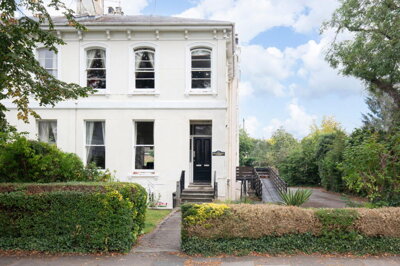
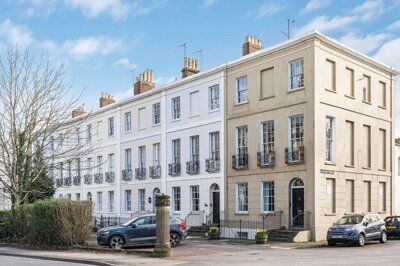
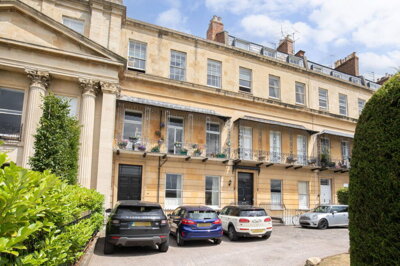
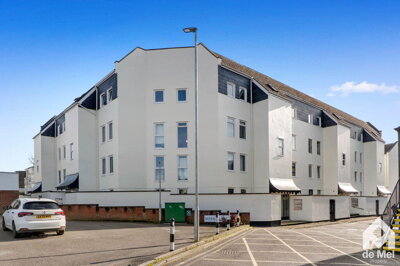
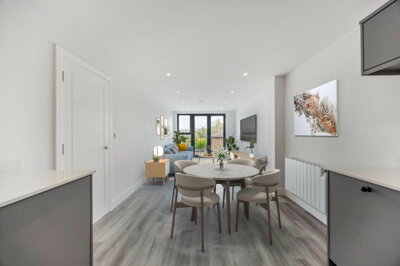
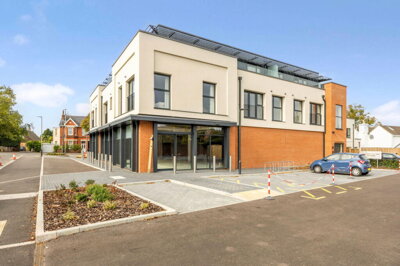
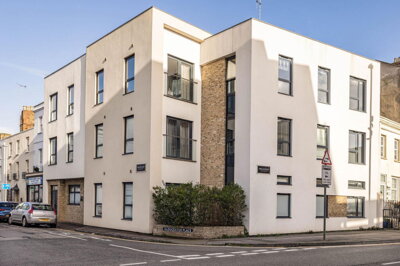
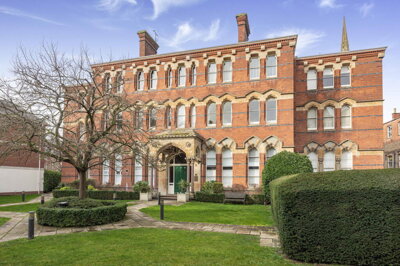
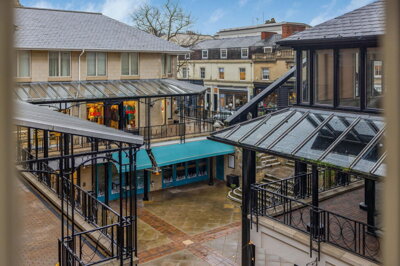
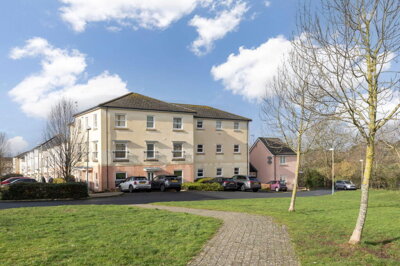
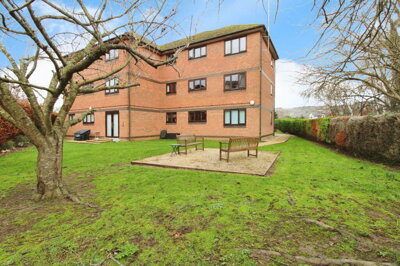
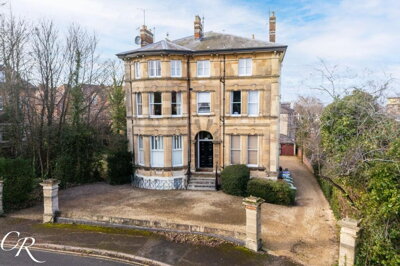
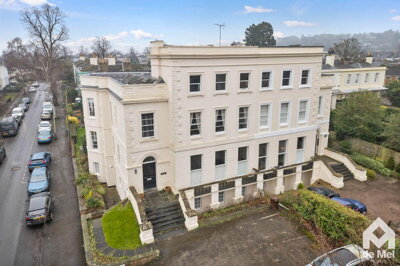
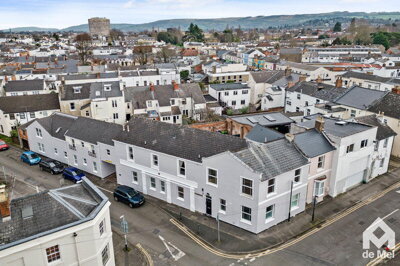
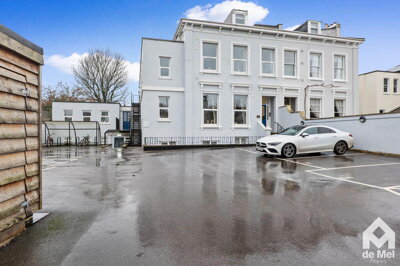
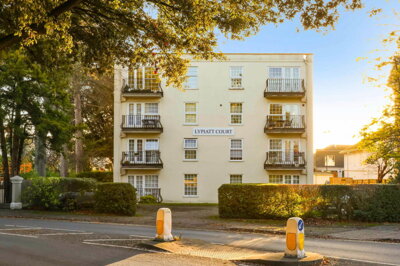
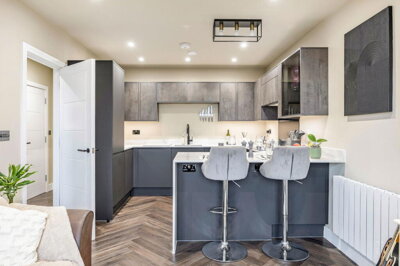
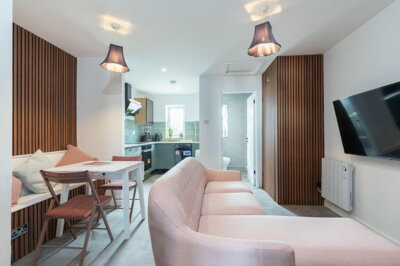
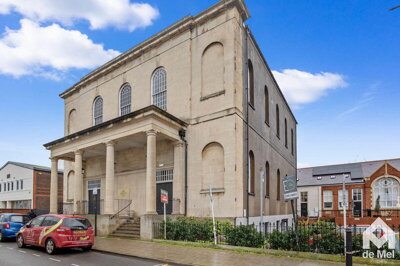
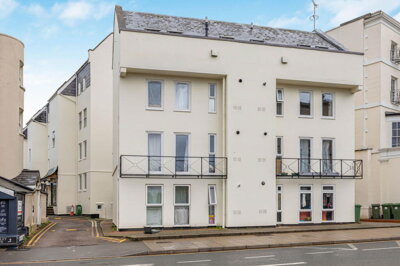
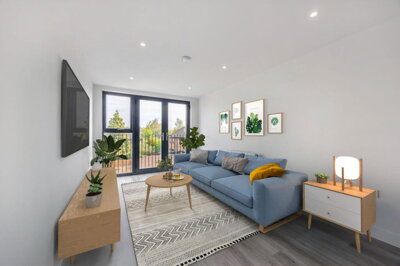
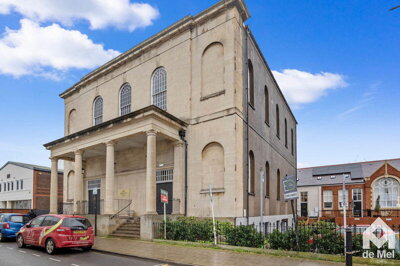
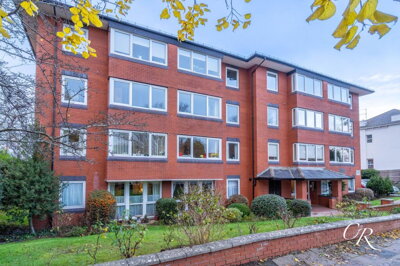
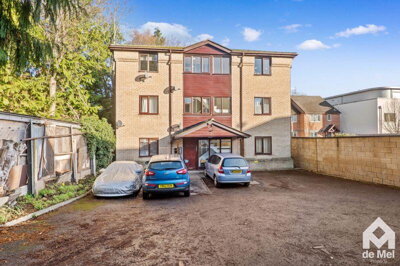
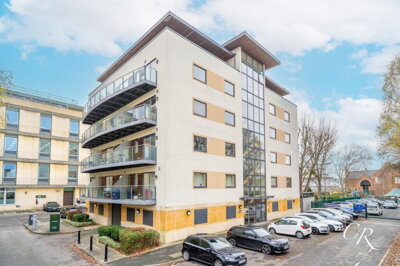
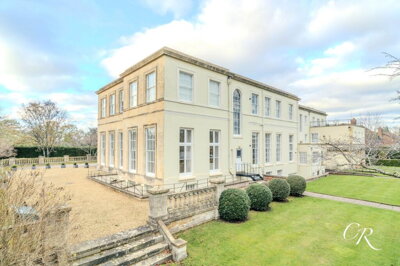
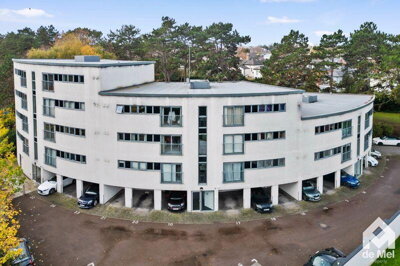
Browse 208 homes for sale in Cheltenham, Gloucestershire from local estate agents.
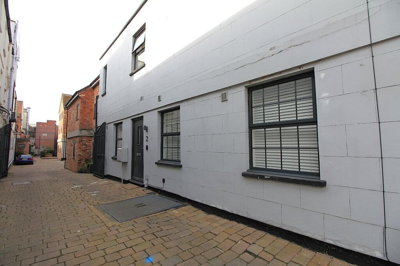
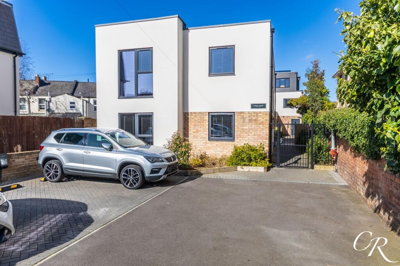
One bed apartments provide a separate bedroom alongside distinct living space, bathroom, and kitchen areas. Properties in Cheltenham are available in various building types including mansion blocks, contemporary developments, and house conversions.
£175k
37
0
86
Source: home.co.uk
Showing 37 results for 1 Bedroom Flats for sale in Cheltenham, Gloucestershire. The median asking price is £175,000.
Source: home.co.uk
Flat
37 listings
Avg £185,946
Source: home.co.uk
Source: home.co.uk
£387,000
Average Property Price
1,640+
Properties for Sale
+2.2%
Annual Price Change
1,640
Annual Transactions
The Cheltenham property market has demonstrated remarkable resilience, with overall average prices ranging between £337,000 and £400,162 depending on the data source and reporting period. According to the most recent ONS figures, the average property price in Cheltenham reached £337,000 by December 2025, representing a 2.2% increase over the previous year. Other property portals report slightly higher averages, with Rightmove recording £400,162 and Zoopla at £398,401 for the last twelve months. This variation reflects different methodologies and property mix, but all indicators point to a stable market with modest growth trends that continue to attract buyers seeking long-term value in a prestigious location.
Property types in Cheltenham span a wide price spectrum, giving buyers genuine choice at every level. Detached properties command the highest prices, with averages ranging from £605,000 to £647,000, reflecting the premium placed on space and privacy in this desirable location. Semi-detached homes offer more accessible entry points, typically ranging from £362,500 to £417,723, making them popular with families seeking good schools and garden space. Terraced properties, many dating from the Victorian era, range from £296,000 to £342,810 and have shown the strongest price growth at 3.8% annually, making them attractive for both homeowners and investors. Flats and maisonettes, including conversions of Regency buildings and purpose-built blocks, start from around £205,000 to £236,913, providing opportunities for first-time buyers and investors alike.
Transaction volumes in Cheltenham have moderated in line with national trends, with approximately 1,640 to 1,800 property sales recorded in the last twelve months. This represents a decrease of around 10-20% compared to previous years, largely reflecting the broader economic environment and interest rate conditions. However, Cheltenham's strong fundamentals, including its natural beauty, cultural scene, and employment base centred around GCHQ and the education sector, continue to attract buyers, ensuring the market remains active and competitive for well-priced properties. The GL50 4 postcode area has shown particular strength, with prices growing 7.9% in the last year, indicating that certain neighbourhoods continue to outperform the wider market.
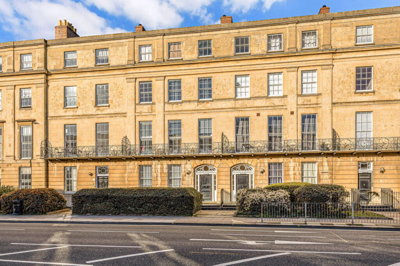
Cheltenham is home to approximately 116,900 residents across 51,200 households, creating a vibrant community that blends historic elegance with contemporary living. The town developed as a fashionable spa resort during the Georgian and Regency periods, leaving an extraordinary legacy of architectural heritage that defines the character of neighbourhoods like the Promenade, Pittville, and Montpellier. Walking through these areas, visitors encounter sweeping crescents, elegant terraces, and detached villas all clad in the distinctive pale stucco that has become synonymous with Cheltenham's visual identity. The town's preservation of this heritage is actively supported through multiple conservation areas that protect the special architectural interest of these localities.
The town's location at the edge of the Cotswolds Area of Outstanding Natural Beauty provides residents with immediate access to some of England's most beautiful countryside. The Cotswold Way long-distance footpath passes close to the town, while the many hills and valleys of the surrounding landscape offer excellent walking, cycling, and riding opportunities. Despite this proximity to rural landscapes, Cheltenham remains a thriving urban centre with excellent amenities. The town centre features an impressive range of shops, from independent boutiques on The Brewery Quarter to major retailers along the High Street and Gallagher Retail Park. The cultural calendar is exceptionally busy, with major festivals dedicated to jazz, science, literature, and music attracting visitors from across the country throughout the year.
Cheltenham's economy benefits from several major employers that provide stable employment for residents. GCHQ, the government's communications headquarters, is one of the largest employers in the area, bringing highly skilled professionals to the town. The education sector is equally significant, with institutions including the prestigious Cheltenham Ladies' College and Cheltenham College employing substantial numbers of staff. Tourism and hospitality contribute significantly to the local economy, supported by the town's reputation as a cultural destination and gateway to the Cotswolds. Professional services, retail, and healthcare complete the employment mix, creating a diversified economy that supports a stable property market and consistent demand for homes at various price points.
Education in Cheltenham is a significant factor driving property demand, with the town offering an exceptional range of educational establishments at all levels. At primary level, parents can choose from numerous options including Hesters Way Primary School, Leckhampton Primary School, and Gardiners Lane Primary School, each serving their local communities with dedicated teaching staff and strong community links. Many primary schools in Cheltenham have achieved good or outstanding Ofsted ratings, providing parents with confidence in their children's early education. The town's infant and junior schools work together to ensure smooth transitions for young learners as they progress through the education system.
Secondary education in Cheltenham is particularly strong, with several schools consistently performing well in national league tables. Pates Grammar School is a selective grammar school that admits students based on academic ability and regularly features among the top-performing schools in Gloucestershire. Cheltenham College provides secondary education alongside its sixth form, offering a traditional academic curriculum with an emphasis on individual achievement. For girls, Cheltenham Ladies' College is one of the most prestigious independent schools in the country, accepting day and boarding students from age 11 onwards. These selective and independent options ensure families have excellent choices regardless of their educational preferences.
Post-16 education is well-served through sixth forms at the grammar school and college, as well as Gloucestershire College which offers a wide range of vocational and academic courses from its Cheltenham campus. The University of Gloucestershire has a presence in the town, providing higher education opportunities and contributing to the cultural and intellectual life of the community. For families prioritising education in their property search, Cheltenham's school landscape is a major draw, with catchment areas for popular schools often influencing where buyers choose to live. Properties within good school catchments, particularly near Leckhampton and Charlton Kings, command premium prices reflecting this high demand from families seeking the best educational opportunities for their children.

Cheltenham enjoys excellent transport connections that make it an attractive base for commuters and those who travel regularly for business or pleasure. The town sits directly on the A40, the historic coaching route linking London to Fishguard, providing direct road access to Oxford and the capital to the east and Gloucester and South Wales to the west. For motorway travel, the M5 motorway passes just west of the town centre, with junction 10 and 11 providing access to the national motorway network. Birmingham can be reached in approximately one hour by car, while Bristol is just 45 minutes away, making these major cities accessible for day trips or regular commuting to employment centres.
Rail services from Cheltenham Spa railway station offer direct connections to several major destinations. The station provides regular services to Birmingham New Street, with journey times of approximately 40 minutes, making Cheltenham popular with commuters working in the West Midlands. London Paddington is reachable in around two hours via a change at Birmingham or a direct service during peak hours. Bristol Temple Meads is approximately 45 minutes away, connecting residents to the South West peninsula. These rail connections significantly enhance Cheltenham's appeal to professionals who need access to major business centres while enjoying the lifestyle benefits of a smaller town with excellent cultural and recreational facilities.
Local public transport within Cheltenham includes bus services operated by Stagecoach and other providers, connecting residential areas with the town centre and surrounding villages. The town has invested in cycling infrastructure, with dedicated lanes on some key routes and the Cotswold Canals cycle path providing recreational routes. For those driving, parking in the town centre can be challenging during peak periods, though several car parks are available including the Regent Arcade and the North Place car parks. Many residents find that owning a car is essential for maximum flexibility, particularly for accessing the beautiful Cotswold countryside surrounding the town, while those working from home or using public transport find the town centre location highly convenient. Birmingham Airport, approximately one hour away by car, provides access to domestic and international flights for business and leisure travel.
Start by exploring properties on Homemove and registering with local estate agents who know the Cheltenham market intimately. Understanding current price trends, such as the 2.2% annual increase reported by ONS, will help you set realistic expectations and identify well-priced properties in your preferred neighbourhoods. Pay particular attention to the different character areas, from the Regency grandeur of the Promenade to the Victorian terraces of Hesters Way and the modern developments on the outskirts.
Before viewing properties, obtain a mortgage agreement in principle from a lender. This demonstrates your purchasing power to sellers and agents, strengthening your position when making offers. With average prices around £387,000, most buyers will need a mortgage, and having finance approved early speeds up the buying process considerably. First-time buyers will benefit from the raised Stamp Duty thresholds, potentially saving thousands on their purchase.
Visit properties that match your criteria, paying attention to location, condition, and any potential issues. When you find your ideal home, submit a competitive offer through the estate agent. In Cheltenham's market, well-presented properties in desirable areas can attract multiple bids, so being prepared to move quickly is advantageous. Properties near good schools and in conservation areas are particularly sought after.
Once your offer is accepted, arrange a RICS Level 2 Survey to assess the property's condition thoroughly. For Cheltenham's older properties, including Regency and Victorian homes, this survey is particularly valuable for identifying common issues such as damp, structural movement, or roof defects. The town's geology, with its Lias Clay deposits, means some properties may be subject to subsidence risk that a professional survey can identify.
Your solicitor will handle the legal aspects of the purchase, including searches, contracts, and registration with HM Land Registry. Local knowledge is valuable, as Cheltenham has specific conservation areas and planning considerations that may affect your purchase. Article 4 Directions in certain areas can restrict permitted development rights, so your solicitor should advise on any planning constraints.
After satisfactory searches and surveys, you will exchange contracts and pay your deposit. Completion typically follows within a few weeks, when the remaining funds are transferred and you receive the keys to your new Cheltenham home. On completion day, your solicitor will notify Homemove, and you can begin arranging your move into this wonderful Regency town.
Cheltenham's architectural heritage is one of its greatest assets, but it also presents specific considerations for buyers to understand before purchasing. The town's Regency and Victorian properties often feature construction methods that differ significantly from modern standards. Many older properties were built without modern damp-proof courses, making rising damp a common issue that requires attention. Original single-glazed windows, while characterful, can be less energy-efficient than modern alternatives, and buyers should factor potential replacement costs into their budget. Stucco facades, beloved for their elegant appearance, may require periodic repainting and maintenance to keep them weatherproof and attractive.
The geology of Cheltenham presents specific challenges that buyers should investigate carefully. The town sits on Jurassic limestones and clays, with the underlying Lias Clay presenting shrink-swell potential that can affect properties with shallow foundations. This means some areas are more prone to subsidence or heave, particularly during periods of extreme weather or drought. A thorough structural survey is strongly recommended for any older property, and buyers should review any existing survey reports or structural warranties available. The presence of alluvial deposits along the River Chelt also means that properties near the river valley may have elevated flood risk, requiring appropriate insurance and mitigation measures.
Conservation areas in Cheltenham significantly affect what owners can do with their properties. If you are considering a period property in one of the town's several conservation areas, be aware that planning permission may be required for alterations that would not need consent in other locations. This includes extensions, dormer windows, and changes to external features like doors and windows. Properties may also be subject to Article 4 Directions that remove permitted development rights, further limiting what changes can be made without consent. Listed buildings, of which Cheltenham has many, are subject to even stricter controls. While these designations protect the character of the town, they require commitment from owners to maintain and care for historically significant properties according to conservation guidelines.
Flood risk assessment is particularly important for properties in certain areas of Cheltenham. The River Chelt runs through the town, and areas adjacent to the river are at risk of river flooding, particularly during periods of heavy rainfall. Surface water flooding can also occur due to Cheltenham's urbanised nature and topography. We recommend reviewing the Environment Agency's detailed flood risk maps before purchasing any property, and ensuring that appropriate buildings insurance is in place from completion. Properties in flood risk areas may face higher insurance premiums, so factoring this into your overall costs is advisable.
The average house price in Cheltenham currently ranges from £337,000 to £400,162 depending on the data source. According to ONS figures from December 2025, the average stands at £337,000 with a 2.2% annual increase recorded. Other property portals report slightly higher figures, with Zoopla at £398,401 and Rightmove at £400,162 for the last twelve months. Property types vary significantly in price, with detached homes averaging £605,000-£647,000, semi-detached properties at £362,500-£417,723, terraced homes around £296,000-£342,810, and flats starting from £205,000-£236,913.
Properties in Cheltenham fall under Cheltenham Borough Council, part of Gloucestershire County Council. Council tax bands range from A through H, with the specific band depending on the property's assessed value. Most terraced properties and smaller flats typically fall into bands A to C, while larger Victorian and Edwardian family homes commonly occupy bands D to F. Regency villas and larger detached properties in prestigious areas like Montpellier and Pittville often attract bands F to H. You can check the specific band for any property through the Cheltenham Borough Council website or the Valuation Office Agency.
Cheltenham offers exceptional educational options at all levels. For primary education, Leckhampton Primary School and Gardiners Lane Primary School are highly regarded, both serving their local communities with strong academic outcomes. At secondary level, Pates Grammar School is a selective school with excellent academic results, while Cheltenham College provides traditional secondary education and Cheltenham Ladies' College is one of the country's most prestigious independent girls' schools. For sixth form education, options include the grammar school sixth form, Cheltenham College, and vocational courses at Gloucestershire College. The University of Gloucestershire also has a presence in the town for higher education.
Cheltenham is well-connected by rail and bus services. Cheltenham Spa railway station provides direct trains to Birmingham (approximately 40 minutes), London Paddington (around 2 hours), and Bristol Temple Meads (approximately 45 minutes). The town sits on the A40 road, providing direct access to Oxford and London, while the M5 motorway is accessible via junctions 10 and 11. Local bus services operated by Stagecoach connect residential areas with the town centre and surrounding villages. For domestic flights, Birmingham Airport is approximately one hour away by car.
Cheltenham has historically been a strong performer in terms of property values, making it attractive for both capital growth and rental investment. The town's desirable location, excellent schools, and strong employment base through employers like GCHQ support ongoing demand from both owner-occupiers and investors. Transaction volumes of around 1,640-1,800 sales annually indicate a healthy market with good liquidity. Rental yields vary by property type, with flats and smaller terraced properties typically offering stronger yields than larger family homes. The growing trend towards remote and hybrid working has increased demand from professionals who value Cheltenham's quality of life while maintaining connections to major cities.
Stamp Duty Land Tax rates from April 2025 are 0% on the first £250,000 of property value, 5% on the portion from £250,001 to £925,000, 10% on £925,001 to £1.5 million, and 12% on any amount above £1.5 million. First-time buyers can claim relief on properties up to £625,000, paying 0% on the first £425,000 and 5% on the portion between £425,001 and £625,000. For a typical Cheltenham property at the current average price of around £387,000, a standard buyer would pay approximately £6,850 in stamp duty after the nil-rate threshold. First-time buyers would pay £0 on the same property due to the raised threshold.
The main risks when buying a period property in Cheltenham include structural issues related to the local geology. The Lias Clay underlying much of the town can cause subsidence or heave in properties with shallow foundations, particularly during extreme weather. Older properties often lack modern damp-proof courses, leading to rising damp that requires treatment. Conservation area restrictions limit what alterations are permitted, and listed buildings require adherence to conservation guidelines for any works. Properties near the River Chelt may face elevated flood risk that affects insurance costs. We strongly recommend a thorough RICS Level 2 Survey before purchasing any older property.
The most popular neighbourhoods in Cheltenham vary by property type and buyer profile. For families seeking period properties, Leckhampton and Charlton Kings are highly sought after due to their proximity to excellent schools and the Cotswolds countryside. The Promenade, Montpellier, and Pittville areas are prized for their Regency architecture and proximity to the town centre. Hesters Way offers more affordable Victorian terraces, while newer developments like those near the town centre appeal to those seeking modern conveniences. Properties in conservation areas command premium prices due to their architectural significance and protected character.
From £400
A detailed inspection of the property condition, ideal for Cheltenham's older properties
From £600
A comprehensive structural survey for older or complex properties
From £80
Energy Performance Certificate required for all sales
From 4.5%
Find competitive mortgage rates for your Cheltenham purchase
From £499
Expert legal services for your property purchase
Understanding the full costs of buying a property in Cheltenham is essential for budgeting effectively. Stamp Duty Land Tax (SDLT) is charged on all freehold and leasehold property purchases above certain thresholds. For properties completed from April 2025, the standard SDLT rates are 0% on the first £250,000, 5% on the portion between £250,001 and £925,000, 10% on £925,001 to £1.5 million, and 12% on any value exceeding £1.5 million. For a typical Cheltenham property priced at the current average of approximately £387,000, a standard buyer would pay SDLT of around £6,850 after the nil-rate threshold.
First-time buyers benefit from increased thresholds that can significantly reduce their SDLT bill. Under current rules, first-time buyers pay 0% on the first £425,000 and 5% on the portion between £425,001 and £625,000. This means a first-time buyer purchasing a property at the Cheltenham average of £387,000 would pay zero SDLT, saving approximately £6,850 compared to a standard buyer. However, first-time buyer relief does not apply to any portion of a property valued above £625,000, so for more expensive purchases, the savings are limited.
Beyond SDLT, buyers should budget for several additional costs. Conveyancing fees for a property at this price point typically range from £499 to £1,500 depending on the complexity of the transaction and whether the property is freehold or leasehold. A RICS Level 2 Survey (HomeBuyer Report) costs between £400 and £800 for a standard Cheltenham property, while an Energy Performance Certificate is a mandatory requirement costing from £80. Mortgage arrangement fees typically range from £0 to £2,000 depending on the lender and product chosen. Searches, including local authority, drainage, and environmental searches, usually cost between £250 and £400. Removal costs vary significantly based on the volume of belongings and distance moved, while buildings insurance must be in place from completion. Budgeting for total buying costs of approximately 3-5% of the property value is advisable for a smooth transaction without financial surprises.
Properties for Sale In London

Properties for Sale In Plymouth

Properties for Sale In Liverpool

Properties for Sale In Glasgow

Properties for Sale In Sheffield

Properties for Sale In Edinburgh

Properties for Sale In Coventry

Properties for Sale In Bradford

Properties for Sale In Manchester

Properties for Sale In Birmingham

Properties for Sale In Bristol

Properties for Sale In Oxford

Properties for Sale In Leicester

Properties for Sale In Newcastle

Properties for Sale In Leeds

Properties for Sale In Southampton

Properties for Sale In Cardiff

Properties for Sale In Nottingham

Properties for Sale In Norwich

Properties for Sale In Brighton

Properties for Sale In Derby

Properties for Sale In Portsmouth

Properties for Sale In Northampton

Properties for Sale In Milton Keynes

Properties for Sale In Bournemouth

Properties for Sale In Bolton

Properties for Sale In Swansea

Properties for Sale In Swindon

Properties for Sale In Peterborough

Properties for Sale In Wolverhampton

Enter your details to see if this property is within your budget.
Loans, cards, car finance
Estimated property budget
Borrowing + deposit
You could borrow between
Typical borrowing
Monthly repayment
Est. at 4.5%
Loan-to-value
This is an estimate only. Your actual budget may vary depending on interest rates, credit history, and personal circumstances. For an accurate affordability assessment, speak to one of our free mortgage advisors.
This calculator provides estimates for illustrative purposes only and does not constitute financial advice. Your home may be repossessed if you do not keep up repayments on your mortgage. Estimates based on 4.5% interest rate, repayment mortgage. Actual rates depend on your circumstances.
Homemove is a trading name of HM Haus Group Ltd (Company No. 13873779, registered in England & Wales). Homemove Mortgages Ltd (Company No. 15947693) is an Appointed Representative of TMG Direct Limited, trading as TMG Mortgage Network, which is authorised and regulated by the Financial Conduct Authority (FRN 786245). Homemove Mortgages Ltd is entered on the FCA Register as an Appointed Representative (FRN 1022429). You can check registrations at NewRegister or by calling 0800 111 6768.

We use cookies to show you personalised content and improve your experience of our website. Find out more in our Privacy policy and Cookie policy.