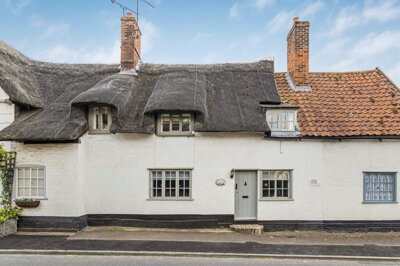
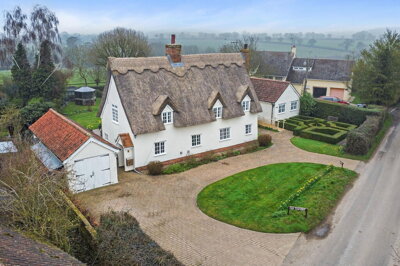
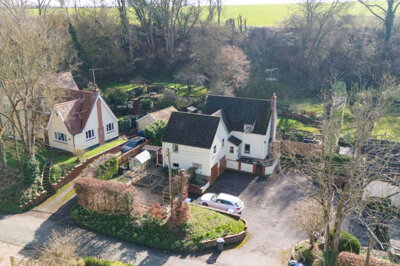
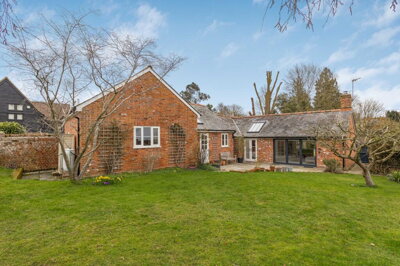
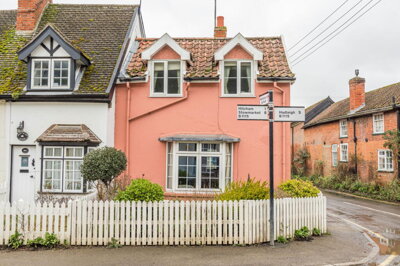
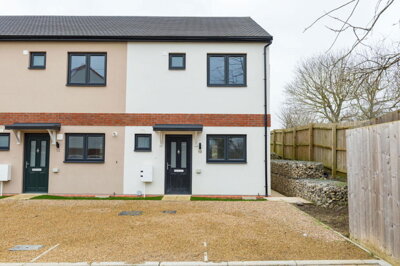
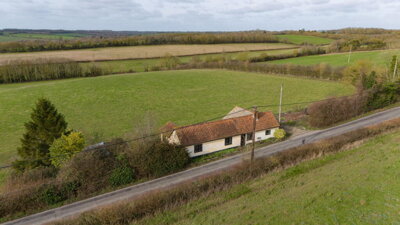
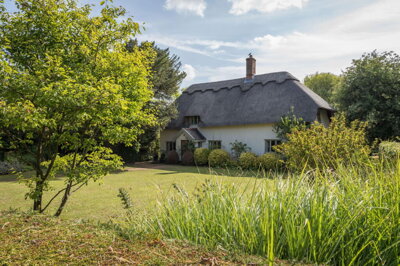
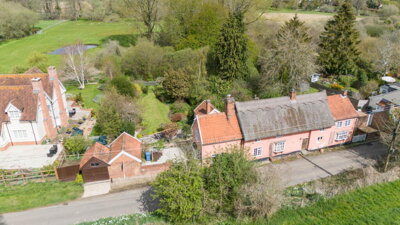
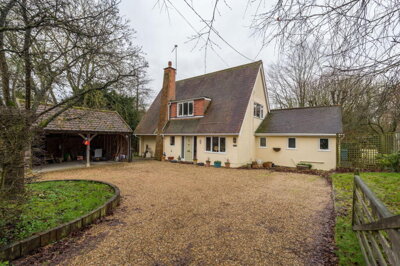
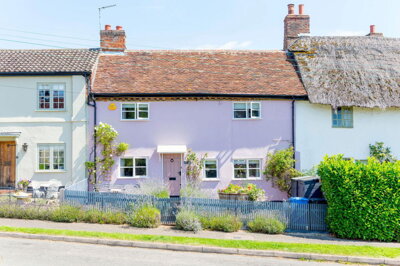
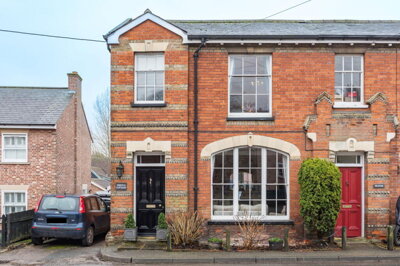
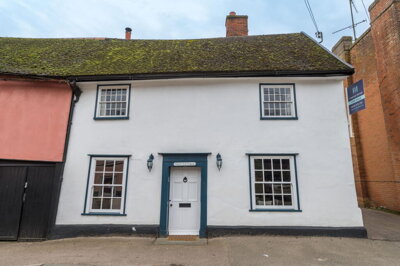
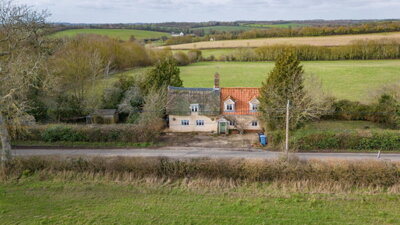
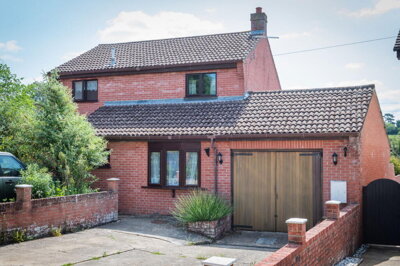
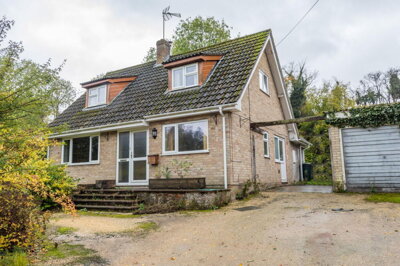
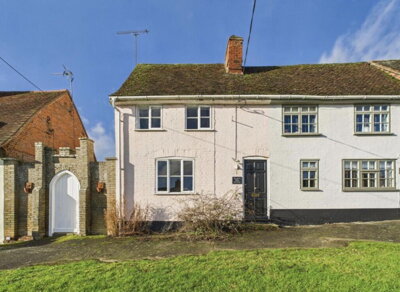
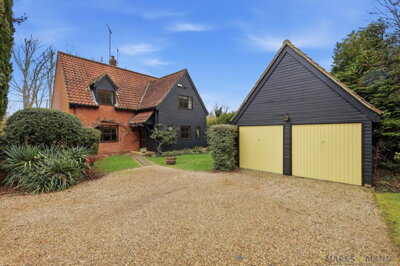
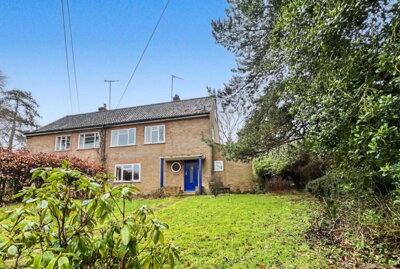
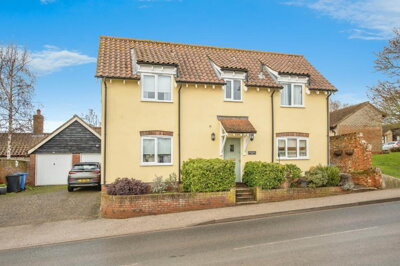
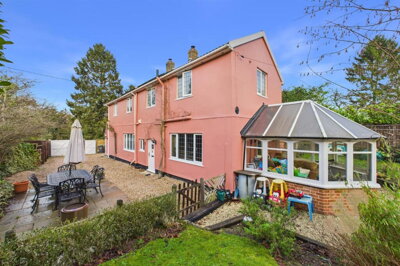
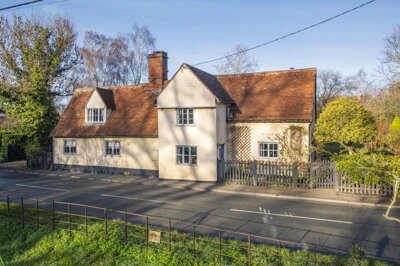
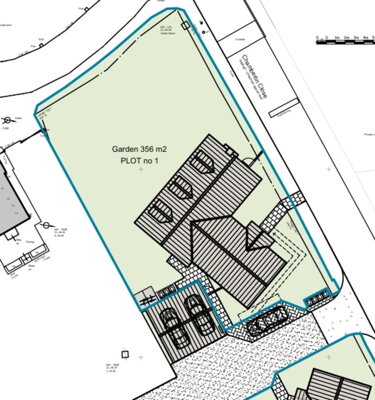
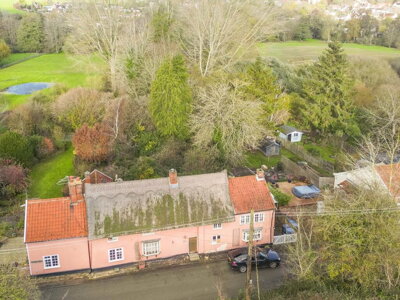
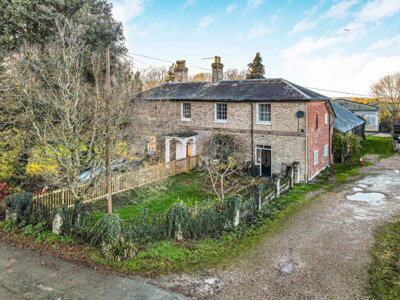
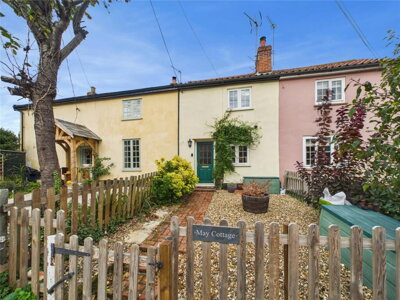
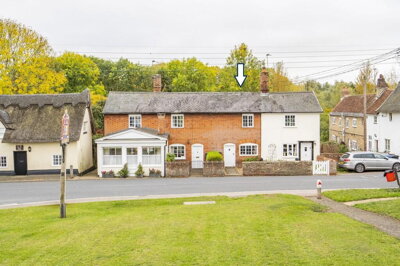
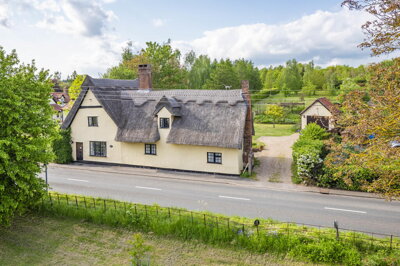
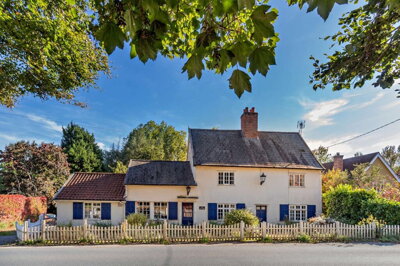
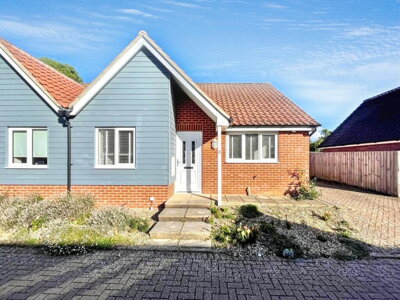
Browse 38 homes for sale in Chelsworth, Babergh from local estate agents.
£695k
1
0
88
Source: home.co.uk
Source: home.co.uk
Detached
1 listings
Avg £695,000
Source: home.co.uk
Source: home.co.uk
The Kenton property market is dominated by detached homes, which account for approximately 76% of all residential properties in the village. This prevalence of spacious, individual houses reflects the rural character of the settlement and the preferences of buyers seeking privacy, larger gardens, and the quintessential English countryside lifestyle. Semi-detached properties make up around 16% of the housing stock, with terraced homes comprising approximately 4% of available properties. The relative scarcity of flats and higher-density housing reinforces Kenton's status as a village where space and character take precedence over urban convenience.
Property transaction levels in Kenton remain steady, with 380 sales recorded over the past twelve months representing approximately 66% of the long-term average activity level. Second-hand houses dominate the sales figures, accounting for 75% of all transactions with 285 completed sales. Recent price trends show the local market has performed robustly, with property values rising 3% compared to the previous year and now sitting 5% above the 2022 peak of £587,111. These figures indicate sustained demand for homes in this part of rural Suffolk despite broader national market fluctuations.
The predominance of detached properties in Kenton means that buyers can typically expect homes with substantial floor areas, often including multiple reception rooms, en-suite bathrooms, and generous garage or workshop spaces. Gardens in the village tend to be larger than those found in urban properties, frequently extending to a quarter acre or more for traditional cottage-style homes. Properties with traditional outbuildings such as stables, workshops, or converted barns command particular interest from buyers seeking space for hobbies, home working, or additional accommodation.
Given the village's Countryside Village classification under Policy CS1, new build development in Kenton is strictly controlled, which helps maintain property values and the village's distinctive character. This policy framework means that buyers purchasing in Kenton are investing in a settlement where future housing supply will remain limited, preserving the exclusivity and rural atmosphere that defines the local market. The absence of significant new build activity also means that virtually all properties available are second-hand homes with established gardens and mature surroundings.

Kenton is a civil parish and village that captures the essence of mid-Suffolk rural living. The settlement is positioned northeast of Debenham, surrounded by productive agricultural land and connected by a network of country lanes that are perfect for walking, cycling, and enjoying the Suffolk countryside. The village identity is defined by its agricultural heritage and the peaceful atmosphere that comes from living away from major traffic routes. Community life in Kenton tends to revolve around local events, country pubs, and the shared appreciation for the natural landscape that surrounds the village.
One notable characteristic of Kenton is that approximately 69% of all households with at least one usual resident rely on oil-fired heating systems. This figure significantly exceeds the national average and reflects the rural nature of the settlement where mains gas may not be readily available. Prospective buyers should factor this into their property assessments, as oil-fired central heating systems require regular maintenance, annual servicing, and an understanding of how to manage fuel deliveries and storage. The reliance on oil heating is common across many villages in this part of Suffolk and forms part of the practical reality of rural living in the region.
The village setting brings both advantages and considerations for daily life. Access to ultrafast broadband can be limited in some parts of the village, though improvements to rural connectivity continue across the area. Mobile phone signal strength similarly varies by network and location within the village, with some properties enjoying good coverage while others may require consideration of signal boosters or landline internet as backup. These factors are worth investigating when viewing properties, particularly if you work from home or have family members who rely on consistent mobile connectivity.
Local amenities in Kenton itself are limited, consistent with its village classification, but the surrounding area provides access to everything needed for daily life. The nearby market town of Debenham offers a range of local services including a village shop, primary school, and several pubs serving the local community. Larger centres such as Stowmarket and Ipswich are within reasonable driving distance, providing access to supermarkets, healthcare facilities, and a wider range of retail and leisure options.

Families considering a move to Kenton will find that the village sits within reach of several educational options across the Mid Suffolk district. Primary education is available at schools in nearby villages and towns, with many parents travelling short distances to access Ofsted-rated good and outstanding establishments. The village classification as a Countryside Village under local planning policy means that educational facilities within Kenton itself may be limited, but the surrounding area offers a range of options for children of all ages.
Primary schools in the surrounding area include establishments in villages such as Debenham, which offers a well-regarded primary school serving families from Kenton and surrounding settlements. Parents typically bring children to school from the village, with journeys involving country roads that become familiar routes through the Suffolk landscape. School transport arrangements are worth investigating before purchasing, as local authority transport may be available for children attending schools outside the immediate village.
Secondary education in the area typically involves travel to larger settlements such as Stowmarket or Ipswich, where secondary schools and sixth form colleges provide broader curriculum choices and extracurricular activities. Stowmarket School serves as one of the main secondary options for families in the Mid Suffolk area, offering comprehensive education through to sixth form. Other families opt for independent schooling, with several options available within driving distance in towns such as Bury St Edmunds and Woodbridge.
Parents are advised to research specific school catchments and admission arrangements as these can significantly influence property choices in rural areas. School admission zones in rural Suffolk can cover extensive areas, meaning a property's proximity to a particular school is not always guaranteed. Many families are drawn to Kenton precisely because the village offers a calm, safe environment for children while providing access to good schools within a reasonable commuting distance by car.
Transport connections from Kenton reflect its status as a rural Suffolk village, with most residents relying on private vehicles for daily commuting and essential journeys. The village sits away from major A-roads and railway lines, creating a tranquil living environment but requiring careful consideration of travel requirements. The nearest railway stations are located in surrounding towns, providing connections to London, Norwich, Cambridge, and other regional centres. Journey times to these stations will vary depending on your starting point within Kenton and the route taken.
For those working in nearby towns such as Bury St Edmunds, Stowmarket, or Ipswich, car travel is typically the most practical option with journey times ranging from 20 to 45 minutes depending on the destination. The A14 trunk road, which runs through Stowmarket, provides connections to the wider motorway network including routes to Felixstowe port and the M25 beyond Cambridge.Commuters heading to London typically travel to stations such as Ipswich or Diss, both offering regular services to London Liverpool Street with journey times of around 90 minutes to two hours.
Bus services operate in the area but are limited compared to urban routes, making a private vehicle almost essential for residents who need flexibility in their daily travel. Community transport schemes operate in parts of Mid Suffolk, providing essential services for those without cars, but these are designed for specific purposes such as medical appointments rather than daily commuting. The scenic country lanes surrounding Kenton are popular with cyclists and walkers, though drivers should exercise caution on narrower roads that may not accommodate two vehicles passing easily.
The B1077 and surrounding country roads form the main artery connecting Kenton to nearby villages and towns. These roads are generally well-maintained but include sections where passing places are necessary and where drivers should be prepared for slow-moving agricultural vehicles, particularly during harvest season. Winter travel may involve additional considerations, as rural roads in Suffolk can be affected by ice and flooding in low-lying areas.
Before viewing properties in Kenton, obtain a mortgage agreement in principle from a lender. This demonstrates to estate agents and sellers that you are a serious buyer with funding already arranged, which can strengthen your position when making an offer on a village property. Given that properties in Kenton typically exceed £500,000, securing suitable mortgage finance is an essential first step in the buying process.
Spend time exploring Kenton and the surrounding area to understand what each neighbourhood offers. Consider factors such as proximity to schools, local amenities in nearby villages, mobile signal strength, and broadband speeds, which can vary significantly in rural locations. Visiting the village at different times of day and week can give you a fuller picture of what daily life would be like.
Contact estate agents listing properties in Kenton to arrange viewings at times that suit you. Take the opportunity to examine the property thoroughly, paying particular attention to the condition of oil-fired heating systems, the age of the property, and any signs of maintenance issues that may require attention. Many properties in Kenton are older and may have characteristics that require updating or renovation.
Once you have found a property you wish to purchase, instruct a qualified surveyor to conduct a detailed inspection. A RICS Level 2 survey is particularly valuable for older properties in rural areas where issues such as damp, structural movement, or outdated services may be present. Given that most properties in Kenton are detached and likely to be over 50 years old, a thorough survey can identify issues that might not be apparent during a standard mortgage valuation.
Appoint a solicitor to handle the legal aspects of your purchase, including searches, contracts, and the transfer of ownership. Conveyancing in rural Suffolk often involves additional queries about rights of way, agricultural covenants, and drainage arrangements that are common in village properties. Searches will typically include drainage and water searches specific to rural properties, which may include references to private water supplies or septic tanks.
Once all surveys, searches, and legal work are satisfactory, you will exchange contracts and pay a deposit. Completion typically follows within days or weeks, at which point you will receive the keys to your new home in Kenton. Allow time for the transition and consider arranging utility connections for oil deliveries in advance of moving day.
Properties in Kenton are predominantly detached homes built in a style consistent with the Suffolk vernacular, often featuring generous plots, outbuildings, and gardens that extend beyond what is typically available in urban areas. The village setting means many properties have unique characteristics that require careful assessment during the buying process. Buyers should pay particular attention to the condition of roofing, which can be expensive to repair on larger detached houses, as well as the state of boundary walls and fences that may adjoin farmland.
Given that 69% of households in Kenton rely on oil-fired heating, prospective buyers should include the heating system on their inspection checklist. Ask about the age of the boiler, the condition of the oil storage tank, and whether the property has undergone any recent efficiency improvements. Properties without mains gas connections may also have limited options for heating upgrades, so understanding the current system and potential alternatives is important. Oil heating systems typically require annual servicing and tank refills several times per year, costs that should be factored into your budget for running a home in Kenton.
Additionally, rural properties may require consideration of septic tank or cess pit arrangements rather than mains drainage, which carries ongoing maintenance responsibilities and potential regulatory requirements. If the property is connected to a shared drainage system serving multiple homes, documentation regarding maintenance responsibilities and any shared agreements should be reviewed carefully. Electrical systems in older properties should also be assessed, as rewiring may be needed if the property has not been updated for several decades.
Properties bordering farmland may be subject to agricultural activities including pesticide spraying and noise from machinery at various times of year. Farm buildings in the vicinity could potentially be subject to planning applications for expansion or change of use. These factors are typically manageable but should be understood before committing to a purchase. Similarly, properties with large gardens or adjacent land may carry additional maintenance commitments that should be considered in the context of your lifestyle and available time.
The average house price in Kenton, Mid Suffolk is approximately £618,067 based on recent transaction data. Properties in this Suffolk village command prices consistent with the rural character of the area, where detached homes make up 76% of the housing stock. Price trends show the local market has risen 3% year-on-year and is currently 5% above the 2022 peak of £587,111, indicating steady demand for village properties in this part of Mid Suffolk. The predominance of detached properties with substantial gardens means that buyers are paying for space and character that is increasingly difficult to find in more accessible locations.
Properties in Kenton fall under Mid Suffolk District Council's jurisdiction for council tax purposes. Specific bands vary by property depending on the valuation and type of home. Detached properties with higher values typically fall into higher bands, with many village homes assessed in Bands E, F, or G. Smaller village homes, including some period cottages, may be in Bands C or D. Prospective buyers should check the specific council tax band for any property they are considering as this forms part of the ongoing cost of ownership. Mid Suffolk District Council sets annual charges based on these bands, with residents paying according to the band assigned to their property.
Kenton itself has limited educational facilities due to its village classification, but families will find primary schools in nearby villages and towns. The primary school in Debenham is one of the closest options for Kenton families, while surrounding villages including Wickham Skeith and Stradbroke also have local primary schools. Researching specific school catchments is essential as admission areas can be extensive in rural locations, and catchment boundaries should be confirmed before purchasing property. Secondary education typically involves travel to larger settlements where schools and sixth form colleges offer broader facilities and curriculum options, with Stowmarket School being one of the main options for Mid Suffolk families.
Public transport options in Kenton reflect its rural village setting and are limited compared to urban areas. Bus services operate in the surrounding area but at frequencies suited to occasional rather than daily commuting use, with services typically running at reduced frequencies on evenings and weekends. Most residents rely on private vehicles for regular travel to work, schools, and amenities. The nearest railway stations are located in Stowmarket and Ipswich, providing connections to London Liverpool Street and Norwich, with journey times from Stowmarket to London taking approximately 90 minutes.
Kenton offers appeal for buyers seeking a peaceful rural lifestyle with good access to Suffolk's network of country roads and nearby towns. The village property market has shown resilience with prices rising 3% year-on-year and transaction volumes representing 66% of long-term averages. However, buyers should consider the practical realities of rural living including reliance on oil heating, limited public transport, and the need for a vehicle for most daily activities. The Countryside Village classification under Policy CS1 means that new development is restricted, which helps maintain property values by limiting supply.
Stamp duty rates in England apply to purchases in Kenton just as they do elsewhere. Standard rates begin at 0% for properties up to £250,000, rising to 5% on the portion between £250,001 and £925,000. Higher rates apply on portions above £925,000, with the 10% rate applying between £925,001 and £1.5 million and 12% on amounts exceeding £1.5 million. First-time buyers benefit from relief on properties up to £425,000, paying 0% on the first £425,000 and 5% on amounts between £425,001 and £625,000. For properties above £625,000, standard rates apply with no first-time buyer relief available.
Properties in Kenton with oil-fired heating systems should be assessed for the age and condition of the boiler, the integrity of the oil storage tank, and the maintenance history of the entire system. Ask for service records and find out the typical annual running costs, which can vary significantly depending on property size and usage patterns. Oil deliveries need to be arranged and tank levels monitored, particularly during winter months when consumption increases. Budget for annual servicing costs and factor in the potential need for tank replacement if the installation is more than 15-20 years old.
Kenton is classified as a Countryside Village under Mid Suffolk Core Strategy Policy CS1, which means that new development is carefully controlled to preserve the village character and rural setting. Properties may be subject to planning conditions relating to appearance, materials, and landscaping. If you are considering renovations or extensions, you should consult Mid Suffolk District Council's planning portal to understand any restrictions that may apply. Rural properties in Kenton may also be subject to agricultural occupancy conditions or other planning restrictions relating to their use, which should be investigated during the conveyancing process.
Given that most properties in Kenton are older detached homes, common defects include aging roof coverings, traditional construction details that may show signs of wear, and heating systems that require updating. The prevalence of oil-fired heating means that boiler condition and oil tank integrity are frequently identified issues during property surveys. Damp penetration in period properties is another common finding, particularly in properties with solid walls rather than cavity insulation. Electrical systems in homes that have not been modernised may also require attention to bring them up to current safety standards.
From £350
A detailed inspection of the property condition, ideal for older detached homes common in Kenton
From £500
A comprehensive survey for older properties or those requiring detailed structural assessment
From £75
Energy Performance Certificate required for all property sales
From 4.5%
Expert mortgage advice for buyers purchasing in Kenton
From £499
Specialist legal services for buying property in rural Suffolk
When purchasing a property in Kenton, you will need to budget for stamp duty land tax along with other associated costs. In England, stamp duty is charged at progressive rates on residential purchases. For properties up to £250,000, the rate is 0%, rising to 5% on the portion between £250,001 and £925,000. Higher rates apply for more expensive properties, with the portion between £925,001 and £1.5 million taxed at 10% and anything above £1.5 million at 12%. These rates apply uniformly across England including properties in rural Suffolk villages.
First-time buyers purchasing a main residence benefit from increased thresholds, paying 0% on the first £425,000 of the purchase price and 5% on amounts between £425,001 and £625,000. This relief applies only to buyers who have not previously owned property anywhere in the world and who are purchasing a home as their primary residence. For properties in Kenton with an average price around £618,000, a first-time buyer would pay no stamp duty on the first £425,000 and 5% on the remaining £193,000, totalling £9,650.
Beyond stamp duty, you should budget for solicitor fees, survey costs, and moving expenses. A RICS Level 2 survey for a detached property in Kenton typically starts from around £350 depending on the size and complexity of the home. Conveyancing fees for handling the legal work generally start from £499 for a straightforward purchase. Property searches in rural areas may include additional environmental and drainage enquiries that add to the overall legal costs. Survey costs for larger detached properties with extensive grounds may be higher, and buyers should obtain detailed quotes before proceeding to understand the full cost of buying your new home in Kenton.
Additional costs to factor into your budget include removal expenses, which can be substantial for properties with large amounts of furniture or belongings, and potential renovation costs if the property requires updating. Properties in Kenton that have been occupied by elderly owners may require more extensive modernisation than a surface inspection would suggest. Buildings insurance should be arranged from the point of exchange, and you will need to set up accounts with oil suppliers if the property has oil-fired heating. Setting aside a contingency fund equivalent to at least 10% of the purchase price is advisable to cover unexpected issues discovered after moving in.
Properties for Sale In London

Properties for Sale In Plymouth

Properties for Sale In Liverpool

Properties for Sale In Glasgow

Properties for Sale In Sheffield

Properties for Sale In Edinburgh

Properties for Sale In Coventry

Properties for Sale In Bradford

Properties for Sale In Manchester

Properties for Sale In Birmingham

Properties for Sale In Bristol

Properties for Sale In Oxford

Properties for Sale In Leicester

Properties for Sale In Newcastle

Properties for Sale In Leeds

Properties for Sale In Southampton

Properties for Sale In Cardiff

Properties for Sale In Nottingham

Properties for Sale In Norwich

Properties for Sale In Brighton

Properties for Sale In Derby

Properties for Sale In Portsmouth

Properties for Sale In Northampton

Properties for Sale In Milton Keynes

Properties for Sale In Bournemouth

Properties for Sale In Bolton

Properties for Sale In Swansea

Properties for Sale In Swindon

Properties for Sale In Peterborough

Properties for Sale In Wolverhampton

Enter your details to see if this property is within your budget.
Loans, cards, car finance
Estimated property budget
Borrowing + deposit
You could borrow between
Typical borrowing
Monthly repayment
Est. at 4.5%
Loan-to-value
This is an estimate only. Your actual budget may vary depending on interest rates, credit history, and personal circumstances. For an accurate affordability assessment, speak to one of our free mortgage advisors.
This calculator provides estimates for illustrative purposes only and does not constitute financial advice. Your home may be repossessed if you do not keep up repayments on your mortgage. Estimates based on 4.5% interest rate, repayment mortgage. Actual rates depend on your circumstances.
Homemove is a trading name of HM Haus Group Ltd (Company No. 13873779, registered in England & Wales). Homemove Mortgages Ltd (Company No. 15947693) is an Appointed Representative of TMG Direct Limited, trading as TMG Mortgage Network, which is authorised and regulated by the Financial Conduct Authority (FRN 786245). Homemove Mortgages Ltd is entered on the FCA Register as an Appointed Representative (FRN 1022429). You can check registrations at NewRegister or by calling 0800 111 6768.

We use cookies to show you personalised content and improve your experience of our website. Find out more in our Privacy policy and Cookie policy.