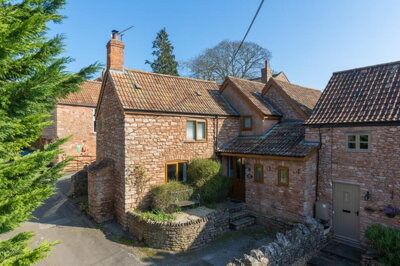
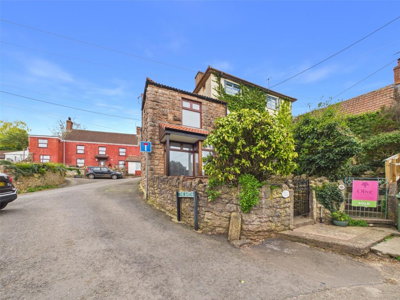
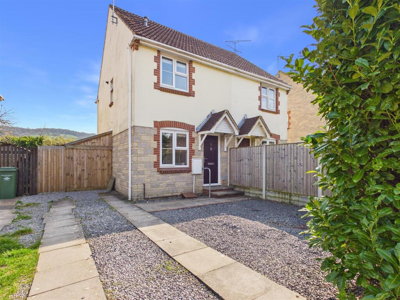
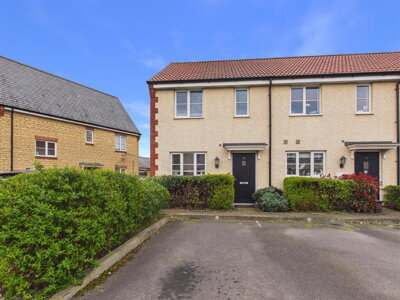
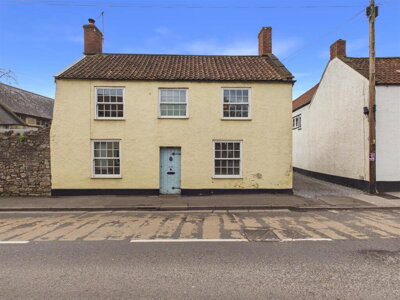
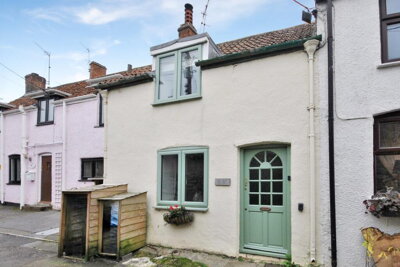
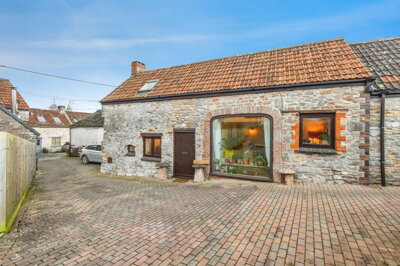
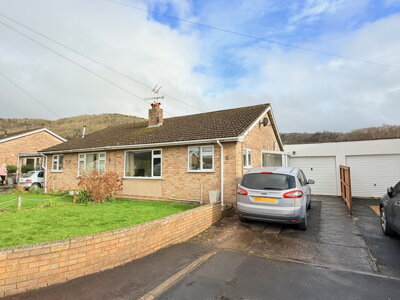
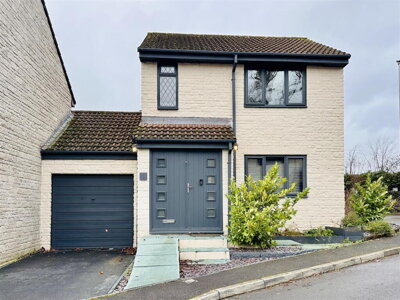
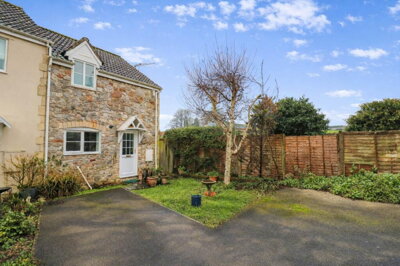
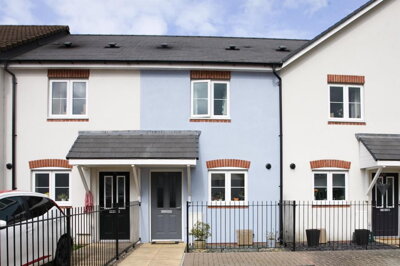
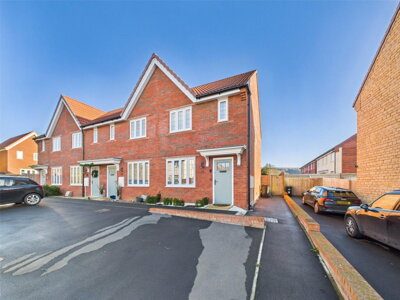
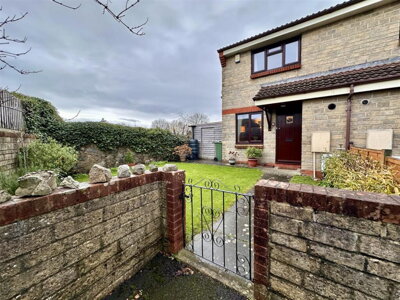
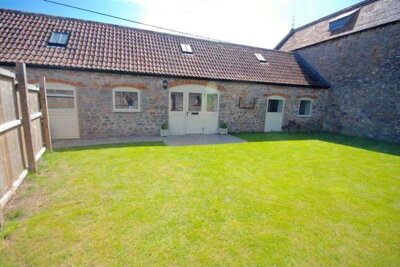
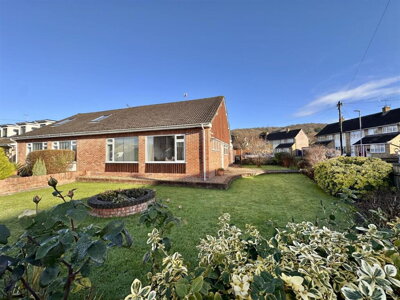
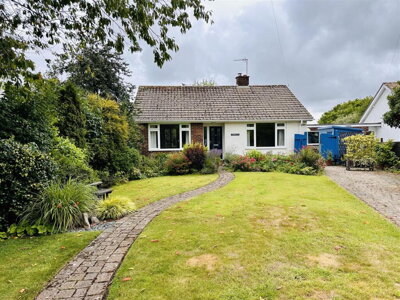
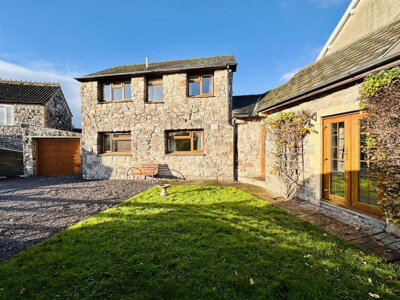
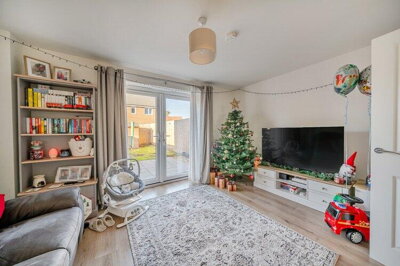
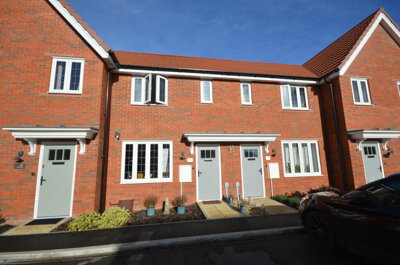
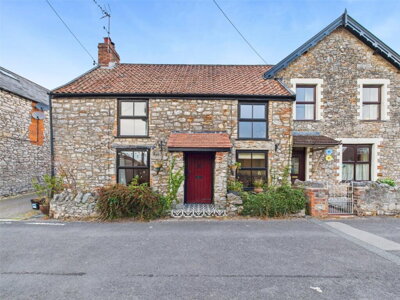
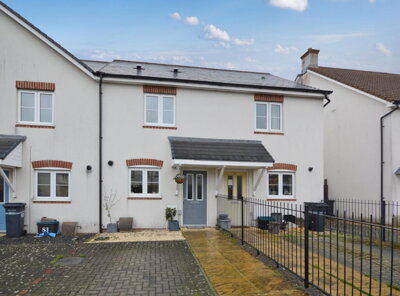
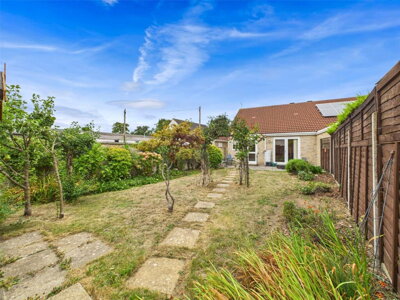
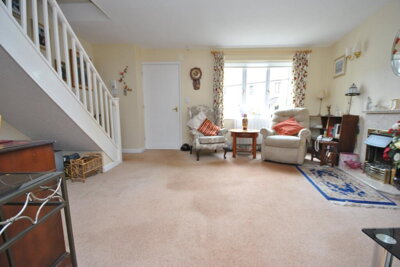
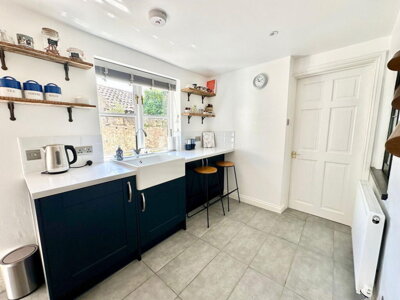
Browse 33 homes for sale in Cheddar, Somerset from local estate agents.
The 2 bed house market features detached, semi-detached, and terraced properties with two separate bedrooms plus living spaces. Properties in Cheddar range from Victorian and Edwardian period homes to modern new builds, with pricing varying across different neighbourhoods.
£268k
6
0
60
Source: home.co.uk
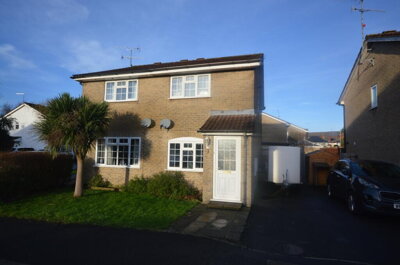
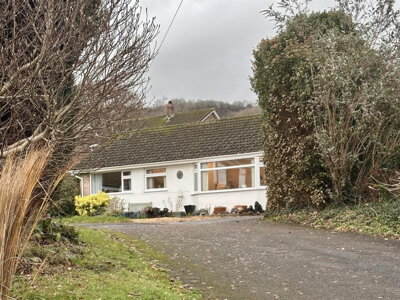
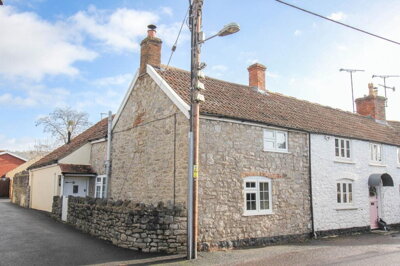
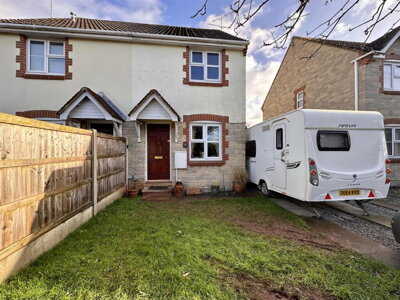
Showing 6 results for 2 Bedroom Houses for sale in Cheddar, Somerset. The median asking price is £267,500.
Source: home.co.uk
Semi-Detached
4 listings
Avg £267,488
Detached
1 listings
Avg £365,000
Terraced
1 listings
Avg £220,000
Source: home.co.uk
Source: home.co.uk
The Cheddar property market has demonstrated steady and consistent growth, with average house prices rising by approximately 3% over the past twelve months. This resilient performance reflects the village's enduring appeal as a place to put down roots, balancing its heritage charm with practical connectivity to major employment centres. The current average price of £385,000 positions Cheddar attractively within the Somerset market, offering buyers more space and character than they might achieve in nearby urban areas while still maintaining strong capital growth prospects.
Property types in Cheddar span a diverse range that reflects the village's evolution from a medieval market settlement to a thriving modern community. Detached properties command the highest average prices at around £530,000, offering generous gardens and often capturing panoramic views across the Mendip Hills. Semi-detached homes, which make up approximately 35% of the local housing stock, average around £350,000 and represent excellent value for families seeking three or four bedrooms in a well-served village location. Terraced properties average £290,000, while flats remain the most affordable option at approximately £200,000, making Cheddar accessible to first-time buyers and those seeking a smaller footprint.
Three active new-build developments are currently adding fresh stock to the Cheddar market, providing opportunities for buyers seeking modern construction and energy efficiency. Cheddar Gardens by Strongvox Homes on Upper New Road offers two, three, and four-bedroom homes priced from £300,000 to £550,000. The Cheddar Collection by Acorn Property Group on Station Road features houses and bungalows ranging from £325,000 to £600,000. David Wilson Homes' Cheddar View development on Draycott Road presents larger family homes with three, four, and five bedrooms priced between £380,000 and £700,000. These developments blend contemporary design with materials sympathetic to the local limestone aesthetic.

Cheddar sits at the southern edge of the Mendip Hills Area of Outstanding Natural Beauty, placing residents within walking distance of some of Somerset's most dramatic landscapes. The village centre centres around The Causeway and Union Street, where a conservation area protects the historic character of the older properties built from local Mendip limestone. Traditional stone cottages, Victorian red brick terraces, and mid-century family homes sit alongside more recent developments, creating an eclectic streetscape that tells the story of Cheddar's growth over centuries. The community retains a village atmosphere despite its population of nearly 5,750, with an annual calendar of events including the famous Cheddar Village Festival and regular farmers markets that draw visitors from across the region.
The local economy of Cheddar has deep roots in both agriculture and tourism, centred on the world-renowned Cheddar cheese industry that has operated in the village for over 800 years. The presence of Cheddar Gorge and the spectacular cave system attracts hundreds of thousands of visitors annually, supporting a vibrant hospitality sector with hotels, pubs, restaurants, and tea rooms catering to tourists and locals alike. Beyond tourism, the village serves a practical role for residents, with a good selection of independent shops including a butcher, baker, green grocers, and pharmacy, alongside a supermarket for everyday essentials. The sense of community remains strong, fostered by active local clubs, societies, and sports teams that provide plenty of opportunities for social engagement.
Outdoor recreation opportunities are exceptional in Cheddar, with the Mendip Hills providing endless possibilities for walking, cycling, climbing, and caving. Cheddar Reservoir, managed by Bristol Water, offers watersports and fishing, while the surrounding countryside provides miles of public footpaths and bridleways to explore. For families, the combination of natural beauty, good schools, and safe streets creates an environment that parents consistently rank highly. The village has a doctors surgery, dental practice, and veterinary clinic, ensuring that most everyday healthcare needs can be met locally without the need to travel to larger towns.
The village attracts a diverse mix of residents, from young families taking advantage of the good schools to retirees drawn by the peaceful setting and strong community spirit. Property prices in Cheddar have historically proven resilient, with the combination of limited new housing supply and consistent demand supporting values even during broader market fluctuations. First-time buyers will find terraced properties and flats most accessible, while families often gravitate towards semi-detached homes near the village centre or the newer developments on the village outskirts. The BS27 postcode area continues to see interest from buyers relocating from Bristol and other South West cities, drawn by the ability to work remotely while enjoying a village lifestyle.
Education provision in Cheddar serves children from nursery through to secondary age, with several well-regarded schools within the village itself. Cheddar First School provides education for children aged 5 to 9, establishing strong foundations in literacy, numeracy, and a love of learning. Pupils then progress to The Kings of Wessex Academy in the nearby village of Winsham, which serves as the secondary school for the Cheddar area and offers a comprehensive curriculum for students aged 13 to 18. The academy has earned a solid reputation for academic achievement and extracurricular activities, with good examination results that see many students progress to further education and training.
For families seeking independent education, several well-regarded private schools operate within reasonable commuting distance of Cheddar. These include establishments in Wells, Bath, and Bristol, accessible by car for those willing to make the daily journey. Early years provision is well covered within Cheddar itself, with several nurseries and pre-schools offering flexible childcare arrangements for working parents. The presence of these educational facilities within the village contributes significantly to Cheddar's appeal to families, reducing the need for long school runs and allowing children to build lasting friendships within their local community.
Further education opportunities are readily accessible for older students, with colleges in Weston-super-Mare, Bridgwater, and Bath offering vocational and academic courses. The proximity of the University of Bristol and University of Bath means that young people from Cheddar have excellent options for higher education without needing to relocate to distant cities. Many residents appreciate this balance, enjoying the village lifestyle during their school years while having straightforward access to university and career opportunities in the South West's major urban centres.
Cheddar enjoys excellent connectivity despite its village setting, with multiple transport options linking residents to employment centres across the South West. The village sits just off the A371, providing direct road access to Weston-super-Mare approximately 12 miles to the north-west and to the city of Wells approximately 10 miles to the south-east. The M5 motorway is accessible at junction 22 at Weston-super-Mare, opening up routes to Bristol, Exeter, and the wider national motorway network. Bristol Airport, offering domestic and international flights, is reachable in around 30 minutes by car, making Cheddar practical for regular business travellers and those with family abroad.
Public transport options, while less frequent than in major cities, provide viable alternatives for commuters and those without cars. Bus services operated by First Bus and other local operators connect Cheddar with Wells, Weston-super-Mare, and surrounding villages, though journey times can be lengthy and services less frequent at weekends. The nearest railway stations are at Weston-super-Mare and Worle, offering connections to Bristol Temple Meads and beyond, though these stations are around 15 miles from Cheddar. Many residents find that driving to a station and parking provides the most practical commute option, though the lack of a direct rail link within the village is a limitation that buyers should factor into their planning.
For those working from home or making less frequent journeys, the village location offers significant advantages in terms of reduced congestion and straightforward access to the countryside. Cycling is popular for local journeys, with the flat terrain around the village centre and the provision of cycle routes along some of the main roads making it practical for shorter trips. The scenic beauty of the surrounding Mendip Hills also attracts recreational drivers and motorcyclists, though traffic through the village centre can become congested during peak tourist season when visitor numbers increase substantially.

Start by exploring current listings in Cheddar to understand what is available at your budget. Our platform brings together properties from all major estate agents, letting you compare prices, property types, and locations across the village from the comfort of your home. Take time to understand the local market trends, including the current average price of £385,000 and the price ranges for different property types.
Before booking viewings, approach a lender to obtain an Agreement in Principle. This demonstrates to sellers that you are a serious buyer with financing in place, which is particularly valuable in Cheddar's competitive market where well-priced properties can attract multiple offers. Having your mortgage secured in principle strengthens your position when making an offer on a property.
Contact estate agents directly to arrange viewings of properties that meet your criteria. Take time to explore different neighbourhoods within Cheddar, from the historic conservation area around The Causeway to newer developments like Cheddar View, to find the location that best suits your lifestyle needs. Pay attention to factors like proximity to schools, noise levels, and the condition of neighbouring properties.
Once your offer is accepted, instruct a RICS Level 2 Survey to assess the property condition. Given that around 75% of properties in Cheddar were built before 1980, and many are constructed from traditional limestone, a professional survey is essential to identify any structural issues, damp problems, or necessary repairs. The survey will check for common issues in local properties including damp in older stone buildings, roof condition, and any signs of ground movement.
Appoint a solicitor to handle the legal aspects of your purchase, including searches, contracts, and registration at the Land Registry. Local conveyancers will be familiar with Somerset property matters, including any conservation area restrictions or flood risk considerations that may affect your purchase. Your solicitor will conduct local authority searches, drainage and water searches, and environmental searches specific to the Cheddar area.
Once all searches are satisfactory and financing is confirmed, you will exchange contracts and pay your deposit. Completion typically follows within weeks, after which you will receive your keys and can begin moving into your new Cheddar home. At this stage, you should also arrange building insurance as it will be required before completion.
The geology of Cheddar and the surrounding Mendip Hills creates specific considerations for property buyers that are worth understanding before making a purchase. The predominant Carboniferous limestone bedrock generally provides excellent structural stability, which is reassuring for buyers concerned about subsidence. However, areas along the River Yeo and in alluvial deposits contain clay that can be subject to shrink-swell movement, particularly where trees are present. A thorough survey will check for any signs of movement or cracking that might indicate underlying ground issues, and buyers should be aware that properties in lower-lying areas near the river may be more susceptible to these concerns.
Flood risk is a material consideration in parts of Cheddar, particularly for properties located close to the River Yeo as it flows through the village. While major flooding events are uncommon, the Environment Agency identifies river and surface water flood risk in certain locations, and buyers should review these maps carefully when considering specific properties. Properties on higher ground away from the river valley benefit from significantly lower flood risk, though they may face different considerations such as exposure to wind or longer walks to village amenities. Insurance costs can be higher for properties in flood-risk zones, so this should be factored into your budget calculations.
The conservation area designation covering much of Cheddar's historic core brings both benefits and obligations for property owners. Properties within the conservation area may be subject to stricter planning controls regarding alterations, extensions, and exterior changes, requiring consent for works that might be permitted elsewhere. The numerous listed buildings in Cheddar, many of which are Grade II listed, carry additional requirements including the need for Listed Building Consent for most works that would affect the building's character or structure. These designations protect the village's distinctive appearance and heritage value but mean that buyers should carefully consider any plans they may have for future modifications. Older stone properties, while full of character, may also require more maintenance than modern equivalents, with traditional lime mortar pointing, stonework repairs, and slate roof maintenance all representing ongoing costs.
Understanding the construction of properties in Cheddar helps buyers appreciate the characteristics and potential maintenance needs of different property types available in the village. The predominant building material for older properties is local Mendip limestone, which gives many homes their distinctive honey-colour appearance and contributes to the villages charm. Victorian and Edwardian properties built from red brick are also common, particularly along Union Street and The Causeway where the conservation area protects the historic streetscape. Rendered finishes appear on both traditional and modern properties, sometimes concealing older stonework that may require maintenance.
Pre-1919 properties in Cheddar, which make up approximately 25% of the housing stock, typically feature solid limestone walls with lime mortar construction. These traditional buildings often have slate or clay tile roofs, original timber windows, and may lack modern insulation. Properties from the interwar period (1919-1945) introduce cavity wall construction in brick, representing around 15% of homes. Post-war properties (1945-1980) form the largest segment at approximately 35% of the housing stock, typically featuring cavity brick or rendered walls with concrete tiles. Modern properties built since 1980 make up the remaining 25%, offering contemporary construction standards but often at premium prices.
Common defects identified in Cheddar property surveys reflect the age and construction methods of the local housing stock. Older stone properties frequently exhibit rising damp, penetrating damp, and condensation issues due to age, traditional construction methods, and sometimes inadequate ventilation. Roof conditions on older properties often show signs of wear including slipped tiles, deteriorated lead flashing, and moss growth. Timber elements in pre-1980s properties may show signs of woodworm or rot, particularly where damp issues are present. Electrical and plumbing systems in older properties may be original or partially updated and may not comply with current regulations. Properties in the BS27 area with chimneys often show deterioration of mortar, leaning stacks, and flashing issues that require attention.
Understanding the full cost of purchasing property in Cheddar extends beyond the advertised asking price and requires careful budgeting for stamp duty, legal fees, surveys, and other associated costs. The current Stamp Duty Land Tax thresholds for residential purchases mean that most buyers in Cheddar will pay stamp duty at the standard rates, with the average property price of £385,000 attracting a charge of £6,750. First-time buyers purchasing properties up to £625,000 may benefit from relief that reduces this cost significantly, potentially saving thousands of pounds compared to buyers who do not qualify for the exemption.
RICS Level 2 Survey costs in the Cheddar area typically range from £450 to £650 for a standard three-bedroom semi-detached property, rising to £600 to £850 for larger four-bedroom detached homes. These surveys are particularly valuable given that approximately 75% of Cheddar's housing stock was built before 1980, meaning many properties are over 45 years old and may have issues requiring professional assessment. Common findings in local surveys include damp in older stone properties, wear to slate and tile roofs, and outdated electrical systems that may not meet current regulations. Budgeting for survey costs before making an offer ensures you have a complete picture of the property condition before committing to purchase.
Conveyancing costs for buying property in Cheddar typically start from around £499 for straightforward transactions, rising depending on the complexity of the purchase and property value. Your solicitor will conduct local searches including drainage and water searches, environmental searches to check for contamination or flood risk, and local authority searches to identify planning constraints that affect the property. Given that many properties in Cheddar fall within the conservation area or are listed buildings, additional due diligence may be required regarding permitted development rights and any planning conditions that affect the property. Factor in removals costs, potential estate agent fees if you are selling a property simultaneously, and the cost of any immediate repairs or renovations when setting your overall budget for moving to Cheddar.
The current average house price in Cheddar is approximately £385,000 according to recent market data. Prices vary significantly by property type, with detached homes averaging around £530,000, semi-detached properties at approximately £350,000, terraced homes at £290,000, and flats at £200,000. The market has shown consistent growth with prices increasing by around 3% over the past twelve months, indicating steady demand from buyers attracted to the village's combination of character, amenities, and accessibility to major employment centres in the South West.
Properties in Cheddar fall under Sedgemoor District Council, which merged into Somerset Council in 2023 following local government reorganisation. Council tax bands in the area follow standard national banding from A to H, with most residential properties in Cheddar falling into bands B through E depending on their size, age, and location. Detached family homes and properties in the conservation area often fall into higher bands due to their value and character. You can check the specific band for any property through the Valuation Office Agency website or on your council tax bill.
Cheddar First School serves primary-age children and has a good reputation for providing a nurturing educational environment in the heart of the village. Secondary-age pupils typically attend The Kings of Wessex Academy in Winsham, which offers comprehensive education from ages 13 to 18 and has achieved solid examination results that see many students progress to further education. The village also has several nurseries and pre-schools for early years education, with flexible childcare arrangements available for working parents. Independent schooling options are available in nearby Wells, Bath, and Bristol, accessible by car for families seeking private education from preparatory through to A-level.
Cheddar is served by bus routes connecting the village to Wells and Weston-super-Mare, although services are less frequent than in urban areas and may be limited on weekends and evenings. The nearest railway stations are at Weston-super-Mare and Worle, around 15 miles away, offering connections to Bristol Temple Meads and the wider rail network. The M5 motorway is accessible via junction 22 at Weston-super-Mare, providing road links to Bristol, Exeter, and the wider South West. Bristol Airport is reachable in approximately 30 minutes by car. Many residents find that a car is essential for commuting, though the village is walkable for local amenities.
Cheddar has demonstrated consistent property price growth over recent years and benefits from strong fundamentals that support long-term investment value. The village's location within the Mendip Hills Area of Outstanding Natural Beauty, combined with excellent schools and good transport links to Bristol, continues to attract buyers and tenants. Tourism supported by Cheddar Gorge and the cheese industry provides economic stability to the local economy, while the limited supply of new housing stock helps maintain property values. Properties in the village conservation area and period homes in good condition tend to hold their value well, though buyers should factor in ongoing maintenance costs for older stone properties when calculating returns.
Stamp Duty Land Tax rates from April 2025 are 0% on the first £250,000 of residential property value, 5% on the portion from £250,001 to £925,000, 10% from £925,001 to £1,500,000, and 12% above £1,500,000. For a typical Cheddar property averaging £385,000, you would pay £6,750 in stamp duty. First-time buyers purchasing properties up to £625,000 may qualify for relief that reduces rates to 0% on the first £425,000 and 5% on the remainder up to that threshold. This relief does not apply above £625,000, so higher-value properties in Cheddar, such as the larger detached homes averaging £530,000, would incur stamp duty at standard rates.
Properties within Cheddar's conservation area, which covers The Causeway, Union Street, and Hannah More Road, are subject to stricter planning controls that affect what modifications you can make. You will need planning permission or consent for alterations to windows, doors, roofs, and exterior features that might be permitted without permission elsewhere. Listed buildings carry additional requirements including the need for Listed Building Consent for most works affecting the building's character or structure. Factor these constraints into any purchase plans, particularly if you anticipate wanting to extend or significantly alter the property in future. Our team can explain how these designations affect properties throughout the Cheddar area.
Description
From 4.5% APR
Expert property solicitors handling your Cheddar purchase
From £499
Essential survey for older Cheddar properties built before 1980
From £450
Energy performance certificate for your Cheddar home
From £80
Properties for Sale In London

Properties for Sale In Plymouth

Properties for Sale In Liverpool

Properties for Sale In Glasgow

Properties for Sale In Sheffield

Properties for Sale In Edinburgh

Properties for Sale In Coventry

Properties for Sale In Bradford

Properties for Sale In Manchester

Properties for Sale In Birmingham

Properties for Sale In Bristol

Properties for Sale In Oxford

Properties for Sale In Leicester

Properties for Sale In Newcastle

Properties for Sale In Leeds

Properties for Sale In Southampton

Properties for Sale In Cardiff

Properties for Sale In Nottingham

Properties for Sale In Norwich

Properties for Sale In Brighton

Properties for Sale In Derby

Properties for Sale In Portsmouth

Properties for Sale In Northampton

Properties for Sale In Milton Keynes

Properties for Sale In Bournemouth

Properties for Sale In Bolton

Properties for Sale In Swansea

Properties for Sale In Swindon

Properties for Sale In Peterborough

Properties for Sale In Wolverhampton

Enter your details to see if this property is within your budget.
Loans, cards, car finance
Estimated property budget
Borrowing + deposit
You could borrow between
Typical borrowing
Monthly repayment
Est. at 4.5%
Loan-to-value
This is an estimate only. Your actual budget may vary depending on interest rates, credit history, and personal circumstances. For an accurate affordability assessment, speak to one of our free mortgage advisors.
This calculator provides estimates for illustrative purposes only and does not constitute financial advice. Your home may be repossessed if you do not keep up repayments on your mortgage. Estimates based on 4.5% interest rate, repayment mortgage. Actual rates depend on your circumstances.
Homemove is a trading name of HM Haus Group Ltd (Company No. 13873779, registered in England & Wales). Homemove Mortgages Ltd (Company No. 15947693) is an Appointed Representative of TMG Direct Limited, trading as TMG Mortgage Network, which is authorised and regulated by the Financial Conduct Authority (FRN 786245). Homemove Mortgages Ltd is entered on the FCA Register as an Appointed Representative (FRN 1022429). You can check registrations at NewRegister or by calling 0800 111 6768.

We use cookies to show you personalised content and improve your experience of our website. Find out more in our Privacy policy and Cookie policy.