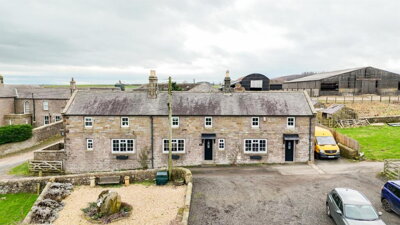
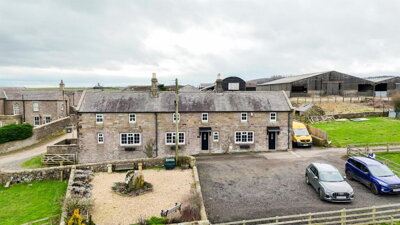
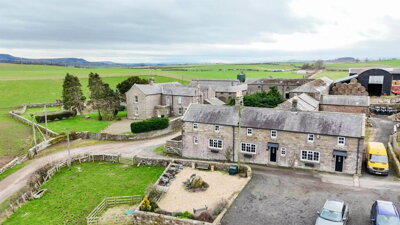
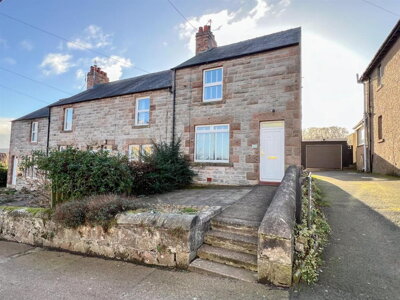
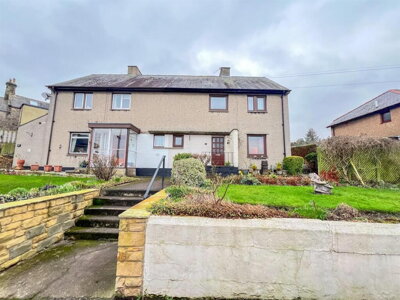
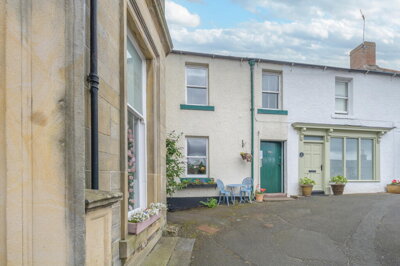
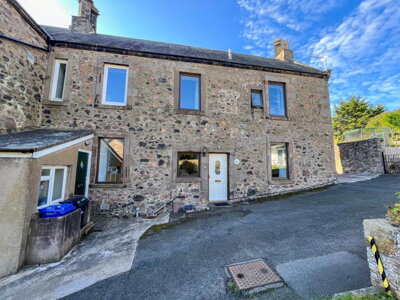
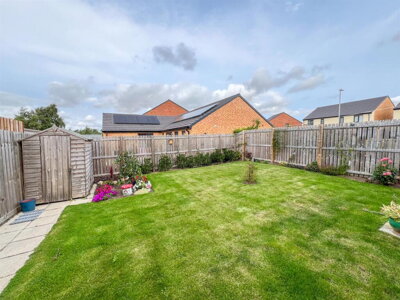
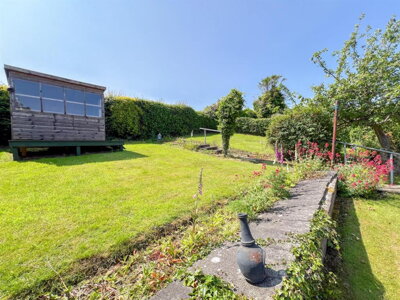
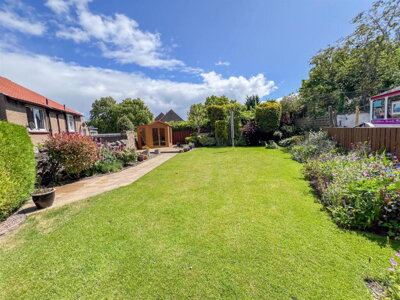
Browse 10 homes for sale in Chatton, Northumberland from local estate agents.
The 2 bed house market features detached, semi-detached, and terraced properties with two separate bedrooms plus living spaces. Properties in Chatton range from Victorian and Edwardian period homes to modern new builds, with pricing varying across different neighbourhoods.
£245k
2
0
21
Source: home.co.uk
Showing 2 results for 2 Bedroom Houses for sale in Chatton, Northumberland. The median asking price is £245,000.
Source: home.co.uk
Terraced
2 listings
Avg £245,000
Source: home.co.uk
Source: home.co.uk
The Chatton property market reflects the character of this historic estate village, offering a range of property types that appeal to buyers seeking countryside living with genuine heritage credentials. Detached properties command the highest prices, with average sold prices of £640,000 over the past year, representing the premium segment of the market. These substantial homes typically offer generous gardens, traditional stone construction, and views across the surrounding farmland and river valley. For buyers seeking more modest accommodation, terraced properties average £475,000, while semi-detached homes are available from approximately £425,000, making them attractive options for first-time buyers or those looking to downsize to rural retirement.
Recent market activity has shown considerable variation between reporting sources, with Rightmove indicating strong year-on-year growth of 78% compared to the previous year and prices now 18% above the 2023 peak of £473,333. However, OnTheMarket reports a more modest 5.8% decline over the twelve months to January 2026. This discrepancy likely reflects the relatively small number of transactions in this small village, where individual sales can significantly influence average figures. The village has no active new-build developments, meaning buyers are primarily purchasing existing properties with character and history. One planning permission exists for a replacement dwelling on Old Road, involving the demolition of an existing cottage, but this represents a single plot rather than a broader development opportunity.
The constrained supply of properties in Chatton reflects both the village's small size and the protections afforded to its heritage buildings. With six Grade II listed buildings including Chatton Park House, Chatton Bridge, the former Chatton United Reformed Church, the Blacksmith's Shop, and Broomhouse Farmhouse, together with the Parish Church which received Grade II listing in 2013, any significant increase in housing supply is unlikely. This supply constraint supports property values and means that buyers entering the market may face limited choice at any given time. Monitoring new listings regularly and acting quickly when suitable properties become available is advisable for serious buyers.

Chatton embodies the timeless appeal of a traditional Northumberland village, with origins dating back to at least the twelfth century when the Parish Church was established. The village developed primarily as an estate village during the nineteenth century, when the Chatton Hall estate shaped much of the current settlement pattern and architectural character. The population of approximately 338 residents (according to the 2011 census) creates an intimate community where neighbours know one another and local events bring the village together throughout the year. The Percy Arms serves as the social heart of Chatton, offering good food, local ales, and accommodation for visitors, while the village hall hosts community activities and gatherings.
The natural landscape around Chatton is defined by its position in the Till Valley, with the River Till flowing through the village and creating a verdant corridor of meadows and farmland. The underlying geology comprises clay and sand soils with limestone and rock subsoils, contributing to the lush agricultural land that has historically supported mixed farming in the area. Traditional crops of wheat, oats, and turnips were historically grown alongside sheep and cattle, and farming continues to play a role in the local economy today. The village is surrounded by rolling farmland, with extensive footpaths and bridleways offering opportunities for walking and cycling through the beautiful North Northumberland countryside.
The heritage character of Chatton extends beyond individual buildings to encompass the entire village environment. The concentration of Grade II listed buildings creates a cohesive historic streetscape that has been protected from unsympathetic modern development. Nearby, notable historic properties include Fowberry Tower and Hetton Hall, both Grade II* listed fifteenth-century tower houses that represent the defensive architecture once prevalent in this border region. The nearby Northumberland Coast Area of Outstanding Natural Beauty lies within easy reach, providing access to dramatic beaches, historic castles including Bamburgh and Dunstanburgh, and seabird colonies at Holy Island and the Farne Islands. This combination of village heritage and coastal access makes Chatton an attractive base for exploring one of England's most unspoiled coastlines.
Families considering a move to Chatton will find educational options available in the surrounding area, with primary schooling typically accessed in nearby villages and market towns. The village itself does not host a primary school, but several well-regarded primary schools serve the surrounding rural communities, many of which are small, village-based schools that offer a personal approach to education. These schools generally serve small catchments, meaning class sizes tend to be manageable and each child receives individual attention from teaching staff. Parents should research specific catchment areas and admission arrangements with Northumberland County Council, as rural school admissions can be competitive for popular establishments.
Secondary education is available in the market town of Alnwick, approximately ten miles from Chatton, where The Duke's Secondary School provides comprehensive education for students aged 11-18. The school offers a broad curriculum, extracurricular activities, and sixth-form provision that prepares students for higher education and employment. For families seeking alternative educational pathways, the wider Northumberland area offers several grammar schools, with selections based on academic ability. Independent schools in the region include preparatory and senior options in locations such as Alnwick and further afield in Newcastle upon Tyne.
Transport arrangements for secondary school pupils typically involve school buses or private transport, a consideration for families budgeting their daily commute when choosing a property in Chatton. The journey to The Duke's School in Alnwick takes approximately twenty-five minutes by car, and dedicated school bus services operate for families within the catchment area. Parents should verify current transport arrangements and any associated costs with Northumberland County Council before committing to a property purchase, as these arrangements can influence the practicality of secondary education options for families with children of school age.
Transport connectivity from Chatton reflects its rural character, with private transport being the primary means of accessing the village and its amenities. The A1 trunk road passes nearby, providing direct access to Edinburgh to the north and Newcastle upon Tyne to the south, with Berwick-upon-Tweed also easily reachable for additional rail and retail services. The journey time to Newcastle is approximately one hour by car, making day trips to the city feasible for shopping, entertainment, and healthcare appointments. For air travel, Newcastle International Airport offers domestic and European flights, accessible within approximately ninety minutes by car from Chatton.
Public transport options are limited but available for residents who do not drive or who wish to reduce their carbon footprint. Bus services connect Chatton with surrounding villages and the market town of Alnwick, where further connections can be made to the rail network. Berwick-upon-Tweed railway station, approximately thirty miles north, provides access to the East Coast Main Line with regular services to Edinburgh, Newcastle, and London King's Cross. Edinburgh can be reached in around one hour by train, while London is approximately a four-hour journey from Berwick.
For cyclists, the quiet country lanes around Chatton offer scenic routes for recreational cycling, though the hilly terrain of North Northumberland requires a reasonable level of fitness for longer journeys. The surrounding countryside provides numerous opportunities for exploration by bike, with routes connecting to nearby villages and the coast. During summer months, the extended daylight hours in the north of England make evening rides particularly enjoyable, allowing residents to make the most of the beautiful rural landscape surrounding Chatton.
Explore our listings to understand the types of property available, from traditional stone cottages to substantial period homes. Chatton's market is relatively small with limited stock, so monitoring new listings regularly and understanding the price range for different property types will give you an advantage when making an offer. Given the village's heritage character and listed building stock, understanding which properties require Listed Building Consent for alterations is also valuable knowledge.
Before viewing properties in Chatton, arrange a mortgage agreement in principle with a lender. This demonstrates your seriousness to sellers and estate agents, particularly important in a village market where properties may attract multiple interested parties. Chatton's average prices of £425,000-£640,000 for residential properties mean most buyers will require a substantial mortgage. Speak to a mortgage broker who understands rural property values and can advise on suitable products for heritage properties.
Contact local estate agents to arrange viewings of properties that match your requirements. Given the heritage character of many Chatton homes, viewings should carefully examine the condition of stone walls, roofs, and period features. Pay particular attention to any signs of damp or structural movement, common concerns in older properties. We recommend taking a torch, moisture meter, and camera to document any areas of concern during viewings.
Once your offer is accepted, instruct a RICS Level 2 Survey to assess the condition of the property. This is especially important for Chatton's older, stone-built properties and any listed buildings, where specialist knowledge of traditional construction methods can identify issues that a standard mortgage valuation might miss. The survey will flag any significant defects, necessary repairs, and potential future maintenance costs that should be factored into your purchase decision.
Appoint a solicitor experienced in rural property transactions to handle the legal aspects of your purchase. They will conduct local searches, check planning permissions, and ensure the title is clear. For listed buildings, additional checks on Listed Building Consent and any planning conditions will be required. Local searches will include drainage and water authority checks, environmental searches, and chancel repair liability checks that may be relevant for properties near the historic parish church.
Once all searches are satisfactory and finances are in place, you will exchange contracts and agree a completion date with the seller. On completion day, your solicitor will transfer the remaining funds and you will receive the keys to your new Chatton home. We recommend arranging buildings insurance from the point of contract exchange, as the property becomes your responsibility at this stage.
Purchasing a property in Chatton requires careful attention to the unique characteristics of this historic village, where the age and construction of properties demand thorough investigation. The majority of homes in Chatton were built during the nineteenth century as part of the estate village development, meaning stone walls, traditional roof structures, and period features are common throughout the housing stock. These construction methods can present challenges including damp penetration, roof deterioration, and the need for ongoing maintenance of stone pointing and external renders. Before purchasing, arrange for a comprehensive survey that accounts for traditional building techniques and the specific needs of heritage properties.
The traditional construction methods used in Chatton's nineteenth-century properties require particular attention during the buying process. Stone walls constructed from local sandstone are susceptible to weathering and may require repointing every few decades, while traditional lime mortar rather than cement should be used for any repairs to maintain the breathability of the structure. Roofs on older properties may use slate or stone tiles that have limited lifespan compared to modern alternatives, and we recommend checking the condition of roof coverings carefully during viewings and surveys. Properties with original sash windows, period fireplaces, and traditional floorboards represent valuable heritage features that add character but may require specialist maintenance.
Flood risk is a consideration for properties in Chatton due to the village's location in the River Till valley. Buyers should request flood risk reports and consider the history of flooding in specific locations when evaluating a property. Properties near the river or in low-lying areas may face higher insurance premiums and potential disruption during periods of heavy rainfall. The clay and sand soils in the area can also be prone to movement during periods of drought or saturation, though no specific subsidence issues have been documented in the village. A thorough survey will assess any signs of historic movement or water damage that may indicate future risks.
Chatton has several listed buildings and potential conservation area considerations that restrict permitted development rights, meaning any alterations or extensions require Listed Building Consent from Northumberland County Council. These requirements protect the village's character but add complexity to renovation projects, so buyers should factor in the time and cost of obtaining necessary approvals before committing to purchases requiring works. Properties sold with the benefit of planning permission, such as the replacement dwelling approved on Old Road, offer opportunities for those seeking modern accommodation within the village, though the heritage character of traditional stone homes remains the primary appeal for most buyers in this location.
Average sold prices in Chatton range from £475,000 according to OnTheMarket data to £557,500 as reported by Rightmove, with the variation likely reflecting different methodologies and the small number of transactions. Detached properties average around £640,000, terraced homes around £475,000, and semi-detached properties approximately £425,000. The village has seen significant price movement, with Rightmove reporting prices 78% higher than the previous year, though OnTheMarket indicates a more modest 5.8% decline over twelve months to January 2026.
Properties in Chatton fall under Northumberland County Council's jurisdiction. Council tax bands for individual properties vary based on their valuation and character, with most traditional stone homes in the village likely falling into bands D through G given their substantial size and heritage features. Prospective buyers should check specific bandings for any property through the Valuation Office Agency website or request this information during the conveyancing process. Bandings can be verified using the property address through the government's council tax valuation list.
Chatton itself does not have a primary school within the village, with young families typically enrolling children in nearby village primary schools in the surrounding area. The Duke's School in Alnwick provides secondary education approximately ten miles away, with good public transport links via school bus services. The wider area offers several well-regarded primary schools, grammar school options, and independent schools in Newcastle and the surrounding region. Parents should verify current school ratings and admission arrangements through Northumberland County Council's education department before committing to a property purchase.
Public transport options from Chatton are limited, with bus services providing the primary public connection to surrounding villages and Alnwick where further onward connections are available. Berwick-upon-Tweed railway station, approximately thirty miles north, offers East Coast Main Line services to Edinburgh, Newcastle, and London, with Edinburgh reachable in around one hour and London in approximately four hours. Most residents rely on private vehicles for daily transport needs, with the nearby A1 providing access to major cities including Newcastle in approximately one hour. Newcastle International Airport is accessible within ninety minutes by car for domestic and European air travel.
Chatton offers a compelling investment case for buyers seeking lifestyle benefits and long-term capital growth in a heritage location. The village's supply of properties is inherently constrained by its small size, listed building status, and lack of new-build development, which supports values in a rising market. Rental demand in the area is likely modest given the rural location and limited local employment, making Chatton more suitable for owner-occupiers seeking a primary residence or second home than buy-to-let investors. The growing popularity of rural living since the pandemic has strengthened demand for villages like Chatton within easy reach of the Northumberland coast.
Stone-built properties in Chatton require careful inspection of the external fabric, including checking for signs of cracking in stonework, deterioration of mortar joints, and any vegetation growth that may indicate ongoing damp issues. We recommend checking whether the property has been retrofitted with cement render or pointing, as this can trap moisture within traditional stone walls and cause damage over time. Roof conditions should be assessed, with particular attention to flashings around chimneys and valleys where water penetration is most likely. For listed properties, any previous works should have been carried out with appropriate consent, and documentation should be available from the seller.
Properties in Chatton located near the River Till or in low-lying areas of the village carry some flood risk that buyers should investigate thoroughly before purchase. We recommend requesting a flood risk report as part of the conveyancing process, which will indicate the likelihood of flooding from rivers, surface water, and other sources. Properties in higher positions within the village may offer lower flood risk, though buyers should also consider the potential impact of extreme weather events on drainage and access roads. Insurance costs may be higher for properties with elevated flood risk, and this should be factored into the overall budget for the purchase.
Beyond the purchase price and stamp duty, buyers in Chatton should budget for survey costs (RICS Level 2 from £350), solicitor fees (typically £500-£1,500), mortgage arrangement fees, and moving costs. For heritage properties, additional costs may arise if specialist surveys for listed buildings prove necessary, and Listed Building Consent applications carry their own fees. Factor in potential future maintenance costs for traditional stone properties, including roof repairs, repointing, and window restoration.
Properties for Sale In London

Properties for Sale In Plymouth

Properties for Sale In Liverpool

Properties for Sale In Glasgow

Properties for Sale In Sheffield

Properties for Sale In Edinburgh

Properties for Sale In Coventry

Properties for Sale In Bradford

Properties for Sale In Manchester

Properties for Sale In Birmingham

Properties for Sale In Bristol

Properties for Sale In Oxford

Properties for Sale In Leicester

Properties for Sale In Newcastle

Properties for Sale In Leeds

Properties for Sale In Southampton

Properties for Sale In Cardiff

Properties for Sale In Nottingham

Properties for Sale In Norwich

Properties for Sale In Brighton

Properties for Sale In Derby

Properties for Sale In Portsmouth

Properties for Sale In Northampton

Properties for Sale In Milton Keynes

Properties for Sale In Bournemouth

Properties for Sale In Bolton

Properties for Sale In Swansea

Properties for Sale In Swindon

Properties for Sale In Peterborough

Properties for Sale In Wolverhampton

Enter your details to see if this property is within your budget.
Loans, cards, car finance
Estimated property budget
Borrowing + deposit
You could borrow between
Typical borrowing
Monthly repayment
Est. at 4.5%
Loan-to-value
This is an estimate only. Your actual budget may vary depending on interest rates, credit history, and personal circumstances. For an accurate affordability assessment, speak to one of our free mortgage advisors.
This calculator provides estimates for illustrative purposes only and does not constitute financial advice. Your home may be repossessed if you do not keep up repayments on your mortgage. Estimates based on 4.5% interest rate, repayment mortgage. Actual rates depend on your circumstances.
Homemove is a trading name of HM Haus Group Ltd (Company No. 13873779, registered in England & Wales). Homemove Mortgages Ltd (Company No. 15947693) is an Appointed Representative of TMG Direct Limited, trading as TMG Mortgage Network, which is authorised and regulated by the Financial Conduct Authority (FRN 786245). Homemove Mortgages Ltd is entered on the FCA Register as an Appointed Representative (FRN 1022429). You can check registrations at NewRegister or by calling 0800 111 6768.

We use cookies to show you personalised content and improve your experience of our website. Find out more in our Privacy policy and Cookie policy.