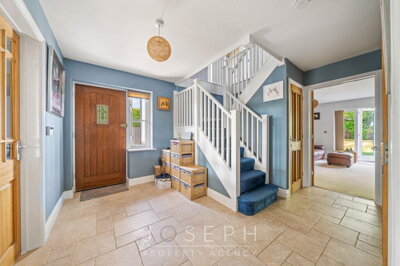
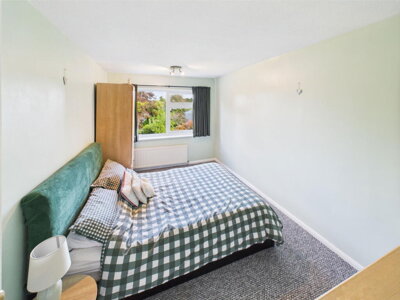
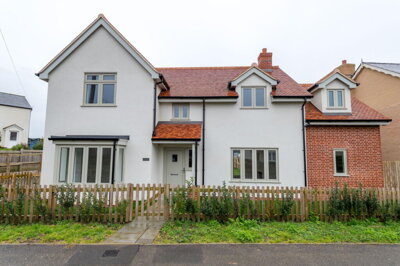
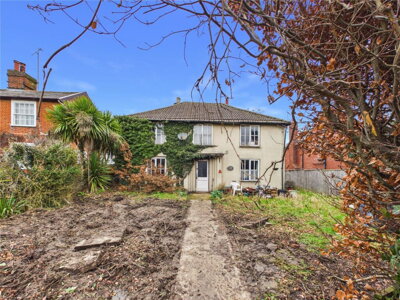
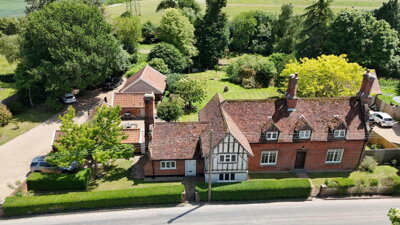
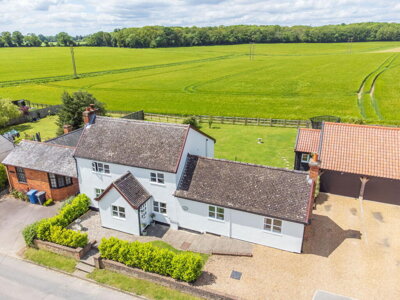
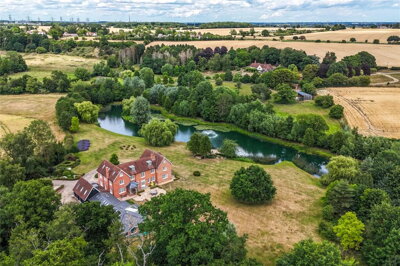
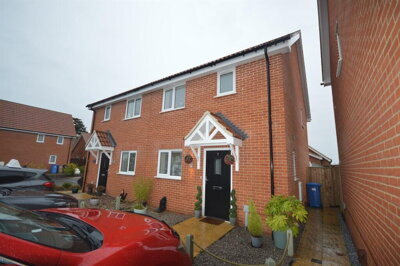
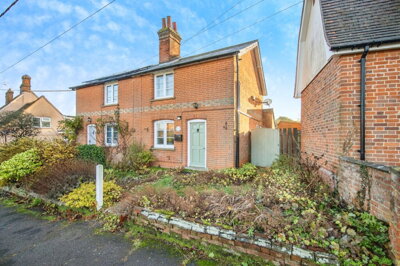
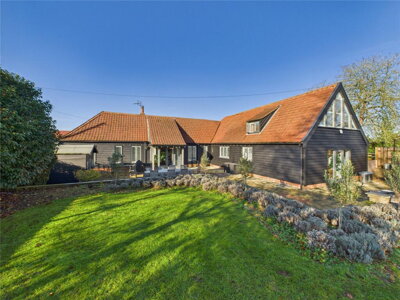
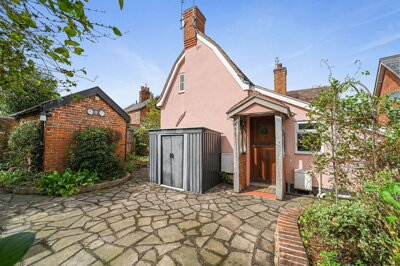
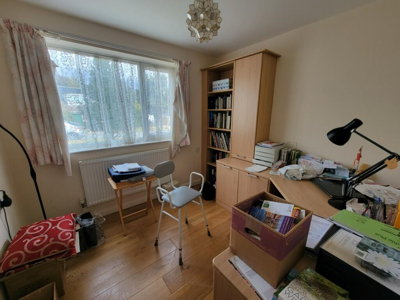
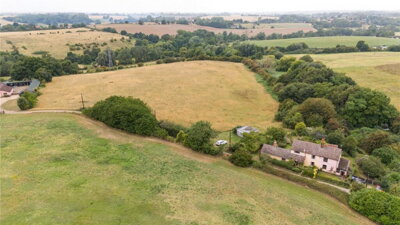
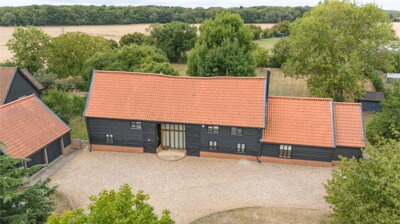
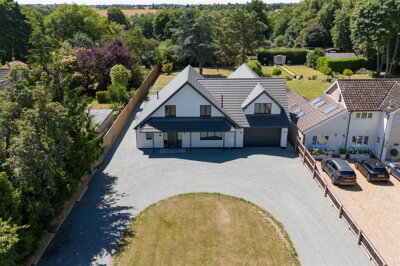
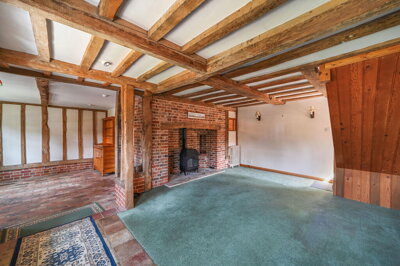
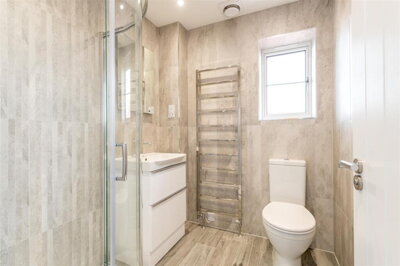
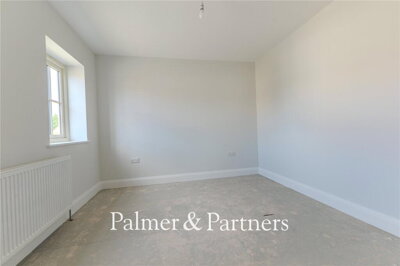
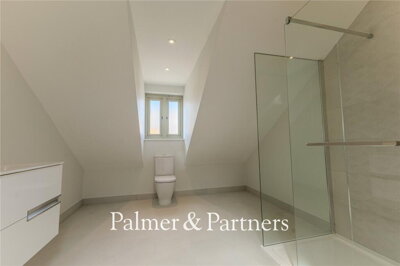
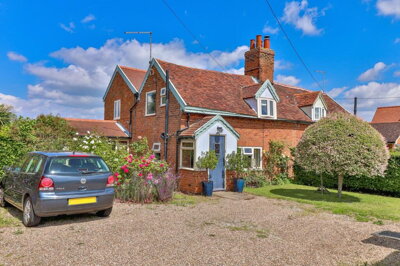
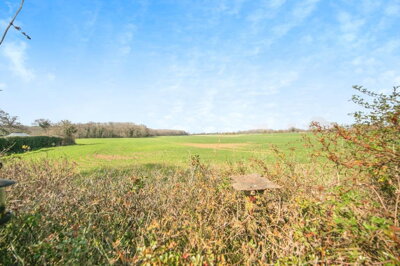
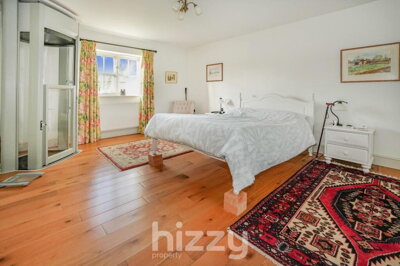
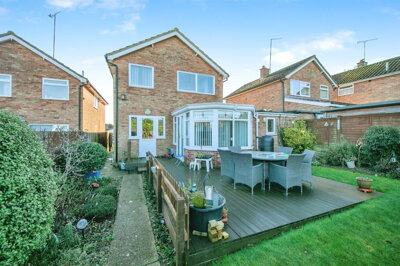
Browse 23 homes for sale in Chattisham, Babergh from local estate agents.
The Chattisham property market offers detached, semi-detached, and terraced houses spanning various price ranges and neighbourhoods. Each listing includes detailed property information, photographs, and direct contact with the marketing agent.
£0k
0
0
0
Source: home.co.uk
Showing 0 results for Houses for sale in Chattisham, Babergh.
The Oddington property market reflects its premium rural positioning, with detached properties commanding an average price of £675,000. This reflects the desirability of traditional Cotswold stone homes set within generous plots, many featuring the characteristic honey-golden limestone construction that defines the area. Our data shows prices have risen by 5% over the past 12 months, indicating sustained interest in this Oxfordshire village despite broader market conditions.
Semi-detached properties in Oddington average around £450,000, offering a more accessible entry point to village life while retaining the architectural character buyers expect. These homes typically date from various periods, including inter-war construction using red brick alongside more recent renovations and extensions. Terraced cottages, typically priced from £350,000, represent a smaller portion of the market but prove popular with downsizers and first-time buyers seeking period features such as exposed stone walls, inglenook fireplaces, and original floorboards.
Flats remain rare in this village setting, with limited stock typically priced from £250,000. There are currently no active new-build developments within the Oddington postcode area, meaning buyers seeking modern specifications may need to look to neighbouring villages for recent construction. The constrained supply pipeline helps maintain property values but limits options for those preferring newer homes with contemporary insulation and heating systems. The nearby town of Bicester offers more new-build selection for buyers willing to travel slightly further.

Oddington is home to approximately 250 residents across roughly 100 households, creating an intimate village atmosphere where neighbours often know one another by name. The village sits atop the Cotswold escarpment, with underlying Jurassic limestone geology contributing to the distinctive landscape of rolling hills and dry-stone walls that characterise the area. Clay deposits in lower-lying ground add geological diversity, though this does not significantly impact residential areas. The population has remained relatively stable over recent decades, with the village maintaining its character as a residential community rather than a commuter dormitory.
The housing stock in Oddington reflects its historic origins, with approximately 50% of properties built before 1919 using traditional Cotswold construction methods. Detached homes dominate the village at around 60% of the housing stock, followed by semi-detached properties at 25%, with terraced and flat accommodation making up the remaining 15%. The village lacks extensive local amenities within its boundaries, with residents typically travelling to nearby Bicester or Oxford for shopping, healthcare, and leisure facilities. However, this scarcity of local services is offset by the village pub, scenic footpaths across surrounding farmland, and easy access to the wider Oxfordshire countryside.
The village pub serves as a focal point for community life, offering a traditional setting where residents gather for meals and social occasions. Footpaths radiate from the village across farmland and through designated access land, providing excellent walking and cycling opportunities through the Cotswolds. The proximity to Oxford means cultural amenities, hospitals, and specialist services are within reasonable reach, while Bicester provides everyday shopping including the renowned Bicester Village outlet centre. Many residents appreciate the balance between village peace and access to urban conveniences that this location offers.

Understanding the construction methods used in Oddington properties helps buyers appreciate both the character and the maintenance considerations associated with homes here. The predominant building material is Cotswold limestone, typically laid in coursed or random rubble masonry that gives the village its distinctive honey-golden appearance. This stone is relatively soft and workable, having been quarried locally for centuries, but requires appropriate maintenance to prevent weathering and water ingress that can degrade the surface over time.
Traditional properties in Oddington almost universally feature solid wall construction rather than modern cavity walls. These solid walls, typically 300-450mm thick, offer excellent thermal mass but present different insulation challenges compared to newer properties with cavity insulation. Many pre-1919 homes lack formal damp-proof courses, making properties vulnerable to rising damp if ground levels have been raised over the years or if original ventilation has been compromised by renovations. A thorough inspection should assess the condition of lime mortar pointing, which is essential for allowing the walls to breathe and preventing moisture buildup.
Roof construction throughout Oddington predominantly uses natural slate or clay tiles on traditional cut timber roof structures. These materials are durable but require periodic maintenance, with particular attention to ridge tiles, valleys, and flashing where water ingress commonly occurs. Chimney stacks are a notable feature of many properties, often serving fireplaces in multiple rooms, and these require inspection for mortar degradation, damaged flashings, and structural movement that can indicate underlying issues. Properties with original timber frames, though less common, may feature wattle and daub or brick infill panels that require specialist knowledge to assess and maintain appropriately.
Families considering a move to Oddington will find limited schooling options within the village itself, necessitating travel to surrounding villages and towns for education at all levels. The nearest primary schools are typically located in neighbouring communities, with several good options within a 5-mile radius offering small class sizes and strong community ties typical of rural Oxfordshire. Parents should verify current catchment areas and admissions policies, as these can change and may influence school placement decisions significantly.
Primary education in nearby villages includes schools in Glyn Mawr and surrounding communities, many of which feed into popular secondary schools in the wider area. These small rural primary schools typically offer good pupil-to-teacher ratios and strong community involvement, though facilities may be more limited than those found in larger towns. Several schools within reach of Oddington have received positive Ofsted ratings in recent years, though parents should always verify current performance data as these can change over time.
Secondary education options in the area include well-regarded schools in Bicester and Oxford, with several grammar schools accessible to Oddington families through the selective admissions process. Students requiring sixth-form provision often travel to larger towns, with sixth-form colleges in Bicester and Oxford offering a broader range of A-level subjects than smaller rural schools. The proximity to Oxford, one of the world's leading university cities, adds significant long-term educational appeal for families planning ahead, though primary and secondary provision remains the immediate consideration for most buyers with school-age children. Private schooling options in Oxford and the surrounding area provide additional choices for families seeking independent education.
Oddington's position in rural Oxfordshire means private transport is essential for most residents, with limited bus services connecting the village to neighbouring towns. The nearest railway stations are located in Bicester and Oxford, providing access to major destinations including London Marylebone (from Bicester in under an hour) and Birmingham. The M40 motorway passes nearby, connecting Oddington to Oxford to the south and Birmingham to the north, making the village accessible for those who need to commute by car.
The A44 trunk road passes through nearby villages, providing a direct route towards Oxford and linking to the A40 for travel towards London. Journey times by car to Oxford city centre typically take 25-35 minutes depending on traffic conditions, while Bicester can be reached in approximately 15-20 minutes. The M40 junction at Bicester provides convenient access for those travelling further afield, with the journey to Birmingham taking around an hour in normal traffic conditions. Cyclists benefit from quiet country lanes and designated routes connecting Oddington to surrounding villages, though the hilly terrain requires reasonable fitness.
Bus services operating in the area are limited, with the Stagecoach Oxfordshire network providing some connections but with infrequent timetables on certain routes. Those considering a move to Oddington without private transport should carefully verify current bus timetables and consider whether the reduced service frequency would impact daily life. Many residents working in nearby towns report commute times of 20-40 minutes to larger employment centres, making Oddington a viable base for professionals who can work remotely or maintain flexible arrangements. Parking provision within the village is adequate for a community of its size, with most properties offering off-street parking or garage space.
Spend time exploring Oddington at different times of day and week to understand the community atmosphere, check local planning applications via Cherwell District Council's planning portal, and speak with residents about village life before committing to a purchase. This due diligence helps ensure the village matches your lifestyle expectations and identifies any upcoming developments or changes that might affect your decision.
Contact lenders or brokers to obtain an Agreement in Principle before viewing properties, as sellers in this competitive market will expect buyers to demonstrate finance is in place. Given the premium property values in Oddington, with average prices around £570,000, having a clear borrowing capacity confirmed will strengthen your position when making offers on sought-after properties.
Attend viewings of properties matching your requirements, paying particular attention to the construction materials (traditional Cotswold stone, solid walls) and age of the property, which will influence maintenance needs and mortgage options. Many properties here are over 50 years old, so understanding the condition and maintenance history of key elements like roofs, plumbing, and electrical systems is essential before proceeding.
Given that approximately 85% of Oddington properties are over 50 years old, we strongly recommend a RICS Level 2 Survey to identify any defects common in older properties, such as damp, roof condition issues, or timber defects. Our inspectors are experienced with traditional Cotswold construction and understand the specific issues that affect properties built with solid walls, natural stone, and period features.
Choose a conveyancing solicitor with experience of rural Oxfordshire transactions, including any considerations around Conservation Area requirements or Listed Building regulations that may affect the purchase. Our team can recommend solicitors familiar with local property transactions who understand the specific documentation and searches required for properties in designated areas.
Once all searches and surveys are satisfactory, your solicitor will coordinate the exchange of contracts and final completion, typically allowing 4-6 weeks between exchange and completion for a smooth transition. Given the small number of property sales in Oddington each year, transactions can move quickly once agreed, so being prepared with finance and legal representation will help ensure a smooth completion process.
Purchasing a property in Oddington's Conservation Area requires awareness of additional planning considerations that do not apply in most urban locations. Any external alterations, extensions, or significant renovations may require Conservation Area consent from Cherwell District Council in addition to standard planning permission. Buyers should review the planning history of any property and factor potential restrictions into their renovation plans. The high concentration of Listed Buildings in the village means that Grade II listed properties, and certainly the Grade I listed Church of St Andrew, carry additional regulatory requirements for maintenance and alterations.
The underlying Jurassic limestone geology and presence of clay deposits in some areas create specific considerations for property condition surveys. Properties built on clay soils may show signs of subsidence or heave, particularly those with large trees nearby or inadequate drainage. Our surveyors pay particular attention to foundation conditions and identify any movement or cracking that suggests structural concerns. Surface water flooding can occur due to Oddington's undulating topography, so prospective buyers should review flood risk assessments and check whether the property has experienced any flooding historically. The proximity to the River Ray means properties near watercourses should be checked against current flood mapping data.
Many Oddington properties feature traditional construction without modern damp-proof courses, making damp assessment particularly important for pre-1919 properties. Our inspectors check for signs of rising damp, penetrating damp, and condensation issues that can affect solid wall construction. Original slate or tile roofs may show signs of wear and require ongoing maintenance, while older electrical and plumbing systems frequently fall below current standards. Properties with solid walls also have different energy efficiency profiles compared to modern cavity-wall construction, which affects both comfort and heating costs.
When viewing properties, check the condition of lime mortar pointing throughout the external walls, as degraded pointing allows water ingress that can accelerate stone weathering. Look for any signs of structural movement such as cracking to walls or distorted door and window frames, and verify that all Chimney stacks appear plumb and well-maintained. Our survey reports specifically address these traditional construction concerns and provide practical recommendations for maintenance and improvement that respect the historic character of Oddington properties.
The current average house price in Oddington stands at £570,000 as of February 2026, with detached properties averaging £675,000 and semi-detached homes around £450,000. Prices have increased by approximately 5% over the past 12 months, reflecting sustained demand for properties in this sought-after Cotswold village. Terraced cottages typically start from £350,000, while flats (rare in this village) begin from around £250,000. The premium pricing reflects the limited supply of properties, the village's Conservation Area status, and the desirability of traditional Cotswold stone homes in a peaceful rural setting.
Properties in Oddington fall under Cherwell District Council's jurisdiction for council tax purposes. Most traditional Cotswold stone cottages and period properties in the village typically fall within bands D through F, reflecting their characterful but often modest dimensions alongside their premium location value. The banding reflects both the property size and its market value as assessed by the Valuation Office Agency. Prospective buyers should verify the specific band with the Land Registry or during the conveyancing process, as bands can vary significantly between adjacent properties depending on their size and recent sale prices.
Oddington has no school within the village itself, so families typically rely on primary schools in neighbouring villages and towns within a 5-mile radius. Several primary schools in the surrounding area have received positive Ofsted ratings, with good reputations for academic achievement and pastoral care. Secondary education options include well-regarded schools in Bicester, with several grammar schools accessible through the selective admissions process. Oxford's renowned educational institutions, including both state and independent options, are within reasonable commuting distance for secondary and sixth-form students, making this an attractive location for families planning a longer-term educational journey.
Oddington's rural location means public transport options are limited compared to urban areas. Bus services connecting the village to surrounding towns operate on reduced timetables, with some routes serving only one or two buses per day. The Stagecoach Oxfordshire network provides connections to Oxford and Bicester, but prospective residents without private transport should verify current timetables carefully. The nearest railway stations at Bicester and Oxford provide mainline connections to London and Birmingham, with Bicester offering the quickest route to the capital at under an hour. Many Oddington residents find that private transport is essential for daily life, though occasional public transport use for leisure trips to Oxford is feasible.
Oddington's Conservation Area status, limited supply of available properties, and proximity to major employment centres suggest strong fundamentals for long-term property investment. The village's characterful Cotswold stone properties have historically demonstrated resilience in value, and the limited new-build development in the area helps maintain supply constraints. Properties in desirable rural locations within easy reach of Oxford and Bicester tend to hold their value well, particularly those with traditional features that cannot be replicated in modern construction. However, the small market size with only 10-15 annual sales means liquidity is lower than in larger towns, and investment returns may be slower to realise. Capital growth has averaged around 5% annually in recent years, outpacing some urban markets.
Standard Stamp Duty rates apply: 0% on properties up to £250,000, 5% on the portion from £250,001 to £925,000, 10% up to £1.5 million, and 12% above that threshold. First-time buyers benefit from relief on properties up to £625,000, paying 0% up to £425,000 then 5% on the remainder. Given Oddington's average price of £570,000, a standard buyer purchasing at this level would pay approximately £13,500 in Stamp Duty. First-time buyers at the same price point would pay around £7,250, benefiting from the increased threshold for first-time relief.
From 4.5% APR
Compare rates from leading lenders for your Oddington purchase
From £499
Solicitors experienced in Oxfordshire rural property transactions
From £500
Expert inspection of traditional Cotswold stone properties
From £80
Energy performance certificate for your Oddington property
Budgeting for a property purchase in Oddington requires careful consideration of Stamp Duty Land Tax alongside other associated costs. For a typical family home at the village average of £570,000, a standard buyer would incur Stamp Duty of approximately £13,500, calculated at 5% on the portion between £250,000 and £570,000. First-time buyers purchasing at this price point would pay around £7,250, benefiting from the increased threshold for first-time relief. Those purchasing above £625,000 as first-time buyers receive no relief on amounts above that threshold.
Beyond Stamp Duty, buyers should budget for solicitor conveyancing costs, typically ranging from £500 to £1,500 depending on complexity and whether the property is a Listed Building. Survey costs for traditional properties are particularly important given the age of Oddington's housing stock. A RICS Level 2 Survey for a 3-bedroom detached property typically costs between £500 and £800, while larger or more complex period properties may require the more detailed RICS Level 3 Survey at additional cost. An EPC assessment is mandatory and typically costs from £80. Mortgage arrangement fees, valuation fees, and search costs should also be factored into the overall budget, bringing total additional costs to approximately 2-3% of the purchase price.
For those financing through a mortgage, remember that lender valuations focus on the property's adequacy as security rather than condition. This makes the independent RICS Survey particularly valuable in Oddington, where properties may have hidden defects common to older construction. Our inspectors understand traditional Cotswold construction and can identify issues specific to properties in this area, from damp in solid walls to timber defects and roof condition concerns. Factor in potential maintenance costs for traditional features such as slate roofs, stone walls, and period windows when assessing affordability. Owning a historic property in a Conservation Area brings ongoing responsibilities, so allow a contingency budget for essential repairs and improvements that may be required.
Properties for Sale In London

Properties for Sale In Plymouth

Properties for Sale In Liverpool

Properties for Sale In Glasgow

Properties for Sale In Sheffield

Properties for Sale In Edinburgh

Properties for Sale In Coventry

Properties for Sale In Bradford

Properties for Sale In Manchester

Properties for Sale In Birmingham

Properties for Sale In Bristol

Properties for Sale In Oxford

Properties for Sale In Leicester

Properties for Sale In Newcastle

Properties for Sale In Leeds

Properties for Sale In Southampton

Properties for Sale In Cardiff

Properties for Sale In Nottingham

Properties for Sale In Norwich

Properties for Sale In Brighton

Properties for Sale In Derby

Properties for Sale In Portsmouth

Properties for Sale In Northampton

Properties for Sale In Milton Keynes

Properties for Sale In Bournemouth

Properties for Sale In Bolton

Properties for Sale In Swansea

Properties for Sale In Swindon

Properties for Sale In Peterborough

Properties for Sale In Wolverhampton

Enter your details to see if this property is within your budget.
Loans, cards, car finance
Estimated property budget
Borrowing + deposit
You could borrow between
Typical borrowing
Monthly repayment
Est. at 4.5%
Loan-to-value
This is an estimate only. Your actual budget may vary depending on interest rates, credit history, and personal circumstances. For an accurate affordability assessment, speak to one of our free mortgage advisors.
This calculator provides estimates for illustrative purposes only and does not constitute financial advice. Your home may be repossessed if you do not keep up repayments on your mortgage. Estimates based on 4.5% interest rate, repayment mortgage. Actual rates depend on your circumstances.
Homemove is a trading name of HM Haus Group Ltd (Company No. 13873779, registered in England & Wales). Homemove Mortgages Ltd (Company No. 15947693) is an Appointed Representative of TMG Direct Limited, trading as TMG Mortgage Network, which is authorised and regulated by the Financial Conduct Authority (FRN 786245). Homemove Mortgages Ltd is entered on the FCA Register as an Appointed Representative (FRN 1022429). You can check registrations at NewRegister or by calling 0800 111 6768.

We use cookies to show you personalised content and improve your experience of our website. Find out more in our Privacy policy and Cookie policy.