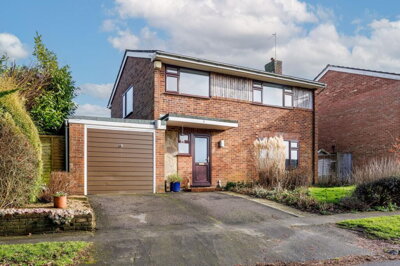
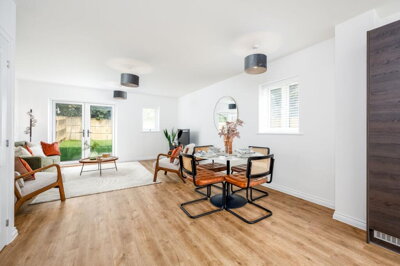
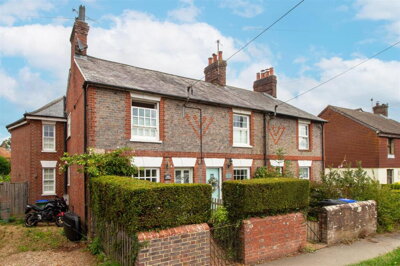
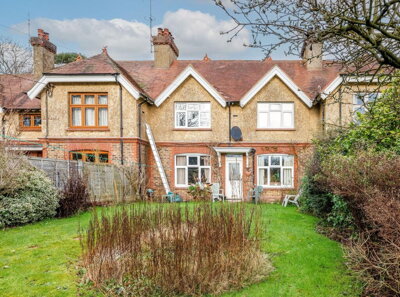
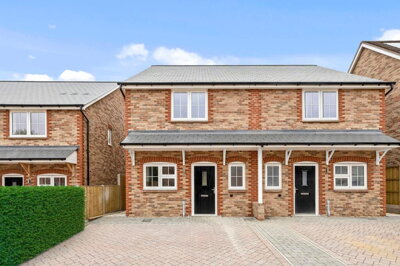
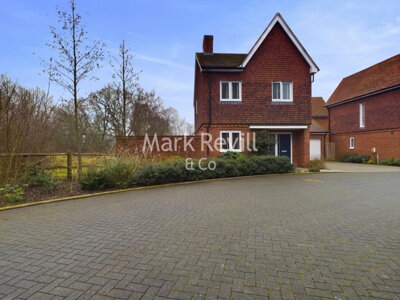
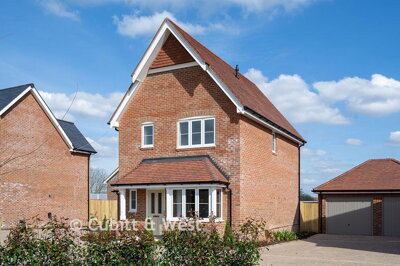
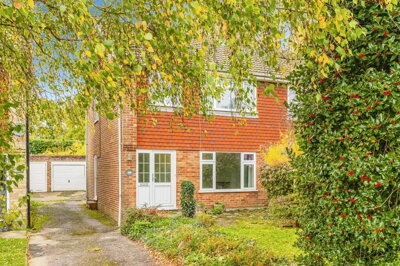
Browse 47 homes for sale in Chailey, Lewes from local estate agents.
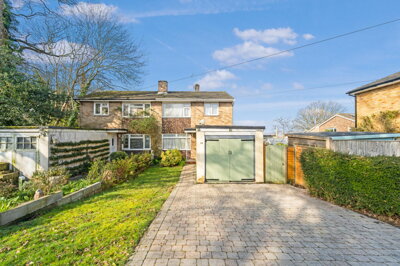
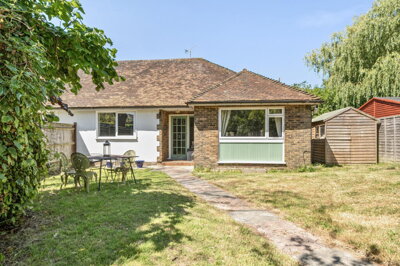
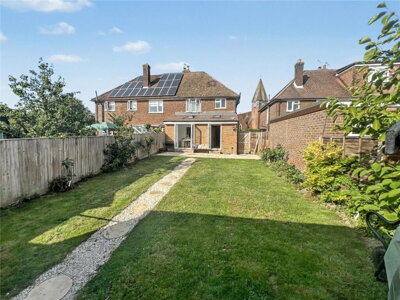
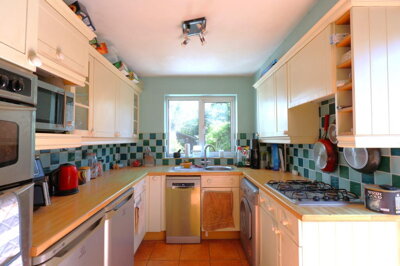
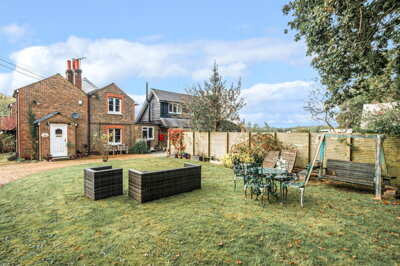
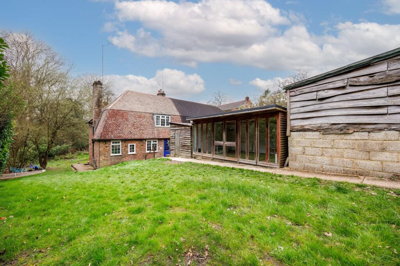
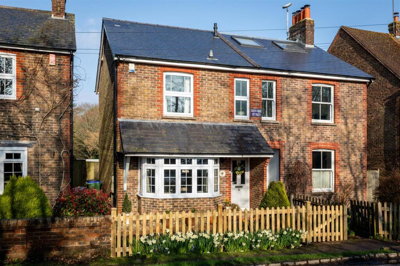
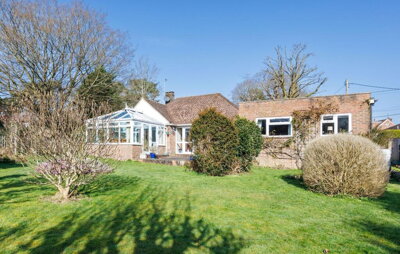
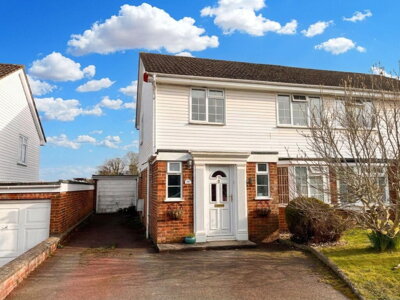
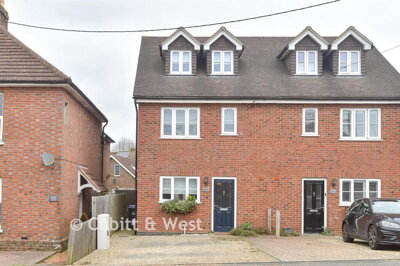
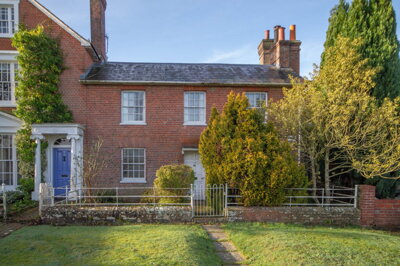
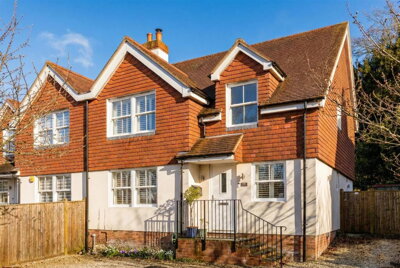
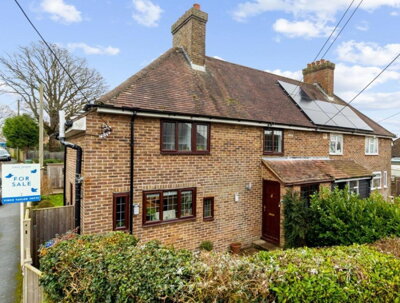
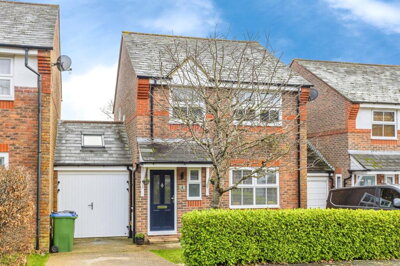
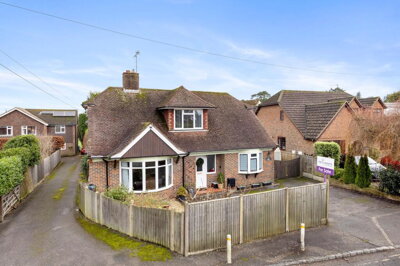
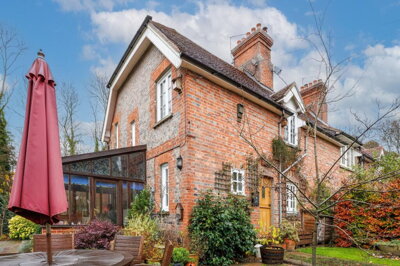
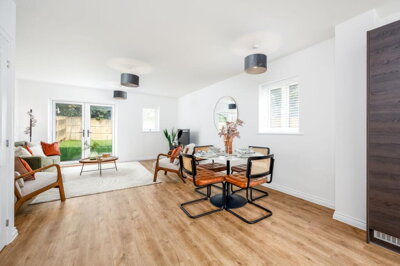
Three bedroom properties represent a significant portion of the Chailey housing market, offering space for families with multiple reception rooms and gardens in many cases. Browse detached, semi-detached, and terraced options ranging from period character homes to contemporary developments.
£550k
5
1
133
Source: home.co.uk
Showing 5 results for 3 Bedroom Houses for sale in Chailey, Lewes. 1 new listing added this week. The median asking price is £550,000.
Source: home.co.uk
Detached
2 listings
Avg £960,000
Semi-Detached
2 listings
Avg £450,000
Terraced
1 listings
Avg £550,000
Source: home.co.uk
Source: home.co.uk
The Chailey property market has demonstrated remarkable resilience despite broader national trends, with recent data showing prices 16% down on the previous year but remaining 14% below the 2023 peak of £614,812. This correction offers prudent buyers an opportunity to enter the market at more sustainable price points while still benefiting from the area's excellent schools, strong community spirit, and exceptional quality of life. Detached properties remain the most sought-after category in Chailey, commanding the highest average prices and representing the majority of sales across the wider parish, while semi-detached homes dominate transactions in North Chailey specifically.
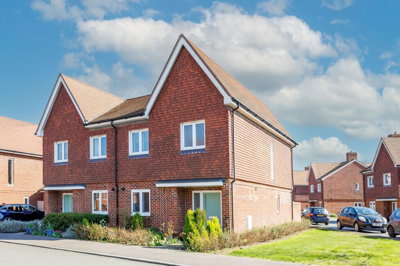
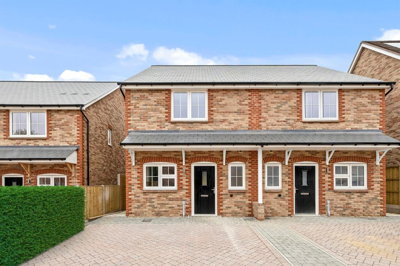
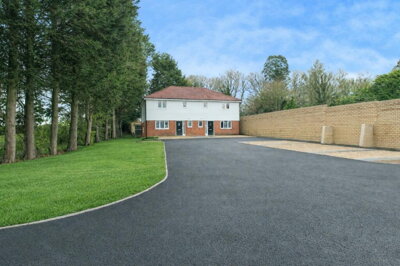
For buyers seeking newer accommodation, South Chailey presents attractive options including the Heatherlands development by Antler Homes, where 2 and 3-bedroom semi-detached and detached houses start from £450,000 for a 3-bed semi-detached with only limited availability remaining. The nearby Cygnets development by Dandara offers a broader selection of 2, 3, 4, and 5-bedroom new homes, providing options for families at various stages of their property journey. Planning applications under consideration, including a proposal for up to 56 new dwellings on South Common, suggest continued growth in the area's housing stock, which may influence future property values and rental yields for investors.
Understanding the distinction between North Chailey and South Chailey is important for buyers, as each area offers a different character and property profile. North Chailey centres around the historic village green and the A275 road towards Uckfield, with a higher proportion of semi-detached properties reflecting post-war development patterns. South Chailey has seen more recent expansion with newer housing developments, making it popular with families seeking modern construction methods and energy efficiency alongside traditional village amenities. Both areas benefit from their rural setting while maintaining convenient access to surrounding towns.

Chailey parish combines picturesque countryside with a rich architectural heritage that spans several centuries, creating a village character that appeals to buyers seeking authentic English rural living. The village community centres around historic landmarks including St Peter's Church, a Grade II* listed building dating from the 13th century within the Chailey Green Conservation Area, and The Five Bells public house, a beloved 16th-century inn that continues to serve as a gathering place for locals and visitors alike. The Reading Room and the former forge, now converted to residential use, further illustrate the village's historical evolution and ongoing preservation of its heritage assets.
The local geology plays a significant role in shaping Chailey's distinctive character, with the Chailey Green Conservation Area built primarily from locally-sourced brick and tiles produced from the area's natural clay deposits. This clay geology has historically influenced architectural styles throughout the parish, with notable examples including Georgian-era properties featuring vitrified headers visible on buildings such as Chailey Moat, Church Farm Cottage, Church House Cottage, and The Lodge. Weatherboarding and tile hanging also feature prominently, particularly on buildings like The Rectory and various historic farm buildings, creating the charming vernacular aesthetic that defines the area's Conservation Zones.
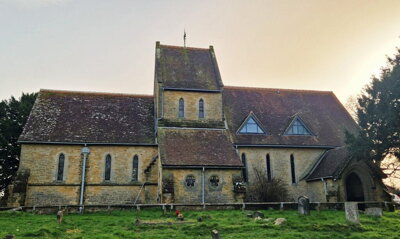
Chailey Common represents one of the parish's most treasured assets, designated as a Site of Special Scientific Interest and carefully maintained for wildlife and biodiversity. This extensive commonland attracts residents who value outdoor pursuits including walking, cycling, and birdwatching, contributing to the area's strong sense of community among those who appreciate rural living. The historic Chailey Windmill, a Grade II listed post mill re-erected in 1864 at Red House Common, stands as the area's agricultural heritage and serves as a local landmark visible across the surrounding countryside. St Mary's Church in North Chailey, built from locally quarried sandstone in 1876, represents another significant heritage building that reflects the parish's Victorian-era development.
The local economy benefits from several significant rural estates, including the Hooke Estate spanning around 1,000 acres and the Hurst Barns Estate covering approximately 500 acres, which maintain the agricultural character of the surrounding countryside. These estates contribute to the rural economy and landscape character that defines Chailey's appeal, attracting buyers seeking an escape from urban environments while remaining within reasonable commuting distance of employment centres. The presence of working farmland throughout the parish creates the productive landscape that has characterised this part of East Sussex for generations.
Education provision in Chailey centres on Chailey Church of England Primary School, which serves the local community from its prominent position within the Chailey Green Conservation Area. This village primary school benefits from strong community ties and provides education for children from Reception through to Year 6, with the historic school building reflecting the village's long-standing commitment to learning. For secondary education, pupils typically travel to nearby schools in Lewes or Uckfield, with several excellent state and independent options within reasonable commuting distance by car or public transport.
Chailey has a distinguished educational heritage through Chailey Heritage School, a specialist residential and day school that has operated in the area for over a century. The school's Gothic St Martin's Chapel, erected in 1913 using Ashlar blocks and now Grade II listed, represents a significant piece of educational architecture and underlines the parish's historical connection to specialist education provision. Families moving to Chailey with children requiring additional educational support will find this established facility invaluable, while the broader area offers various options for mainstream secondary education across the Lewes district.
For families considering private education, several highly-regarded independent schools operate within the wider area, including schools in Lewes, Brighton, and the surrounding Sussex towns. The presence of these educational options enhances Chailey's appeal to families prioritising academic achievement, and many parents find that the combination of village living with access to quality schools makes the area particularly competitive in the regional property market. Secondary school catchment areas should be verified with East Sussex County Council before finalising any property purchase, as boundaries can influence which schools pupils are eligible to attend.
Transport connectivity represents both a strength and a consideration for Chailey residents, with the village offering excellent road links to surrounding towns while public transport options remain limited. The A275 passes through the parish, providing direct access to Lewes to the southwest and Uckfield to the northeast, while the A22 and A26 offer convenient routes to Brighton and Eastbourne respectively. For commuters working in Brighton, the journey by car takes approximately 30 minutes under normal traffic conditions, making day-to-day commuting feasible for professionals employed in the city.
Rail travel from nearby Cooksbridge station offers direct services to London Victoria, with journey times of just over an hour making Chailey viable for commuters requiring regular rail access to the capital. Cooksbridge station sits on the East Coastway Line operated by Southern Railway, providing regular services to Brighton, Eastbourne, and London while serving the surrounding villages of Chailey, Barcombe, and Kingston near Lewes. Alternative rail access is available from Lewes station, which provides additional route options and more frequent services, with residents typically driving or cycling to reach either station.
Bus services serving Chailey provide connections to Lewes and Uckfield, though frequencies are limited compared to urban areas, making car ownership effectively essential for most residents. Cycling infrastructure in the area has improved in recent years, with several popular routes connecting Chailey to surrounding villages and the South Downs National Park for recreational cycling. Parking provision in the village is generally adequate for residential purposes, though visitors during peak summer months may find spaces more limited, particularly near popular destinations such as Chailey Common and the local pubs.
Start by exploring our comprehensive listings of over 1,500 properties in Chailey and the surrounding Lewes district, taking time to understand price trends and the distinct character of different areas within the parish. Chailey's market offers varied options from historic cottages within Conservation Areas to modern family homes in South Chailey, so understanding what each location provides will help you narrow your search effectively.
Before arranging viewings, obtain a mortgage agreement in principle from a lender to confirm your borrowing capacity and strengthen your position when making offers. Given Chailey's average property prices of £529,264 for all property types and higher for detached homes at £688,325, understanding your budget upfront will focus your search and demonstrate serious intent to sellers.
Contact local estate agents to arrange viewings of properties that match your criteria, taking time to visit properties at different times of day to assess traffic, noise levels, and the neighbourhood atmosphere. Pay particular attention to the condition of properties given Chailey's significant stock of older buildings, many of which will require careful survey assessment before purchase.
Once your offer is accepted, arrange a RICS Level 2 Homebuyer Report to assess the property's condition and identify any issues requiring attention or negotiation. For Chailey's older properties, especially those within Conservation Areas or with listed status, a thorough survey is essential, with costs typically ranging from £376 for properties under £200,000 to £930 for homes valued above £600,000.
Appoint a conveyancing solicitor to handle the legal aspects of your purchase, including searches, contracts, and registration with the Land Registry. Your solicitor will investigate local planning constraints, conservation area requirements, and any other factors specific to Chailey that may affect your ownership or future plans for the property.
Once all surveys, searches, and legal work are satisfactory, exchange contracts and set a completion date that allows time for moving logistics. On completion day, your solicitor will transfer the remaining funds and you will receive the keys to your new Chailey home.
Buyers considering properties in Chailey should pay particular attention to the significant number of buildings located within Conservation Areas, where planning restrictions may limit permitted development rights and alterations. Both Chailey Green and St George's Conservation Areas impose requirements on exterior alterations, extensions, and even some interior works that affect the property's character, so understanding these constraints before purchase is essential. Listed building status, which applies to numerous properties throughout the parish including St Peter's Church, Chailey Windmill, and many residential properties, carries additional responsibilities and may require Listed Building Consent for certain works.
The underlying clay geology throughout Chailey means that properties, particularly older buildings with traditional foundations, may be susceptible to subsidence or structural movement over time. While no specific flood risk areas have been identified in the parish, the shrink-swell properties of clay soils can cause ground movement during periods of drought or excessive rainfall, and this should be assessed during any survey. Buyers should review survey reports carefully for signs of subsidence, cracking, or damp penetration, especially in properties with original construction methods or those showing visible signs of age.
The housing stock in Chailey spans several centuries of construction, from 13th-century church buildings to brand new developments like Heatherlands, meaning that property conditions and maintenance requirements vary considerably. Older properties dating from the 16th, 17th, and 18th centuries, such as The Five Bells public house, Durrants, and Ades House, offer tremendous character but may require more intensive maintenance and modernisation. Ades House, originally a single Georgian residence constructed in red brick with a central block, has been converted into three separate dwellings, illustrating how historic properties continue to adapt to modern needs while retaining their heritage value.
Properties built before 1900, those constructed with non-standard methods, or those with listed status typically require more detailed survey assessment due to their complex construction and potential for hidden defects. The clay geology underlying much of the parish means that buildings with traditional strip foundations may show signs of movement over time, particularly during periods of extended dry weather or heavy rainfall. When viewing period properties, look for signs of cracking to internal walls, doors that stick or fail to close properly, and any evidence of damp or timber deterioration, as these may indicate underlying structural issues requiring professional assessment.
The average house price in Chailey over the last year was £529,264, according to Land Registry data. Detached properties average £688,325, semi-detached homes average £531,500, and terraced properties average £367,750. Prices have corrected from the 2023 peak of £614,812, showing a 14% decrease, which may present buying opportunities for those entering the market at this time. South Chailey properties specifically have seen prices fall 13% from their 2022 peak of £539,179, while North Chailey has experienced a steeper 28% correction from its 2022 peak of £734,192.
Properties in Chailey fall under Lewes District Council and East Sussex County Council jurisdiction for council tax purposes. Specific bands vary by property depending on valuation, with typical residential properties in the village ranging from Band C through to Band G. You can verify the specific council tax band for any property through the East Sussex County Council website or by requesting this information from the seller or estate agent. Council tax bands in Chailey generally reflect the property values in this desirable rural location, with larger detached homes typically occupying higher bands.
Chailey Church of England Primary School serves the village and surrounding area for primary education, located within the Chailey Green Conservation Area. For secondary education, pupils typically attend schools in Lewes or Uckfield, with several good options within reasonable commuting distance. Chailey Heritage School provides specialist educational provision for pupils with complex needs and has operated in the area for over a century, with its historic St Martin's Chapel now a Grade II listed building. Families should verify specific catchment areas with East Sussex County Council before purchasing, as school admissions can significantly impact property desirability in this area.
Chailey has limited public transport options, with bus services connecting the village to Lewes and Uckfield but at frequencies considerably lower than urban areas. Rail access is available from nearby Cooksbridge station on the East Coastway Line, offering direct services to London Victoria in just over an hour. Most residents consider car ownership essential, with Brighton accessible in approximately 30 minutes by car and London achievable via the train from Cooksbridge. The A275 road provides the main route through the village, connecting to the broader road network including the A22 and A26 for access to Eastbourne and the South Coast.
Chailey offers several attractive features for property investment, including its proximity to Brighton and London, strong local schools, and the South Downs National Park setting. The presence of new developments like Heatherlands and The Cygnets in South Chailey suggests ongoing demand for quality housing in the area. However, the village's car dependency and limited public transport may limit rental demand from certain tenant profiles, and conservation area restrictions could affect certain types of development plans. Properties within Conservation Areas or those with listed status may appeal to buyers seeking period character but require careful consideration of planning constraints.
Standard stamp duty rates apply to properties in Chailey as follows: 0% on the first £250,000, 5% on the portion from £250,001 to £925,000, 10% on £925,001 to £1,500,000, and 12% on any amount above £1,500,000. First-time buyers benefit from relief on the first £425,000, with 5% applying between £425,001 and £625,000. Given Chailey's average price of £529,264, most buyers would pay approximately £13,963 in stamp duty, while first-time buyers would pay around £5,213.
Yes, two significant new build developments are active in South Chailey. The Heatherlands development by Antler Homes offers 2 and 3-bedroom houses from £450,000, with a 3-bed semi-detached (The Sundew) priced from £450,000 and limited availability remaining. The Cygnets development by Dandara provides 2, 3, 4, and 5-bedroom new homes throughout South Chailey. Additional planning applications, including a proposal for 56 dwellings on South Common, may bring further new homes to the market.
Given Chailey's clay geology and significant stock of historic buildings, buyers viewing period properties should pay particular attention to signs of subsidence, structural movement, and damp penetration. Look for cracking to walls, doors or windows that stick, and any evidence of timber deterioration. Properties within Conservation Areas or with listed status carry additional planning considerations that may affect future alterations or extensions. A thorough survey by a qualified RICS surveyor is strongly recommended for any property in Chailey, particularly those built before 1900, to identify potential issues before commitment.
From 3.85%
Find competitive mortgage deals for your Chailey purchase
From £499
Expert legal services for your property purchase
From £376
Professional survey for your Chailey property
From £59
Energy performance certificate for your new home
Understanding the full cost of purchasing property in Chailey requires careful consideration of stamp duty land tax alongside other associated fees and charges. At current rates for 2024-25, buyers pay no stamp duty on the first £250,000 of a property purchase, 5% on the amount between £250,001 and £925,000, 10% on the portion from £925,001 to £1,500,000, and 12% on any value exceeding £1,500,000. For a typical Chailey property at the current average price of £529,264, this translates to approximately £13,963 in stamp duty for standard buyers, a significant sum that should be factored into your overall budget from the outset.
First-time buyers benefit from increased thresholds under current government relief, paying 0% on the first £425,000 and 5% on the portion between £425,001 and £625,000, with no relief available above £625,000. For a first-time buyer purchasing at the Chailey average of £529,264, stamp duty would amount to approximately £5,213, representing a meaningful saving compared to standard rates. However, those purchasing higher-value detached properties averaging £688,325 would see relief taper off, with the amount above £625,000 attracting standard rates, resulting in a higher bill of around £18,213.
Beyond stamp duty, buyers should budget for survey costs, with a RICS Level 2 Homebuyer Report typically ranging from £376 for properties under £200,000 to £930 for homes valued above £600,000, which would apply to most detached properties in Chailey. Conveyancing fees usually start from around £499 for straightforward transactions, rising for leasehold properties, complicated titles, or transactions involving conservation area restrictions. Additional costs include Land Registry fees, search fees, and removal costs, which together can add several thousand pounds to the overall purchase cost, so securing a comprehensive mortgage in principle that accounts for these expenses is advisable before beginning your property search.
Properties for Sale In London

Properties for Sale In Plymouth

Properties for Sale In Liverpool

Properties for Sale In Glasgow

Properties for Sale In Sheffield

Properties for Sale In Edinburgh

Properties for Sale In Coventry

Properties for Sale In Bradford

Properties for Sale In Manchester

Properties for Sale In Birmingham

Properties for Sale In Bristol

Properties for Sale In Oxford

Properties for Sale In Leicester

Properties for Sale In Newcastle

Properties for Sale In Leeds

Properties for Sale In Southampton

Properties for Sale In Cardiff

Properties for Sale In Nottingham

Properties for Sale In Norwich

Properties for Sale In Brighton

Properties for Sale In Derby

Properties for Sale In Portsmouth

Properties for Sale In Northampton

Properties for Sale In Milton Keynes

Properties for Sale In Bournemouth

Properties for Sale In Bolton

Properties for Sale In Swansea

Properties for Sale In Swindon

Properties for Sale In Peterborough

Properties for Sale In Wolverhampton

Enter your details to see if this property is within your budget.
Loans, cards, car finance
Estimated property budget
Borrowing + deposit
You could borrow between
Typical borrowing
Monthly repayment
Est. at 4.5%
Loan-to-value
This is an estimate only. Your actual budget may vary depending on interest rates, credit history, and personal circumstances. For an accurate affordability assessment, speak to one of our free mortgage advisors.
This calculator provides estimates for illustrative purposes only and does not constitute financial advice. Your home may be repossessed if you do not keep up repayments on your mortgage. Estimates based on 4.5% interest rate, repayment mortgage. Actual rates depend on your circumstances.
Homemove is a trading name of HM Haus Group Ltd (Company No. 13873779, registered in England & Wales). Homemove Mortgages Ltd (Company No. 15947693) is an Appointed Representative of TMG Direct Limited, trading as TMG Mortgage Network, which is authorised and regulated by the Financial Conduct Authority (FRN 786245). Homemove Mortgages Ltd is entered on the FCA Register as an Appointed Representative (FRN 1022429). You can check registrations at NewRegister or by calling 0800 111 6768.

We use cookies to show you personalised content and improve your experience of our website. Find out more in our Privacy policy and Cookie policy.