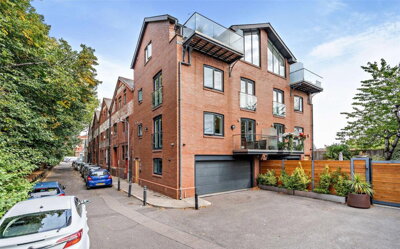
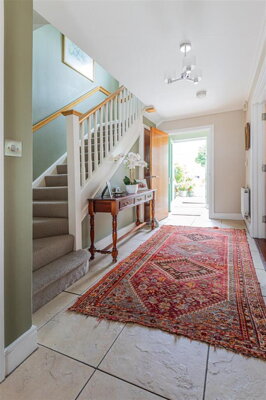
Browse 5 homes for sale in CF99 from local estate agents.
The larger property sector typically features multiple bathrooms, substantial reception space, and private gardens or off-street parking. Four bedroom houses in CF99 span detached, semi-detached, and occasionally terraced configurations, with styles ranging from period properties to modern executive homes.
£0k
0
0
0
Source: home.co.uk
Showing 0 results for 4 Bedroom Houses for sale in CF99.
The Cardiff property market presents a varied landscape of property types and price points that cater to a wide spectrum of buyers. Detached properties command the highest average prices at approximately £519,000, reflecting the premium placed on space and privacy in the city's most desirable neighbourhoods such as Lisvane, Cyncoed, and Radyr. Semi-detached homes average around £322,000, offering an excellent balance between living space and affordability for families looking to settle in Cardiff's well-established suburbs. These property types often feature generous gardens and driveways, making them particularly popular among buyers seeking room to grow.
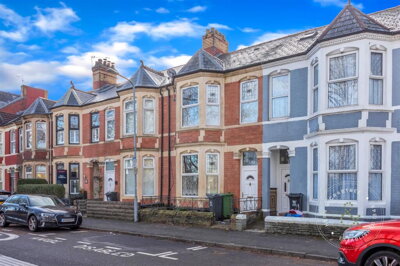
Terraced properties remain a cornerstone of Cardiff's housing stock, with average prices around £260,000, and this segment has shown particular resilience with prices rising by 3.5% over the past year. The city's Victorian and Edwardian terraces, built predominantly from red brick and Bath stone, characterise many of its most beloved neighbourhoods including Pontcanna, Canton, and Roath, and offer excellent value for first-time buyers seeking character properties at accessible price points. Flats and maisonettes average approximately £162,000, making them the most affordable entry point into Cardiff's property market, with many apartments located in the city centre and waterfront developments offering modern amenities and convenient access to employment hubs and cultural attractions.
The market shows distinct patterns across different areas of the city, with Cardiff Bay commanding premium prices for its waterfront lifestyle and city centre flats appealing to professionals seeking convenient access to workplaces and entertainment. Areas like Whitchurch and Llandaff offer excellent value within easy reach of good schools and local amenities, while suburbs such as Pontprennau and St Mellons provide newer housing stock for buyers prioritising modern construction and energy efficiency. Understanding these micro-markets helps buyers identify areas that match their priorities for property type, budget, and lifestyle.

Cardiff's urban landscape tells the story of its evolution from a medieval market town to a thriving European capital, with architecture spanning centuries of development. The city's Victorian and Edwardian heritage dominates many neighbourhoods, featuring distinctive properties built from blue Pennant stone, Bath stone, and red brick that give Cardiff its characteristic warm, earthy tones. The geological foundation of the area includes Triassic marl, sand, and conglomerate rocks, with local building stone such as "Radyr Stone" featuring prominently in older constructions throughout the city. Around 1,000 listed buildings are protected throughout the city, preserving architectural treasures like the Portland stone civic buildings of Cathays Park and the medieval Grey Lias stone structures including Cardiff Castle and Llandaff Cathedral.
The population of Cardiff stands at approximately 383,919 as of 2024, making it Wales's largest city and a major cultural and economic hub. The city features 27 designated conservation areas, including the historic Llandaff area around Cathedral Green, where a high concentration of scheduled monuments and listed buildings creates preserved streetscapes of exceptional character. Living in Cardiff means access to world-class cultural attractions including the Millennium Stadium, National Museum of Wales, and the Wales Millennium Centre in Cardiff Bay. The city also offers extensive green spaces, from the formal gardens of Roath Park to the waterfront promenades of Cardiff Bay, providing residents with diverse options for leisure and recreation within the urban environment.
Different neighbourhoods within Cardiff offer distinct lifestyles and communities for residents to consider. Pontcanna attracts professionals and families with its tree-lined streets, independent cafes, and proximity to Chapter Arts Centre. Canton offers excellent Victorian housing stock with good access to local shops and the popular Canton RFC. Roath provides a diverse community with the beautiful Roath Park lake as its centrepiece, while Adamsdown and Splott offer more affordable options close to the city centre. Each area has its own character, price points, and amenity profile, making it worthwhile for buyers to spend time exploring different neighbourhoods before committing to a purchase.

Cardiff offers a comprehensive range of educational options from nursery through to higher education, making it an excellent choice for families considering a move to the area. The city hosts numerous primary and secondary schools, with several institutions consistently receiving positive Ofsted ratings for their academic performance and pastoral care. Parents searching for properties in Cardiff should research specific school catchment areas, as admission policies often prioritise pupils living within defined geographic boundaries. Secondary schools such as Cardiff High School, Whitchurch High School, and Radyr Comprehensive have established reputations for academic achievement and extracurricular programmes that appeal to families.
For higher education, Cardiff University stands as one of the UK's leading institutions, attracting students from across the UK and internationally with approximately 32,000 students enrolled across its campuses. The university contributes significantly to the city's cultural and economic life, with thousands of students and staff enriching local communities throughout the year. The main university campus in Cathays sits adjacent to the civic buildings of Cathays Park, creating a distinctive urban environment where academic and civic functions coexist. Further education colleges including Cardiff and Vale College provide vocational pathways and adult learning opportunities that serve both school leavers and career changers.
Primary education in Cardiff features numerous highly-regarded schools across diverse neighbourhoods, with institutions in areas like Cyncoed, Lisvane, and Pentwyn particularly noted by parents for their academic outcomes and community atmosphere. Early years education is well-served through a combination of council-run nursery schools, voluntary sector providers, and private childcare settings, providing flexibility for working families. The presence of strong educational institutions makes Cardiff particularly attractive to buyers with school-age children or those planning families, as the city offers educational continuity from primary through to university level without requiring relocation to another city.
Cardiff enjoys excellent connectivity within South Wales and beyond, making it a practical base for commuters and frequent travellers alike. The city is served by Cardiff Central railway station, offering direct services to major destinations including London Paddington, Bristol, Birmingham, and Manchester. Journey times to London take approximately two hours by train, positioning Cardiff within comfortable reach of the capital for business or leisure travel. Additional rail stations including Cardiff Queen Street, Cardiff Bay, and several suburban stations including Coryton, Heath, and Rhiwbina provide convenient access for residents across different neighbourhoods, reducing the need for car travel for daily commutes.
The M4 motorway runs to the north of Cardiff, providing road access to Swindon, Reading, and London to the east, and to Swansea and the M4 corridor towns of South Wales to the west. The A470 trunk road connects Cardiff to North Wales, passing through the scenic Brecon Beacons, while the A48 provides access to the Vale of Glamorgan and western England. The A4232 peripheral distributor road links the city centre with Cardiff Bay and the industrial areas to the west, facilitating travel without entering the city centre. Cardiff Airport, located in Rhoose approximately twelve miles from the city centre, offers domestic flights and a growing range of international routes to European destinations.
Within the city, Cardiff benefits from an extensive bus network operated by Cardiff Bus, along with cycling infrastructure including the Cardiff Cycle Track which provides safe routes for cyclists throughout the urban area. The Coryton Line and City Line rail services connect northern suburbs with the city centre, providing convenient options for residents of areas like Whitchurch, Rhiwbina, and Coryton. Park and ride facilities at several locations around the city periphery offer affordable parking with direct bus connections to the centre, making car-free travel feasible for many residents who choose to live in well-connected neighbourhoods close to their workplace.
Before viewing properties, establish a clear budget by getting a mortgage agreement in principle from a lender. Consider all costs including deposits, stamp duty, legal fees, and moving expenses. Research Cardiff's different neighbourhoods to find areas that match your lifestyle priorities, whether you need good schools, transport links, or proximity to green spaces. Cardiff offers diverse areas from the leafy suburbs of Lisvane and Radyr to the urban buzz of Pontcanna and the waterfront lifestyle of Cardiff Bay.
Use Homemove to browse available properties in CF99 and wider Cardiff, saving listings that match your criteria. Contact estate agents to arrange viewings of properties that interest you, taking notes on condition, location, and any concerns. View multiple properties before making offers to ensure you develop a realistic understanding of market value in your chosen area. In Cardiff's competitive market, properties in desirable neighbourhoods can sell quickly, so being prepared with your finances in order puts you in a stronger position when you find the right home.
Commission a RICS Level 2 HomeBuyers Survey before completing your purchase. In Cardiff, where many properties are Victorian or Edwardian, a professional survey can identify issues such as damp, structural movement, or roof problems. Our inspectors at Homemove frequently encounter defects in Cardiff's older housing stock including rising damp, inadequate damp-proof courses, and roof damage from aging tiles and leadwork. Survey fees in Cardiff typically start from around £450 for properties under £150,000, rising to £600-700 for higher-value homes, with the average across Cardiff sitting around £500.
Choose a conveyancing solicitor to handle the legal aspects of your purchase. Your solicitor will conduct searches, review contracts, and manage the transfer of funds on your behalf. Searches in Cardiff include drainage and water authority checks, local authority searches with Cardiff Council, and environmental searches that assess flood risk and ground stability. Homemove can connect you with competitive conveyancing services in Cardiff to help streamline this process and keep costs manageable.
Once all searches are satisfactory and mortgages are agreed, you will exchange contracts and pay your deposit. Completion typically follows within days or weeks, after which you will receive your keys and take ownership of your new Cardiff home. In Cardiff, where leasehold properties are common, ensure your solicitor has reviewed the lease terms, service charges, and any planned major works before committing to completion.
Properties in Cardiff require careful inspection due to the prevalence of older housing stock built during the Victorian and Edwardian periods when the city expanded rapidly as a major coal port. Common defects in these traditional properties include rising damp resulting from the absence or failure of damp-proof courses, roof damage from aging tiles and leadwork, and structural movement manifested as cracking to walls or misaligned doors and windows. Given Cardiff's geology, which includes shrink-swell clay soils, subsidence can affect properties across the city, making professional surveys particularly valuable before committing to a purchase. The British Geological Survey identifies shrink-swell clay movement as a major geohazard, with costs expected to rise due to climate change and increasingly variable rainfall patterns.
Flood risk is a significant consideration for buyers exploring properties in Cardiff, as the city faces the highest risk of flooding among UK local authorities with approximately 33,000 properties potentially threatened by 2050. Areas including Canton, Grangetown, Leckwith, Butetown, and parts of Cardiff Bay carry elevated flood risk from rivers, surface water, and coastal sources. The River Taff and River Ely both flow through Cardiff, creating flood plains in low-lying areas that have seen significant development over the centuries. Buyers should request flood risk reports for any property and factor potential flood insurance costs into their budgeting, as properties in high-risk areas may face increasing insurance premiums in future years.
Properties in designated conservation areas may carry planning restrictions on alterations and renovations, which can affect future renovation projects or extensions. Cardiff has 27 conservation areas including Llandaff, Pontcanna, and several historic neighbourhoods where Article 4 Directions may limit permitted development rights. Additionally, many flats in Cardiff are leasehold, requiring buyers to review lease terms, service charges, and ground rent arrangements carefully before proceeding. Our team regularly sees leasehold properties where ground rent clauses have become burdensome or where service charges for major maintenance works create unexpected costs, making thorough due diligence essential.
According to provisional data from December 2025, the average house price in Cardiff stands at approximately £271,000. Property types vary significantly in value, with detached homes averaging around £519,000 in sought-after areas like Lisvane and Cyncoed, semi-detached properties at approximately £322,000, terraced homes at around £260,000 in popular neighbourhoods like Pontcanna and Canton, and flats and maisonettes averaging approximately £162,000. Over the past twelve months, prices have risen by 2.4% overall, with terraced properties showing the strongest growth at 3.5% while flat prices have remained relatively stable.
Properties in Cardiff are assigned council tax bands A through I by Cardiff Council depending on location within the city. Bands are based on property values as assessed at 1991, with Band A representing the lowest values and Band I the highest. Most Victorian and Edwardian terraced properties in Cardiff fall into Bands A through C, while larger detached homes in suburbs like Radyr and Lisvane often sit in higher bands. Buyers can check specific bandings through the Cardiff Council website using the property address, and council tax funds essential local services including education, refuse collection, and social care.
Cardiff offers numerous highly-regarded schools across primary and secondary levels. Secondary schools including Whitchurch High School, Cardiff High School, and Radyr Comprehensive have established reputations for academic achievement and strong extracurricular programmes that appeal to families. Primary schools across the city perform well in national assessments, with institutions in areas like Cyncoed, Lisvane, and Pentwyn particularly noted by parents for their supportive environments and academic outcomes. Parents should research specific catchment areas as admission policies are geographic, meaning property location directly affects school placement eligibility, and early research is essential when house hunting in popular school zones.
Cardiff benefits from excellent public transport connectivity including regular rail services from Cardiff Central to major UK destinations including London, Bristol, and Birmingham, with journey times of approximately two hours to the capital. Within the city, an extensive bus network operated by Cardiff Bus serves most neighbourhoods, while Cardiff Bay railway station provides convenient access to the waterfront area and the Coryton and City Line rail services connect northern suburbs. The M4 motorway runs north of the city connecting to the wider UK motorway network, while the A470 provides access to north Wales and the Brecon Beacons. Cardiff Airport offers domestic flights and selected European routes from Rhoose, approximately twelve miles from the city centre.
Cardiff offers several attractions for property investors including relatively affordable prices compared to other UK capital cities, strong rental demand driven by universities and major employers in the public sector, finance, and creative industries. Property values have shown steady growth with a 2.4% increase over the past year, though this trails the wider Wales average of 5.0%, suggesting potential for catch-up growth. Major regeneration projects continue in Cardiff Bay and the city centre, creating opportunities for capital appreciation in areas undergoing transformation. Investors should consider factors including void periods between tenants, maintenance costs for older Victorian and Edwardian properties, and potential flood risk when evaluating specific properties in areas like Canton or Grangetown.
Stamp Duty Land Tax rates for standard buyers start at 0% on the first £250,000 of property value, rising to 5% on amounts between £250,001 and £925,000, 10% on values from £925,001 to £1.5 million, and 12% on any amount exceeding £1.5 million. First-time buyers benefit from increased thresholds with 0% on the first £425,000 and 5% on values between £425,001 and £625,000, though no relief applies above £625,000. For a typical Cardiff property priced at the current average of £271,000, a first-time buyer would pay no stamp duty while a buyer purchasing a second property would pay approximately £1,050 at the higher rates applicable to additional dwellings.
Cardiff's predominantly Victorian and Edwardian housing stock presents specific risks that buyers should understand before committing to a purchase. Properties built before the 1920s often lack effective damp-proof courses, leading to rising damp that can affect walls, floors, and timber structures if not properly addressed. The shrink-swell clay soils underlying much of Cardiff can cause structural movement, particularly in properties with shallow foundations or trees positioned too close to the building. Our inspectors frequently identify roof problems including missing or damaged tiles, deteriorated leadwork around chimneys, and inadequate ventilation that leads to condensation and timber decay. A thorough RICS Level 2 survey is strongly recommended for any period property in Cardiff to identify these issues before completion.
From £450
A detailed inspection of the property condition identifying defects common in Cardiff's Victorian and Edwardian housing stock
From £600
A comprehensive structural survey recommended for older properties or those showing signs of movement or significant defects
From £80
Energy Performance Certificate required for all property sales, showing energy efficiency ratings
From £499
Legal services for your property purchase including searches and contract review
Understanding the full costs of buying property in Cardiff is essential for budgeting effectively and avoiding surprises during the transaction process. Stamp Duty Land Tax represents the most significant upfront cost after your deposit, with current thresholds applying 0% rates to the first £250,000 of purchase price for standard buyers. For a property at Cardiff's average price of around £271,000, this means stamp duty would apply only to the £21,000 above the threshold, resulting in charges of approximately £1,050 at the 5% rate. First-time buyers benefit from more generous thresholds, with 0% applying up to £425,000 and 5% between £425,001 and £625,000, making stamp duty significantly lower or zero for many first-time purchases in Cardiff's market.
Beyond stamp duty, buyers should budget for solicitor conveyancing fees which typically range from £500 to £1,500 depending on complexity and property value. Search fees with the local authority, water authority, and environment agency usually total around £300-400, and in Cardiff, these searches include drainage and water searches specific to Welsh Water and environment agency flood risk assessments for properties near the River Taff or coastal areas. Survey costs in Cardiff average around £500 for a RICS Level 2 HomeBuyers Survey, though this increases for higher-value properties and can reach £700 or more for homes valued above £600,000, with Welsh Counties Surveys and other local providers offering competitive rates.
Removal costs vary widely depending on volume and distance, while mortgage arrangement fees, valuation fees, and insurance products add further to the total expenditure. Land Transaction Tax applies in Wales rather than Stamp Duty for some elements, though Stamp Duty Land Tax still applies at standard rates for residential purchases. Altogether, buyers should anticipate spending approximately 2-3% of the property value on these additional costs when purchasing in Cardiff, ensuring they have sufficient funds available beyond their deposit and mortgage to complete the transaction smoothly. For a typical £271,000 property, this means budgeting an additional £5,400 to £8,100 for these associated costs.
Properties for Sale In London

Properties for Sale In Plymouth

Properties for Sale In Liverpool

Properties for Sale In Glasgow

Properties for Sale In Sheffield

Properties for Sale In Edinburgh

Properties for Sale In Coventry

Properties for Sale In Bradford

Properties for Sale In Manchester

Properties for Sale In Birmingham

Properties for Sale In Bristol

Properties for Sale In Oxford

Properties for Sale In Leicester

Properties for Sale In Newcastle

Properties for Sale In Leeds

Properties for Sale In Southampton

Properties for Sale In Cardiff

Properties for Sale In Nottingham

Properties for Sale In Norwich

Properties for Sale In Brighton

Properties for Sale In Derby

Properties for Sale In Portsmouth

Properties for Sale In Northampton

Properties for Sale In Milton Keynes

Properties for Sale In Bournemouth

Properties for Sale In Bolton

Properties for Sale In Swansea

Properties for Sale In Swindon

Properties for Sale In Peterborough

Properties for Sale In Wolverhampton

Enter your details to see if this property is within your budget.
Loans, cards, car finance
Estimated property budget
Borrowing + deposit
You could borrow between
Typical borrowing
Monthly repayment
Est. at 4.5%
Loan-to-value
This is an estimate only. Your actual budget may vary depending on interest rates, credit history, and personal circumstances. For an accurate affordability assessment, speak to one of our free mortgage advisors.
This calculator provides estimates for illustrative purposes only and does not constitute financial advice. Your home may be repossessed if you do not keep up repayments on your mortgage. Estimates based on 4.5% interest rate, repayment mortgage. Actual rates depend on your circumstances.
Homemove is a trading name of HM Haus Group Ltd (Company No. 13873779, registered in England & Wales). Homemove Mortgages Ltd (Company No. 15947693) is an Appointed Representative of TMG Direct Limited, trading as TMG Mortgage Network, which is authorised and regulated by the Financial Conduct Authority (FRN 786245). Homemove Mortgages Ltd is entered on the FCA Register as an Appointed Representative (FRN 1022429). You can check registrations at NewRegister or by calling 0800 111 6768.

We use cookies to show you personalised content and improve your experience of our website. Find out more in our Privacy policy and Cookie policy.