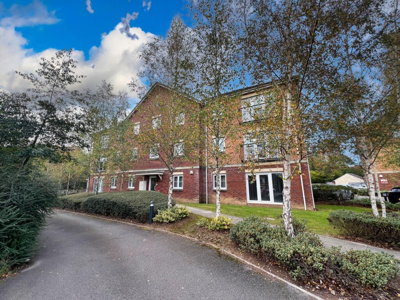
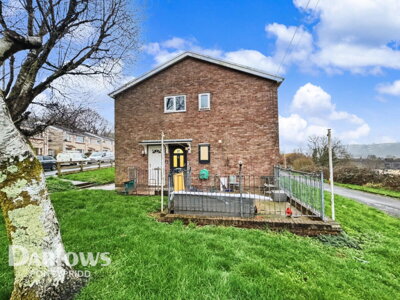
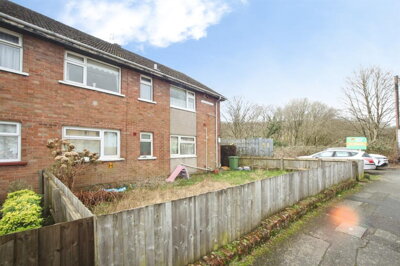
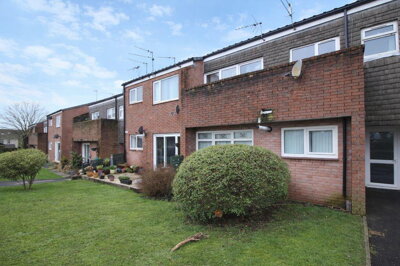
Browse 13 homes for sale in CF38 from local estate agents.
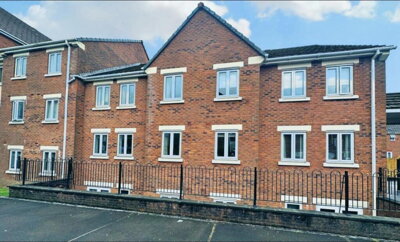
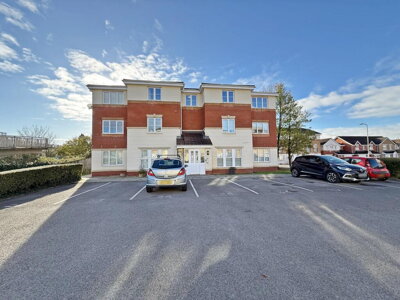
The 2 bed flat sector typically includes two separate bedrooms, dedicated living areas, and bathroom facilities. Properties in CF38 span purpose-built blocks, converted period houses, and modern apartment complexes on various floors.
£0k
0
0
0
Source: home.co.uk
Showing 0 results for 2 Bedroom Flats for sale in CF38.
The CF38 property market has demonstrated steady growth, with average sold prices increasing by 3% over the past year and sitting 3% above the 2023 peak of £254,070. This consistent performance reflects the enduring appeal of South Wales valley communities, where buyers benefit from more affordable housing compared to Cardiff while still enjoying excellent transport links to the capital. Over the longer term, prices in CF38 have risen by 29.14% over the last five years, indicating sustained demand for properties in this area.
Property sales activity in CF38 saw 183 residential transactions in the last twelve months, a figure that reflects a decrease of 115 transactions relative to the previous year. The majority of sales were concentrated in the £200,000 to £250,000 price bracket with 48 transactions, followed by 41 sales in the £150,000 to £200,000 range. Terraced properties averaged around £177,020, while flats in the postcode area typically sold for approximately £108,750, providing options for various budgets and circumstances. The market offers a healthy mix of property types, from traditional valley homes built during the mining era to more modern developments constructed in recent decades.
Semi-detached houses represent the predominant housing type in CF38, according to recent transaction data from Rightmove. Detached properties command the highest prices at an average of £384,535, appealing to families seeking generous living space and larger gardens. The diversity of housing stock means buyers can choose between character properties in established neighbourhoods and newer builds with modern insulation and fittings. Rightmove data indicates an average sold price of £247,501 over the last 12 months according to Zoopla, with both sources showing consistent year-on-year growth.
Investment activity in CF38 remains steady, with rental demand driven by commuters working in Cardiff, students attending the nearby University of South Wales campus in Pontypridd, and families seeking more affordable alternatives to city living. Properties in the £150,000 to £250,000 range tend to attract both owner-occupiers and landlords, with rental yields varying based on property type, condition, and exact location within the postcode area.

The CF38 postcode area encompasses a collection of distinct communities, each with its own character and amenities. Llantwit Fardre serves as a focal point for the area, offering a range of local services while maintaining a village atmosphere. The village centre features independent shops, a bakery, and several pubs where locals gather for evening meals and weekend drinks. Church Village provides additional shopping facilities and community resources, including a library and health centre, while smaller settlements like Tonteg, Efail Isaf, Beddau, and Ty Nant offer quieter residential environments surrounded by the rolling hills of the South Wales valleys.
The area benefits from proximity to the River Taff and its tributaries, with green spaces and public footpaths providing opportunities for outdoor recreation. The Taff Trail, a popular long-distance walking and cycling route, passes through the region and connects to the Brecon Beacons for those seeking more adventurous days out. Gwaelod-y-Garth and the surrounding hillside offer panoramic views across the valley, while local parks in Church Village provide playgrounds and sports facilities for families with children.
Local communities host various events and clubs, fostering a strong sense of belonging among residents. The Llantwit Fardre Horticultural Society holds annual shows, while Church Village Community Centre organizes everything from yoga classes to local history talks. Rugby union is deeply rooted in the culture here, with Pontypridd RFC drawing vocal support from across the postcode area. The wider Rhondda Cynon Taf region features a rich industrial heritage, with many properties reflecting the traditional architecture of South Wales while more recent developments have expanded housing options for families and professionals alike.
Everyday amenities within CF38 include GP surgeries, dental practices, and pharmacies distributed across the various villages. Food shopping is well-served by Co-operative stores in the main settlements, with larger supermarkets accessible in Pontypridd and Talbot Green. The Valero refinery area provides employment for some residents, while the growing services sector in nearby towns offers additional job opportunities for those choosing to work locally rather than commuting to Cardiff.
Families considering a move to CF38 will find a selection of educational establishments serving the local community. The area includes primary schools serving the various villages, with popular options including Ysgol Gyfun Llantwit Major for Welsh-medium secondary education and English-language secondary schools in the surrounding towns. Parents should research specific catchment areas, as school admissions in Rhondda Cynon Taf are determined by proximity and availability, making early investigation essential for those with school-age children. Applications can be submitted through the Rhondda Cynon Taf Council website, with offers typically made in April for September intakes.
The Welsh education system follows a different curriculum structure to England, with Key Stage 2 ending at Year 6 and students progressing to secondary education from Year 7 onwards. Estyn, the Welsh education inspectorate, provides regular reports on school performance that can help parents make informed decisions. Recent Estyn inspections should be consulted alongside league table data, as these reports assess factors beyond academic results including pupil wellbeing and teaching quality.
The University of South Wales campus in Pontypridd is situated nearby, offering higher education opportunities in subjects ranging from business and computing to nursing and engineering. The university contributes to the local economy through student spending and attracts young people from across Wales and beyond. For families seeking faith-based education or specialized schooling, additional options exist within reasonable travelling distance, including Catholic secondary schools in Cardiff for those willing to make the commute.
Sixth form provision and further education colleges in nearby towns provide clear progression routes for older students. Coleg y Cymoedd offers vocational courses and A-levels, while the University of South Wales provides undergraduate degrees across multiple disciplines. Apprenticeship opportunities are available through local employers and training providers, giving young people in CF38 viable alternatives to traditional university routes.
CF38 enjoys strong transport connections that make it popular with commuters working in Cardiff and other major centres. The area is well-served by bus routes connecting the various villages to Pontypridd and beyond, with services operated by Stagecoach South Wales and other local operators. Key routes link Llantwit Fardre and Church Village to Pontypridd town centre, where interchange facilities allow connections to further destinations. Frequencies vary by route and time of day, with peak-hour services running every 15-20 minutes on the busiest corridors.
Road connections provide access to the A470 trunk road linking the South Wales Valleys to Cardiff, passing through Pontypridd and running alongside the River Taff. For those travelling by car, junction 33 of the M4 motorway is within reasonable distance, offering connections to Swansea, Newport, and the wider motorway network. Traffic congestion on the A470 can be significant during rush hours, particularly around the Nantgarw and Coryton interchanges, so commuters should factor this into journey time estimates.
Train services from Pontypridd station provide regular connections to Cardiff Central, with journey times of approximately 30-40 minutes making daily commuting feasible for those working in the capital. Services run throughout the day with reduced frequencies in evenings and weekends. Cardiff Central offers connections to Bristol, London Paddington, and other major destinations via the Great Western Railway network, while Arriva Trains Wales provides services across South Wales.
The University of South Wales campus is accessible for students and staff via the regular bus services or by car with on-site parking available. Local employment opportunities in retail, healthcare, and education reduce the need for some residents to commute long distances. Cycling infrastructure has improved in recent years, with new cycle lanes introduced on some roads, though the hilly terrain presents challenges for regular commuters. E-bikes are becoming increasingly popular as a solution to the challenging topography.
Explore different villages within CF38 to find the neighbourhood that best suits your lifestyle needs. Consider proximity to schools, transport links, and local amenities when narrowing your search. Visit at different times of day to get a feel for noise levels and neighbour activity. Check local crime statistics and speak to residents about their experiences living in the area.
Speak to a mortgage broker and obtain an Agreement in Principle before viewing properties. This strengthens your position when making offers and helps you understand your budget. In CF38, with average prices around £261,543, most buyers will need a mortgage of approximately £200,000-£250,000, though this varies based on deposit size and individual circumstances.
Schedule viewings of properties matching your criteria. Take notes and photographs to help compare options later. Consider visiting at different times of day to assess noise levels and neighbour activity. In CF38, properties range from traditional valley terraces requiring renovation to modern detached family homes, so understanding what you are viewing is essential.
Once your offer is accepted, arrange a homebuyer report to identify any structural issues or defects. Given CF38's mining history and clay soils, a thorough survey is particularly important. Our inspectors commonly identify issues including subsidence risk from clay shrink-swell, mining-related ground movement, damp in older properties, and timber defects in properties with suspended wooden floors.
Choose a conveyancing solicitor to handle the legal aspects of your purchase. They will conduct searches, including a mining report (Con29M) for this former coalfield area, and manage the conveyancing process. Local solicitors with experience in Rhondda Cynon Taf transactions can advise on specific issues affecting CF38 properties.
Once all searches are satisfactory and contracts are exchanged, your completion date will be set. On the day, you will receive the keys to your new CF38 home. Allow time for utilities transfers and council tax registration, and remember to update your address with banks, employers, and other important contacts.
Properties in CF38 benefit from good transport links to major employment centres and access to the natural beauty of the South Wales valleys. The area offers more space for your money compared to Cardiff, with larger gardens and proximity to countryside walks. Local communities have strong social bonds, and the presence of the University of South Wales nearby supports a vibrant local economy with shops, cafes, and services in Pontypridd town centre. The average property price of £261,543 represents significant value compared to Cardiff suburbs where similar properties might cost £350,000 or more.
When purchasing in CF38, be aware of the local geology. The area sits on Carboniferous rocks including coal measures, sandstones, and shales, with clay-rich soils presenting a moderate to high shrink-swell risk. Properties with large trees nearby may be particularly susceptible to foundation movement during dry spells, a concern that our surveyors frequently encounter in this part of South Wales. Look for signs of cracking in walls, especially diagonal cracks around door and window openings, which may indicate historic or ongoing movement.
Given the mining history of Rhondda Cynon Taf, requesting a mining search (Con29M) is essential to identify any potential ground stability concerns. Historical coal mining has left a legacy of potential issues including mine shaft collapse, shallow workings, and surface subsidence. Your solicitor should order this search early in the process, as results can occasionally delay transactions if significant risks are identified.
Flood risk should also be considered, particularly for properties near the River Taff and its tributaries. Surface water flooding can occur in urban areas during heavy rainfall, so reviewing Natural Resources Wales flood maps for specific locations is advisable. Properties in valley bottoms or near drainage channels merit extra scrutiny. Many homes in the area were built using traditional methods with brick, render, and slate, and older properties may have solid walls rather than cavity construction, affecting insulation and renovation options.
Common defects our surveyors identify in CF38 properties include penetrating damp in rendered walls where the coating has failed, slipped or broken slates on older roofs, outdated electrical installations that may not meet current regulations, and timber issues in properties with suspended ground floors. A RICS Level 2 Survey will flag these concerns and provide professional advice on remediation costs and priorities.
The housing stock in CF38 spans multiple eras of construction, from Victorian terraces built for mine workers to modern executive homes developed in the 1990s and 2000s. Each era brings its own characteristic defects that our surveyors are trained to identify. Victorian and Edwardian properties in the valley areas often feature solid walls without cavity insulation, original single-glazed windows, and suspended timber floors that can develop rot or woodworm issues over time. These properties frequently show signs of rising damp where original damp-proof courses have failed or were never installed.
Properties constructed during the mid-twentieth century, including post-war council houses and private developments from the 1950s to 1970s, present different challenges. Many feature flat roof extensions that have reached the end of their lifespan, original wiring that requires complete replacement, and single-skin external walls with minimal insulation. Our inspectors often find that concrete foundations in this era of construction may be shallower than modern standards, making properties more vulnerable to movement in clay soils.
The clay soils prevalent across the CF38 area create specific risks that warrant careful attention. During prolonged dry weather, clay contracts and can cause foundations to settle unevenly. When rainfall returns, the clay expands again, potentially causing heave that damages structures. Properties most at risk include those with shallow foundations, those built on ground with high clay content, and those with large trees or hedgerows within proximity whose roots extract moisture from the soil. Our survey reports will assess these risks and recommend appropriate action where needed.
Mining-related defects extend beyond ground movement to include ventilation issues in properties where old mine shafts have been covered rather than properly treated. Coal dust contamination can affect soil in gardens, and occasionally our surveyors identify evidence of spontaneous combustion in back gardens where shallow coal seams have ignited. While rare, these issues require specialist assessment and can significantly affect property values and mortgageability.
The average property price in CF38 currently stands at approximately £261,543 according to Rightmove data, with Zoopla reporting £247,501 for the last 12 months. Detached properties average around £384,535, semi-detached homes at £225,352, terraced properties at £177,020, and flats approximately £108,750. Prices have increased by 3% over the past year and by 29.14% over the last five years, reflecting the sustained popularity of this Rhondda Cynon Taf postcode area with buyers seeking value compared to Cardiff.
Properties in CF38 fall within Rhondda Cynon Taf Council's jurisdiction. Council tax bands vary by property and range from A (lowest) to H (highest), with most family homes in the area falling into bands B through D. A typical semi-detached house in Church Village or Llantwit Fardre might be band C, while larger detached properties on modern estates could be band D or E. You can check specific bands on the Welsh Government website or through Rhondda Cynon Taf Council's online portal using the property address.
CF38 contains several primary schools serving the local villages, with secondary schools located in nearby towns. The closest secondary schools include those in Pontypridd and Talbot Green, with the Welsh-medium Ysgol Gyfun Llantwit Major also within reasonable travelling distance. School performance changes annually, so checking recent Estyn reports is recommended before purchasing. Catchment areas play a significant role in admissions, so verifying which schools serve your chosen property address is essential, as postcodes near village boundaries may fall into different admission areas.
CF38 is well-served by bus routes connecting villages to Pontypridd and Cardiff, with Stagecoach services operating the main corridors at frequencies of every 15-30 minutes during peak hours. Pontypridd railway station offers regular train services to Cardiff Central with journey times of around 30-40 minutes, making daily commuting feasible. Road connections via the A470 provide access to the M4 motorway at junction 33, making car travel to Cardiff, Swansea, and Newport straightforward. However, public transport options in more rural parts of the postcode such as Ty Nant and Efail Isaf can be limited, with reduced evening and weekend services.
CF38 has shown consistent price growth of 29.14% over five years, with demand supported by commuters seeking more affordable housing than Cardiff while maintaining access to the capital. Rental demand exists from young professionals, students attending the nearby University of South Wales, and families priced out of Cardiff. Buy-to-let investors can typically achieve rental yields of around 5-6% on terraced properties, with void periods generally low due to strong local demand. However, as with any investment, research local rental yields, void periods, and future development plans before committing. The mining history of the area may affect mortgage availability for some properties, so check with lenders before purchasing.
Standard SDLT rates (2024-25) apply in Wales: 0% up to £250,000, 5% on £250,001 to £925,000, 10% on £925,001 to £1.5 million, and 12% above £1.5 million. For a typical CF38 property at £261,543, you would pay approximately £577 in stamp duty. First-time buyers in Wales may qualify for relief on properties up to £260,000, paying 0% on the first £180,000 and 5% on £180,001 to £260,000. Use a stamp duty calculator or consult a solicitor to confirm your exact liability based on your circumstances and whether you qualify for any reliefs.
Given CF38's location in a former coal mining area, a mining search (Con29M) is strongly recommended to check for historical mining activity that could affect ground stability. This search will reveal whether the property sits above old mine workings, shafts, or records of reported mining activity. The clay soils present a shrink-swell risk, particularly for properties with shallow foundations or large nearby trees whose roots extract moisture during dry spells. Properties near the River Taff or its tributaries should be checked against Natural Resources Wales flood maps, as river and surface water flooding can affect valley locations. Older properties may require surveys to assess conditions like damp, timber defects, outdated electrics, or solid walls lacking cavity insulation.
New build developments in CF38 are limited compared to some other South Wales postcodes, with most housing stock consisting of established properties. St Brides Manor in Llantwit Fardre saw new build activity in the mid-2000s, though these properties are now considered established rather than new. New build opportunities may arise periodically through housing associations or private developments, but buyers seeking modern properties may need to consider properties built since 2000 in established estates. Always verify whether any development you are considering has the benefit of a NHBC warranty or similar protection.
From 4.5% APR
From 4.5% APR, compare deals from multiple lenders
From £499
Professional legal services for your property purchase
From £400
Professional inspection of your potential new home
From £80
Energy performance certificate required for sale
When purchasing a property in CF38, budget for additional costs beyond the purchase price. Stamp Duty Land Tax (SDLT) applies to all transactions, with the threshold for standard buyers set at £250,000, meaning properties at or below this price incur zero SDLT. For properties priced between £250,001 and £925,000, the rate is 5% on the portion above £250,000, rising to 10% for the next band and 12% on amounts exceeding £1.5 million. At the current CF38 average price of £261,543, a typical buyer would pay approximately £577 in SDLT.
First-time buyers purchasing residential property in Wales may benefit from First-Time Buyer Relief, which provides SDLT exemption on the first £180,000 of the purchase price, with 5% charged between £180,001 and £260,000. This relief is available for properties up to £260,000 and requires confirmation that you have never owned property anywhere in the world. Your solicitor will submit the SDLT return to HMRC and pay the tax on your behalf as part of the conveyancing process.
Beyond stamp duty, expect to pay solicitor fees of typically £500 to £1,500 for conveyancing, depending on complexity and whether the transaction involves a mortgage. A RICS Level 2 Survey costs between £400 and £900+ depending on property value and size, with detached homes commanding higher fees due to their complexity. An EPC assessment costs from £80 and is a legal requirement before marketing can begin. Mortgage arrangement fees vary from £0 to over £2,000 depending on the deal chosen, while surveys, searches including the essential mining report, and moving costs should also be factored into your budget.
Additional costs to budget for include removal expenses, which can range from £300 for a small flat move to £2,000 or more for a family home with full contents. Buildings insurance must be in place from exchange of contracts, typically costing £200-£500 annually for a typical CF38 property. Surveyor and solicitor searches, including the vital Con29M mining search for this former coalfield area, typically total £200-£400. First-time buyers should also budget for mortgage valuation fees if not included in the product deal.

Properties for Sale In London

Properties for Sale In Plymouth

Properties for Sale In Liverpool

Properties for Sale In Glasgow

Properties for Sale In Sheffield

Properties for Sale In Edinburgh

Properties for Sale In Coventry

Properties for Sale In Bradford

Properties for Sale In Manchester

Properties for Sale In Birmingham

Properties for Sale In Bristol

Properties for Sale In Oxford

Properties for Sale In Leicester

Properties for Sale In Newcastle

Properties for Sale In Leeds

Properties for Sale In Southampton

Properties for Sale In Cardiff

Properties for Sale In Nottingham

Properties for Sale In Norwich

Properties for Sale In Brighton

Properties for Sale In Derby

Properties for Sale In Portsmouth

Properties for Sale In Northampton

Properties for Sale In Milton Keynes

Properties for Sale In Bournemouth

Properties for Sale In Bolton

Properties for Sale In Swansea

Properties for Sale In Swindon

Properties for Sale In Peterborough

Properties for Sale In Wolverhampton

Enter your details to see if this property is within your budget.
Loans, cards, car finance
Estimated property budget
Borrowing + deposit
You could borrow between
Typical borrowing
Monthly repayment
Est. at 4.5%
Loan-to-value
This is an estimate only. Your actual budget may vary depending on interest rates, credit history, and personal circumstances. For an accurate affordability assessment, speak to one of our free mortgage advisors.
This calculator provides estimates for illustrative purposes only and does not constitute financial advice. Your home may be repossessed if you do not keep up repayments on your mortgage. Estimates based on 4.5% interest rate, repayment mortgage. Actual rates depend on your circumstances.
Homemove is a trading name of HM Haus Group Ltd (Company No. 13873779, registered in England & Wales). Homemove Mortgages Ltd (Company No. 15947693) is an Appointed Representative of TMG Direct Limited, trading as TMG Mortgage Network, which is authorised and regulated by the Financial Conduct Authority (FRN 786245). Homemove Mortgages Ltd is entered on the FCA Register as an Appointed Representative (FRN 1022429). You can check registrations at NewRegister or by calling 0800 111 6768.

We use cookies to show you personalised content and improve your experience of our website. Find out more in our Privacy policy and Cookie policy.