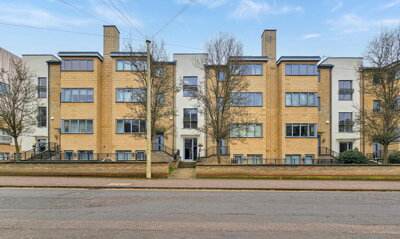
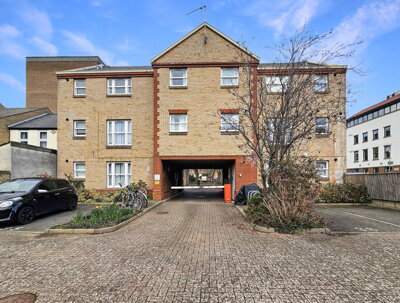
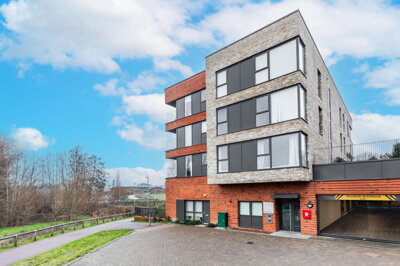
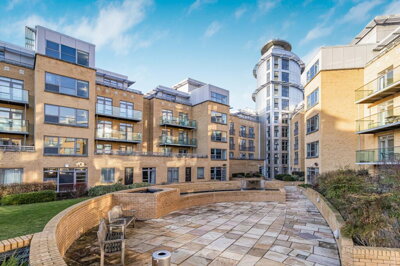
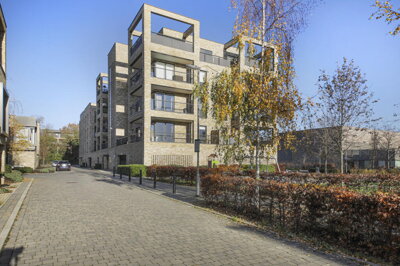
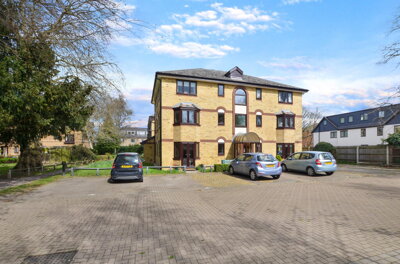
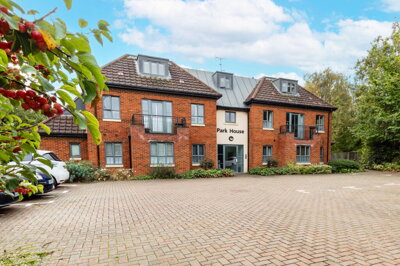
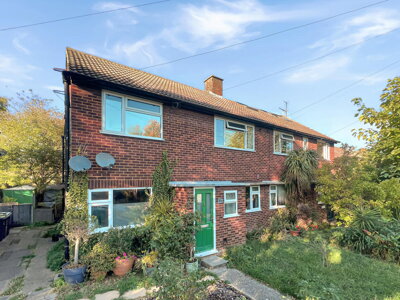
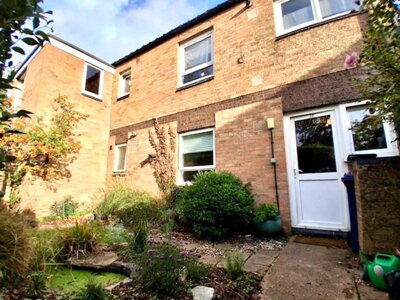
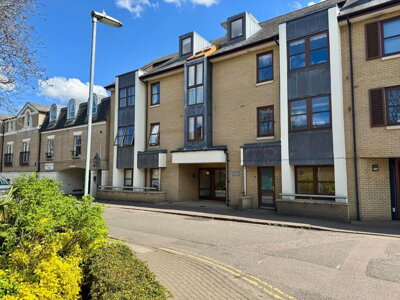
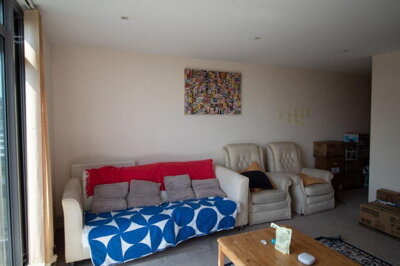
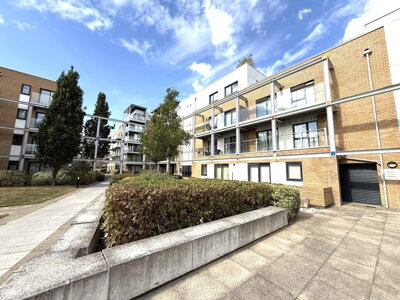
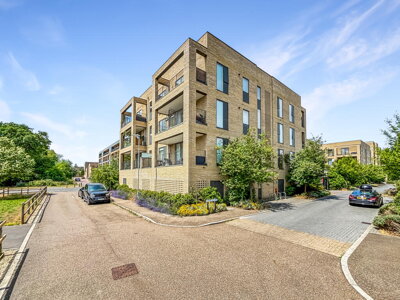
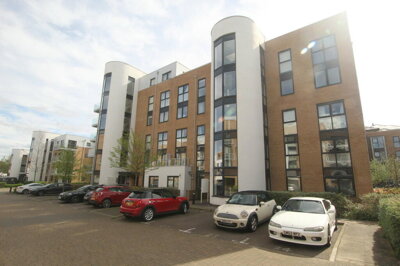
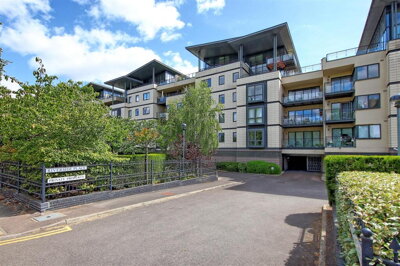
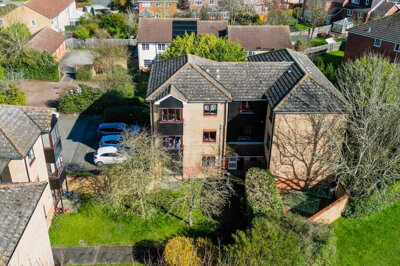
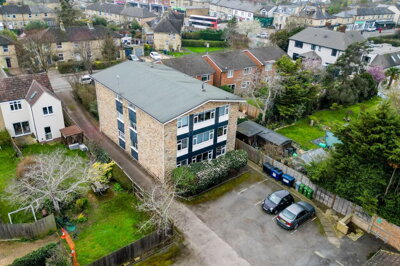
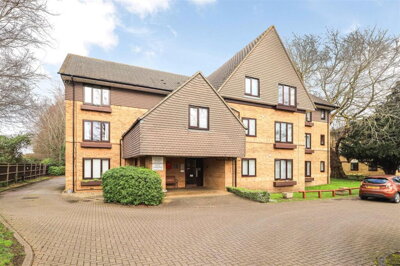
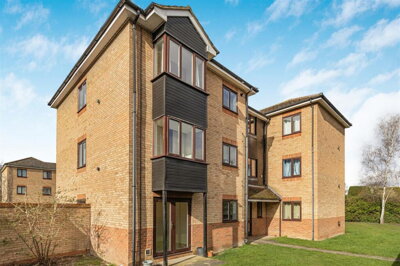
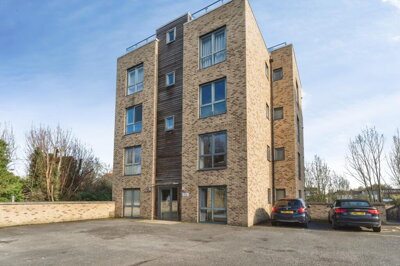
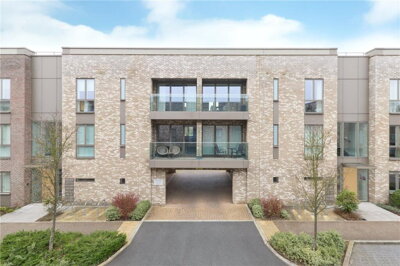
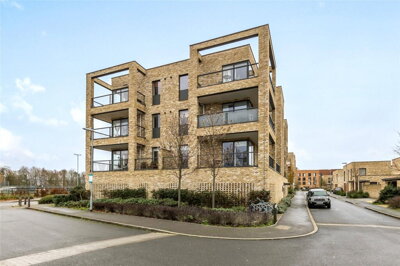
Browse 203 homes for sale in CB1 from local estate agents.
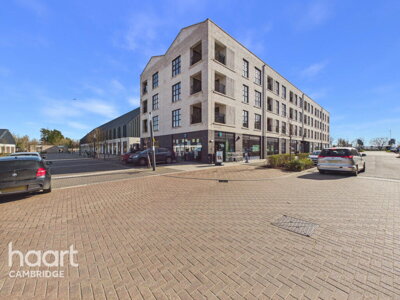
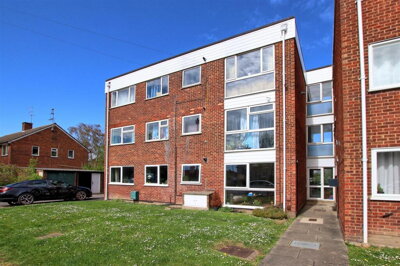
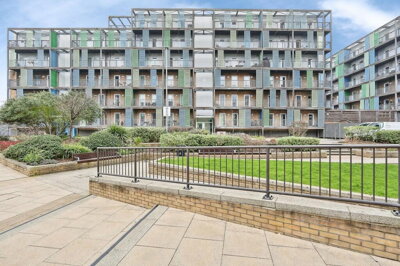
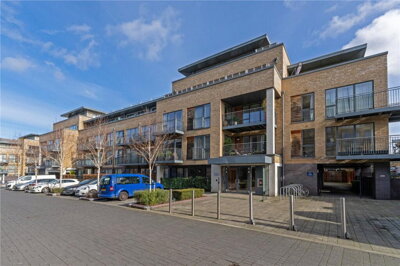
The 2 bed flat sector typically includes two separate bedrooms, dedicated living areas, and bathroom facilities. Properties in CB1 span purpose-built blocks, converted period houses, and modern apartment complexes on various floors.
£309k
20
0
86
Source: home.co.uk
Showing 20 results for 2 Bedroom Flats for sale in CB1. The median asking price is £308,750.
Source: home.co.uk
Flat
20 listings
Avg £320,375
Source: home.co.uk
Source: home.co.uk
The CB1 property market presents a stable and resilient picture, with property prices showing modest movement over the past twelve months. Our data indicates price changes ranging from approximately -1% to +1% depending on property type, reflecting a market that has settled into steady equilibrium after previous years of stronger growth. Detached properties in CB1 command premium prices of £850,000 to £900,000 on average, while semi-detached homes typically sell within the £550,000 to £600,000 range, making them popular choices for families seeking more space without the higher costs associated with detached living.
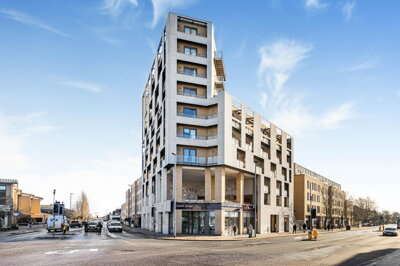
Terraced properties remain highly sought after in CB1, particularly those Victorian and Edwardian homes that line streets near the city centre and Mill Road. These properties typically fetch between £450,000 and £475,000, offering excellent value given their character and convenient locations. The flat market in CB1 is particularly active, with apartments averaging £325,000 to £350,000. New developments such as Station Road Quarter on CB1 2AA and Marque House on Hills Road have introduced contemporary options ranging from approximately £350,000 for one-bedroom apartments to over £700,000 for larger three-bedroom units, catering to buyers seeking modern living standards within this prestigious postcode.
The housing stock breakdown in CB1 reflects the area's varied architectural heritage, with flats and apartments comprising approximately 40-50% of properties, terraced houses at 25-30%, semi-detached homes at 15-20%, and detached properties making up 5-10%. This mix ensures that buyers across all segments can find suitable options, whether they prioritise period features, modern conveniences, or outdoor space. The Ironworks development off Mill Road (CB1 3ER) offers an interesting blend of old and new, with one to four-bedroom homes ranging from around £325,000 for apartments to over £800,000 for larger houses.

CB1 captures the essence of Cambridge living, blending centuries of architectural heritage with the dynamic energy of a modern university city. The housing stock reflects this rich history, with approximately 30-40% of properties built before 1919, featuring the distinctive Cambridge yellow brick construction and slate or clay tile roofs that characterise the city's historic streets. Around 20-25% of homes date from the post-war period through to 1980, while newer developments from the past two decades contribute roughly 20-30% of the housing stock, providing options for those who prefer contemporary construction and modern amenities.
The demographic composition of CB1, with an estimated population of 20,000 to 25,000 across approximately 9,000 to 11,000 households, reflects the area's appeal to diverse residents. Students, academics, healthcare workers, and technology professionals coexist alongside established families and long-term residents, creating a vibrant community atmosphere. The presence of the University of Cambridge, Addenbrooke's Hospital on the Biomedical Campus, and numerous technology and biotech companies ensures a steady influx of residents drawn by career opportunities, while the area's cultural attractions, green spaces including Jesus Green and Midsummer Common, and thriving independent cafe and restaurant scene provide an exceptional quality of life.
Local employers drive significant housing demand in CB1, with the Cambridge Biomedical Campus alone home to Addenbrooke's Hospital, AstraZeneca's global research facility, and numerous biotech startups that attract talent from around the world. The technology sector continues to expand, with major employers in the Science Park and Cambridge city centre accessible from CB1. This economic strength translates directly into robust property demand, with rental yields typically ranging from 4-5% for standard properties and potentially higher for well-positioned apartments near the railway station.

Education provision in CB1 benefits enormously from its proximity to some of the country's most respected educational institutions. The University of Cambridge's colleges and departments are scattered throughout the area, with many within easy walking distance of CB1's residential neighbourhoods. For families with school-age children, the CB1 area offers access to a range of primary and secondary schools, with several establishments within the postcode area itself and others in neighbouring districts easily reachable via short bus journeys or cycling routes that are common throughout Cambridge.
Primary schools serving the CB1 area include several that have earned strong reputations for academic achievement and pastoral care. Parents should verify current catchment boundaries with Cambridgeshire County Council, as these can change annually based on application patterns and available capacity. The concentration of families in CB1 means that school catchment areas are an important consideration for property buyers with children, and properties within sought-after catchment zones often command a premium of 5-10% compared to equivalent homes outside preferred areas.
Secondary education in Cambridge operates under Cambridgeshire's selective admissions system, with grammar schools accessible through the 11-plus examination for academically able students. Several popular secondary schools lie within easy reach of CB1, including establishments that consistently achieve strong GCSE and A-level results. Sixth form provision is excellent, with the Cambridge area offering extensive A-level programmes at school sixth forms and further education colleges. The presence of university preparatory facilities also provides educational continuity for families seeking academic pathways from primary through to higher education.

Transport connectivity ranks among CB1's most significant advantages, with Cambridge railway station located within the postcode area providing direct services to London King's Cross in approximately 50 minutes and to Cambridge North station serving the Science Park area. For commuters working in London, the fast and frequent train services make CB1 an attractive base for those who need to travel to the capital regularly while enjoying the lower costs and higher quality of life that Cambridge offers compared to capital city living. The station area itself has seen substantial regeneration in recent years, with the Station Road Quarter development adding residential options in a highly convenient location.
Local bus services operated by the Cambridgeshire Guided Busway and various commercial operators provide excellent connections throughout the city and to surrounding towns including Ely, Newmarket, and Saffron Walden. The guided busway, which passes through Cambridge, offers reliable and quick connections to the Biomedical Campus, Trumpington, and St Ives, with buses running at high frequency throughout the day. For cyclists, Cambridge's flat terrain and extensive cycle path network make cycling the preferred mode of transport for many residents, with dedicated routes connecting CB1 to the city centre, university campuses, and major employment sites. The guided busway also accommodates cyclists on parallel paths, providing safe routes even in adverse weather conditions.
Motorway access via the M11 is easily reachable from southern parts of CB1, providing road connections to Stansted Airport (approximately 40 minutes), London (approximately 90 minutes), and the broader motorway network beyond. For international travel, Stansted Airport offers flights to numerous European destinations, while London Stansted provides additional flexibility for longer journeys. Cambridge Airport, though limited in commercial flights, serves private aviation and occasional charter services.

Start by exploring current property listings and recent sales data for CB1. Understanding the local market conditions, including the difference between Victorian terraced properties near Mill Road and modern apartments in developments like Ironworks, will help you identify the right property type and price range for your circumstances. Pay particular attention to the various neighbourhoods within CB1, as properties near the railway station command different premiums compared to those in quieter residential streets around Jesus Green.
Before arranging viewings, obtain a mortgage agreement in principle from a lender. This demonstrates your buying position to sellers and estate agents, which is particularly important in CB1 where properties can attract multiple buyers given the consistent demand from Cambridge's strong local economy. Having your finances organised also helps you understand your true budget range, which may differ from initial estimates once you factor in additional purchase costs such as stamp duty, solicitor fees, and survey costs.
View properties that match your criteria, paying attention to construction quality, potential maintenance issues, and the specific characteristics of CB1 properties such as conservation area restrictions or proximity to flood risk zones near the River Cam. When viewing Victorian and Edwardian properties, look for signs of damp, roof condition, and any cracking to internal walls, as these older properties often require ongoing maintenance. Modern apartments should be checked for quality of fixtures, service charges, and any cladding issues that have affected similar developments nationwide.
Once your offer is accepted, book a RICS Level 2 Survey to assess the property condition. Given CB1's significant proportion of older properties built on Gault Clay, this survey is essential for identifying potential issues such as subsidence risk, roof defects, or outdated electrical systems. For listed buildings or properties within conservation areas, a more comprehensive RICS Level 3 Building Survey may be advisable to fully understand construction methods and any historic alterations. Survey costs in CB1 typically range from £450 to £700 for standard properties and £600 to £900 or more for larger detached homes.
Choose a solicitor experienced in Cambridge property transactions to handle the legal aspects of your purchase, including local searches, checks on conservation area restrictions, and coordination with your mortgage lender. Cambridge solicitors are familiar with the quirks of local title deeds, many of which date back decades or centuries for historic properties. Local searches will reveal any planning applications nearby, conservation area controls, and environmental factors including flood risk from the River Cam and its tributaries.
Work with your solicitor to complete all pre-completion checks, transfer funds, and arrange your property completion date. CB1 properties can complete quickly given efficient local systems, with movers typically taking keys within 4-8 weeks of offer acceptance. On completion day, coordinate with your removal company and ensure utilities have been transferred to your name. Many CB1 properties, particularly apartments, may have specific move-in time windows set by managing agents.
Properties in CB1 require careful consideration of several area-specific factors that can significantly impact your ownership experience and investment value. The underlying geology of Gault Clay means that properties across the postcode face moderate to high shrink-swell risk, potentially leading to subsidence or heave issues if foundations are inadequate or nearby trees affect soil moisture levels. A thorough survey is strongly recommended for any property in CB1, particularly those over 50 years old which comprise well over half the housing stock. Watch for signs of cracking, uneven floors, or doors and windows that stick, as these may indicate structural movement that requires further investigation.
The construction methods used throughout CB1 reflect the property's age, with pre-1919 homes typically featuring solid brick walls in Cambridge yellow or red brick, timber floor joists, and slate or clay tile roofs on shallow brick or rubble foundations. These traditional construction methods served properties well for over a century but require understanding when assessing condition or planning renovations. Properties built between 1919 and 1980 generally use cavity wall construction with brick outer leaves and block inner leaves, while post-1980 properties increasingly employ timber frame methods with various cladding systems. Each construction type has distinct maintenance requirements and potential defect patterns that a thorough survey should identify.
Flood risk awareness is essential when purchasing in CB1, particularly for properties near the River Cam and its tributaries. Areas around Midsummer Common and parts of the city centre carry elevated river flooding risk, while surface water flooding can affect low-lying areas during periods of heavy rainfall. Buildings insurance costs may reflect these risk factors, and mortgage lenders will require appropriate flood risk searches as part of the conveyancing process. Properties in flood risk zones may face restrictions on future alterations or extensions, so understanding the specific risk level is important before committing to a purchase.
The high concentration of conservation areas in CB1, including the Central Conservation Area, Station Road Conservation Area, and sections of Mill Road, means that many properties are subject to planning restrictions that limit permitted development rights and require approval for alterations, extensions, or exterior changes. Listed buildings carry additional requirements, and any works affecting their character or fabric require Listed Building Consent from Cambridge City Council. Before purchasing, understand how these designations may affect your plans for the property, as restrictions can significantly impact renovation budgets and timelines.

The overall average property price in CB1 currently ranges from £450,000 to £475,000. Detached properties average £850,000 to £900,000, semi-detached homes £550,000 to £600,000, terraced properties £450,000 to £475,000, and flats £325,000 to £350,000. Prices have shown relative stability over the past twelve months with modest changes of approximately -1% to +1% depending on property type. The CB1 market has settled into a period of equilibrium following previous years of stronger price growth, making it a favourable time for buyers seeking to enter this prestigious Cambridge postcode. Recent transaction volumes indicate approximately 250 to 300 sales completed in the past year, demonstrating consistent market activity despite broader economic uncertainties.
Properties in CB1 fall under Cambridge City Council jurisdiction, with council tax bands ranging from A through to H depending on property value and type. Victorian and Edwardian terraced properties in areas like Mill Road typically fall into bands B to D, while larger detached properties in quieter residential streets may be in bands E to G. Newer apartments and contemporary developments may also be in lower bands if their assessed values place them accordingly. Prospective buyers should obtain specific band information from Cambridge City Council records during the conveyancing process, as current bands can be verified through the Valuation Office Agency website using the property address.
CB1 and the surrounding Cambridge area offer access to several well-regarded primary and secondary schools, though specific school catchment areas should be verified with Cambridgeshire County Council as admissions are based on residence proximity. Primary schools within or near CB1 include several that have achieved good Ofsted ratings, while secondary options include both comprehensive schools and grammar schools accessible through the county's selective admission system. The presence of the University of Cambridge's preparatory school facilities also provides educational options for younger children from families with academic backgrounds. Property prices in popular catchment areas can be 5-10% higher than equivalent properties outside these zones, so families should factor school access into their location decisions.
CB1 enjoys excellent public transport connections, with Cambridge railway station located within the postcode providing regular services to London King's Cross in approximately 50 minutes and direct connections to Stansted Airport in around 35 minutes. Local bus services, including those using the Cambridgeshire Guided Busway, offer frequent connections throughout the city and to surrounding towns including Ely, Newmarket, and Saffron Walden. The flat terrain and extensive cycle path network make cycling a practical and popular option for journeys across Cambridge and to major employment sites including the Biomedical Campus, with dedicated routes providing safe passage even during peak traffic periods.
CB1 represents a solid investment proposition given Cambridge's consistently strong local economy driven by the university, healthcare sector, and technology industry. Property values have demonstrated long-term resilience and growth, supported by high demand from academics, healthcare workers, and technology professionals relocating to the area. The rental market remains active with students, early-career professionals, and families seeking accommodation, providing landlords with reliable tenant demand and typical yields ranging from 4-5% for standard properties. The new build developments at Ironworks, Marque House, and Station Road Quarter have diversified the housing offer, attracting buyers who may have previously sought accommodation outside the immediate city centre.
Stamp Duty Land Tax rates from April 2025 apply zero rate on the first £250,000 of residential property purchases, with 5% charged between £250,001 and £925,000, 10% between £925,001 and £1.5 million, and 12% on amounts exceeding £1.5 million. First-time buyers may qualify for relief on the first £425,000, paying 5% between £425,001 and £625,000 with no relief above that threshold. For the majority of CB1 properties, which fall within the lower to mid price ranges, stamp duty costs will typically apply at the 5% rate on the portion above £250,000. For example, a £460,000 terraced property would attract stamp duty of £10,500 for a non-first-time buyer or £1,750 for a qualifying first-time buyer.
Given that over half of CB1's housing stock is over 50 years old, common defects include damp issues (rising, penetrating, and condensation damp) particularly in properties with solid brick walls and older damp-proof courses. Roof defects are frequently encountered, with deterioration of original slate or clay tile roofs, damaged lead flashing, and blocked gutters requiring attention. Properties built on the underlying Gault Clay face potential subsidence or heave issues, with foundation movement potentially causing cracking to walls and structural elements. Timber defects including wet rot, dry rot, and woodworm can affect floor joists and roof timbers in older properties, while outdated electrical systems and plumbing often require upgrading to meet current standards and regulations.
From £450
A detailed inspection of a property condition, ideal for standard homes in CB1
From £600
Comprehensive building survey recommended for older, larger, or listed properties
From 4.5%
Competitive mortgage rates for CB1 property purchases
From £499
Expert property solicitors for Cambridge transactions
Budgeting for stamp duty is an essential part of your CB1 property purchase, and understanding current thresholds will help you plan your overall budget accurately. For a typical terraced property in CB1 priced at around £460,000, stamp duty for a non-first-time buyer would be calculated as £10,500 (5% of £210,000, which is the amount above the £250,000 threshold). First-time buyers would pay no stamp duty on the first £425,000, meaning the same £460,000 property would attract stamp duty of just £1,750 (5% on the £35,000 above the first-time buyer threshold). These costs are in addition to solicitor fees, survey costs, and removal expenses that together can add several thousand pounds to your moving budget.
Survey costs in CB1 reflect the local property market and the particular characteristics of the area's housing stock. A RICS Level 2 Survey for a typical two to three-bedroom terraced property or flat in CB1 typically costs between £450 and £700, while larger semi-detached or detached properties may incur fees ranging from £600 to £900 or more. Given that over half of CB1's properties are over 50 years old, often built with traditional Cambridge yellow brick and featuring slate or clay tile roofs on shallow foundations over Gault Clay, a comprehensive survey is strongly recommended to identify potential issues before commitment. For listed buildings or properties within conservation areas, a RICS Level 3 Building Survey may be advisable despite higher costs, as the additional detail is valuable when planning maintenance or renovations on historic properties.
Conveyancing costs for Cambridge properties typically start from around £499 for standard transactions, with additional costs for local authority searches, environmental searches, and bankruptcy checks that together may add £200 to £400 to your legal fees. Local searches in Cambridge include drainage and water searches, local authority inquiries covering planning history and conservation area status, and environmental searches identifying flood risk, ground stability, and contamination. Given CB1's varied geology and proximity to the River Cam, these searches provide important information about potential risks that may affect insurance premiums or future property values. Removal costs vary based on distance and volume, but budget around £500 to £1,500 for a local Cambridge move.

Properties for Sale In London

Properties for Sale In Plymouth

Properties for Sale In Liverpool

Properties for Sale In Glasgow

Properties for Sale In Sheffield

Properties for Sale In Edinburgh

Properties for Sale In Coventry

Properties for Sale In Bradford

Properties for Sale In Manchester

Properties for Sale In Birmingham

Properties for Sale In Bristol

Properties for Sale In Oxford

Properties for Sale In Leicester

Properties for Sale In Newcastle

Properties for Sale In Leeds

Properties for Sale In Southampton

Properties for Sale In Cardiff

Properties for Sale In Nottingham

Properties for Sale In Norwich

Properties for Sale In Brighton

Properties for Sale In Derby

Properties for Sale In Portsmouth

Properties for Sale In Northampton

Properties for Sale In Milton Keynes

Properties for Sale In Bournemouth

Properties for Sale In Bolton

Properties for Sale In Swansea

Properties for Sale In Swindon

Properties for Sale In Peterborough

Properties for Sale In Wolverhampton

Enter your details to see if this property is within your budget.
Loans, cards, car finance
Estimated property budget
Borrowing + deposit
You could borrow between
Typical borrowing
Monthly repayment
Est. at 4.5%
Loan-to-value
This is an estimate only. Your actual budget may vary depending on interest rates, credit history, and personal circumstances. For an accurate affordability assessment, speak to one of our free mortgage advisors.
This calculator provides estimates for illustrative purposes only and does not constitute financial advice. Your home may be repossessed if you do not keep up repayments on your mortgage. Estimates based on 4.5% interest rate, repayment mortgage. Actual rates depend on your circumstances.
Homemove is a trading name of HM Haus Group Ltd (Company No. 13873779, registered in England & Wales). Homemove Mortgages Ltd (Company No. 15947693) is an Appointed Representative of TMG Direct Limited, trading as TMG Mortgage Network, which is authorised and regulated by the Financial Conduct Authority (FRN 786245). Homemove Mortgages Ltd is entered on the FCA Register as an Appointed Representative (FRN 1022429). You can check registrations at NewRegister or by calling 0800 111 6768.

We use cookies to show you personalised content and improve your experience of our website. Find out more in our Privacy policy and Cookie policy.