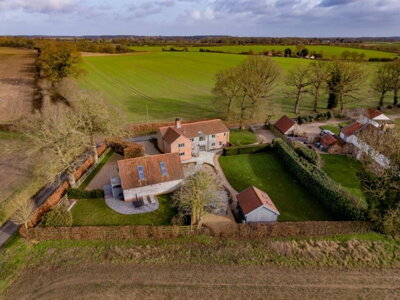
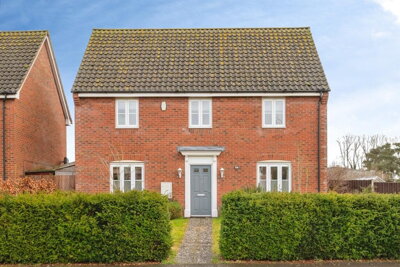
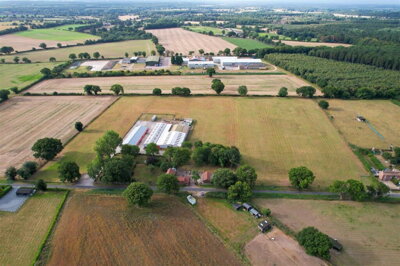
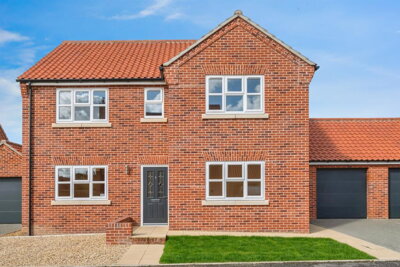
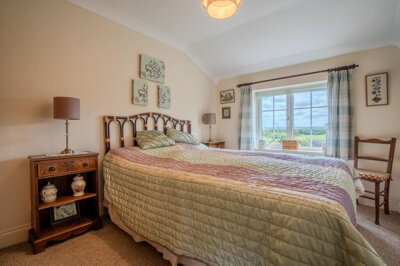
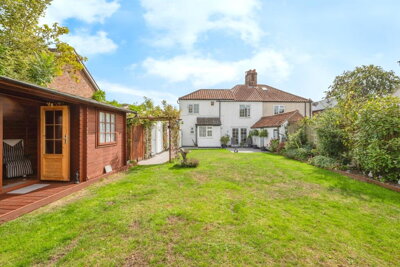
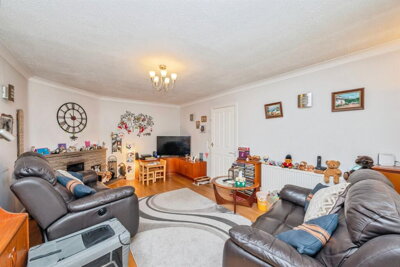
Browse 7 homes for sale in Cawston from local estate agents.
The larger property sector typically features multiple bathrooms, substantial reception space, and private gardens or off-street parking. Four bedroom houses in Cawston span detached, semi-detached, and occasionally terraced configurations, with styles ranging from period properties to modern executive homes.
£329,484
Average Property Price
24
Properties Sold (12 months)
£408,077
Detached Average
The Cawston property market presents attractive opportunities for buyers seeking character homes in a rural Norfolk setting. Current average prices by property type show detached houses commanding £408,077, reflecting the strong demand for spacious family homes with gardens. Semi-detached properties average £275,333, offering excellent value for those seeking a balance between space and affordability. Terraced homes in the village are priced around £206,667, while flats start from approximately £145,000, providing accessible entry points to this desirable community.
Market conditions have shown modest adjustment over the past twelve months, with overall prices declining by approximately 2.2 percent across all property types. This slight softening presents potential buyers with opportunities to secure properties at more accessible price points. Detached homes saw a 2.3 percent decrease, semi-detached properties dropped 2.5 percent, terraced homes fell 2.4 percent, and flats experienced the largest correction at 3.3 percent. Despite these adjustments, Cawston remains an attractive location for families and commuters alike, with strong fundamentals supporting long-term property values.
New build activity in Cawston includes the Cawston Gardens development by Orbit Homes, located off Aylsham Road near NR10 4BB. This development offers two, three, and four-bedroom homes priced from £280,000 to over £450,000, providing modern living options within the village. The addition of new homes to the local stock caters to demand from growing families and those looking to downsize within the community. Planning permission exists for further development land east of Gayford Road, ensuring the village will continue to attract investment and new residents.
The Broadland housing market shows a predominant mix of detached properties at approximately 45 percent, semi-detached at around 30 percent, terraced homes at roughly 15 percent, and flats at approximately 10 percent. Cawston's rural village nature means it likely has a higher proportion of detached and semi-detached properties compared to the broader district average. This housing mix provides options across different price points while maintaining the village character that makes Cawston appealing to buyers seeking rural Norfolk living.
Cawston embodies the quintessential Norfolk village character, with a population of approximately 1,500 to 1,600 residents distributed across 600 to 700 households. The village developed around its historic core, which remains protected as a Conservation Area established in 1979. Traditional building materials define the local architecture, including red brick, timber framing, flint work, and distinctive pantile or slate roofs. Many properties feature curved Dutch gables, adding to the distinctive visual character that makes Cawston so appealing to those seeking an authentic English village atmosphere.
The local economy supports daily life through various businesses and services within the village itself. Cawston Primary School serves families, while the village hall hosts community events and activities throughout the year. Essential amenities include a food shop, The Bell Inn pub offering refreshments and social connections, and Woodrow Service Station for fuel and convenience needs. Broadland Winery adds a touch of local enterprise and provides an attractive destination for visitors to the area. Station Yard and Chapel Street accommodate various businesses, demonstrating the village's ability to support local employment opportunities.
The surrounding Broadland landscape offers residents extensive countryside for recreation and relaxation. The village sits on geology featuring glacial till over chalk bedrock, with soils that are moderately fine and poorly drained. While the village itself faces low risk from river and coastal flooding, some low-lying areas near minor watercourses may experience surface water flooding during periods of heavy rainfall. The rural setting provides excellent walking routes, with footpaths crossing farmland and connecting to neighbouring villages including Brandiston and Swannington.
A significant proportion of Cawston's housing stock dates from before 1919, particularly within the village centre Conservation Area and surrounding older farmsteads. The village experienced rebuilding following a great fire in 1685, which may account for the apparent absence of exposed timber-framed buildings, though some may be concealed behind later render. Post-war development from 1945 to 1980 added to the housing mix, with continued new build activity ensuring the village remains attractive to buyers seeking modern amenities within a historic setting.

Education provision in Cawston centres on Cawston Primary School, which serves children from the village and surrounding rural communities. As the focal point of family life in the area, the school forms part of a village cluster with Brandiston and Swannington, creating an interconnected community network for parents and children alike. Primary education locally provides children with strong foundations before they transition to secondary schools in nearby market towns. Parents considering relocation will find the village's educational facilities adequate for young families establishing roots in the community.
Secondary education options are available in nearby towns, with bus services connecting Cawston to schools in the broader Broadland area. Families should research specific catchment areas and admissions criteria when considering properties, as school places can be competitive in popular villages. The presence of quality primary education makes Cawston an attractive option for families with children, supporting the village's appeal as a place to raise a family in rural Norfolk. Many parents value the combination of village primary schooling with access to secondary options in nearby towns.
Beyond school years, further and higher education opportunities are accessible in Norwich, approximately 12 miles from Cawston. The University of East Anglia and Norwich University of the Arts provide higher education options, while colleges offer vocational qualifications across various fields. This proximity to further education facilities adds to Cawston's suitability for families at all stages, from those with young children to those with teenagers approaching further study. The village provides a solid educational foundation while keeping future options open.

Transport connections from Cawston link village residents to employment centres and amenities across Norfolk and beyond. The village sits on the Aylsham Road, providing direct access to Aylmerton and connections to the broader road network. Norwich lies approximately 12 miles to the south, accessible via the A1067 and A140 corridors. This proximity makes Cawston attractive to commuters who work in the city but prefer rural living, balancing countryside lifestyle with urban employment opportunities.
Bus services operate between Cawston and surrounding villages and towns, providing public transport options for those without vehicles. Local bus routes connect to Aylmerton and other villages, while more frequent services operate to Norwich and nearby market towns. These connections support residents who work locally or prefer not to drive, while also enabling car-free days out for shopping and leisure activities. The availability of public transport options enhances Cawston's accessibility and makes the village suitable for various household circumstances.
Cycling is popular in the Norfolk countryside, with quiet country lanes providing scenic routes to nearby villages and towns. The flat terrain typical of Broadland makes cycling accessible for most fitness levels, encouraging active travel and recreation. For longer journeys, Norwich railway station offers connections to London, Cambridge, and Birmingham via the East Anglian rail network. Residents can enjoy the best of rural life while maintaining convenient access to national rail services for business and leisure travel.
Spend time exploring Cawston before committing to a purchase. Visit the village at different times of day, check local amenities, speak to residents, and understand the commute to your workplace. Our listings provide detailed information, but nothing replaces experiencing the area firsthand. Consider attending village events or visiting the local pub to get a genuine feel for the community atmosphere.
Before viewing properties, obtain a mortgage agreement in principle from a lender. This demonstrates your financial readiness to estate agents and sellers, strengthening your position when making offers. Our mortgage comparison tool helps you find competitive rates and suitable products for your situation. Having this in place shows sellers you are a serious buyer ready to proceed quickly.
Contact local estate agents to arrange viewings of properties matching your criteria. During viewings, assess the property's condition, note any potential issues, and envision living there. Our platform provides access to current listings in Cawston with details on prices, property types, and features. Take photos and notes during viewings to help compare properties later.
Once your offer is accepted, instruct a RICS Level 2 Survey to assess the property's condition thoroughly. In Cawston, where many properties are older or listed, surveys typically cost between £400 and £700 depending on property size and age. The survey identifies defects that may not be visible during viewings, providing negotiation leverage if significant issues are found. For Listed Buildings or properties in the Conservation Area, consider a more comprehensive RICS Level 3 Building Survey.
Appoint a conveyancing solicitor to handle the legal aspects of your purchase. They will conduct searches, review contracts, and coordinate with the seller's solicitor to ensure smooth transfer of ownership. Our conveyancing service connects you with experienced solicitors familiar with Norfolk properties. Searches will include local authority checks, drainage and water searches, and environmental searches relevant to local soil conditions.
Final preparations involve buildings insurance, confirming mortgage details, and coordinating moving logistics. On completion day, keys are transferred and you become the official owner of your new Cawston home. Ensure you have arranged utilities, internet, and any necessary renovations before moving day.
As of February 2026, the average house price in Cawston stands at £329,484. Detached properties average £408,077, semi-detached homes cost around £275,333, terraced properties are priced at approximately £206,667, and flats start from £145,000. Property prices have shown modest adjustment over the past year, declining approximately 2.2 percent overall, creating opportunities for buyers seeking better value in this desirable Norfolk village. The village has seen approximately 24 property sales in the past year, demonstrating consistent market activity despite the slight price softening.
Council tax bands in Cawston are set by Broadland District Council, part of the wider Norfolk local authority structure. Specific bands depend on property valuation and range from Band A through to Band H. Most residential properties in the village fall within Bands A through D, with larger detached homes and Listed Buildings potentially attracting higher valuations due to their size and historical significance. Prospective buyers should check individual property details for accurate council tax band information.
Cawston Primary School serves the village and surrounding communities, forming part of a village cluster with Brandiston and Swannington. The school provides primary education for local children and is a key facility for family residents. Secondary education options in nearby towns offer additional choices, with bus services connecting Cawston to various secondary schools across Broadland. Parents should research specific school admissions criteria and catchment areas relevant to their property choices.
Cawston has bus services connecting to surrounding villages and towns, including Aylmerton and routes to Norwich. The village sits on the Aylsham Road, providing road access to the broader Norfolk network. Norwich railway station, approximately 12 miles away, offers connections to London, Cambridge, and Birmingham via the East Anglian rail network. While a car provides the most convenient transport option, public transport adequately serves daily commuting and shopping needs for those without vehicles.
Cawston offers solid investment fundamentals for property buyers. The village combines rural charm with proximity to Norwich, attractive to both families and commuters. The presence of a new development at Cawston Gardens demonstrates continued investment in the area. Properties within the Conservation Area and Listed Buildings may offer long-term value due to their restricted supply and historical significance. The local amenities including school, shop, and pub support sustainable village living that maintains demand over time.
Stamp duty land tax rates from April 2025 apply zero percent duty on the first £250,000 of residential property purchases. The rate increases to five percent on the portion between £250,001 and £925,000, ten percent between £925,001 and £1.5 million, and twelve percent above £1.5 million. First-time buyers receive relief on the first £425,000, with five percent applying between £425,001 and £625,000. Given average Cawston prices of £329,484, most buyers would pay minimal or no stamp duty.
Cawston's housing stock includes many period properties built before modern construction standards, with a significant proportion likely to be over 50 years old. Standard mortgage valuations do not identify defects or report on condition, so a RICS survey provides essential information about the property you are buying. Our inspectors have extensive experience surveying traditional Norfolk properties and understand the specific construction methods used locally, including red brick, flint work, and traditional timber-framed structures. A survey identifies issues such as damp, roof condition, subsidence risk from local clay soils, timber defects, and outdated electrics, giving you information to negotiate on price or request repairs before completion.
Cawston generally has a low risk of flooding from rivers and the sea given its inland position in Broadland. However, the village has poorly drained soils and some low-lying areas near minor watercourses may experience surface water flooding during heavy rainfall. We recommend requesting a specific flood risk report through the Environment Agency checker for any property you are considering purchasing. Properties with basements or ground-floor accommodation in low-lying locations warrant particular attention. Buildings insurance may also cost more for properties with identified flood risk.
From 4.5% APR
Compare mortgage deals from leading lenders
From £499
Expert solicitors handling your property purchase
From £400
Comprehensive condition report for standard properties
From £600
Detailed building survey for older and complex properties
Property buyers in Cawston should pay particular attention to flood risk assessments, as the local soil conditions create potential for surface water flooding in low-lying areas. While river and coastal flooding presents minimal risk given the village's inland position, heavy rainfall can affect properties near minor watercourses and areas with poor drainage. The poorly drained soils in Cawston mean subsurface water can be evident for extended periods, particularly in winter months. Requesting a specific flood risk report through the Environment Agency checker provides essential information for any property purchase, allowing you to understand and mitigate potential risks.
The significant number of Listed Buildings and Conservation Area properties in Cawston requires careful consideration during the purchase process. Properties such as St Agnes' Church, Cawston Manor, and various historic cottages on Chapel Street and High Street are protected structures requiring specialist surveys and potentially restrictive renovation permissions. If purchasing a Listed Building or property within the Conservation Area, factor in the additional costs and considerations associated with maintaining historically significant structures. A RICS Level 3 Building Survey may be more appropriate than a standard Level 2 for these unique properties.
Building materials common in Cawston properties, including traditional brick, flint, and timber framing, require understanding when assessing property condition. The presence of clay soils in the area means foundations must be carefully evaluated, particularly for older properties that may not have been built to modern standards. Watch for signs of subsidence or ground movement, including cracking, door alignment issues, or previous repair work to foundations. Properties with mature trees nearby warrant additional scrutiny due to potential root interference with foundations in clay soils.
Common defects found in Cawston's older housing stock include damp issues, particularly rising damp in solid-walled properties without adequate damp-proof courses, and deterioration of traditional pantile or slate roofs including slipped tiles and failing leadwork. Timber defects such as woodworm and wet or dry rot can affect floor joists, roof structures, and window frames, especially in properties with concealed timber frames dating from before the 1685 fire. Outdated electrical and plumbing systems are common in period properties that have not been fully modernised, and many older homes may lack modern insulation standards, leading to higher heating costs and potential condensation issues.
Understanding the total costs of purchasing property in Cawston helps buyers budget accurately and avoid surprises during the transaction process. Beyond the property price, buyers must account for stamp duty land tax, solicitor fees, survey costs, and moving expenses. For a typical Cawston property priced around the village average of £329,484, standard stamp duty for non-first-time buyers amounts to £3,974 after the zero-rate threshold of £250,000. First-time buyers benefit from relief on the first £425,000, meaning properties at this price point may incur no stamp duty whatsoever.
Survey costs in Cawston vary depending on property type and complexity. RICS Level 2 surveys typically range from £400 to £700 for properties in this area, with larger detached homes and older properties commanding higher fees due to increased inspection requirements. Listed Buildings and properties within the Conservation Area may warrant a more comprehensive RICS Level 3 Building Survey, which provides detailed assessment of construction and condition but costs more due to the specialist knowledge required. These additional costs reflect the unique characteristics of Cawston's historic housing stock.
Solicitor fees for conveyancing in the Norfolk area generally range from £500 to £1,500 depending on complexity and property value. Search fees conducted by solicitors typically include local authority searches, drainage and water searches, and environmental searches relevant to local soil conditions. Mortgage arrangement fees vary by lender and product, ranging from zero percent to around one percent of the loan amount. Budgeting for removals, buildings insurance from completion day, and potential immediate repairs or renovations ensures a smooth transition to your new Cawston home.
Cawston's housing stock includes many period properties built before modern construction standards. A RICS survey identifies defects such as damp, roof issues, subsidence risk from local clay soils, timber defects, and outdated electrics. Our inspectors have extensive experience surveying traditional Norfolk properties and understand the specific construction methods used locally.
Properties for Sale In London

Properties for Sale In Plymouth

Properties for Sale In Liverpool

Properties for Sale In Glasgow

Properties for Sale In Sheffield

Properties for Sale In Edinburgh

Properties for Sale In Coventry

Properties for Sale In Bradford

Properties for Sale In Manchester

Properties for Sale In Birmingham

Properties for Sale In Bristol

Properties for Sale In Oxford

Properties for Sale In Leicester

Properties for Sale In Newcastle

Properties for Sale In Leeds

Properties for Sale In Southampton

Properties for Sale In Cardiff

Properties for Sale In Nottingham

Properties for Sale In Norwich

Properties for Sale In Brighton

Properties for Sale In Derby

Properties for Sale In Portsmouth

Properties for Sale In Northampton

Properties for Sale In Milton Keynes

Properties for Sale In Bournemouth

Properties for Sale In Bolton

Properties for Sale In Swansea

Properties for Sale In Swindon

Properties for Sale In Peterborough

Properties for Sale In Wolverhampton

Enter your details to see if this property is within your budget.
Loans, cards, car finance
Estimated property budget
Borrowing + deposit
You could borrow between
Typical borrowing
Monthly repayment
Est. at 4.5%
Loan-to-value
This is an estimate only. Your actual budget may vary depending on interest rates, credit history, and personal circumstances. For an accurate affordability assessment, speak to one of our free mortgage advisors.
This calculator provides estimates for illustrative purposes only and does not constitute financial advice. Your home may be repossessed if you do not keep up repayments on your mortgage. Estimates based on 4.5% interest rate, repayment mortgage. Actual rates depend on your circumstances.
Homemove is a trading name of HM Haus Group Ltd (Company No. 13873779, registered in England & Wales). Homemove Mortgages Ltd (Company No. 15947693) is an Appointed Representative of TMG Direct Limited, trading as TMG Mortgage Network, which is authorised and regulated by the Financial Conduct Authority (FRN 786245). Homemove Mortgages Ltd is entered on the FCA Register as an Appointed Representative (FRN 1022429). You can check registrations at NewRegister or by calling 0800 111 6768.

We use cookies to show you personalised content and improve your experience of our website. Find out more in our Privacy policy and Cookie policy.