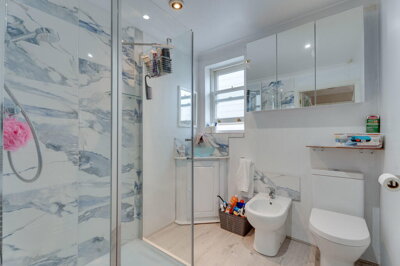
Browse 1 home for sale in Cavendish, West Suffolk from local estate agents.
The 2 bed flat sector typically includes two separate bedrooms, dedicated living areas, and bathroom facilities. Properties in Cavendish span purpose-built blocks, converted period houses, and modern apartment complexes on various floors.
£0k
0
0
0
Source: home.co.uk
Showing 0 results for 2 Bedroom Flats for sale in Cavendish, West Suffolk.
The property market around Lew reflects the broader trends in West Oxfordshire, where demand for character homes in rural settings remains consistently strong. Our data shows approximately 300 property sales in the past 12 months across the OX18 postcode district, with prices showing a modest decline of around 2% over the year. This slight softening presents opportunities for buyers looking to secure property in this desirable area without the premium prices seen during the peak market activity of recent years. Detached properties have seen the most significant price adjustment, dropping 3% over the year, while terraced homes have remained stable at 0% change, suggesting strong underlying demand for more affordable property types.
For buyers specifically interested in Lew village itself, the housing stock is predominantly traditional with a significant proportion of 17th and 18th-century farmhouses, restored historic homes, and charming period cottages built from local limestone rubble. New-build developments are concentrated in nearby towns such as Witney and Carterton rather than within the village boundary itself, meaning that purchasing in Lew typically means acquiring a property with genuine heritage and character. Semi-detached homes in the wider area average around £385,000, while flats start from approximately £215,000, offering entry points for first-time buyers or investors looking at the broader OX18 market.
The limited supply of properties in Lew village itself creates a competitive market for available homes. Our agents report that well-presented period properties in the village attract multiple viewings and occasionally exceed asking price when marketed correctly. Buyers should be prepared to act decisively when a suitable property becomes available, particularly for the rare opportunity to purchase a detached period home with land or outbuildings. The village's proximity to Witney and excellent road connections to Oxford make it particularly attractive to commuters seeking a rural lifestyle without sacrificing accessibility to employment centres.

Properties in Lew showcase the traditional building methods that have shaped West Oxfordshire's architectural heritage for centuries. The predominant construction material is local limestone rubble, sourced from the Jurassic limestone formations that underlie much of the region. This stone, ranging from pale grey to warm honey tones, gives many village buildings their distinctive appearance and excellent thermal mass properties. The skill of local craftsmen in shaping and laying this stone created structures that have stood for hundreds of years, though they require understanding of traditional maintenance techniques.
Traditional lime mortars rather than modern cement were used throughout historic construction in the area. These lime-based products allow the structure to breathe, which is essential for managing moisture in solid wall constructions that lack cavity insulation. Properties built with original lime mortars may show signs of erosion or crumbling in exposed positions, particularly where pointing has been replaced with cement mixes that trap moisture. Understanding these construction characteristics helps buyers appreciate why specialist conservation approaches are often necessary for maintaining Lew's historic buildings.
Timber-framed structures are another common feature in older properties around the village, with some buildings combining stone walls with exposed timber frames or hidden structural timbers. These elements require inspection for signs of woodworm, wet rot, or dry rot, which can compromise structural integrity if left unaddressed. The oak timbers used in traditional construction were often sourced locally and have proven remarkably durable when kept dry, but any signs of water ingress or damp conditions warrant careful investigation before purchase.
Many homes in Lew also feature historic roof structures using traditional methodologies, including hand-made clay tiles or stone slates fixed to timber battens. These roofing materials have proved long-lasting when properly maintained, but age and exposure to West Oxfordshire weather mean that cracked or slipped tiles, deteriorated pointing, and degradation of fixings are issues commonly encountered in older properties. Our surveyors routinely identify roof-related defects when inspecting period homes in the village, making thorough examination essential before committing to purchase.
Life in Lew offers a lifestyle that many aspire to but few truly experience. This small West Oxfordshire village is defined by its rural character, where undulating farmland, historic stone buildings, and mature hedgerows create an landscape that has remained largely unchanged for centuries. The village name itself derives from Old English, with the settlement's origins traceable to at least 984 AD, giving residents a tangible connection to nearly a millennium of English history. The population of just 71 people means that neighbours become friends, and the sense of community runs deep through village events, church activities, and the shared appreciation for this special corner of Oxfordshire.
The local economy historically centred on agriculture, with farming remaining an important feature of the surrounding landscape despite the village's tiny population of approximately 31 households. Residents benefit from proximity to Witney, a thriving market town that provides excellent shopping, dining, and recreational facilities within a short drive. The West Oxfordshire district offers a high quality of life, with access to scenic walking routes, traditional pubs serving local produce, and community facilities that bring people together throughout the year.
Holy Trinity Church, built in 1841 in a 13th-century architectural style, serves as the spiritual and architectural centrepiece of the village. Lew House, with its 17th-century origins, stands as another testament to the village's long history of substantial country residences. The presence of several listed buildings throughout the parish indicates the area's historical significance and the care taken to preserve its heritage character. Properties in Lew often feature traditional construction using local limestone rubble, with solid walls and traditional lime mortars that require specialist maintenance but contribute to the buildings' authenticity and thermal mass.
The surrounding countryside offers excellent opportunities for outdoor activities, with public footpaths crossing farmland and woodland throughout the parish. The River Windrush, flowing through nearby villages, provides additional recreational options for walkers and nature enthusiasts. Seasonal events including harvest festivals, village fetes, and church services bring the community together throughout the year, creating opportunities for new residents to integrate quickly into village life. The relative seclusion of Lew while remaining within easy reach of Witney and Oxford makes it particularly attractive to those seeking a balanced lifestyle.

Families considering a move to Lew will find a selection of educational options within reasonable driving distance across West Oxfordshire. The village's small population means there are no schools within Lew itself, but the surrounding area offers a variety of primary and secondary schools serving the local community. Parents should research specific catchment areas and admission policies, as school places in popular villages can be competitive. The proximity to Witney provides access to primary schools that have built strong reputations for academic achievement and pastoral care.
Primary education in nearby Witney includes several well-regarded schools, with St Mary's Church of England Primary School and Hailey Church of England Primary School serving families in the surrounding villages. These schools have established histories of providing solid foundational education within a supportive environment. For families in the broader OX18 area, other primary options include schools in Carterton and surrounding villages, each with their own admission catchment zones that prospective buyers should verify before committing to a purchase.
Secondary education in the area is well-served by schools in Witney and the surrounding towns, with The Henry Box School and King Edward VII Secondary School, both located in Witney, providing options for students aged 11-16. These institutions offer a range of GCSE subjects and have track records of student achievement. For families seeking private education, Oxfordshire hosts an impressive array of independent schools at primary and secondary levels, accessible through the road network connecting Lew to the county's major towns. Sixth form provision is available at secondary schools in nearby towns, with further education colleges in Oxford providing extensive vocational and academic courses for older students.
Given the age of properties in Lew, with many buildings dating back to the 17th and 18th centuries, parents may find that some homes are located in conservation areas or near listed buildings where planning restrictions apply. These designations do not typically affect school admissions but should be considered when evaluating the practicality of family living in specific properties. Transport arrangements for schoolchildren often involve driving to nearby towns or using school bus services where available, so factoring in daily travel time is advisable when assessing suitability of the village for family life.
Despite its rural setting, Lew benefits from excellent connectivity to the wider Oxfordshire road network, making commuting to major employment centres entirely feasible. The village sits just 2.5 miles from Witney, which provides access to the A40 trunk road connecting Oxford to Cheltenham and the M40 motorway beyond. Oxford city centre is reachable within approximately 30 minutes by car, while the M40 provides direct access to Bicester, Milton Keynes, and London to the east. This accessibility has made West Oxfordshire increasingly popular with commuters who wish to enjoy countryside living without sacrificing career opportunities.
The A40 serves as the main artery for commuters travelling east towards Oxford and west towards Cheltenham, with regular bus services operating along this route from Witney. For professionals working in Oxford's growing technology and academic sectors, the commute from Lew provides a viable daily option without the expense of city centre parking. Those working in London can reach the M25 and central London via the M40, with journey times of approximately 90 minutes outside peak hours.
Public transport options are more limited due to Lew's small size, with bus services connecting the village to Witney and surrounding towns on less frequent schedules than urban routes. The S4 and 11 bus services link Witney with Oxford, but timings may not suit those with conventional working hours. The nearest railway stations are in Oxford and Charlbury, providing access to the national rail network with services to London Paddington, Birmingham, and the south coast. Commuters working in Oxford itself may find cycling a viable option for at least part of their journey, with the relatively flat terrain of West Oxfordshire being generally suitable for cyclists of moderate ability.
For residents working from home, which has become increasingly common, Lew offers the peace and space that professionals need alongside reliable broadband connections. The village's position away from major roads means that traffic noise is minimal, contributing to the quality of life that makes rural West Oxfordshire so desirable. Parking at properties in the village is typically straightforward, with homes featuring driveways or garage spaces that would be considerably more expensive in urban areas. Fast broadband is available at most properties, supporting home working without the connectivity issues sometimes experienced in more remote rural locations.
Spend time exploring Lew and the surrounding West Oxfordshire villages to understand the local property market, compare prices across different property types, and get a feel for what life is like in this small community. Visit at different times of day and week, speak to existing residents, and check local amenities in nearby Witney. Understanding the village's character, including its conservation heritage and listed buildings, helps buyers make informed decisions about whether the lifestyle suits their needs.
Before viewing properties, obtain a mortgage agreement in principle from a lender. This demonstrates your financial credibility to estate agents and sellers, and helps you understand your true budget. Given the OX18 area's average property prices of around £424,400, most buyers will need substantial deposits and competitive mortgage terms. Contacting a local mortgage broker familiar with West Oxfordshire properties can help navigate the lending criteria for period properties.
Work with local estate agents to arrange viewings of properties that match your criteria. Given the limited number of homes available in the village itself, be prepared to act quickly on suitable properties and consider the wider OX18 area if your ideal home is not immediately available. Our agents can arrange viewings at your convenience and provide insight into each property's history, previous owners, and any renovations undertaken.
Given that many properties in Lew are old constructions dating from the 17th and 18th centuries, a RICS Level 2 Survey is strongly recommended. This will identify any structural issues, damp problems, or defects common in historic properties, including those related to the clay geology and traditional construction methods used in the area. Our surveyors have extensive experience inspecting period properties and understand the specific issues affecting West Oxfordshire homes.
Once your offer is accepted, instruct a conveyancing solicitor to handle the legal aspects of your purchase. They will conduct searches, check title deeds, and manage the exchange of contracts. For properties in conservation areas or listed buildings, additional considerations may apply, including restrictions on alterations and requirements for specialist surveys. Our recommended solicitors have experience handling historic properties in the village.
Your solicitor will coordinate the final steps, including building insurance, property searches, and the transfer of funds. Completion typically occurs 2-4 weeks after exchange, after which you will receive the keys to your new home in Lew. Our team can recommend local removal firms and tradespeople to help with your move and any renovation projects you may have planned.
Properties in Lew present unique considerations for buyers due to their age and construction methods. The majority of homes in the village date from the 17th and 18th centuries, built using traditional techniques that include solid stone walls, lime mortars, and timber-framed structures. These buildings offer tremendous character but require understanding of their maintenance needs. Prospective buyers should pay particular attention to signs of damp, which can affect older properties without modern damp-proof courses, and roof conditions where aging tiles or pointing may need attention.
The underlying geology of West Oxfordshire, characterised by Jurassic limestones and clays, creates a moderate to high shrink-swell risk for properties with shallow foundations. This clay-related movement can manifest as cracking in walls or doors and windows becoming difficult to open and close. A thorough building survey will identify any existing movement and assess the property's vulnerability to these issues. Given that there is no mining activity in the area, this represents the primary ground-related concern for property buyers in Lew.
Several properties in Lew may be listed buildings or located within a conservation area, which imposes restrictions on alterations, extensions, and exterior changes. The Holy Trinity Church is Grade II listed, and Lew House also carries listed status, setting the tone for the heritage-sensitive approach taken to development in the village. Buyers should factor in the additional costs and time required for any planned works that might need Listed Building Consent or planning permission from West Oxfordshire District Council. Standard building surveys may recommend further specialist investigation for listed properties, potentially necessitating a RICS Level 3 Building Survey instead of a Level 2.
Electrical and plumbing systems in period properties often require updating to meet current standards. Rewiring may be necessary if the property still has original cloth-covered cabling or a fuse box that predates modern safety regulations. Similarly, plumbing may use galvanised steel or lead pipes that should be replaced during renovation. Our surveyors check these systems thoroughly and report on their condition, giving buyers a clear picture of work needed before moving in. Budget estimates for full rewiring typically range from £5,000 to £15,000 depending on property size and complexity.
Specific property price data for the village of Lew itself is limited due to its small size, but the wider OX18 postcode district shows an average house price of approximately £424,400. Detached properties average around £620,000, semi-detached homes around £385,000, and terraced properties starting from £310,000. The village's historic character and rural setting typically command a premium over more modern developments in surrounding towns. Recent market data shows prices in the OX18 area have softened slightly by around 2% over the past year, creating opportunities for buyers in this desirable West Oxfordshire location.
Properties in Lew fall under West Oxfordshire District Council for council tax purposes. Specific bandings depend on the property's assessed value, but most period homes in the village, given their character and often substantial size, are likely to fall into bands D through G. The average band for period detached properties in the village would typically be higher than for modern houses due to their assessed value and size. Prospective buyers should check the specific property with the Valuation Office Agency to confirm the exact banding before purchase, as this forms part of the ongoing costs of ownership.
There are no schools within Lew village itself due to its small population of just 71 residents. The surrounding West Oxfordshire area offers excellent educational options, with primary schools in nearby Witney including St Mary's Church of England Primary and Hailey Church of England Primary serving the local community. Secondary education is available at schools in Witney such as The Henry Box School and King Edward VII Secondary School, all accessible within a short drive of the village. Families should verify catchment areas with West Oxfordshire District Council, as admission policies can affect placement for children living in smaller villages like Lew.
Public transport options in Lew are limited due to the village's small size, with bus services connecting to Witney on less frequent schedules than urban routes. The S4 service operates between Witney and Oxford, though frequencies may not suit daily commuters. The nearest railway stations are in Oxford and Charlbury, providing access to national rail services with connections to London Paddington, Birmingham, and the south coast. Most residents rely on car travel for daily commuting, with Oxford accessible within 30 minutes via the A40 and the M40 providing connections to London and Birmingham.
Lew offers several attractive features for property investment, including its historical character, proximity to the desirable West Oxfordshire area, and limited supply of village properties. The village's heritage, including listed buildings and potential conservation area status, suggests that property values are likely to remain stable. Rental demand may be moderate given the small local workforce, but the area appeals to those seeking a countryside lifestyle within commuting distance of Oxford. Investors purchasing period properties should budget for the higher maintenance costs associated with historic construction methods and specialist tradespeople.
For standard purchases, stamp duty applies at 0% on the first £250,000, 5% on £250,001 to £925,000, and 10% on £925,001 to £1.5 million. First-time buyers benefit from relief on the first £425,000, with 5% charged between £425,001 and £625,000. Given the village's average property prices around £424,400, most buyers will pay stamp duty on the portion above £250,000, which would amount to approximately £8,720 on an average-priced property. This should be factored into your budget alongside legal fees, surveys, and moving costs.
When purchasing property in Lew, understanding the full cost of your purchase is essential for budgeting effectively. The current stamp duty land tax thresholds for 2024-25 apply 0% duty on the first £250,000 of residential property purchases, with 5% charged on the portion between £250,001 and £925,000. For properties above £925,000, the rate increases to 10% on the next portion and 12% on any value exceeding £1.5 million. Given that the average property price in the OX18 area is around £424,400, most buyers will pay stamp duty on the portion above £250,000, which would amount to approximately £8,720.
First-time buyers enjoy enhanced relief, with no stamp duty payable on the first £425,000 and 5% charged on the portion between £425,001 and £625,000. This means a first-time buyer purchasing an average priced property in the area would pay approximately £4,220 in stamp duty. However, no relief is available for purchases exceeding £625,000, so those buying higher-value period homes or historic farmhouses in Lew should budget for the full standard rates. These thresholds are subject to change by the government, so checking current rates at the time of purchase is advisable.
Beyond stamp duty, buyers should budget for a RICS Level 2 Survey costing between £400 and £900 depending on property size and complexity. Given the age of properties in Lew and the prevalence of historic construction, a thorough survey is particularly valuable and may identify issues requiring negotiation with the seller or budget allocation for repairs. Legal fees for conveyancing typically start from around £499 for standard transactions but may increase for leasehold properties or those with complex title issues. Removal costs, survey fees, and potential renovation costs for period properties should also be factored into your overall budget when calculating what you can afford to spend on your new home in Lew.
Additional costs to consider when purchasing in Lew include building insurance, which should be in place from exchange of contracts, and local authority searches through West Oxfordshire District Council. These searches typically cost between £200 and £300 and cover matters such as planning history, highways, and environmental issues relevant to the property. For listed buildings or properties in conservation areas, additional specialist surveys may be recommended, adding to the overall cost but providing essential information about the property's condition and any restrictions affecting future alterations or improvements.
From 4.5%
Find competitive mortgage rates for your Lew property purchase
From £499
Expert legal services for your property purchase
From £400
Thorough inspection of period properties and historic homes
From £600
Comprehensive survey for older or complex properties
Properties for Sale In London

Properties for Sale In Plymouth

Properties for Sale In Liverpool

Properties for Sale In Glasgow

Properties for Sale In Sheffield

Properties for Sale In Edinburgh

Properties for Sale In Coventry

Properties for Sale In Bradford

Properties for Sale In Manchester

Properties for Sale In Birmingham

Properties for Sale In Bristol

Properties for Sale In Oxford

Properties for Sale In Leicester

Properties for Sale In Newcastle

Properties for Sale In Leeds

Properties for Sale In Southampton

Properties for Sale In Cardiff

Properties for Sale In Nottingham

Properties for Sale In Norwich

Properties for Sale In Brighton

Properties for Sale In Derby

Properties for Sale In Portsmouth

Properties for Sale In Northampton

Properties for Sale In Milton Keynes

Properties for Sale In Bournemouth

Properties for Sale In Bolton

Properties for Sale In Swansea

Properties for Sale In Swindon

Properties for Sale In Peterborough

Properties for Sale In Wolverhampton

Enter your details to see if this property is within your budget.
Loans, cards, car finance
Estimated property budget
Borrowing + deposit
You could borrow between
Typical borrowing
Monthly repayment
Est. at 4.5%
Loan-to-value
This is an estimate only. Your actual budget may vary depending on interest rates, credit history, and personal circumstances. For an accurate affordability assessment, speak to one of our free mortgage advisors.
This calculator provides estimates for illustrative purposes only and does not constitute financial advice. Your home may be repossessed if you do not keep up repayments on your mortgage. Estimates based on 4.5% interest rate, repayment mortgage. Actual rates depend on your circumstances.
Homemove is a trading name of HM Haus Group Ltd (Company No. 13873779, registered in England & Wales). Homemove Mortgages Ltd (Company No. 15947693) is an Appointed Representative of TMG Direct Limited, trading as TMG Mortgage Network, which is authorised and regulated by the Financial Conduct Authority (FRN 786245). Homemove Mortgages Ltd is entered on the FCA Register as an Appointed Representative (FRN 1022429). You can check registrations at NewRegister or by calling 0800 111 6768.

We use cookies to show you personalised content and improve your experience of our website. Find out more in our Privacy policy and Cookie policy.