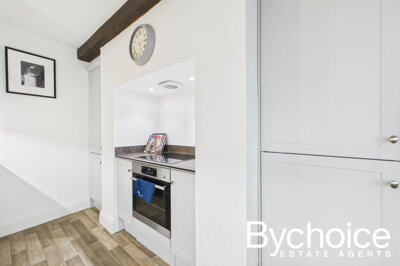
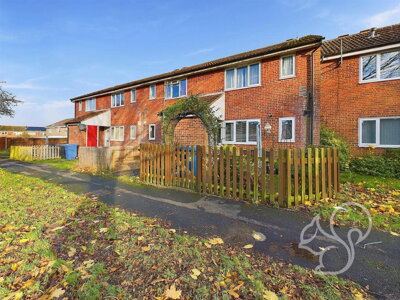
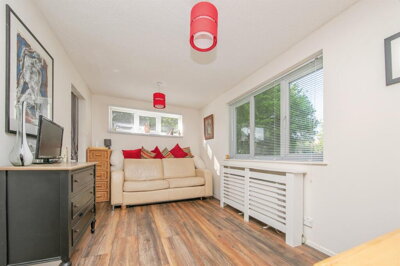
Browse 3 homes for sale in Cavendish, West Suffolk from local estate agents.
One bed apartments provide a separate bedroom alongside distinct living space, bathroom, and kitchen areas. Properties in Cavendish are available in various building types including mansion blocks, contemporary developments, and house conversions.
£0k
0
0
0
Source: home.co.uk
Showing 0 results for 1 Bedroom Flats for sale in Cavendish, West Suffolk.
The property market in Lew and the wider OX18 postcode district reflects the enduring appeal of West Oxfordshire village life. Our current listings feature properties ranging from traditional stone cottages to substantial detached homes, with price points to suit various budgets and preferences. The OX18 district, which encompasses Lew along with nearby towns including parts of Witney and Carterton, recorded an overall average house price of £424,400 over the past twelve months, demonstrating consistent demand for property in this attractive corner of rural England.
Breaking down by property type, detached homes in the OX18 area command an average of £620,000, reflecting the premium placed on space, privacy, and the character features these properties often possess. Semi-detached properties average around £385,000, making them accessible for families seeking village life without the higher price tags of detached alternatives. Terraced properties average £310,000, while flats in the district average £215,000, offering more affordable entry points into this desirable postcode. Price trends over the past year show modest declines of 1-3% across most property types, suggesting a stable market where buyers may find opportunities to negotiate favourable terms.
Given the rural nature of Lew itself and the limited new build activity in the immediate village area, most properties available in the parish will be older period homes requiring varying degrees of modernisation. Properties dating from the 17th and 18th centuries are not uncommon, offering buyers the chance to acquire homes with significant historical character, original features such as exposed stone walls, beams, and fireplaces, and the solid construction associated with traditional building methods. The absence of large-scale new developments means that properties coming to market in Lew are often cherished family homes that rarely change hands, making the village an exclusive market for discerning buyers.

Life in Lew revolves around the rhythms of the surrounding countryside, with the village offering an authentic taste of rural Oxfordshire that has endured for over a millennium. The civil parish, which had a population of 71 according to the most recent census, represents the very essence of the English village, where neighbours know one another and community spirit remains strong. With approximately 31 households recorded in the 2011 census, Lew maintains an intimate scale that feels a world away from the bustle of nearby towns, yet the village is far from isolated thanks to excellent transport connections.
The character of Lew is defined by its agricultural heritage, with the local economy historically centered on farming and the landscape shaped by centuries of pastoral activity. The presence of Holy Trinity Church, built in 1841 in a 13th-century Gothic style, anchors the village centre, while Lew House and numerous other historic properties contribute to an atmosphere of timelessness. The surrounding West Oxfordshire countryside offers rolling farmland, ancient hedgerows, and scenic footpaths that invite exploration, making the area particularly appealing to walkers, nature enthusiasts, and anyone who values access to beautiful landscapes on their doorstep.
Residents of Lew benefit from proximity to larger centres of population while enjoying the peace and quiet of village life. The nearby market town of Witney, located just 2.5 miles to the northeast, provides comprehensive shopping facilities, supermarkets, healthcare services, and recreational amenities. Oxford, one of Britain's most renowned university cities, lies within commuting distance, enabling residents to access employment, cultural attractions, and educational opportunities while returning to the tranquility of their village home each evening. This balance of rural charm and urban accessibility makes Lew particularly attractive to buyers seeking the best of both worlds.
Families considering a move to Lew will find a range of educational options available within the local area, from excellent primary schools in nearby villages to well-regarded secondary schools in Witney and the surrounding West Oxfordshire towns. The village's small size means there are no schools within Lew itself, but the excellent transport connections ensure that children can reach a variety of educational settings within a reasonable commute. Parents should research individual school catchment areas and admissions criteria, as these can vary and change over time, particularly in popular rural areas where school places are in high demand.
Primary education in the vicinity is served by schools in surrounding villages and in Witney, with several settings rated Good or Outstanding by Ofsted. These smaller village primary schools often benefit from close community ties, dedicated teaching staff, and the advantage of smaller class sizes that allow for more individualised attention. For secondary education, students typically travel to schools in Witney or Carterton, with comprehensive schools and academies offering a full range of GCSE and A-Level subjects. West Oxfordshire has several well-regarded secondary schools that consistently achieve strong academic results and offer diverse extracurricular programmes.
For families considering higher education or university options, the proximity of Oxford to Lew is a significant advantage. The University of Oxford, one of the world's leading institutions, is reachable by car or public transport, as are other universities in the region including Oxford Brookes University. Sixth form colleges and further education establishments in Oxford and Witney provide additional pathways for older students, ensuring that families choosing Lew for their home are not limiting their children's educational prospects but rather opening doors to some of the finest academic opportunities in the country.
Lew benefits from a strategic position that balances rural tranquility with excellent connectivity to the wider region. The village sits approximately 2.5 miles southwest of Witney, providing easy access to the town's comprehensive amenities including supermarkets, high street shops, restaurants, and leisure facilities. For those working in Oxford, the city is reachable by car via the A40, with typical journey times of around 30-40 minutes depending on traffic conditions. Public transport options include bus services connecting Lew with Witney and surrounding villages, while the mainline railway station at Oxford provides direct services to London, Birmingham, and other major destinations.
The A40 trunk road, which passes through nearby Witney, forms a crucial artery for commuters and residents alike, linking West Oxfordshire with the wider road network and providing access to the M40 motorway at Oxford. This connection opens up employment opportunities in Reading, Bicester, and beyond for those prepared to commute. For air travel, Birmingham Airport and London Heathrow are both accessible by road within approximately 90 minutes, while London Oxford Airport offers private aviation facilities closer to home.
Cyclists and walkers will appreciate the network of public footpaths and quiet country lanes that radiate from Lew into the surrounding countryside, offering safe routes for recreational travel and commuting to nearby villages. The topography of West Oxfordshire, while gently rolling, is generally suitable for cycling, and e-bikes have made electric-assisted travel increasingly practical for longer distances. For those working from home, the expansion of broadband services in rural Oxfordshire means that many residents can combine the benefits of village living with productive remote working arrangements.
Purchasing a property in Lew requires careful attention to the specific characteristics of the local housing stock and the West Oxfordshire environment. The majority of homes in the village are period properties constructed from local limestone rubble, often featuring traditional solid wall construction, lime mortars, and timber-framed structures. These materials contribute to the character and charm that makes village properties so desirable, but they also require understanding and ongoing maintenance. Buyers should familiarise themselves with the maintenance requirements of traditional building methods, as modern repair techniques and materials may not always be appropriate for historic structures.
The underlying geology of West Oxfordshire, characterised by Jurassic limestones and clays, presents particular considerations for property buyers. Clay soils are susceptible to shrink-swell behaviour in response to moisture changes, which can cause ground movement and potentially lead to subsidence or heave issues. Properties with shallow foundations, common in older buildings, may be more vulnerable to these effects. A thorough survey will assess the property for signs of movement, cracking, or other structural concerns that may relate to ground conditions. Given this risk, buyers should also check whether properties have any history of underpinning or structural repair.
Our inspectors frequently encounter damp issues in properties of this age, particularly rising damp where original damp-proof courses have failed or were never installed. Roof conditions also warrant careful attention, as older properties may have slipped tiles, deteriorated pointing, or aging timbers that require maintenance. Properties with original electrical wiring and plumbing systems may need updating to meet current standards, and timber defects such as woodworm or rot in structural elements can occur in stone-built homes if maintenance has been neglected. We always recommend a detailed RICS Level 2 Survey before proceeding with any purchase in Lew, given the prevalence of these older construction methods.
Flood risk in Lew is generally low in terms of river flooding, as the village is not identified as a high-risk area from rivers or coastal sources. However, localised surface water flooding can occur during periods of heavy rainfall, as with many rural areas. Prospective buyers should review Environment Agency flood maps and discuss any specific concerns with the vendor or their surveyor. Properties in the village may be affected by conservation area considerations or planning restrictions designed to preserve the historic character of Lew, so prospective buyers should clarify any constraints with the local planning authority before proceeding. Several properties in Lew, including the Grade II listed Holy Trinity Church and Lew House with its 17th-century origins, are protected buildings that may require specialist consideration during any renovation or extension work.
Understanding the full costs of purchasing a property in Lew is essential for budgeting effectively and avoiding surprises during the transaction. Beyond the purchase price itself, buyers should factor in Stamp Duty Land Tax, solicitor fees, survey costs, and various other expenses that together can add several thousand pounds to the total investment. For a typical property in the West Oxfordshire area, these additional costs might range from £3,000 to £8,000 or more depending on the property value and individual circumstances.
Stamp Duty Land Tax rates for residential purchases in 2024-25 apply at 0% on the first £250,000, rising to 5% on the portion between £250,001 and £925,000. For a property priced at the OX18 area average of £424,400, a standard buyer would pay stamp duty of £8,720, calculated as 5% of £174,400 (the amount above £250,000). First-time buyers benefiting from the increased thresholds would pay 0% on the first £425,000, meaning no stamp duty would be due on an average-priced property. The relief available to first-time buyers is restricted on purchases above £625,000, so higher-value properties would attract some stamp duty liability.
Survey costs are particularly important for properties in Lew, where the age and character of the housing stock means that professional assessments are strongly advisable. A RICS Level 2 Survey typically costs between £400 and £900 depending on the property size and value, with larger or more complex period properties attracting higher fees. For older properties or listed buildings, a RICS Level 3 Building Survey may be more appropriate and would cost more but provide greater detail on structural issues, condition, and renovation considerations. Solicitor fees for conveyancing typically range from £500 to £2,000 or more, with additional costs for local authority searches, land registry fees, and disbursements.

Before committing to a property in Lew, spend time exploring the village and surrounding area at different times of day and week. Visit local amenities in Witney, walk the footpaths, and speak with existing residents to understand what daily life is really like. Given the limited property stock in the village, being prepared and knowing exactly what you are looking for will help you act quickly when the right property becomes available.
Arranging a mortgage agreement in principle before you start viewing properties demonstrates to sellers that you are a serious, qualified buyer. With detached properties in the OX18 area averaging £620,000, most buyers will require substantial mortgage finance. Speak with lenders and brokers to understand your borrowing capacity, compare rates, and obtain a decision in principle that you can present alongside any offer you make.
Use Homemove to browse current listings in Lew and arrange viewings through the listed estate agents. Given the village's intimate scale and the character of its properties, each viewing is an opportunity to assess not just the property itself but also its condition, any renovation requirements, and the specific considerations that come with older period homes in rural settings.
With a high proportion of properties in Lew dating from the 17th, 18th, and 19th centuries, a RICS Level 2 Survey is strongly recommended before proceeding with your purchase. This detailed assessment of the property's condition will identify any structural issues, defects, or areas of concern that may not be apparent during a standard viewing. The underlying clay geology of West Oxfordshire means that properties may be susceptible to shrink-swell movement, making professional surveys particularly valuable.
Once your offer has been accepted, you will need to instruct a conveyancing solicitor to handle the legal aspects of your purchase. Your solicitor will conduct searches, review the contract, and manage the transfer of ownership. For listed buildings or properties in conservation areas, additional considerations may apply, so choose a solicitor with experience of rural and period property transactions in Oxfordshire.
After satisfactory survey results and completion of legal searches, you will proceed to exchange contracts and pay your deposit. A completion date will be agreed, and on that day, the property becomes yours. Arrange your removal logistics and take meter readings, and you can begin your new life in the village of Lew.
While the village of Lew itself is too small to have statistically significant property data, the wider OX18 postcode district, which encompasses Lew and the surrounding area, shows an overall average house price of £424,400 based on recent sales data. Detached properties average around £620,000, semi-detached homes average £385,000, terraced properties average £310,000, and flats average £215,000. Given the village's historic character and the prevalence of period properties, prices for individual properties in Lew may vary significantly based on their condition, size, and specific features. The village's limited property supply and strong demand from buyers seeking rural Oxfordshire living help maintain values even during periods of modest market adjustment.
Properties in Lew fall under West Oxfordshire District Council for council tax purposes. The specific band depends on the property's assessed value, and buyers can check the Valuation Office Agency website to determine the exact council tax band for any property they are considering. As a general guide, period properties with historic character may be valued at various bands depending on their size and condition, and buyers should factor council tax costs into their overall budget alongside mortgage payments and other expenses. For a typical family home in the West Oxfordshire area, council tax bands typically range from C to F, with annual charges varying accordingly.
The nearest primary schools to Lew are located in surrounding villages and in Witney, with several settings rated Good or Outstanding by Ofsted. Secondary education options include schools in Witney and Carterton, with comprehensive schools offering GCSE and A-Level programmes. Families should research individual school catchment areas and admissions policies, as these can be competitive in desirable rural areas. The proximity to Oxford also provides access to excellent private schools and sixth form colleges for families seeking alternative educational pathways. Windrush Primary School in Witney and Cropredy Church of England Primary School are examples of nearby primary options, while Henry Box School in Witney offers secondary education with a strong academic record.
Lew is connected to the surrounding area by local bus services that link the village with Witney and other nearby towns. Witney offers more comprehensive bus connections and serves as a hub for public transport in the local area. For rail travel, the mainline station in Oxford provides direct services to London Paddington, Birmingham New Street, and other major cities, with journey times to London typically around one hour. The A40 road, accessible via Witney, provides road connections to Oxford and the M40 motorway. While a car is generally considered essential for rural living, public transport options do exist for commuters and those without private vehicles.
Lew offers several characteristics that may appeal to property investors. The village's historic character, limited supply of properties, and proximity to Oxford and major transport routes contribute to its desirability. The West Oxfordshire rental market benefits from strong demand driven by proximity to employment centres in Oxford, Witney, and the wider Thames Valley corridor. However, investors should carefully consider the costs associated with period properties, including maintenance, potential listed building requirements, and the specialist surveys that older properties may require. Given the village's small population and the nature of the local market, properties in Lew tend to be long-term holds rather than quick turnover investments. Rental demand is likely to come from professionals seeking a rural lifestyle while commuting to nearby employment centres.
Stamp duty Land Tax rates for residential properties purchased in 2024-25 are as follows: 0% on the first £250,000 of purchase price, 5% on the portion from £250,001 to £925,000, 10% on the portion from £925,001 to £1.5 million, and 12% on any amount above £1.5 million. First-time buyers may benefit from relief on the first £425,000, with 5% charged on the portion from £425,001 to £625,000. Given average prices in the area, most buyers purchasing in Lew would expect to pay stamp duty in the 5% bracket on the portion of price above £250,000. For the OX18 average of £424,400, standard buyers would pay £8,720, while first-time buyers would pay nothing on this purchase price.
Lew is not identified as a high-risk area from river or coastal flooding according to Environment Agency data. However, as with many rural villages, localised surface water flooding can occur during periods of heavy rainfall. Prospective buyers should review the Environment Agency flood maps for the specific property location and discuss any flood-related concerns with the vendor or their surveyor. Properties near watercourses or in low-lying areas of the village may have different risk profiles. Buildings insurance costs may be affected by any identified flood risk, and buyers should obtain quotes before completing their purchase.
Given the age and construction of properties in Lew, specialist surveys are often advisable. Many homes in the village date from the 17th and 18th centuries and feature traditional construction methods including solid stone walls, lime mortars, and timber-framed structures. These older properties can present issues such as damp, roof deterioration, timber defects, and structural movement that may not be apparent during a standard viewing. Our inspectors recommend a RICS Level 2 Survey for most properties, while a RICS Level 3 Building Survey may be more appropriate for listed buildings or homes with visible structural concerns. The Jurassic clay geology underlying parts of West Oxfordshire also means that properties should be assessed for any signs of subsidence or heave related to ground movement.
From £400
A detailed inspection of the property condition, ideal for period homes in Lew
From £500
Comprehensive structural survey recommended for older or listed properties
From £80
Energy performance certificate required for all property sales
From 3.5%
Compare rates and find the right mortgage for your Lew property
From £499
Legal services for your property purchase
Properties for Sale In London

Properties for Sale In Plymouth

Properties for Sale In Liverpool

Properties for Sale In Glasgow

Properties for Sale In Sheffield

Properties for Sale In Edinburgh

Properties for Sale In Coventry

Properties for Sale In Bradford

Properties for Sale In Manchester

Properties for Sale In Birmingham

Properties for Sale In Bristol

Properties for Sale In Oxford

Properties for Sale In Leicester

Properties for Sale In Newcastle

Properties for Sale In Leeds

Properties for Sale In Southampton

Properties for Sale In Cardiff

Properties for Sale In Nottingham

Properties for Sale In Norwich

Properties for Sale In Brighton

Properties for Sale In Derby

Properties for Sale In Portsmouth

Properties for Sale In Northampton

Properties for Sale In Milton Keynes

Properties for Sale In Bournemouth

Properties for Sale In Bolton

Properties for Sale In Swansea

Properties for Sale In Swindon

Properties for Sale In Peterborough

Properties for Sale In Wolverhampton

Enter your details to see if this property is within your budget.
Loans, cards, car finance
Estimated property budget
Borrowing + deposit
You could borrow between
Typical borrowing
Monthly repayment
Est. at 4.5%
Loan-to-value
This is an estimate only. Your actual budget may vary depending on interest rates, credit history, and personal circumstances. For an accurate affordability assessment, speak to one of our free mortgage advisors.
This calculator provides estimates for illustrative purposes only and does not constitute financial advice. Your home may be repossessed if you do not keep up repayments on your mortgage. Estimates based on 4.5% interest rate, repayment mortgage. Actual rates depend on your circumstances.
Homemove is a trading name of HM Haus Group Ltd (Company No. 13873779, registered in England & Wales). Homemove Mortgages Ltd (Company No. 15947693) is an Appointed Representative of TMG Direct Limited, trading as TMG Mortgage Network, which is authorised and regulated by the Financial Conduct Authority (FRN 786245). Homemove Mortgages Ltd is entered on the FCA Register as an Appointed Representative (FRN 1022429). You can check registrations at NewRegister or by calling 0800 111 6768.

We use cookies to show you personalised content and improve your experience of our website. Find out more in our Privacy policy and Cookie policy.