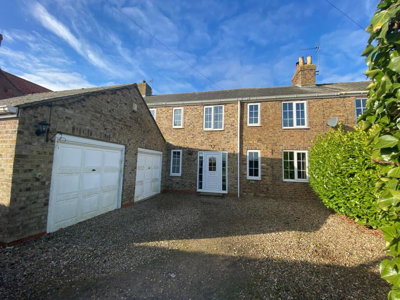
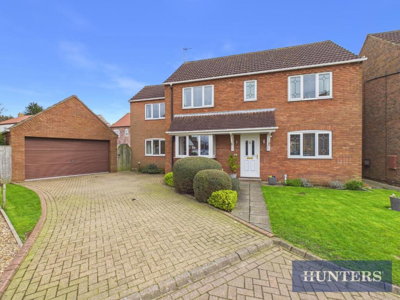
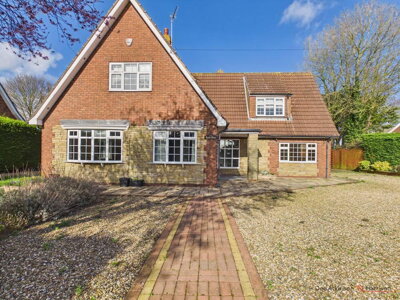
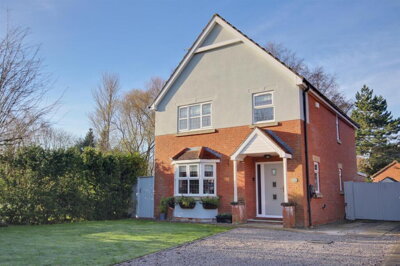
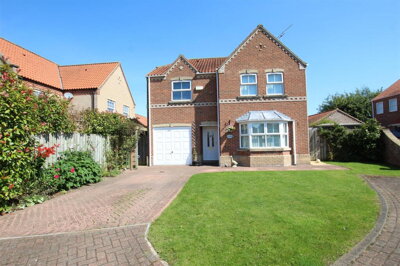
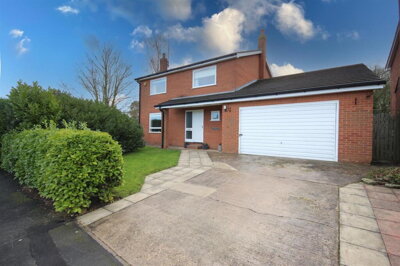
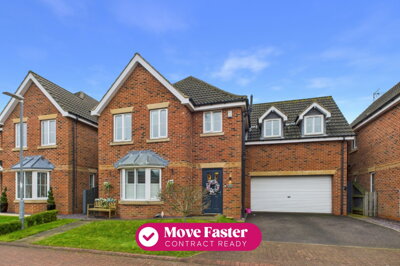
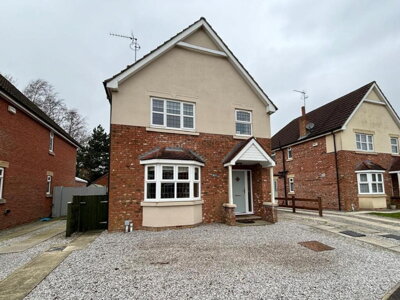
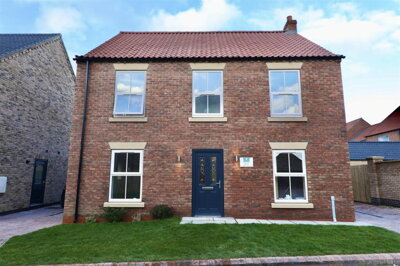
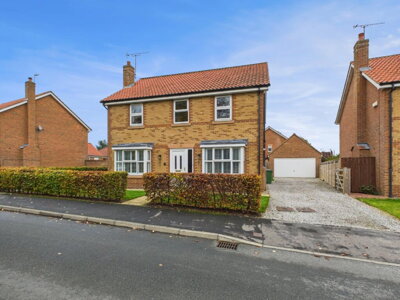
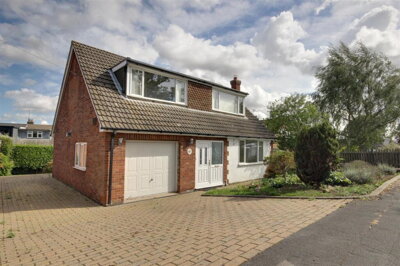
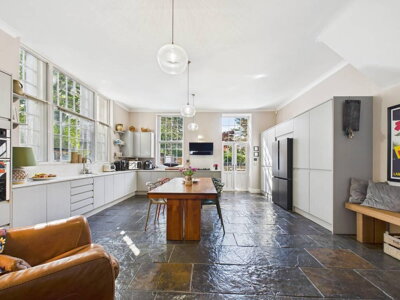
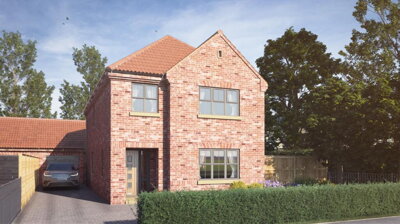
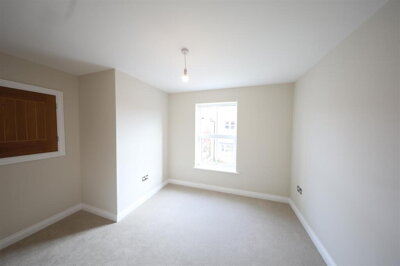
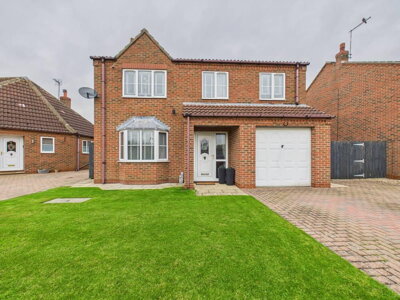
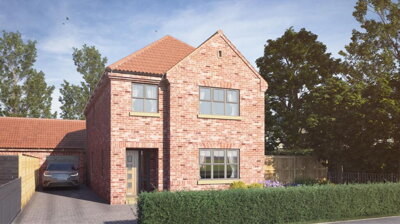
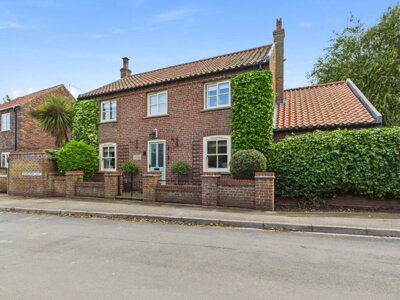
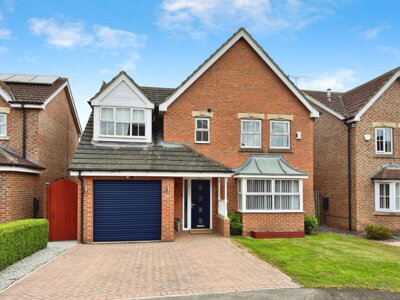
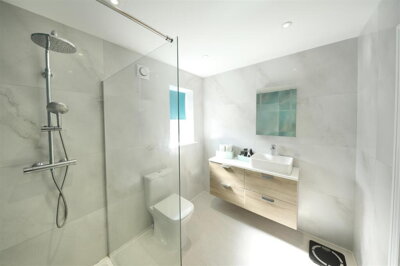
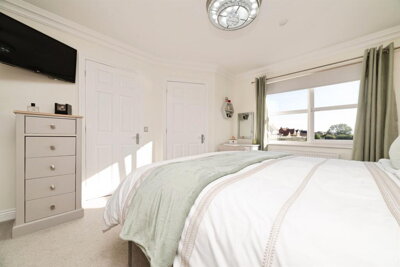
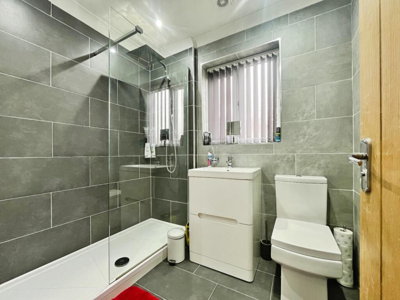
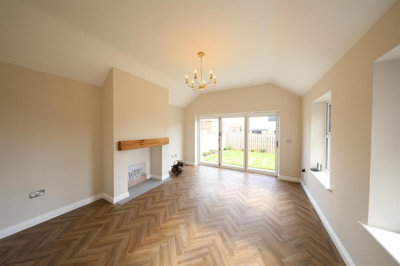
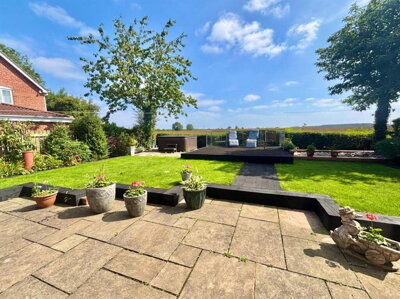
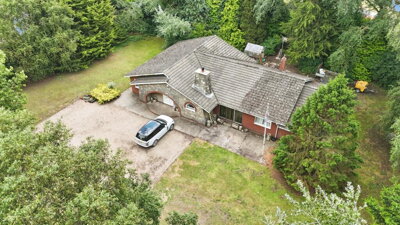
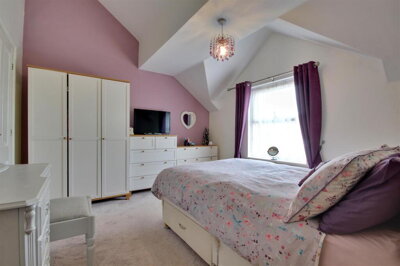
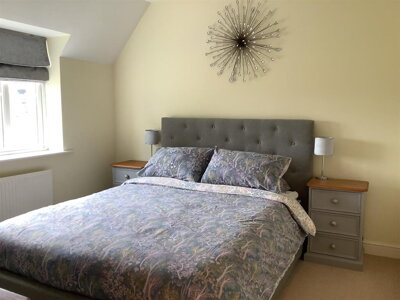
Browse 36 homes for sale in Catwick, East Riding of Yorkshire from local estate agents.
The larger property sector typically features multiple bathrooms, substantial reception space, and private gardens or off-street parking. Four bedroom houses in Catwick span detached, semi-detached, and occasionally terraced configurations, with styles ranging from period properties to modern executive homes.
£370k
1
1
6
Source: home.co.uk
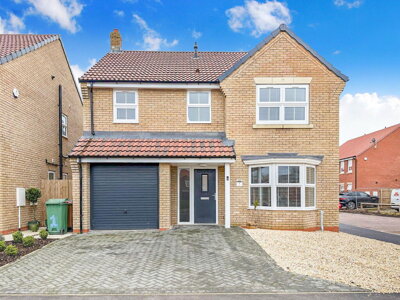
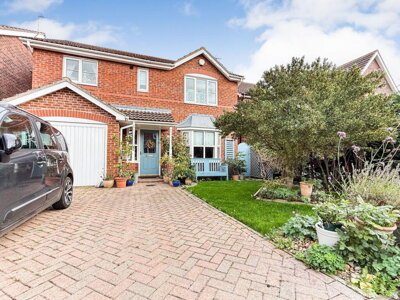
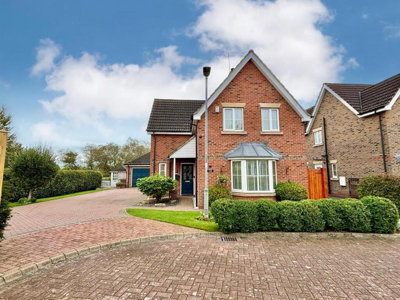
Showing 1 results for 4 Bedroom Houses for sale in Catwick, East Riding of Yorkshire. 1 new listing added this week. The median asking price is £370,000.
Source: home.co.uk
Semi-Detached
1 listings
Avg £370,000
Source: home.co.uk
Source: home.co.uk
The Catwick property market is characterised by its predominance of detached homes, which account for approximately 70% of the housing stock according to the most recent census data. These properties typically command prices around the £375,000 mark, offering generous living space, gardens, and the privacy that comes with detached construction. Semi-detached homes make up roughly 20% of available properties, with recent sales averaging around £250,000. Terraced properties and flats are exceptionally rare in Catwick, comprising less than 5% of the housing stock each, making the village particularly attractive to buyers who prioritise space and independence over apartment living.
Property ages in Catwick vary considerably, with around 30% of homes built before 1919 and a further 25% constructed between 1919 and 1945. This heritage gives the village its distinctive character, with traditional brick-built farmhouses and period cottages featuring alongside more modern developments from the post-1980 era. The mix of old and new creates a varied streetscape and means buyers can choose between characterful period properties requiring some modernisation and more recent builds offering contemporary specifications. Our listings include properties across all these categories, ensuring you can find a home that matches your preferences and budget.
The village's limited housing supply, with typically only around 10 properties changing hands per year, can create competitive situations when desirable homes come to market. Prospective buyers should be prepared to act quickly on properties that meet their requirements, having finances in place and understanding their priorities beforehand. The predominantly rural nature of the local economy, combined with the village's small scale, means that available properties can attract interest from buyers across the wider region seeking village living with good transport connections.

Catwick embodies the essence of rural Yorkshire village life, offering residents a close-knit community atmosphere against a backdrop of beautiful countryside. The village sits within the East Riding of Yorkshire, an area known for its rolling farmland, picturesque villages, and strong sense of local identity. With only around 200 residents, Catwick retains an intimate scale where neighbours often know one another and community events bring people together. The local economy is primarily agricultural, though many residents commute to nearby towns such as Beverley or Hull for employment, taking advantage of the village's position within the regional transport network.
The local geology of Catwick consists of glacial till overlying chalk bedrock, which creates the fertile agricultural land the region is known for. Properties in the village are typically built from traditional brick, often in red or brown tones, with some featuring render or pebble-dash finishes. Older farmhouses may incorporate local stone, adding to the architectural variety. The surrounding landscape offers excellent opportunities for walking and cycling, with public footpaths crossing farmland and linking to neighbouring villages. For families considering a move to Catwick, the village provides a safe and nurturing environment where children can play outdoors and community bonds develop naturally.
Catwick Hall and the Church of St Stephen stand as the village's most notable historic landmarks, both designated as Grade II listed buildings. These properties reflect the long history of settlement in the area and contribute to the traditional character that makes Catwick distinctive. While there is no formal conservation area within the village, the general character of the built environment is protected through planning controls that seek to preserve the village's historic fabric. Any significant alterations to period properties require careful consideration, and buyers of older homes should familiarise themselves with the responsibilities that come with owning historic buildings in the East Riding.

Families moving to Catwick will find a selection of educational options within reasonable travelling distance. As a small village, Catwick does not host its own primary school, but primary-aged children typically attend schools in nearby villages or the surrounding towns. Parents should research current catchment areas and admission arrangements with East Riding of Yorkshire Council, as these can affect school placements. The council maintains detailed information about primary school locations, performance data, and how to apply for places during the standard admission rounds each year.
Several primary schools in the surrounding area serve the Catwick community, with options in nearby villages that offer a village-school atmosphere similar to what families might find in Catwick itself. The quality of education at these schools varies, and we recommend visiting potential schools, meeting staff, and reviewing the most recent Ofsted reports before committing to a property purchase. Many families in the village choose to prioritise school catchment areas when selecting a home, and this should factor into your property search criteria alongside other considerations such as budget and property type.
Secondary education is provided by schools in the wider area, with several options within a reasonable commute of Catwick. Secondary schools in the East Riding of Yorkshire are regularly inspected by Ofsted, and parents can access performance tables and school reports to inform their decisions. For families with older children, sixth form provision and further education colleges are available in Beverley and Hull, offering a broad range of A-level and vocational courses. Given the rural nature of Catwick, parents should factor school transport arrangements into their moving plans and consider the practical implications of school runs when choosing a property in the village.
The nearest railway stations are located in Beverley and Hull, providing connections to major cities including Leeds, York, and London for families who need to travel further afield for specialist educational provision or university open days. Hull itself offers several secondary schools and colleges with specialist subject areas, while Beverley's secondary schools are particularly popular with village families given their proximity and strong reputations.
Catwick benefits from its strategic position within the East Riding of Yorkshire, offering reasonable transport connections to surrounding towns and cities. The village is located within easy driving distance of Beverley, a historic market town with an excellent range of shops, restaurants, and leisure facilities. Hull, the region's largest city, is also accessible by car and offers comprehensive retail, cultural, and employment opportunities. The A164 and A1079 roads provide key routes connecting the village to these destinations, though peak-hour traffic should be factored into commute planning.
Public transport options in rural villages like Catwick are limited compared to urban areas, making car ownership practical necessity for most residents. Bus services connect Catwick to surrounding villages and towns on a less frequent schedule than urban routes, so checking current timetables is advisable when considering public transport options. For commuters working in Hull or Leeds, the village's position relative to major road networks is an important consideration. Many residents who work in professional roles in the city choose to drive, while others have adapted their working patterns to accommodate local transport constraints, perhaps working from home some days or using rail connections from nearby stations.
The journey from Catwick to Beverley takes approximately 15-20 minutes by car, making it feasible for daily commuting or regular trips for shopping and services. Hull city centre is reachable within 30-40 minutes, while Leeds is approximately 1.5 hours away via the M62. For those working in Hull's industrial areas or port facilities, the drive time may vary depending on the specific destination and time of travel. Many Catwick residents have found that the village offers an ideal balance, providing peaceful village living while maintaining accessibility to urban employment centres.
Start by exploring current listings on Homemove to understand what is available in Catwick and surrounding villages. Given the small number of properties available at any time, being prepared and knowing your budget is essential. Review recent sales data to understand local price trends, and consider engaging with local estate agents who have knowledge of the village market.
Before viewing properties, obtain a mortgage agreement in principle from a lender. This demonstrates to sellers that you are a serious buyer with financing in place. Given Catwick's average property price of £345,000, speak to our mortgage partners who can help you find competitive rates and understand your borrowing capacity based on your income and financial circumstances.
Schedule viewings of properties that match your requirements. When viewing, pay attention to the property's age, construction type, and any signs of wear that might require attention. Our platform makes it easy to book viewings directly through listed estate agents in the Catwick area. Take your time during viewings and return for a second visit before making an offer.
Given that approximately 75% of properties in Catwick are over 50 years old, we strongly recommend booking a RICS Level 2 Survey before proceeding. For a typical 3-bedroom detached property, survey costs range from £450 to £700. The survey will identify any structural issues, damp problems, or defects common in the area's older housing stock, giving you ammunition for price negotiations if significant problems are discovered.
Once your offer is accepted, instruct a solicitor to handle the legal aspects of your purchase. Your solicitor will conduct searches, review contracts, and manage the exchange and completion process. Homemove partners with conveyancing specialists who can guide you through this process efficiently. For properties with unusual features or listed building status, ensure your solicitor has experience with older properties.
After all searches are satisfactory and finances are confirmed, you will exchange contracts and pay your deposit. Completion typically follows within a few weeks, after which you will receive the keys to your new Catwick home. Ensure your buildings insurance is in place from the point of exchange.
When buying property in Catwick, understanding the local geology is important for making an informed purchase. The village sits on glacial till over chalk bedrock, and the clay-rich soil presents a moderate to high shrink-swell risk. This means foundations can be affected by changes in moisture levels, potentially leading to subsidence or heave issues over time. A thorough survey will check for signs of cracking or movement that might indicate foundation problems. Properties with mature trees nearby are particularly worth inspecting carefully, as tree roots can compound shrink-swell issues by absorbing moisture from the soil.
Flood risk in Catwick is generally low for river and coastal flooding, but surface water flooding can occur in low-lying areas or near minor watercourses. Prospective buyers should check the property's position relative to local water features and drainage patterns. Insurance implications of any flood history should also be investigated. For listed buildings such as Catwick Hall and the Church of St Stephen, any renovation or alteration works require Listed Building Consent, and buyers should understand the additional responsibilities and costs these designations bring. Standard home buyer surveys may need to be supplemented with more detailed structural assessments for period properties.
Building materials in Catwick reflect the village's age and construction traditions. Older properties often feature solid wall construction without cavity insulation, which can affect thermal performance and lead to condensation issues if ventilation is inadequate. Many homes will have traditional timber roofs covered with slate or tile, which may require periodic maintenance or replacement. The presence of lime mortar in older properties is positive for breathability but requires specialist repair techniques that differ from modern cement-based approaches. Understanding these material differences helps buyers appreciate the maintenance requirements and potential renovation costs of period properties in the village.
Damp represents one of the most common defects found in Catwick's older properties, particularly those built before modern building regulations. Rising damp can affect properties lacking adequate damp-proof courses, while penetrating damp may occur where traditional brickwork has deteriorated or where leadwork on roofs has failed. A thorough RICS Level 2 Survey will identify any damp issues and assess their cause, allowing you to budget for necessary remediation or use the findings to negotiate on price.
The average house price in Catwick is currently around £345,000, based on transactions over the past 12 months. Detached properties average approximately £375,000, while semi-detached homes typically sell for around £250,000. The market has shown modest growth with a 2% increase in average prices over the past year. Given the village's small size and limited property supply, prices can vary considerably depending on property condition, size, and specific location within the village.
Properties in Catwick fall under East Riding of Yorkshire Council's jurisdiction. Council tax bands are assigned based on property value and are typically bands A through E for most residential properties in the area. To confirm the specific band for a property you are interested in, check with East Riding of Yorkshire Council directly or view the property's council tax records. Banding can affect your ongoing costs, so this information should be factored into your budget calculations alongside mortgage payments and utility bills.
Catwick is a small village without its own primary school, so families typically use schools in surrounding villages or towns. Parents should consult East Riding of Yorkshire Council's school admissions information to understand current catchment areas and application processes. For secondary education, several options exist within commuting distance, including schools in Beverley that are particularly popular with village families. We recommend visiting potential schools, reviewing Ofsted reports, and considering transport arrangements when choosing a family home in Catwick. The journey times from Catwick to nearby primary schools will vary depending on location and chosen route.
Public transport options in Catwick are limited, reflecting its status as a rural village. Bus services operate but on less frequent schedules than urban routes, so checking current timetables is essential. The village is best suited to residents who have access to a car for daily commuting and errands. The nearest railway stations are located in Beverley and Hull, providing connections to major cities including Leeds, York, and London. Many Catwick residents combine driving with occasional public transport use for longer journeys, particularly when travelling to cities for work or leisure.
Catwick's property market benefits from its rural character and proximity to larger towns, which attract buyers seeking village living without sacrificing access to urban amenities. The village's limited housing supply, with typically only around 10 properties changing hands per year, can create sustained demand. Property values have shown steady growth, increasing by 2% over the past 12 months. For investors, rental demand may be moderate given the village's small size and the prevalence of owner-occupation. As with any property investment, thorough research into local market conditions and rental yields is advisable before committing.
Stamp Duty Land Tax rates from April 2025 are 0% on the first £250,000 of residential property purchases, 5% on the portion from £250,001 to £925,000, 10% on the portion from £925,001 to £1.5 million, and 12% on amounts exceeding £1.5 million. First-time buyers can claim relief on the first £425,000, with 5% applied between £425,001 and £625,000. For a typical Catwick property at the current average price of £345,000, standard buyers would pay no stamp duty on the first £250,000 and 5% on the remaining £95,000, totalling £4,750.
When viewing properties in Catwick, pay particular attention to signs of damp or structural movement given the village's geology and the age of many homes. Check the condition of roofs on older properties, as slate and tile coverings may have reached the end of their serviceable life. Examine walls for cracking, particularly around door and window frames where movement is often most visible. For properties with gardens containing mature trees, consider the proximity to the building and potential effects on foundations. A RICS Level 2 Survey can identify issues not visible during a standard viewing.
Budgeting for your Catwick purchase involves more than just the property price. Beyond stamp duty, buyers should account for solicitor fees, survey costs, and moving expenses. Conveyancing fees typically start from around £499 for standard purchases, though more complex transactions involving listed buildings or unusual tenure arrangements may cost more. Your solicitor will conduct local searches with East Riding of Yorkshire Council, which cover planning history, environmental factors, and flooding risk. Search fees are generally modest but should be included in your overall cost calculations.
A RICS Level 2 Survey is particularly important for Catwick properties given that approximately 75% of the housing stock exceeds 50 years in age. Survey costs for a typical 3-bedroom detached property range from £450 to £700 depending on the surveyor and property specifics. This investment identifies defects that might not be visible during viewings, including damp, structural movement related to the local clay geology, and roofing issues common in period properties. The survey report can also provide valuable ammunition for renegotiating your purchase price if significant issues are discovered.
Additional costs to budget for include removal fees, which vary depending on the volume of belongings and distance moved. Buildings insurance must be in place from exchange of contracts, and contents insurance is also worth arranging. If you are purchasing a leasehold property, Ground rent and service charge details should be clarified with your solicitor, along with any major works or reserve fund contributions anticipated by the freeholder. For properties in Catwick, freehold purchases are the norm given the predominance of houses, but flats or retirement properties might involve leasehold arrangements that require careful scrutiny.
For buyers purchasing period properties, additional costs may arise from the need to use specialist contractors for repairs and maintenance. Traditional building techniques using lime mortar, thatched roofing, or local stone require craftspeople with specific expertise, and these services can command premium rates compared to standard building work. Setting aside a contingency budget for unexpected repairs is advisable when buying an older home in Catwick.
Properties for Sale In London

Properties for Sale In Plymouth

Properties for Sale In Liverpool

Properties for Sale In Glasgow

Properties for Sale In Sheffield

Properties for Sale In Edinburgh

Properties for Sale In Coventry

Properties for Sale In Bradford

Properties for Sale In Manchester

Properties for Sale In Birmingham

Properties for Sale In Bristol

Properties for Sale In Oxford

Properties for Sale In Leicester

Properties for Sale In Newcastle

Properties for Sale In Leeds

Properties for Sale In Southampton

Properties for Sale In Cardiff

Properties for Sale In Nottingham

Properties for Sale In Norwich

Properties for Sale In Brighton

Properties for Sale In Derby

Properties for Sale In Portsmouth

Properties for Sale In Northampton

Properties for Sale In Milton Keynes

Properties for Sale In Bournemouth

Properties for Sale In Bolton

Properties for Sale In Swansea

Properties for Sale In Swindon

Properties for Sale In Peterborough

Properties for Sale In Wolverhampton

Enter your details to see if this property is within your budget.
Loans, cards, car finance
Estimated property budget
Borrowing + deposit
You could borrow between
Typical borrowing
Monthly repayment
Est. at 4.5%
Loan-to-value
This is an estimate only. Your actual budget may vary depending on interest rates, credit history, and personal circumstances. For an accurate affordability assessment, speak to one of our free mortgage advisors.
This calculator provides estimates for illustrative purposes only and does not constitute financial advice. Your home may be repossessed if you do not keep up repayments on your mortgage. Estimates based on 4.5% interest rate, repayment mortgage. Actual rates depend on your circumstances.
Homemove is a trading name of HM Haus Group Ltd (Company No. 13873779, registered in England & Wales). Homemove Mortgages Ltd (Company No. 15947693) is an Appointed Representative of TMG Direct Limited, trading as TMG Mortgage Network, which is authorised and regulated by the Financial Conduct Authority (FRN 786245). Homemove Mortgages Ltd is entered on the FCA Register as an Appointed Representative (FRN 1022429). You can check registrations at NewRegister or by calling 0800 111 6768.

We use cookies to show you personalised content and improve your experience of our website. Find out more in our Privacy policy and Cookie policy.