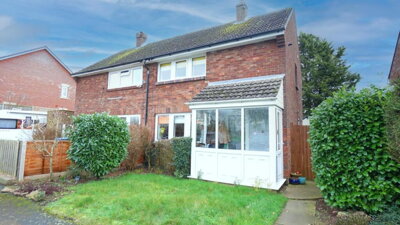
Browse 1 home for sale in Catthorpe, Harborough from local estate agents.
The 2 bed house market features detached, semi-detached, and terraced properties with two separate bedrooms plus living spaces. Properties in Catthorpe range from Victorian and Edwardian period homes to modern new builds, with pricing varying across different neighbourhoods.
£0k
0
0
0
Source: home.co.uk
Showing 0 results for 2 Bedroom Houses for sale in Catthorpe, Harborough.
The Catthorpe property market reflects the dynamics of rural Leicestershire, where limited supply meets consistent demand from buyers seeking village amenities without urban prices. Recent transaction data shows properties on Main Street commanding prices around £330,000, while period homes and character properties have sold for significantly higher sums reflecting their unique attributes. A notable sale at Catthorpe Hall's West House achieved £1,251,700 in 2019, demonstrating the premium that exceptional heritage properties can command in this sought-after village. The market currently offers a mix of detached houses, traditional cottages, and bungalows, with new build supply virtually non-existent within the parish boundary itself.
Buyers considering Catthorpe will find that property types primarily consist of detached and semi-detached homes built from the red brick that dominates the village's architectural vernacular. The 19th-century estate cottages scattered along the village's lanes represent particularly attractive options for those seeking period character, while newer detached properties offer modern family accommodation. The absence of new build developments within Catthorpe itself means that buyers typically purchase from the existing housing stock, which includes properties ranging from modest cottages to substantial manor houses. This scarcity of new supply has helped maintain property values relative to surrounding areas, even as the broader market has experienced the 11% correction from 2022 levels.
Red brick construction defines much of the village's housing stock, with notable examples including Knoll House on Lilbourne Lane, built in 1861, and the estate cottages that line the approaches to Catthorpe Manor. Manor Farm contributes additional heritage buildings to the village, including a farmhouse and an historic water tower that anchor the agricultural heritage of the settlement. The housing stock spans multiple eras, from properties believed to date back to the 1700s through to family homes constructed throughout the 20th century, creating a diverse range of properties for prospective buyers to consider.

Life in Catthorpe revolves around a close-knit community atmosphere that is increasingly rare in modern Britain, where residents enjoy the benefits of knowing their neighbours and participating in village events. The Cherry Tree pub on Main Street serves as a social hub for the community, offering traditional hospitality and a place for residents to gather. A farm shop and restaurant on the same street provides fresh local produce, supporting both the rural economy and the village's identity as a place connected to the surrounding agricultural landscape. The River Avon enhances the village setting, providing scenic walks along its banks and contributing to the overall charm that makes Catthorpe an attractive place to call home.
The village's population of approximately 185 residents creates an intimate community where newcomers are warmly welcomed and quickly become part of village life. The low-density development pattern means that Catthorpe retains its rural character, with properties sitting within generous plots and the surrounding countryside visible from many vantage points. The population density of approximately 71.90 per square kilometre reflects this spacious development, with the village covering an area of 2.573 square kilometres. Families considering Catthorpe will find good access to primary schools in nearby villages and towns, with many children attending schools in Rugby, Lutterworth, or Market Harborough, all of which offer a range of educational options from primary through secondary level.
The Conservation Area, which runs along the minor road through the village from Watling Street to Lilbourne Lane, encompasses the central village fabric and protects its distinctive appearance. This includes the imposing Catthorpe Manor, the early 14th-century Grade II* listed church of St Thomas, and clusters of 19th-century red brick estate cottages that give the village its architectural coherence. Residents benefit from this heritage protection while enjoying modern connectivity, with the M1 and M6 motorways providing easy access to Birmingham, Leicester, Nottingham, and London for those who need to commute or travel regularly.

Catthorpe's architectural heritage reflects centuries of continuous occupation and development, with buildings spanning from the medieval period through to the Victorian era. The parish church of St Thomas, dating from the early 14th century and designated Grade II* listed, stands as the village's most significant historical monument and a focal point for the community. This ancient church predates much of the village's current housing stock and serves as a physical reminder of Catthorpe's long history as a settlement. Catthorpe Manor, an imposing 18th-century style house, anchors the eastern end of the Conservation Area and exemplifies the quality of architecture that defines the village. The estate cottages, particularly those built in red brick during the 19th century, demonstrate the vernacular building traditions that continue to influence property styles in the area.
The Conservation Area designation means that properties within its boundary are subject to additional planning considerations that protect their character and appearance. Buyers purchasing period properties in Catthorpe should be aware that any significant alterations may require consent from Harborough District Council, helping to preserve the village's distinctive atmosphere. One property in the village is believed to date back to the 1700s, adding to the sense of historical depth that pervades the settlement. The predominant use of red brick as a building material throughout the village creates visual harmony and establishes a strong sense of place that distinguishes Catthorpe from neighbouring communities. Properties on Lilbourne Lane often exhibit the traditional building techniques that characterised estate construction in the 19th century, with generous room sizes and robust structural detailing that has stood the test of time.
Knoll House represents a fine example of Victorian architecture in Catthorpe, constructed in 1861 using the red brick that characterises so many buildings in the village. This period property demonstrates the quality of craftsmanship that went into buildings of that era, with solid construction that typically proves durable when properly maintained. Manor Farm adds another dimension to the village's architectural diversity, with its farmhouse and agricultural buildings reflecting the farming heritage that shaped Catthorpe's development over centuries. The water tower at Manor Farm stands as an unusual landmark feature that marks the farm's historical significance within the parish. Understanding these heritage elements helps buyers appreciate why properties in Catthorpe command premiums relative to newer developments in surrounding areas.
Catthorpe benefits from its position within the Leicestershire countryside while maintaining practical connections to the major transport routes that serve the region. The village sits near the intersection of the M1 and M6 motorways, providing road connectivity to Birmingham, Leicester, Nottingham, and London for residents who need to commute or travel regularly. Rugby, the nearest larger town, lies approximately 6-7 miles away and offers rail services with journey times to London Euston of around 50 minutes, making Catthorpe viable for commuters who work in the capital but prefer rural living. The A428 road runs through nearby areas, connecting communities across Warwickshire and Leicestershire and providing access to regional destinations. The motorway access means that Birmingham Airport is reachable in approximately 45 minutes to an hour, depending on traffic conditions, opening up international travel options for residents.
Local bus services connect Catthorpe with surrounding villages and towns, though prospective buyers should check current timetables to confirm service frequency and routing. The village's rural location means that bus services are limited compared to urban areas, and residents generally find that private car ownership provides the most practical means of daily transport. For those who work from home or have flexible working arrangements, the limited public transport options may present less of a constraint. Cycling infrastructure varies across the area, with rural lanes offering scenic but sometimes narrow routes for recreational cyclists and those seeking sustainable commuting options during appropriate seasons.
The village's position beside the River Avon creates some natural boundaries, but the surrounding road network generally provides good accessibility for residents with cars. The proximity to major motorways means that destinations such as Northampton, Coventry, and Derby are all accessible within reasonable driving times, expanding employment and leisure options for residents. For families considering schools in the surrounding area, the village's position means that school transport arrangements and catchment areas should be researched carefully before purchasing. Many families find that the trade-off between limited public transport and the quality of life offered by rural Catthorpe makes private car ownership a worthwhile consideration.
Properties in Catthorpe often carry the characteristics of their age, and buyers should carefully assess the condition of period homes before committing to a purchase. The village's older properties, including 19th-century estate cottages and buildings dating back to the 1700s, may require more maintenance than modern constructions and could benefit from updates to insulation, plumbing, and electrical systems. Red brick construction, while durable, can be susceptible to issues such as rising damp in older properties, particularly those with solid walls rather than cavity insulation. Our team regularly encounters properties in similar Leicestershire villages where original features have been maintained or updated to varying standards, making thorough inspection essential.
Rising damp represents one of the most common defects we identify in older brick properties throughout the Harborough district, where the lack of modern damp-proof courses can allow moisture to travel up through solid walls. Penetrating damp can also affect period properties, especially where traditional lime mortar has been replaced with cement render that traps moisture within the wall structure. Roof conditions on older properties frequently require attention, with deteriorating slates or tiles, failed flashings, and aging felt underlays all presenting potential issues that buyers should budget to address. Properties like the estate cottages along Lilbourne Lane typically feature traditional construction methods that require understanding and ongoing maintenance rather than the low-maintenance approach that characterises modern builds.
Electrical systems in period properties often require complete rewiring to meet current standards, as original installations may be inadequate for modern demands and potentially unsafe by contemporary regulations. Properties built before the 1960s frequently contain fabric-covered cables or rubber insulation that has deteriorated over time, requiring replacement by qualified electricians. Plumbing systems similarly may feature galvanised steel or copper pipes that have accumulated sediment or developed leaks over decades of use. Structural concerns, while less common, can include issues with foundations, particularly on properties built on variable ground conditions where movement may have occurred over time. A thorough survey by a qualified RICS surveyor will identify these issues and help buyers budget for any necessary remediation works before completing their purchase.
Explore current listings on Homemove and understand the local property landscape, including average prices of £370,000 and the mix of period cottages, detached homes, and bungalows available in this rural Leicestershire village. Take time to understand the Conservation Area boundaries and how they might affect your intended use of any property you consider purchasing.
Contact lenders or use Homemove's mortgage comparison tools to secure a mortgage agreement in principle before viewing properties, given that lenders familiar with rural properties understand Catthorpe's market dynamics. Having finance in place strengthens your position when making offers on character properties where sellers may be seeking buyers who are genuinely committed to completing.
Visit properties that match your criteria, paying attention to the Conservation Area restrictions, the age and construction of period properties, and the proximity to the River Avon for any flood risk considerations. We recommend viewing properties at different times of day and in varying weather conditions to assess lighting, drainage, and how the village atmosphere changes throughout the day.
For properties built before 1900, arrange a Level 2 survey to identify common issues in older properties such as damp, roof condition, electrical systems, and structural concerns that are typical in heritage buildings. Given that much of Catthorpe's housing stock dates from the 19th century or earlier, a comprehensive survey is particularly valuable for identifying defects that may not be visible during a standard viewing.
Appoint a solicitor experienced with rural and period properties to handle the legal work, including checks on the Conservation Area implications and any title restrictions that may affect your purchase. Our team can recommend conveyancing specialists who understand the particular considerations that apply to heritage properties in the Harborough district.
Work with your solicitor and mortgage lender to complete the purchase, ensuring all conditions are satisfied before taking ownership of your new Catthorpe home. Budget for additional costs including stamp duty, survey fees, and legal expenses, which typically total between £2,000 and £4,000 beyond the purchase price.
Properties in Catthorpe often carry the characteristics of their age, and buyers should carefully assess the condition of period homes before committing to a purchase. The village's older properties, including 19th-century estate cottages and buildings dating back to the 1700s, may require more maintenance than modern constructions and could benefit from updates to insulation, plumbing, and electrical systems. Red brick construction, while durable, can be susceptible to issues such as rising damp in older properties, particularly those with solid walls rather than cavity insulation. A thorough survey by a qualified RICS surveyor will identify these issues and help buyers budget for any necessary remediation works.
The Conservation Area status of much of the village means that buyers should investigate any planning restrictions that may affect how they can use or modify a property. Extensions, outbuildings, and certain types of exterior alterations may require consent from Harborough District Council, and understanding these constraints before purchase can prevent future complications. Properties near the River Avon warrant specific attention to flood risk, as the river's proximity could affect insurance costs and property values in certain locations. Freehold ownership predominates in Catthorpe, though any leasehold properties should be reviewed carefully to understand ground rent obligations and any service charge arrangements.
When viewing properties in Catthorpe, pay particular attention to the condition of original features such as windows, fireplaces, and floorboards, which often require specialist restoration rather than replacement to maintain the character that contributes to the village's appeal. Check whether recent updates have been carried out to electrical systems, heating, and plumbing, as these represent significant investments that may not be immediately visible. The quality of external maintenance often indicates how well a property has been cared for overall, so look for signs of damp, subsidence, or deferred maintenance when assessing potential purchases. We recommend commissioning a RICS Level 2 survey for any property you seriously consider, particularly given the age and character of much of Catthorpe's housing stock.
The average property price in Catthorpe currently stands at £370,000, according to recent market data. This represents an 11% decrease from the 2022 peak of £413,833, suggesting a buyer's market for those looking to enter this rural Leicestershire village. Individual properties have sold for sums ranging from around £330,000 for standard Main Street homes to over £1.2 million for exceptional heritage properties like those at Catthorpe Hall. The village's limited supply of properties and strong demand from buyers seeking village living help support values despite the broader market correction. Recent transactions in December 2025 show a property on Main Street achieving £330,000, demonstrating current market activity in the village.
Properties in Catthorpe fall under Harborough District Council's jurisdiction for council tax purposes. Specific band allocations vary by property depending on the valuation office's assessment of each home's value. Period properties and heritage homes may fall into higher bands due to their character and location within the Conservation Area. Prospective buyers should check individual property details on the Valuation Office Agency website or request this information from the seller or their estate agent during the conveyancing process. The band allocation can significantly affect ongoing costs, so this is an important consideration when budgeting for a move to Catthorpe.
Catthorpe itself is a small village without its own primary or secondary school, so families typically access educational facilities in nearby towns and villages. Rugby offers several primary and secondary schools, with some families also considering options in Lutterworth or Market Harborough. The village's proximity to these larger towns means that school transport arrangements and catchment areas should be researched carefully before purchasing. Parents should check current Ofsted ratings and admission policies for schools in the surrounding area to identify the most suitable options for their children. Secondary school options in Rugby include schools with strong academic reputations, while primary education is available in nearby villages with school transport provided through the county council.
Public transport options in Catthorpe are limited, reflecting its status as a small rural village. Local bus services connect the village with surrounding communities, though service frequency may not suit those who need to commute daily to major employment centres. Rugby, approximately 6-7 miles away, provides rail services to London with journey times of around 50 minutes to Euston station. Most residents of Catthorpe rely on private car ownership for daily transport, taking advantage of the village's proximity to the M1 and M6 motorways for longer journeys. Birmingham Airport is reachable in around 45 minutes to an hour by car, providing international connectivity for residents who travel abroad regularly.
Catthorpe offers several factors that appeal to property investors, including its Conservation Area status that helps preserve property values, its proximity to major transport routes, and the limited supply of homes in the village. The rural setting and heritage character attract buyers seeking a peaceful lifestyle while maintaining accessibility to employment centres. While the village lacks new build supply, which can constrain growth, the quality of life on offer and the community atmosphere make Catthorpe attractive to long-term buyers. Properties that have been well-maintained or tastefully modernised tend to hold their value well in this market. The relative scarcity of available properties means that desirable homes in Catthorpe can command strong prices when offered to the market.
Stamp duty land tax rates for 2024-25 start at 0% on the first £250,000 of a property purchase, then 5% on the portion from £250,001 to £925,000. For properties priced between £925,001 and £1.5 million, the rate is 10%, rising to 12% for any portion above £1.5 million. First-time buyers benefit from relief on the first £425,000, paying 5% on the amount between £425,001 and £625,000. At Catthorpe's average price of £370,000, a standard buyer would pay £6,000 in stamp duty, while first-time buyers would pay £2,500. Your specific liability depends on your buyer status and whether you own other properties.
Purchasing a property in Catthorpe involves several costs beyond the purchase price, with stamp duty land tax representing one of the most significant expenses for buyers. At the current average price of £370,000, a buyer who is not a first-time purchaser would incur £6,000 in stamp duty, calculated at 0% on the first £250,000 and 5% on the remaining £120,000. First-time buyers benefit from the increased threshold of £425,000, meaning many Catthorpe properties would attract just £2,500 in SDLT. Buyers purchasing higher-value heritage properties like those at Catthorpe Hall should budget for substantially higher stamp duty bills that reflect the progressive rate structure.
Additional buying costs include solicitor fees for conveyancing, typically ranging from £500 to £1,500 depending on the complexity of the transaction and whether the property is leasehold or freehold. Survey costs for a RICS Level 2 Homebuyer Report average around £455 nationally, typically ranging between £416 and £639, rising for larger or more complex period properties. Properties in Catthorpe, given their often advanced age and heritage status, may benefit from a more detailed survey if the property shows signs of structural issues or non-standard construction. Lenders arranging mortgages will also require a valuation survey, which is usually covered by the mortgage arrangement fees. Budgeting for these costs, typically totalling £2,000 to £4,000 beyond the stamp duty, ensures buyers are prepared for the full financial commitment of purchasing in this attractive Leicestershire village.
Properties for Sale In London

Properties for Sale In Plymouth

Properties for Sale In Liverpool

Properties for Sale In Glasgow

Properties for Sale In Sheffield

Properties for Sale In Edinburgh

Properties for Sale In Coventry

Properties for Sale In Bradford

Properties for Sale In Manchester

Properties for Sale In Birmingham

Properties for Sale In Bristol

Properties for Sale In Oxford

Properties for Sale In Leicester

Properties for Sale In Newcastle

Properties for Sale In Leeds

Properties for Sale In Southampton

Properties for Sale In Cardiff

Properties for Sale In Nottingham

Properties for Sale In Norwich

Properties for Sale In Brighton

Properties for Sale In Derby

Properties for Sale In Portsmouth

Properties for Sale In Northampton

Properties for Sale In Milton Keynes

Properties for Sale In Bournemouth

Properties for Sale In Bolton

Properties for Sale In Swansea

Properties for Sale In Swindon

Properties for Sale In Peterborough

Properties for Sale In Wolverhampton

Enter your details to see if this property is within your budget.
Loans, cards, car finance
Estimated property budget
Borrowing + deposit
You could borrow between
Typical borrowing
Monthly repayment
Est. at 4.5%
Loan-to-value
This is an estimate only. Your actual budget may vary depending on interest rates, credit history, and personal circumstances. For an accurate affordability assessment, speak to one of our free mortgage advisors.
This calculator provides estimates for illustrative purposes only and does not constitute financial advice. Your home may be repossessed if you do not keep up repayments on your mortgage. Estimates based on 4.5% interest rate, repayment mortgage. Actual rates depend on your circumstances.
Homemove is a trading name of HM Haus Group Ltd (Company No. 13873779, registered in England & Wales). Homemove Mortgages Ltd (Company No. 15947693) is an Appointed Representative of TMG Direct Limited, trading as TMG Mortgage Network, which is authorised and regulated by the Financial Conduct Authority (FRN 786245). Homemove Mortgages Ltd is entered on the FCA Register as an Appointed Representative (FRN 1022429). You can check registrations at NewRegister or by calling 0800 111 6768.

We use cookies to show you personalised content and improve your experience of our website. Find out more in our Privacy policy and Cookie policy.