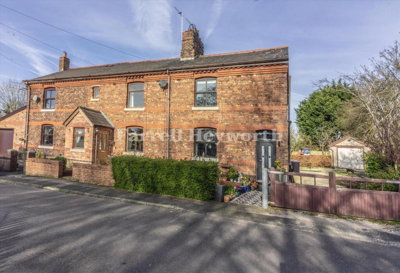
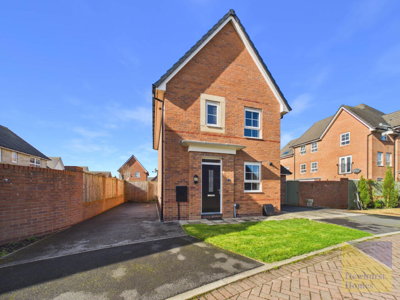
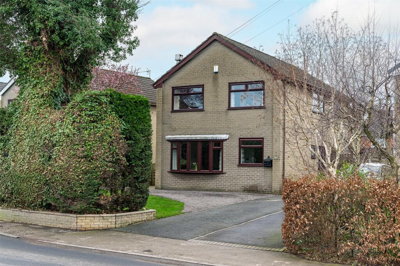
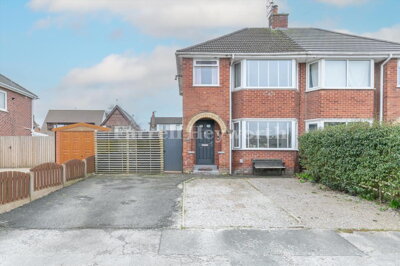
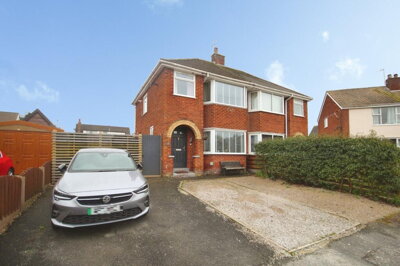
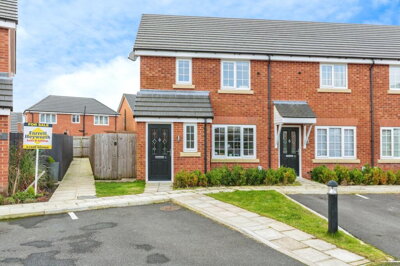
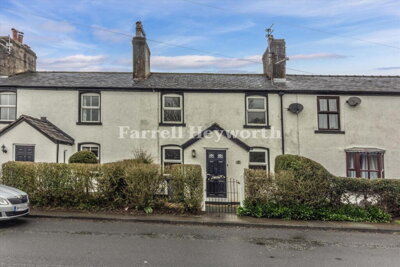
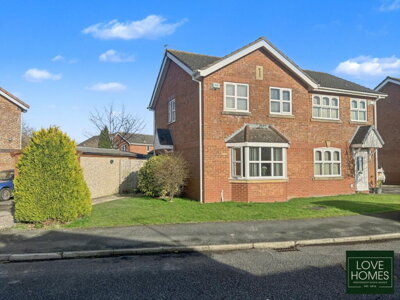
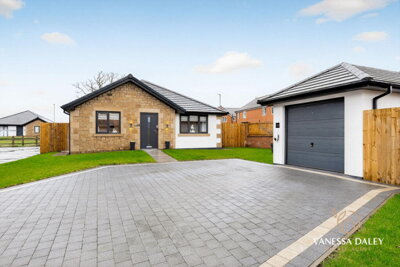
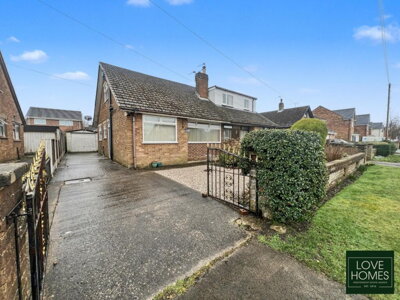
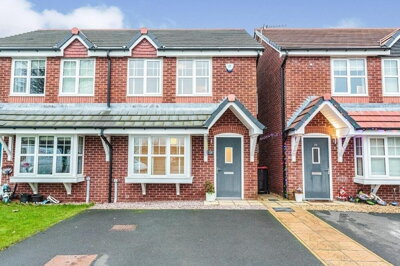
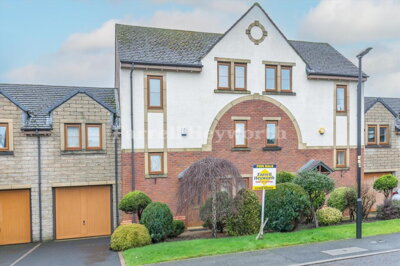
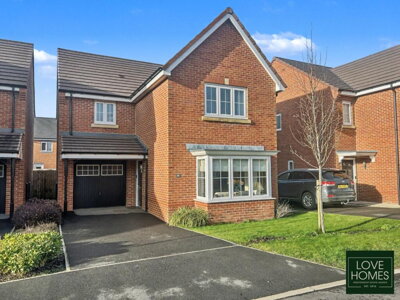
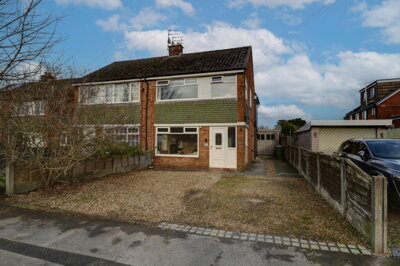
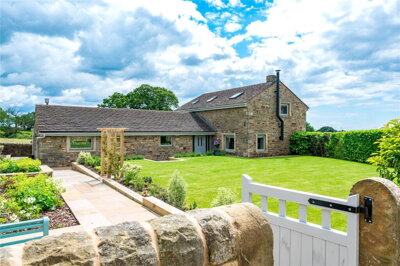
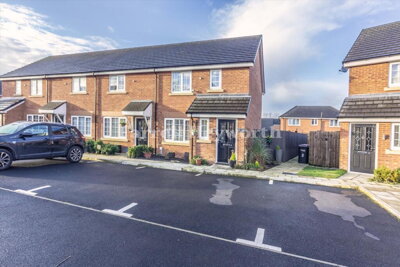
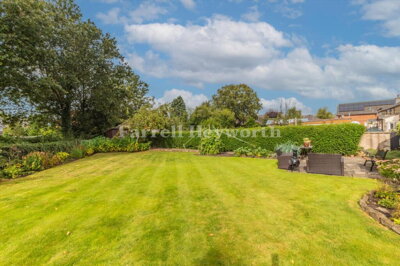
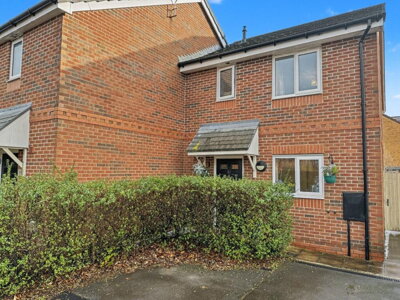
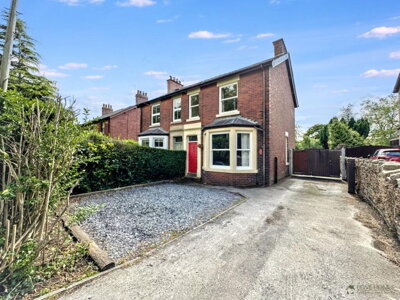
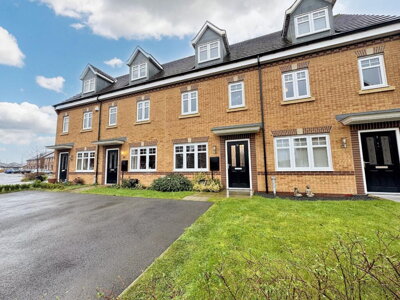
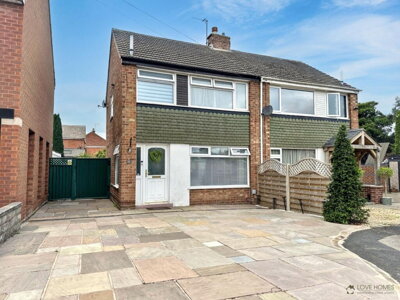
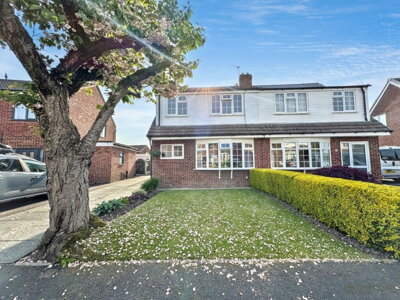
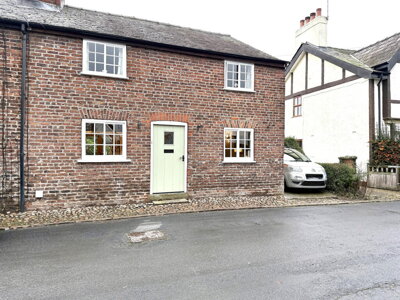
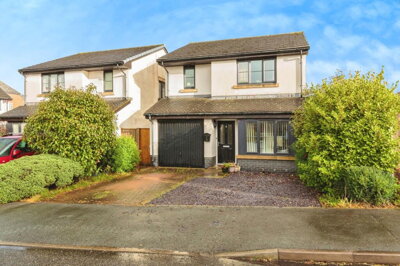
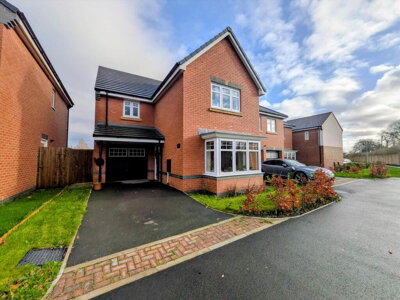
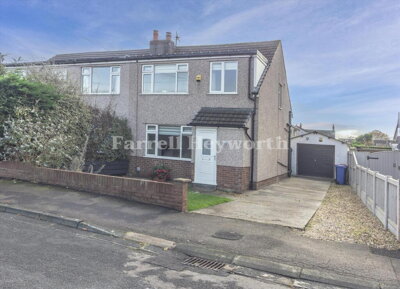
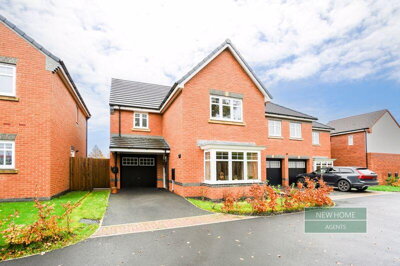
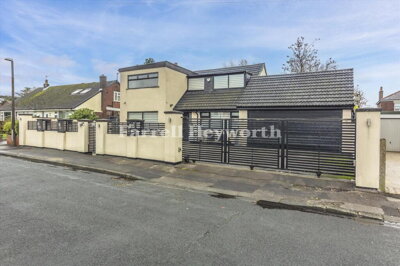
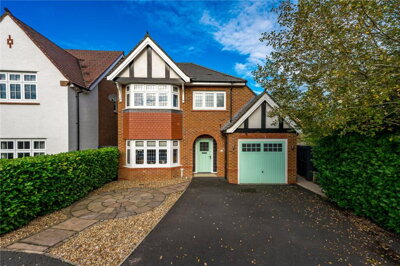
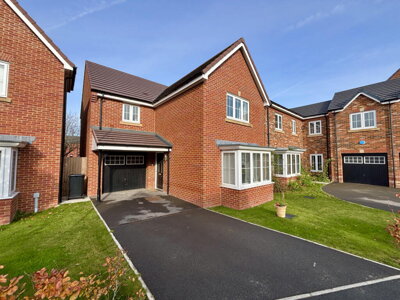
Browse 40 homes for sale in Catterall, Wyre from local estate agents.
Three bedroom properties represent a significant portion of the Catterall housing market, offering space for families with multiple reception rooms and gardens in many cases. Browse detached, semi-detached, and terraced options ranging from period character homes to contemporary developments.
£270k
7
0
96
Source: home.co.uk
Showing 7 results for 3 Bedroom Houses for sale in Catterall, Wyre. The median asking price is £270,000.
Source: home.co.uk
Detached
4 listings
Avg £325,000
Semi-Detached
3 listings
Avg £244,983
Source: home.co.uk
Source: home.co.uk
The Catterall property market has demonstrated steady growth, with overall house prices increasing by 1.8% over the past twelve months. This moderate appreciation reflects the area's enduring appeal among buyers seeking value for money compared to nearby Preston or the Lancashire coast. Detached properties command the highest prices at an average of £396,935, appealing to families requiring additional space and privacy, while semi-detached homes average £225,500, offering an attractive entry point for first-time buyers or those upsizing from terraced accommodation.
Terraced properties in Catterall have shown the strongest price growth at 2.9% year-on-year, with an average price of £175,000, suggesting increasing demand for compact homes in desirable village locations. Flats remain the most affordable option at around £105,000, though this segment has seen a slight 0.9% decline, potentially creating buying opportunities for investors or those seeking a low-maintenance lifestyle. The market benefits from a mix of housing ages, from traditional stone-fronted cottages to more modern developments built since the 1980s. With 39 property sales in the past twelve months, the village maintains a healthy level of market activity that provides buyers with reasonable choice while preserving the semi-rural character that defines Catterall.
The village features properties spanning several eras of construction, each bringing distinct characteristics to the local housing stock. Older properties from the pre-1919 period often feature solid walls, traditional timber suspended floors, and original architectural details such as fireplace surrounds and skirting boards. Mid-century homes built between the 1940s and 1980s typically demonstrate cavity wall construction with brick exteriors, while more recent developments incorporate modern building standards and materials. Traditional red brick construction is the dominant exterior material throughout Catterall, frequently complemented by local sandstone detailing that adds visual interest and reflects the geological character of the area.
Life in Catterall revolves around community spirit and the natural beauty of the Lancashire countryside. The village maintains a population of 2,360 residents across 967 households, creating an intimate atmosphere where neighbours become friends and local events foster genuine connection. The housing stock reflects the area's evolution over the decades, with a significant proportion of detached homes at 40.2% and semi-detached properties at 31.0%, providing generous living spaces that appeal to families and those who value room to breathe. The traditional red brick construction common throughout the village, often complemented by local sandstone detailing, gives Catterall its distinctive character and visual coherence.
The local economy benefits from its strategic position near Garstang and excellent transport links to Preston, Lancaster, and beyond. Many residents commute to larger employment centres while appreciating the ability to return to a peaceful village environment . Agriculture continues to play a role in the local economy, with working farms dotting the surrounding countryside and contributing to the rural character that defines Catterall. Local services include village shops, pubs, and community facilities, with comprehensive shopping, healthcare, and leisure amenities readily accessible in nearby Garstang just a few miles away. The proximity to the River Wyre provides recreational opportunities including riverside walks and fishing, adding to the quality of life for residents.
Community facilities in the village and surrounding area support daily life without requiring lengthy journeys. The village hall hosts regular events and activities that bring residents together throughout the year. Local pubs provide social hubs where community news is shared and friendships are forged over drinks and meals. For larger shopping trips or specialised services, Garstang town centre offers a range of independent shops, supermarkets, and professional services within easy reach. The combination of village charm and access to urban amenities makes Catterall particularly attractive to families and those seeking a balanced lifestyle.
Families considering a move to Catterall will find a range of educational options within the village and surrounding area. Primary education is served by local schools that cater to children from reception through to Year 6, with several well-regarded primaries located in nearby Garstang. These include St Mary's Catholic Primary School and Garstang Community Primary School, both serving families from the wider area including Catterall. These schools typically feature good facilities, caring environments, and strong links to the local community. Parents should research specific catchment areas, as school admissions in Lancashire are determined by proximity, and property purchases are often planned with education provision in mind.
Secondary education in the area includes several options across Wyre and the wider Lancashire region, with schools in Garstang, Poulton-le-Fylde, and Preston serving the local population. Families should verify current Ofsted ratings and consider the full range of educational pathways available, including grammar schools in nearby towns such as Lancaster and Preston, which offer academically selective education for students who pass the entrance examinations. Specialist sixth form provision is available at local colleges for students pursuing A-levels or vocational qualifications. The presence of quality education options within easy reach of Catterall enhances the village's appeal to families and contributes to the stability of the local property market.
Beyond school placements, families can access a range of extracurricular activities and childcare options within the local area. Sports clubs, music lessons, and youth organisations operate from village halls and community centres, providing children with opportunities to develop interests beyond the classroom. The proximity to Garstang and Preston means families can access specialist tuition and activities that might not be available in smaller villages. When evaluating properties in Catterall, parents should consider the practical logistics of school runs and extracurricular commitments alongside property features and purchase prices.

Catterall benefits from excellent transport connections that make commuting practical and convenient. The village sits along the A6 corridor, providing direct road access to Preston approximately 10 miles to the east and Lancaster around 15 miles to the north. The A6 connects to the M6 motorway at Preston, opening up regional and national destinations with ease. For air travel, Manchester Airport can be reached in approximately one hour by car, while Liverpool John Lennon Airport is similarly accessible via the motorway network. The strategic position means residents can reach major employment centres while maintaining the lifestyle benefits of village living.
Rail services are available from nearby stations including Preston, Lancaster, and Garstang, offering connections to major cities including Manchester, Liverpool, London, and Glasgow. Preston station provides frequent services to London Euston with journey times of around two hours, making day trips or business travel to the capital straightforward. Local bus services provide connectivity throughout the area, linking Catterall with surrounding villages and towns for daily necessities without requiring car ownership. The number 40 bus service connects Catterall with Garstang and Knott End, providing a reliable option for residents without vehicles.
Cyclists will appreciate the scenic routes through the Lancashire countryside, though the hilly terrain requires some fitness and appropriate planning for longer journeys. The Lancaster Canal towpath provides relatively flat cycling opportunities heading north towards Lancaster, while more challenging routes into the Bowland Fells offer recreational cycling for the adventurous. Parking provision varies by property type, with houses typically offering off-street parking while flats may rely on on-road or allocated spaces. Prospective buyers should verify parking arrangements for any property under consideration, particularly in the village centre where spaces can be limited during peak times.
Before viewing properties, obtain a mortgage agreement in principle from a lender. This demonstrates your purchasing capacity to estate agents and strengthens your position when making offers. Catterall's average price of £285,160 means most buyers will require a mortgage, so understanding your borrowing limits early streamlines the search process and helps you focus on properties within your budget.
Spend time exploring Catterall at different times of day and week. Visit local shops, speak to residents, and understand the community atmosphere. Check school catchment areas if relevant, research transport options, and consider future development plans in the vicinity. Understanding the local market trends and the village's mix of older properties helps you recognise fair value when you see it.
Once you identify properties of interest, arrange viewings through our platform or directly with listed estate agents. After finding your ideal home, obtain quotes for a RICS Level 2 Survey, which typically costs between £400 and £800 depending on property size. Given Catterall's mix of older properties including pre-war cottages and mid-century homes, a professional survey identifies any structural concerns before purchase.
When you find the right property, submit your offer through the estate agent handling the sale. Have your mortgage agreement in principle ready and be prepared to negotiate on price or conditions based on survey findings or property defects. In a village market with limited stock, acting decisively while remaining financially disciplined is key to securing your purchase.
Once your offer is accepted, instruct a conveyancing solicitor to handle the legal work. They will conduct searches, review contracts, and coordinate with your mortgage lender. On completion day, funds are transferred and you receive the keys to your new Catterall home.
Prospective buyers should be aware of local geological considerations when purchasing property in Catterall. The underlying geology consists of clay-rich soils, particularly boulder clay, overlying bedrock of the Sherwood Sandstone Group or Mercia Mudstone Group. This clay-rich geology presents a moderate to high shrink-swell risk, which means properties may be susceptible to subsidence or foundation movement, especially those with shallow foundations or large trees nearby. A thorough RICS Level 2 Survey is strongly recommended to assess foundation condition and identify any signs of movement or historic repair work that may indicate ongoing issues.
Flood risk requires careful consideration given Catterall's proximity to the River Wyre. Properties adjacent to the river or in low-lying areas carry increased flood risk, and this should be verified through the government's flood risk mapping tools and discussed with your survey professional. Surface water flooding can also occur during periods of heavy rainfall, particularly where drainage systems are under pressure. Buildings insurance costs may reflect these risk factors, so obtaining quotes before completing purchase is advisable. Your solicitor should conduct appropriate drainage and environmental searches to identify any historical flood incidents affecting the property.
The village contains several listed buildings including Catterall Hall (Grade II listed) and historic farmhouses, meaning certain properties may be subject to heritage protections that restrict alterations. If you are considering a listed building or property within its curtilage, specialist advice on permitted development rights and the implications for future changes is essential. Planning searches through Wyre Borough Council will reveal any historical consents or enforcement actions affecting a property. Listed buildings may also require specialist surveys beyond a standard RICS Level 2 Report to fully assess their condition and maintenance requirements.
Given the mix of older properties in Catterall, a RICS Level 2 Survey provides valuable protection for buyers. Common defects identified in the local housing stock include rising damp in properties without adequate damp-proof courses, roof deterioration with slipped slates or failed leadwork, and timber defects such as woodworm or wet rot in structural elements. Properties with solid wall construction may have reduced thermal performance compared to modern standards, potentially affecting energy costs. Our inspectors have extensive experience surveying properties throughout the Wyre area and understand the typical issues affecting homes in Catterall's varied housing stock. Foundation condition deserves particular attention given the local geology and the age of many properties in the village.
The mix of property ages in Catterall, from pre-war cottages to modern developments, means buyers encounter a diverse range of construction types and potential defects. Given the clay-rich boulder clay soils that characterise the local geology, properties over 50 years old are particularly susceptible to subsidence or heave, especially where foundations are shallow or large trees are present. We regularly identify signs of historic movement in properties throughout the village, including cracking to walls and distorted door frames, which may indicate ongoing foundation issues requiring specialist assessment. Properties with underpinning or previous structural repairs should be investigated thoroughly before purchase.
Damp-related issues feature prominently in our surveys of Catterall properties. Rising damp affects many older homes where original damp-proof courses have deteriorated or were never installed, particularly in properties with solid wall construction. Penetrating damp can result from degraded pointing, failed lead flashings around chimneys, or missing sections of roof covering. Condensation issues are common where ventilation has been reduced through modernisations such as replacement windows and additional insulation without adequate background ventilation. These damp problems can affect both the structural integrity of timbers and the health of occupants, making thorough investigation essential.
Roof condition requires careful assessment in properties of all ages. Traditional properties with slate or clay tile coverings often show wear including slipped or broken tiles, deteriorated mortar in verges and ridges, and failed leadwork around chimneys and valleys. Timber elements including fascias, soffits, and rafters may show signs of rot or woodworm infestation, particularly where ventilation has been compromised. Flat roof sections, common on extensions and porches, typically require replacement more frequently than pitched roofs and should be inspected for ponding water and membrane deterioration. Our surveyors check all accessible roof areas and report on condition and expected remaining lifespan.
Electrical and plumbing systems in older Catterall properties frequently require updating to meet modern standards. Rewiring is commonly needed in properties where the original installation dates from before the 1970s, as cables and accessories may not comply with current regulations and could pose safety risks. Consumer units should be of modern design with appropriate circuit protection. Plumbing systems may include lead or galvanised steel pipes requiring replacement, while original heating systems are often inefficient by contemporary standards. A qualified electrician should assess the electrical installation, and buyers should budget for necessary upgrades identified during survey.
The average house price in Catterall stands at £285,160 as of February 2026, based on data from the most recent twelve months. Detached properties average £396,935, semi-detached homes cost around £225,500, terraced properties sell for approximately £175,000, and flats average £105,000. Prices have increased by 1.8% overall year-on-year, with terraced properties showing the strongest growth at 2.9%, suggesting increasing demand for compact homes in desirable village locations.
Properties in Catterall fall under Wyre Borough Council for council tax purposes, with bands ranging from A to H depending on property value. Most family homes in the village fall within the B to D range, with flats typically occupying bands A or B and larger detached properties in bands E or F. You can verify the specific band for any property through the Valuation Office Agency website or by requesting this information from the estate agent selling the home.
Catterall is served by local primary schools, with several well-regarded options in the nearby Garstang area including St Mary's Catholic Primary School and Garstang Community Primary School. Secondary schools in the vicinity include establishments in Garstang, Poulton-le-Fylde, and Preston, while grammar schools in Lancaster and Preston offer academically selective education for students who pass the entrance examinations. Parents should research current Ofsted ratings and verify school catchment areas, as admissions are determined by proximity to the school.
Catterall benefits from bus services connecting the village to Garstang, Preston, and surrounding areas, with the number 40 service providing regular connections to local towns. The nearest railway stations are located in Preston and Lancaster, offering frequent services to major cities including Manchester, Liverpool, and London, with direct trains to London Euston taking around two hours from Preston. The A6 road passing through the village provides direct access to Preston approximately 10 miles east, where comprehensive rail and bus networks are available for onward travel.
Catterall offers several factors that appeal to property investors, including steady house price growth of 1.8% over the past year and terraced properties demonstrating stronger appreciation at 2.9%. The semi-rural location attracts commuters working in Preston and Lancaster, maintaining consistent demand for housing from renters seeking village living with urban access. Rental yields will vary based on property type and condition, with detached family homes commanding premium rents from professional households, while terraced properties may offer stronger yield percentages relative to purchase price.
Stamp duty rates from April 2025 apply at 0% on properties up to £250,000, 5% on the portion from £250,001 to £925,000, 10% from £925,001 to £1.5 million, and 12% above £1.5 million. First-time buyers benefit from relief on properties up to £625,000, paying 0% on the first £425,000 and 5% on the remainder. Given Catterall's average price of £285,160, most buyers who have previously owned property would pay approximately £1,758 in stamp duty, while first-time buyers would pay nothing on properties up to £425,000.
Key risks include the clay-rich geology which can cause subsidence in properties with shallow foundations or large nearby trees, requiring careful foundation assessment during survey. Flood risk from the River Wyre affects certain areas, particularly low-lying properties adjacent to the river, and surface water flooding can occur during heavy rainfall. Properties over 50 years old frequently require updating of electrical systems, plumbing, and insulation to meet modern standards. Listed buildings carry restrictions on alterations, and the solid wall construction common in older properties results in reduced thermal performance compared to modern standards. A RICS Level 2 Survey typically costs £400-£800 and will identify any structural concerns specific to the property you are purchasing.
From 3.99%
Compare rates from leading lenders
From £499
Expert property solicitors for your purchase
From £400
Professional home survey for Catterall properties
From £80
Energy performance certificate for your new home
Understanding the full cost of purchasing property in Catterall extends beyond the asking price. Stamp duty, or more precisely Stamp Duty Land Tax (SDLT), applies to all purchases above £250,000 at the standard rates from April 2025. For a property at the Catterall average price of £285,160, a buyer who has owned property before would pay approximately £1,758 in stamp duty, calculated at 5% on the £35,160 portion above the £250,000 threshold. First-time buyers purchasing properties up to £425,000 would pay no stamp duty at all, making village living significantly more affordable for those entering the property market for the first time.
Additional purchase costs include conveyancing fees, which typically range from £500 to £1,500 depending on complexity and whether the property is freehold or leasehold. Survey costs for a RICS Level 2 HomeBuyer Report range from £400 to £800 based on property size and complexity, with larger detached homes at the upper end of this range reflecting the additional time required for comprehensive inspection. Local searches through Wyre Borough Council, drainage and water searches, and Land Registry fees add several hundred pounds to the total. Factor in mortgage arrangement fees of £0 to £2,000 depending on your lender, and budget for removal costs, potential redecoration, and building insurance from completion day.
£285,160
Average Price
£396,935
Detached Average
£225,500
Semi-Detached Average
£175,000
Terraced Average
£105,000
Flats Average
+1.8%
Annual Price Change
39
Properties Sold (12 months)
2,360
Population
Properties for Sale In London

Properties for Sale In Plymouth

Properties for Sale In Liverpool

Properties for Sale In Glasgow

Properties for Sale In Sheffield

Properties for Sale In Edinburgh

Properties for Sale In Coventry

Properties for Sale In Bradford

Properties for Sale In Manchester

Properties for Sale In Birmingham

Properties for Sale In Bristol

Properties for Sale In Oxford

Properties for Sale In Leicester

Properties for Sale In Newcastle

Properties for Sale In Leeds

Properties for Sale In Southampton

Properties for Sale In Cardiff

Properties for Sale In Nottingham

Properties for Sale In Norwich

Properties for Sale In Brighton

Properties for Sale In Derby

Properties for Sale In Portsmouth

Properties for Sale In Northampton

Properties for Sale In Milton Keynes

Properties for Sale In Bournemouth

Properties for Sale In Bolton

Properties for Sale In Swansea

Properties for Sale In Swindon

Properties for Sale In Peterborough

Properties for Sale In Wolverhampton

Enter your details to see if this property is within your budget.
Loans, cards, car finance
Estimated property budget
Borrowing + deposit
You could borrow between
Typical borrowing
Monthly repayment
Est. at 4.5%
Loan-to-value
This is an estimate only. Your actual budget may vary depending on interest rates, credit history, and personal circumstances. For an accurate affordability assessment, speak to one of our free mortgage advisors.
This calculator provides estimates for illustrative purposes only and does not constitute financial advice. Your home may be repossessed if you do not keep up repayments on your mortgage. Estimates based on 4.5% interest rate, repayment mortgage. Actual rates depend on your circumstances.
Homemove is a trading name of HM Haus Group Ltd (Company No. 13873779, registered in England & Wales). Homemove Mortgages Ltd (Company No. 15947693) is an Appointed Representative of TMG Direct Limited, trading as TMG Mortgage Network, which is authorised and regulated by the Financial Conduct Authority (FRN 786245). Homemove Mortgages Ltd is entered on the FCA Register as an Appointed Representative (FRN 1022429). You can check registrations at NewRegister or by calling 0800 111 6768.

We use cookies to show you personalised content and improve your experience of our website. Find out more in our Privacy policy and Cookie policy.