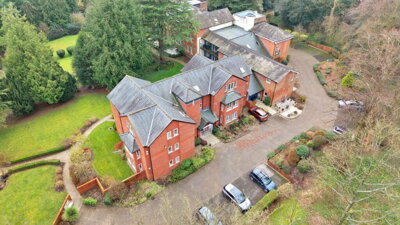
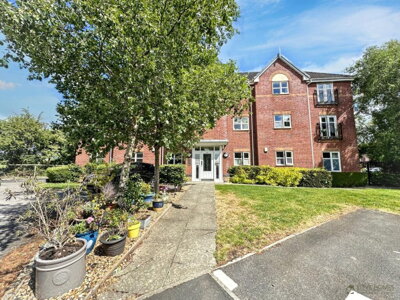
Browse 2 homes for sale in Catterall, Wyre from local estate agents.
The 2 bed flat sector typically includes two separate bedrooms, dedicated living areas, and bathroom facilities. Properties in Catterall span purpose-built blocks, converted period houses, and modern apartment complexes on various floors.
£0k
0
0
0
Source: home.co.uk
Showing 0 results for 2 Bedroom Flats for sale in Catterall, Wyre.
The Great Aycliffe property market offers excellent value for buyers, with an overall average sold price of £148,731 recorded across 222 sales in 2025. Property types range significantly in price, from flats averaging £66,239 to detached family homes reaching an average of £219,905. Terraced properties, which form a substantial part of the local housing stock, average £85,193, while semi-detached homes command around £121,352. This price diversity means buyers can find everything from affordable starter homes to spacious executive properties without stretching their budget beyond comfortable limits.
New build activity in the area is significant, with the proposed Copelaw housing development east of Newton Aycliffe potentially bringing up to 1,343 new homes to the area. This strategic development, submitted by the Church Commissioners for England and Durham County Council, will include a mixture of house types with 92 extra care apartments, 15% affordable homes, and 10% of properties designed for older residents including bungalows and level access flats. While current prices remain 10% below the 2008 peak of £266,667, the upward trend suggests confidence in the local market, making this an attractive time to secure property before further price growth.
The housing stock in Great Aycliffe reflects its varied development history. Newton Aycliffe New Town brought thousands of homes from the late 1940s onwards, creating residential areas characterised by post-war construction methods and design principles of that era. Meanwhile, Aycliffe Village retains its historic character with traditional buildings that predate the New Town development, offering a stark contrast between old and new that defines the area's unique appeal.

Great Aycliffe encompasses a fascinating mix of communities, from the ancient heart of Aycliffe Village surrounding St. Andrew's Church, which dates back to the Anglo-Saxon period possibly as early as the 10th century, to the planned streets of Newton Aycliffe New Town developed after 1947. The Aycliffe Village Conservation Area preserves the historic character along The Green and High Street, where traditional buildings overlook the central village green in a setting that contrasts sharply with the more modern residential estates surrounding it. Building materials throughout the area reflect this heritage, using local stone, brick, and render that give the neighbourhood its distinctive character.
The Great Aycliffe Neighbourhood Plan identifies 15 distinct character areas generally following the development phases of Newton Aycliffe, from the original town centre and Business Park areas established around 1947 through to the most recent housing developments. This planned approach to urban growth has created a cohesive community with good infrastructure, green spaces, and local amenities serving residents across all neighbourhoods. Each character area has its own identity while contributing to the overall appeal of the town as a place to live.
The local economy benefits significantly from Aycliffe Business Park, which covers over 400 hectares and serves as a major manufacturing hub for the region. Companies including Gestamp Tallent, which is the biggest employer in the area, along with Husqvarna, Ebac, Permoid, Lucite, Compound Photonics, Lidl, Stiller, and Hitachi operate from this employment centre, providing stable jobs for local residents and supporting the housing market with a ready pool of workers seeking homes nearby. Many of these companies have operated from the business park for decades, providing employment stability that attracts residents to the area.
Great Aycliffe has a higher than average ageing population compared to national figures, which influences local housing demand and the types of properties sought by buyers. This demographic trend creates sustained demand for bungalows and accessible properties while also generating need for care services and retirement accommodation in the area. Planning applications like Copelaw address this through designated older person housing, ensuring the area can accommodate residents throughout different life stages.
Families considering a move to Great Aycliffe will find a comprehensive selection of educational establishments serving the community from early years through to further education. The area is served by several primary schools feeding into secondary schools in the surrounding area, with the local education infrastructure developed alongside the Newton Aycliffe New Town to accommodate growing families. Schools in the vicinity provide good standards of education, with many receiving positive Ofsted ratings that make them popular choices for parents seeking quality schooling close to home.
The presence of further education colleges within reasonable commuting distance ensures that older students have access to vocational and academic courses without needing to relocate away from the area. For families prioritising educational outcomes, the range of schools available in Great Aycliffe and the surrounding County Durham localities provides flexibility to find the right setting for each child's needs. Secondary school catchment areas are worth researching carefully before purchasing property, as admissions are typically determined by proximity to the school, making location a critical factor for families with school-age children.
The schools developed alongside the Newton Aycliffe New Town were designed to serve a growing community, and many continue to serve local families generations later. Understanding which primary school catchment area a property falls into can significantly impact both educational outcomes and property values, making this research essential for families with children or those planning to start a family in the future.
Great Aycliffe benefits from excellent transport connections that make commuting to major cities practical and convenient. The Aycliffe area is situated near the A167, providing direct road access to Durham and Newton Aycliffe, while the wider road network connects efficiently to the A1(M) for journeys north and south toward Newcastle, Sunderland, and Middlesbrough. Local bus services operate throughout the area, connecting residents to neighbouring towns and villages, with stops conveniently located throughout residential areas. For drivers, the road infrastructure supports daily commutes and weekend travel with reasonable journey times to employment centres across the region.
The area's position in South Durham places it within reach of several railway stations on the East Coast Main Line, offering connections to Newcastle, Durham, Darlington, and beyond. Commuters working in larger cities can access major employment hubs while returning to the relative affordability and community spirit of Great Aycliffe at the end of each working day. The train journey from nearby Darlington to Newcastle takes approximately 30 minutes, making day trips and regular commuting feasible for those working in the larger city.
Cycling infrastructure has been developed as part of the New Town planning, with dedicated routes making active travel a viable option for shorter journeys, particularly to the business park and local amenities. Parking availability varies across different parts of the area, with residential streets in newer developments typically offering off-street parking, while the Neighbourhood Plan addresses parking concerns in more established areas.
Explore Great Aycliffe's different neighbourhoods, from the historic conservation village to the post-war New Town estates. Consider proximity to your workplace, schools, and amenities. The area offers properties ranging from traditional cottages to modern family homes, so understanding what each location provides helps narrow your search effectively.
Contact a mortgage broker or bank to obtain an Agreement in Principle before viewing properties. This demonstrates to sellers that you are a serious buyer with financing in place. With average prices around £148,731, most buyers will require a mortgage, and having your finances arranged speeds up the purchasing process significantly.
Schedule viewings of properties that match your criteria, paying attention to property condition given the mix of older traditional properties and post-war housing. Consider commissioning a RICS Level 2 Survey before committing, particularly for older properties or those in the conservation area where specialist assessments may be needed.
Once you find your ideal home, submit an offer through the estate agent. In Great Aycliffe's competitive market where prices have risen 23% recently, be prepared to negotiate on price and terms. Your solicitor can advise on inclusions and any conditions to attach to your offer.
Choose a conveyancing solicitor to handle the legal aspects of your purchase. They will conduct searches, check flooding and environmental records (important given local flood risk areas near the River Skerne), and manage the transfer of ownership. Budget for legal fees, search costs, and Stamp Duty on your purchase.
Once all searches are satisfactory and mortgage is approved, you will exchange contracts and pay your deposit. Completion typically follows within weeks, when you receive the keys and can move into your new Great Aycliffe home.
When purchasing property in Great Aycliffe, understanding the local flood risk profile is essential for making an informed decision. The River Skerne runs through Aycliffe Village, with flood warning areas affecting properties at Well Bank, Monks End, Mill House, and Millfields. The Woodham Burn, particularly between Stephenson Way and Williamfield Way, has also been identified as a flood concern, with areas around Kirkstone Place, Honister Place, Ashfield, and Oakfield showing significant flood risk on Environment Agency maps. Surface water flooding has occurred on Stephenson Way in Newton Aycliffe during heavy rainfall, so prospective buyers should check flood risk certificates and consider appropriate insurance costs.
The Aycliffe Village Conservation Area has specific planning restrictions designed to preserve the historic character of the village. Any modifications to listed buildings or properties within the conservation boundary may require consent from Durham County Council, and these requirements can affect renovation plans and future property values. Properties in this area, including the Grade I listed St. Andrew's Church and various Grade II listed buildings such as 14 High Street and 3 The Green, may require specialist surveys due to their age and historical significance. Building materials in older properties may include lime mortar and traditional construction methods that differ from modern standards, requiring specialist knowledge for maintenance and improvements.
Environmental factors beyond flooding also merit consideration. The Aycliffe Quarry Landfill site has generated odours described as noxious and rotten egg by residents in nearby areas of Aycliffe Village and Brafferton, particularly from landfill gas. While not a structural issue, this environmental concern may impact quality of life for properties in certain locations and is worth investigating during the property search process.
The underlying limestone geology of the area influences both local building materials and potential ground conditions. Properties built on or near the former Aycliffe Quarry should be investigated carefully, as former quarrying activities can affect ground stability. Buyers should request a geological survey or specialist investigation if purchasing property in areas where past quarrying has occurred.
The average sold price for properties in Great Aycliffe (Aycliffe Parish) is £148,731 based on 222 recorded sales in 2025. Detached properties average £219,905, semi-detached homes cost around £121,352, terraced properties average £85,193, and flats are priced at approximately £66,239. Prices have risen 23% in the past year, indicating a strong and growing market in this County Durham location. The diversity in price points across property types means buyers at various budget levels can find suitable options in the area.
Council tax bands in Great Aycliffe are set by Durham County Council and vary according to property value as assessed by the Valuation Office Agency. Most terraced properties and smaller homes fall into bands A to C, which are the lowest council tax bands in the area. Larger detached properties in sought-after locations may be in bands D to F. You can check the specific band for any property through the Valuation Office Agency website using the property address, and Durham County Council's website provides current band rates and any applicable discounts for eligible residents.
Great Aycliffe has several primary schools serving the local community, with secondary schools including those in neighbouring towns accessible through school transport or reasonable daily commutes. Schools typically receive Ofsted ratings that parents can consult when making decisions, with many local schools receiving positive assessments. The presence of schools developed alongside the Newton Aycliffe New Town means the area is well-served for families with children of all ages. You should verify current Ofsted ratings and check catchment areas, as school admissions are determined by geographic proximity and these areas can affect which school your child would be eligible to attend.
Great Aycliffe has bus services connecting residents to neighbouring towns and villages, with stops throughout residential areas including routes serving the town centre, business park, and surrounding villages. The A167 provides road access to Durham and connections to the A1(M) for longer journeys to cities including Newcastle, Sunderland, and Middlesbrough. Rail connections are available via stations on the East Coast Main Line in surrounding towns, with Darlington offering regular services to Newcastle and Edinburgh to the north and York and London to the south, making commutes to major cities feasible for workers who need to travel further afield.
The proposed Copelaw development bringing up to 1,343 new homes to the area signals continued investment in Great Aycliffe and could indicate growing demand for rental properties as new residents move to the area. With property prices rising 23% recently and sitting 10% below the 2008 peak, the market shows healthy growth potential. The presence of Aycliffe Business Park with 250 companies and 8,000 employees provides economic stability that supports both rental demand and property values. First-time buyers and investors alike may find the affordable price points combined with improving market conditions attractive for different investment strategies.
Stamp Duty Land Tax rates for 2024-25 are 0% on purchases up to £250,000, 5% on the portion from £250,001 to £925,000, 10% from £925,001 to £1.5 million, and 12% above £1.5 million. First-time buyers receive relief on purchases up to £625,000, paying 0% up to £425,000 and 5% between £425,001 and £625,000. Given that the average property price in Great Aycliffe is £148,731, most buyers would pay minimal or no stamp duty, making this an affordable location for property purchases. Even first-time buyers purchasing at the upper end of the local market would likely benefit from significant stamp duty savings compared to buying in more expensive regions.
Flood risk from the River Skerne and Woodham Burn affects certain areas of Great Aycliffe, particularly properties near watercourses and in low-lying areas such as Well Bank, Monks End, Kirkstone Place, and Honister Place. Surface water flooding has occurred in Newton Aycliffe during heavy rainfall, especially on Stephenson Way and in Wright Close and Lilburn Crescent. Additionally, the Aycliffe Quarry Landfill site has generated odours affecting residents in nearby areas of Aycliffe Village and Brafferton, which may impact quality of life for properties in certain locations. Property buyers should request environmental searches and consider these factors when evaluating specific properties, particularly those in identified flood risk zones or near the landfill site.
Great Aycliffe contains several listed buildings, particularly concentrated in Aycliffe Village and School Aycliffe. The Grade I listed St. Andrew's Church dates from the Anglo-Saxon period and is the most significant historic building in the area. Grade II listed properties include 14 High Street and 3 The Green in Aycliffe Village, Aycliffe War Memorial, the Nurses' Teaching Centre in School Aycliffe, Old Farm Cottage, Heighington Signal Box, and Ricknall Grange Farmhouse. Properties within the Aycliffe Village Conservation Area or those that are listed may require specialist surveys and planning consent for modifications, which buyers should factor into their purchasing decisions and renovation budgets.
One of the significant advantages of buying property in Great Aycliffe is the relatively low cost of Stamp Duty Land Tax, given that average property prices sit at £148,731. For a property at this price point, standard rate buyers would pay no SDLT at all, while first-time buyers purchasing at this level would also benefit from full relief. This represents substantial savings compared to purchasing in more expensive regions, making Great Aycliffe particularly attractive for first-time buyers looking to maximise their budget and minimise upfront costs associated with property purchase.
Beyond Stamp Duty, buyers should budget for additional costs including solicitor conveyancing fees typically ranging from £500 to £1,500 depending on the complexity of the transaction, search fees around £300 to £500, and a RICS Level 2 Survey costing approximately £350 to £500 depending on property value. Mortgage arrangement fees vary by lender but can range from zero to around £2,000, while broker fees if using a mortgage adviser may add £200 to £500. For properties in flood risk areas, which include parts of Great Aycliffe near the River Skerne and Woodham Burn, buildings insurance costs may be higher and should be factored into ongoing ownership costs. Budgeting for these expenses ensures buyers can proceed confidently once they find their ideal Great Aycliffe home.
First-time buyers in particular can benefit from the lower price points in Great Aycliffe, where the average property price of £148,731 falls well below the threshold for stamp duty and first-time buyer relief. Combined with typically lower mortgage requirements than in more expensive regions, this makes Great Aycliffe an accessible market for those entering the property market. The recent 23% increase in property prices suggests that acting sooner rather than later may be advantageous, as continued price growth could reduce affordability for some buyers.
From 4.5%
Expert mortgage advice and competitive rates from local brokers
From £499
Solicitors specialising in Great Aycliffe property transactions
From £350
Professional property surveys by RICS qualified inspectors
From £60
Energy performance certificates for Great Aycliffe properties
Properties for Sale In London

Properties for Sale In Plymouth

Properties for Sale In Liverpool

Properties for Sale In Glasgow

Properties for Sale In Sheffield

Properties for Sale In Edinburgh

Properties for Sale In Coventry

Properties for Sale In Bradford

Properties for Sale In Manchester

Properties for Sale In Birmingham

Properties for Sale In Bristol

Properties for Sale In Oxford

Properties for Sale In Leicester

Properties for Sale In Newcastle

Properties for Sale In Leeds

Properties for Sale In Southampton

Properties for Sale In Cardiff

Properties for Sale In Nottingham

Properties for Sale In Norwich

Properties for Sale In Brighton

Properties for Sale In Derby

Properties for Sale In Portsmouth

Properties for Sale In Northampton

Properties for Sale In Milton Keynes

Properties for Sale In Bournemouth

Properties for Sale In Bolton

Properties for Sale In Swansea

Properties for Sale In Swindon

Properties for Sale In Peterborough

Properties for Sale In Wolverhampton

Enter your details to see if this property is within your budget.
Loans, cards, car finance
Estimated property budget
Borrowing + deposit
You could borrow between
Typical borrowing
Monthly repayment
Est. at 4.5%
Loan-to-value
This is an estimate only. Your actual budget may vary depending on interest rates, credit history, and personal circumstances. For an accurate affordability assessment, speak to one of our free mortgage advisors.
This calculator provides estimates for illustrative purposes only and does not constitute financial advice. Your home may be repossessed if you do not keep up repayments on your mortgage. Estimates based on 4.5% interest rate, repayment mortgage. Actual rates depend on your circumstances.
Homemove is a trading name of HM Haus Group Ltd (Company No. 13873779, registered in England & Wales). Homemove Mortgages Ltd (Company No. 15947693) is an Appointed Representative of TMG Direct Limited, trading as TMG Mortgage Network, which is authorised and regulated by the Financial Conduct Authority (FRN 786245). Homemove Mortgages Ltd is entered on the FCA Register as an Appointed Representative (FRN 1022429). You can check registrations at NewRegister or by calling 0800 111 6768.

We use cookies to show you personalised content and improve your experience of our website. Find out more in our Privacy policy and Cookie policy.