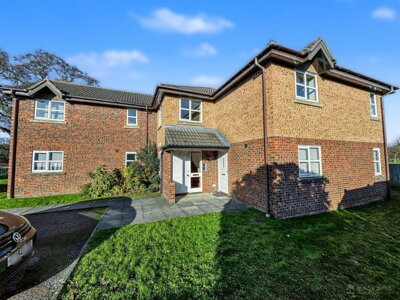
Browse 1 home for sale in Catterall, Wyre from local estate agents.
One bed apartments provide a separate bedroom alongside distinct living space, bathroom, and kitchen areas. Properties in Catterall are available in various building types including mansion blocks, contemporary developments, and house conversions.
£0k
0
0
0
Source: home.co.uk
Showing 0 results for 1 Bedroom Flats for sale in Catterall, Wyre.
The Great Aycliffe property market offers exceptional value compared to many other parts of the North East and the wider UK, with prices remaining firmly accessible for buyers at various stages of their journey. Our data shows an average sold price of £148,731 based on 222 recorded sales in 2025, reflecting steady activity in this established residential area. Property types are well distributed across the market, with detached houses averaging £219,905, semi-detached properties at £121,352, terraced homes at £85,193, and flats at approximately £66,239. This spread allows buyers to find properties suited to their budget, whether they are seeking generous family accommodation or compact starter homes.
Recent market trends indicate encouraging growth in Aycliffe Village specifically, where average prices have risen 23% compared to the previous year, suggesting increasing recognition of the area's character and amenities. However, prices remain approximately 10% below the 2008 peak of £266,667, which presents opportunities for buyers who missed the previous market high. Terraced properties dominate sales volumes with 1,159 transactions since 2018, followed by detached houses with 784 sales and semi-detached with 665 sales, indicating strong demand across multiple property categories. The area also has significant new build activity on the horizon, with outline planning permission submitted for the Copelaw development east of Newton Aycliffe, which proposes up to 1,343 new homes including a mix of house types, tenures, and 15% affordable housing provision.
Investment activity has remained steady throughout the year, with local estate agents reporting sustained interest from both owner-occupiers and landlords looking to expand their portfolios. The proposed Copelaw development, being brought forward by the Church Commissioners for England and Durham County Council, will eventually add substantial new housing stock when it reaches beyond the A167 towards Ricknall Lane. This strategic housing site, identified in the County Durham Plan, will include 92 extra care apartments and dedicated housing for older residents, reshaping the local property landscape over the coming years.

Great Aycliffe offers a distinctive blend of historical character and modern convenience, with the area encompassing two contrasting yet complementary communities. Aycliffe Village preserves the historic heart of the settlement, centred around a traditional village green with St. Andrew's Church dating back to Anglo-Saxon origins, possibly as early as the 10th century. The village contains numerous listed buildings and falls within a designated Conservation Area, creating a preserved environment with traditional cottages and period properties overlooking the green. Newton Aycliffe, founded in 1947 as Britain's oldest New Town in the north, provides a planned residential environment with wider streets, green spaces, and amenities designed for modern living.
The population stands at approximately 26,838 residents across 11,462 households, making it a substantial community with all the facilities you would expect from a self-sufficient town. The local economy benefits significantly from Aycliffe Business Park, one of the region's most important employment centres covering over 400 hectares and hosting around 250 companies. Major employers include Gestamp Tallent, which is the biggest employer locally, alongside Husqvarna, Ebac, Permoid, Lucite, Compound Photonics, Lidl, Stiller, and Hitachi, providing around 8,000 manufacturing jobs that support the local housing market. We have seen how this employment base creates stable demand for housing, with many residents able to commute to well-paid manufacturing roles without needing to travel to larger cities.
The Great Aycliffe Neighbourhood Plan has identified 15 distinct character areas across the town, reflecting the various development phases that have shaped the built environment from post-war construction through to more recent housing estates. These areas range from the historic core of Aycliffe Village with its traditional stone and brick cottages to the inter-war and post-war residential areas of Newton Aycliffe with their distinctive layout and community facilities. For leisure and recreation, residents enjoy access to local parks, community facilities, and cultural attractions that serve the broader South Durham area. The area is characterised by a higher than average ageing population, which has influenced the development of services and community facilities catering to diverse age groups.

Education provision in Great Aycliffe serves families across all age ranges, with primary and secondary schools located within the town and surrounding areas providing accessible schooling for children of all ages. The presence of schools within Newton Aycliffe and Aycliffe Village means families can find education options close to home, reducing the need for lengthy school runs and allowing children to participate in after-school activities and community life. We recommend researching individual school performance through Ofsted reports and examination results to identify the best options for your children, as school quality can vary and catchment areas can influence property values significantly.
Secondary education in the area includes options for students progressing from primary school, with sixth form provision available for those continuing their education locally. For families requiring further education, colleges in nearby towns such as Darlington offer a broader range of vocational and academic courses. The local demographic profile showing a higher than average ageing population has influenced the development of specialist services in the area, including the North East Centre for Autism at Cedar Drive, which serves families across the wider region and is located south of the proposed Copelaw development site. When buying property in Great Aycliffe, verifying school catchments is essential, as properties in specific areas will have priority access to particular schools, and this should be factored into your property search criteria.
The proposed Copelaw development includes specific provisions for older residents, with 10% of all houses designed to be suitable for older people, including bungalows and level access flats, alongside 92 extra care apartments. This indicates ongoing investment in creating a community that accommodates residents across all life stages. Families should also consider the proximity to grammar schools in nearby towns if relevant to their educational preferences, as well as private school options in the broader County Durham area. Our property listings include information about nearby schools and their locations, helping you make informed decisions about where to buy based on your family's educational needs.
Great Aycliffe benefits from excellent transport connections that make commuting to major employment centres straightforward and convenient for residents. The town sits near the A167, providing direct road links to Durham, Newcastle, and the wider North East motorway network. The East Coast Main Line railway passes through the area, with rail services connecting residents to destinations including Darlington, Durham, Newcastle, and beyond. Newton Aycliffe is positioned approximately six miles north of Darlington, where you can access broader national rail connections including direct services to London King's Cross. This accessibility makes Great Aycliffe particularly attractive to commuters who work in larger cities but wish to benefit from lower property prices and a higher quality of life in a smaller community.
Local bus services provide connections between different parts of Great Aycliffe and surrounding villages, offering public transport options for those who prefer not to drive or who wish to reduce their carbon footprint. The area's position relative to major roads means that car travel is convenient, with straightforward access to employment centres in the manufacturing and logistics sectors. Aycliffe Business Park, located within the town itself, employs approximately 8,000 people in various manufacturing industries, meaning many residents can commute to work without traveling far from home. This local employment base provides stability to the housing market and supports the local economy.
For cyclists and pedestrians, Great Aycliffe offers various routes through residential areas and green spaces, though the hilly terrain in certain areas may require consideration when planning active travel routes. Parking provision has been identified as an issue in some residential areas, with the Great Aycliffe Neighbourhood Plan aiming to address this while maintaining green spaces and managing flood risk. When evaluating properties in the area, we advise considering the proximity to your workplace and preferred transport options, as this can significantly impact your daily routine and overall quality of life. Our platform allows you to filter properties by distance from key transport links, helping you find a home that suits your commuting requirements.
Explore different areas within Great Aycliffe, from historic Aycliffe Village with its Conservation Area and traditional stone cottages to Newton Aycliffe's post-war housing estates built during the New Town era. Consider proximity to schools, transport links, and Aycliffe Business Park employment when choosing your target area.
Contact lenders or mortgage brokers to obtain an Agreement in Principle before you start viewing properties. This strengthens your position when making offers and demonstrates to sellers that you have financing in place, which is particularly important in a competitive market where first-time buyers and families are actively searching.
Browse our comprehensive listings for homes for sale in Great Aycliffe, attending viewings of properties that match your criteria. Take notes during viewings and ask about the property's history, recent renovations, and any known issues that may affect your decision.
Once your offer is accepted, instruct a qualified surveyor to conduct a Level 2 HomeBuyer Report. Given Great Aycliffe's mix of older traditional properties in Aycliffe Village and post-1960s construction in Newton Aycliffe, this survey will identify any defects related to damp, roofing, structural movement, or outdated electrical systems that may not be visible during viewings.
Appoint a conveyancing solicitor to handle the legal aspects of your purchase, including searches, contracts, and registration with the Land Registry. Your solicitor will also handle the transfer of funds and coordination with the seller's legal team.
Once all legal searches are satisfactory and financing is confirmed, you will exchange contracts and pay your deposit. Completion typically follows within days or weeks, after which you will receive the keys to your new home in Great Aycliffe.
Property buyers in Great Aycliffe should be aware of several location-specific factors that can affect their purchase and future enjoyment of the property. Flood risk is a significant consideration, particularly in areas near the River Skerne at Aycliffe Village and along the Woodham Burn through Newton Aycliffe. We always recommend asking about any previous flooding incidents when viewing properties in these areas, as properties at Well Bank, Monks End, and near Millfields have been identified within flood warning areas, and surface water flooding has occurred on Stephenson Way and around Kirkstone Place and Honister Place.
For properties within the Aycliffe Village Conservation Area or listed buildings, there are likely to be restrictions on alterations, renovations, and extensions to preserve the historic character. St. Andrew's Church is Grade I listed, and several properties on the High Street and The Green have Grade II listing, including 14 High Street and 3 The Green. We advise that any works to these properties may require listed building consent from Durham County Council, and they require specialist surveys and potentially a RICS Level 3 Building Survey rather than a standard Level 2 report.
The building materials found throughout Great Aycliffe reflect its dual heritage, with traditional stone, brick, and render construction in the older village areas contrasting with the post-1960s housing stock in Newton Aycliffe. Our inspectors frequently find that properties built during the New Town era may have different maintenance requirements than traditional cottages, particularly regarding original windows, roofing materials, and potential issues with cavity wall insulation in later constructions. For leasehold properties, typically flats, review the terms carefully including ground rent obligations and service charge estimates, as these can vary significantly and affect overall affordability.
The proposed Copelaw development of 1,343 homes will eventually add significant new housing stock to the area east of Newton Aycliffe, which may affect property values in neighbouring areas as new amenities and infrastructure are developed. We also note that the Aycliffe Quarry, a former limestone quarry accepting waste since the 1970s, has been a source of environmental concern, with residents in Aycliffe Village and Brafferton reporting "noxious" and "rotten egg" odours from landfill gas. When evaluating properties, consider the age of construction, any environmental factors, and whether appropriate flood resilience measures have been installed.
The average sold price for a property in Great Aycliffe over the past 12 months is £148,731, based on 222 recorded sales in 2025. By property type, detached houses average £219,905, semi-detached properties cost around £121,352, terraced homes average £85,193, and flats are priced at approximately £66,239. Prices in Aycliffe Village specifically have risen 23% year-on-year, though they remain around 10% below the 2008 market peak of £266,667, indicating a recovering but accessible market.
Great Aycliffe offers primary and secondary education options within the town, with schools serving the local community across all age ranges. We recommend researching individual school performance through Ofsted reports and examination results, as school quality varies and catchment areas can significantly influence which schools children can attend. The area includes provision for students with special educational needs, including the North East Centre for Autism at Cedar Drive. Nearby towns including Darlington offer additional schooling options and sixth form colleges for older students.
Great Aycliffe is well connected by road via the A167, providing direct access to Durham and Newcastle. The East Coast Main Line railway serves the area with connections to major destinations, and Darlington station offers direct services to London King's Cross. Local bus services link different parts of Great Aycliffe with surrounding villages and towns, providing public transport options for residents without cars. Many residents also commute to Aycliffe Business Park, located within the town and employing around 8,000 people.
Great Aycliffe offers several attractive features for property investors, including relatively low entry prices compared to larger cities and a stable local economy anchored by Aycliffe Business Park with its 8,000 manufacturing jobs. The planned Copelaw development of 1,343 homes will bring new residents to the area, potentially increasing demand for rental properties. However, investors should be aware of the higher than average ageing population, which affects tenant demographics, and should consider flood risk areas carefully when selecting properties. The 23% year-on-year price growth in Aycliffe Village suggests capital appreciation potential.
Properties in Great Aycliffe fall under Durham County Council's jurisdiction for council tax purposes. Council tax bands range from A to H based on property value, with most properties in the area likely falling in the lower bands given the average sale price of around £148,731. Exact bandings vary by individual property, and you can verify the council tax band for any specific property through the Valuation Office Agency website or on the property listing details.
For standard purchases, stamp duty is charged at 0% on the first £250,000, 5% on the portion between £250,001 and £925,000, 10% between £925,001 and £1.5 million, and 12% above £1.5 million. First-time buyers benefit from relief on the first £425,000, with 5% charged between £425,001 and £625,000, though no relief applies above £625,000. Given the average property price of £148,731, most purchases in Great Aycliffe would attract minimal or no stamp duty for first-time buyers.
Yes, flood risk is a genuine concern in parts of Great Aycliffe that you should factor into your property search. The River Skerne has a flood warning area covering properties at Well Bank, Monks End, Mill House, and the field behind Millfields in Aycliffe Village, while the Woodham Burn between Stephenson Way and Williamfield Way in Newton Aycliffe has been identified as a significant flood risk area. Properties around Kirkstone Place, Honister Place, Ashfield, and Oakfield face particular risk, and surface water flooding has occurred on Stephenson Way, Wright Close, and Lilburn Crescent during heavy rainfall. We always recommend asking vendors about any historical flooding and checking whether flood resilience measures have been installed.
We recommend a RICS Level 2 HomeBuyer Report for most properties in Great Aycliffe, as this will identify defects commonly found in the local housing stock. Given the mix of traditional stone and brick cottages in Aycliffe Village and post-1960s construction throughout Newton Aycliffe, our inspectors frequently identify issues including damp in solid-walled properties, deteriorating roof coverings, cracking from thermal movement, and outdated electrical installations. For listed buildings or properties within the Conservation Area, we recommend a RICS Level 3 Building Survey to properly assess the structural condition and identify any works that may require listed building consent.
From 4.5%
Get competitive mortgage quotes from trusted lenders
From £499
Expert conveyancers to handle your legal work
From £380
Professional survey to identify property defects
From £600
Comprehensive building survey for complex properties
Understanding the total costs of purchasing property in Great Aycliffe is essential for budgeting effectively and avoiding surprises during the transaction process. Stamp Duty Land Tax (SDLT) rates for standard purchases in 2024-25 apply 0% to the first £250,000 of the purchase price, 5% on amounts between £250,001 and £925,000, 10% on amounts between £925,001 and £1.5 million, and 12% on anything above £1.5 million. Given that the average property price in Great Aycliffe is approximately £148,731, most purchases would fall entirely within the lowest tax band, making stamp duty a minimal cost for typical buyers in this area.
First-time buyers enjoy enhanced relief, paying 0% on the first £425,000 and 5% on amounts between £425,001 and £625,000, with no relief available above £625,000. This means a first-time buyer purchasing a terraced property averaging £85,193 would pay no stamp duty at all, while someone buying a detached property at the average of £219,905 would also benefit from complete relief under the first-time buyer threshold. These favourable conditions make Great Aycliffe particularly accessible for those taking their first step onto the property ladder, especially when combined with the area's relatively low property prices compared to national averages.
Beyond stamp duty, budget for additional purchase costs including mortgage arrangement fees typically ranging from £500 to £2,000, survey costs for a RICS Level 2 HomeBuyer Report starting from around £380 depending on property value and size, and conveyancing fees from approximately £499 for standard transactions. Search fees, land registry fees, and electronic money transfer charges add further costs of around £300 to £500, while your lender may require a property valuation that typically costs between £200 and £500. Buildings insurance must be in place from completion, and you should also consider moving costs, potential renovation expenses, and the ongoing costs of council tax, utilities, and maintenance that come with property ownership.
Properties for Sale In London

Properties for Sale In Plymouth

Properties for Sale In Liverpool

Properties for Sale In Glasgow

Properties for Sale In Sheffield

Properties for Sale In Edinburgh

Properties for Sale In Coventry

Properties for Sale In Bradford

Properties for Sale In Manchester

Properties for Sale In Birmingham

Properties for Sale In Bristol

Properties for Sale In Oxford

Properties for Sale In Leicester

Properties for Sale In Newcastle

Properties for Sale In Leeds

Properties for Sale In Southampton

Properties for Sale In Cardiff

Properties for Sale In Nottingham

Properties for Sale In Norwich

Properties for Sale In Brighton

Properties for Sale In Derby

Properties for Sale In Portsmouth

Properties for Sale In Northampton

Properties for Sale In Milton Keynes

Properties for Sale In Bournemouth

Properties for Sale In Bolton

Properties for Sale In Swansea

Properties for Sale In Swindon

Properties for Sale In Peterborough

Properties for Sale In Wolverhampton

Enter your details to see if this property is within your budget.
Loans, cards, car finance
Estimated property budget
Borrowing + deposit
You could borrow between
Typical borrowing
Monthly repayment
Est. at 4.5%
Loan-to-value
This is an estimate only. Your actual budget may vary depending on interest rates, credit history, and personal circumstances. For an accurate affordability assessment, speak to one of our free mortgage advisors.
This calculator provides estimates for illustrative purposes only and does not constitute financial advice. Your home may be repossessed if you do not keep up repayments on your mortgage. Estimates based on 4.5% interest rate, repayment mortgage. Actual rates depend on your circumstances.
Homemove is a trading name of HM Haus Group Ltd (Company No. 13873779, registered in England & Wales). Homemove Mortgages Ltd (Company No. 15947693) is an Appointed Representative of TMG Direct Limited, trading as TMG Mortgage Network, which is authorised and regulated by the Financial Conduct Authority (FRN 786245). Homemove Mortgages Ltd is entered on the FCA Register as an Appointed Representative (FRN 1022429). You can check registrations at NewRegister or by calling 0800 111 6768.

We use cookies to show you personalised content and improve your experience of our website. Find out more in our Privacy policy and Cookie policy.