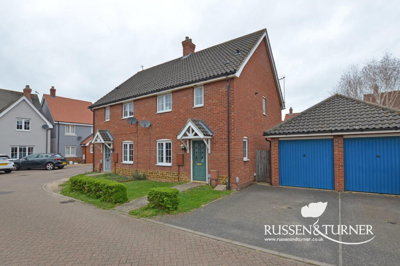
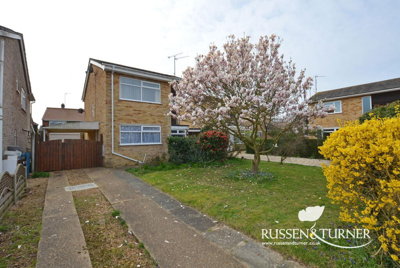
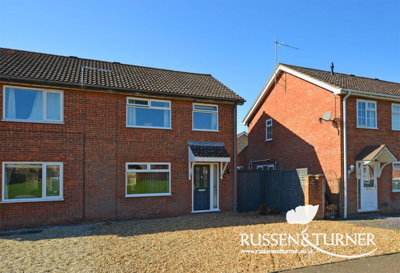
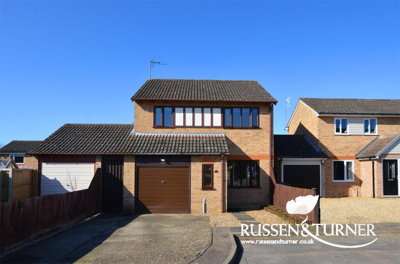
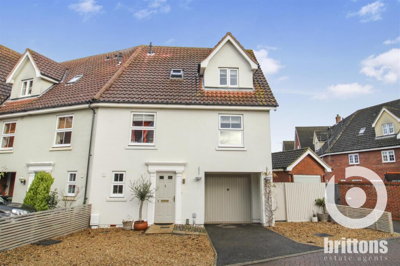
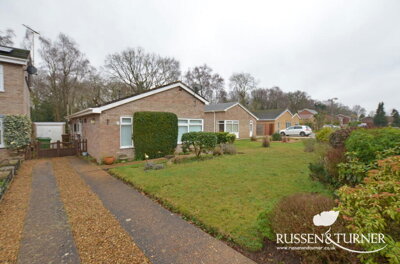
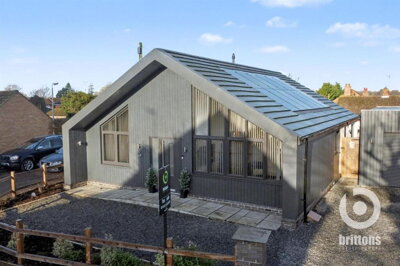
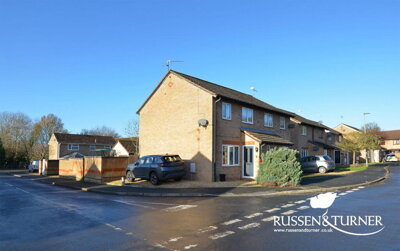
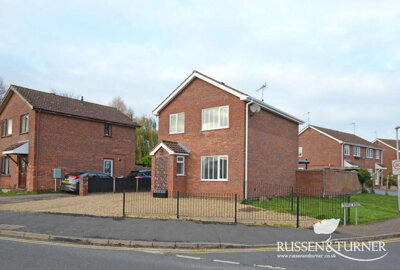
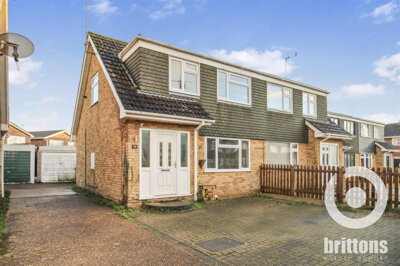
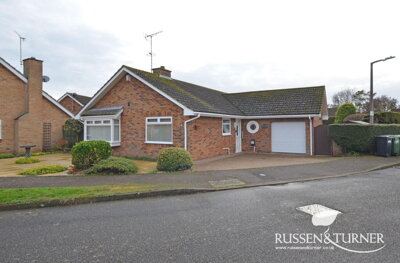
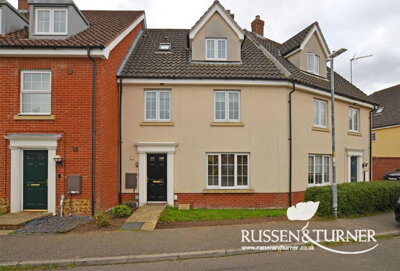
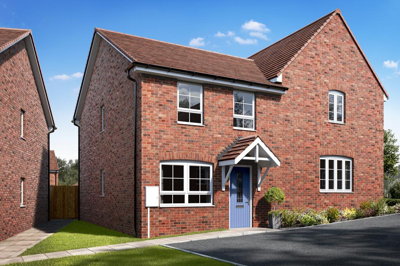
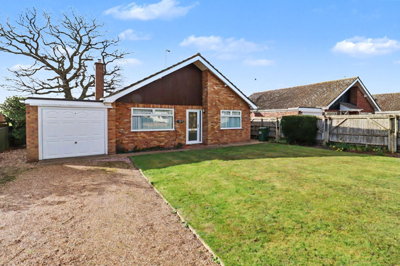
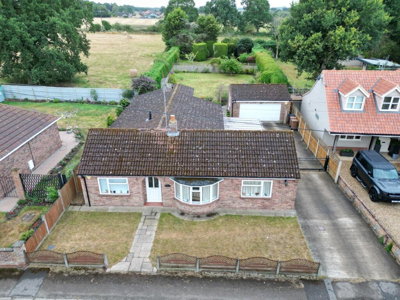
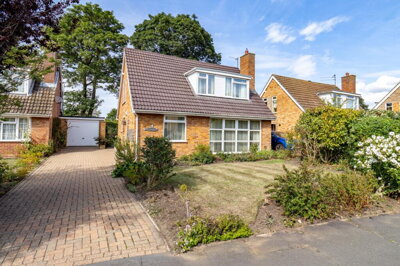
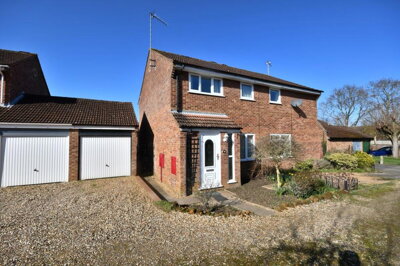
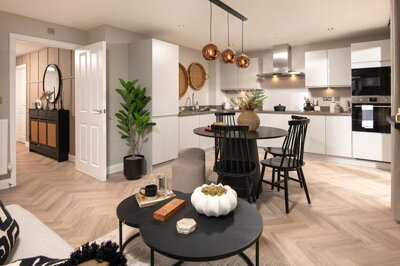
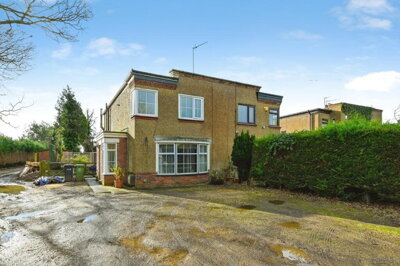
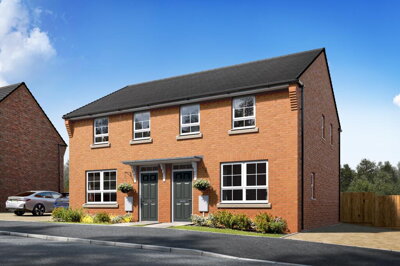
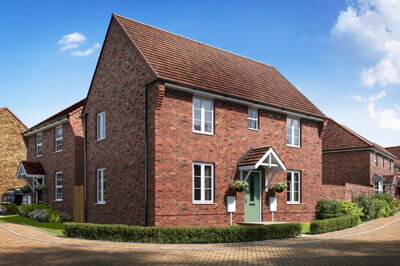
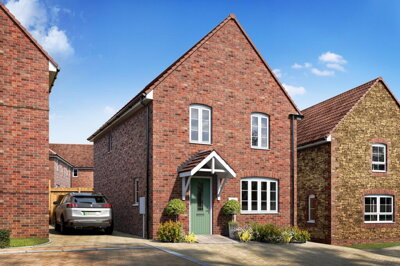
Browse 51 homes for sale in Castle Rising from local estate agents.
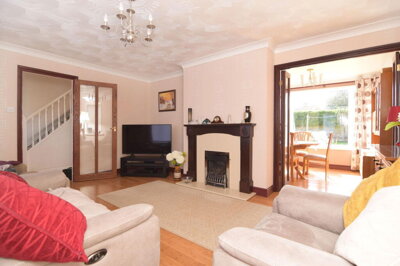
Three bedroom properties represent a significant portion of the Castle Rising housing market, offering space for families with multiple reception rooms and gardens in many cases. Browse detached, semi-detached, and terraced options ranging from period character homes to contemporary developments.
The Castle Rising property market reflects its status as an exclusive rural village with strong historical credentials. Our data shows that detached properties in the village have sold for between £550,000 and £975,000 in recent transactions, with The Old Barn on Lower Road achieving £975,000 in April 2023 and 7 Church Crofts selling for £550,000 in September 2023. Lynn Road, a primary residential street within the village, records an average sale value of £951,040 according to Bricks&Logic, with transactions ranging from £301,497 for three-bedroom freehold houses to £2,817,469 for premium five-bedroom properties.
House prices on Lynn Road have increased by 41.2% over the past decade, demonstrating consistent long-term growth in this sought-after village location. However, the market experienced a 25% correction from the 2021 peak of £760,667 in the nearby Castle Rising Road area of South Wootton, highlighting the importance of understanding local micro-markets when buying property in this region. The village's proximity to King's Lynn, combined with its conservation status and heritage appeal, continues to attract buyers seeking a blend of rural character and practical connectivity.
New build activity in the immediate Castle Rising village is limited but thoughtful. Planning permission was granted in April 2023 for two pairs of semi-detached dwellings at Flintstones, Lynn Road, designed to be constructed in carrstone and pantiles to complement the historic properties within the conservation area. This reflects the sensitive approach to development that buyers can expect in the village, where any new construction must respect the established architectural character. For buyers interested in newer properties, neighbouring areas such as Castle Reach in South Wootton offer new-build options from major developers including Barratt Homes, David Wilson Homes, Persimmon Homes, and Allison Homes.

Castle Rising offers a village lifestyle defined by its extraordinary heritage and tranquil Norfolk countryside setting. The village takes its name from the impressive Norman castle, built around 1140, which remains a focal point of the community and is managed by English Heritage, attracting visitors throughout the year and connecting residents to nearly 900 years of documented history. The Grade I listed castle and its associated 11th-century church ruins form part of the Rising Castle Estate, owned by Lord Howard of Rising, giving the village a tangible connection to aristocratic heritage that few English villages can match.
The village's architecture reflects centuries of continuous habitation, with many 18th and 19th-century cottages featuring the characteristic Norfolk carrstone walls and brick chimneys that give the village its warm, golden-hued appearance. The local geology provided builders with Silver Carr and Small Carr ironstone quarried from nearby Roydon Common, along with flint and local clay for brick-making, creating a distinctive building tradition that distinguishes Castle Rising from surrounding villages. The village was listed in the Domesday Book with 41 households, and while the population has declined since that medieval census to around 200 residents today, the sense of continuity and place remains deeply embedded in the community.
For daily amenities, residents rely on the nearby town of King's Lynn, just four miles away, which offers supermarkets, healthcare facilities, and a full range of retail and professional services. The village itself maintains a quiet, residential character with easy access to the Norfolk coast at Sandringham and the broader north Norfolk countryside. The presence of the Babingley River, with water levels monitored by GOV.UK at a normal range of 0.15m to 0.29m, adds to the rural charm while serving as a reminder of the low-lying nature of the surrounding landscape. Historically, the village supported three working farms, a blacksmith, builder, carpenter, shoemaker, and miller, though these traditional occupations have given way to a community where many residents commute to employment in King's Lynn or work remotely from home offices in converted period buildings.

Families considering a move to Castle Rising will find educational provision primarily located in the nearby town of King's Lynn and surrounding villages. The village falls within the catchment area of King Edward VII School in King's Lynn, a well-established secondary school serving the west Norfolk area. For primary education, Springwood School in King's Lynn and smaller village primary schools in surrounding communities provide local options, though specific school performance data for the immediate Castle Rising area should be verified with Norfolk County Council's education department during the property search process.
Parents should note that transport arrangements to schools outside the village are typically required, and school bus services operate from Castle Rising to secondary schools in King's Lynn. The village's small population means that some families choose to relocate specifically to access particular school catchments, making it advisable to confirm current arrangements and any planned changes to catchment boundaries before committing to a purchase. Grammar school provision in Norfolk operates through the selective system, with the closest grammar schools located in King's Lynn and nearby towns. Given the historical and heritage-focused character of Castle Rising itself, the village naturally attracts families with an appreciation for traditional education values, though specific academic outcomes for local schools should be reviewed through official performance data published by Ofsted and the Department for Education.
For families prioritising independent education, King's Lynn offers several independent schooling options, and the broader Norfolk area provides access to notable boarding and day schools. The proximity to the Sandringham estate, purchased by the royal family in the mid-19th century, has historically influenced the local area's character and amenities. Parents researching school options should consider that catchment areas can change, and admission criteria depend on various factors including sibling connections and proximity, so direct confirmation with schools and Norfolk County Council is essential before finalising any property purchase.
Castle Rising benefits from its proximity to King's Lynn, approximately four miles distant, which serves as the primary transport hub for the surrounding west Norfolk area. The village sits near the A148 main road that runs between King's Lynn and Fakenham, providing direct access to the market town and connections to the wider Norfolk road network. For commuters, the A47 provides east-west connectivity to Norwich and the Midlands, while the A10 offers routes toward Cambridge and London to the south.
King's Lynn railway station provides regular services on the Fen Line, with direct connections to Cambridge and London King's Cross, typically requiring around 90 minutes to the capital. The station also offers local services within Norfolk, making Castle Rising a viable base for professionals who work in Cambridge or London but wish to enjoy a rural lifestyle. Norwich, with its airport offering domestic and European flights, is accessible via the A47 for residents requiring air travel. The broader East of England region has seen house price growth in rural locations outpacing urban areas, with low unemployment and rising earnings supporting the housing market.
Local bus services operated by Norfolk Green and other providers connect Castle Rising with King's Lynn and surrounding villages, though service frequency is limited compared to urban areas, making car ownership effectively essential for most residents. The village's position within the Norfolk countryside means cycling is popular for recreational purposes, and the relatively flat terrain suits cyclists of varying abilities. Parking within the village reflects its residential nature, with no significant parking constraints affecting property values. The former railway line forming the western boundary of the broader area provides significant protection against tidal flooding while also marking the historical route of the railway that once served these communities.
Before viewing properties, spend time exploring Castle Rising at different times of day and week to understand the community, noise levels, and proximity to the castle and river. Check flood risk mapping for specific properties and review the conservation area boundaries with King's Lynn and West Norfolk Borough Council. Pay particular attention to the age and construction of properties, as many homes in the village date from the 18th and 19th centuries and may have specific maintenance requirements related to traditional building materials.
Contact a mortgage broker to obtain an Agreement in Principle before making offers. Castle Rising properties typically command premium prices, so ensure your financial position is strong. Our mortgage comparison tool at Homemove helps you find competitive rates from leading lenders. For properties in the PE31 postcode area, lenders familiar with Norfolk rural property values will be better placed to offer competitive deals, particularly for period properties or those with listed building status.
View multiple properties across different price ranges in Castle Rising and surrounding areas like South Wootton to understand value differences. Take notes on property condition, as many homes are period properties requiring varying degrees of maintenance and renovation. We recommend viewing at least three to five properties before making an offer, and always attend second viewings with a friend or family member to ensure a balanced assessment of the property's merits and any concerns.
Given Castle Rising's heritage properties and potential issues with damp, outdated electrics, and traditional construction methods, a RICS Level 2 Survey is essential. Our survey booking service connects you with qualified surveyors familiar with Norfolk period properties, typically costing £400-800 for standard homes. Properties constructed before 1900 may incur survey premiums of 20-40% due to their complexity, and homes in conservation areas or listed buildings may require the more comprehensive RICS Level 3 Building Survey.
Choose a conveyancing solicitor with experience in Norfolk property transactions, particularly for listed buildings or properties within conservation areas where additional searches and considerations apply. Our conveyancing service matches you with experienced local solicitors who understand the specific requirements of Castle Rising, including the implications of conservation area status and any nearby scheduled monuments or listed buildings that may affect the property.
Once surveys, searches, and negotiations are complete, your solicitor will handle the legal completion process. Castle Rising property transactions typically proceed smoothly, though conservation area requirements may add time for any required planning consents. Our conveyancing team includes specialists familiar with local requirements and can manage the exchange and completion process efficiently, keeping you informed at every stage of your Castle Rising property purchase.
Buying a property in Castle Rising requires attention to the specific characteristics of this historic village. Many homes are constructed from traditional Norfolk carstone, brick, and flint, materials that require understanding and maintenance rather than neglect. Look for signs of damp in older properties, particularly rising damp where modern damp-proof courses may be absent or failed in period buildings. The presence of lime-based mortars should be noted, as cement-based repairs can trap moisture and cause stone erosion over time. Properties built before the 1970s may also contain asbestos in walls and roofing, which should be assessed by a qualified surveyor.
Flood risk deserves careful consideration despite the village not being directly on the coast. The Babingley River runs through the area, with low-lying land flooding possible when river levels exceed 0.38m, well above the normal monitoring range of 0.15m to 0.29m. Review Environment Agency flood mapping for specific property locations and consider the age and condition of any drainage systems serving the property. Properties with gardens sloping toward the house or with aging drainage infrastructure may require investment. The local geology, primarily Lower Cretaceous Sandringham Sand Formation with areas of clay-rich soil, presents some potential for shrink-swell subsidence, especially during prolonged dry periods or heatwaves, which can affect properties with shallow foundations.
The conservation area status of Castle Rising brings planning restrictions that affect what you can do with a property after purchase. External alterations, extensions, and even some interior works may require listed building consent or planning permission from King's Lynn and West Norfolk Borough Council. Budget for these potential requirements and factor in the additional time they may require. Properties like Castle Farm House on Lynn Road are Grade II listed, imposing further restrictions on alterations and requiring specialist survey work. Unauthorized work on a listed building constitutes a criminal offence, so engaging specialist surveyors familiar with historic properties is essential before undertaking any renovation or alteration work.
Property prices in Castle Rising reflect its status as an exclusive rural Norfolk village with significant heritage credentials. Recent sales data shows detached properties ranging from £550,000 to £975,000, with Lynn Road averaging around £951,040 according to Bricks&Logic. A 5-bedroom detached house recently sold for £975,000, while terraced and smaller detached homes have sold for £530,000-£550,000. Prices have increased by 41.2% over the past decade on Lynn Road, demonstrating strong long-term demand for this village location. The village's position within the PE31 postcode area means prices are typically higher than neighbouring areas such as South Wootton on Castle Rising Road, where properties averaged £570,000 over the past year.
Properties in Castle Rising fall under King's Lynn and West Norfolk Borough Council for council tax purposes. The village's character as a primarily older, period property location means many homes fall into Bands F through H due to their size and historical value. Exact bandings depend on property valuation, and buyers should verify the specific banding with the local authority or on the gov.uk council tax valuation service before purchase. The high proportion of period and heritage properties in the village, including the Grade II listed Castle Farm House on Lynn Road, typically results in higher council tax banding compared to newer properties in surrounding areas.
Castle Rising itself has no schools within the village, with primary and secondary education provided in nearby King's Lynn and surrounding villages. The village falls within the catchment area of secondary schools in King's Lynn, including King Edward VII School. Parents should verify current catchment arrangements with Norfolk County Council, as school policies can change and admission criteria depend on various factors including sibling connections and proximity. Springwood School in King's Lynn provides primary education options, while grammar schools in the town operate through Norfolk's selective admission system. For families requiring independent schooling, several options are available in King's Lynn and the broader Norfolk area.
Castle Rising has limited public transport, with the village primarily served by local bus routes connecting to King's Lynn four miles away. King's Lynn railway station offers regular services to Cambridge and London King's Cross on the Fen Line, typically taking around 90 minutes to reach the capital. The A148 provides road access to King's Lynn and connections to the A47 for travel to Norwich and the wider region. Car ownership is effectively essential for most residents, as bus service frequency is limited compared to urban areas. However, the flat Norfolk terrain makes cycling a practical option for recreational journeys and short trips to nearby villages.
Castle Rising offers strong investment potential due to its combination of heritage appeal, conservation status, and proximity to King's Lynn. Long-term price growth of 41.2% on Lynn Road over ten years demonstrates sustained demand. The village's status as a Conservation Area with Grade I listed castle limits development, supporting scarcity value. Properties in conservation areas with period features appeal to buyers seeking character homes, and the limited supply of available properties typically supports prices. The broader East of England region has seen rural house price growth outpacing urban areas, with low unemployment and rising earnings providing supportive market conditions.
For properties in England, standard stamp duty rates apply: 0% on the first £250,000, 5% on £250,001-£925,000, and 10% on £925,001-£1.5 million. First-time buyers relief raises the nil-rate threshold to £425,000 with 5% charged between £425,001-£625,000. For a typical Castle Rising property priced around £550,000, a standard buyer would pay £15,000 in stamp duty, while a first-time buyer would pay £6,250. Always verify current thresholds with HMRC as rates can change, and consider that the premium nature of Castle Rising properties means many transactions will fall into higher stamp duty bands.
From 4.5%
From 4.5% competitive rates from leading lenders
From £499
Expert solicitors familiar with Norfolk properties
From £400
Detailed inspection by qualified surveyors
From £600
Comprehensive building survey for period properties
Budgeting for property purchase in Castle Rising requires careful consideration of the stamp duty costs and additional fees associated with this premium Norfolk location. For a typical detached family home priced at £550,000, a standard buyer purchasing as a main residence would incur £15,000 in Stamp Duty Land Tax, calculated as 5% on the portion between £250,001 and £550,000. First-time buyers would benefit from reduced rates, paying approximately £6,250, as the nil-rate threshold extends to £425,000 with 5% on the amount between £425,001 and £550,000. The premium nature of Castle Rising properties means many transactions exceed the £925,000 threshold at which higher stamp duty rates apply.
Beyond stamp duty, buyers should budget for solicitor conveyancing fees, typically ranging from £500-£1,500 depending on complexity, with additional costs for local authority searches, environmental searches, and drainage and water enquiries. For Castle Rising properties, additional searches related to conservation area status and any nearby heritage assets may be required, potentially adding to legal costs. Survey costs should be factored in, with RICS Level 2 surveys typically ranging from £400-£800 for standard properties, rising for larger homes or those requiring the more comprehensive Level 3 Building Survey appropriate for period properties. Pre-1900 properties typically incur survey premiums of 20-40% due to their construction complexity.
Mortgage arrangement fees typically range from 0-2% of the loan amount, often between £500-£1,000, though many lenders offer fee-free deals. Removal costs vary based on distance and volume, while buildings insurance must be in place from completion. For properties in Castle Rising's conservation area, potential costs related to planning conditions, listed building consent requirements, or specialist renovation work should be explored during the conveyancing process. Our mortgage and conveyancing comparison tools help ensure you find competitive rates and experienced providers for your Castle Rising purchase, connecting you with specialists who understand the specific requirements of this historic Norfolk village.
Properties for Sale In London

Properties for Sale In Plymouth

Properties for Sale In Liverpool

Properties for Sale In Glasgow

Properties for Sale In Sheffield

Properties for Sale In Edinburgh

Properties for Sale In Coventry

Properties for Sale In Bradford

Properties for Sale In Manchester

Properties for Sale In Birmingham

Properties for Sale In Bristol

Properties for Sale In Oxford

Properties for Sale In Leicester

Properties for Sale In Newcastle

Properties for Sale In Leeds

Properties for Sale In Southampton

Properties for Sale In Cardiff

Properties for Sale In Nottingham

Properties for Sale In Norwich

Properties for Sale In Brighton

Properties for Sale In Derby

Properties for Sale In Portsmouth

Properties for Sale In Northampton

Properties for Sale In Milton Keynes

Properties for Sale In Bournemouth

Properties for Sale In Bolton

Properties for Sale In Swansea

Properties for Sale In Swindon

Properties for Sale In Peterborough

Properties for Sale In Wolverhampton

Enter your details to see if this property is within your budget.
Loans, cards, car finance
Estimated property budget
Borrowing + deposit
You could borrow between
Typical borrowing
Monthly repayment
Est. at 4.5%
Loan-to-value
This is an estimate only. Your actual budget may vary depending on interest rates, credit history, and personal circumstances. For an accurate affordability assessment, speak to one of our free mortgage advisors.
This calculator provides estimates for illustrative purposes only and does not constitute financial advice. Your home may be repossessed if you do not keep up repayments on your mortgage. Estimates based on 4.5% interest rate, repayment mortgage. Actual rates depend on your circumstances.
Homemove is a trading name of HM Haus Group Ltd (Company No. 13873779, registered in England & Wales). Homemove Mortgages Ltd (Company No. 15947693) is an Appointed Representative of TMG Direct Limited, trading as TMG Mortgage Network, which is authorised and regulated by the Financial Conduct Authority (FRN 786245). Homemove Mortgages Ltd is entered on the FCA Register as an Appointed Representative (FRN 1022429). You can check registrations at NewRegister or by calling 0800 111 6768.

We use cookies to show you personalised content and improve your experience of our website. Find out more in our Privacy policy and Cookie policy.