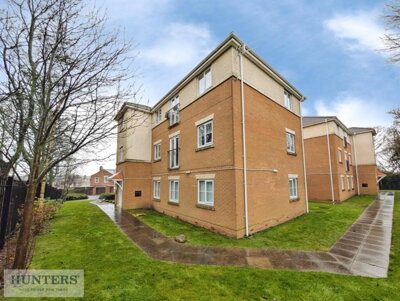
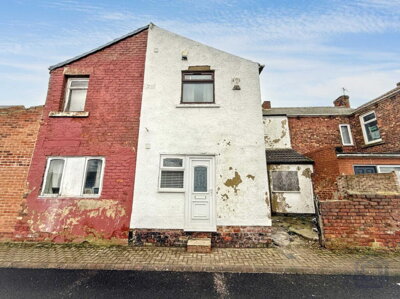
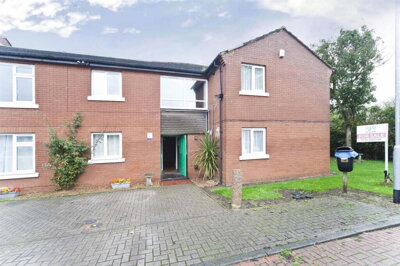
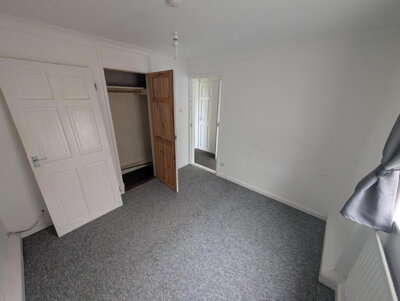
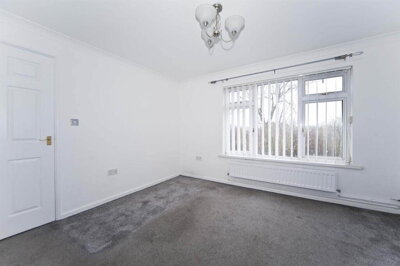
Browse 5 homes for sale in Castle Eden from local estate agents.
Studio apartments feature open-plan living spaces without separate bedrooms, incorporating sleeping, living, kitchen, and bathroom facilities. The Castle Eden studio market includes properties in modern apartment complexes, converted Victorian and Georgian buildings, and purpose-built developments.
£267,778
Average Price
18
Properties for Sale
-1.8%
12-Month Change
+20.6%
5-Year Growth
+37.9%
10-Year Growth
The New Quay property market reflects the character of the village itself, offering traditional Welsh homes at prices that compare favourably with busier coastal hotspots. Detached properties command the highest prices, with the average reaching £321,000 for this property type. These larger homes typically occupy positions with sea views or sit on the outskirts of the village, offering generous gardens and the space that families often seek when relocating to a coastal area. The premium for detached accommodation reflects both the limited supply of such properties and the strong demand from buyers seeking permanent residences rather than holiday lets.
Semi-detached properties in New Quay average around £220,000, making them an accessible entry point to the local market for first-time buyers or those seeking a manageable property in a sought-after location. Terraced homes average £200,000, with many of these situated along the historic streets near the harbour, where traditional fishermen's cottages and Victorian terraces line narrow lanes descending toward the water. Marine Terrace, Rock Street, and Towyn Road represent the main residential arteries, featuring a mix of architectural styles that speak to New Quay's evolution from working fishing village to Victorian resort to the contemporary holiday destination it remains today. Flats average £145,000, though these are less commonly available and often come with the leasehold considerations that buyers should investigate carefully before committing.
Over the past 12 months, prices have decreased by 1.8%, providing a potential window for buyers who have been watching the market, while the five-year increase of 20.6% demonstrates the sustained appeal of Ceredigion coastal property over the longer term. The decade-long rise of 37.9% reflects the village's enduring popularity, driven by its tourism economy, strong holiday let market, and limited new development in this designated Conservation Area. Most properties available in New Quay date from the 18th, 19th, and early 20th centuries, with the housing stock characterised by traditional construction methods including solid stone walls, Welsh slate roofing, and lime mortar pointing. New-build properties are rare in the village centre, though some post-1980 developments exist on the periphery.
Life in New Quay revolves around the sea, the harbour, and the strong sense of community that binds this small Welsh village together. The population of approximately 1,082 residents creates an environment where neighbours know one another, local events draw widespread participation, and the pace of life remains refreshingly unhurried despite the influx of summer visitors. The village centre centres on the historic harbour, where fishing boats still work alongside pleasure craft and dolphin-watching vessels. The Ceredigion coastline forms part of the All Wales Coastal Path, and the village serves as an ideal base for walkers exploring this spectacular scenery.
Local amenities include traditional pubs serving Ceredigion seafood, a convenience store, art galleries showcasing Welsh artists, and seasonal establishments that come alive during the summer months. Marine Terrace and Rock Street feature many of the village's listed buildings, including traditional fishermen's cottages, former warehouses, and public buildings that contribute to the historic character of the seafront. Towyn Road provides access to residential areas climbing away from the harbour, with properties here offering a quieter position while remaining within easy walking distance of the village centre.
The presence of holiday homes and second properties is notable in New Quay, reflecting the broader Ceredigion trend where coastal villages attract buyers seeking holiday retreats. This demand shapes the local market dynamics and contributes to property values that have risen by nearly 38% over the past decade, demonstrating the enduring appeal of this corner of Wales. For buyers seeking a permanent home rather than a holiday let, understanding the seasonal population fluctuations and the proportion of properties used as holiday accommodation helps set appropriate expectations about the character of the neighbourhood throughout the year.

Families considering a move to New Quay will find educational provision appropriate for a village of its size, with Ysgol Gyfun Aberaeron serving as the nearest secondary school for students aged 11 to 16. This Welsh-medium secondary school is located in the nearby town of Aberaeron, approximately six miles from New Quay, and maintains a solid reputation for academic achievement and Welsh cultural engagement. Parents should note that school transport arrangements exist for pupils residing in New Quay who attend secondary schools in surrounding towns, though morning and afternoon bus journeys form part of the daily routine for secondary-age children.
Primary education is available at Ysgol Gynradd New Quay, a Welsh-medium primary school serving pupils from reception through to Year 6. The school provides education for approximately 100 pupils, maintaining the intimate class sizes that often prove attractive to families seeking a more personal educational experience for their children. Early years and nursery provision supplements the primary offering, while post-16 students typically travel to Aberaeron or Cardigan for A-level and vocational courses at the local colleges.
The Welsh-medium educational pathway predominates in Ceredigion, and parents seeking English-language schooling should explore options in the surrounding towns where available. For families prioritising English-language education, the journey to Cardigan or Aberaeron may be necessary for secondary provision, adding to the transport considerations that apply more broadly to life in New Quay. School catchments can change, and parents should verify current arrangements directly with Ceredigion County Council before committing to a property purchase based on school placement.
Transport connections from New Quay reflect its status as a small coastal village rather than a major transport hub, though the local road network provides reasonable access to surrounding towns and regional centres. The A486 connects New Quay to Aberaeron to the north and to the A487 coastal road that runs between Cardigan and Aberystwyth. The journey to Aberystwyth takes approximately 45 minutes by car, while Cardigan is reachable in around 25 minutes. For buyers working in these larger towns or commuting further afield, the village requires careful consideration of daily travel requirements, particularly for those who cannot work remotely.
Public transport options are limited, with a sparse bus service connecting New Quay to neighbouring communities on specific days. The nearest railway stations are located in Aberystwyth and Carmarthen, both requiring significant road travel to reach. Aberystwyth station provides connections to Birmingham and London, while Carmarthen offers routes to Swansea, Cardiff, and beyond. For residents who commute to major cities, the driving commitment required should be factored into lifestyle calculations.
However, many New Quay residents have embraced the village precisely because it represents a departure from city commuting, with remote working arrangements enabling professionals to enjoy coastal living while maintaining their careers. The availability of superfast broadband has improved in recent years, though buyers should verify connection speeds at specific properties, particularly those in more isolated positions on the village periphery. The coastal location does mean that some areas may experience mobile signal issues, and residents often maintain both landline and mobile connections to ensure reliable communication.
Start by exploring current listings in New Quay to understand what your budget will secure. With 18 properties typically available at any time and prices ranging from around £145,000 for flats to over £320,000 for detached homes, knowing your parameters helps narrow your search effectively. Consider engaging with local estate agents who know the village intimately, as off-market opportunities occasionally arise in close-knit communities. The New Quay market moves deliberately, and patient buyers who develop relationships with local agents often gain access to properties before they reach broad public marketing.
Spend time in New Quay across different days and seasons to experience what daily life actually entails. Walk the harbour, visit local shops, check access to the beaches and coastal paths, and speak with residents about their experiences. Consider the implications of living in a tourist village, including seasonal population fluctuations and the presence of holiday lets in residential streets. A summer weekend visit will show New Quay at its busiest, while a midweek visit in winter demonstrates the quieter pace of permanent residence. Both experiences inform a purchasing decision.
Obtain a mortgage agreement in principle before making formal viewing requests, as this demonstrates serious intent to sellers. With average prices at £267,778, ensure your borrowing capacity aligns with the local market. Arrange viewings of shortlisted properties, taking time to assess condition, garden aspects, and proximity to the harbour and beach. Given the age of many New Quay properties, factor potential repair costs into your affordability calculations before committing to a mortgage amount.
Given that many New Quay properties date from the 18th, 19th, and early 20th centuries, a thorough survey is essential. A Level 2 HomeBuyer Report typically costs between £400 and £800 in the Ceredigion area and will identify issues common to older coastal properties, including damp, roof condition, timber defects, and outdated electrics. Our inspectors regularly find damp penetration in solid-walled properties, slipped slate tiles on older roofs, and timber decay where moisture has affected structural elements. Properties in the Conservation Area or those that are listed may warrant the more detailed Level 3 Building Survey.
Engage a conveyancing solicitor with experience in Welsh property transactions to handle the legal work. Your solicitor will conduct searches specific to Ceredigion, including flood risk and drainage searches appropriate for this coastal location. Once all enquiries are resolved and mortgage offers received, exchange contracts and completion can proceed, with keys typically released through the estate agent. Budget additional time for searches given the coastal location, as flood risk assessments and environmental searches may require more detailed investigation than in lower-risk areas.
Property buyers in New Quay should be aware of several area-specific considerations that affect due diligence and ongoing ownership costs. The Conservation Area designation covering the historic core means that exterior alterations, extensions, and even significant repairs may require planning consent from Ceredigion County Council. Properties along Marine Terrace, Rock Street, and Towyn Road often carry listed building status, adding further planning requirements and restrictions. Before purchasing, establish whether your target property is listed and understand the implications for future works you may wish to undertake. Our surveyors regularly advise buyers on the specific constraints affecting listed properties in the Conservation Area, including requirements for traditional materials and methods in any repairs.
Flood risk requires careful assessment in this coastal village. Properties near the harbour or along the Afon Cerdin river face coastal and fluvial flooding potential, particularly during high tides and storm surges. Surface water flooding can also affect areas with poor drainage during heavy rainfall. Your survey should address any evidence of previous flooding, and buildings insurance costs may be higher for properties in identified flood zones. Consider requesting a flood risk report as part of your conveyancing searches and discuss the findings with your buildings insurer before completing. The geology of the New Quay area consists primarily of Silurian and Ordovician mudstones and sandstones, with generally low to very low shrink-swell potential in the bedrock, though superficial deposits could introduce localised moderate risk.
The age of much of the housing stock in New Quay brings specific considerations around construction and condition. Many properties are built with solid walls using local stone, often rendered or painted, with traditional Welsh slate for roofing. Lime mortars were used in older constructions rather than modern cement, and the difference matters for maintenance and repair work. Our inspectors commonly identify damp issues in solid-walled properties without a damp-proof course, roof defects including slipped and broken slate tiles, timber rot in floor joists and window frames, and outdated electrical systems that require upgrading to meet current standards. Budget for these potential repair costs when assessing the true value of any property.
Coastal erosion represents an additional consideration for properties close to the seafront or cliff edges. While the Silurian and Ordovician geology provides generally stable conditions, localised issues can arise from coastal processes affecting foundations over time. Properties in these exposed positions warrant careful structural assessment as part of any survey. For buyers seeking to extend or alter a property, the Conservation Area and listed building controls add complexity and cost to any project, and this should be factored into renovation budgets alongside the usual construction expenses.
The average property price in New Quay currently stands at £267,778 according to recent Rightmove data. Detached properties average £321,000, semi-detached homes around £220,000, terraced properties at approximately £200,000, and flats averaging £145,000. Prices have decreased by 1.8% over the past 12 months, though they have risen by 20.6% over five years and 37.9% over a decade, reflecting the sustained appeal of Ceredigion coastal property and the limited supply of homes in this popular village.
Council tax bands in New Quay are set by Ceredigion County Council across the standard bands A through H. Properties in the village typically fall within bands A to D, with many traditional cottages and smaller terraced properties occupying bands A or B, reflecting their lower assessed values compared to larger detached homes with sea views. Banding depends on the property's assessed value at the 1991 valuation point, and buyers can verify the current banding through the Valuation Office Agency website using the property address. Higher-banded properties on Marine Terrace or Rock Street with seafront positions may fall into bands C or D.
The Welsh-medium Ysgol Gynradd New Quay serves primary-aged children within the village itself, providing education for approximately 100 pupils in intimate class settings. For secondary education, Ysgol Gyfun Aberaeron is the nearest option, located approximately six miles away in Aberaeron, with school transport available for New Quay residents. The school provides education for students aged 11 to 18 and maintains a strong reputation for Welsh-medium education. Parents should verify current catchments and admission arrangements directly with Ceredigion County Council, as these can change and may affect placement eligibility.
Public transport connections from New Quay are limited, reflecting the village's small-scale character as a coastal community. Bus services run infrequently between New Quay and surrounding towns including Aberaeron and Cardigan, with some routes operating only on specific days of the week. The nearest railway stations are in Aberystwyth and Carmarthen, both requiring a significant drive to reach, with Aberystwyth offering connections to Birmingham and London while Carmarthen provides routes to Swansea and Cardiff. Most residents of New Quay rely on private vehicles for daily transportation, and this should be factored into any decision to relocate here, particularly for those who need to commute to work.
The New Quay property market has demonstrated solid long-term growth, with prices rising by nearly 38% over ten years and 20.6% in the past five years. The tourism economy supports a strong holiday let market, and the village's popularity as a coastal destination ensures ongoing demand from visitors seeking dolphin-watching trips, coastal walks along the All Wales Coastal Path, and traditional seaside experiences. However, buyers should be aware of the seasonal nature of the local economy, the impact of holiday lets on residential availability, and the need to budget for maintenance of older properties constructed from local stone with Welsh slate roofs. Capital growth prospects appear reasonable, though rental yields will vary based on property type, condition, and management arrangements.
Stamp duty in Wales operates through the Land Transaction Tax system rather than UK stamp duty. For standard residential purchases, there is no tax on transactions up to £225,000, with rates of 6% on the portion between £225,001 and £400,000, and higher rates above this threshold. For a typical New Quay property at the average price of £267,778, the LTT liability would fall within the 6% band on the portion above £225,000. First-time buyers in Wales do not receive separate LTT relief beyond the standard bands, though the Welsh Government has introduced its own support schemes for affordable housing. Your conveyancing solicitor will calculate the exact LTT liability based on your purchase price and circumstances at the time of transaction.
Our inspectors regularly identify several recurring issues when surveying properties in New Quay. Damp penetration affects many solid-walled properties built without a damp-proof course, particularly those exposed to prevailing south-westerly winds from Cardigan Bay. Roof condition is another common finding, with slipped, broken, or perished slate tiles requiring attention on older properties throughout the village. Timber defects including wet rot, dry rot, and woodworm occur where moisture has penetrated rendering or pointing has deteriorated. Properties along Marine Terrace and Rock Street frequently show signs of salt damp from their proximity to the sea. Outdated electrical wiring and fuse boards are standard findings in properties that have not been rewired since their original construction, often dating from the 18th or 19th centuries.
There are no specific legal restrictions preventing non-Welsh or non-UK residents from purchasing property in New Quay, though all buyers must comply with standard UK property purchase requirements and any applicable Land Transaction Tax obligations. However, buyers should be aware that the village's popularity as a holiday destination means seasonal availability of local services may be reduced outside summer months. Properties used as holiday lets require compliance with Ceredigion County Council licensing requirements for short-term accommodation, and planning consent may be needed if you intend to change a residential property to a holiday let use.
Understanding the full costs of purchasing property in New Quay extends beyond the asking price to encompass legal fees, survey costs, and the Welsh Land Transaction Tax. Conveyancing costs typically start from around £499 for a standard purchase, though more complex transactions involving listed buildings or properties in the Conservation Area may incur higher fees given the additional due diligence required. Your solicitor will conduct local searches specific to Ceredigion, including drainage and water searches appropriate for this coastal location, environmental searches to assess flood and erosion risk, and planning searches to identify any nearby permissions that might affect the property.
Survey costs warrant particular attention given the age of New Quay's housing stock. A RICS Level 2 HomeBuyer Report, priced between £400 and £800 in the Ceredigion area, provides a comprehensive assessment of condition appropriate for most traditional properties. Properties with significant defects, extensive history, or those that are listed may benefit from the more detailed RICS Level 3 Building Survey, which provides fuller investigation of structural elements and construction methods. While some buyers may be tempted to forego survey costs to reduce upfront expenditure, the investment proves worthwhile given the common defects identified in older coastal properties, including damp penetration, timber decay, and roof deterioration.
The Land Transaction Tax rates for residential property purchases in Wales currently apply 0% on the first £225,000, with 6% on the portion between £225,001 and £400,000, and higher rates above £400,000. For a typical New Quay property at the average price of £267,778, the LTT liability would be 6% on the £42,778 portion above £225,000, amounting to approximately £2,567. First-time buyers do not receive additional Welsh LTT relief beyond the standard bands, though the property must be your main residence. Your solicitor will calculate the exact liability based on your circumstances, and this figure should be incorporated into your overall budget alongside mortgage arrangement fees, valuation fees, and the various smaller costs that accumulate during a property purchase.
Properties for Sale In London

Properties for Sale In Plymouth

Properties for Sale In Liverpool

Properties for Sale In Glasgow

Properties for Sale In Sheffield

Properties for Sale In Edinburgh

Properties for Sale In Coventry

Properties for Sale In Bradford

Properties for Sale In Manchester

Properties for Sale In Birmingham

Properties for Sale In Bristol

Properties for Sale In Oxford

Properties for Sale In Leicester

Properties for Sale In Newcastle

Properties for Sale In Leeds

Properties for Sale In Southampton

Properties for Sale In Cardiff

Properties for Sale In Nottingham

Properties for Sale In Norwich

Properties for Sale In Brighton

Properties for Sale In Derby

Properties for Sale In Portsmouth

Properties for Sale In Northampton

Properties for Sale In Milton Keynes

Properties for Sale In Bournemouth

Properties for Sale In Bolton

Properties for Sale In Swansea

Properties for Sale In Swindon

Properties for Sale In Peterborough

Properties for Sale In Wolverhampton

Enter your details to see if this property is within your budget.
Loans, cards, car finance
Estimated property budget
Borrowing + deposit
You could borrow between
Typical borrowing
Monthly repayment
Est. at 4.5%
Loan-to-value
This is an estimate only. Your actual budget may vary depending on interest rates, credit history, and personal circumstances. For an accurate affordability assessment, speak to one of our free mortgage advisors.
This calculator provides estimates for illustrative purposes only and does not constitute financial advice. Your home may be repossessed if you do not keep up repayments on your mortgage. Estimates based on 4.5% interest rate, repayment mortgage. Actual rates depend on your circumstances.
Homemove is a trading name of HM Haus Group Ltd (Company No. 13873779, registered in England & Wales). Homemove Mortgages Ltd (Company No. 15947693) is an Appointed Representative of TMG Direct Limited, trading as TMG Mortgage Network, which is authorised and regulated by the Financial Conduct Authority (FRN 786245). Homemove Mortgages Ltd is entered on the FCA Register as an Appointed Representative (FRN 1022429). You can check registrations at NewRegister or by calling 0800 111 6768.

We use cookies to show you personalised content and improve your experience of our website. Find out more in our Privacy policy and Cookie policy.