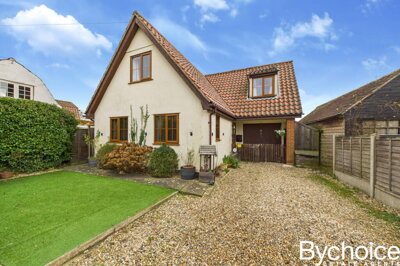
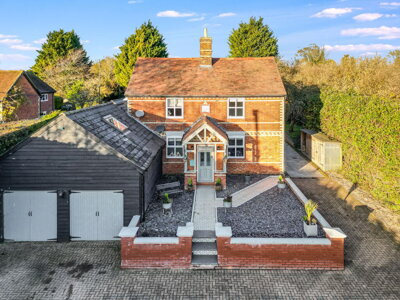
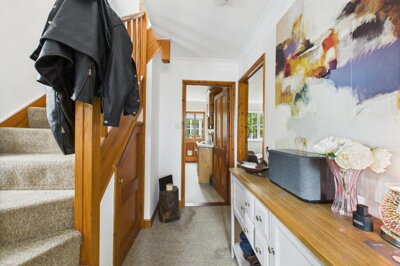
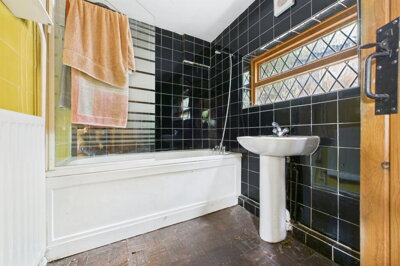
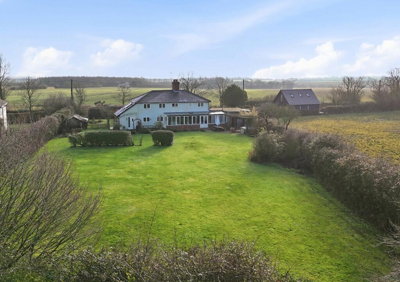
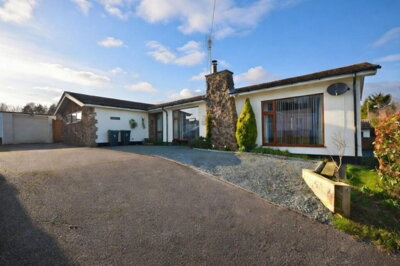
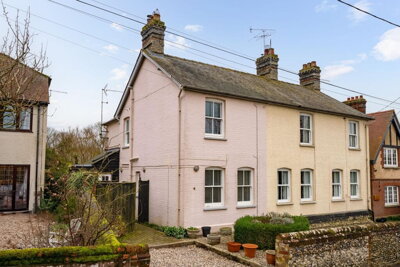
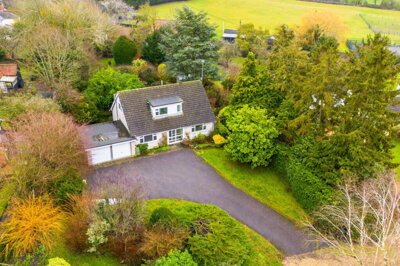
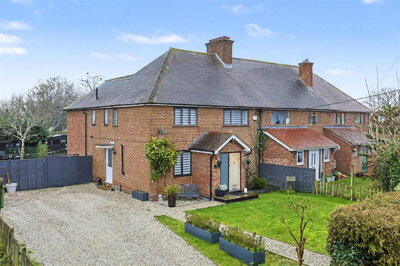
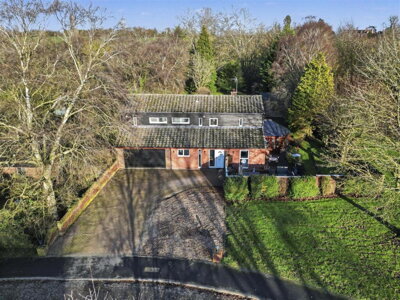
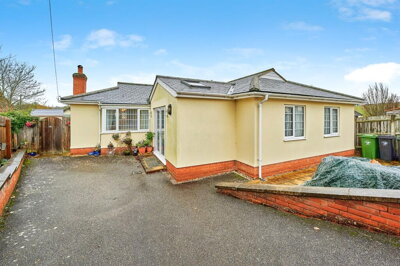
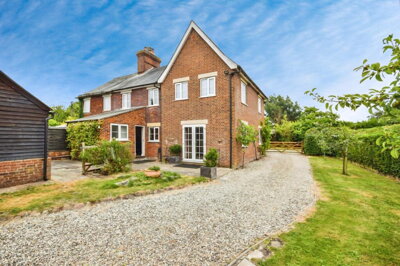
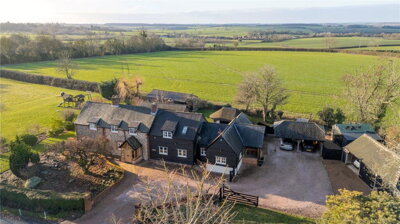
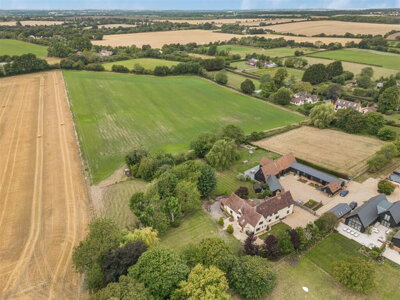
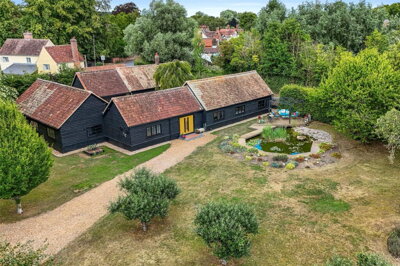
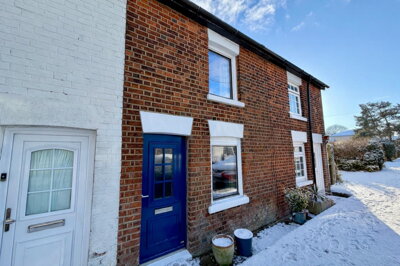
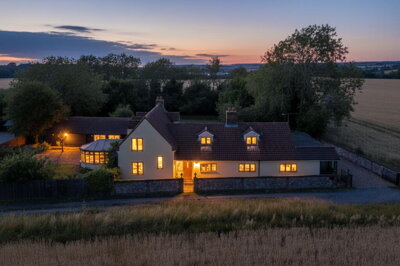
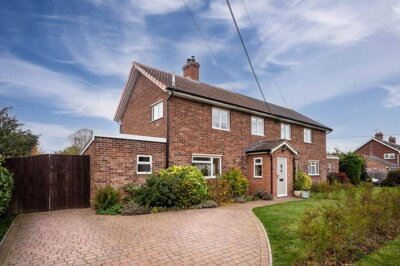
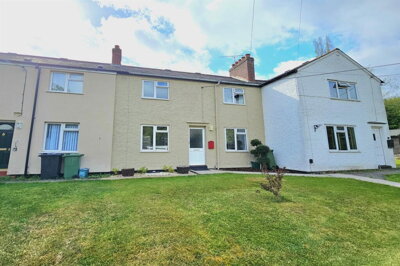
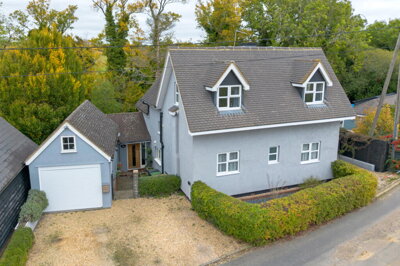
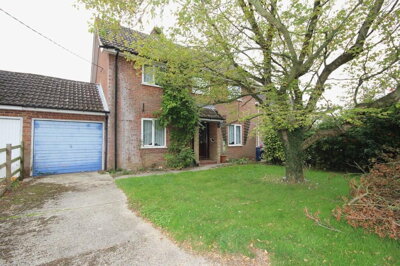
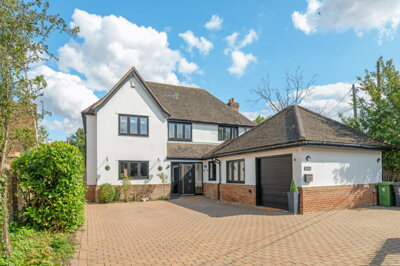
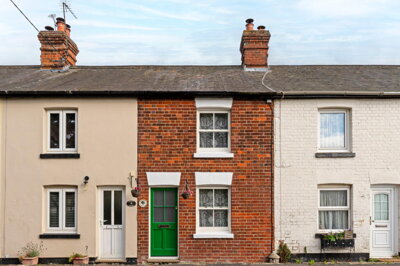
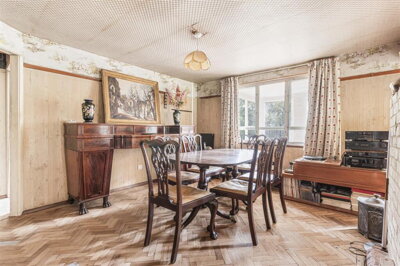
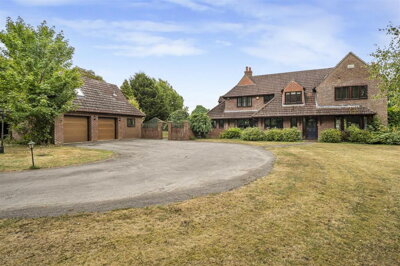
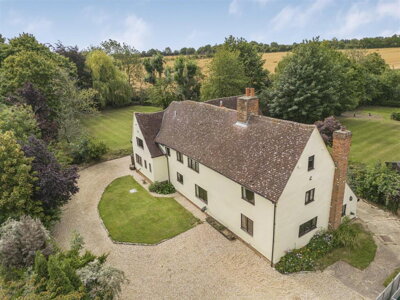
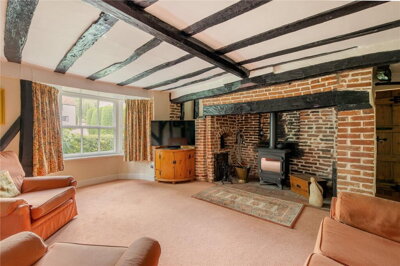
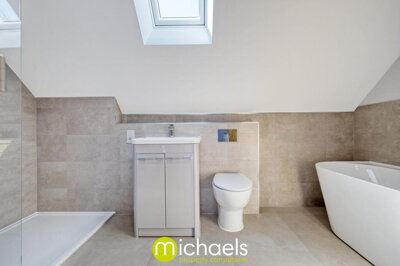
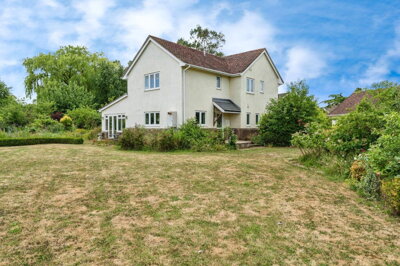
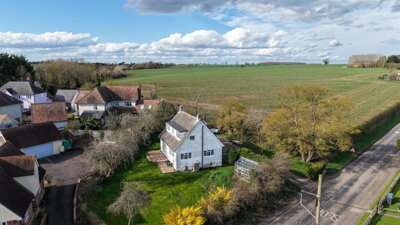
Browse 30 homes for sale in Castle Camps from local estate agents.
The property market in Pilton, Somerset, reflects the broader trends affecting rural Somerset villages, with demand consistently outstripping supply in this sought-after location. Properties in the village typically include traditional period cottages constructed from local Blue Lias and Dundry stone, semi-detached family homes built during the mid-twentieth century, and a selection of detached houses offering generous gardens and countryside views. The village's proximity to Shepton Mallet, historically known for its textile and brewing industries, has influenced the architectural character of the area, with many properties dating from the Georgian and Victorian periods. Buyers seeking character properties will find an excellent selection of cottages featuring original fireplaces, exposed beams, and flagstone floors that exemplify traditional Somerset craftsmanship.
Property prices in Pilton and the surrounding area have demonstrated steady appreciation over recent years, driven by strong demand from buyers seeking rural lifestyles within practical reach of major employment centres. Semi-detached properties in the village typically command prices in the range of £280,000 to £380,000, while detached family homes with substantial gardens can exceed £500,000 depending on condition and position. Traditional stone cottages, highly prized for their character and solid construction, represent a significant portion of available stock and tend to attract competitive interest from buyers recognising their investment value. The Pilton property market experiences particular activity in the spring and summer months, when viewings increase and properties often sell quickly to buyers who have their finances prepared.
New build activity in the immediate village remains limited, though planning permissions in the wider Mendip area continue to bring modern developments to market, offering alternatives for buyers prioritising contemporary specifications and energy efficiency over period charm. Competition for character properties in Pilton can be intense, with multiple buyers often pursuing the same property. Buyers who have obtained mortgage agreement in principle and can demonstrate serious intent tend to fare better in competitive situations. Working with local estate agents active in the Pilton and Shepton Mallet area provides access to properties before they appear on national portals and expert guidance on pricing and market conditions specific to the village.

Pilton village centres around its historic church, St John the Baptist, a Grade I listed building dating from the thirteenth century that serves as both a spiritual centre and architectural landmark for the community. The village green provides a focal point for village life, hosting seasonal events and offering a gathering space that maintains the strong community spirit characteristic of Somerset parishes. Local amenities include a well-regarded public house, The Queen's Arms, offering locally sourced food and a selection of real ales, while the nearby village of Ditcheat provides additional facilities including a post office and village shop. The surrounding countryside offers extensive walking and cycling opportunities, with footpaths crossing farmland towards the Mendip Hills and connecting to the broader network of Somerset trails.
The village hall serves as a hub for community activities, hosting regular events, clubs, and gatherings that bring residents together throughout the year. The playing fields provide recreational space for families, with children's equipment and open grassland that encourages outdoor activity and community interaction. These facilities, maintained through a combination of parish council funding and volunteer efforts, demonstrate the active community involvement that characterises village life in Pilton. Local organisations including the church, the parish council, and informal resident groups all contribute to the sense of belonging that long-term residents consistently cite as a major attraction of village living.
The demographic profile of Pilton reflects that of a prosperous Somerset village, with a mix of long-term residents, families attracted by the excellent schooling in the area, and professionals who commute to nearby towns and cities. The village population includes a significant proportion of families with children, reflecting the area's popularity among buyers seeking to escape larger urban centres while maintaining access to employment and amenities. Property occupancy in Pilton shows a healthy balance between owner-occupied homes and a smaller rental sector, indicating a stable community where residents tend to put down roots and invest in their properties. The annual Pilton Festival, held in the grounds of the historic Pilton House estate, draws visitors from across the region and showcases the village's cultural vitality and community organisations.
Education provision in Pilton and the surrounding area serves families well, with a selection of primary schools within easy reach of the village. The nearest primary school is located in the neighbouring village, offering education for children from Reception through to Year 6, and has built a solid reputation for academic achievement and nurturing environments. For secondary education, pupils typically travel to Shepton Mallet, where specialist secondary schools offer a comprehensive curriculum and excellent facilities including sports halls, science laboratories, and performing arts spaces. The surrounding Mendip area hosts several secondary schools that consistently achieve above-average examination results, making the location particularly attractive to families prioritising educational outcomes. Parents should note that school catchment areas can influence property values significantly, and early investigation of local school admissions criteria is advisable before committing to a purchase.
Beyond state education, the Pilton area benefits from proximity to several independent schools that serve families seeking private education options. These include well-established preparatory and senior schools in the Somerset region that offer small class sizes, extensive extracurricular programmes, and strong academic records. For sixth form and further education, students have access to institutions in nearby Wells, Bath, and Taunton, providing a wide range of A-level and vocational courses. The presence of quality educational options at all levels adds to Pilton's appeal for families and contributes to the stable, community-focused character of the village. Prospective buyers with school-age children should research current Ofsted ratings and admission policies for preferred schools, as catchment boundaries can change and competition for places in popular schools remains intense.
Pilton benefits from its position near the A37, a major road that runs between Bristol and Dorchester, providing direct access to the surrounding towns and villages of Somerset. The A37 connects the village to Shepton Mallet, approximately 3 miles away, and continues to Wells, the smallest city in England, which offers additional shopping, dining, and cultural attractions. For commuters working in Bristol, the journey takes approximately 45 minutes by car, making Pilton viable for those who split their working week between home and office. The M5 motorway is accessible via the A38 at the Fellisloave junction, providing connections to Exeter, Birmingham, and the broader national motorway network. This combination of road connections means that residents of Pilton enjoy genuine flexibility in terms of employment options and access to regional amenities.
Public transport options serving Pilton include bus routes connecting the village to Shepton Mallet, Wells, and Bristol, though services are less frequent than in urban areas and timetable planning is essential for regular commuters. The nearest railway stations are located in Castle Cary and Bruton, both offering regular services to London Paddington with journey times of approximately two hours, making day commuting to the capital a realistic option for those with flexible working arrangements. Castle Cary station, approximately 12 miles from Pilton, provides additional connections to the South West and regional destinations. Bristol Temple Meads station, accessible by car or bus, provides comprehensive national rail connections including services to London, Birmingham, and the South West. For air travel, Bristol Airport, located approximately 20 miles from Pilton, offers domestic and European flights, while Southampton Airport provides additional options for holiday travel. Cyclists will appreciate the scenic country lanes surrounding Pilton, though longer routes require careful planning given the hilly terrain characteristic of the Mendip area.
Before arranging viewings in Pilton, spend time exploring the village at different times of day and week to understand its character, traffic patterns, and community atmosphere. Visit local shops, the pub, and nearby amenities to ensure the area matches your lifestyle expectations. Speak with existing residents if possible to gain genuine insight into village living.
Obtain a mortgage agreement in principle from a qualified lender before viewing properties. Having your financing confirmed demonstrates your seriousness to sellers and estate agents, and helps you understand your true budget in the Pilton market. Factor in additional purchase costs including stamp duty, solicitor fees, and survey costs when calculating your budget.
Work with local estate agents active in the Pilton and Shepton Mallet area to arrange viewings of suitable properties. Take notes and photographs during viewings, and where possible view properties more than once to assess factors like natural light and neighbour activity. Properties in Pilton can attract multiple buyers, so moving quickly on properties you like is advisable.
Once your offer is accepted, instruct a RICS Level 2 Survey (Homebuyer Report) before proceeding to exchange contracts. This survey will identify any structural issues, maintenance concerns, or potential problems specific to the property type and construction. For stone-built cottages and period properties common in Pilton, a thorough survey is particularly valuable.
Choose an experienced property solicitor to handle the legal aspects of your purchase. Your solicitor will conduct searches, handle Land Registry documentation, and ensure all necessary checks are completed before completion. Local knowledge of Somerset properties and the Mendip area can be valuable when reviewing search results.
Once all searches are satisfactory and your mortgage is confirmed, your solicitor will exchange contracts and agree a completion date. On completion day, the remaining balance is transferred and you receive the keys to your new Pilton home. Build in contingency time for any delays that may arise during the conveyancing process.
Properties in Pilton encompass a variety of construction types and ages, and understanding the building materials used in local properties is essential for assessing maintenance requirements and potential issues. Traditional cottages in the village were typically constructed using local Blue Lias stone, a sedimentary limestone quarried locally that provides excellent thermal mass but can be susceptible to weathering and moisture penetration if not properly maintained. Properties built during the twentieth century may incorporate construction methods common to their era, including cavity wall construction and concrete foundations that should be assessed for any signs of movement or deterioration. A thorough RICS Level 2 Survey will identify concerns specific to the property type and construction era, providing crucial information before you commit to your purchase.
Common issues in traditional Somerset stone properties include rising damp, where moisture travels up through stone walls due to damaged or missing damp proof courses, and deterioration of mortar joints requiring repointing. Valley gutters on older roofs are prone to leaking and should be inspected carefully, as are slipped or broken slates that can allow water ingress. Timber elements in period properties, including beams, floorboards, and window frames, may show signs of woodworm or dry rot that require specialist treatment. Properties with thatched roofs need regular maintenance from craftsmen experienced in traditional techniques, and insurance costs for thatched properties tend to be higher than for standard construction.
Flood risk in Pilton requires investigation before purchase, particularly for properties located near watercourses or in low-lying areas of the village. While the village itself is not identified as a high-risk flood zone, climate change has increased the importance of understanding surface water drainage and the history of any flooding affecting the property. Planning restrictions in the Mendip area, including conservation considerations for listed buildings and village heritage assets, may affect your ability to make alterations or extensions to period properties. If you are purchasing a leasehold property, carefully review the terms of the lease including ground rent obligations and any service charges, as these costs can vary significantly between properties and impact your overall affordability calculations.
Property prices in Pilton reflect the premium associated with desirable Somerset villages, with semi-detached homes typically ranging from £280,000 to £380,000 and detached properties with generous gardens commanding prices from £400,000 to over £500,000. Traditional stone cottages represent a significant portion of available stock and attract strong interest due to their character and solid construction. Prices can vary considerably depending on property condition, position within the village, and the presence of features such as large gardens or countryside views. The Somerset property market has demonstrated steady long-term growth, with Pilton benefiting from its proximity to major employment centres and desirable countryside setting.
Properties in Pilton fall under Mendip District Council, which sets council tax rates for the parish alongside Somerset County Council and local parish council levies. Most residential properties in the village will fall within Bands B through E, with the specific band depending on the property's assessed value. Band B properties typically pay around £1,400 to £1,500 annually in base council tax, while Band E properties may pay £2,000 or more before any applicable discounts. Prospective buyers should request the council tax band from the seller or estate agent and factor these ongoing costs into their budget calculations alongside mortgage payments, utility bills, and maintenance expenses.
The Pilton area offers access to good primary schools in the surrounding villages, with several schools in the Shepton Mallet area serving secondary education needs and consistently achieving positive Ofsted ratings. For families considering private education, several well-regarded independent schools operate in the wider Somerset region, providing options for preparatory and senior education. Secondary schools in the Mendip area serve pupils from age 11 through to sixth form, with specialist subjects and comprehensive extracurricular programmes. The presence of quality educational institutions at all levels makes Pilton particularly attractive to families, though parents should research current admission policies and consider school transport arrangements when evaluating properties.
Public transport options in Pilton include local bus services connecting the village to Shepton Mallet, Wells, and Bristol, though services operate less frequently than in urban areas and timetable planning is advisable. The nearest railway stations at Castle Cary and Bruton provide regular services to London Paddington, with journey times of approximately two hours. For commuters to Bristol, the journey by car takes around 45 minutes via the A37 and A4, while Bristol Temple Meads offers comprehensive national rail connections. Residents without cars should carefully review bus timetables and consider whether their commuting requirements can be met by available services.
Pilton represents a solid property investment given its combination of rural charm, strong community character, and practical connectivity to major centres. Property values in the village have demonstrated consistent appreciation, supported by limited supply of quality homes and persistent demand from buyers seeking the Somerset countryside lifestyle. The village's proximity to the Mendip Hills, excellent schools, and good transport links ensures continued appeal to a broad range of buyers. For landlords, the rental market in the surrounding area benefits from demand from professionals working in nearby towns and those seeking temporary accommodation before purchasing.
Stamp Duty Land Tax applies to all property purchases in England above £250,000 at standard rates of 5% on the portion between £250,001 and £925,000, and 10% on the portion up to £1.5 million. First-time buyers benefit from relief on purchases up to £625,000, paying 0% on the first £425,000 and 5% on the amount between £425,001 and £625,000. For a typical Pilton property priced at £350,000, a first-time buyer would pay £0 in stamp duty, while a home mover would pay approximately £5,000. Your solicitor will calculate the exact SDLT liability based on your circumstances and property price.
Properties in Pilton require attention to maintenance considerations common to rural Somerset homes, including the condition of stone walls, thatched roofs on period cottages, and septic tank or private drainage systems serving properties not connected to mains sewerage. Traditional stone-built cottages may require repointing and treatment for rising damp, while properties with thatched roofs need specialist maintenance from craftsmen experienced in traditional techniques. Regular maintenance of gutters, downpipes, and drainage systems is essential given the volume of rainfall Somerset receives. A comprehensive RICS Level 2 Survey will identify any urgent maintenance concerns and help you budget for future repairs.
From 4.5%
Compare mortgage rates and find the right financing for your Pilton property purchase
From £499
Expert property solicitors to handle your legal work
From £350
Professional survey to assess property condition before you buy
From £75
Energy performance certificate for your new home
Understanding the full costs of purchasing property in Pilton extends beyond the advertised price and includes stamp duty, solicitor fees, survey costs, and various other expenses that together can add several thousand pounds to your budget. Stamp Duty Land Tax is calculated on a tiered basis, with purchases up to £250,000 attracting no duty, amounts between £250,001 and £925,000 taxed at 5%, and higher value properties incurring additional charges at 10% and 12% on the remaining sum. For a detached family home in Pilton priced at £475,000, a home mover would pay approximately £11,250 in SDLT, while the same property purchased by a first-time buyer would attract relief reducing the liability significantly.
Solicitor and conveyancing costs for a Pilton property typically range from £800 to £2,000 depending on the complexity of the transaction and whether the property is freehold or leasehold. Your solicitor will conduct essential searches including local authority checks, drainage and water searches, and environmental searches that reveal any issues affecting the property or land. A RICS Level 2 Survey costs from £350 depending on property size and value, while an Energy Performance Certificate is mandatory and costs from £75. Additional costs to budget for include land registry fees, bank transfer charges, and removal expenses. Altogether, buyers should budget for approximately 3% to 5% of the property price in addition to the purchase price itself, ensuring they have sufficient funds to complete their purchase without financial strain.
Beyond the immediate purchase costs, new homeowners should consider ongoing expenses including council tax, buildings insurance, utility bills, and regular maintenance. Properties in Pilton, particularly older stone cottages, may require more maintenance than modern homes, and setting aside funds for anticipated repairs is prudent. Annual service charges for leasehold properties, if applicable, should be confirmed before purchase. Budgeting carefully for all costs ensures a smoother purchase process and prevents financial stress once you have moved into your new Pilton home.

Properties for Sale In London

Properties for Sale In Plymouth

Properties for Sale In Liverpool

Properties for Sale In Glasgow

Properties for Sale In Sheffield

Properties for Sale In Edinburgh

Properties for Sale In Coventry

Properties for Sale In Bradford

Properties for Sale In Manchester

Properties for Sale In Birmingham

Properties for Sale In Bristol

Properties for Sale In Oxford

Properties for Sale In Leicester

Properties for Sale In Newcastle

Properties for Sale In Leeds

Properties for Sale In Southampton

Properties for Sale In Cardiff

Properties for Sale In Nottingham

Properties for Sale In Norwich

Properties for Sale In Brighton

Properties for Sale In Derby

Properties for Sale In Portsmouth

Properties for Sale In Northampton

Properties for Sale In Milton Keynes

Properties for Sale In Bournemouth

Properties for Sale In Bolton

Properties for Sale In Swansea

Properties for Sale In Swindon

Properties for Sale In Peterborough

Properties for Sale In Wolverhampton

Enter your details to see if this property is within your budget.
Loans, cards, car finance
Estimated property budget
Borrowing + deposit
You could borrow between
Typical borrowing
Monthly repayment
Est. at 4.5%
Loan-to-value
This is an estimate only. Your actual budget may vary depending on interest rates, credit history, and personal circumstances. For an accurate affordability assessment, speak to one of our free mortgage advisors.
This calculator provides estimates for illustrative purposes only and does not constitute financial advice. Your home may be repossessed if you do not keep up repayments on your mortgage. Estimates based on 4.5% interest rate, repayment mortgage. Actual rates depend on your circumstances.
Homemove is a trading name of HM Haus Group Ltd (Company No. 13873779, registered in England & Wales). Homemove Mortgages Ltd (Company No. 15947693) is an Appointed Representative of TMG Direct Limited, trading as TMG Mortgage Network, which is authorised and regulated by the Financial Conduct Authority (FRN 786245). Homemove Mortgages Ltd is entered on the FCA Register as an Appointed Representative (FRN 1022429). You can check registrations at NewRegister or by calling 0800 111 6768.

We use cookies to show you personalised content and improve your experience of our website. Find out more in our Privacy policy and Cookie policy.