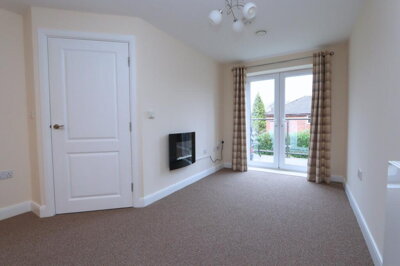
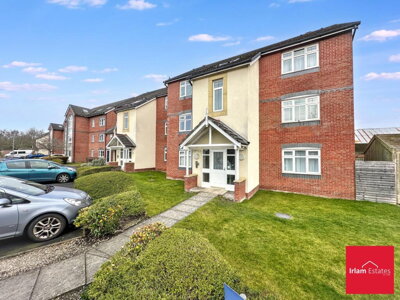
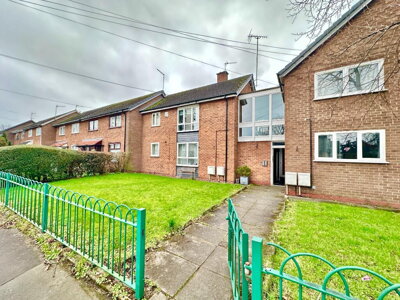
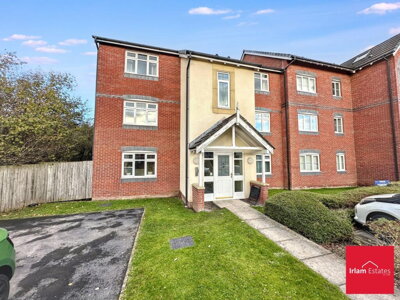
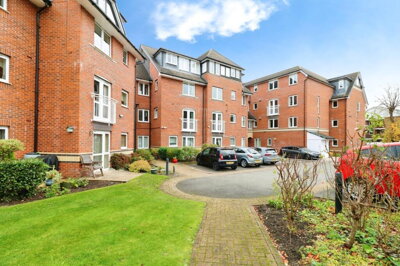
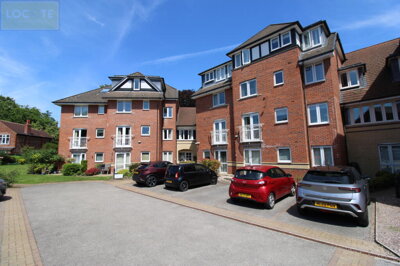
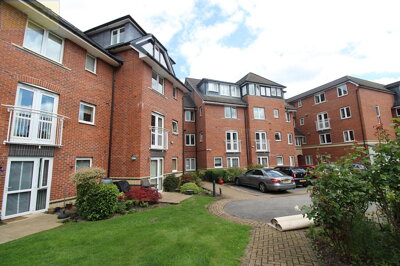
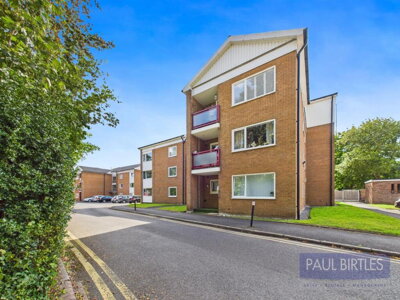
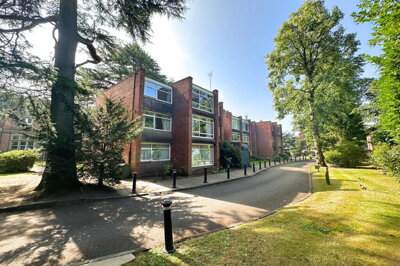
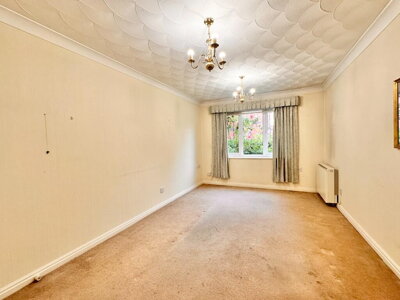
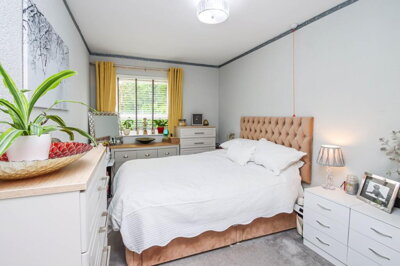
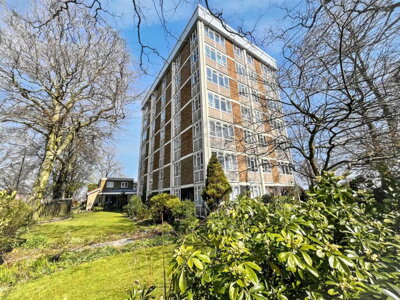
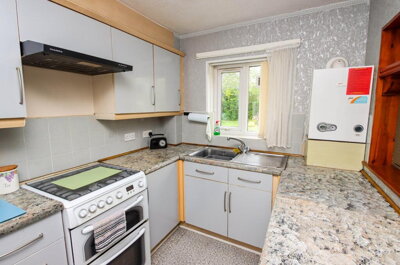
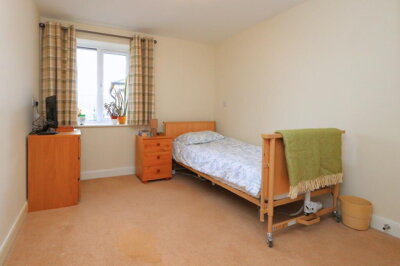
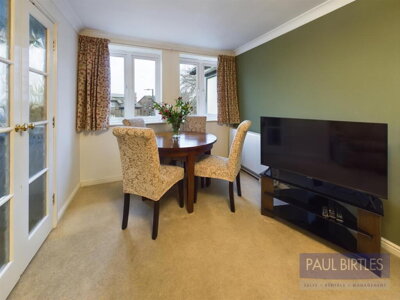
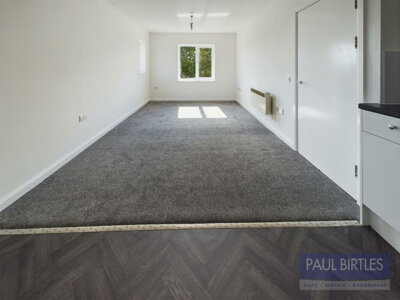
Browse 23 homes for sale in Carrington from local estate agents.
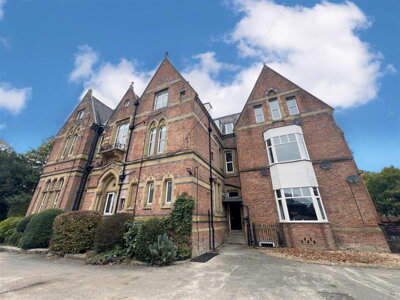
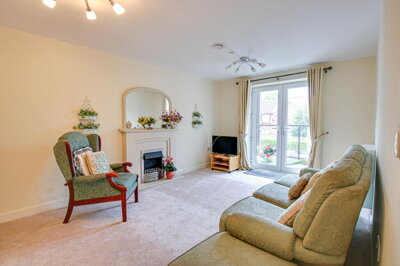
One bed apartments provide a separate bedroom alongside distinct living space, bathroom, and kitchen areas. Properties in Carrington are available in various building types including mansion blocks, contemporary developments, and house conversions.
The Carrington property market offers a diverse range of housing types to suit various buyer requirements and budgets. Detached properties command the highest prices in the area, with the average detached home selling for £431,833, reflecting the generous plot sizes and family-friendly character of these residences. Semi-detached houses, which form a significant portion of the local housing stock, average around £273,125, making them an excellent choice for families seeking space without the premium associated with detached living. The semi-detached category aligns closely with the overall average house price, indicating that these properties represent the typical Carrington home.
The wider Trafford district housing profile shows semi-detached properties comprising 36.4% of the housing stock, terraced homes at 26.0%, detached houses at 19.3%, and flats, maisonettes, or apartments making up 18.0%. This distribution reflects the suburban character of Carrington and its surrounding areas, where family-oriented housing predominates. Properties built between 1919 and 1980 form a substantial portion of the existing housing stock, giving Carrington its distinctive blend of traditional and more modern architecture. Understanding this housing mix helps buyers appreciate the range of options available when searching for their ideal property.
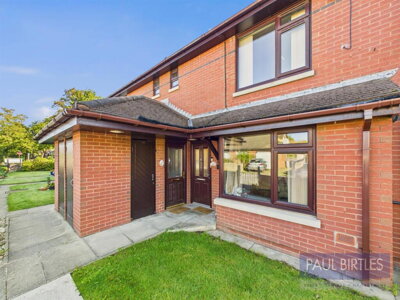
Terraced properties provide an accessible entry point into the Carrington market, with average prices around £206,250 for this property type. These homes often appeal to first-time buyers and investors seeking a foothold in the desirable Trafford borough. Flats in Carrington average £150,000, offering apartment living for those prioritising convenience and lower maintenance requirements. The market has recorded 16 property sales in the past twelve months, a figure that reflects the community's size while indicating steady activity in this sought-after location.
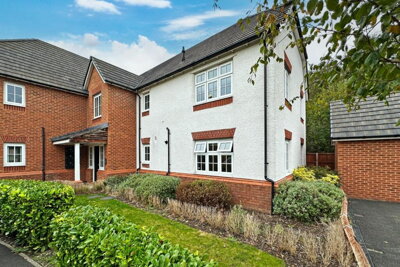
Carrington has experienced significant new-build activity in recent years, with the Carrington Village development by Miller Homes and Bellway Homes leading the charge off Manchester Road, M31 4AY. These phases offer a mix of 2, 3, 4, and 5-bedroom homes, including both semi-detached and detached properties designed to meet the needs of modern families. Prices for available homes at Bellway's Carrington Village start from approximately £299,995 for a 3-bedroom semi-detached house, making new-build options competitive with the existing stock when factoring in warranties and energy efficiency benefits. These new properties form part of the larger Future Carrington masterplan, which encompasses residential, commercial, and infrastructure improvements across the area.
The Future Carrington masterplan represents one of the most significant regeneration projects in Greater Manchester, bringing substantial investment to this historic village. The development includes not only new homes but also commercial spaces, community facilities, and improved road and rail infrastructure designed to support the growing population. Miller Homes' phase, known as Carrington Village @ Future Carrington, offers additional housing options that complement the Bellway development, providing buyers with a choice of builders and property styles. New-build properties utilise modern cavity wall construction, often featuring a mix of brick and rendered finishes, concrete roof tiles, uPVC windows, and energy-efficient designs that can significantly reduce ongoing utility costs compared to older properties.

Carrington embodies the qualities that make Trafford one of the most desirable places to live in Greater Manchester. The area maintains a rich industrial heritage, with large industrial estates continuing to provide local employment in logistics and manufacturing sectors. This economic foundation complements the residential character of the village, offering residents the convenience of working locally while enjoying a peaceful home environment. The proximity to the River Mersey contributes to the scenic quality of the surrounding area, though buyers should be aware of certain flood risk areas near watercourses and low-lying ground.
The local landscape around Carrington features a mix of residential streets, open countryside, and green spaces that define the character of this Trafford village. Traditional properties in Carrington predominantly feature cavity wall construction with red brick, slate or concrete tile roofs, timber floor joists, and plaster finishes typical of the Victorian and Edwardian era. These older properties, many of which are over 50 years old, represent a significant portion of the housing stock and offer the character and solid construction that period homes are known for. Modern developments in the area have adopted contemporary building methods with improved insulation and thermal performance standards.
The local economy benefits from proximity to major employment centres including Trafford Park, Manchester city centre, and the MediaCityUK development at Salford Quays. Carrington's industrial estates continue to serve the logistics and manufacturing sectors, providing jobs for local residents and supporting the broader economy of the area. The village also benefits from its position relative to the M60 orbital motorway, which enables easy access to employment opportunities across Greater Manchester without requiring residents to navigate central Manchester congestion. For those working in healthcare, education, or professional services, Manchester's city centre hospitals, universities, and financial district are readily accessible by car or public transport.
Education provision in Carrington serves families with children of all ages, with primary and secondary schools within easy reach of residential areas. The local primary schools in and around Carrington cater to Reception through to Year 6, providing a solid foundation for young learners in a supportive environment. Trafford as a borough is renowned for its excellent educational standards, with many schools consistently performing well in national assessments and inspections. Parents considering a move to Carrington will find a range of educational options that align with the borough's reputation for academic achievement and nurturing environments.
Secondary education in Trafford includes several highly regarded schools, with some operating as selective grammar schools that admit students based on academic selection. Trafford Grammar School and others in the borough consistently achieve strong results in GCSE and A-level examinations, making the area attractive to families who prioritise academic excellence. The selective nature of grammar school admissions means that entrance can be competitive, and parents should research specific catchment areas well in advance of any house purchase. For families outside the grammar school catchment, Trafford also offers excellent comprehensive secondary schools that provide high-quality education across a broad curriculum.
For sixth-form education, students have access to excellent further education colleges and sixth-form centres in the surrounding area, offering a wide range of A-level and vocational courses. Altrincham College of Arts, part of the Trafford College group, provides further education opportunities for students completing their secondary education. Parents should verify current admission policies and catchment areas through the Trafford Council website or direct school enquiries, as these can change and may affect which schools your child can attend from your new Carrington address.
Carrington benefits from excellent connectivity that makes commuting to Manchester city centre and beyond straightforward for residents. The location provides good access to the motorway network, with links to the M60 orbital motorway enabling travel across Greater Manchester without entering central congestion. Local bus services connect Carrington to surrounding towns and Manchester city centre, offering public transport options for those who prefer not to drive. The proximity to major employment centres in Manchester, Salford, and Trafford Park makes Carrington particularly attractive to commuters working in these areas.
For rail travel, nearby stations provide connections to Manchester Piccadilly, Manchester Victoria, and other regional destinations. Journey times to Manchester city centre by public transport typically range from 30 to 45 minutes depending on the specific route and connection. Trafford Park railway station offers regular services and is within reasonable distance for Carrington residents, providing direct connections to Manchester's major rail hubs. For those commuting further afield, the M6 motorway provides access to Liverpool, Birmingham, and the motorway network beyond the North West.
Cyclists will find some dedicated routes and cycle-friendly roads in the area, though the hilly terrain of some surrounding areas requires consideration. Parking provision in Carrington is generally good compared to central Manchester, with most properties offering off-street parking or garage facilities that add to the convenience of car-based commuting. The relative ease of car travel, combined with good public transport options, makes Carrington a practical choice for commuters who need flexibility in how they travel to work.
Spend time exploring Carrington before committing to a purchase. Visit local shops, parks, and amenities to ensure the area matches your lifestyle expectations and daily requirements. Walk the streets at different times of day and speak to residents if possible to get an authentic feel for the community.
Contact lenders to obtain an agreement in principle before viewing properties. This demonstrates your purchasing readiness to estate agents and sellers, strengthening your position in a competitive market where multiple offers are common.
Book viewings of properties that match your criteria and budget. Take notes during each viewing and photograph rooms for later comparison when deciding between shortlisted homes. Consider visiting properties more than once, perhaps at different times of day, to assess noise levels and neighbourhood character.
Once your offer is accepted, instruct a qualified surveyor to conduct a Level 2 HomeBuyer Report. This detailed assessment of the property's condition identifies defects common in Carrington's housing stock, including potential damp issues, roof condition, and any signs of subsidence related to the local clay geology.
Appoint a solicitor to handle the legal aspects of your purchase. They will conduct searches, review contracts, and coordinate with the seller's representatives throughout the transaction. Your solicitor will also handle Land Registry registration and the transfer of funds on completion day.
Your solicitor will arrange for contracts to be signed and the deposit paid at exchange. Completion typically follows within weeks, when the remaining funds are transferred and you receive the keys to your new Carrington home. Our conveyancing partners can connect you with experienced solicitors who handle Trafford property transactions regularly.
Buyers considering properties in Carrington should be aware of specific local factors that can affect their purchase decision and long-term satisfaction with the property. The underlying geology of the area includes glacial till and boulder clay deposits, which present a moderate to high shrink-swell risk for property foundations. This clay-rich soil can cause movement during periods of extreme wetness or dryness, potentially affecting older properties with shallow foundations. A thorough RICS Level 2 Survey is essential to identify any existing signs of subsidence or structural movement before you commit to a purchase.
Properties built before the 1980s often have electrical wiring and plumbing systems that may not meet current standards and require upgrading to meet modern safety requirements. Original features such as sash windows, period fireplaces, and solid floor construction can be charming but may need maintenance investment. Our inspectors frequently identify outdated consumer units, insufficient earth bonding, and old rubber or fabric-insulated wiring in Victorian and Edwardian properties across Carrington. Plumbing in older homes may include lead pipes or galvanised steel pipes that restrict water flow and should be assessed during any survey.
Flood risk requires careful consideration when evaluating properties in Carrington, particularly those near the River Mersey and its tributaries. Surface water flooding can also occur in low-lying areas during periods of heavy rainfall, so buyers should review flood risk assessments and consider the property's position relative to watercourses and drainage patterns. Properties in flood-risk zones may face higher insurance premiums and potential restrictions on future alterations. The good news is that the majority of residential areas in Carrington are not significantly affected, and simple precautions during property selection can help buyers avoid problematic locations.
Traditional properties in Carrington commonly feature solid ground floors constructed with timber beams or solid concrete, which can be susceptible to damp penetration over time. Our inspectors see rising damp issues in properties without adequate damp-proof courses, while penetrating damp often affects roof verges, parapets, and chimney stacks where lead flashings have deteriorated. Roof condition assessment is particularly important given the age of much of the housing stock, with slipped tiles, degraded felt, and damaged fascias commonly identified during surveys.
The average house price in Carrington, Trafford, is £273,450 as of February 2026, according to recent market data. Property prices have increased by 1.3% over the past twelve months, indicating a stable and gradually rising market. Detached properties average £431,833, semi-detached homes around £273,125, terraced properties £206,250, and flats approximately £150,000. The semi-detached average closely matches the overall average, suggesting this property type represents the typical Carrington home.
Properties in Carrington fall under Trafford Metropolitan Borough Council, which sets council tax bands based on property valuations. Most residential properties in the area fall within Bands A through D, with Band D being common for mid-range semi-detached homes. The specific band depends on your property's market value as assessed by the Valuation Office Agency. You can check the exact band for any property on the Gov.uk council tax pages or through the Homemove platform listing details.
Carrington is located within Trafford, which is renowned for its excellent schools at both primary and secondary levels. Local primary schools in the area serve children from Reception through Year 6, while several Trafford secondary schools consistently achieve strong results in GCSE and A-level examinations. The borough includes selective grammar schools for academically able students. Parents should research specific catchment areas and admission policies, as schools in Trafford can be oversubscribed and entry criteria are competitive.
Carrington is well connected by public transport, with local bus services linking the area to Manchester city centre and surrounding towns. The M60 orbital motorway provides easy access for car travel across Greater Manchester. Rail stations within reasonable distance offer regular services to Manchester Piccadilly, Manchester Victoria, and other regional destinations, with typical journey times to central Manchester taking 30 to 45 minutes by public transport. Trafford Park railway station provides additional commuting options for those working in the wider area.
Carrington presents several positive factors for property investment, including its location within the desirable Trafford borough and proximity to Manchester city centre. The Future Carrington masterplan is driving significant regeneration, which is expected to boost property values and rental demand over time. The relative affordability compared to central Manchester and areas like Hale and Bowdon makes Carrington accessible to a broader range of buyers. Stable price growth of 1.3% annually indicates a market that has avoided the volatility seen in some other areas, while ongoing development suggests continued interest in the location.
Stamp Duty Land Tax rates for 2024-25 are 0% on the first £250,000 of property value, 5% on the portion from £250,001 to £925,000, 10% on £925,001 to £1.5 million, and 12% above £1.5 million. First-time buyers qualify for relief on the first £425,000, with 5% charged between £425,001 and £625,000, but no relief above £625,000. Most properties in Carrington fall within the lower tax bands, making them relatively affordable in terms of purchase costs. You should calculate your specific liability based on the property price and your buyer status.
Carrington is situated near the River Mersey and its tributaries, which creates fluvial flood risk in certain areas, particularly properties close to the river and its floodplains. Surface water flooding can also affect low-lying areas during heavy rainfall when drainage systems are overwhelmed. The underlying clay geology contributes to drainage challenges in some locations. A RICS Level 2 Survey will identify any flood-related damage or damp issues, and you should review Environment Agency flood maps before purchasing. Properties in higher-risk zones may require specialist insurance and should be evaluated carefully.
Yes, Carrington has significant new-build activity through the Carrington Village development by Miller Homes and Bellway Homes off Manchester Road, M31 4AY. These phases offer a mix of 2, 3, 4, and 5-bedroom homes, including semi-detached and detached properties. Prices for available homes at Bellway's Carrington Village start from approximately £299,995 for a 3-bedroom semi-detached house. These new properties form part of the larger Future Carrington masterplan, which encompasses residential, commercial, and infrastructure improvements across the area.
Our inspectors regularly identify damp issues in older Carrington properties, particularly rising damp where damp-proof courses have failed or were never installed in Victorian and Edwardian homes. Roof defects including slipped tiles, deteriorated felt, and damaged lead flashings around chimneys and verges are frequently found in properties over 30 years old. Subsidence risk from the underlying boulder clay affects some properties, especially those with large trees planted near the building where root systems extract moisture from shrinkable clay soils. Electrical systems in pre-1980s properties often require updating, with old fuse boards, rubber-insulated wiring, and insufficient socket outlets requiring attention.
For most properties in Carrington, a RICS Level 2 HomeBuyer Report provides sufficient detail to identify common defects and inform your purchase decision. This survey type is particularly suitable for conventional houses, flats, and maisonettes in reasonable condition. A RICS Level 3 Building Survey becomes advisable for older properties over 100 years old, those with obvious structural concerns, listed buildings, or properties that have undergone significant alterations. The Level 3 survey provides more comprehensive analysis of construction, detailed defect diagnosis, and extensive advice on repair options and costs.
Understanding the full costs of buying a property in Carrington helps you budget accurately and avoid financial surprises during the purchase process. Stamp Duty Land Tax is calculated on a tiered system, with the first £250,000 of any residential purchase attracting zero duty in the current tax year. A 5% rate applies to the portion of price between £250,001 and £925,000, rising to 10% for the next bracket and 12% on any value above £1.5 million. For a typical Carrington property priced at the average of £273,450, you would pay approximately £1,172 in stamp duty, assuming standard rates apply.
First-time buyers benefit from increased thresholds, with relief on the first £425,000 of property value, removing all stamp duty for purchases up to this amount. The 5% rate applies only between £425,001 and £625,000 for first-time buyers, making the relief particularly valuable for those purchasing within this range. Properties above £625,000 do not qualify for first-time buyer relief. If you are purchasing an additional property or are not a first-time buyer, you will pay the standard rates plus a 3% surcharge on the entire purchase price, which significantly increases the cost for investment buyers and second-home purchasers.
Beyond stamp duty, your buying costs include solicitor fees for conveyancing, which typically range from £500 to £1,500 depending on the complexity of the transaction and whether you use a fixed-fee or hourly-rate arrangement. Survey costs for a RICS Level 2 HomeBuyer Report range from £400 to £700 for standard properties in the Manchester area, with larger or more complex homes attracting higher fees. Mortgage arrangement fees, valuation fees, and search costs add further expenses, while removals and potential renovation works should also be factored into your overall budget. Getting a mortgage agreement in principle before searching for properties ensures you understand your borrowing capacity and can move quickly when you find your ideal Carrington home.

Competitive mortgage rates available for Carrington property purchases
From 3.5%
Expert solicitors handling your Carrington property purchase
From £499
Detailed condition report for your Carrington home
From £400
Comprehensive structural survey for older or complex properties
From £600
Energy performance certificate for your property
From £80
Properties for Sale In London

Properties for Sale In Plymouth

Properties for Sale In Liverpool

Properties for Sale In Glasgow

Properties for Sale In Sheffield

Properties for Sale In Edinburgh

Properties for Sale In Coventry

Properties for Sale In Bradford

Properties for Sale In Manchester

Properties for Sale In Birmingham

Properties for Sale In Bristol

Properties for Sale In Oxford

Properties for Sale In Leicester

Properties for Sale In Newcastle

Properties for Sale In Leeds

Properties for Sale In Southampton

Properties for Sale In Cardiff

Properties for Sale In Nottingham

Properties for Sale In Norwich

Properties for Sale In Brighton

Properties for Sale In Derby

Properties for Sale In Portsmouth

Properties for Sale In Northampton

Properties for Sale In Milton Keynes

Properties for Sale In Bournemouth

Properties for Sale In Bolton

Properties for Sale In Swansea

Properties for Sale In Swindon

Properties for Sale In Peterborough

Properties for Sale In Wolverhampton

Enter your details to see if this property is within your budget.
Loans, cards, car finance
Estimated property budget
Borrowing + deposit
You could borrow between
Typical borrowing
Monthly repayment
Est. at 4.5%
Loan-to-value
This is an estimate only. Your actual budget may vary depending on interest rates, credit history, and personal circumstances. For an accurate affordability assessment, speak to one of our free mortgage advisors.
This calculator provides estimates for illustrative purposes only and does not constitute financial advice. Your home may be repossessed if you do not keep up repayments on your mortgage. Estimates based on 4.5% interest rate, repayment mortgage. Actual rates depend on your circumstances.
Homemove is a trading name of HM Haus Group Ltd (Company No. 13873779, registered in England & Wales). Homemove Mortgages Ltd (Company No. 15947693) is an Appointed Representative of TMG Direct Limited, trading as TMG Mortgage Network, which is authorised and regulated by the Financial Conduct Authority (FRN 786245). Homemove Mortgages Ltd is entered on the FCA Register as an Appointed Representative (FRN 1022429). You can check registrations at NewRegister or by calling 0800 111 6768.

We use cookies to show you personalised content and improve your experience of our website. Find out more in our Privacy policy and Cookie policy.