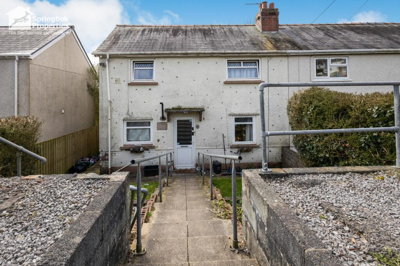
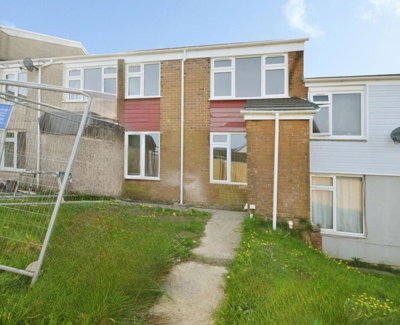
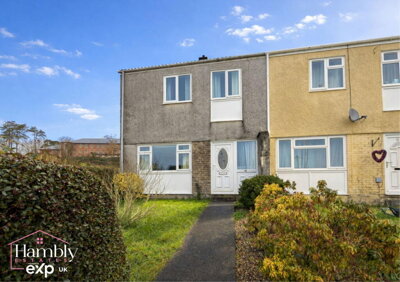
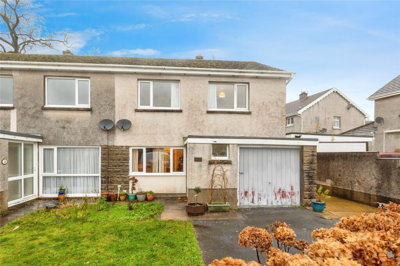
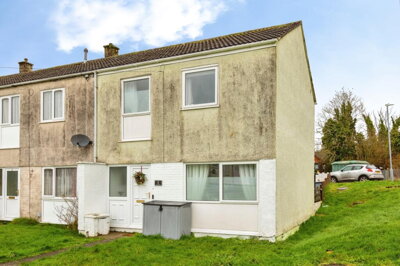
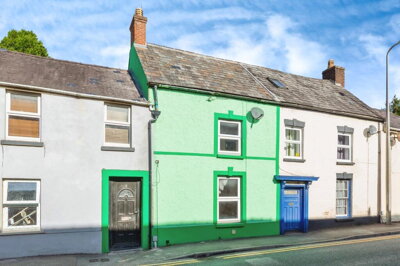
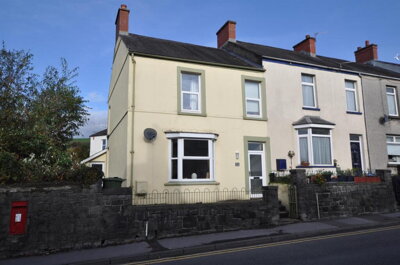
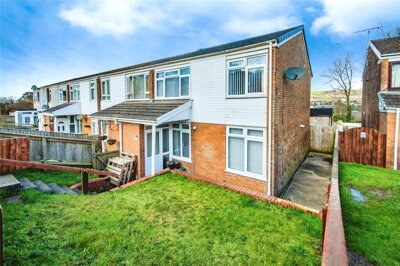
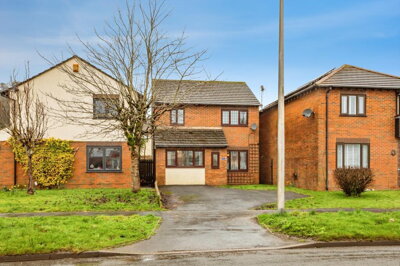
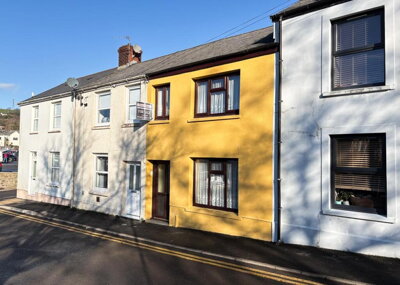
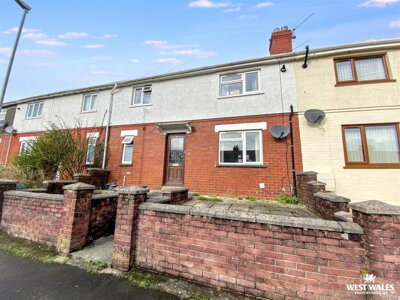
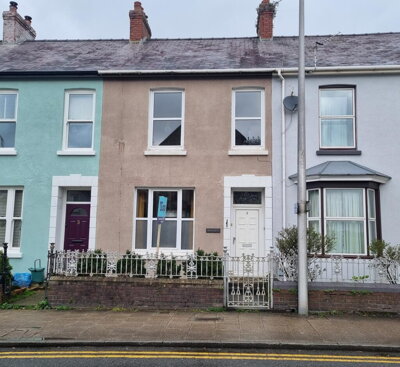
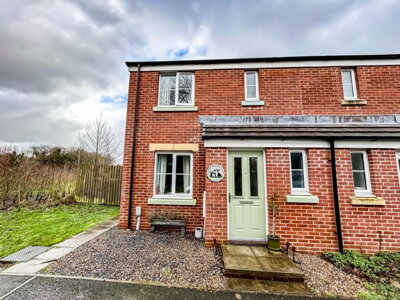
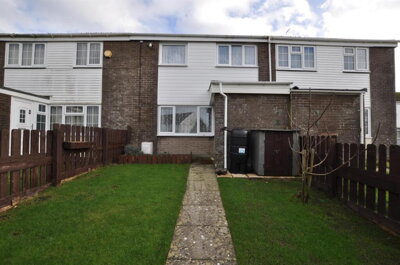
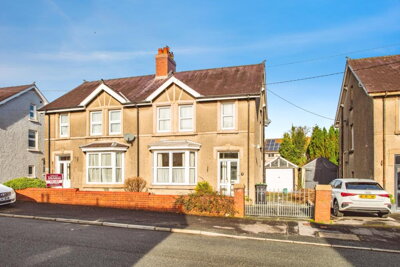
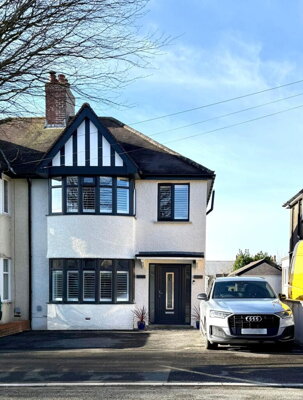
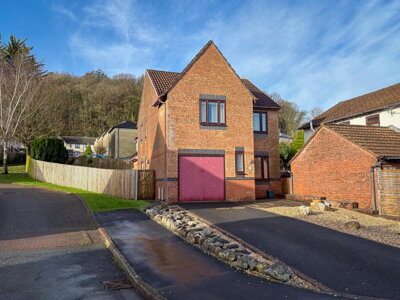
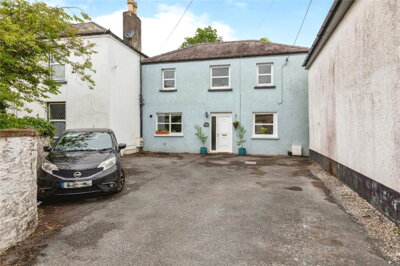
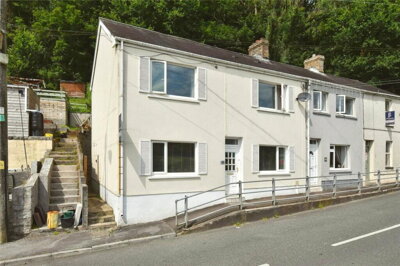
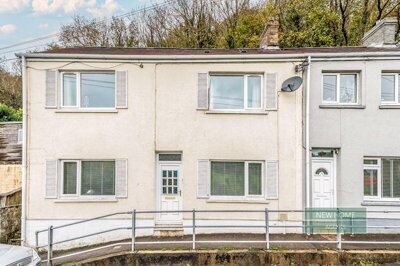
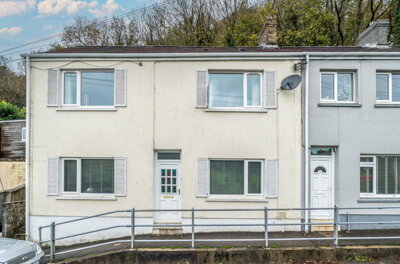
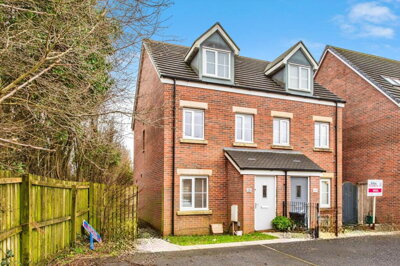
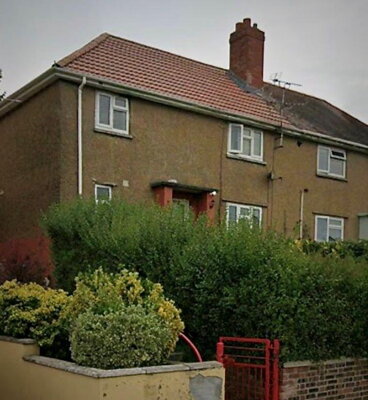
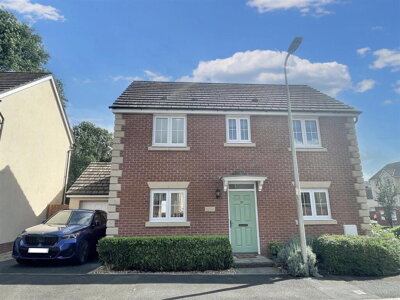
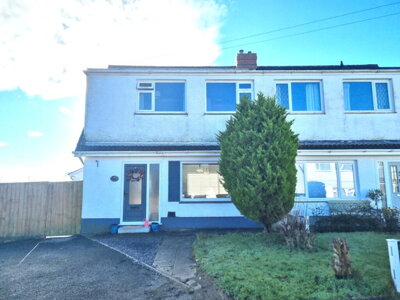
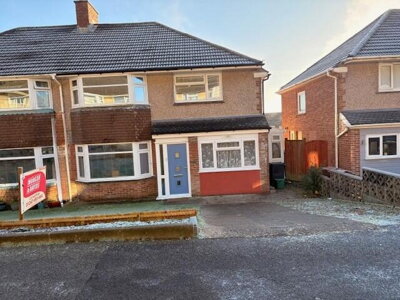
Browse 67 homes for sale in Carmarthen, Sir Gaerfyrddin / Carmarthenshire from local estate agents.
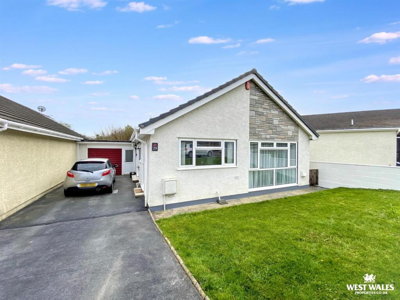
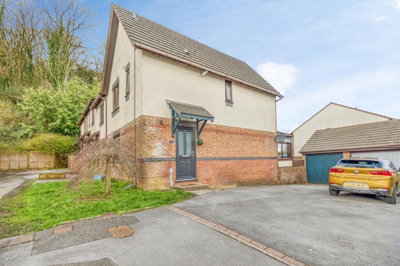
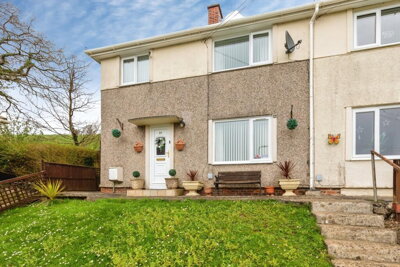
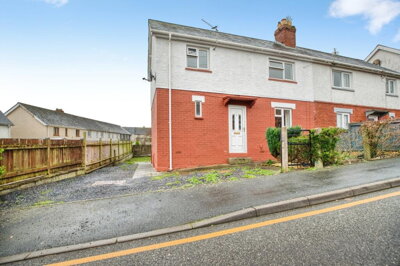
Three bedroom properties represent a significant portion of the Carmarthen housing market, offering space for families with multiple reception rooms and gardens in many cases. Browse detached, semi-detached, and terraced options ranging from period character homes to contemporary developments.
£220k
24
1
100
Source: home.co.uk
Showing 24 results for 3 Bedroom Houses for sale in Carmarthen, Sir Gaerfyrddin / Carmarthenshire. 1 new listing added this week. The median asking price is £220,000.
Source: home.co.uk
Semi-Detached
13 listings
Avg £213,846
Terraced
6 listings
Avg £150,833
Detached
5 listings
Avg £292,989
Source: home.co.uk
Source: home.co.uk
The Carmarthen property market offers diverse opportunities across all property types, with detached homes commanding the highest prices at around £335,336 average. Semi-detached properties provide excellent value at approximately £209,561, making them popular among families seeking more space without premium city prices. Terraced homes in Carmarthen average £141,474, with charming Victorian bay-fronted examples among the most sought-after listings. Flats start from around £130,417, offering an affordable route onto the property ladder in this desirable Welsh market town. Historical sold prices over the last year show values sitting 5% above the previous year and 2% above the 2022 peak of £233,579.
The postcode sector SA31 1 demonstrated particularly strong performance with 11.2% annual growth, indicating robust demand in prime locations close to the town centre. While overall transaction volumes have decreased by 25.17% compared to the previous year, falling from 189 to 151 sales, this reduction reflects broader national trends rather than weakening local demand. The SA31 1 sector saw 130 transactions over the last 24 months, demonstrating consistent market activity. Across Carmarthen Town West specifically, 917 properties have sold over the past decade, showing the enduring appeal of the town to buyers at various price points.
New build activity in the SA31 postcode area includes exclusive developments such as Limegrove Avenue, offering nine apartments and five detached dwellings approximately half a mile from the town centre. Building plots are also available, including exceptional one-acre sites with stone barns on Llysonnen Road and plots within established cul-de-sacs offering views over Carmarthen town. Properties with asking prices around £750,000 for detached homes and £180,000 for flats indicate the range of options available to buyers seeking new construction or development opportunities in the area.

Understanding the construction methods used in Carmarthen properties helps buyers appreciate the character and potential maintenance requirements of different homes. The majority of housing stock in Carmarthen was built using traditional methods, with solid masonry walls constructed from local stone or brick and covered in traditional lime-based renders. These construction techniques have proven durable over generations, with many Victorian bay-fronted terraces on Lammas Street and Broad Street still standing strong well over a century after their construction. The Grade II Listed Victorian properties from around 1881 feature characteristic bay windows that project forward, maximising natural light into the reception rooms - a design feature that remains popular with today's buyers.
Properties dating from around 1800 represent some of the oldest surviving residential buildings in Carmarthen, often featuring thicker walls, higher ceilings, and more ornate architectural details than modern equivalents. These earlier structures typically use local sandstone or limestone rubble masonry, with some properties incorporating exposed timber beams in upper floors. The traditional construction approach in Carmarthen means buildings breathe differently from modern sealed constructions, requiring buyers to understand how older properties perform in terms of moisture management and ventilation. This knowledge proves valuable when assessing potential works or budgeting for ongoing maintenance.
The surrounding area of Carmarthenshire includes properties built with additional regional variations, with some farmhouses and rural homes featuring cob construction or exposed stonework that requires specialist maintenance approaches. Building materials sourced locally have contributed to the harmonious appearance of Carmarthen's conservation areas, where planning restrictions help preserve the distinctive character established over centuries. For buyers considering properties in these protected areas, understanding the implications for future alterations and maintenance proves essential before committing to a purchase.
Carmarthen embodies the essence of a traditional Welsh market town, where centuries of history blend seamlessly with contemporary living. The town centre features an attractive mix of independent shops, cafes, and restaurants that have flourished alongside the tourist trade, with establishments along King Street and Water Street particularly popular among locals and visitors alike. The River Towy provides a scenic backdrop for riverside walks and outdoor activities, while the Towy Riverside Path offers a pleasant route for walking and cycling along the water. The surrounding Carmarthenshire countryside offers rolling farmland, protected landscapes, and numerous opportunities for hiking and cycling on the Wales Coast Path and Brechfa Forest trails.
The community spirit in Carmarthen remains strong, with regular markets, cultural events, and local festivals drawing residents together throughout the year. The weekly livestock market maintains the town's agricultural heritage, while the annual Carmarthen Bay Seafood Festival celebrates the best of West Wales produce. New residents frequently comment on the welcoming atmosphere, with neighbours quick to offer advice and recommendations to those settling into the community. This creates an atmosphere that newcomers often find immediately welcoming and inclusive, making the transition to Welsh rural life significantly smoother than in more anonymous urban environments.
The housing stock in Carmarthen reflects the town's long history, with significant proportions of properties built during the Victorian era and some even earlier. Grade II Listed Victorian bay-fronted terraced residences line several streets, offering character and charm that modern developments rarely match. Traditional construction methods using local materials have produced buildings that have stood for generations, though buyers should be aware that older properties may require ongoing maintenance and modernisation. The mix of housing types throughout the town creates diverse neighbourhoods, from the historic terraces near the town centre to more modern developments on the outskirts including areas around Parc Y Traethodydd and the university campus.
Properties in Carmarthen require careful evaluation due to the significant proportion of older housing stock throughout the town. Victorian bay-fronted terraces and buildings dating from around 1800 carry characteristic features that may require attention during the purchasing process. Our inspectors frequently identify damp issues in ground floor rooms and basements of older Carmarthen properties, particularly where original ventilation has been compromised by modern double glazing installations. Roof condition concerns arise on period properties where original slate tiles have exceeded their expected lifespan or where flashings have deteriorated over decades of exposure to West Wales weather patterns.
Electrical systems in older Carmarthen homes often require updating to meet current standards, with fuse boards and wiring installed decades ago presenting potential safety concerns. Properties constructed before the 1970s frequently feature aluminium wiring in older circuits or a mixture of old and new installations that require professional assessment. Our surveyors always check for adequate bonding and earthing arrangements, as these safety features were not required under older building regulations. Buyers should budget for re-wiring costs if the electrical installation is found to be inadequate or non-compliant with current IEE regulations.
The traditional construction of many Carmarthen properties means they generally perform well structurally, though our inspectors remain vigilant for signs of settlement in properties built on variable ground conditions. Properties near the River Towy may require particular attention regarding drainage and potential moisture penetration through basement or ground floor walls. For properties with shared ownership arrangements or leasehold tenure, understanding service charges, ground rent arrangements, and management company responsibilities protects buyers from unexpected costs. These factors are particularly relevant for flats and apartments in the town centre, where such arrangements are more common.
Education provision in Carmarthen serves students of all ages, making the town particularly attractive to families considering a move to West Wales. Primary education is well-represented with establishments including Ysgol Gyfun Llangynnedd and Ysgol Gynradd Llandeilo, serving different areas of the town and surrounding villages. Several primary schools provide education from nursery through to Year 6, with extended provision for before and after-school care that supports working parents. The Catholic primary school in the town provides faith-based education for families seeking that option for their children's formative years.
For secondary education, Ysgol Gyfun Carmarthen serves as a Welsh-language secondary school, while other families travel to nearby towns for English-medium secondary education options. Parents should research specific school performance data, available through Estyn reports and national assessment results, and consider catchment area boundaries when property hunting, as these factors significantly influence educational outcomes and daily routines. Catchment areas can extend across several miles in rural Carmarthenshire, making proximity to preferred schools an important consideration in the property search process. Schools near the town centre such as those on St Catherine Street benefit from walkable access for families living in Victorian terraces and apartments.
Students seeking further education have excellent options within Carmarthen itself. Coleg Sir Gar provides vocational courses and apprenticeships, while the University of Wales Trinity Saint David maintains its historic campus on College Road, offering higher education opportunities without requiring students to travel to larger cities. The university's presence contributes to the cultural life of the town and provides employment opportunities in the local economy. For families prioritising education in their property search, we recommend visiting local schools, reviewing performance data, and understanding admission arrangements before committing to a purchase. The school's proximity and quality can significantly impact both family life and long-term property values, making this research essential for buyers with school-age children.
Transport connectivity ranks among Carmarthen's strongest attributes, positioning the town as an ideal base for those who need to travel for work while enjoying a more affordable Welsh lifestyle. Carmarthen railway station, situated on the West Wales Line, provides regular services to Swansea with journey times typically under one hour, making reverse commuting a practical option for professionals working in the city. From Swansea, connections to Cardiff, Bristol, and beyond are readily available via the wider rail network. The A48 trunk road passes through Carmarthen, providing direct road access to Swansea and connecting to the M4 motorway network for journeys further afield. This combination of rail and road options gives Carmarthen residents genuine flexibility in their commuting choices.
Local bus services operated by local operators connect Carmarthen with surrounding villages and communities throughout Carmarthenshire, providing essential transport links for residents without cars. Routes to Laugharne, Llandeilo, and St Clears connect the town with smaller communities that lack their own railway stations. For daily errands within Carmarthen itself, the town centre is walkable, and many residents find car ownership less essential than in more rural areas. Parking provision at the town centre car parks accommodates those who do drive, with options for longer stays when visiting supermarkets or larger retail outlets.
Cyclists benefit from improving infrastructure and the relatively compact nature of the town, though the surrounding hilly terrain of Carmarthenshire requires varying degrees of fitness for countryside routes. National cycle routes pass through the area, offering opportunities for leisure cycling and sustainable commuting where terrain permits. For air travel, Cardiff Airport and Bristol Airport are both reachable within approximately two hours by car, with direct flights to European destinations and beyond. Ferry services from Pembroke Dock provide connections to Ireland, making Carmarthen a practical base for those with international travel requirements or family connections across the Irish Sea.
Properties in Carmarthen require careful evaluation due to the significant proportion of older housing stock throughout the town. Victorian bay-fronted terraces and buildings dating from around 1800 carry characteristic features that may require attention, including potential damp issues, roof condition concerns, and outdated electrical systems. A thorough RICS Level 2 Survey provides detailed assessment of these elements, flagging any issues that might require negotiation with sellers or budgeting for future works. The presence of Grade II Listed properties throughout the town centre conservation areas means special considerations apply regarding alterations, permissions, and maintenance obligations that differ from standard residential properties.
Flood risk in Carmarthen warrants consideration given the town's position on the River Towy. Properties in lower-lying areas near the river, particularly those on Nott Square and areas close to Carmarthen Bridge, may face elevated flood risk that affects insurance premiums and future resale potential. Planning restrictions in conservation areas can limit permissible modifications to period properties, protecting character but constraining renovation options for those hoping to modernise. For properties with shared ownership arrangements or leasehold tenure, understanding service charges, ground rent arrangements, and management company responsibilities protects buyers from unexpected costs. These factors are particularly relevant for flats and apartments in the town centre, where such arrangements are more common.
Energy efficiency presents another consideration when purchasing older properties in Carmarthen. Victorian and earlier properties may have solid walls without cavity insulation, resulting in higher heating costs compared to modern equivalents. Our inspectors assess the energy performance of properties and can advise on cost-effective improvements that maintain the character of period buildings while reducing ongoing utility bills. The mix of older and newer properties in Carmarthen means buyers can choose between the character of period properties and the convenience of more recent construction according to their preferences and requirements.
Explore our listings to understand property types, prices, and neighbourhoods in Carmarthen. Consider visiting at different times of day and speaking to locals to gauge community feel and amenity access. The SA31 postcode covers different areas with varying characteristics, from the Victorian terraces near the town centre to modern developments on the outskirts, so getting a feel for each neighbourhood helps narrow your search effectively.
Speak to our mortgage partners before viewings to understand your budget and borrowing capacity. Having an agreement in principle strengthens your position when making offers and demonstrates serious intent to sellers. In Carmarthen's competitive market, being pre-approved for financing helps your offer stand out against other prospective buyers.
Contact estate agents through our platform to arrange viewings of properties that match your criteria. Take notes and photographs during visits to help compare options later. For older properties, we recommend returning at different times of day to assess natural light levels and noise from passing traffic on busier roads.
Given Carmarthen's prevalence of older properties including Victorian bay-fronted terraces and homes dating back to around 1800, a Level 2 Survey (Homebuyer Report) is essential to identify defects, structural issues, and maintenance requirements before committing to purchase. Our inspectors know the common issues affecting Carmarthen properties and can provide specific advice on local construction methods.
Our conveyancing partners can handle the legal aspects of your purchase, including searches, contracts, and registration with HM Land Registry. Local solicitors familiar with Carmarthenshire can be particularly valuable, especially when dealing with Listed buildings or properties in conservation areas where additional searches may be required.
Once all searches are satisfactory and finance is confirmed, your solicitor will exchange contracts and set a completion date. In Carmarthen, completions often align with school terms and local moving patterns. On completion day, you receive the keys and take ownership of your new Carmarthen home.
The average house price in Carmarthen varies by data source, with sold prices averaging around £232,120 to £238,324 over recent twelve-month periods. Detached properties command the highest prices at approximately £335,336, while terraced homes average £141,474 and flats start from around £130,417. The market has shown steady growth, with prices rising 2.64% over the past year and sitting 5% above the previous year. The postcode sector SA31 1 demonstrated particularly strong performance with 11.2% annual growth, indicating robust demand in prime locations close to the town centre and river.
Carmarthen offers education provision across all levels, with primary and secondary schools serving the local population including Ysgol Gyfun Carmarthen for Welsh-language secondary education. Families should research individual school performance data through Estyn reports, Ofsted ratings, and catchment area boundaries when considering properties, as these factors directly affect which schools your children can attend. The town also provides further education options including Coleg Sir Gar for vocational courses and the University of Wales Trinity Saint David campus on College Road for higher education locally. We recommend visiting schools directly and understanding admission arrangements before purchasing property in a specific catchment area, particularly if you are seeking places at oversubscribed establishments.
Carmarthen benefits from excellent transport connections for a town of its size. The train station on Station Street provides regular services to Swansea with journey times under one hour, and from there connections extend across South Wales including Cardiff and London Paddington. The A48 trunk road passes through the town connecting to the M4 motorway network, with Swansea approximately 45 minutes away by car. Local bus services operate throughout Carmarthen and link to surrounding communities in Carmarthenshire including Laugharne, Llandeilo, and St Clears. For air travel, Cardiff Airport and Bristol Airport are both accessible within approximately two hours by car, with regular flights to European destinations and beyond.
Carmarthen presents several factors that make property investment attractive for both owner-occupiers and landlords. The town's status as a historic market town and administrative centre for Carmarthenshire provides underlying economic stability, with the county council employing significant numbers of public sector workers who form a reliable tenant base. Prices have shown consistent growth, with the SA31 1 postcode demonstrating 11.2% annual appreciation despite broader market adjustments. The strong tourist industry supports the local economy and maintains demand for rental properties, particularly short-term holiday lets. The relative affordability compared to English cities may attract buyers seeking better value, while the connection to Swansea opens employment market access for those working remotely or commuting periodically. Properties in postcodes SA31 1, SA31 2, and SA31 3 each showed positive price growth in recent years.
Stamp duty rates in Wales operate under Land Transaction Tax rather than Stamp Duty Land Tax applied in England and Northern Ireland. As of 2024-25, residential property purchases incur 0% on transactions up to £225,000, 6% on £225,001 to £400,000, 7.5% on £400,001 to £750,000, and 10% on amounts above £750,000. First-time buyers in Wales receive enhanced relief on the first £300,000 of properties valued up to £450,000, meaning a first-time buyer purchasing a typical Carmarthen terraced home at £141,474 would pay no Land Transaction Tax at all. These thresholds differ from England and Northern Ireland, so buyers relocating from other UK nations should verify their position carefully before calculating their budget.
Properties in Carmarthen fall under Carmarthenshire County Council's administration, with bands assigned by the Valuation Office Agency based on property value at the time of construction. Council tax bands range from A through I, with Band D typically representing the median level across the area. Specific bands for individual properties can be checked through the government's council tax valuation search tool using the property address. Band D properties in Carmarthenshire currently pay around £1,800 to £1,900 per year, though this figure varies slightly between different valuation bands. Understanding the applicable band helps buyers budget for ongoing ownership costs alongside mortgage payments and utility bills.
Older properties in Carmarthen, including Victorian bay-fronted terraces on streets like Lammas Street and Broad Street, along with buildings from around 1800, require careful inspection for common issues such as damp, roof condition, and outdated electrical systems. Grade II Listed buildings have restrictions on alterations under planning law and may require specialist maintenance approaches that cost more than standard building works. Properties near the River Towy may face flood risk that affects insurance premiums and future saleability, particularly for lower ground floor rooms and basements. A comprehensive RICS Level 2 Survey is particularly valuable for older Carmarthen properties, identifying defects and helping buyers make informed decisions before completing purchase. Our inspectors are familiar with the common issues affecting traditional Welsh construction and can advise on appropriate remedies.
Understanding the full costs of purchasing property in Carmarthen helps buyers budget accurately and avoid surprises during the transaction. In Wales, property purchases incur Land Transaction Tax rather than the Stamp Duty Land Tax applied in England. The standard residential rates begin at 0% for properties up to £225,000, rising to 6% on the portion between £225,001 and £400,000, 7.5% between £400,001 and £750,000, and 10% on amounts exceeding £750,000. First-time buyers purchasing residential property in Wales benefit from increased relief, paying 0% on the first £300,000 of properties valued up to £450,000. For example, a first-time buyer purchasing a typical terraced home at £141,474 would pay no Land Transaction Tax, while a £350,000 detached property would incur tax on £50,000 at 6%, totalling £3,000 in Land Transaction Tax.
Beyond the purchase price and tax, buyers should budget for solicitor conveyancing fees typically ranging from £500 to £1,500 depending on complexity and property value. A RICS Level 2 Survey costs from approximately £350 to £600 for standard properties, with additional fees for larger homes or those requiring more extensive inspection due to their age and construction. An Energy Performance Certificate costs from £80 and is legally required before marketing any property for sale. Mortgage arrangement fees vary by lender and deal, commonly ranging from £0 to £2,000, while mortgage valuation fees typically add £300 to £500 to the upfront costs.
Surveyors and solicitors acting on Carmarthen transactions may recommend local searches specific to Carmarthenshire, including drainage and water searches, mining records relevant to certain areas of the county, and environmental data for properties near the River Towy. Removal costs vary by distance and volume of belongings, with local firms based in SA31 offering competitive rates for Carmarthen relocations. Our partners can provide detailed quotes tailored to your specific property purchase in Carmarthen, helping you understand the full cost of buying your new home in this attractive West Wales market town.

Properties for Sale In London

Properties for Sale In Plymouth

Properties for Sale In Liverpool

Properties for Sale In Glasgow

Properties for Sale In Sheffield

Properties for Sale In Edinburgh

Properties for Sale In Coventry

Properties for Sale In Bradford

Properties for Sale In Manchester

Properties for Sale In Birmingham

Properties for Sale In Bristol

Properties for Sale In Oxford

Properties for Sale In Leicester

Properties for Sale In Newcastle

Properties for Sale In Leeds

Properties for Sale In Southampton

Properties for Sale In Cardiff

Properties for Sale In Nottingham

Properties for Sale In Norwich

Properties for Sale In Brighton

Properties for Sale In Derby

Properties for Sale In Portsmouth

Properties for Sale In Northampton

Properties for Sale In Milton Keynes

Properties for Sale In Bournemouth

Properties for Sale In Bolton

Properties for Sale In Swansea

Properties for Sale In Swindon

Properties for Sale In Peterborough

Properties for Sale In Wolverhampton

Enter your details to see if this property is within your budget.
Loans, cards, car finance
Estimated property budget
Borrowing + deposit
You could borrow between
Typical borrowing
Monthly repayment
Est. at 4.5%
Loan-to-value
This is an estimate only. Your actual budget may vary depending on interest rates, credit history, and personal circumstances. For an accurate affordability assessment, speak to one of our free mortgage advisors.
This calculator provides estimates for illustrative purposes only and does not constitute financial advice. Your home may be repossessed if you do not keep up repayments on your mortgage. Estimates based on 4.5% interest rate, repayment mortgage. Actual rates depend on your circumstances.
Homemove is a trading name of HM Haus Group Ltd (Company No. 13873779, registered in England & Wales). Homemove Mortgages Ltd (Company No. 15947693) is an Appointed Representative of TMG Direct Limited, trading as TMG Mortgage Network, which is authorised and regulated by the Financial Conduct Authority (FRN 786245). Homemove Mortgages Ltd is entered on the FCA Register as an Appointed Representative (FRN 1022429). You can check registrations at NewRegister or by calling 0800 111 6768.

We use cookies to show you personalised content and improve your experience of our website. Find out more in our Privacy policy and Cookie policy.