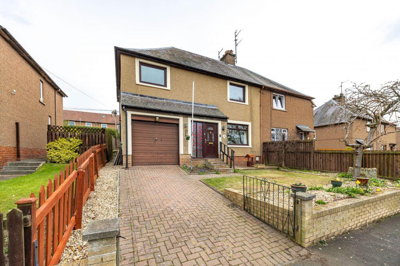
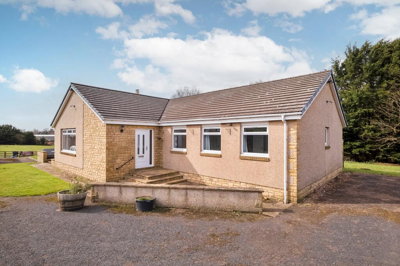
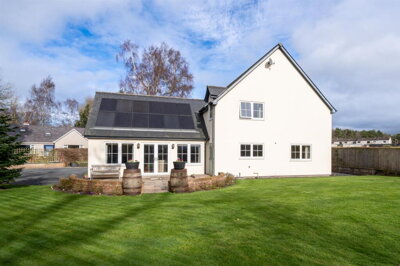
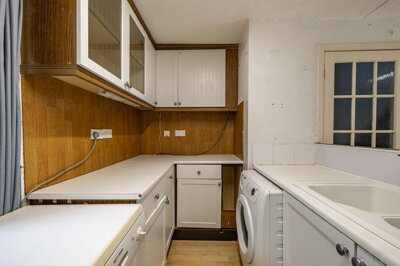
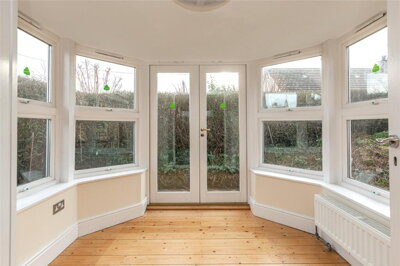
Browse 5 homes for sale in Carham, Northumberland from local estate agents.
The larger property sector typically features multiple bathrooms, substantial reception space, and private gardens or off-street parking. Four bedroom houses in Carham span detached, semi-detached, and occasionally terraced configurations, with styles ranging from period properties to modern executive homes.
£0k
0
0
0
Source: home.co.uk
Showing 0 results for 4 Bedroom Houses for sale in Carham, Northumberland.
The Carham property market has demonstrated strong performance over the past year, with sold prices averaging £260,413. This represents a 12% increase compared to the previous year and sits 13% above the 2023 peak of £230,189, indicating sustained demand for property in this desirable border village. Detached properties command the highest prices in the area, selling for an average of £373,278, reflecting the premium placed on space, privacy, and the characteristic stone construction found throughout the village. These larger homes attract families and buyers seeking a rural lifestyle with generous grounds and countryside views.
Semi-detached properties in Carham fetched an average of £237,400, offering excellent value for buyers seeking a balance between space and affordability. Terraced properties, including traditional border cottages with their distinctive stone facades and charming features, sold for an average of £193,300, making them the most accessible entry point into the local market. There are no large-scale new-build developments currently active in Carham, which means buyers purchasing in the village will acquire properties with established character and mature surroundings rather than newly constructed homes. The limited supply of available properties, combined with the village's unique location on the English-Scottish border, helps maintain property values and attract buyers from across the region.
Planning activity in the area has been limited, though recent applications have included retrospective permission for the conversion of two barns at Carham Hall into residential dwellings. This type of conversion project reflects the trend of repurposing traditional agricultural buildings in the Northumbrian countryside, offering buyers the chance to acquire character properties with modern amenities. The relative scarcity of new residential development in Carham means that demand for existing properties remains steady, and buyers should be prepared for competitive conditions when quality properties come to market.

Carham embodies the charm of a traditional Northumbrian village, with its historic buildings and peaceful countryside setting making it an ideal location for those seeking a slower pace of life. The village takes its name from the old English word for "rock settlement," a reference to the local geology and the prominent sandstone formations that have shaped local building traditions for centuries. Carham Hall, a Grade II listed building originally rebuilt in 1870 in the mid-Victorian Tudor Revival style, stands as the village's most significant heritage landmark. The hall features close-jointed, coursed buff sandstone with pink sandstone ashlar dressings and a roof of Devonian flagstones or Westmorland slate, exemplifying the quality craftsmanship of the era and the distinctive building materials that characterise the entire village.
The village community is served by St Cuthbert's Church, another Grade II listed building which anchors the spiritual and social life of the parish. The River Tweed, which flows along the northern edge of the village and forms the border with Scotland, provides beautiful walking routes and connects Carham to the wider Scottish Borders countryside. The village war memorial, also listed at Grade II, serves as a poignant reminder of the local history and the area's connection to broader national events. With 159 households forming a close-knit community, Carham offers residents the opportunity to participate in village life while being well-positioned for travel to nearby towns for everyday amenities and services.
The surrounding landscape of Carham is characterised by rolling farmland, river valleys, and the dramatic backdrop of the Northumberland National Park visible to the south. The area is popular with walkers and outdoor enthusiasts, with footpaths crossing the farmland and leading to nearby villages including West Learmouth, where additional historic buildings can be found including West Learmouth Cottages and Farmhouse. The proximity to Scotland means that residents can easily access the amenities of the Scottish Borders region, including the market town of Kelso and the historic town of Melrose, all within a short drive of the village.

Families considering a move to Carham will find educational options available within reasonable travelling distance, though the village itself is small and does not host its own primary or secondary school. Primary education is typically accessed in the surrounding villages and towns of Northumberland, with local authority catchment areas determining school placements based on residence. Parents are advised to contact Northumberland County Council directly for current information regarding primary school admissions and catchment boundaries for Carham residents, as these can be subject to change and may depend on specific street addresses within the parish.
Secondary education for Carham residents is generally provided at schools in the nearby market towns, with the local secondary schools serving the wider rural area. Schools in Berwick-upon-Tweed, approximately 15 miles north of Carham, serve many village families and include options for secondary education up to sixth form level. For families seeking faith-based education or independent schooling, options exist in the larger towns of Northumberland including schools in Alnwick and Newcastle upon Tyne, and some families choose to travel to the Scottish Borders region given Carham's proximity to Scotland. The village's small population means that school transport arrangements are typically coordinated by the local authority for pupils attending schools outside the immediate village.
Further and higher education opportunities are available at colleges and schools in towns such as Berwick-upon-Tweed, Alnwick, and Newcastle upon Tyne for older students pursuing advanced qualifications. Newcastle University and Northumbria University are accessible for those pursuing undergraduate degrees, while vocational training and further education colleges in the region offer a range of practical qualifications. Families moving to Carham from other areas should consider the implications of longer school runs on daily family life and factor transport arrangements into their decision-making process when evaluating properties in the village.
Carham's location on the English-Scottish border creates a unique transport situation, offering residents access to road networks on both sides of the border. The A698 runs through the village, connecting Carham to the market town of Berwick-upon-Tweed to the north and providing routes into the Scottish Borders region including the towns of Kelso and Jedburgh. For travel into England, the A1 trunk road runs nearby, connecting the village to Newcastle upon Tyne and Edinburgh, though reaching the A1 from Carham requires local road travel. The strategic position of Carham means that residents benefit from the transport infrastructure of two countries, with Edinburgh approximately 60 miles north and Newcastle approximately 75 miles south.
The nearest railway stations are located in Berwick-upon-Tweed, which offers direct rail services to Edinburgh Waverley and Newcastle Central, making commuting to these major cities feasible for those working in either country. Journey times from Berwick to Edinburgh are approximately 45 minutes by train, while Newcastle is around an hour away, positioning the village within reasonable commuting distance for those prepared to travel. Bus services in rural Northumberland provide connections between Carham and surrounding villages and towns, though frequencies are typically limited compared to urban areas. Residents without private vehicles should carefully consider bus timetables and journey times when planning daily travel or commuting.
For air travel, Newcastle International Airport and Edinburgh Airport are both accessible by road, with Newcastle being approximately 75 miles south of Carham and Edinburgh approximately 60 miles north. Edinburgh Airport offers a wider range of international destinations, while Newcastle provides good connectivity across the UK and Europe. Cyclists will find scenic routes through the border countryside, though the rural roads require caution due to limited lighting and occasional farm traffic. Parking in the village is generally straightforward given the low traffic volumes, though visitors to Carham Hall or St Cuthbert's Church should note that parking facilities are limited.
Start by reviewing current listings in Carham and understanding local property values. With detached homes averaging £373,278 and terraced properties around £193,300, understanding your budget against local prices will help you focus your search effectively. Research the village's flood risk areas given its location on the River Tweed and familiarise yourself with listed building regulations that affect many properties in the village. Consider driving through the village at different times of day to get a feel for traffic patterns and community atmosphere before committing to viewings.
Before arranging viewings, speak to a mortgage broker to obtain an agreement in principle. This demonstrates to sellers that you are a serious buyer with financing in place. Given the varied property prices in Carham, from cottages to substantial detached homes, understanding your borrowing limit will help narrow your search to properties within your budget range. Specialist rural mortgage brokers may be particularly helpful given the unique characteristics of the border village property market and the prevalence of older, traditional properties.
Visit properties that match your criteria and assess their condition, surroundings, and proximity to local amenities. Many homes in Carham are older properties with traditional construction, so pay attention to the condition of stone walls, roofs, and any period features. Take time to explore the village and meet potential neighbours to get a feel for the community atmosphere. Given the small size of the village, attending any local events or visiting the village pub if one exists can provide valuable insights into community life.
Before completing your purchase, arrange for a RICS Level 2 survey to assess the property's condition. Given that many Carham homes are older properties, potentially dating from before the mid-20th century, an independent survey can identify issues such as damp, roof condition, or structural concerns. Survey costs typically range from £400 to £1,000 depending on property value and size. For listed buildings or properties with non-standard construction, a RICS Level 3 Building Survey may be more appropriate to assess the unique characteristics of historic properties.
Once your offer is accepted, instruct a solicitor to handle the legal aspects of your purchase. They will conduct searches, review contracts, and manage the transfer of ownership. Given Carham's location near the Scottish border and the presence of listed buildings in the village, your solicitor should have experience with rural properties and heritage considerations. Local searches will include drainage and water authority checks, local land charges, and environmental searches to identify any potential issues affecting the property.
After all searches are satisfactory and finances are arranged, you will exchange contracts and agree a completion date. On completion day, the remaining balance is transferred and you receive the keys to your new Carham home. Your solicitor will register the change of ownership with the Land Registry and settle any Stamp Duty Land Tax due. Factor in time for any post-completion tasks such as redirecting post, updating utility accounts, and familiarising yourself with the property's maintenance requirements.
Purchasing a property in Carham requires attention to several area-specific factors that reflect the village's unique character and location. Flood risk is an important consideration given Carham's position on the south bank of the River Tweed, which forms the border with Scotland. While the village benefits from its riverside setting and scenic views, prospective buyers should investigate whether specific properties fall within flood risk zones and consider the potential impact on insurance premiums and future saleability. The Environment Agency maintains flood risk maps that can help identify properties at risk from river flooding, and a thorough survey can identify any signs of previous flooding or water damage that may not be immediately apparent during a viewing.
The prevalence of listed buildings in Carham means that many properties may be subject to special regulations regarding alterations, extensions, and maintenance. Carham is home to numerous listed structures including Carham Hall, St Cuthbert's Church, the village war memorial, The Bastle, and properties in nearby West Learmouth including the farmbuildings and cottages. If you are considering a Grade II listed property, be aware that listed building consent may be required for certain works that would not need planning permission for an unlisted property. This can affect your ability to make changes to the property in the future, so understanding your plans and any constraints before committing to a purchase is essential.
The traditional sandstone construction of many local properties, while attractive, may require more maintenance than modern builds. Properties featuring the characteristic buff and pink sandstone with flagstone or slate roofs, as seen at Carham Hall, represent the quality of traditional craftsmanship in the area. However, prospective buyers should budget for ongoing upkeep of stone walls, which may require repointing over time, slate roofs which may need individual replacement, and period features that may need specialist care. Given the village's rural location and proximity to the Scottish border, practical considerations include the availability of broadband services and mobile phone coverage, which may be less reliable than in urban areas.
The condition of septic tanks and private drainage systems should be checked, as properties in rural villages may not be connected to mains sewage. Many properties in Carham rely on private drainage systems, and prospective buyers should commission a drainage survey or at minimum request information about the current maintenance and condition of any private systems. Access roads and driveways should be assessed for their condition and any maintenance responsibilities, particularly during winter months when rural roads may be affected by weather and farm traffic. Properties with larger gardens or land will require maintenance commitments that should be factored into your decision.
The average property price in Carham over the past year was £260,413. Detached properties sold for an average of £373,278, semi-detached homes for £237,400, and terraced properties for £193,300. The market has shown strong performance with prices rising 12% year-on-year and sitting 13% above the 2023 peak, indicating sustained demand for properties in this desirable border village. The absence of new-build developments in the village means that all available properties are existing homes with established character and mature gardens, which contributes to the premium attached to traditional stone-built homes in the area.
Properties in Carham fall under Northumberland County Council. Council tax bands in Northumberland vary by property, and the specific band depends on the property's value and characteristics as assessed by the Valuation Office Agency. You can check the exact council tax band for any specific property through the Valuation Office Agency website or by contacting Northumberland County Council directly. As a guide, smaller terraced cottages in Carham typically fall into lower bands while larger detached properties with substantial gardens may be in higher bands. Council tax charges in Northumberland fund local services including education, social care, and road maintenance.
Carham is a small village without its own primary or secondary school. Primary education is provided in surrounding villages and towns, with placements determined by catchment area policies set by Northumberland County Council. Secondary schools serving the area are typically located in nearby market towns including Berwick-upon-Tweed, which has secondary schools offering education through to sixth form. Parents should contact Northumberland County Council for current catchment information as these boundaries can change. For families seeking faith schools or independent education, options exist in larger towns including some across the border in the Scottish Borders region such as Melrose and Kelso.
Carham is connected to surrounding areas by bus services, though frequencies are limited compared to urban areas and services may operate on reduced schedules at weekends and during school holidays. The nearest railway station is in Berwick-upon-Tweed, offering direct services to Edinburgh Waverley and Newcastle Central. The A698 provides road connections to Berwick and into the Scottish Borders, while the A1 trunk road is accessible for travel to Newcastle upon Tyne and Edinburgh. For air travel, Newcastle International Airport and Edinburgh Airport are both accessible by road, approximately 75 miles and 60 miles respectively.
The Carham property market has demonstrated consistent growth, with prices rising 12% over the past year and sitting 13% above the previous peak. The village's unique position on the English-Scottish border, combined with its heritage properties and limited supply of available homes, suggests potential for continued appreciation. However, as a small rural community, the market may be less liquid than urban areas, and buyers should consider their long-term plans when investing. The presence of listed buildings and traditional construction also means maintenance costs should be factored into any investment calculation. Rental demand in the area is likely to be modest given the rural location and limited local employment, though the property could appeal to those seeking a countryside retreat or holiday let.
For standard residential purchases in England, Stamp Duty Land Tax rates are 0% on the first £250,000, 5% on £250,001 to £925,000, 10% on £925,001 to £1.5 million, and 12% above £1.5 million. First-time buyers qualify for enhanced relief on the first £425,000, paying 5% between £425,001 and £625,000. Given the average property price in Carham of £260,413, most buyers purchasing at or near the average price would pay no SDLT, though higher-value detached properties approaching or exceeding £425,000 may incur some liability. Properties in higher council tax bands may also indicate higher SDLT bands if the value is proportionally higher.
Carham has several listed buildings including Carham Hall, St Cuthbert's Church, the village war memorial, The Bastle which represents traditional border architecture, and various farmbuildings and cottages in the wider parish. Grade II listed properties are subject to restrictions on alterations and may require listed building consent for certain works including extensions, modifications to windows and doors, and even some maintenance works. This affects your ability to extend, modify, or sometimes even maintain the property in ways that would not require permission for an unlisted home. If you are considering a listed property, factor in these constraints and any associated costs of specialist maintenance when making your decision.
Carham is situated on the south bank of the River Tweed, which creates a potential flood risk for properties in the village, particularly those located near the river or in low-lying areas close to the watercourse. You should check the Environment Agency flood risk maps for specific properties and consider how this might affect insurance premiums and future saleability. Properties with gardens extending to the river bank or those in areas documented as flood zones require careful consideration. A thorough property survey can identify any signs of previous flooding or water damage that may not be visible during a viewing, and buildings insurance should be arranged as early as possible once a purchase is agreed.
From 4.5%
Expert mortgage advice and competitive rates for Carham buyers
From £499
Specialist conveyancing solicitors for Carham property purchases
From £350
Comprehensive condition surveys for Carham homes
From £600
Detailed building surveys for older and listed properties
Understanding the full costs of purchasing property in Carham is essential for budgeting effectively. The Stamp Duty Land Tax rates for residential properties purchased in England are 0% on the first £250,000 of the purchase price, 5% on the portion between £250,001 and £925,000, 10% on the portion between £925,001 and £1.5 million, and 12% on any amount above £1.5 million. Given that the average property price in Carham sits at £260,413, many buyers purchasing at or near the average price would pay no SDLT at all, making this an attractive entry point for first-time buyers and those purchasing modest family homes. However, buyers purchasing higher-value detached properties averaging £373,278 may incur SDLT charges on the portion above £250,000.
First-time buyers benefit from enhanced relief, paying 0% on the first £425,000 and 5% on the portion between £425,001 and £625,000, though no relief applies above £625,000. This enhanced relief can significantly reduce costs for first-time buyers purchasing properties up to £625,000, which covers the majority of properties in Carham. Second home buyers and buy-to-let investors should note that a 3% SDLT surcharge applies on top of standard rates, which increases the total SDLT liability considerably for properties above £40,000. Beyond SDLT, buyers should budget for solicitor fees, which typically start from around £499 for conveyancing on a standard purchase.
A RICS Level 2 survey will cost approximately £400 to £600 depending on the property value and size, with larger or more complex properties attracting higher fees. For traditional sandstone properties in Carham, including those of historical significance, a RICS Level 3 Building Survey may be recommended at additional cost to provide a more thorough assessment of construction and condition. Removal costs vary depending on distance and volume of belongings, while surveys and valuations add further costs to the purchase process. Potential renovation or repair costs for traditional properties should also be factored into your overall budget, particularly for older homes that may require updates to insulation, wiring, or plumbing systems to meet modern standards while preserving their character.
Properties for Sale In London

Properties for Sale In Plymouth

Properties for Sale In Liverpool

Properties for Sale In Glasgow

Properties for Sale In Sheffield

Properties for Sale In Edinburgh

Properties for Sale In Coventry

Properties for Sale In Bradford

Properties for Sale In Manchester

Properties for Sale In Birmingham

Properties for Sale In Bristol

Properties for Sale In Oxford

Properties for Sale In Leicester

Properties for Sale In Newcastle

Properties for Sale In Leeds

Properties for Sale In Southampton

Properties for Sale In Cardiff

Properties for Sale In Nottingham

Properties for Sale In Norwich

Properties for Sale In Brighton

Properties for Sale In Derby

Properties for Sale In Portsmouth

Properties for Sale In Northampton

Properties for Sale In Milton Keynes

Properties for Sale In Bournemouth

Properties for Sale In Bolton

Properties for Sale In Swansea

Properties for Sale In Swindon

Properties for Sale In Peterborough

Properties for Sale In Wolverhampton

Enter your details to see if this property is within your budget.
Loans, cards, car finance
Estimated property budget
Borrowing + deposit
You could borrow between
Typical borrowing
Monthly repayment
Est. at 4.5%
Loan-to-value
This is an estimate only. Your actual budget may vary depending on interest rates, credit history, and personal circumstances. For an accurate affordability assessment, speak to one of our free mortgage advisors.
This calculator provides estimates for illustrative purposes only and does not constitute financial advice. Your home may be repossessed if you do not keep up repayments on your mortgage. Estimates based on 4.5% interest rate, repayment mortgage. Actual rates depend on your circumstances.
Homemove is a trading name of HM Haus Group Ltd (Company No. 13873779, registered in England & Wales). Homemove Mortgages Ltd (Company No. 15947693) is an Appointed Representative of TMG Direct Limited, trading as TMG Mortgage Network, which is authorised and regulated by the Financial Conduct Authority (FRN 786245). Homemove Mortgages Ltd is entered on the FCA Register as an Appointed Representative (FRN 1022429). You can check registrations at NewRegister or by calling 0800 111 6768.

We use cookies to show you personalised content and improve your experience of our website. Find out more in our Privacy policy and Cookie policy.