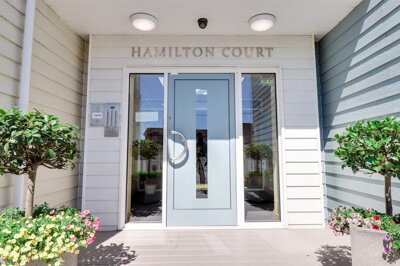
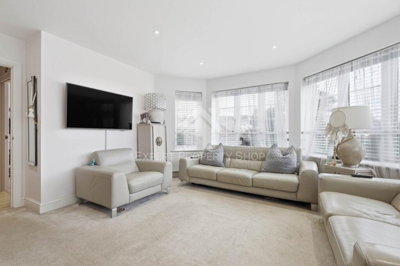
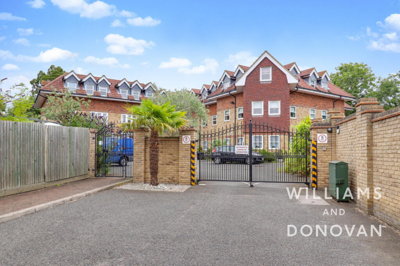
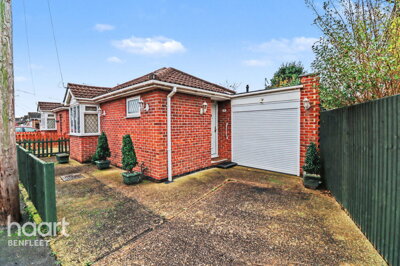
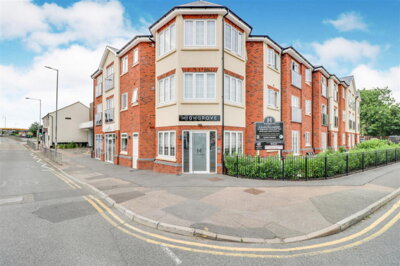
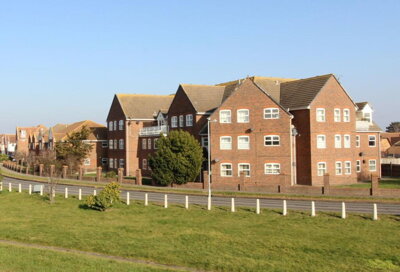
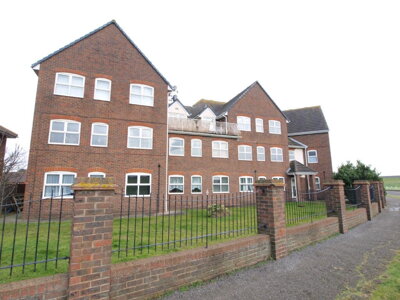
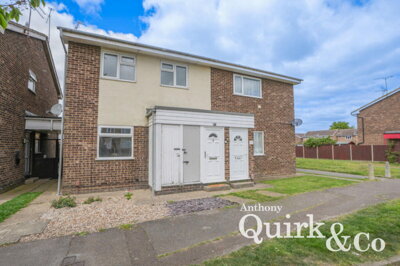
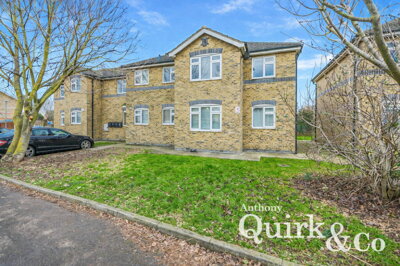
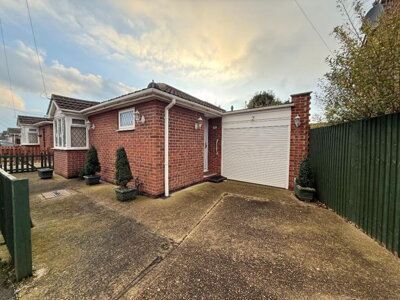
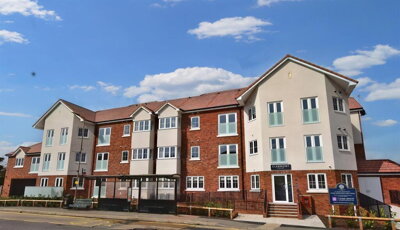
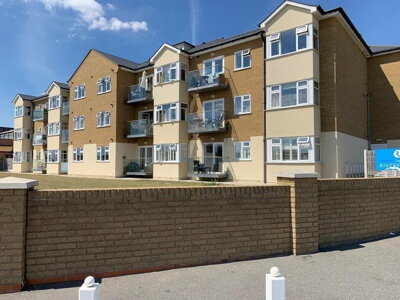
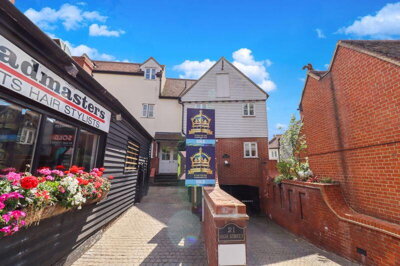
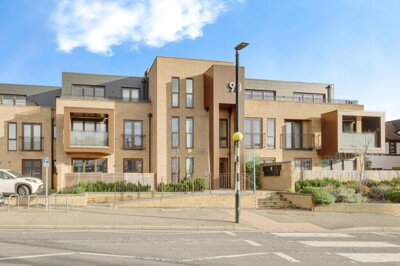
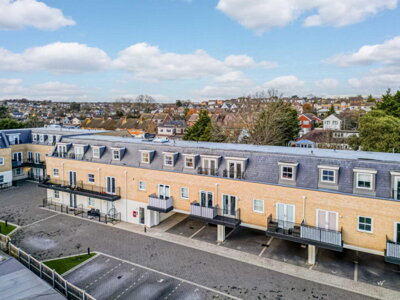
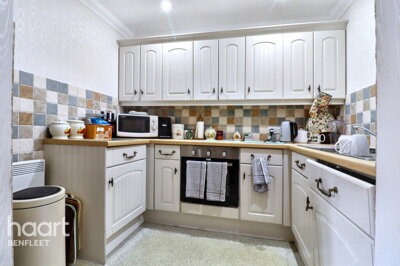
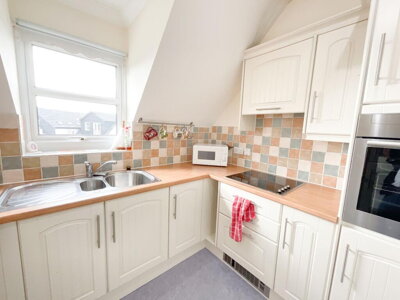
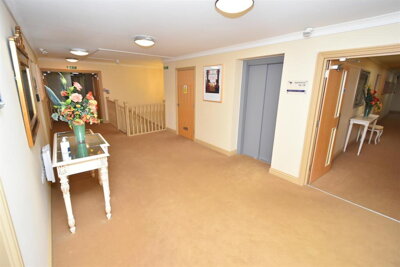
Browse 18 homes for sale in Canvey Island from local estate agents.
One bed apartments provide a separate bedroom alongside distinct living space, bathroom, and kitchen areas. Properties in Canvey Island are available in various building types including mansion blocks, contemporary developments, and house conversions.
The Canvey Island property market presents compelling opportunities for buyers seeking coastal living without London premium prices. Detached properties command an average of £356,152, while semi-detached homes average £314,469 and terraced properties sit around £284,407. Flats remain the most accessible entry point at approximately £183,727, making the island attractive for first-time buyers and those downsizing from larger properties elsewhere in the South East.
Price growth has been steady but measured over the past twelve months, with the overall market rising by approximately 2.67% according to Property Solvers data. The SS8 postcode area covering Canvey Island has shown stronger growth at 5.8% year-on-year, suggesting increasing buyer recognition of the island's value proposition. Transaction volumes reached 378 sales in the past year, a decrease of 27.78% from the previous year, reflecting the national cooling of property markets but also limited stock availability in a community where owners often stay for decades.
New build activity remains limited but noteworthy. The Lionel Road development by Purely Property Group offers nine luxury four-bedroom detached and semi-detached family homes in Phase One, representing a rare opportunity for buyers seeking brand-new construction. At Sandy Bay, park homes range from £299,000 to £415,000, providing an alternative for those seeking holiday retreats or retirement options. Castle Point Borough Council has also delivered affordable homes at Benderloch Gardens and has five further properties under construction on former garage sites across Canvey Island and Benfleet.
The majority of property transactions in Canvey Island fall within the £278,000 to £316,000 price bracket, indicating strong demand for family-sized homes in this range. Our platform tracks listings across all major estate agents operating on the island, including those with offices in nearby Benfleet, ensuring you have access to the complete picture of available properties matching your criteria.

Life on Canvey Island carries a pace and character that distinguishes it from mainland Essex towns. The island community numbers nearly 38,327 residents spread across approximately 16,000 households, creating a settlement dense enough to support thriving local businesses yet small enough for neighbours to recognise each other by name. The population has grown modestly since the 2001 census figure of 37,479, indicating stable demand for housing rather than explosive expansion that can overwhelm infrastructure.
The island's heritage as a holiday destination from the Edwardian era through the 1930s has left an indelible architectural imprint. Timber roughcast bungalows remain characteristic of the early 20th-century building boom that made Canvey the fastest-growing seaside resort between 1911 and 1951. Dutch influence pervades the built environment, most famously in the two surviving 17th-century Dutch Cottages, with one now operating as the Dutch Cottage Museum and offering residents a tangible connection to the island's maritime trading past.
For modern residents, practical amenities abound. The town centre provides supermarkets, independent shops, and familiar high street names, while the seafront promenade offers recreation along the Thames Estuary. Two Tree Island nature reserve attracts birdwatchers and walkers with its diverse habitats, while the island's parks and community centres host events throughout the year. Many residents cite the community atmosphere and relative affordability compared to surrounding areas as key reasons for choosing Canvey Island, with significant numbers arriving from East London seeking more space for their money.
The island also benefits from its proximity to the petrochemical industry at Hole Haven, which has operated since 1936 and was notably the site of the world's first delivery of liquefied natural gas by ship. This industrial heritage has contributed to local employment opportunities and the broader economic stability of the Castle Point area. Canvey Island has also been earmarked for significant regeneration within Thames Gateway proposals, suggesting potential future investment in infrastructure and amenities.

Families considering Canvey Island will find educational provision that serves the community well, with primary and secondary options within easy reach of every neighbourhood. The island's schools have developed strong reputations for pupil achievement and supportive learning environments, making them a significant factor in the decision-making process for parents with school-age children. Understanding catchment areas becomes important when purchasing property, as proximity to preferred schools can influence both daily family life and long-term property values.
Primary education on the island includes several well-established schools serving different residential zones. The Canvey Island South ward, with its 7,127 residents and 3,136 households according to AreaInsights data, benefits from schools serving that specific community. Parents should verify current admission arrangements and any catchment changes with Castle Point Borough Council, as school performance and accessibility can influence which year groups each institution serves most conveniently.
Secondary education typically involves crossing to nearby Benfleet or Leigh-on-Sea on the mainland, with several popular options accessible via regular bus services. School transport connections make it practical for secondary students to commute daily from Canvey Island to surrounding mainland schools, expanding the range of educational choices available to families. For sixth form and further education, students often travel to nearby towns including Southend-on-Sea, which offers a broader range of A-level and vocational courses.
The presence of good schools has contributed to Canvey Island's appeal for families, with many residents specifically citing educational provision as a factor in their decision to purchase property here rather than in more expensive coastal locations further afield. Checking Ofsted reports and speaking directly with schools remains advisable for families with specific requirements or children requiring additional support. Average household size in the Canvey Island South ward stands at 2.3 persons, suggesting a mix of families and smaller households that the local school network accommodates.
Connectivity to London and surrounding employment centres has become increasingly important to Canvey Island residents, particularly those working in the capital or the wider South East. The island sits adjacent to Benfleet railway station, which provides direct services to London Fenchurch Street in approximately 40-50 minutes. This commuting window compares favourably with many Essex dormitory towns and has attracted professionals seeking coastal living without sacrificing career opportunities in the City.
Bus services operate throughout Canvey Island, connecting residential areas with local shops, schools, and the railway station. The Cangar and other local routes provide essential transport for residents without private vehicles, including school children and older residents. For those driving, the A13 provides direct access to the M25 and central London, while the A130 and A127 connect Canvey to Chelmsford and Southend respectively. The strategic position of Canvey Island relative to major road networks makes car commuting to employment centres straightforward compared to more remote coastal locations.
Cycling infrastructure has improved in recent years, with dedicated lanes along major routes making cycling a viable option for shorter journeys. The sea wall promenade offers scenic routes for leisure cycling and walking, popular with residents who enjoy the outdoor lifestyle the island provides. Parking on the island generally presents fewer challenges than mainland towns, with most residential areas offering on-street parking and good availability compared to congested town centres. For air travel, London Southend Airport provides international connections and domestic services, while Stansted and Heathrow remain accessible via road connections.
Spend time walking different neighbourhoods in Canvey Island to understand which areas suit your lifestyle preferences. Consider proximity to the seafront if views matter to you, or explore quieter residential roads away from the main thoroughfares. Our platform provides detailed area guides and property listings to support your initial research phase. Take time to visit the town centre, check parking availability in your preferred streets, and speak with local residents about community life.
Before viewing any properties, obtain a mortgage agreement in principle from a lender. This demonstrates your seriousness to estate agents and sellers while giving you a clear budget to work within. For a property in Canvey Island at current average prices around £330,586, you would typically need a deposit of at least 5-10% and mortgage borrowing of approximately £297,000-314,000. Speak with a mortgage broker who understands the Essex market to explore competitive rates available for Canvey Island properties.
Work with our partner estate agents to arrange viewings of shortlisted properties. Once you find your ideal home, submit a competitive offer that reflects current market conditions. Given that Canvey Island has seen price growth of around 2.67% annually, offers close to asking price tend to succeed more quickly than lowball bids. Properties in the island's popular residential zones often attract multiple interested buyers, so being prepared to move quickly gives you an advantage.
Before completing your purchase, arrange a comprehensive home survey from a qualified RICS surveyor. For properties on Canvey Island, survey costs typically range from £395 to £1,250 depending on property value and size. Given the island's unique geology including London Blue Clay and the prevalence of older properties built before modern standards, a thorough survey is particularly valuable to identify any structural concerns, damp issues, or outdated electrics common in the interwar housing stock.
Appoint a solicitor experienced in Essex property transactions to handle the legal work. Your conveyancer will conduct searches including flood risk assessments specific to Canvey Island's low-lying position, investigate title deeds, and manage the exchange of contracts. Budget for legal fees from approximately £499 for basic conveyancing services. Given the island's position in the Thames Estuary tidal flood zone, local searches will provide important information about flood history and defences.
On completion day, your solicitor will transfer the remaining funds to the seller's representative and you will receive the keys to your new Canvey Island home. Register ownership with HM Land Registry and update your address with banks, employers, and utility providers. Take time to familiarise yourself with local services, rubbish collection schedules, and community resources available to new residents.
Property purchases on Canvey Island require careful attention to several factors unique to the island's geography and construction history. Flood risk represents the most significant environmental consideration for any buyer. The island sits nearly two metres below daily high tide levels in the Thames Estuary, placing over 15,000 residential properties within the tidal flood risk zone. While 14 miles of concrete sea walls provide substantial protection, prospective buyers should review the property's flood history, elevation relative to surrounding land, and any existing flood resilience measures installed by current owners.
Foundation conditions demand particular scrutiny given Canvey Island's unusual geology. The island's ground consists primarily of alluvium deposited by the Thames, with London Blue Clay underlying much of the topsoil. Most buildings utilise raft foundations to accommodate the limited bearing pressure, and any extension or renovation work requires similar specialist foundations. A thorough structural survey will identify whether foundations show any signs of movement or whether previous owners have addressed any subsidence concerns.
Property age and construction type influence maintenance requirements and renovation potential. Many homes date from the interwar period when timber roughcast bungalows were fashionable, meaning electrics, plumbing, and insulation may require updating to modern standards. The prevalence of older properties means damp surveys and electrical inspections are particularly worthwhile investments before purchase. Buyers should check whether properties are freehold or leasehold, as flats on the island may carry varying lease terms and ground rent arrangements.
Surface water flooding has affected properties during heavy rainfall events, with notable incidents in August 2013 impacting at least 50 properties and July 2014 affecting over 200 properties. Reviewing property-specific flood risk assessments, checking whether the property has flood resilience measures, and ensuring adequate insurance is obtainable before completing any purchase are essential steps in the due diligence process. The Environment Agency's Thames Estuary 2100 flood defence plan includes Canvey Island as a site for alleviating flood risks, indicating ongoing investment in protection measures.
The average house price in Canvey Island stands at approximately £330,586 according to recent market data, though this varies significantly by property type. Detached homes average around £356,152, semi-detached properties around £314,469, terraced houses approximately £284,407, and flats around £183,727. The market has shown steady growth of 2.67% over the past twelve months, with the SS8 postcode area seeing stronger increases of 5.8% year-on-year. Most sales activity falls within the £278,000 to £316,000 bracket, making family homes particularly active in this price range.
Canvey Island falls under Castle Point Borough Council administration. Council tax bands in the area follow standard Essex valuation bands from A through to H. Most terraced properties and smaller semis fall into bands A to C, while larger detached homes and properties with sea views may occupy bands D through F. Prospective buyers should check the specific banding for any property they are considering, as this affects annual running costs alongside other housing expenses.
Canvey Island offers several well-regarded primary schools serving different catchment areas across the island. Secondary school options include institutions on the island and in neighbouring Benfleet, with popular choices accessible via school bus services. The Canvey Island South ward data indicates approximately 7,127 residents across 3,136 households, suggesting family demand keeps local primary schools well-utilised. Parents should verify current admission policies and consider catchment boundaries when selecting a property, as school places are allocated based on proximity. Checking recent Ofsted reports provides additional guidance on academic performance and pupil wellbeing at each establishment.
Canvey Island benefits from regular bus services connecting residential areas to local amenities and Benfleet railway station. From Benfleet station, direct trains reach London Fenchurch Street in approximately 40-50 minutes, making the island viable for commuters working in the City or Canary Wharf. Local bus routes serve the town centre, seafront, and schools throughout the day, with reduced frequency on evenings and weekends. The Cangar route and other local services provide essential connectivity for residents without private vehicles, while those preferring to drive have easy access to the A13, A130, and A127 road networks.
Canvey Island presents an interesting investment case combining relative affordability with stable demand. House prices have shown consistent modest growth, with annual increases of around 2.67-2.8% in recent years. The island's unique character and limited new development maintain a degree of scarcity that supports values. Rental demand exists from commuters, young families, and those seeking coastal living, with rental yields likely competitive against surrounding areas given the lower entry prices for flats and small houses. The Thames Gateway regeneration proposals also suggest potential future appreciation as infrastructure investment continues.
Stamp duty Land Tax rates for residential purchases from April 2024 are 0% on the first £250,000, 5% on £250,001 to £925,000, 10% on £925,001 to £1.5 million, and 12% on amounts exceeding £1.5 million. First-time buyers enjoy increased thresholds with 0% on the first £425,000 and 5% between £425,001 and £625,000. For a typical Canvey Island property at £330,586, standard buyers pay approximately £4,029 in stamp duty, while first-time buyers would pay nothing on the first £425,000 of value. Our platform includes a stamp duty calculator to help you estimate costs for specific property values.
Flood risk is an unavoidable consideration for any property on Canvey Island given its position within the Thames Estuary tidal flood zone. The island sits nearly two metres below daily high tide levels, with 14 miles of sea walls providing substantial protection under normal conditions. Surface water flooding has affected properties during heavy rainfall events, with notable incidents in 2013 and 2014. The Environment Agency's Thames Estuary 2100 plan includes Canvey Island for future flood risk alleviation. Buyers should review property-specific flood risk assessments, check whether the property has flood resilience measures, and ensure adequate insurance is obtainable before completing any purchase.
From 3.84%
Competitive mortgage rates for Canvey Island buyers
From £499
Expert property solicitors handling Canvey Island transactions
From £395
Essential survey for properties on Canvey Island
From £80
Energy performance certificate for any property
Understanding the full costs of purchasing property in Canvey Island helps buyers budget accurately and avoid unexpected shortfalls. Beyond the property price, significant expenses include stamp duty Land Tax, legal fees, survey costs, and moving expenses. For a property purchased at the current average price of £330,586, a standard buyer would pay stamp duty of approximately £4,029 on completion. First-time buyers purchasing properties valued up to £425,000 would pay no stamp duty at all, representing substantial savings that can be redirected towards furnishings or renovations.
Survey costs represent money well spent given Canvey Island's specific construction challenges. A RICS Level 2 Home Survey for a typical Canvey Island property ranges from £395 to £1,250 depending on size and value. For a £330,000 property, expect to pay around £455-600 for a comprehensive survey that identifies any structural concerns, damp issues, or outdated electrics common in older island properties. Given that many homes were built during the interwar period when timber roughcast bungalows were fashionable, surveys often flag electrical wiring that predates modern standards and may require updating.
Legal costs for conveyancing typically start from £499 for basic transactions, though complex purchases involving leases, shared ownership, or unusual title arrangements may cost more. Searches specific to Canvey Island include local authority checks with Castle Point Borough Council, land registry confirmation, and environmental searches that will flag flood risk and contamination issues relevant to the island's position in the Thames Estuary. Mortgage arrangement fees vary by lender but commonly range from free to £2,000 depending on the product chosen. Budget an additional £500-1,000 for moving costs, including removal firms, notary fees if applicable, and connection charges for utilities at your new address.
Properties for Sale In London

Properties for Sale In Plymouth

Properties for Sale In Liverpool

Properties for Sale In Glasgow

Properties for Sale In Sheffield

Properties for Sale In Edinburgh

Properties for Sale In Coventry

Properties for Sale In Bradford

Properties for Sale In Manchester

Properties for Sale In Birmingham

Properties for Sale In Bristol

Properties for Sale In Oxford

Properties for Sale In Leicester

Properties for Sale In Newcastle

Properties for Sale In Leeds

Properties for Sale In Southampton

Properties for Sale In Cardiff

Properties for Sale In Nottingham

Properties for Sale In Norwich

Properties for Sale In Brighton

Properties for Sale In Derby

Properties for Sale In Portsmouth

Properties for Sale In Northampton

Properties for Sale In Milton Keynes

Properties for Sale In Bournemouth

Properties for Sale In Bolton

Properties for Sale In Swansea

Properties for Sale In Swindon

Properties for Sale In Peterborough

Properties for Sale In Wolverhampton

Enter your details to see if this property is within your budget.
Loans, cards, car finance
Estimated property budget
Borrowing + deposit
You could borrow between
Typical borrowing
Monthly repayment
Est. at 4.5%
Loan-to-value
This is an estimate only. Your actual budget may vary depending on interest rates, credit history, and personal circumstances. For an accurate affordability assessment, speak to one of our free mortgage advisors.
This calculator provides estimates for illustrative purposes only and does not constitute financial advice. Your home may be repossessed if you do not keep up repayments on your mortgage. Estimates based on 4.5% interest rate, repayment mortgage. Actual rates depend on your circumstances.
Homemove is a trading name of HM Haus Group Ltd (Company No. 13873779, registered in England & Wales). Homemove Mortgages Ltd (Company No. 15947693) is an Appointed Representative of TMG Direct Limited, trading as TMG Mortgage Network, which is authorised and regulated by the Financial Conduct Authority (FRN 786245). Homemove Mortgages Ltd is entered on the FCA Register as an Appointed Representative (FRN 1022429). You can check registrations at NewRegister or by calling 0800 111 6768.

We use cookies to show you personalised content and improve your experience of our website. Find out more in our Privacy policy and Cookie policy.