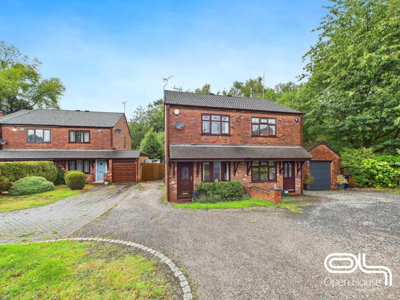
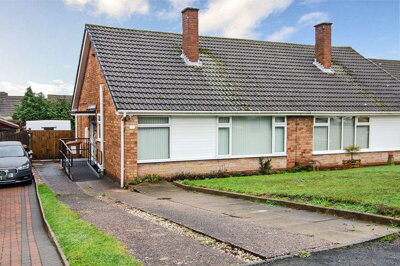
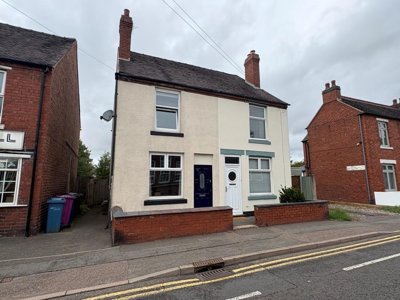
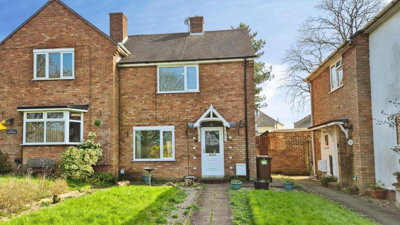
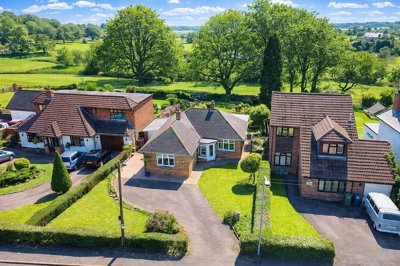
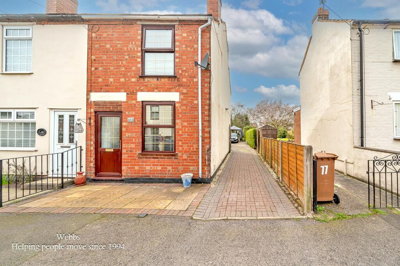
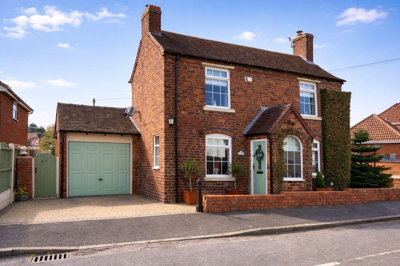
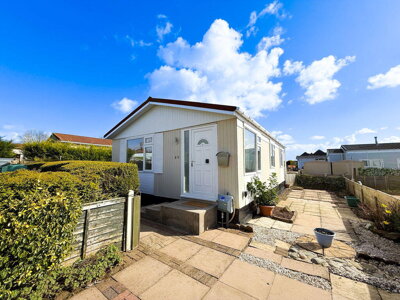
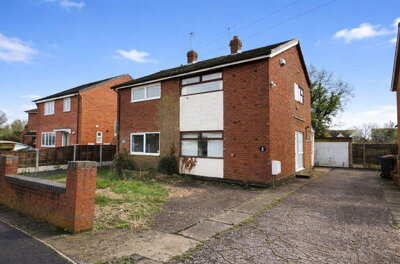
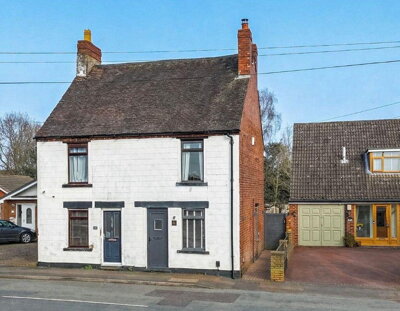
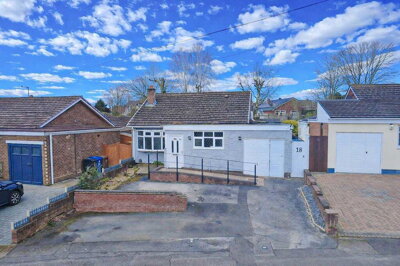
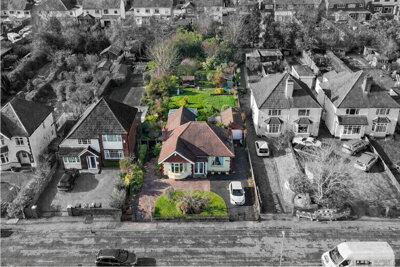
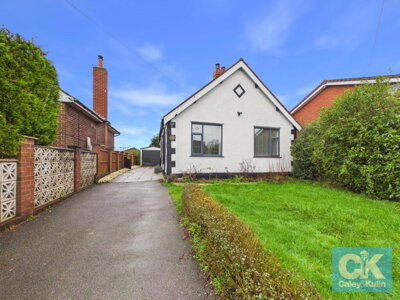
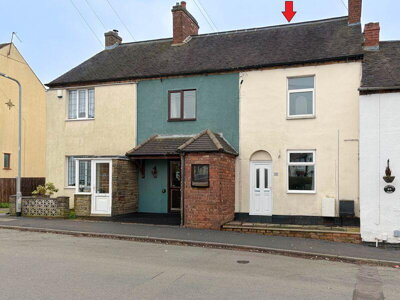
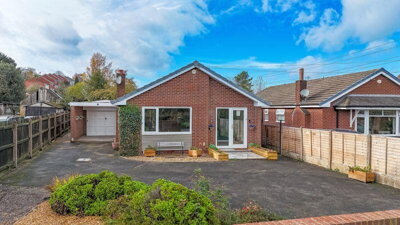
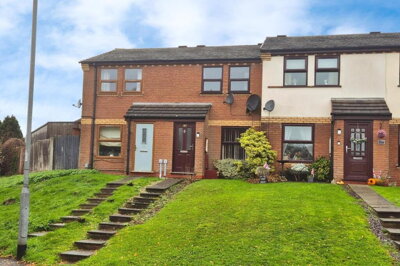
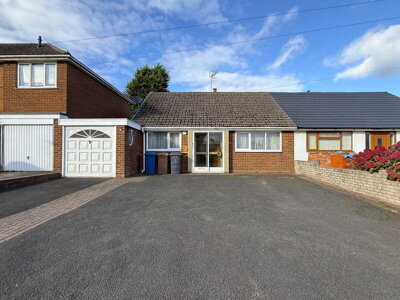
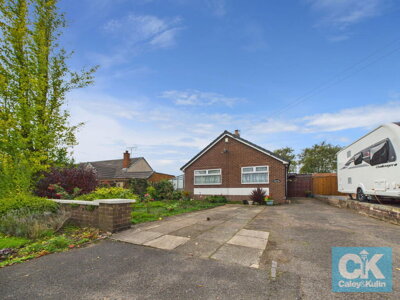
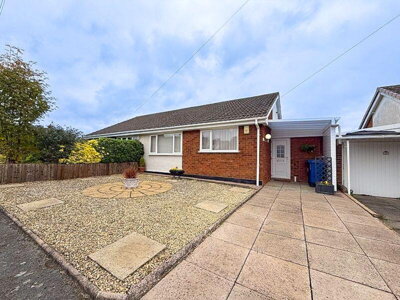
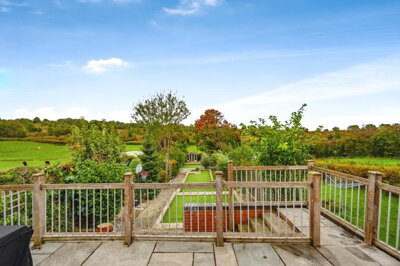
Browse 21 homes for sale in Cannock Wood from local estate agents.
The 2 bed house market features detached, semi-detached, and terraced properties with two separate bedrooms plus living spaces. Properties in Cannock Wood range from Victorian and Edwardian period homes to modern new builds, with pricing varying across different neighbourhoods.
The Cannock Wood property market offers a diverse selection of homes to suit various budgets and lifestyles. Detached properties command the highest prices, with the average coming in at £399,875, reflecting the generous plot sizes and spacious accommodation that characterise this segment. These homes typically feature multiple reception rooms, large gardens, and off-street parking, making them ideal for families who need room to grow. The village's semi-rural setting means that even modest detached homes enjoy a sense of space and privacy that is increasingly hard to find in more urban locations.
Semi-detached properties represent excellent value for money at an average price of £222,500, offering buyers a practical compromise between space and affordability. These homes often benefit from good-sized gardens and proximity to local amenities while remaining accessible to first-time buyers and those looking to step onto the property ladder. Terraced properties in Cannock Wood average £175,000, providing the most affordable entry point into this desirable village location.
Over the past 12 months, house prices in Cannock Wood have decreased by 2.97%, creating potential opportunities for buyers who are prepared to act decisively in a market where competition has moderated somewhat. This price adjustment follows a period of sustained growth in the wider Staffordshire region and may benefit buyers who have been watching the market and waiting for a more favourable moment to purchase. Properties in desirable positions, such as those along Chase Road or near the village green, can command premiums, while homes backing onto Cannock Chase itself often attract buyers seeking direct access to the AONB's extensive public rights of way network.

Cannock Wood offers a quality of life that many aspire to, combining the charms of village living with the practical benefits of excellent transport connections. The village has a population of approximately 1,079 residents according to the 2021 Census, creating a close community where neighbours know one another and local events bring people together throughout the year. The Cannock Chase Area of Outstanding Natural Beauty surrounds the village on all sides, providing an incredible natural playground for walkers, cyclists, and outdoor enthusiasts. The landscape varies from dense woodland to open heathland, offering dramatic scenery that changes beautifully with the seasons.
The village centre features essential amenities including a local shop, pub, and primary school, while more comprehensive shopping, healthcare, and leisure facilities are available in the nearby towns of Cannock and Rugeley, both within easy reach by car or bus. The wider area supports a variety of dining options, from traditional country pubs serving hearty meals to cafes and restaurants in the surrounding towns. Cultural attractions in the region include the Ancient High House in Stafford, the birthing place of Izaak Walton, and the broader heritage of the Cannock Chase area, which has been shaped by centuries of history from medieval times through to the industrial era.
The local economy benefits from proximity to major employment centres while maintaining a character rooted in agriculture, tourism, and small businesses. Residents appreciate the relative affordability compared to living within Birmingham or other larger West Midlands cities, while still being able to access those urban amenities when needed. Chasewater Country Park, located nearby, offers additional recreational opportunities including sailing, cycling, and walking trails, with some properties in the village potentially benefiting from views across the reservoir. The community spirit in Cannock Wood is evident in the various events and activities organised throughout the year, from summer fetes to Christmas celebrations, fostering a genuine sense of belonging that many find irresistible when considering a move to the area.

Families considering a move to Cannock Wood will find a reasonable selection of educational options within and near the village. The primary school serving Cannock Wood and surrounding areas is St Johns Primary School, located within the village itself. This school provides education for children from Reception through to Year 6, with the convenience of a village location meaning younger children can often walk to school rather than requiring transport. Parents are advised to check current catchment areas and admission policies, as these can change and may influence which schools children in a particular property are eligible to attend.
Secondary education options in the surrounding area include schools in Cannock, Rugeley, and Hednesford, with various options available to suit different academic and extracurricular interests. Families should research specific school performance data, including recent GCSE results and Ofsted inspection outcomes, to identify the best fit for their children's educational needs. For those seeking grammar school education, selective schools in nearby Lichfield and Stafford offer an alternative pathway for academically able students, though admission is based on the 11-plus examination and catchment areas may extend beyond the immediate locality.
Further and higher education opportunities are well-served by colleges and universities in Stafford, Wolverhampton, and Birmingham, all of which are accessible by public transport or car for older students who may wish to commute while living at home. The proximity to these larger centres means that families do not need to sacrifice educational aspirations when choosing to live in the more rural setting of Cannock Wood. Parents are encouraged to visit potential schools, speak with headteachers, and review latest performance data before committing to a property purchase, as school quality and catchment boundaries can significantly impact daily family life.
Cannock Wood enjoys excellent connectivity despite its semi-rural setting, making it a practical choice for commuters who need to access major employment centres. The village is situated near the A460 road, which provides direct links to Cannock town centre and onward connections to the M6 motorway at junction 12. This access means that Birmingham city centre is reachable in approximately 35-40 minutes by car, while Wolverhampton can be accessed in around 30 minutes. For those working in Stafford, the journey time is typically under 20 minutes, making Cannock Wood particularly attractive to those with professional roles in these major urban areas.
Public transport options include bus services connecting Cannock Wood with surrounding towns, providing essential mobility for residents who prefer not to drive or who wish to reduce their environmental footprint. The nearest railway stations are located in Rugeley and Cannock, offering regular services to Birmingham New Street, Stafford, and other regional destinations. From Rugeley station, trains to Birmingham typically take around 40-50 minutes, while connections to London Euston are available via Stafford or Birmingham with journey times of approximately 90 minutes to two hours depending on the service.
For cyclists and walkers, the extensive public rights of way network across Cannock Chase provides excellent recreational routes, while also serving as practical routes for local journeys where terrain permits. The National Cycle Network passes through the region, offering traffic-free or low-traffic routes for those who prefer pedal power. Parking in the village itself is generally straightforward given the lower density of development, while larger car parks are available in nearby towns for those heading further afield. The combination of transport options makes Cannock Wood a viable base for professionals who need flexibility in how they commute to work.
Understanding the construction types found in Cannock Wood helps buyers appreciate the character and potential maintenance requirements of properties across the village. The housing stock reflects the village's gradual development over several decades, with the oldest properties concentrated around the historic village centre near the Church of St John the Baptist. These traditional homes were typically built using local materials, including red brick with timber-framed structures and pitched tiled roofs, reflecting the building customs of Victorian and Edwardian Staffordshire.
Many properties across Cannock Wood feature traditional red brick construction with tiled roofs, although some older properties may incorporate stone elements or render finishes that add visual variety to the street scene. Our inspectors frequently encounter properties where timber-framed elements have been concealed beneath modern plasterboard finishes, which can create unexpected complications during renovation work. Period features such as original fireplaces, sash windows, and decorative coving are common in older properties and contribute to the character of the village, though these elements require ongoing maintenance and can represent significant costs if deteriorated.
Mid-century properties from the 1950s through to the 1970s form a substantial portion of the local housing stock, typically featuring brick-built cavity walls with more contemporary fittings and larger room proportions than their Victorian predecessors. More recent developments, including new-build properties at The Hedgerows, use modern construction methods that may include timber frame elements or contemporary masonry with improved insulation standards. Given this variety in construction types, a professional survey provides valuable insights into the specific condition and any potential issues affecting an individual property, regardless of its apparent exterior quality.
Spend time exploring Cannock Wood and the surrounding Cannock Chase area before committing to a purchase. Visit at different times of day and week, check local amenities, speak to residents, and understand the commute times to your workplace. Our platform provides detailed area guides and property listings to support your research. Consider attending local community events to gauge the atmosphere and get a genuine feel for village life.
Before viewing properties, obtain a mortgage agreement in principle from a lender or broker. This document confirms how much you can borrow and demonstrates to sellers that you are a serious, financially prepared buyer. Having this in place gives you confidence in your budget and strengthens your position when making an offer on a property in Cannock Wood. Speak to our recommended mortgage advisors who can help you find competitive rates suited to your circumstances.
Use our platform to search for available properties in Cannock Wood and schedule viewings with estate agents. We list homes across major portals including Rightmove, Zoopla, and OnTheMarket, giving you comprehensive access to the market. Attend viewings with a list of questions about the property, its history, and any recent renovations or issues. Take photographs and notes to help compare properties later.
Once your offer is accepted, book a RICS Level 2 Survey to assess the property condition before completing. Given the mix of older properties in Cannock Wood, including some on clay soils with potential shrink-swell risks, a professional survey can identify issues that might not be visible during a viewing. Survey costs in the area typically range from £400-£700 for a standard 3-bedroom property, with larger detached homes commanding higher fees.
Appoint a solicitor to handle the legal aspects of your purchase. They will conduct searches, review contracts, and manage the transfer of ownership. For properties in Cannock Wood, searches should include a Coal Mining Report given the area's historical association with the Cannock Chase coalfield. Our platform connects you with conveyancing specialists who can manage your purchase efficiently.
Once all searches are satisfactory and your mortgage is approved, you will exchange contracts and pay your deposit. Completion typically follows shortly after, at which point you will receive the keys to your new home in Cannock Wood. Our platform supports you through every stage of this journey with access to recommended service providers.
Properties in Cannock Wood present some unique considerations that buyers should understand before committing to a purchase. The geological conditions of the area include clay soils that can exhibit shrink-swell behaviour, particularly affecting properties with shallow foundations and those situated near mature trees. The wider Cannock Chase area features glacial till deposits and underlying bedrock of sandstone and mudstone, which can influence ground conditions. Signs of past movement may include cracking to walls or floors, sticking doors and windows, or uneven surfaces. A thorough structural survey can identify whether these issues are active and what remedial work might be required.
Given that Cannock Wood falls within the former Cannock Chase coalfield, properties in the area may be situated above or near historical shallow mine workings or shafts. While deep mining has ceased, the potential for ground instability remains, and a Coal Mining Report is strongly recommended as part of the conveyancing process. This search reveals whether the property lies within a coal mining reporting area and identifies any specific risks that should be addressed. Estate agents and solicitors can advise on whether this search is necessary for a particular property.
Many properties in Cannock Wood fall within or adjacent to the Cannock Chase Area of Outstanding Natural Beauty, which brings both benefits and responsibilities. Planning restrictions in AONB areas are typically more stringent, meaning that extensions, outbuildings, and other developments may require special consent from the local planning authority. Buyers should review the planning history of any property they are considering and understand the implications for future alterations or improvements. The village also features some listed buildings, including the Church of St John the Baptist, where specialist surveys and conservation-grade materials may be required for any works.
A RICS Level 2 Survey represents a valuable investment for anyone purchasing property in Cannock Wood, particularly given the varied age and construction types found throughout the village. Our inspectors examine the property thoroughly, looking beyond cosmetic finishes to assess the condition of roofs, walls, floors, foundations, and key structural elements. For older properties in particular, which form a significant proportion of the local housing stock, this level of scrutiny often reveals issues that would not be apparent during a standard viewing.
The clay soil conditions prevalent across Cannock Chase mean that foundation depths and any evidence of past movement are important considerations our surveyors specifically assess. Properties with mature trees nearby require particular attention, as moisture changes in shrinkable clay can cause ground movement that affects shallower foundations. The survey will note any signs of subsidence, heave, or other ground movement indicators, allowing buyers to make informed decisions and potentially negotiate repairs or price adjustments before completing.
Survey costs for RICS Level 2 inspections in the Cannock Wood area typically range from £400 to £700 for a standard 3-bedroom semi-detached property. Larger detached homes with more complex layouts and roof structures may incur higher fees, potentially reaching £800-£900 or more. While this represents an upfront cost, the investment often proves worthwhile when surveys identify defects requiring repairs valued at £1,000 to £5,000 or more that were not disclosed during the selling process.
The average house price in Cannock Wood is £304,383, based on recent sales data. Detached properties average £399,875, semi-detached homes are around £222,500, and terraced properties average £175,000. House prices have decreased by 2.97% over the past 12 months, creating potential opportunities for buyers in this desirable village location within the Cannock Chase AONB. The village has seen 16 property sales in the past year, maintaining a steady market with genuine choice for prospective buyers.
Properties in Cannock Wood fall under the jurisdiction of Cannock Chase District Council, and council tax bands range from A through to H depending on the property's assessed value. Most residential properties in the village fall within bands A to D, with the specific band shown on the property's listing details and conveyed during the conveyancing process. Prospective buyers can check current council tax rates through the local authority website to budget accurately for ongoing ownership costs.
St Johns Primary School serves the village directly, providing education for children from Reception through to Year 6 within walking distance of most village properties. Secondary school options in the surrounding area include schools in Cannock, Rugeley, and Hednesford, with various academic and vocational pathways available. For grammar school education, selective schools in nearby Lichfield and Stafford accept students who pass the 11-plus examination. Parents should verify current catchment areas and school performance data before purchasing, as school eligibility can significantly impact daily family routines.
Cannock Wood is connected to surrounding towns via local bus services, while the nearest railway stations in Rugeley and Cannock provide regular services to Birmingham, Stafford, and the wider rail network. The village sits near the A460, providing direct road access to Cannock town centre and the M6 motorway at junction 12. Birmingham city centre is approximately 35-40 minutes by car, making Cannock Wood practical for commuters who need regular access to major employment centres in the West Midlands.
Cannock Wood offers several investment attractions, including its position within the Cannock Chase AONB, which limits new development and helps preserve property values. The village benefits from excellent transport connections to major employment centres while offering a quality of life that continues to attract buyers. Property prices have shown moderate correction over the past year, which may present buying opportunities for investors seeking long-term capital growth in a semi-rural location with strong community ties and limited housing supply.
Stamp duty rates in England are 0% on the first £250,000 of a property purchase, 5% on the portion from £250,001 to £925,000, 10% from £925,001 to £1.5 million, and 12% above £1.5 million. First-time buyers benefit from relief on the first £425,000, with 5% applying between £425,001 and £625,000. Given that the average property in Cannock Wood costs £304,383, most standard purchases attract only minimal stamp duty, while first-time buyers of typical properties in the village would pay no stamp duty at all.
Cannock Wood generally has a low risk of flooding from rivers and the sea due to its elevated position within the Cannock Chase area. However, surface water flooding can occur in localised areas during periods of heavy rainfall, particularly where drainage capacity is limited or where the topography creates natural drainage channels. Buyers should request a flood risk report as part of their conveyancing process and consider whether the specific property location and grounds show any signs of past water damage or damp penetration.
Yes, Cannock Wood is located within the historical Cannock Chase coalfield, and properties may be situated above or near former shallow mine workings or shafts. While deep mining has ceased, the potential for ground instability from historical workings remains a consideration. A Coal Mining Report is strongly recommended for all property purchases in the area. This search reveals any specific mining risks and is typically a standard part of the conveyancing process for properties in this part of Staffordshire. Your solicitor will usually include this as part of standard searches for properties in the Cannock Wood area.
From 4.5% APR
Compare mortgage deals from leading lenders
From £499
Expert property solicitors for your Cannock Wood purchase
From £400
Professional survey by qualified inspectors
From £600
Comprehensive structural survey for older properties
From £80
Energy performance certificate for your property
Understanding the full costs of purchasing a property in Cannock Wood is essential for budgeting effectively. The stamp duty land tax (SDLT) you will pay depends on the purchase price of the property and whether you qualify as a first-time buyer. For standard purchases, the SDLT threshold is £250,000, meaning no tax is due on the first quarter of a million pounds. Most properties in Cannock Wood, where the average price is £304,383, will attract some stamp duty, but the amounts are generally manageable given the relatively affordable nature of the local market compared to major cities.
First-time buyers in Cannock Wood benefit from increased thresholds and reduced rates, with SDLT applying only above £425,000 at a rate of 5%. Given that the average detached property in the village costs £399,875, many first-time buyers purchasing this property type would avoid SDLT entirely. Semi-detached and terraced properties, averaging £222,500 and £175,000 respectively, are well within the first-time buyer relief threshold, making them attractive options for those taking their first step onto the property ladder in this desirable village location.
Beyond stamp duty, buyers should budget for additional costs including conveyancing fees, survey costs, mortgage arrangement fees, and removal expenses. Solicitors in the Cannock Wood area typically charge between £500 and £1,500 for conveyancing, depending on the complexity of the transaction and whether the property requires specialist searches such as a Coal Mining Report. RICS Level 2 Surveys for properties in the area typically cost between £400 and £700 for a standard 3-bedroom home, with larger properties commanding higher fees. Factor these costs into your overall budget to ensure a smooth purchase without unexpected financial strain.
Cannock Wood offers a compelling proposition for buyers seeking the benefits of village living within practical reach of major urban centres. The village provides access to the Cannock Chase Area of Outstanding Natural Beauty, excellent transport connections to Birmingham, Wolverhampton, and Stafford, and a tight-knit community atmosphere. With an average property price of £304,383 and 16 properties currently available, the market offers genuine choice across different property types and price points.
The semi-rural setting appeals to families, professionals, and retirees alike, offering a quality of life that combines rural charm with accessibility. Properties range from traditional Victorian and Edwardian homes near the village centre to modern detached houses in recent developments, ensuring options to suit various preferences and budgets. The presence of local amenities, good schools, and strong community spirit all contribute to the village's appeal as a place to put down roots.
Before making a final decision, prospective buyers should visit Cannock Wood at different times, explore the local area thoroughly, and speak with residents to gain authentic insight into daily life in the village. Consider your commuting requirements, childcare and schooling needs, and access to amenities before committing to a purchase. Our platform provides comprehensive listings and area information to support your research, while our recommended service providers can assist with mortgages, surveys, and conveyancing once you find your ideal property in Cannock Wood.
Properties for Sale In London

Properties for Sale In Plymouth

Properties for Sale In Liverpool

Properties for Sale In Glasgow

Properties for Sale In Sheffield

Properties for Sale In Edinburgh

Properties for Sale In Coventry

Properties for Sale In Bradford

Properties for Sale In Manchester

Properties for Sale In Birmingham

Properties for Sale In Bristol

Properties for Sale In Oxford

Properties for Sale In Leicester

Properties for Sale In Newcastle

Properties for Sale In Leeds

Properties for Sale In Southampton

Properties for Sale In Cardiff

Properties for Sale In Nottingham

Properties for Sale In Norwich

Properties for Sale In Brighton

Properties for Sale In Derby

Properties for Sale In Portsmouth

Properties for Sale In Northampton

Properties for Sale In Milton Keynes

Properties for Sale In Bournemouth

Properties for Sale In Bolton

Properties for Sale In Swansea

Properties for Sale In Swindon

Properties for Sale In Peterborough

Properties for Sale In Wolverhampton

Enter your details to see if this property is within your budget.
Loans, cards, car finance
Estimated property budget
Borrowing + deposit
You could borrow between
Typical borrowing
Monthly repayment
Est. at 4.5%
Loan-to-value
This is an estimate only. Your actual budget may vary depending on interest rates, credit history, and personal circumstances. For an accurate affordability assessment, speak to one of our free mortgage advisors.
This calculator provides estimates for illustrative purposes only and does not constitute financial advice. Your home may be repossessed if you do not keep up repayments on your mortgage. Estimates based on 4.5% interest rate, repayment mortgage. Actual rates depend on your circumstances.
Homemove is a trading name of HM Haus Group Ltd (Company No. 13873779, registered in England & Wales). Homemove Mortgages Ltd (Company No. 15947693) is an Appointed Representative of TMG Direct Limited, trading as TMG Mortgage Network, which is authorised and regulated by the Financial Conduct Authority (FRN 786245). Homemove Mortgages Ltd is entered on the FCA Register as an Appointed Representative (FRN 1022429). You can check registrations at NewRegister or by calling 0800 111 6768.

We use cookies to show you personalised content and improve your experience of our website. Find out more in our Privacy policy and Cookie policy.