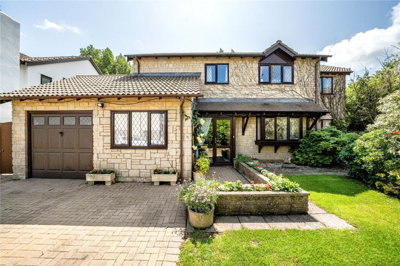
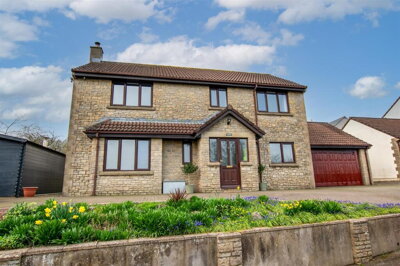
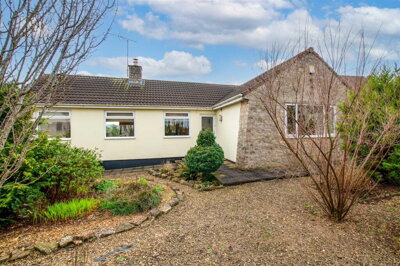
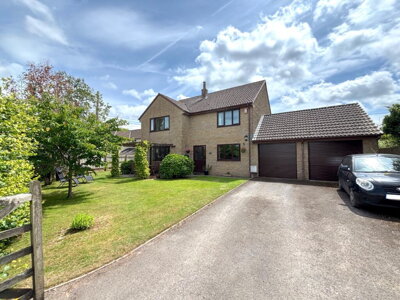
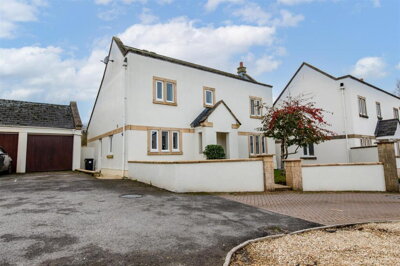
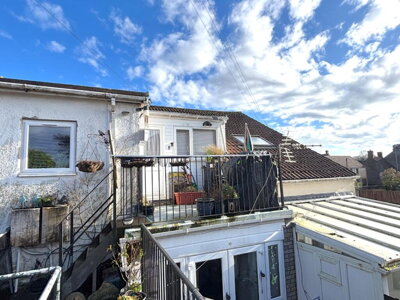
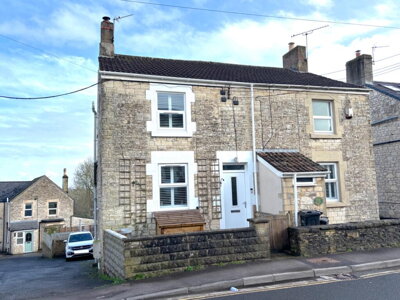
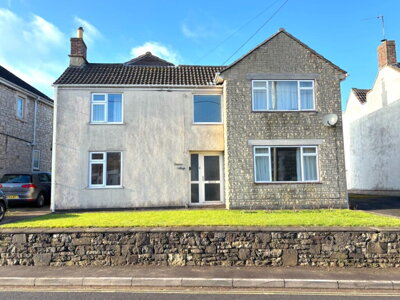
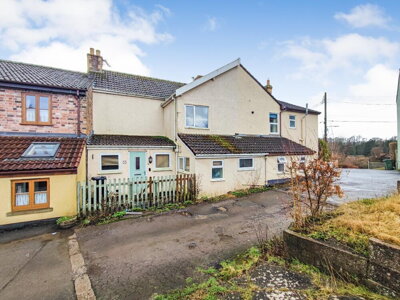
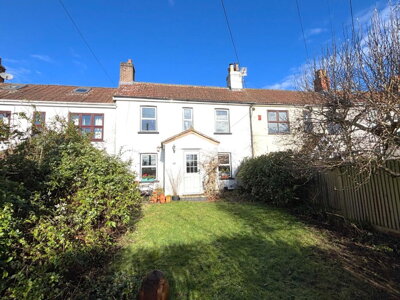
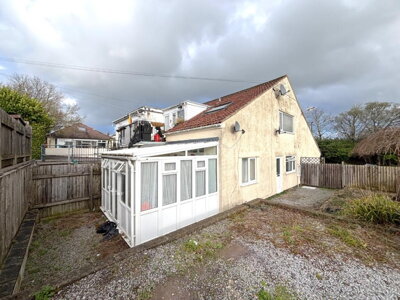
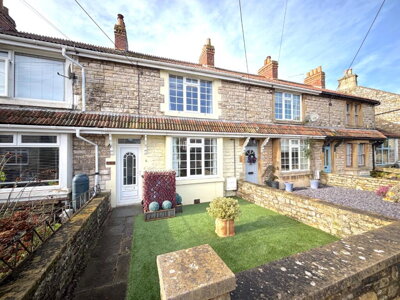
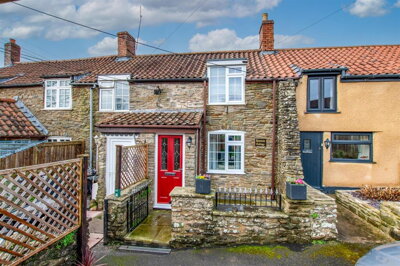
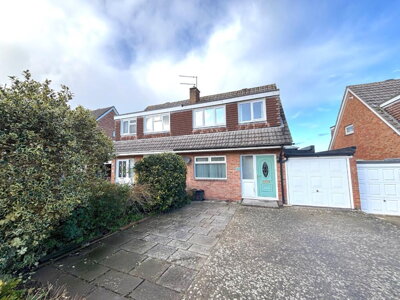
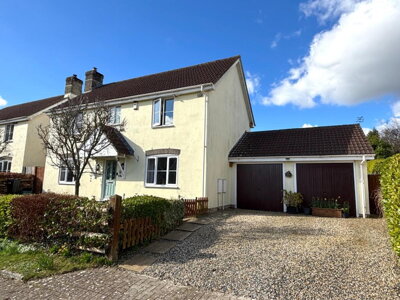
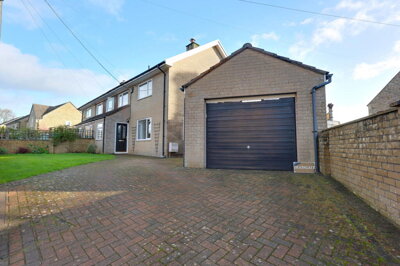
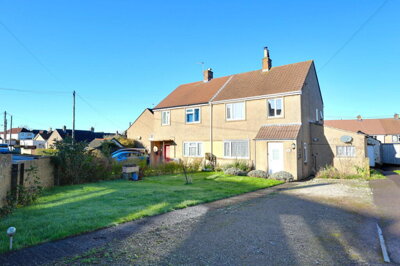
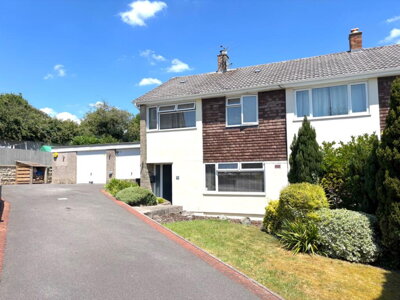
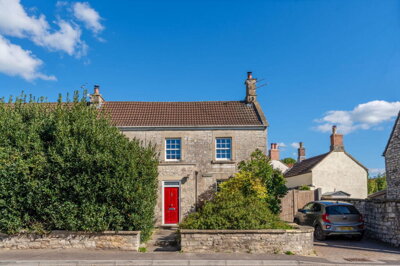
Browse 90 homes for sale in Cameley, Bath and North East Somerset from local estate agents.
£380k
14
1
49
Source: home.co.uk
Source: home.co.uk
Detached
6 listings
Avg £634,167
End of Terrace
2 listings
Avg £412,500
Semi-Detached
2 listings
Avg £380,000
Terraced
2 listings
Avg £244,975
Flat
1 listings
Avg £115,000
Ground Flat
1 listings
Avg £125,000
Source: home.co.uk
Source: home.co.uk
The Cameley property market offers a diverse range of housing options to suit different buyer requirements and budgets. Detached properties command the highest prices, with the average sitting at £675,000, reflecting the generous space and privacy these homes provide. Semi-detached properties average £430,000, making them an attractive option for families seeking more room than a terraced property without the premium of a detached home. Terraced properties in the village average around £350,000, while flats remain more affordable at approximately £250,000, though these represent a smaller portion of the available stock.
Over the past year, the Cameley market has demonstrated steady growth with a 6% increase in property values, indicating healthy demand from buyers drawn to the village lifestyle. Our records show 25 property sales completed in the last 12 months, a solid transaction volume for a village of this size that demonstrates market liquidity for sellers and buyers alike. The housing stock here is predominantly detached (45%) and semi-detached (30%), with terraced properties (15%) and flats (10%) forming the remainder of the mix. This distribution means buyers looking for larger family homes with gardens and parking will find the most options available.
Property age across Cameley spans several eras of construction, with around 30% of homes built before 1919 in traditional stone construction, 15% from the inter-war period, 35% constructed between 1945 and 1980, and 20% of more modern construction. This variety means buyers can choose between period charm with original features and more contemporary layouts. New build developments within the immediate Cameley area remain limited, so most buyers purchasing existing properties should budget for potential renovation or modernisation costs depending on the condition of the home.

Life in Cameley revolves around the rhythms of a traditional English village community, where local amenities, scenic countryside, and a strong sense of belonging define everyday living. The village sits within the Mendip Hills, an Area of Outstanding Natural Beauty that attracts visitors throughout the year with its dramatic limestone scenery, ancient woodland, and network of public footpaths. Residents enjoy immediate access to stunning landscapes right on their doorstep, from rolling farmland to iron age forts and underground cave systems that add a sense of adventure to weekend walks. The community spirit here is tangible, with local events, seasonal festivals, and village traditions bringing people together throughout the year.
The local economy surrounding Cameley remains largely agricultural, with farms and smallholdings contributing to the rural character that defines the area. Small businesses and artisan producers operate within the village and nearby settlements, providing local employment and services. Tourism plays an increasingly important role in the local economy, with visitors drawn to explore the natural beauty of the Mendip Hills, historic sites, and the attractive village centre with its collection of listed buildings. The presence of working farms also means that fresh, locally sourced produce is often available directly from producers in the surrounding countryside, adding to the quality of life for residents.
For everyday amenities, residents typically travel to nearby towns such as Wells, Bristol, or Bath, all of which offer comprehensive shopping, healthcare, and leisure facilities within a reasonable driving distance. The village itself maintains essential services, and the surrounding area provides a range of community facilities including pubs, village halls, and local clubs. The population of approximately 1,200 residents creates a close community where neighbours know one another and newcomers are warmly welcomed. This scale of village strikes an ideal balance between peaceful rural living and access to urban conveniences, making it particularly attractive to families, professionals who commute, and those seeking a quieter lifestyle without complete isolation.

Families considering a move to Cameley will find educational options available both within the immediate village and in the surrounding towns of Bath and North East Somerset. The village sits within the Bath and North East Somerset local authority area, which maintains a network of primary and secondary schools serving the local population. Primary education is available at village or cluster schools, with children typically attending their nearest qualifying school based on catchment area boundaries. Parents should verify current catchment arrangements with the local authority, as these can affect which school a child will be allocated.
Secondary education in the area includes a mix of academy schools, community schools, and faith schools, providing families with choices depending on their preferences and the availability of places. The local authority publishes school performance data and Ofsted inspection results that can help parents assess the quality of available options. For families seeking grammar school provision, the surrounding area includes several selective schools, though entry is determined by the 11-plus examination and competition for places can be significant. Sixth form and further education provision is available at secondary schools and colleges in nearby towns, providing clear pathways for older students.
Early years and preschool facilities in the village and surrounding area offer childcare options for younger children, supporting families with babies and toddlers. The presence of multiple educational options within reasonable travelling distance means that families moving to Cameley can access good schooling at all levels. When buying property in the area, it is worth noting that school catchment areas can influence property values and demand in certain streets, so confirming the allocated school for any specific address before completing a purchase is advisable.
Cameley benefits from its strategic position within Somerset, offering residents a choice of transport options for commuting and leisure travel. The village is well-connected by road, with the A39 and A371 providing routes to nearby towns including Wells, Glastonbury, and the city of Bristol. For longer-distance travel, access to the national motorway network via the M5 motorway allows convenient connections to destinations across the South West and beyond. The village position means that Bristol city centre is reachable within approximately 30 to 40 minutes by car, while Bath can be accessed in a similar timeframe, making both cities practical options for daily commuting or regular travel.
Public transport options include bus services connecting Cameley with surrounding towns and villages, providing an alternative to car travel for those who prefer not to drive. However, service frequency and operating hours may be limited compared to urban routes, so residents should check current timetables if relying on buses for regular travel. The nearest railway stations are located in towns such as Weston-super-Mare, Yatton, and Bristol, offering connections to the wider rail network. Bristol Temple Meads station provides direct services to major destinations including London Paddington, while regional connections serve other South West locations.
For those who cycle, the rural lanes around Cameley offer scenic routes for recreational cycling, though the hilly terrain of the Mendip Hills can present challenges for less experienced cyclists. Some commuters to Bristol and Bath choose to combine cycling with public transport, using park and ride facilities available at the edges of these cities. Parking availability within nearby towns varies by location and time of day, with town centre parking often limited during peak periods. Overall, while Cameley is a rural village, its position relative to major transport routes and employment centres makes it a viable base for commuters who appreciate countryside living.
Explore current property listings in Cameley to understand what is available at your budget, and visit the village to get a feel for the neighbourhood, local amenities, and community atmosphere before making any decisions.
Obtain a mortgage agreement in principle from a lender to confirm your budget, and get a clear understanding of all costs involved including deposit, stamp duty, legal fees, and survey costs before you start viewing properties.
Arrange viewings of properties that match your criteria, taking time to assess the condition of each home, check the surrounding neighbourhood, and consider factors such as garden size, parking, and proximity to schools and transport links.
Once you have an offer accepted, arrange a RICS Level 2 Survey to assess the condition of the property, particularly important in Cameley where 80% of homes are over 50 years old and may have age-related issues such as damp, roof wear, or outdated services.
Choose a conveyancing solicitor to handle the legal aspects of your purchase, including searches, contracts, and registration with the Land Registry, ensuring all necessary checks are completed before you commit to the purchase.
Once all legal checks are satisfactory and your mortgage offer is confirmed, proceed to exchange contracts and set a completion date, at which point you will receive the keys to your new Cameley home.
Purchasing a property in Cameley requires attention to several area-specific factors that reflect the village character and local conditions. As a designated Conservation Area, any property purchase here is subject to special planning controls aimed at preserving the architectural and historic character of the village. Buyers should be aware that planning permission for alterations, extensions, or changes to the exterior of properties may be subject to stricter requirements than in non-conservation areas. This can affect future renovation plans and should be considered when assessing a property's potential.
The geology of the Cameley area, characterised by Carboniferous Limestone and areas of Mercia Mudstone, means that clay-rich soils can present a moderate to high shrink-swell risk in certain locations. Properties with inadequate foundations or those with large trees nearby may be more susceptible to subsidence or ground movement. A thorough survey is essential to assess the condition of foundations and identify any signs of structural movement. Additionally, the age of many properties in the village means that solid wall construction, traditional building methods, and original features are common, requiring specialist knowledge when assessing condition and renovation potential.
Flood risk should also be considered when purchasing in Cameley, as surface water flooding can affect some areas during periods of heavy rainfall due to local topography and drainage patterns. Properties in lower-lying positions or near watercourses should be assessed carefully, and buyers should review any relevant flood risk data. Properties with listed building status may have additional restrictions on what changes owners can make, and specialist surveys may be required to understand the implications fully. Finally, with approximately 80% of homes in the village being over 50 years old, buyers should budget for potential maintenance and updating of plumbing, electrical systems, and insulation to meet modern standards.
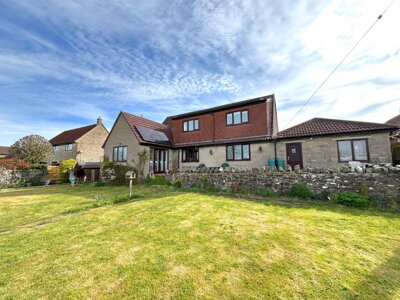
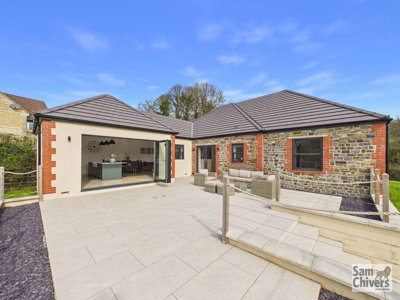
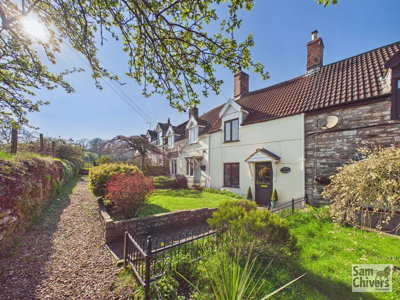
The properties in Cameley reflect centuries of building tradition, with local stone being a defining feature of the village's architectural heritage. Many period properties are constructed from limestone sourced from the Mendip Hills, often complemented by red brick and rendered finishes that create the distinctive appearance familiar throughout this part of Somerset. Traditional construction methods predominate, including solid wall construction without cavity insulation, timber floor structures, and pitched roofs covered with slate or clay tiles. These authentic building methods contribute to the character that makes Cameley so appealing, but they also bring specific maintenance considerations that buyers should understand before purchasing.
Common defects encountered in Cameley properties often relate to the age of the housing stock and the local environmental conditions. Damp issues, whether rising damp due to missing or failed damp-proof courses, penetrating damp from defective rainwater goods, or condensation problems from inadequate ventilation, appear frequently in older properties throughout the village. Timber defects including rot and woodworm can affect structural and non-structural timbers, particularly in properties where maintenance has been deferred. Roof problems such as slipped or broken tiles, defective leadwork around chimneys and valleys, and aging timber structures are among the most common issues identified during surveys of local properties.
The historic mining activity in the Mendip Hills, primarily for lead and other minerals, is worth noting for buyers considering very old properties in the village. While direct mining subsidence is less common than in traditional coalfield areas, the underground void networks from historical extraction can occasionally affect surface properties. Specialist investigation may be appropriate for properties built directly above known mineral working areas. Additionally, properties constructed from local stone may exhibit weathering and erosion over time, particularly in exposed positions, and repointing or remedial stonework may be required to maintain weather tightness and structural integrity.
The average house price in Cameley is currently £479,000 according to recent market data. Property prices vary significantly by type, with detached properties averaging £675,000, semi-detached homes at £430,000, terraced properties around £350,000, and flats at approximately £250,000. House prices in the village have increased by 6% over the past 12 months, reflecting steady demand from buyers seeking village living in this part of Somerset. These figures suggest a healthy market where properties are selling, making Cameley an attractive location for both primary residences and investment purchases.
Properties in Cameley fall within the Bath and North East Somerset council area, which sets council tax bands from A through to H based on property valuation. Specific bands depend on the value of individual properties as assessed by the Valuation Office Agency. Prospective buyers can check the council tax band for any specific property through the government website or by requesting this information during the conveyancing process. The council provides details of current charges for each band on the Bath and North East Somerset Council website.
Cameley and the surrounding Bath and North East Somerset area offer educational options at all levels, with primary schools serving the immediate village community and secondary schools available in nearby towns. Parents should check current school performance data and Ofsted reports, which are published online, to identify the highest-performing options. School catchment areas apply to primary and secondary admissions, so confirming which school serves a specific property address is important before purchasing. Grammar schools in the wider area provide selective education for students who pass the 11-plus examination.
Cameley is connected to surrounding towns and villages by local bus services, though service frequency may be lower than in urban areas. The nearest railway stations are located in nearby towns providing connections to Bristol, Bath, and the wider rail network, with Bristol Temple Meads offering direct services to London Paddington. For commuters to Bristol or Bath, a combination of road travel and public transport options is practical, with major employment centres reachable within 30 to 40 minutes by car. Residents without cars should check local bus timetables carefully to ensure their transport needs can be met.
Cameley offers several factors that make it attractive to property investors, including its position within the Mendip Hills Area of Outstanding Natural Beauty, proximity to major cities, and the character of its Conservation Area housing stock. The 6% increase in house prices over the past year indicates market growth, while the village lifestyle appeal ensures ongoing demand from buyers seeking rural living with good connectivity. Rental demand in the area is supported by commuters working in Bristol or Bath who prefer village living to city centre. However, investors should consider the costs of maintaining older properties and any planning restrictions that apply in the Conservation Area.
Stamp duty land tax rates for 2024-25 apply to all purchases in England, including Cameley. Standard rates start at 0% on the first £250,000 of property value, then 5% on the portion from £250,001 to £925,000, 10% up to £1.5 million, and 12% on amounts exceeding £1.5 million. First-time buyers benefit from relief on the first £425,000, with 5% payable between £425,001 and £625,000. Given the average property price in Cameley of £479,000, a standard buyer would pay approximately £11,450 in stamp duty, while first-time buyers would pay £2,700. Your actual liability depends on your purchase price, buyer status, and whether you own other properties.
The Conservation Area designation in Cameley means that any exterior alterations, extensions, or significant changes to properties may require planning permission from Bath and North East Somerset Council, even when permitted development rights might normally apply elsewhere. This includes changes to windows, doors, roofing materials, and boundaries. The council has specific guidance on what is considered appropriate in the Conservation Area, and breaches can result in enforcement action. If you are considering a property purchase where renovation or alteration is planned, obtaining planning advice before committing to the purchase is strongly recommended. Specialist surveys for listed buildings or heritage properties may also be advisable to understand the full implications of ownership.
The geology of Cameley includes areas of Mercia Mudstone where clay-rich soils can shrink and swell with moisture changes, potentially affecting property foundations. Properties with large trees nearby, or those with foundations that do not meet modern depth requirements, may be more susceptible to subsidence or ground heave. Surface water flooding during heavy rainfall is also a concern in parts of the village due to local topography. Properties within the Conservation Area may also sit above historical mining activity from the Mendip Hills, though direct subsidence from this source is uncommon. A thorough structural survey is essential for any property purchase in the village to identify potential foundation issues or signs of movement before you commit to buying.
From £450
A detailed inspection of the property condition, essential for older homes
From £600
A comprehensive building survey for older or complex properties
From £85
Energy Performance Certificate required for all sales
From 4.5%
Expert mortgage advice and competitive rates
From £499
Specialist solicitors to handle your purchase
Buying a property in Cameley involves several costs beyond the purchase price that buyers should factor into their budget from the outset. Stamp duty land tax represents one of the largest additional costs, with standard rates applying 0% on the first £250,000, 5% between £250,001 and £925,000, 10% from £925,001 to £1.5 million, and 12% on any amount above £1.5 million. For a typical Cameley property at the village average of £479,000, a standard buyer would pay approximately £11,450 in stamp duty, while first-time buyers benefiting from relief would pay around £2,700 on the same property.
Legal costs for conveyancing typically start from £499 for straightforward transactions, though costs can increase for leasehold properties, properties with complex titles, or those requiring additional searches. A RICS Level 2 Survey is strongly recommended for properties in Cameley, where approximately 80% of homes are over 50 years old. Survey costs range from £450 to £750 depending on property size and complexity, with larger detached properties at the higher end of this range. An Energy Performance Certificate is legally required and costs from approximately £85. Mortgage arrangement fees, valuation fees, and broker costs should also be budgeted for, with many lenders charging arrangement fees of 0.5% to 1% of the loan amount.
When budgeting for a Cameley purchase, it is sensible to set aside an additional 3% to 5% of the property price for fees, taxes, and contingencies. For a property at the average price of £479,000, this means allowing approximately £14,000 to £24,000 beyond the purchase price. Obtaining a mortgage agreement in principle before searching for properties helps confirm your budget and demonstrates your seriousness to sellers when making offers. The combination of a competitive mortgage rate, thorough survey, and experienced conveyancing solicitor ensures a smooth transaction when purchasing your Cameley home.
Properties for Sale In London

Properties for Sale In Plymouth

Properties for Sale In Liverpool

Properties for Sale In Glasgow

Properties for Sale In Sheffield

Properties for Sale In Edinburgh

Properties for Sale In Coventry

Properties for Sale In Bradford

Properties for Sale In Manchester

Properties for Sale In Birmingham

Properties for Sale In Bristol

Properties for Sale In Oxford

Properties for Sale In Leicester

Properties for Sale In Newcastle

Properties for Sale In Leeds

Properties for Sale In Southampton

Properties for Sale In Cardiff

Properties for Sale In Nottingham

Properties for Sale In Norwich

Properties for Sale In Brighton

Properties for Sale In Derby

Properties for Sale In Portsmouth

Properties for Sale In Northampton

Properties for Sale In Milton Keynes

Properties for Sale In Bournemouth

Properties for Sale In Bolton

Properties for Sale In Swansea

Properties for Sale In Swindon

Properties for Sale In Peterborough

Properties for Sale In Wolverhampton

Enter your details to see if this property is within your budget.
Loans, cards, car finance
Estimated property budget
Borrowing + deposit
You could borrow between
Typical borrowing
Monthly repayment
Est. at 4.5%
Loan-to-value
This is an estimate only. Your actual budget may vary depending on interest rates, credit history, and personal circumstances. For an accurate affordability assessment, speak to one of our free mortgage advisors.
This calculator provides estimates for illustrative purposes only and does not constitute financial advice. Your home may be repossessed if you do not keep up repayments on your mortgage. Estimates based on 4.5% interest rate, repayment mortgage. Actual rates depend on your circumstances.
Homemove is a trading name of HM Haus Group Ltd (Company No. 13873779, registered in England & Wales). Homemove Mortgages Ltd (Company No. 15947693) is an Appointed Representative of TMG Direct Limited, trading as TMG Mortgage Network, which is authorised and regulated by the Financial Conduct Authority (FRN 786245). Homemove Mortgages Ltd is entered on the FCA Register as an Appointed Representative (FRN 1022429). You can check registrations at NewRegister or by calling 0800 111 6768.

We use cookies to show you personalised content and improve your experience of our website. Find out more in our Privacy policy and Cookie policy.