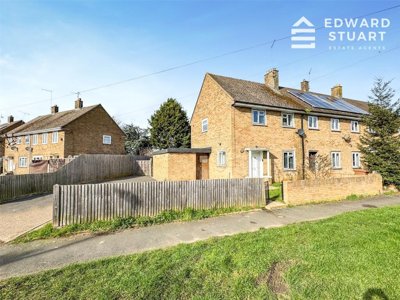
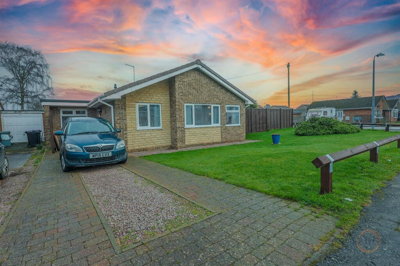
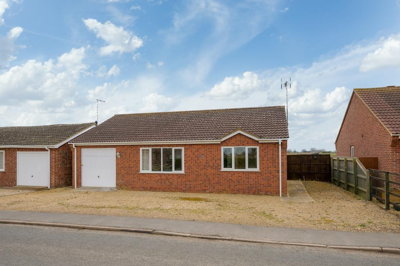
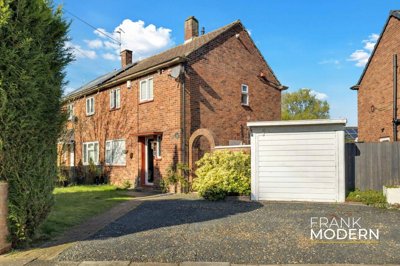
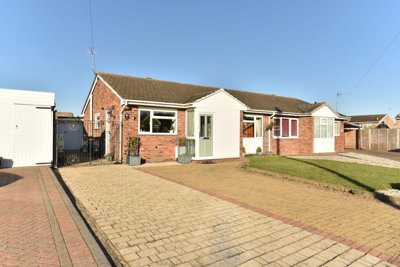
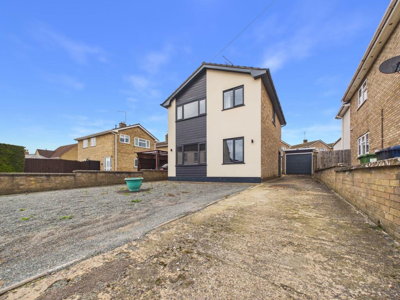
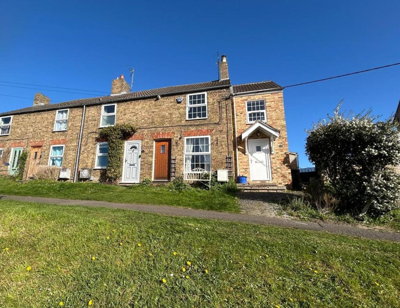
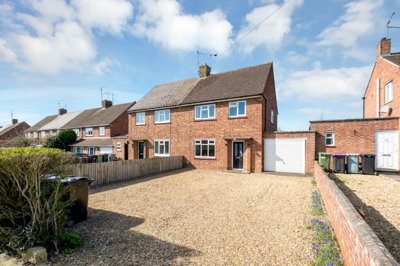
Browse 10,000 homes for sale in Cambridgeshire, England from local estate agents.
£322k
8,099
642
116
Source: home.co.uk
Source: home.co.uk
Detached
2,432 listings
Avg £564,828
Semi-Detached
1,536 listings
Avg £327,208
Terraced
866 listings
Avg £300,064
Apartment
576 listings
Avg £271,602
Detached Bungalow
484 listings
Avg £369,565
End of Terrace
477 listings
Avg £298,734
Flat
456 listings
Avg £193,347
Bungalow
160 listings
Avg £377,960
House
138 listings
Avg £400,130
Semi-Detached Bungalow
121 listings
Avg £259,928
Source: home.co.uk
Source: home.co.uk
The Cambridgeshire housing market has demonstrated remarkable resilience, with overall average prices rising 5.6% over the past year, outperforming many other regions across England and Wales. While the county average stands at £364,000, prices vary significantly between different districts. Cambridge city commands the highest prices with an average of £559,000, driven by persistent demand from academics, healthcare workers, and technology sector employees. South Cambridgeshire offers a slightly more accessible entry point at £434,000, while areas like Huntingdonshire and East Cambridgeshire provide more affordable options for first-time buyers seeking value in this sought-after region.
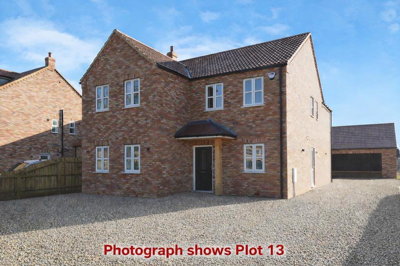
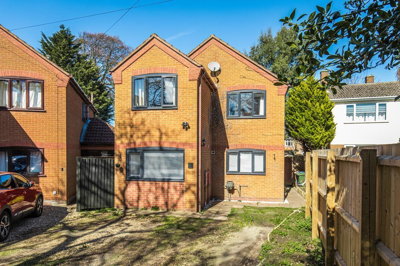
Property types across Cambridgeshire reflect the county's varied architecture and history. Detached homes comprise 35.7% of recent sales, making them the most common property type, followed by semi-detached properties at 29.2%. Terraced homes account for 25.2% of sales, while flats and maisonettes represent 9.8% of transactions. The Cambridge postcode area shows slightly different patterns, with terraced properties more prevalent at 29.3% due to the city's historic housing stock. For buyers seeking space and privacy, detached properties in South Cambridgeshire average £626,000, while those looking for more affordable options might consider terraced homes averaging £314,633 across the county.
The market has experienced some recent softening, with overall prices falling around 1% from the previous year and approximately 3% down from the 2023 peak of £383,476. Cambridge city has seen more pronounced corrections, with prices declining 4% to 6% from recent peaks. However, certain segments remain robust. Semi-detached properties in South Cambridgeshire increased by 1.9% in the year to December 2025, and East Cambridgeshire saw the strongest growth across the county at 5.8%, with the average home now costing £333,000. New build activity continues to add to supply, with 413 newly built properties sold in the past twelve months, representing 4.1% of total sales, at an average price of £445,000.

Cambridgeshire offers an exceptional quality of life that balances urban amenities with access to beautiful countryside. The county's geology creates a fascinating landscape, from the chalk hills of the south around Newmarket and Saffron Walden to the flat, expansive Fens in the north near Ely and Wisbech. The clay-rich soils present throughout much of the county, particularly the Oxford Clay and Ampthill Clay deposits, have shaped both the natural environment and the traditional building styles featuring distinctive red brick construction seen throughout historic towns and villages.
The local economy thrives on a unique combination of academic excellence, scientific innovation, and traditional industries. Cambridge city anchors the county's knowledge economy, with the renowned science parks and the massive Cambridge Biomedical Campus attracting talent from around the world. The University of Cambridge remains one of the world's leading educational institutions, employing thousands of academics and researchers while supporting a vibrant ecosystem of colleges, libraries, and cultural venues. Beyond the city, agriculture continues to play an important role in the Fens, while logistics and distribution operations benefit from excellent transport connections along the A1 and A14 corridors.
Each area of Cambridgeshire offers its own distinct character for potential buyers. The university city of Cambridge itself combines historic architecture with modern amenities, though property prices here reflect the premium of living within the knowledge hub. Market towns like Ely captivate buyers with their magnificent cathedral and strong community atmosphere, while offering more accessible price points. St Ives provides an attractive riverside lifestyle with direct rail connections to Cambridge, and Huntingdon appeals to commuters seeking value along the A1 corridor. The Fenland towns of Wisbech and Chatteris represent the most affordable parts of the county, though buyers should factor in potential flood risk considerations when evaluating properties in these low-lying areas.

Education provision across Cambridgeshire ranks among the best in the country, making the county particularly attractive to families with children of all ages. Cambridge itself hosts several exceptional state secondary schools, including St. Mary's School and The Perse School, alongside the prestigious King's College School which consistently achieves outstanding examination results. The Perse School, founded in 1615, offers a traditional academic education while state schools like Chesterton Community College and Impington Village College provide excellent alternatives for families seeking quality state education without private school fees.
The county further benefits from outstanding grammar school provision, with schools like Hills Road Sixth Form College and The Leys attracting students from across the region. For younger children, Cambridgeshire boasts numerous primary schools that achieve good or outstanding Ofsted ratings, including Arthur Rank Primary School and St. Mary's Infant School in Cambridge. Parents should research specific catchment areas when property hunting, as school places in popular catchment zones can be competitive. The presence of the University of Cambridge and Anglia Ruskin University also provides excellent further and higher education opportunities, with university colleges and campuses located throughout the city and surrounding areas.
Beyond Cambridge, educational provision extends across the county's market towns and villages. Towns like St Ives, Ely, and Huntingdon all feature primary and secondary schools serving their local communities, with varying Ofsted ratings that buyers should investigate carefully. Grammar school provision in Cambridgeshire is selective, with schools like Bottisham Community College serving the wider county. For families prioritising education in their property search, proximity to high-performing schools can significantly impact both property values and the competitiveness of offers in popular catchment areas.
Cambridgeshire benefits from excellent transport connections that make commuting to London and other major cities highly practical. Cambridge railway station offers regular services to London King's Cross, with journey times of approximately 50 minutes to an hour, making the city popular with commuters who work in the capital but prefer Cambridgeshire's more relaxed lifestyle. Additional services operate from Cambridge North station, serving areas on the northern side of the city and providing connections to destinations including Stansted Airport, which lies just outside the county boundary.
The county's road network provides easy access to surrounding regions, with the A14 trunk road running through the heart of Cambridgeshire and connecting the port of Felixstowe to the Midlands via Huntingdon and Cambridge. The A1(M) passes through the western part of the county near St Neots, offering straightforward access to London and the north. For cyclists, Cambridge has one of the highest rates of cycling in the UK, supported by extensive cycle paths and the County Council's commitment to sustainable transport. Local bus services operated by the Cambridgeshire bus network connect towns and villages throughout the county, while park-and-ride schemes around Cambridge provide convenient options for those working in the city centre.
Rail connections extend beyond Cambridge to serve the wider county. Ely railway station provides regular services to Cambridge, London Liverpool Street, and East Anglia, making the historic city a viable option for commuters. St Ives and Huntingdon both have railway stations offering connections to Cambridge and London, with journey times to the capital typically ranging from around 55 minutes to 70 minutes depending on the service. The Cambridgeshire Guided Busway, the world's longest guided busway, provides rapid transit between Cambridge and surrounding towns including St Ives, offering an alternative to car travel for those working in or visiting the city centre.
Before viewing properties, obtain a mortgage agreement in principle from a lender. This confirms your budget and demonstrates to sellers that you are a serious buyer, which is particularly important in competitive Cambridgeshire market towns where properties can sell quickly. Given the county's varied price points from Cambridge's £559,000 average to more affordable Fenland properties, understanding your borrowing capacity early helps focus your search on achievable options.
Cambridgeshire offers diverse communities from the bustling city of Cambridge to peaceful Fenland villages. Consider your priorities regarding commute times, school catchment areas, property type, and budget. Our area guides provide detailed information about each neighbourhood to help narrow your search. Factor in the significant price variations between districts when setting your expectations.
Once you have identified suitable properties, schedule viewings through our platform. Take time to assess each property carefully, checking the condition of the building, the surrounding neighbourhood, and any signs of potential issues such as damp or structural concerns. In Cambridgeshire's varied housing stock, from Victorian terraces to modern new builds, each property type brings its own considerations.
Before completing your purchase, commission a RICS Level 2 Survey for a standard property or a Level 3 Building Survey for older properties or those showing signs of wear. Given Cambridgeshire's clay soils, a survey is particularly important to check for any signs of subsidence or heave that can affect properties in this region. Our team of qualified surveyors understand local construction methods and can identify issues common to Cambridgeshire properties.
Choose a conveyancing solicitor to handle the legal aspects of your purchase. They will conduct searches, review contracts, and coordinate with the seller's solicitor to ensure a smooth transaction. Cambridgeshire has many experienced property solicitors familiar with local requirements including flood risk searches for Fenland properties and conservation area restrictions in historic towns.
Once all searches are satisfactory and finance is in place, your solicitor will exchange contracts and agree a completion date. On completion day, the remaining funds are transferred and you receive the keys to your new Cambridgeshire home. Our team can recommend conveyancing solicitors who know the local market inside out.
Cambridgeshire's varied geology means that buyers should pay particular attention to the underlying ground conditions when considering a property purchase. The county's extensive clay deposits present shrink-swell risks, particularly for properties with shallow foundations or those with large trees nearby. During periods of drought followed by heavy rainfall, clay soils can contract and expand, potentially causing subsidence or structural movement. A thorough survey from a qualified RICS surveyor can identify any existing issues and assess the risk to the property. Our inspectors regularly encounter foundation movement in properties across Cambridgeshire, particularly in older buildings where original footings may be less deep than modern standards require.
Flood risk varies significantly across different parts of Cambridgeshire, with the Fenland areas in the north facing the highest exposure to fluvial flooding from the River Great Ouse and its tributaries. Towns like Ely, St Ives, and Huntingdon have experienced flooding in the past, and buyers should check the Environment Agency flood risk maps for any property they are considering. Cambridge city has some surface water flood risk during extreme rainfall events, though this is generally less severe than in the Fens. Properties in designated conservation areas may have planning restrictions on alterations and renovations, which is worth considering if you plan to make changes to a period property.
The age and construction of Cambridgeshire properties vary considerably across the county, requiring different inspection approaches. Victorian and Edwardian terraces common in Cambridge's residential areas often feature solid floors and traditional construction that differs from modern standards. Newer developments across the county incorporate contemporary building methods but may have their own issues related to speed of construction and materials used. Detached properties in South Cambridgeshire, often built from brick with clay tile roofs, represent the traditional Cambridgeshire family home style. We recommend a Level 3 Building Survey for any property over 50 years old or where you notice any signs of structural movement, damp, or deterioration during viewings.
The average property price in Cambridgeshire stands at £364,000 as of December 2025, with a median price of £315,000. Prices vary considerably across districts, with Cambridge city averaging £559,000, South Cambridgeshire at £434,000, and more affordable areas in Huntingdonshire and Fenland averaging around £300,000 to £333,000. Over the past year, Cambridgeshire property prices have risen by approximately 5.6%, making the county one of the stronger performing markets in the East of England. However, Cambridge city specifically has seen prices fall 4% to 6% from recent peaks, creating potential opportunities for buyers who had been priced out of the market previously.
Council tax bands across Cambridgeshire vary by property value and local authority area. Cambridge City Council, South Cambridgeshire District Council, Cambridgeshire County Council, and district councils including East Cambridgeshire, Fenland, and Huntingdonshire each set their own rates within government guidelines. Properties are typically assessed in bands A through H, with most family homes falling into bands B through E. You can check the specific council tax band for any property through the Valuation Office Agency website. When budgeting for your Cambridgeshire home, remember that band D properties in Cambridge city currently pay around £2,100 annually to Cambridge City Council alone, with additional amounts to Cambridgeshire County Council for essential services.
Cambridgeshire hosts several highly regarded schools, including The Perse School and King's College School in Cambridge for secondary education. Hills Road Sixth Form College consistently achieves excellent A-level results, while primary schools like Arthur Rank Primary School have outstanding Ofsted ratings. Grammar schools including Bottisham Community College serve the wider county. For families considering private education, The Leys School and St. Mary's School offer excellent provision. Always verify current Ofsted ratings and consider catchment areas, as places in popular school zones can be highly competitive. Properties within catchment of sought-after schools like Impington Village College or Chesterton Community College in Cambridge often command premiums, so factor school proximity into your property search if education is a priority.
Cambridgeshire enjoys excellent public transport connections, particularly from Cambridge city centre where regular trains to London King's Cross take approximately 50 minutes. Cambridge North station provides services to Stansted Airport and beyond. The county is served by comprehensive bus networks operated by the Cambridgeshire bus service, with park-and-ride facilities making city centre access convenient. Towns like Ely, St Neots, and Huntingdon have their own railway stations with connections to Cambridge, London, and East Anglia. The guided busway provides rapid transit between Cambridge and surrounding towns including St Ives and Trumpington. For commuters working in Cambridge but seeking more affordable housing, the market towns of Ely and Huntingdon both offer reasonable train journey times while providing significantly lower property prices than the city itself.
Cambridgeshire offers strong fundamentals for property investment, with the county's knowledge economy continuing to drive demand from professionals working in technology, biotech, and research sectors. The University of Cambridge attracts a constant flow of academics and students requiring rental accommodation. House prices in Cambridge and South Cambridgeshire have shown consistent long-term growth, though the market has experienced some recent softening with prices falling around 4% to 6% from recent peaks. The affordability ratio of 10.9 in Cambridge indicates significant demand pressures, suggesting the market should remain active. Rental yields vary, with flats in Cambridge typically offering higher yields than larger family homes. East Cambridgeshire has shown particularly strong recent price growth at 5.8%, making it an area worth watching for investors seeking capital growth.
Stamp Duty Land Tax rates for standard buyers start at 0% on the first £250,000 of property value, then 5% on the portion from £250,001 to £925,000, 10% up to £1.5 million, and 12% above that threshold. First-time buyers benefit from relief on the first £425,000, paying 5% between £425,001 and £625,000 with no relief above £625,000. For a typical Cambridgeshire property at the county average of £364,000, a first-time buyer would pay no stamp duty, while an additional rate buyer would pay £5,700. Always verify current thresholds with HM Revenue and Customs as these can change with each budget. Given the higher average prices in Cambridge city at £559,000, buyers purchasing property in the city should budget approximately £15,450 in stamp duty at standard rates.
The primary risks when purchasing property in Cambridgeshire relate to ground conditions and flood exposure. Clay soils dominate much of the county, creating shrink-swell risks that can lead to subsidence, particularly for properties with large nearby trees or shallow foundations. Our inspectors frequently identify movement-related defects in Cambridgeshire properties, especially those built before modern building regulations. The Fenland areas in the north face significant fluvial flood risk from the River Great Ouse and its tributaries, and buyers should always check Environment Agency flood maps. Conservation area restrictions apply to many period properties across the county, particularly in Cambridge's historic core and market towns like Ely, which may limit renovation options. The recent softening of Cambridge prices by 4% to 6% from peaks represents both a risk for recent purchasers and an opportunity for buyers entering the market.
From 4.5%
Compare mortgage rates from leading lenders
From £499
Expert property solicitors for your Cambridgeshire purchase
From £350
Comprehensive survey for standard properties in Cambridgeshire
From £500
Detailed building survey for older or complex properties
Understanding the full costs of purchasing property in Cambridgeshire helps you budget accurately and avoid surprises. Beyond the property price, buyers should account for Stamp Duty Land Tax, which applies to all purchases above £250,000 at standard rates. For a property priced at the Cambridgeshire average of £364,000, a buyer who already owns property would pay £5,700 in stamp duty. First-time buyers benefit significantly, paying nothing on purchases up to £425,000, which means many first homes in Cambridgeshire attract zero stamp duty. However, for properties in Cambridge city where the average price reaches £559,000, even first-time buyers would incur stamp duty charges of around £6,750 under current thresholds.
Additional purchase costs include solicitor fees typically ranging from £500 to £1,500 depending on the complexity of the transaction, plus disbursements for local authority searches which usually cost between £200 and £400. Cambridgeshire-specific searches may include flood risk assessments for properties in Fenland areas, which buyers should factor into their budget. Survey costs vary based on property value and survey type, with RICS Level 2 surveys starting from around £350 for standard properties and Level 3 Building Surveys from £500 for more complex or older properties. If you require a mortgage, arrangement fees typically range from £0 to £2,000 depending on the lender and deal selected. For leasehold properties, you may also need to pay ground rent and service charge contributions, which can significantly impact ongoing costs and should be carefully reviewed before committing to a purchase.
When calculating your total budget, remember to account for moving costs, potential renovation or repair works identified during survey, and the ongoing costs of homeownership including utility bills, insurance, and maintenance reserves. Properties in Cambridgeshire's older housing stock, particularly Victorian and Edwardian terraces common in Cambridge, may require ongoing maintenance investment compared to newer properties. Our recommended surveyors can provide detailed cost estimates for any remedial works identified, helping you make an informed decision about your Cambridgeshire property purchase.
Properties for Sale In London

Properties for Sale In Plymouth

Properties for Sale In Liverpool

Properties for Sale In Glasgow

Properties for Sale In Sheffield

Properties for Sale In Edinburgh

Properties for Sale In Coventry

Properties for Sale In Bradford

Properties for Sale In Manchester

Properties for Sale In Birmingham

Properties for Sale In Bristol

Properties for Sale In Oxford

Properties for Sale In Leicester

Properties for Sale In Newcastle

Properties for Sale In Leeds

Properties for Sale In Southampton

Properties for Sale In Cardiff

Properties for Sale In Nottingham

Properties for Sale In Norwich

Properties for Sale In Brighton

Properties for Sale In Derby

Properties for Sale In Portsmouth

Properties for Sale In Northampton

Properties for Sale In Milton Keynes

Properties for Sale In Bournemouth

Properties for Sale In Bolton

Properties for Sale In Swansea

Properties for Sale In Swindon

Properties for Sale In Peterborough

Properties for Sale In Wolverhampton

Enter your details to see if this property is within your budget.
Loans, cards, car finance
Estimated property budget
Borrowing + deposit
You could borrow between
Typical borrowing
Monthly repayment
Est. at 4.5%
Loan-to-value
This is an estimate only. Your actual budget may vary depending on interest rates, credit history, and personal circumstances. For an accurate affordability assessment, speak to one of our free mortgage advisors.
This calculator provides estimates for illustrative purposes only and does not constitute financial advice. Your home may be repossessed if you do not keep up repayments on your mortgage. Estimates based on 4.5% interest rate, repayment mortgage. Actual rates depend on your circumstances.
Homemove is a trading name of HM Haus Group Ltd (Company No. 13873779, registered in England & Wales). Homemove Mortgages Ltd (Company No. 15947693) is an Appointed Representative of TMG Direct Limited, trading as TMG Mortgage Network, which is authorised and regulated by the Financial Conduct Authority (FRN 786245). Homemove Mortgages Ltd is entered on the FCA Register as an Appointed Representative (FRN 1022429). You can check registrations at NewRegister or by calling 0800 111 6768.

We use cookies to show you personalised content and improve your experience of our website. Find out more in our Privacy policy and Cookie policy.