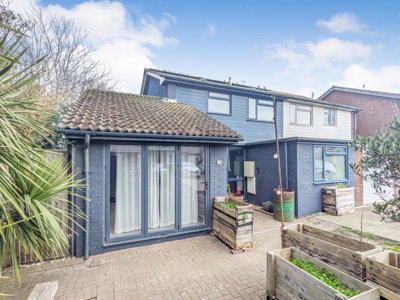
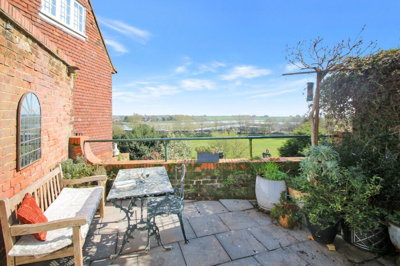
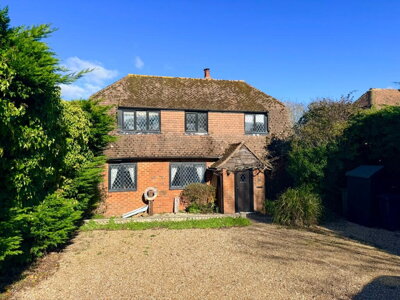
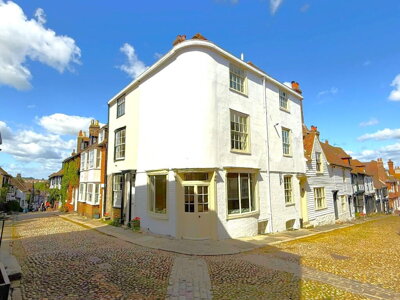
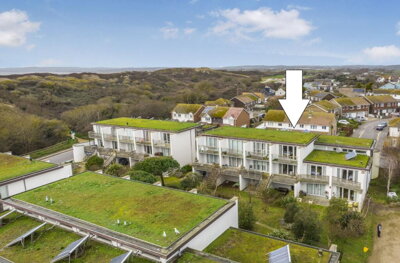
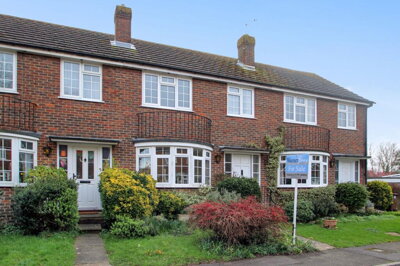
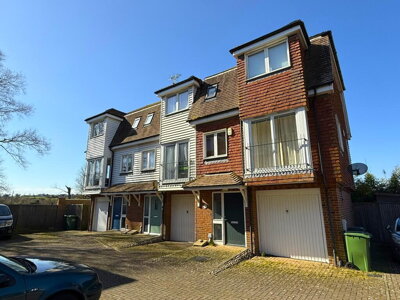
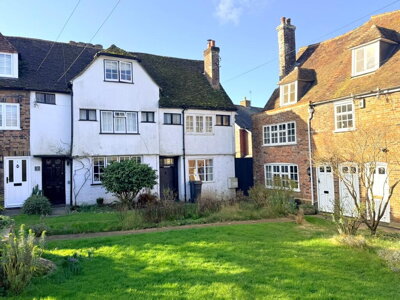
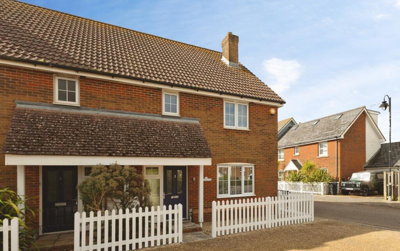
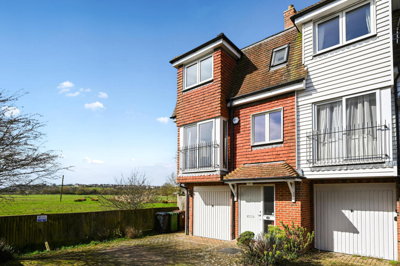
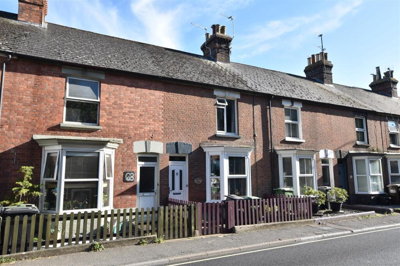
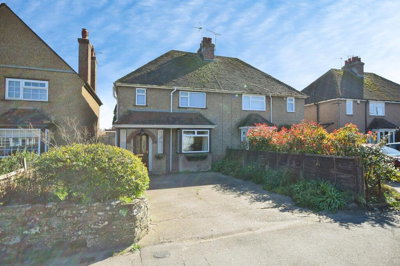
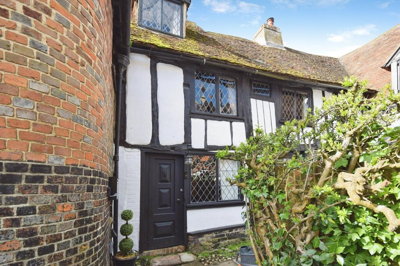
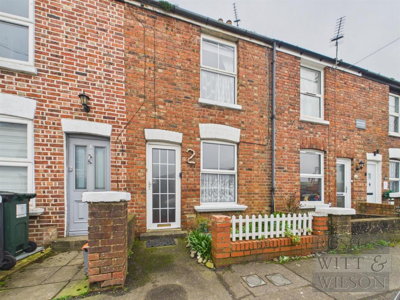
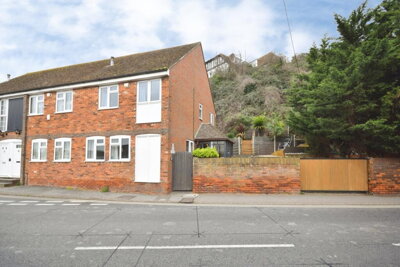
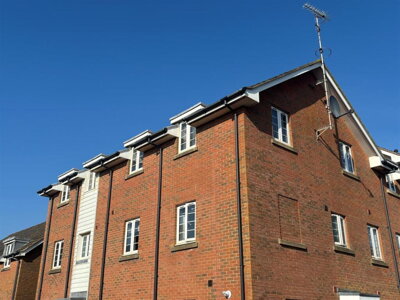
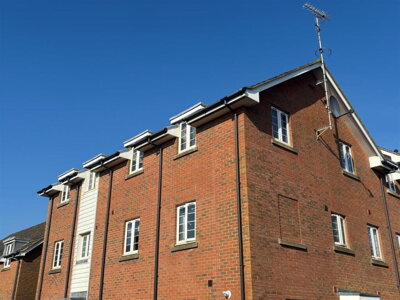
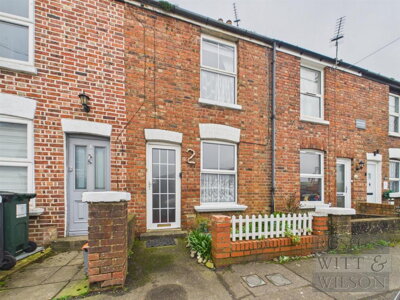
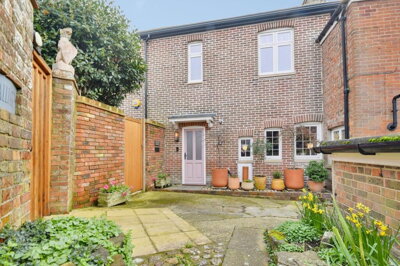
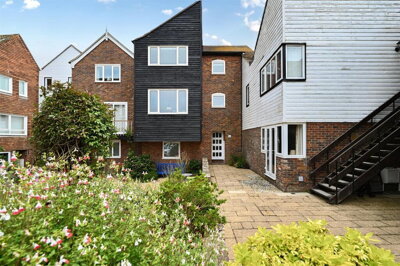
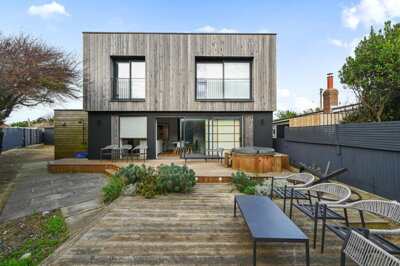
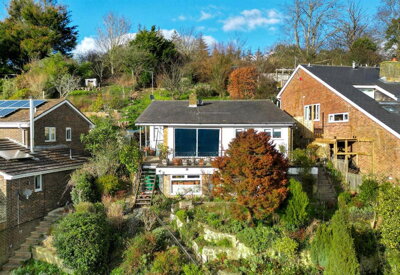
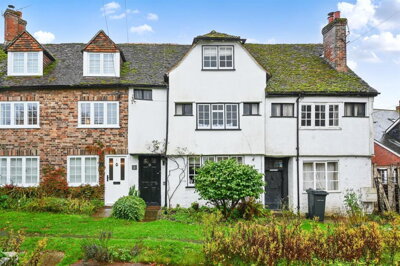
Browse 89 homes for sale in Camber, Rother from local estate agents.
The Camber property market offers detached, semi-detached, and terraced houses spanning various price ranges and neighbourhoods. Each listing includes detailed property information, photographs, and direct contact with the marketing agent.
£320k
16
1
214
Source: home.co.uk
Showing 16 results for Houses for sale in Camber, Rother. 1 new listing added this week. The median asking price is £320,000.
Source: home.co.uk
Semi-Detached
9 listings
Avg £271,433
Detached
4 listings
Avg £602,500
Terraced
3 listings
Avg £295,000
Source: home.co.uk
Source: home.co.uk
The Camber property market presents a nuanced picture for prospective buyers. Rightmove data shows an overall average price of £356,372, while Zoopla records sold prices averaging £306,027 over the past year. OnTheMarket indicates an average price paid of £274,000 as of February 2026. These variations reflect different methodologies and the mix of properties sold during each period. Detached properties command the highest prices, with Rightmove reporting averages of £509,056, while semi-detached homes trade around £283,750 and flats at approximately £166,375.
Price trends over the past year have shown some correction across most of Camber. Overall historical sold prices on Rightmove were 19% down on the previous year and 7% down on the 2021 peak of £382,957. OnTheMarket reports a more significant fall of 27.1% over the last 12 months. However, pockets of resilience exist, with Saunders Way showing a 6% increase on the previous year. Sea Road has experienced more pronounced corrections, down 61% on the previous year, reflecting the volatile nature of the premium coastal property segment.
Looking at specific streets helps illustrate local market variation. Lydd Road properties averaged £292,500 for semi-detached homes and £138,000 for flats, both showing around 22% decline from the previous year and approximately 40% down from the 2021 peak of £400,188. New build activity remains limited within the TN31 postcode, though planning permission was granted in December 2024 for 10 dwellings on a Rother District Council brownfield site. Any new development in the area must navigate flood risk regulations, with residential development on ground floors not recommended in Flood Zone 2 areas.
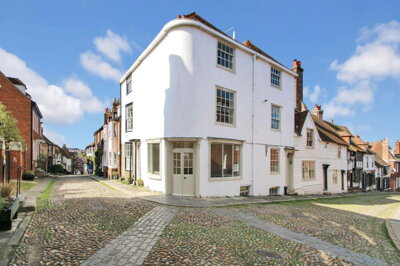
The village of Camber sits within easy reach of the historic town of Rye, with its cobbled streets, medieval architecture, and selection of independent shops and restaurants. For everyday amenities, residents travel the short distance to Rye, which offers a wider range of services including supermarkets, healthcare facilities, and restaurants. The recent redevelopment of the Camber Sands Welcome Centre, completed with planning permission granted in November 2023, demonstrates ongoing investment in local facilities, adding enhanced public amenities to serve both residents and the significant tourist population that visits throughout the year.

Property types in Camber reflect its dual character as a traditional coastal village and a sought-after holiday destination. According to the 2021 Census, 84.8% of properties in Camber Parish are whole houses or bungalows, with flats, maisonettes, and apartments comprising 14.3% and caravans or mobile structures at 1%. This housing stock mix differs from the wider East Sussex average, where 75.6% of households live in houses or bungalows, indicating that Camber has a higher proportion of houses relative to flats than the county average.
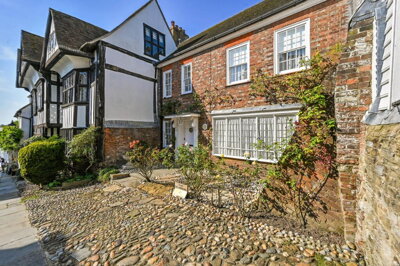
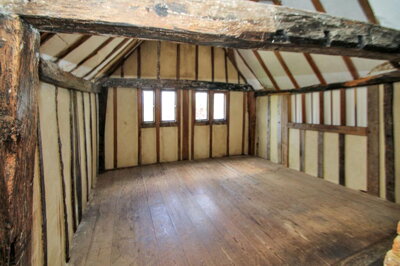
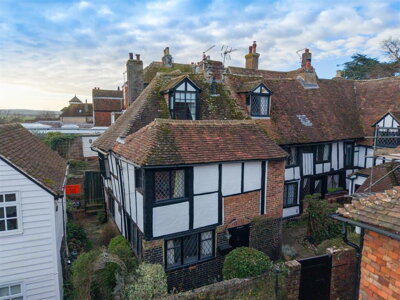
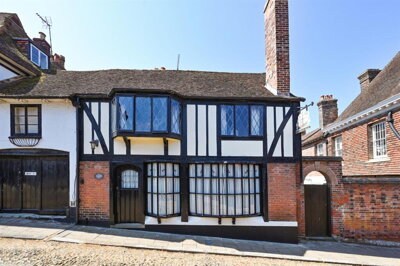
Traditional properties in Camber often feature construction materials typical of the East Sussex coast. Flint cobbles and pebbles, historically collected from local beaches and downland fields, appear extensively in older properties, often laid decoratively or in courses. Wealden Sandstone, including Ashdown Sandstone, features as coursed rubble or roughly cut blocks in period properties. Brick construction is also common, sometimes with external render, while newer constructions and extensions frequently incorporate oak framing valued for its durability and traditional aesthetic. Roof coverings typically feature plain clay tiles or Welsh slate, materials well-suited to the coastal environment.
Sea Road properties command premium prices due to their proximity to the beach, with averages around £509,056 for detached homes. Lydd Road offers more accessible entry points, with semi-detached homes averaging £292,500 and flats available from approximately £138,000. Marsh Way, Farm Lane, and Pelwood Road represent other residential areas within the village, each with distinct characteristics reflecting different periods of development. Buyers seeking character properties should note that many traditional cottages near the dunes may require more frequent maintenance due to exposure to coastal weather and salt air.
Camber offers a lifestyle defined by its stunning natural environment and strong sense of community. The village sits within the Camber Built-up Area, which had a population of 1,130 according to the 2021 Census, with estimates suggesting around 1,045 residents in 2024. The parish encompasses 518 households, creating an intimate community where neighbours often know one another. The area attracts a diverse mix of residents, from retired couples drawn by the tranquil coastal setting to families seeking a healthier outdoor lifestyle away from urban congestion. The older age profile typical of East Sussex brings a settled, established character to the neighbourhood, with Rother district having one of the highest proportions of residents aged 85 and over in the country.
The local economy centers heavily on tourism, with Camber Sands drawing visitors throughout the year. Rye Golf Links operates alongside the beach, offering residents convenient access to sporting activities. The recent redevelopment of the Camber Sands Welcome Centre demonstrates ongoing investment in local facilities, with the project including enhanced commercial space and significantly increased toilet provision. For everyday needs, residents typically travel to nearby Rye, just a few miles inland, which offers a wider range of shops, restaurants, and services. The village also benefits from its proximity to the historic town with its cobbled streets, medieval architecture, and selection of independent retailers.
The area surrounding Camber includes several notable landmarks and conservation designations that shape local life. Camber Castle, a Grade I listed 16th-century Device Fort managed by English Heritage, sits nearby and is surrounded by a nature reserve. The western dunes fall within a Site of Special Scientific Interest, and Martello towers in the vicinity carry Scheduled Monument status. The Camber Village Supplementary Planning Document guides development to protect the area's valuable natural environment and biodiversity, ensuring the village retains its distinctive character for future generations. This planning framework recognises the tension between development pressures and environmental protection, with flood risk regulations presenting particular challenges for new housing provision in the area.
Families considering a move to Camber will find educational options within reasonable driving distance. The village falls within the Rother district, which offers a mix of primary and secondary schools. Primary education in the surrounding area includes St Marys Catholic Primary School and Rolvenden Primary School, both serving nearby communities with the close teacher-pupil relationships typical of small, rural primaries. For secondary education, students often travel to schools in Rye, Battle, or further afield, with school transport arrangements making this practical for most families. Parents should research current Ofsted ratings and understand catchment area boundaries when considering which properties to view, as these factors significantly influence school allocations.
The broader East Sussex area maintains educational standards that compare favourably with national averages across many metrics. Rye College provides secondary education with a sixth form, offering post-16 pathways for students in the area. For families with older children requiring further education options, colleges and training providers are available in nearby towns including Hastings and Ashford. The proximity to quality schools, combined with the outdoor lifestyle that Camber offers, makes the area particularly attractive to families seeking a balanced upbringing for their children. The village environment, with its beach access and natural surroundings, complements academic provision in the surrounding area.
When evaluating schools for children of different ages, parents should consider both academic performance and travel implications. Properties in different parts of the village may fall into different school catchment areas, making this an important factor in property selection. School transport services operate from Camber to secondary schools in Rye and Battle, typically making the daily commute manageable for students with flexible school start times. For families with very young children, nursery and preschool options in surrounding villages provide early years education, with some operating from village halls and community centres.
Transport connections from Camber require some consideration, as the village operates without its own railway station. The nearest train services are available in Rye, approximately 4 miles away, where Southeastern Railway provides connections to Brighton, London via Ashford, and other destinations across Kent and East Sussex. From Rye station, journey times to London Bridge typically take around 1 hour 45 minutes, making occasional commuting feasible for those with flexible working arrangements. Bus services connect Camber with surrounding villages and towns, though frequencies may be limited compared to urban routes.
Road access from Camber is via the A268 through Rye, connecting to the A259 coastal road and to the M20 motorway at Ashford for faster connections to London and the channel ports. The journey to Ashford takes approximately 30-40 minutes by car, while Canterbury is reachable within an hour. For residents who work from home or have flexible schedules, the quiet rural setting of Camber offers an appealing alternative to longer commutes. The coastal road network provides scenic routes to surrounding towns, though visitors should be aware that summer traffic can increase significantly as day trippers head to Camber Sands.
Parking availability in the village can become constrained during peak summer tourist season, when day visitors flock to Camber Sands. This represents a seasonal rather than year-round concern, but prospective residents should factor this into their expectations, particularly if considering properties on Sea Road or near the beach access points. The Broomhill Sands coastal defence scheme, located between Camber and Jury's Gap, provides protection for approximately 1,300 homes and businesses, demonstrating ongoing investment in the area's infrastructure. For cyclists, the flat terrain around the marshlands offers excellent riding opportunities, though the coastal winds can make cycling challenging at times.
Start by exploring our listings for Camber properties and understanding local price trends. With current averages between £274,000 and £356,372, prices have shown some correction recently, creating potential opportunities for buyers. Consider visiting at different times of year to experience the seasonal variations in village life, including the significant increase in tourism during summer months when parking and beach access become more congested.
Before arranging viewings, speak to lenders about obtaining an agreement in principle. This demonstrates your seriousness to sellers and helps you understand your true budget. Given the older property stock and coastal location, factor in potential survey costs and any remediation requirements that might affect financing. Mortgage brokers familiar with coastal properties can advise on lender attitudes to properties in flood risk areas.
View multiple properties across different streets to understand the local market variation. Sea Road properties command premium prices but offer the closest proximity to the beach, while Lydd Road properties may present better value with good access to local amenities. Take time to assess flood risk considerations and any planning restrictions specific to each property, including conservation area requirements.
Once you have found your ideal home, arrange a RICS Level 2 Survey to assess the property condition thoroughly. Properties in this coastal environment may have specific maintenance requirements related to salt air exposure and ground conditions. A comprehensive survey helps identify any issues before you commit to purchase, including potential concerns with traditional construction methods such as flint or sandstone walls that require specialist assessment.
Choose a conveyancing specialist familiar with East Sussex transactions to handle the legal aspects of your purchase. They will conduct local searches, including flood risk and environmental assessments, which are particularly important in this coastal area. The solicitor will liaise with your mortgage lender and manage the exchange process, including any issues arising from the property's position within or adjacent to conservation designations.
Once all surveys and searches are satisfactory and contracts are signed, your solicitor will arrange the exchange of contracts with a typically 4-6 week completion period. On completion day, the remaining balance is transferred and you receive the keys to your new Camber home. Be aware that summer completion dates may be affected by the seasonal increase in local activity and potential delays in accessing certain services during peak tourist periods.
Buying property in Camber requires attention to several area-specific considerations that may not apply in other locations. Flood risk represents the most significant environmental factor, with the village facing long-term risk from rivers, the sea, surface water, and groundwater. The Broomhill Sands coastal defence scheme provides protection to approximately 1,300 homes and businesses, raising the standard of protection from a 1-in-20-year event to a 1-in-200-year standard. However, prospective buyers should investigate whether their potential property falls within affected zones and review any flood risk assessments carefully. Localised flooding has historically occurred on Old Lydd Road, and the Camber Village Supplementary Planning Document requires detailed flood risk assessments for new development.
Conservation considerations also play a role in Camber. The western dunes fall within a Site of Special Scientific Interest, and the area surrounding Camber Castle is designated as a nature reserve. Camber Castle itself is a Grade I listed building managed by English Heritage. Martello towers in the vicinity carry Scheduled Monument status. These designations may affect planning permissions for renovations or extensions, and buyers should consult with Rother District Council planning department regarding any works they may wish to undertake. Properties near the beach may also require more frequent maintenance due to exposure to coastal weather, and buyers should factor potential service charges and maintenance costs into their budget calculations.
The construction materials used in local properties warrant attention during property surveys. Traditional properties featuring flint cobbles and pebbles, often laid decoratively, may require specialist maintenance contractors. Wealden Sandstone construction, while durable, can be susceptible to weathering over time. Properties with oak framing should be checked for signs of movement or timber decay. Given the coastal environment, salt air exposure can accelerate corrosion of metal fixtures and fittings, and buyers should assess the condition of roofing materials including plain clay tiles and Welsh slate, which are typical of the area but may require replacement more frequently near the sea.
Average house prices in Camber vary between £274,000 and £356,372 depending on the data source and property mix. Rightmove reports an overall average of £356,372, while Zoopla indicates sold prices averaging £306,027. Detached properties average around £509,056, semi-detached homes approximately £283,750, and flats from £166,375. Recent market data shows prices have corrected by approximately 19% from previous peaks, creating opportunities for buyers entering the market at more accessible price points.
Properties in Camber fall under Rother District Council. Council tax bands range from A to H based on property value, with most residential properties in the village falling within bands A through D. Specific bands depend on the property valuation, and buyers should request this information during the conveyancing process. Rother District Council publishes current band rates on their website, and these costs should be factored into the overall budget when calculating the cost of living in Camber. The average band for properties in the village tends to reflect the mix of smaller cottages and holiday lets alongside larger family homes.
Camber is served by primary schools in surrounding villages and Rye, with options including St Marys Catholic Primary School and Rolvenden Primary School nearby. For secondary education, students typically attend schools in Rye, Battle, or surrounding towns, with transport arrangements available. East Sussex maintains educational standards across its schools, and parents should research current Ofsted ratings for specific schools and understand catchment area boundaries when considering which properties to view. Rye College provides secondary and sixth form education within reasonable travel distance.
Camber does not have its own railway station, with the nearest services available in Rye approximately 4 miles away. From Rye station, Southeastern Railway provides connections to Brighton and London via Ashford, with journey times to London Bridge around 1 hour 45 minutes. Bus services operate between Camber and surrounding villages, though frequencies are more limited than urban routes. For daily commuting, the coastal location means car travel to major employment centres requires careful consideration of journey times, though the M20 at Ashford provides motorway access within 30-40 minutes.
Camber offers a distinctive investment proposition shaped by its coastal location and environmental constraints. Recent price corrections of 19-27% from peak values have brought prices to more accessible levels. However, the village falls within the 20% most deprived areas nationally, partly due to flood risk regulations limiting new development and affecting affordability. Tourism drives the local economy, and properties near the beach command premium values. For long-term investment, the natural beauty of Camber Sands and limited new supply may support values, though buyers should understand the market's volatility and seasonal nature of the local economy.
Stamp duty rates from April 2025 start at 0% for properties up to £250,000, rising to 5% on the portion between £250,001 and £925,000, 10% between £925,001 and £1.5 million, and 12% above £1.5 million. First-time buyers benefit from relief on the first £425,000, paying 5% on the portion between £425,001 and £625,000 with no relief above that threshold. For a typical Camber property at current average prices, most buyers would pay stamp duty on the portion above the relevant threshold, though calculations depend on purchase price and buyer status.
New build activity directly within Camber village remains limited, though planning permission was granted in December 2024 for 10 dwellings on a Rother District Council brownfield site within the TN31 postcode. This development, located approximately at coordinates 0.794293 50.934546, includes 40% affordable housing but faces restrictions due to its position in Flood Zone 2 adjacent to a Site of Special Scientific Interest. Residential development on ground floors is not recommended in this location due to flood risk. Most new build activity in the surrounding area occurs in towns like Brookland, Appledore, Winchelsea, and Rye Harbour rather than within Camber itself.
Understanding the full cost of buying a property in Camber extends beyond the purchase price. Stamp duty land tax applies to all purchases above £250,000 at standard rates, with first-time buyer relief potentially raising the nil-rate threshold to £425,000 for qualifying purchasers. For a property priced at the current average of around £306,000, a first-time buyer would pay approximately £1,750 in stamp duty, while an additional purchaser would pay around £2,800. These figures underscore the importance of factoring government taxes into your overall budget calculations when assessing affordability.
Additional buying costs include solicitor fees for conveyancing, which typically range from £500 to £1,500 depending on complexity. Survey costs for a RICS Level 2 Survey generally range from £400 to £1,000 depending on property value and size, with larger or higher-value properties commanding higher fees. For a property in the £300,000-£400,000 range typical of Camber, survey costs would typically fall between £500-£600. Properties in coastal locations like Camber may require additional environmental searches and flood risk assessments, which add modestly to solicitor costs but are essential given the area's flood risk profile.
An EPC assessment is mandatory for all sales, typically costing between £85 and £150. Mortgage arrangement fees, if applicable, can range from £0 to £2,000 depending on the lender and product chosen. For buyers purchasing properties with traditional construction features such as flint walls or sandstone, factor in potential additional survey costs for specialist assessments. Budgeting for these costs, typically totaling £2,000 to £4,000 on a standard purchase, ensures buyers are not caught out by expenses beyond the property price itself. Given the seasonal nature of the local economy and tourism, buyers should also consider potential rental income opportunities if purchasing a property suitable for holiday let, which may help offset some ownership costs.
Properties for Sale In London

Properties for Sale In Plymouth

Properties for Sale In Liverpool

Properties for Sale In Glasgow

Properties for Sale In Sheffield

Properties for Sale In Edinburgh

Properties for Sale In Coventry

Properties for Sale In Bradford

Properties for Sale In Manchester

Properties for Sale In Birmingham

Properties for Sale In Bristol

Properties for Sale In Oxford

Properties for Sale In Leicester

Properties for Sale In Newcastle

Properties for Sale In Leeds

Properties for Sale In Southampton

Properties for Sale In Cardiff

Properties for Sale In Nottingham

Properties for Sale In Norwich

Properties for Sale In Brighton

Properties for Sale In Derby

Properties for Sale In Portsmouth

Properties for Sale In Northampton

Properties for Sale In Milton Keynes

Properties for Sale In Bournemouth

Properties for Sale In Bolton

Properties for Sale In Swansea

Properties for Sale In Swindon

Properties for Sale In Peterborough

Properties for Sale In Wolverhampton

Enter your details to see if this property is within your budget.
Loans, cards, car finance
Estimated property budget
Borrowing + deposit
You could borrow between
Typical borrowing
Monthly repayment
Est. at 4.5%
Loan-to-value
This is an estimate only. Your actual budget may vary depending on interest rates, credit history, and personal circumstances. For an accurate affordability assessment, speak to one of our free mortgage advisors.
This calculator provides estimates for illustrative purposes only and does not constitute financial advice. Your home may be repossessed if you do not keep up repayments on your mortgage. Estimates based on 4.5% interest rate, repayment mortgage. Actual rates depend on your circumstances.
Homemove is a trading name of HM Haus Group Ltd (Company No. 13873779, registered in England & Wales). Homemove Mortgages Ltd (Company No. 15947693) is an Appointed Representative of TMG Direct Limited, trading as TMG Mortgage Network, which is authorised and regulated by the Financial Conduct Authority (FRN 786245). Homemove Mortgages Ltd is entered on the FCA Register as an Appointed Representative (FRN 1022429). You can check registrations at NewRegister or by calling 0800 111 6768.

We use cookies to show you personalised content and improve your experience of our website. Find out more in our Privacy policy and Cookie policy.