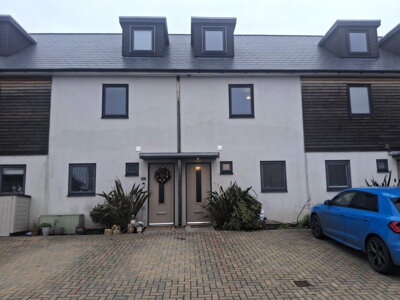
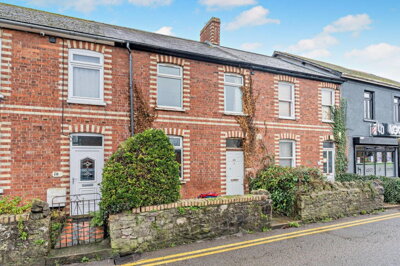
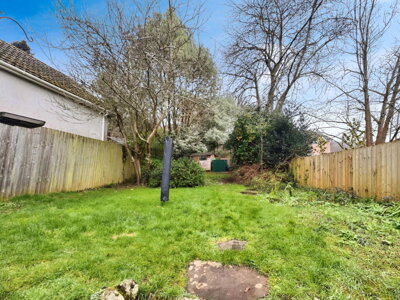
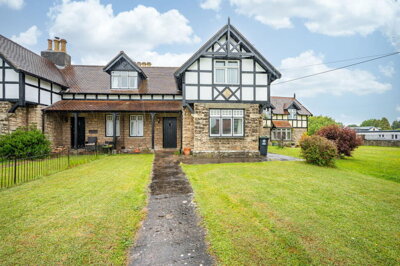
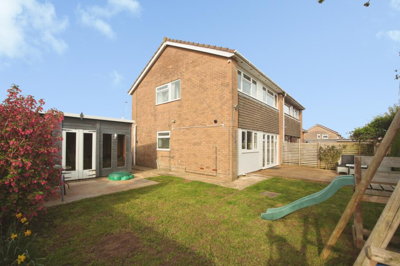
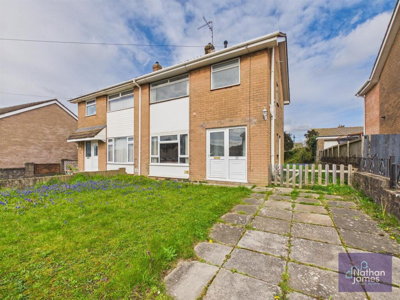
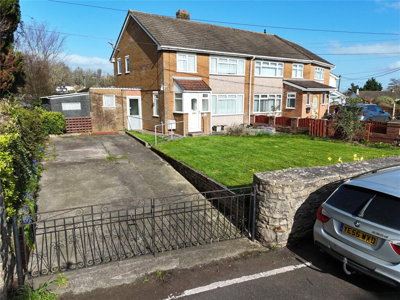
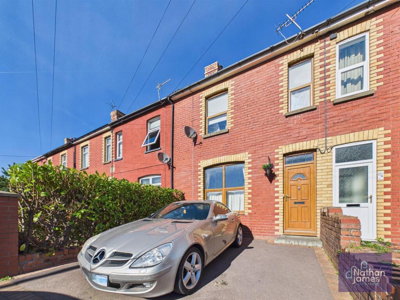
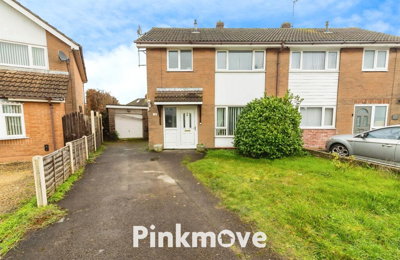
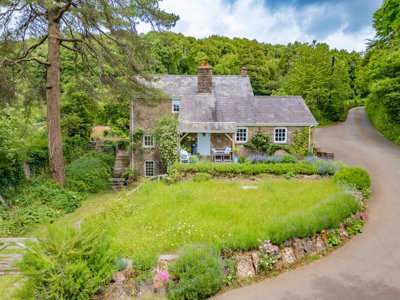
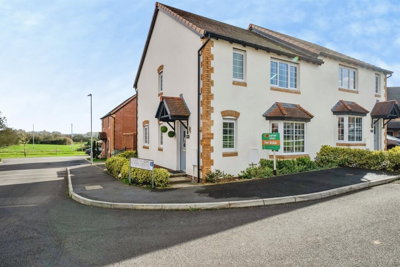
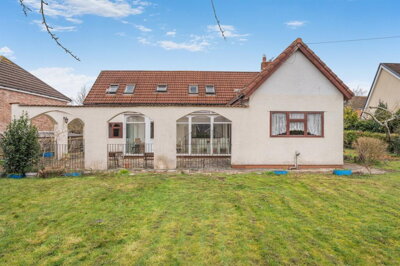
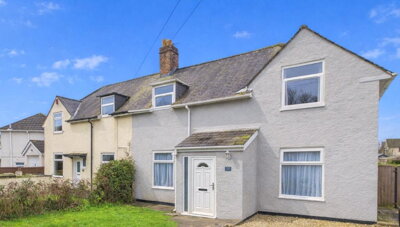
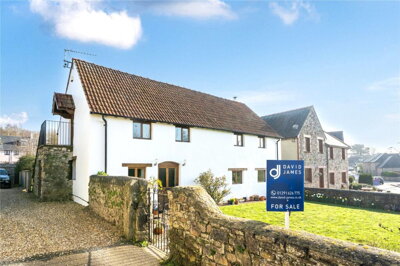
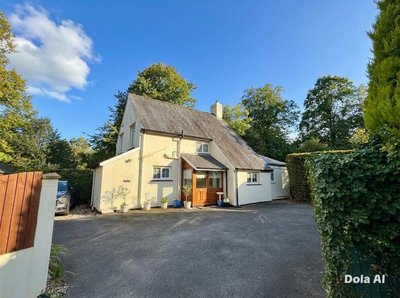
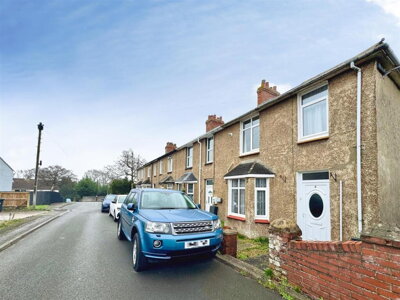
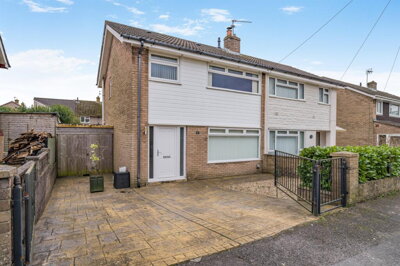
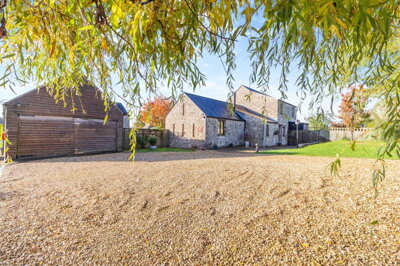
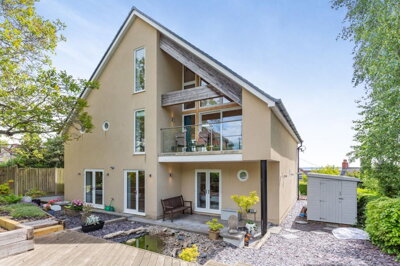
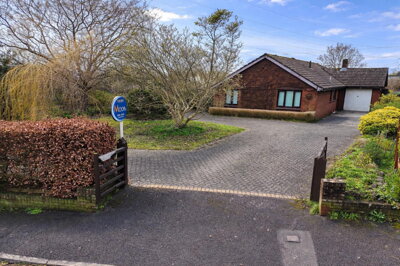
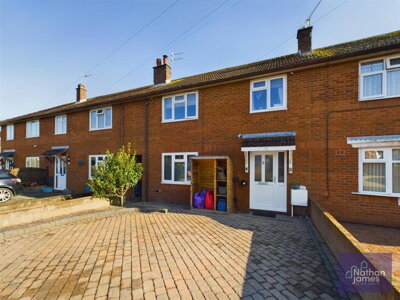
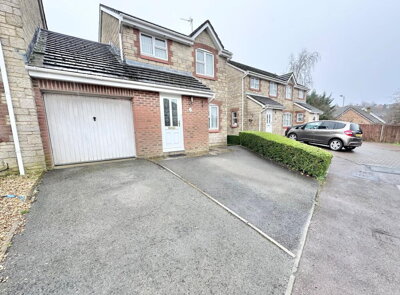
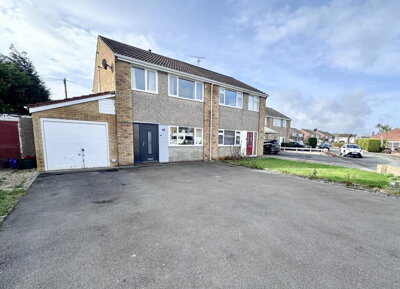
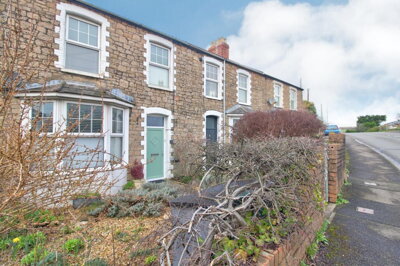
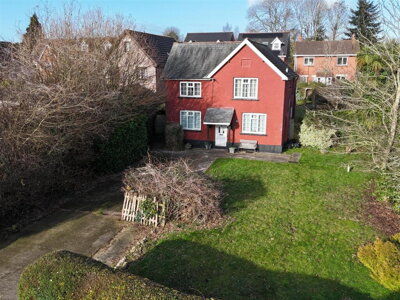
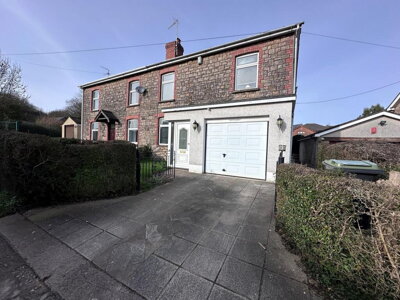
Browse 114 homes for sale in Caerwent, Monmouthshire from local estate agents.
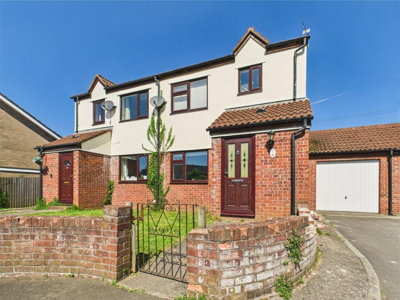
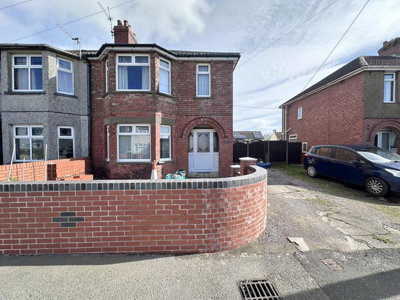
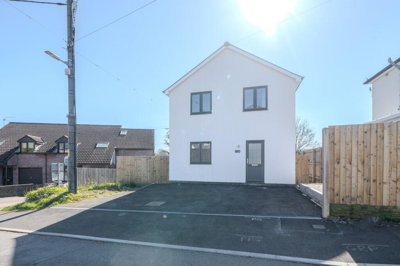
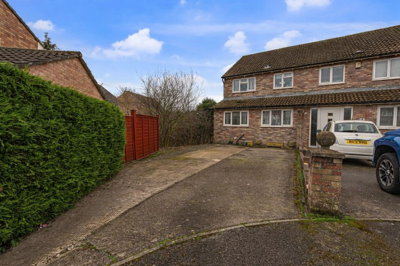
Three bedroom properties represent a significant portion of the Caerwent housing market, offering space for families with multiple reception rooms and gardens in many cases. Browse detached, semi-detached, and terraced options ranging from period character homes to contemporary developments.
£414k
6
0
140
Source: home.co.uk
Showing 6 results for 3 Bedroom Houses for sale in Caerwent, Monmouthshire. The median asking price is £413,750.
Source: home.co.uk
Detached
5 listings
Avg £616,500
Semi-Detached
1 listings
Avg £400,000
Source: home.co.uk
Source: home.co.uk
The Caerwent property market presents a diverse range of housing types to suit different buyer requirements and budgets. Detached properties command the highest prices in the village, typically ranging from £480,000 to £500,000, reflecting the generous plot sizes and spacious accommodation that appeals to families and those seeking rural tranquility. Semi-detached homes offer more accessible entry points at approximately £280,000 to £300,000, while terraced properties can be found from around £230,000 to £250,000, making them suitable for first-time buyers or those downsizing from larger homes. Flats remain relatively scarce in the village, though the wider NP26 postcode area occasionally offers apartment options typically ranging from £150,000 to £180,000.
Recent market data indicates that house prices in Caerwent have shown slight stabilisation over the past twelve months, with minor adjustments ranging from approximately -1% to -3% depending on property type. This modest correction follows a period of steady growth and suggests a balanced market where buyers and sellers can negotiate with realistic expectations. The village's housing stock spans multiple eras, from solid stone cottages and Victorian terraces to post-war semis and more contemporary developments, providing genuine choice for those searching for their ideal home. Property age distribution shows a significant proportion built before 1919, particularly within the historic core, with further development occurring during the 1945-1980 period and beyond.
New-build activity within the immediate Caerwent village boundary remains limited as of early 2026, with no large-scale developments currently marketed within the NP26 5 postcode area. The surrounding Monmouthshire locality does offer newer housing options for buyers flexible about their exact location, including developments in nearby villages. The majority of available properties in Caerwent itself tend to be pre-owned homes, which often feature the characterful stone construction and traditional layouts that define this historic village. This limited new-build supply contributes to the sustained demand for existing properties and supports property values across different market conditions.
Our team regularly monitors the Caerwent housing market to provide you with accurate and up-to-date information. We understand that buying property in a village with Conservation Area status and significant heritage assets requires careful consideration, which is why we ensure our listings include relevant details about planning constraints and listed building status. Browse our current selection of Caerwent homes for sale to find properties that match your requirements and budget.

Life in Caerwent revolves around community spirit and a pace of life that contrasts sharply with urban living. With a population of approximately 1,700 to 1,800 residents across 700 to 750 households, the village maintains an intimate scale where neighbours recognise each other and local events bring people together throughout the year. The community supports a primary school, village shop, and a traditional pub, providing essential amenities without requiring journeys to larger towns for everyday needs. This village atmosphere attracts buyers who value neighbourly connections and a slower pace of daily life.
The local geology of Caerwent sits predominantly on Carboniferous Limestone, which has shaped both the landscape and the traditional building materials of the area. Grey limestone walls grace many historic properties within the Conservation Area, while the surrounding countryside features rolling farmland and hedgerows typical of south Monmouthshire. The village sits away from major river systems but is crossed by smaller tributaries of the River Nedern, which contribute to the rural charm while requiring awareness of localised surface water patterns during periods of heavy rainfall. Properties near these watercourses should be checked for adequate drainage and any history of flooding during the survey process.
Residents of Caerwent benefit from the village's position on the edge of the Wye Valley Area of Outstanding Natural Beauty, with easy access to woodland walks, countryside trails, and recreational opportunities. Cultural attractions include the nearby Chepstow Castle and Racecourse, while the historic Roman settlement of Caerleon lies a short drive away, offering additional insights into the area's ancient past. The village attracts professionals who appreciate the semi-rural environment combined with straightforward access to the M4 and M48 corridors for commuting purposes. The former MOD training area on the village outskirts, while no longer a major local employer, has influenced the character of the surrounding landscape.
Our local knowledge confirms that Caerwent remains a desirable location for buyers seeking to balance rural charm with practical connectivity. The village continues to attract interest from families, commuters, and those looking to relocate from larger urban centres seeking a better quality of life. Whether you are drawn by the historic architecture, the surrounding countryside, or the convenient access to major employment centres, Caerwent offers a compelling proposition within the Monmouthshire property market.

Education provision in Caerwent centres on the local primary school, which serves families with children from reception age through to Year 6. The village school maintains intimate class sizes that allow for individual attention and strong community connections between teachers, pupils, and parents. For secondary education, residents typically consider schools in nearby Chepstow, including the comprehensive options available in the town, with many families factoring school catchment areas into their property search decisions. Monmouthshire County Council publishes catchment information that prospective buyers should verify before committing to a purchase.
Parents seeking faith-based education or specialist programmes may explore options further afield in Newport or Monmouth, with transport arrangements made accordingly. The proximity to the M4 corridor means that several well-regarded schools in Bristol and Cardiff are accessible for families willing to consider longer daily journeys. Sixth form provision is available at secondary schools in Chepstow and Newport, while older students may pursue further education at colleges in those towns or specialist sixth form colleges offering a broader range of A-level subjects and vocational courses. Many families relocating to Caerwent specifically cite the education options as a key factor in their decision.
Early years childcare and preschool facilities in the surrounding villages complement the local primary offer, providing flexibility for working parents. The village school benefits from its rural setting with outdoor learning opportunities and space for sports activities, while community links enable parents to engage actively with educational events and school life. Families relocating from urban areas often find the primary education experience in Caerwent represents a significant lifestyle advantage, with smaller class sizes and stronger individual support than typically available in larger towns. We recommend visiting the local school and speaking with current parents to gain firsthand insight into the educational environment.
Caerwent enjoys excellent connectivity despite its village setting, with the M4 motorway accessible within minutes via the A4042 or A449 trunk roads. The Severn Bridge crossings at Aust and Aust provide straightforward routes to Bristol, making Caerwent increasingly popular with professionals working in the west of England. Commute times to Bristol city centre typically range from 35 to 45 minutes outside peak hours, while Cardiff can be reached in approximately 30 to 40 minutes via the M4. This accessibility explains why many London-based workers have also considered Caerwent as a feasible location for periodic commuting.
Rail services from Chepstow station offer direct connections to Cardiff Central, Newport, and onward to London Paddington via the Great Western Railway network. Journey times from Chepstow to London typically take around two hours, positioning Caerwent within reasonable commuting distance for those who travel to the capital periodically. Local bus services connect Caerwent with Chepstow and nearby villages, providing essential transport for those without private vehicles, though service frequencies may be limited compared to urban routes. We advise checking current bus timetables if public transport forms a key part of your daily routine.
For cyclists and walkers, the network of country lanes and bridleways surrounding Caerwent provides pleasant routes for local journeys and recreational purposes. The village benefits from its position between two major motorway corridors, giving residents flexibility in their route choices depending on traffic conditions and destination. Parking provision within the village remains adequate for a settlement of its size, with most households having off-street parking or garage facilities. Properties with dedicated parking are particularly valued given the limited public transport options for daily commuting.
Explore current property listings in Caerwent and understand the price ranges for different property types. Given the village's Conservation Area status and prevalence of older properties, research any planning restrictions that might affect your intended modifications or improvements. Review the Monmouthshire County Council planning portal for any recent applications or enforcement notices that might indicate issues with neighbouring properties. Understanding the local market dynamics, including typical time on market and negotiation patterns, will help you make a competitive offer when you find the right property.
Schedule viewings of properties that match your requirements, ideally visiting at different times of day to assess noise levels, traffic, and the neighbourhood atmosphere. Take detailed notes and photographs to help compare properties later. When viewing older properties, bring a torch and look up at roof spaces, down into cellars, and around the exterior for signs of structural movement or maintenance issues. Pay particular attention to the condition of stonework, pointing, and any signs of damp or cracking that might indicate underlying problems requiring further investigation.
Contact lenders or mortgage brokers to obtain an Agreement in Principle before making an offer. This demonstrates your financial readiness to sellers and strengthens your negotiating position in a village market where multiple buyers may be interested. Given the range of property types in Caerwent, from modern semis to historic stone cottages, ensure your mortgage broker understands the property you are considering as some lenders have restrictions on older or non-standard construction properties. Having your financing arranged before you bid gives you confidence and speeds up the process once your offer is accepted.
Commission a thorough survey on any property you intend to purchase, particularly given Caerwent's significant proportion of older properties. A Level 2 survey will identify defects common to stone and brick construction, roof condition, and any signs of damp or structural movement. We strongly recommend this survey type for all properties in Caerwent given that over 60-70% of the housing stock is likely over 50 years old, with many constructed using traditional methods that differ from modern standards. Properties within the Conservation Area or those that are Listed Buildings may benefit from the more detailed RICS Level 3 Building Survey instead.
Choose a conveyancing specialist to handle the legal aspects of your purchase. They will conduct searches, review contracts, and liaise with the seller's representatives through to completion. Your solicitor should request local searches from Monmouthshire County Council, including drainage and water searches, as well as environmental searches that may reveal ground conditions relevant to Caerwent's geology. Given the village's proximity to smaller watercourses and tributaries of the River Nedern, ensure your solicitor specifically checks for any flood risk or drainage concerns in the property's vicinity.
Once all searches are satisfactory and mortgage offers are in place, your solicitor will coordinate the exchange of contracts and set a completion date. On completion day, the remaining funds are transferred and you receive the keys to your new Caerwent home. We recommend arranging buildings insurance to take effect from completion and organising meter readings for utilities so you can set up accounts in your name promptly. Take time to document the property condition at handover in case any issues arise that need to be raised with the seller.
Properties in Caerwent's Conservation Area require careful consideration regarding planning permissions and permitted development rights. Any significant alterations, extensions, or external modifications may need consent from Monmouthshire County Council, and buyers should verify the planning history of any property before committing to a purchase. Listed Buildings carry additional restrictions, with consent required from the local planning authority for changes that might affect their historic character or fabric. Our inspectors frequently encounter properties where previous owners have undertaken works without appropriate consent, which can complicate future sales or mortgage applications.
The geological conditions underlying parts of Caerwent warrant investigation during the survey process. Properties built on ground with shrink-swell clay potential, particularly those with glacial till deposits, may show signs of foundation movement, especially those with large trees nearby or inadequate drainage. Our surveyors commonly identify issues related to clay heave and subsidence in properties across Monmouthshire, and Caerwent is not immune to these concerns. A thorough RICS Level 2 Survey will assess the condition of foundations and identify any evidence of movement that might require remedial work or affect mortgageability.
Building materials in older Caerwent properties often include solid stone or brick walls with lime mortar rather than modern cement, which requires different maintenance approaches. Roof coverings frequently feature slate tiles that may have been replaced or repaired over the years using salvaged or matching materials. Common defects our team has identified in similar properties include deteriorating lime pointing, damaged or slipped slates, and issues with lead flashing around chimneys and valleys. We recommend checking the condition of guttering and downpipes, as these are often overlooked but can cause significant water penetration damage if neglected.
Buyers should look for signs of damp penetration, particularly in ground floor rooms and basements, and verify the condition and age of electrical wiring and heating systems in properties that may not have been updated for several decades. Properties built before 1919 often feature timber floor structures that can be susceptible to rot if moisture levels are not controlled effectively. Our detailed surveys specifically check for wet rot, dry rot, and woodworm activity that can compromise structural timbers if left untreated. Electrical systems in older properties may not comply with current regulations and should be inspected by a qualified electrician before purchase.
The average house price in Caerwent currently ranges from £350,000 to £370,000 depending on the data source and recent market activity. Detached properties typically command between £480,000 and £500,000, while semi-detached homes sell for approximately £280,000 to £300,000. Terraced properties in the village generally range from £230,000 to £250,000, with prices showing slight stabilisation over the past twelve months. Flats in the wider NP26 area can occasionally be found from around £150,000 to £180,000, though these are relatively rare within Caerwent itself.
Properties in Caerwent fall under Monmouthshire County Council's jurisdiction for council tax purposes, with bands assigned based on property valuations from the 1991 assessment updated for subsequent valuations. Individual bandings can be verified through the Monmouthshire County Council website or the Valuation Office Agency's online search facility. Rural village properties with historic features, larger plots, or exceptional character may occasionally attract higher bandings due to their desirability and setting, which can affect annual council tax costs.
Caerwent has a local primary school serving children from reception through to Year 6, providing education within the village for younger families. The school is well-regarded for its intimate class sizes and strong community connections, with Ofsted ratings available for review on the Estyn website. For secondary education, parents typically consider schools in nearby Chepstow, with several options available providing comprehensive education through to A-level. The specific school catchment area applicable to a property should be verified with Monmouthshire County Council before purchasing, as catchment boundaries can influence both school placement and property values.
Caerwent has limited local bus services connecting the village with Chepstow and surrounding villages, though service frequencies are generally lower than those found on urban routes. The nearest mainline railway station is in Chepstow, offering direct services to Cardiff, Newport, and London Paddington via the Great Western Railway network. For commuting purposes, most residents rely on private vehicles, with the M4 motorway accessible within a short drive providing connections to Bristol, Cardiff, and the wider motorway network. Journey times to Bristol typically range from 35 to 45 minutes outside peak hours, making day commuting feasible for those working in the city.
Caerwent offers appeal for property investment due to its rural character, proximity to major employment centres, and the constraint on new development from Conservation Area designation. Rental demand exists from professionals seeking semi-rural accommodation within commuting distance of Bristol and Cardiff, with local agents able to advise on typical rental values for different property types. However, the small size of the village means the rental market is relatively limited, and investors should carefully assess yield potential against property maintenance costs, particularly for historic buildings requiring ongoing upkeep. Properties in good condition within easy reach of the M4 tend to retain their value well in both rising and stabilising markets.
Standard Stamp Duty Land Tax rates apply to purchases in Caerwent, with no duty charged on residential properties up to £250,000 for standard buyers. Properties between £250,001 and £925,000 incur 5% duty on the portion above £250,000, so a £350,000 property would attract £5,000 in SDLT. First-time buyers purchasing properties up to £425,000 pay no duty on the first £425,000, meaning a first-time buyer purchasing a typical Caerwent property at £350,000 would pay zero SDLT. Properties priced above £625,000 do not qualify for first-time buyer relief, and standard rates apply from the first pound above that threshold.
We strongly recommend commissioning a RICS Level 2 Survey for any property purchase in Caerwent, regardless of the property's apparent condition. Given that the majority of homes in the village are over 50 years old, with many constructed using traditional methods such as solid stone walls, lime mortar pointing, and timber floor structures, professional inspection is essential to identify defects that may not be visible during a standard viewing. Common issues identified in Caerwent properties include damp penetration, roof defects, deteriorating pointing, and potential foundation movement related to local ground conditions. A thorough survey can save buyers significant expense by revealing problems before purchase that might otherwise only emerge after completion.
Caerwent is situated away from major river systems and has no coastal flood risk due to its inland location. However, the village is crossed by smaller tributaries of the River Nedern, and low-lying areas may be susceptible to localised surface water flooding during periods of heavy rainfall. Properties near watercourses or in valley locations should be checked carefully during the survey process, and buyers should review Natural Resources Wales flood maps for specific property risk assessments. Our surveyors include assessment of drainage and flood indicators as standard practice when inspecting properties in Caerwent and the surrounding Monmouthshire area.
From £450
A detailed inspection ideal for Caerwent's older properties, identifying defects common to stone and brick construction
From £600
Comprehensive survey recommended for Listed Buildings or period properties with complex construction
From £499
Local conveyancing specialists familiar with Monmouthshire properties and Conservation Area requirements
From 4.5% APR
Compare mortgage deals for your Caerwent property purchase
When purchasing a property in Caerwent, understanding the full cost of your purchase extends beyond the property price itself. The primary additional cost is Stamp Duty Land Tax, which follows standard UK thresholds rather than any Wales-specific variation since property SDLT is reserved to Westminster. For a typical home in Caerwent priced around £350,000, a standard buyer would pay £5,000 in stamp duty, calculated as 5% on the £100,000 portion above the £250,000 nil-rate threshold. This represents a significant sum that should be factored into your overall budget alongside deposit and other costs.
First-time buyers purchasing properties up to £425,000 pay no stamp duty on the first £425,000, with 5% due only on the amount between £425,001 and £625,000. For a £350,000 property, a first-time buyer would therefore pay no SDLT, representing significant savings that can be redirected towards legal fees, surveys, or moving costs. Properties priced above £625,000 do not qualify for first-time buyer relief, and standard rates apply from the first pound above that threshold. Our team can provide guidance on current SDLT rates and how they apply to your specific purchase circumstances.
Additional buying costs include legal fees for conveyancing, typically ranging from £500 to £1,500 depending on complexity and whether the property is freehold or leasehold. Rural properties sometimes involve more complex title issues, particularly for properties within the Conservation Area or those with unusual boundaries or rights of way. A RICS Level 2 Survey costs between £450 and £850 for Caerwent properties, with larger detached homes at the higher end of that range. Local searches from Monmouthshire County Council, drainage and water searches, and Land Registry fees add several hundred pounds to the total. Mortgage arrangement fees, if applicable, can range from nothing to over £2,000 depending on the lender and product chosen. We recommend budgeting an additional 3-5% of the property price to cover these associated costs.
Properties for Sale In London

Properties for Sale In Plymouth

Properties for Sale In Liverpool

Properties for Sale In Glasgow

Properties for Sale In Sheffield

Properties for Sale In Edinburgh

Properties for Sale In Coventry

Properties for Sale In Bradford

Properties for Sale In Manchester

Properties for Sale In Birmingham

Properties for Sale In Bristol

Properties for Sale In Oxford

Properties for Sale In Leicester

Properties for Sale In Newcastle

Properties for Sale In Leeds

Properties for Sale In Southampton

Properties for Sale In Cardiff

Properties for Sale In Nottingham

Properties for Sale In Norwich

Properties for Sale In Brighton

Properties for Sale In Derby

Properties for Sale In Portsmouth

Properties for Sale In Northampton

Properties for Sale In Milton Keynes

Properties for Sale In Bournemouth

Properties for Sale In Bolton

Properties for Sale In Swansea

Properties for Sale In Swindon

Properties for Sale In Peterborough

Properties for Sale In Wolverhampton

Enter your details to see if this property is within your budget.
Loans, cards, car finance
Estimated property budget
Borrowing + deposit
You could borrow between
Typical borrowing
Monthly repayment
Est. at 4.5%
Loan-to-value
This is an estimate only. Your actual budget may vary depending on interest rates, credit history, and personal circumstances. For an accurate affordability assessment, speak to one of our free mortgage advisors.
This calculator provides estimates for illustrative purposes only and does not constitute financial advice. Your home may be repossessed if you do not keep up repayments on your mortgage. Estimates based on 4.5% interest rate, repayment mortgage. Actual rates depend on your circumstances.
Homemove is a trading name of HM Haus Group Ltd (Company No. 13873779, registered in England & Wales). Homemove Mortgages Ltd (Company No. 15947693) is an Appointed Representative of TMG Direct Limited, trading as TMG Mortgage Network, which is authorised and regulated by the Financial Conduct Authority (FRN 786245). Homemove Mortgages Ltd is entered on the FCA Register as an Appointed Representative (FRN 1022429). You can check registrations at NewRegister or by calling 0800 111 6768.

We use cookies to show you personalised content and improve your experience of our website. Find out more in our Privacy policy and Cookie policy.