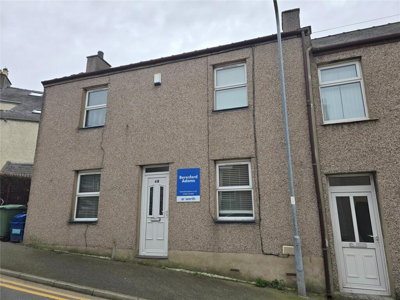
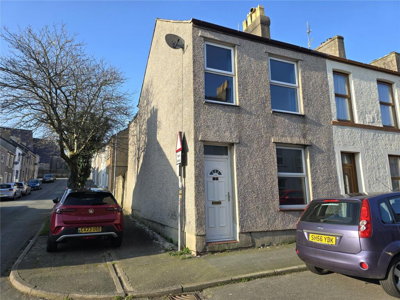
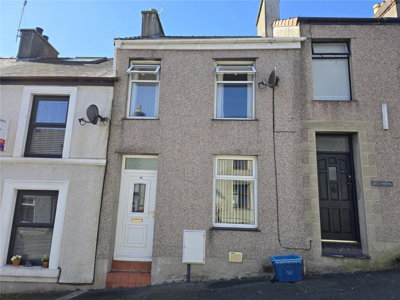
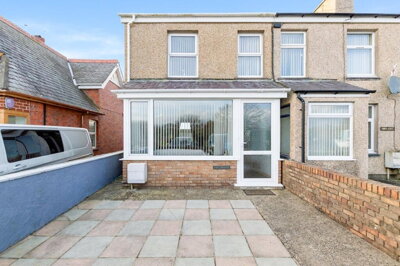
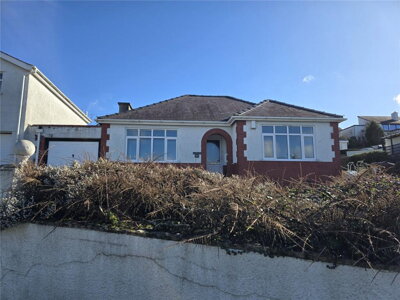
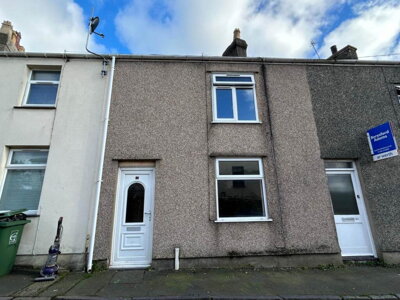
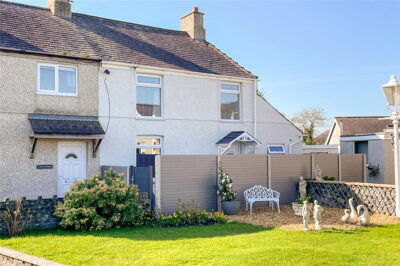
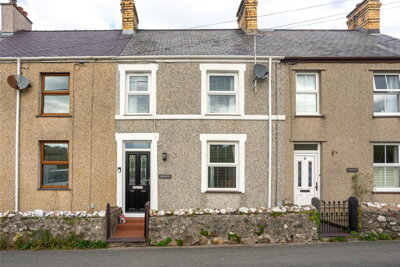
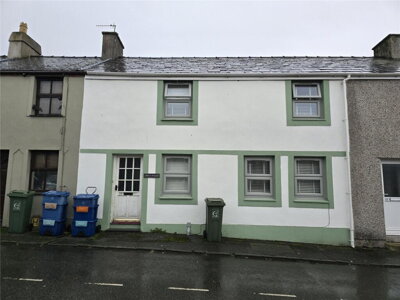
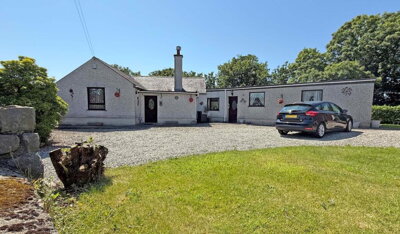
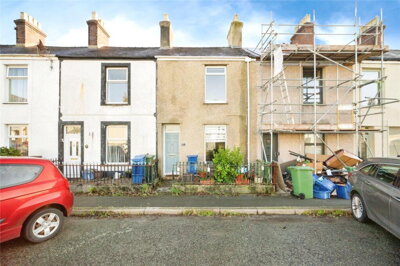
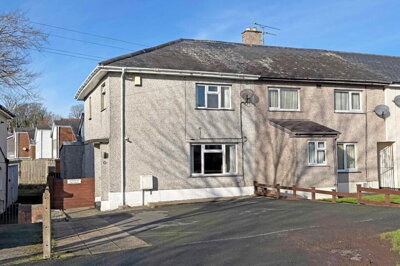
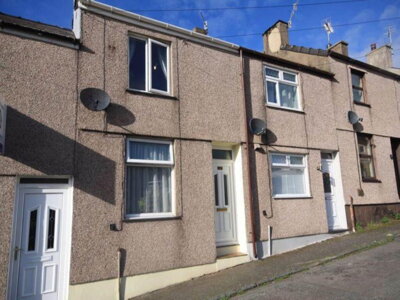
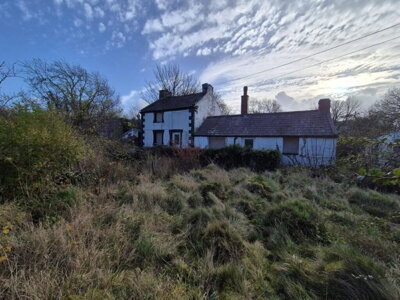
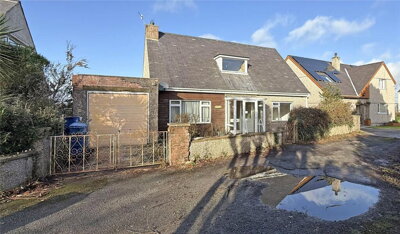
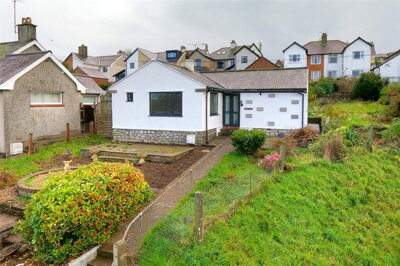
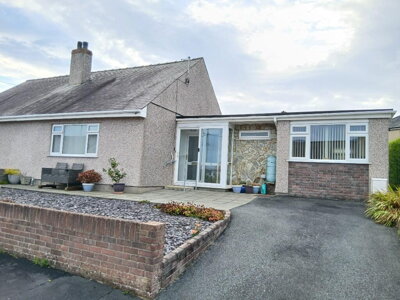
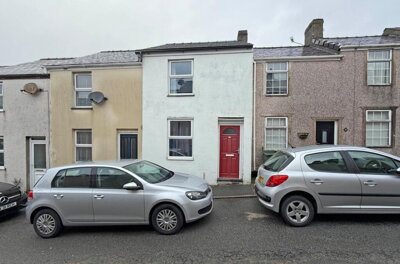
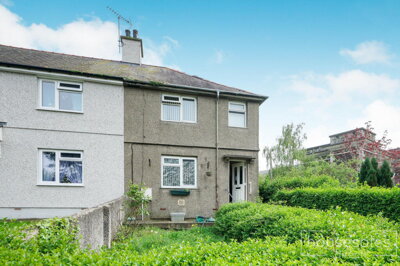
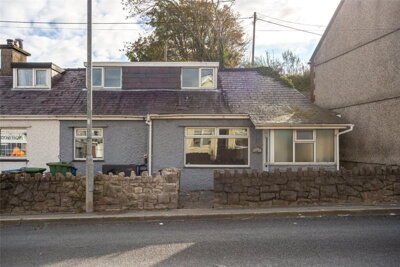
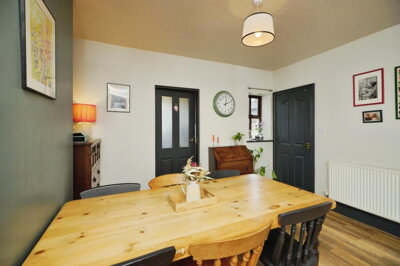
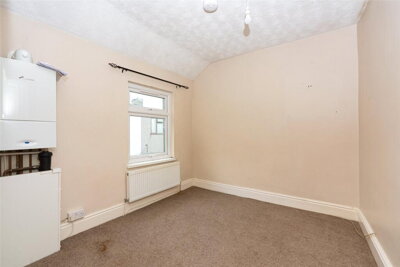
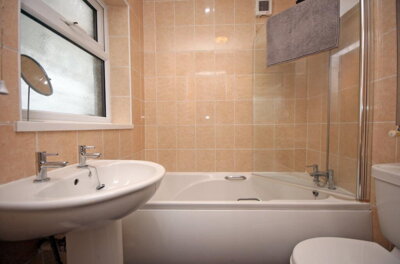
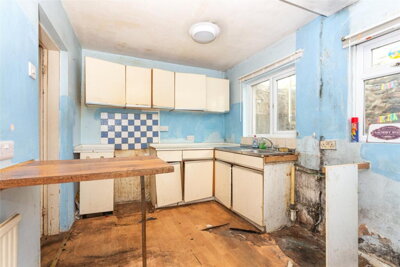
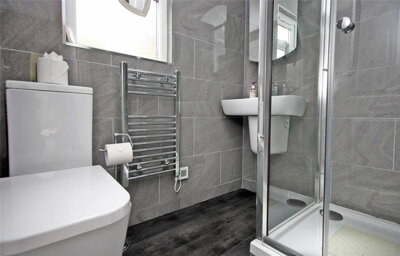
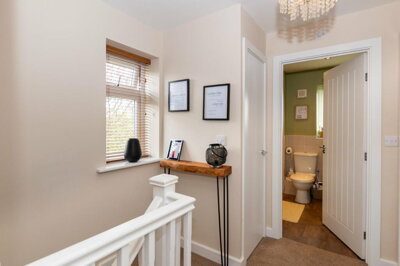
Browse 26 homes for sale in Caernarfon, Gwynedd from local estate agents.
The 2 bed house market features detached, semi-detached, and terraced properties with two separate bedrooms plus living spaces. Properties in Caernarfon range from Victorian and Edwardian period homes to modern new builds, with pricing varying across different neighbourhoods.
£140k
7
1
46
Source: home.co.uk
Showing 7 results for 2 Bedroom Houses for sale in Caernarfon, Gwynedd. 1 new listing added this week. The median asking price is £140,000.
Source: home.co.uk
Terraced
7 listings
Avg £144,279
Source: home.co.uk
Source: home.co.uk
The Caernarfon property market presents diverse opportunities for buyers across all budget levels. Detached properties command the highest prices, averaging around £342,782, while semi-detached homes offer more affordable options at approximately £210,952. Terraced properties, which form the majority of sales in the town, typically sell for around £159,386, making them particularly attractive for first-time buyers seeking a foothold in this historic location. Flats remain the most accessible entry point, with average prices around £117,400, though new developments such as the Mona Building conversion on High Street are bringing contemporary apartments to the market.
Market activity has shown some fluctuation recently, with Property Solvers reporting 84 residential sales in Caernarfon over the past year, representing a decrease of nearly 23% compared to the previous year. The broader LL55 postcode area saw 185 transactions, down 21% year-on-year. Price trends present a mixed picture, with some data sources reporting modest declines of around 3% while others indicate increases of approximately 4%. New build options are expanding, with Taylor Wimpey offering homes in the region and developments like Rhosbodrual bringing three-bedroom semi-detached houses to market at £295,000. The Adra development on Llanberis Road will soon add 21 specialist retirement flats to the mix.
Property Solvers data from 2005 to present reveals interesting long-term patterns in the Caernarfon market. Terraced properties have dominated sales volume with 1,454 transactions, followed by detached homes with 912 sales and semi-detached properties with 744 sales. Flat and maisonette sales have been notably lower at just 95 transactions, suggesting limited apartment stock has constrained this segment of the market. The GetAgent average asking price of £281,261 as of early 2026 indicates vendor expectations remain firm despite the recent sales volume decline.

Caernarfon occupies a striking position on the southern bank of the Menai Strait, with the waters separating the town from the Isle of Anglesey. The town developed originally within its medieval walls, with the castle and town walls constructed between 1283 and 1330 forming the centrepiece of what would become a UNESCO World Heritage Site. Beyond the walls, the town expanded significantly during the nineteenth century, driven by the slate quarrying industry that brought prosperity and population growth to the area. Today, visitors and residents alike can trace the original street pattern within the walled town, discovering hidden gems around every corner.
The local economy centres on tourism, with Caernarfon Castle drawing hundreds of thousands of visitors annually and supporting hotels, restaurants, and shops throughout the town. Beyond tourism, the public sector provides significant employment through Gwynedd Council and education establishments, while retail and service industries continue to serve both residents and visitors. The cost of living in Caernarfon remains lower than major UK cities, though housing affordability data from 2020 indicated that around 56% of local households were priced out of entry-level market entry, suggesting strong demand continues to support prices despite economic pressures. Almost 20% of households in Caernarfon were in fuel poverty before the pandemic, slightly higher than the Wales average, reflecting the challenges faced by some residents in this historic town.
Architectural character throughout Caernarfon reflects its long history and industrial heritage. Properties within the historic core commonly feature locally-quarried pink sandstone and purple-blue-grey Arfon slate roofing, materials that define the visual identity of North Welsh towns. Later nineteenth-century buildings near the railway station often incorporate yellow and red brick, a reflection of the Victorian expansion period. Many older properties, particularly in the quarry villages surrounding Caernarfon, were constructed with stucco facades due to the poor quality of available stone, creating a distinctive character different from the stone-fronted buildings of the town centre. Elaborate wrought-iron work including canopies, fencing, and gates is common on architecturally pretentious late nineteenth-century housing, often sourced from local smithies or the Brunswick Ironworks in Caernarfon.
Education provision in Caernarfon serves students from primary through to further education, making the town a practical choice for families considering relocation. The town hosts a range of primary schools serving different catchments within the Caernarfon area, with several establishments providing education for children aged 3 to 11 years. Parents should research specific catchment areas when considering properties, as these can influence school placement decisions significantly. The availability of Welsh-medium education is particularly strong in Gwynedd, reflecting the linguistic character of the region where many families choose Welsh-language schooling for their children.
Secondary education in Caernarfon is served by comprehensive schools providing education through to GCSE and A-Level standard. These establishments prepare students for further education or employment, with sixth form provisions allowing students to continue their studies locally rather than travelling to larger centres. Ysgol Dyffryn Nantlle near Caernarfon serves the surrounding Nantlle Valley, while other schools within reasonable travelling distance provide additional options for secondary education. The presence of further education facilities in the broader area provides vocational and academic pathways for school leavers, with Coleg Menai offering courses locally.
Beyond state education, Caernarfon's proximity to Bangor University makes it relevant for families considering the longer educational journey. Students living in Caernarfon can commute to Bangor for higher education, accessing one of Wales's established universities without the costs associated with university accommodation. This connection adds value for families thinking ahead to their children's educational trajectory, particularly those with younger children who may reach university age in the coming years. Families moving to Caernarfon should contact Gwynedd Council's education department for the most current information on school admissions, catchment boundaries, and any planned changes to provision.

Caernarfon enjoys reasonable connectivity despite its position in North Wales, with the A487 providing the main arterial route connecting the town to Bangor and the A55 North Wales Expressway. This road network links Caernarfon to Chester and the wider English motorway network via the M56, making day trips to Manchester and Liverpool entirely feasible for residents without daily commuting requirements. The journey to Bangor takes approximately 30 minutes, while Chester is around 90 minutes away by car. For those working in Holyhead, the port town is accessible via the A5 and A48 through Llangeinwen.
Public transport options include bus services operating throughout Gwynedd, connecting Caernarfon with surrounding villages and towns. The nearest railway station is in Bangor, approximately 25 miles distant, offering Virgin Trains services to London Euston with journey times of around three and a half hours. This rail connection makes Caernarfon potentially viable for some remote workers who need occasional access to London, though daily commuting would require significant dedication. Local bus services provide the primary public transport option for daily travel within the Caernarfon area and to nearby towns, with services extending to coastal communities like Dinas Dinlle.
For cyclists and walkers, the local infrastructure continues to develop, with National Cycle Routes passing through the area and opportunities for scenic rides along the Menai Strait and into the Snowdonia National Park. The Lon Eifion coastal path provides excellent cycling routes connecting Caernarfon with surrounding villages and beaches. Caernarfon seafront provides pleasant walking routes, while the nearby Llŷr Peninsula offers longer-distance possibilities for outdoor enthusiasts. Parking within the town centre is generally manageable compared to larger urban centres, making car ownership practical for residents who need to travel beyond the immediate area.
Spend time exploring different neighbourhoods within Caernarfon and the surrounding LL55 postcode area. Prices vary significantly between traditional terraced properties near the castle and modern developments on the outskirts, so understanding what represents value for your budget is essential. Review recent sold prices using Land Registry data and speak to local estate agents about market conditions. Consider speaking with agents based on High Street and Castle Street who have detailed knowledge of specific neighbourhoods.
Before arranging viewings, obtain a mortgage agreement in principle from a lender. This demonstrates to sellers that you are a serious buyer with funding secured, which is particularly important in a competitive market. Average prices in Caernarfon range from around £117,000 for flats to over £340,000 for detached properties, so understanding your borrowing capacity will focus your search effectively. First-time buyers should investigate Welsh Government schemes that may assist with purchasing property in the area.
View multiple properties across different styles and locations within Caernarfon. Consider factors including flood risk areas near the harbour, proximity to the conservation zone if you prefer period properties, and distance from schools if you have children. Take notes and photographs to help compare properties after viewings. Pay particular attention to the condition of traditional stone and slate construction common throughout the town.
Given that many Caernarfon properties are over 50 years old with traditional construction methods, a RICS Level 2 Survey is strongly recommended for most buyers. This home buyer report will identify defects such as damp, roof condition issues, and outdated electrics that are common in older Welsh properties. For listed buildings within the conservation area, consider whether a more detailed Building Survey is appropriate due to the specialist requirements of heritage properties.
Your solicitor will handle searches, contracts, and the registration process with HM Land Registry. Local conveyancers familiar with Gwynedd Council procedures and any specific requirements for the area can streamline the process considerably. Ensure they conduct appropriate environmental searches given the flood risk near Caernarfon Harbour and any historic mining activity in the surrounding quarry villages.
Once all searches are satisfactory and finance is confirmed, you will exchange contracts and pay your deposit. Completion typically follows within weeks, at which point you will receive your keys and become the legal owner of your new Caernarfon home. Arrange buildings insurance from exchange of contracts, particularly important for properties near the harbour or in flood risk areas.
Property buyers in Caernarfon should pay particular attention to flood risk when evaluating properties near the town centre and harbour area. The Environment Agency identifies Caernarfon Harbour, specifically from Porth yr Aur to St Helen's Road, as a Flood Warning Area. Properties along this stretch or near the River Cadnant require careful consideration, and full environmental searches should investigate both river and surface water flood risk. Buildings insurance costs may be higher in affected areas, so obtaining quotes before committing to a purchase makes good financial sense. Flood risk maps for North Wales also indicate projected threats to areas near Caernarfon, such as Dinas Dinlle, which should be investigated for coastal properties.
The extensive conservation area coverage and numerous listed buildings in Caernarfon bring specific considerations for buyers. Properties within these designations may be subject to strict planning controls affecting alterations, extensions, and even exterior maintenance. If you are considering a period property, particularly one with a Grade II or higher listing, budget for potentially higher maintenance costs and longer timescales for any planning permissions required. The historic street pattern within the walls should be preserved, which limits some modern development opportunities but also protects the character of the neighbourhood. Properties like 7 Segontium Terrace, 8 Castle Street, and the Black Boy Inn demonstrate the range of listed buildings throughout the town.
Building materials in Caernarfon properties reflect the local geology and industrial heritage, with traditional construction using local stone, Arfon slate, and lime mortar. These materials require different maintenance approaches compared to modern brick and tile construction, and potential buyers should understand the implications for ongoing maintenance costs. Older properties may have outdated electrical systems that require upgrading to current standards, and solid wall construction without cavity insulation can affect energy efficiency ratings. Pre-pandemic figures indicated almost 20% of households in Caernarfon were in fuel poverty, partly reflecting the energy inefficiency of older stone construction, suggesting potential heating costs should be factored into budget calculations.
The average house price in Caernarfon stands at approximately £203,800 according to Rightmove data, with other sources reporting similar figures around £204,000 for sold prices. Detached properties average £342,782, semi-detached homes around £210,952, and terraced properties approximately £159,386. Flats remain the most affordable option at around £117,400, though the GetAgent asking price average of £281,261 suggests vendor expectations are currently running higher than recent sale prices. The broader LL55 postcode area shows an average of £137,800, suggesting that properties within the historic town walls and prime locations command premiums over the wider area.
Properties in Caernarfon fall under Gwynedd Council's jurisdiction, with council tax bands ranging from A to H depending on property value and type. Band A properties typically pay around £1,200 annually while Band H properties can exceed £3,600. The exact band for any specific property can be confirmed through the Gwynedd Council website or by requesting this information during the conveyancing process, as council tax banding affects ongoing running costs. First-time buyers and those on low incomes may be eligible for council tax reduction schemes administered by Gwynedd Council.
Caernarfon offers primary and secondary education through a mix of English and Welsh-medium schools operated by Gwynedd Council. Primary schools serve children aged 3 to 11 within defined catchment areas, while secondary education through to GCSE and A-Level is provided at comprehensive schools in the town. Welsh-medium schooling is particularly well-established in Gwynedd, with Ysgol Dyffryn Nantlle serving students from the surrounding area. The specific "best" school depends on individual circumstances including language preference, catchment area, and your child's particular needs, and parents should research current school performance data and confirm catchment boundaries before purchasing property.
Caernarfon is primarily served by bus services connecting to Bangor, where the nearest railway station offers Virgin Trains services to London Euston in approximately three and a half hours. The A487 and A5 provide road connections to surrounding towns, with the A55 motorway accessible via Bangor for travel to Chester and Manchester. Daily commuting to major cities would require significant travel time, but the connections are adequate for occasional business travel and visits. The Lon Eifion coastal path and National Cycle Routes provide alternatives for environmentally conscious commuters and recreational travel.
Caernarfon offers several investment considerations, including the town's position as a tourism hub and its proximity to Bangor University. Population forecasts predict growth of around 18% by 2043, suggesting sustained demand for housing in the area. The lower average property prices compared to many English towns may appeal to investors seeking more accessible entry points, with terraced properties around £159,000 offering relatively affordable buy-to-let options. However, the local rental market reflects the broader Welsh economy, and rental yields may differ from areas with stronger employment markets, so potential investors should research tenant demand carefully.
Stamp duty land tax in Wales operates under Welsh rates, with the thresholds and percentages differing slightly from England. First-time buyers in Wales may benefit from the Land Transaction Tax relief program, which provides exemptions and reduced rates for those meeting eligibility criteria. Standard buyers pay 0% on the first £225,000, 5% on the portion from £225,001 to £400,000, and higher rates above that threshold. At the Caernarfon average price of £203,800, many buyers would pay zero Land Transaction Tax under current thresholds, though your solicitor will calculate the exact amount due based on purchase price and your buyer status.
New build options in Caernarfon are expanding, with several notable developments currently underway or recently completed. Taylor Wimpey offers new homes in the region ranging from two-bedroom cottage apartments to five-bedroom detached homes. The Rhosbodrual development features three-bedroom semi-detached houses priced at £295,000, while the Adra development on Llanberis Road will add 21 specialist retirement flats for buyers over 55. The Mona Building conversion on High Street, approved in January 2026, will create five residential flats including two affordable housing units. These options provide alternatives to the older property stock that dominates the town.
The primary flood risk area in Caernarfon is the harbour, specifically identified as a Flood Warning Area from Porth yr Aur to St Helen's Road. Properties near the River Cadnant should also be investigated carefully, as Natural Resources Wales flood maps show potential flooding extent along this waterway. Surface water flood risk should be considered for properties in low-lying areas throughout the town. Buyers should obtain environmental searches that detail both river and surface water flood risk, and buildings insurance quotes should be sought before completing if the property is anywhere near identified flood zones.
Understanding the full costs of buying property in Caernarfon extends beyond the purchase price itself. Land Transaction Tax, as stamp duty is known in Wales, forms a significant element of the upfront costs. First-time buyers purchasing properties up to £225,000 pay no tax under current Welsh rates, with reduced rates applying between £225,001 and £400,000. This relief can substantially reduce initial costs for buyers purchasing their first property in Caernarfon's terraced or flat market, where average prices often fall below this threshold.
For standard buyers purchasing at the Caernarfon average price of £203,800, the Land Transaction Tax calculation shows no tax is due on the first £225,000, meaning many transactions at or below this average price point would attract zero tax under current thresholds. Properties priced above £225,000 incur 5% on the portion between £225,001 and £400,000, with higher rates applying above £400,000. The buyer's status as a first-time buyer, additional property owner, or non-UK resident affects both eligibility for reliefs and the applicable rates.
Beyond Land Transaction Tax, buyers should budget for solicitor conveyancing costs typically ranging from £500 to £1,500 depending on complexity and whether the property is freehold or leasehold. Survey costs for a RICS Level 2 Survey generally start from £350 for standard properties, rising for larger homes or those requiring more detailed inspection. Search fees, bank charges for mortgage arrangements, and removal costs complete the typical cost picture. Buildings insurance should be arranged from exchange of contracts, and potential buyers in flood-risk areas near Caernarfon Harbour should obtain insurance quotes before completing to understand any premium implications. Energy performance certificates are mandatory, with EPC assessments in the area starting from £60.
Properties for Sale In London

Properties for Sale In Plymouth

Properties for Sale In Liverpool

Properties for Sale In Glasgow

Properties for Sale In Sheffield

Properties for Sale In Edinburgh

Properties for Sale In Coventry

Properties for Sale In Bradford

Properties for Sale In Manchester

Properties for Sale In Birmingham

Properties for Sale In Bristol

Properties for Sale In Oxford

Properties for Sale In Leicester

Properties for Sale In Newcastle

Properties for Sale In Leeds

Properties for Sale In Southampton

Properties for Sale In Cardiff

Properties for Sale In Nottingham

Properties for Sale In Norwich

Properties for Sale In Brighton

Properties for Sale In Derby

Properties for Sale In Portsmouth

Properties for Sale In Northampton

Properties for Sale In Milton Keynes

Properties for Sale In Bournemouth

Properties for Sale In Bolton

Properties for Sale In Swansea

Properties for Sale In Swindon

Properties for Sale In Peterborough

Properties for Sale In Wolverhampton

Enter your details to see if this property is within your budget.
Loans, cards, car finance
Estimated property budget
Borrowing + deposit
You could borrow between
Typical borrowing
Monthly repayment
Est. at 4.5%
Loan-to-value
This is an estimate only. Your actual budget may vary depending on interest rates, credit history, and personal circumstances. For an accurate affordability assessment, speak to one of our free mortgage advisors.
This calculator provides estimates for illustrative purposes only and does not constitute financial advice. Your home may be repossessed if you do not keep up repayments on your mortgage. Estimates based on 4.5% interest rate, repayment mortgage. Actual rates depend on your circumstances.
Homemove is a trading name of HM Haus Group Ltd (Company No. 13873779, registered in England & Wales). Homemove Mortgages Ltd (Company No. 15947693) is an Appointed Representative of TMG Direct Limited, trading as TMG Mortgage Network, which is authorised and regulated by the Financial Conduct Authority (FRN 786245). Homemove Mortgages Ltd is entered on the FCA Register as an Appointed Representative (FRN 1022429). You can check registrations at NewRegister or by calling 0800 111 6768.

We use cookies to show you personalised content and improve your experience of our website. Find out more in our Privacy policy and Cookie policy.