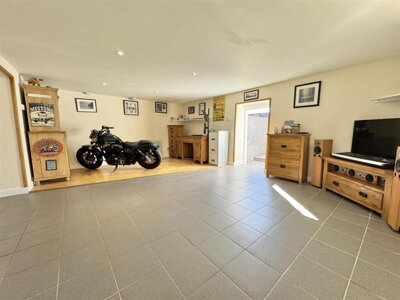
Browse 1 home for sale in CA9 from local estate agents.
One bed apartments provide a separate bedroom alongside distinct living space, bathroom, and kitchen areas. Properties in CA9 are available in various building types including mansion blocks, contemporary developments, and house conversions.
£0k
0
0
0
Source: home.co.uk
Showing 0 results for 1 Bedroom Flats for sale in CA9.
The CA9 property market presents a picture of steady, accessible values in one of Britain's most scenic rural locations. According to recent data, detached properties in the area command around £248,666 on average, while semi-detached homes average approximately £164,000. Terraced properties, which form a significant part of the local housing stock in this historic market town, average around £130,833. These figures reflect a market that has seen prices adjust by approximately 1.67% over the past year, with sold prices sitting 26% below the previous year and 36% below the 2022 peak of £268,667.
Transaction volumes in CA9 remain modest, with roughly 20 residential sales completing in the past twelve months, representing a 15% decrease compared to the previous year. This lower turnover is typical of rural markets where properties change hands less frequently than in urban areas, but it also means that when the right property becomes available, acting decisively can be important. The market has settled into a stable phase, offering good opportunities for buyers who may have previously found themselves outbid in more competitive regions. Sellers in Alston tend to be motivated by genuine circumstances, whether downsizing, relocating for work, or moving to be closer to family, rather than speculative activity.
The relative affordability of the CA9 area compared to national averages makes it particularly attractive to buyers seeking more space for their money. A three-bedroom semi-detached home that might cost £300,000 or more in the South East can often be found for under £200,000 in Alston, representing significant value for families or those seeking a rural lifestyle without the premium attached to more accessible locations. This price gap has widened in recent years as urban property values have continued to climb while rural markets have remained steadier.

Life in Alston revolves around the historic market square, where independent shops, traditional pubs, and local services cluster together providing everyday necessities without the need to travel to larger towns. The town serves as a service centre for a wide rural catchment area, meaning local businesses rely on both residents and visitors from across the region. This creates a genuine community atmosphere where neighbours are known to one another and newcomers are welcomed into a close-knit social fabric that is increasingly rare in modern Britain. The twice-yearly farmers markets bring together producers from across the region, celebrating local food and crafts.
The surrounding North Pennines landscape offers extraordinary natural beauty and outdoor recreation opportunities. As a designated Area of Outstanding Natural Beauty, the region attracts walkers, cyclists, and nature enthusiasts throughout the year. The South Tyne river flows through the town, adding to the scenic character and providing fishing opportunities for those with the appropriate licences. Local amenities include primary schools, a health centre, dental practice, and a variety of eateries serving everything from traditional pub meals to artisan coffee. The area also supports a growing tourism sector, with hotels, guesthouses, and camping facilities catering to visitors drawn by the Pennine Way and other scenic trails.
The North Pennines AONB designation protects the landscape while allowing traditional land uses to continue, including farming and conservation work that has shaped the hillsides for generations. This creates a living landscape where wildlife thrives and rural traditions are preserved, offering residents an authentic connection to the natural world that is hard to find in more urbanised parts of the country. Winter sports enthusiasts visit nearby Slaley Forest for mountain biking trails, while the surrounding moors offer grouse shooting and deer stalking for those with the appropriate interests and permissions.

Families considering a move to Alston will find educational provision centred on Alston Primary School, which serves the town and surrounding villages. This rural primary school maintains close community ties and benefits from relatively small class sizes that allow for individual attention. The school has earned a reputation for supportive teaching and strong pastoral care, with parents appreciating the familiar environment where teachers know each child by name. Early years provision includes local nurseries and childminders, maintaining childcare options for working families within the community.
For secondary education, pupils typically travel to schools in surrounding towns, with bus services connecting the CA9 area to secondary schools in Penrith, Carlisle, and Hexham. Options include Queen Elizabeth Grammar School in Hexham, which has a strong academic record and offers bus transport from the Alston area, and schools in Penrith including Ullswater Community College. Parents should research specific school allocations and travel arrangements when considering properties in the wider CA9 postcode area, as catchment boundaries can affect which school a child is entitled to attend.
The area's rural character means that school journeys may involve longer travel times than in urban areas, and this is an important practical consideration for families. A typical journey to a secondary school in Penrith might take 30-40 minutes by bus, while travelling to Hexham could take similar time depending on connections. However, many parents report that the quality of life offered by the North Pennines environment, with its clean air, access to nature, and strong community values, more than compensates for these logistical considerations. Some families choose to board pupils at schools during the week, returning home at weekends, while others embrace the school run as part of the rural lifestyle.

Transport connectivity defines daily life in Alston and shapes how residents access employment, services, and amenities beyond the immediate area. The town sits at the end of the scenic Settle to Carlisle railway line, with Alston railway station serving the South Tyne Valley. This historic branch line, celebrated for its spectacular scenery through the North Pennines, provides connections toward Carlisle and intermediate stations. Rail services operate several times daily but frequencies are limited and reflect the rural nature of the line, with journey times to Carlisle taking around one hour.
For commuting to larger employment centres, many residents use a combination of rail and bus services, while others travel by car to destinations including Penrith, Carlisle, and Newcastle. Road access from Alston is via the A686, which winds through the Pennines connecting the town to Penrith in the east and Hexham to the north. This single carriageway route passes through spectacular moorland scenery but can be affected by winter weather conditions given the high elevation of the town. Bus services operated by Stagecoach and local operators provide connections to surrounding towns, though frequencies are reduced compared to urban routes.
For daily commuters, the journey time to Carlisle is approximately 45 minutes by car, while Newcastle can be reached in around 90 minutes under normal conditions. The A689 provides an alternative route toward Brampton and the M6 motorway, offering flexibility for those who prefer to avoid the A686. Many residents who work in larger towns have adapted to the commute by working flexibly or from home some days, taking advantage of the broadband connectivity that has improved in recent years. The rural lanes around Alston and the surrounding CA9 villages are generally quiet but narrow in places, requiring careful driving particularly during the darker winter months.

Explore current listings on Homemove to understand what is available within the CA9 postcode area. With approximately 20 sales per year, stock moves slowly but steadily. Consider visiting the area at different times of year to experience the seasons and community atmosphere before committing to a purchase. Register with local estate agents for alerts when new properties come to market, as rural properties can sell quickly when competitively priced.
Contact lenders or use Homemove mortgage services to secure an agreement in principle before viewing properties. This demonstrates your seriousness to sellers and estate agents, and helps you understand your realistic budget within the CA9 market where average prices range from £130,000 for terraced homes to £250,000 for detached properties. Having finance in place gives you a clear picture of what you can afford and speeds up the process once you find the right property.
Work with local estate agents to arrange viewings of properties that match your requirements. Take time to examine the condition of properties carefully, noting any signs of damp, roof issues, or outdated systems that are common in older rural housing stock. Consider how the property will serve your needs across all seasons, particularly winter access when weather conditions can be challenging at higher elevations.
Before completing your purchase, arrange a thorough survey of the property. With many homes in the area likely to be pre-war or older, a Level 2 survey provides essential assessment of condition, highlighting any defects that may require attention or negotiation on price. National averages suggest budgeting around £455 for this essential protection, though older properties may require additional specialist inspection.
Appoint a conveyancing solicitor to handle the legal aspects of your purchase. They will conduct searches, review the property's title, and manage the transfer of ownership. Using Homemove's conveyancing service connects you with experienced solicitors familiar with rural property transactions in the Cumbria area. Your solicitor will handle local authority searches, drainage and water searches, and any other enquiries required for properties in the CA9 area.
Once all searches are satisfactory and finances are confirmed, your solicitor will exchange contracts and agree a completion date. On completion day, the property legally becomes yours and keys are handed over. Celebrate your new chapter in one of England's most picturesque market towns, surrounded by the stunning scenery of the North Pennines.
Properties in the CA9 area frequently include historic buildings constructed using traditional methods and materials that differ from modern standards. When viewing properties, pay particular attention to signs of damp in solid-walled buildings, where moisture can penetrate through walls that lack cavity construction. Look for water staining on ceilings, musty odours, and any bubbling or peeling paint that might indicate ongoing damp issues. In older properties, check the condition of original timber windows and whether they have been replaced or refurbished to acceptable standards.
Roof condition deserves careful scrutiny given the area's elevation and exposure to weather. Enquire about the age of the roof covering, look for missing or damaged slates visible from ground level, and check inside the loft space for signs of leaks, daylight penetration, or inadequate insulation. Many rural properties were built with traditional slate roofs that have a long lifespan but eventually require replacement. Understanding the roof's condition helps you budget for potential future maintenance costs.
Timber defects can affect older properties throughout the CA9 area, particularly where ventilation has been poor or dampness has been allowed to take hold. Look for signs of woodworm in floorboards, skirting boards, and roof timbers, checking for small flight holes and powdery dust that indicates active infestation. Wet and dry rot can develop in timber that has been persistently damp, often manifesting as soft or discoloured wood that crumbles when touched. A thorough survey will identify these issues, but basic visual checks during viewings can flag concerns worth investigating further.
Electrical and plumbing systems vary considerably across the housing stock in Alston. Some properties may still have original wiring that predates modern safety standards, while others have been partially updated over the years. Check whether the consumer unit is modern and properly labelled, look for evidence of recent rewiring such as new sockets and switches, and ask about the age and type of plumbing. Older properties may have galvanized steel pipes or even lead water mains that should be replaced. Enquire about the age and type of heating system, the cost of running it, and whether there is mains gas available (not all properties will have access). Energy efficiency varies widely, and a Property Energy Performance Certificate (EPC) rating should be provided for any listing.
If you are considering a property in one of Alston's conservation areas, be aware that there are restrictions on external alterations, window replacements, and roof work that may affect your plans for the property. Listed buildings require Listed Building Consent for any alterations that might affect their character, and standard mortgage valuations may require specialist input for properties with historic designations. A RICS Level 3 survey may be more appropriate for complex historic properties, providing the more detailed assessment that such buildings require.

Rightmove and Zoopla report average sold prices of approximately £171,000 to £172,000 over the past year, while Property Solvers indicates a slightly higher average of £225,000. By property type, detached homes average around £249,000, semi-detached properties approximately £164,000, and terraced homes roughly £131,000. The market has seen prices adjust modestly, with a 1.67% decrease over the past twelve months and sold prices approximately 36% below the 2022 peak of £269,000. This price correction has brought properties within reach of buyers who previously found the market unaffordable.
Properties in the CA9 area fall under Eden District Council jurisdiction. Most homes in Alston fall into council tax bands A through C, which are among the lower bands in the UK system. A property in band A typically pays around £1,200 to £1,400 per year, while band C properties are around £1,700 to £1,900 annually. Exact bands vary by property, and you can verify the specific band for any listing through the Eden District Council website or online valuation records.
Alston Primary School serves the town and surrounding villages for primary education, offering small class sizes and strong community ties. For secondary education, pupils typically attend schools in neighbouring towns accessed by bus, with options including Queen Elizabeth Grammar School in Hexham and schools in Penrith such as Ullswater Community College. Parents should check specific catchment areas and transport arrangements when considering properties, as school journeys can involve significant travel time from this rural location. Some families choose boarding arrangements for secondary education, returning home at weekends and during holidays.
Alston railway station sits at the terminus of the scenic Settle to Carlisle line, providing rail connections to Carlisle and intermediate stations. Train services operate several times daily but frequencies are limited compared to urban routes. Bus services connect Alston to Penrith, Carlisle, and Hexham, though these operate on reduced timetables typical of rural areas. For daily commuting or regular travel, a car remains essential for most residents, though the scenic rail line is popular for leisure travel and days out. The twice-daily bus services to surrounding towns provide essential connectivity for those without private vehicles.
The Alston property market offers different considerations from urban investment markets. Transaction volumes are low with around 20 sales per year, meaning capital growth may be slower than in high-demand urban areas. However, the area attracts buyers seeking rural lifestyles, and properties in the North Pennines command consistent interest from those looking to escape larger cities. The tourism appeal of the area, combined with limited new housing supply, provides stability for long-term ownership. Properties in good condition within the town itself tend to retain value reasonably well, though investors should be prepared for the slower pace of the rural market.
Standard SDLT rates apply to purchases in England, including the CA9 area. For properties up to £250,000, there is no stamp duty to pay under current rules. Properties between £250,000 and £925,000 incur 5% on the portion above £250,000. First-time buyers enjoy relief on properties up to £425,000, paying 0% on the first £425,000 and 5% on the amount between £425,000 and £625,000. Given that the average property price in CA9 is around £171,000, most buyers would pay no stamp duty at all, representing a significant saving compared to purchasing in higher-value areas.
Alston contains a number of historic buildings that are listed for their architectural or historic interest, including several buildings around the market square and along the main street. Properties with listed status offer character and heritage but require careful consideration before purchase, as alterations and improvements are subject to stricter controls than for unlisted properties. If you are considering a listed building, we recommend arranging a RICS Level 3 survey rather than a standard Level 2, as this provides the more detailed assessment that historic properties require. Your solicitor should also confirm the listing status and any planning conditions that apply to the property.
From £455
A thorough inspection of the property highlighting any defects or maintenance issues before you commit to your purchase. With many older properties in the CA9 area, this essential survey identifies problems that may not be visible during viewings.
From £600
A comprehensive building survey providing an in-depth analysis of a property's condition, recommended for older homes, listed buildings, or non-standard construction in the Alston area.
From £85
An energy performance certificate showing the property's energy efficiency rating, required for all property sales and providing useful information about heating costs and insulation standards.
From 4.5%
Expert mortgage advice and access to exclusive rates from trusted lenders, helping you find the right finance for your Alston property purchase.
From £499
Specialist conveyancing solicitors experienced in rural property transactions in the Cumbria area, managing all legal aspects of your CA9 purchase.
Understanding the full costs of purchasing property in Alston helps you budget accurately and avoid surprises during the transaction. Beyond the purchase price, buyers should account for stamp duty land tax, solicitor fees, survey costs, and various other charges that typically add 2% to 4% to the overall purchase cost. For a typical Alston property at the current average price of around £171,000, a standard rate buyer would pay no stamp duty, while first-time buyers can benefit from relief on properties up to £425,000. This makes the CA9 area particularly attractive for first-time buyers who may have been priced out of other markets.
Solicitor conveyancing fees for a standard residential purchase typically range from £500 to £1,500 depending on complexity and whether the property is freehold or leasehold. Additional costs include search fees covering local authority, drainage and water, and environmental searches (approximately £250 to £350 combined), land registry fees for registering the title (around £150 to £250), and bank transfer charges. If the property is leasehold, there may also be notice fees and deed preparation costs. Your solicitor will provide a detailed quote at the outset so you can budget accordingly.
A RICS Level 2 survey costs on average around £455 nationally, though this may be higher for older properties with complex construction or non-standard features that require additional specialist inspection. Properties over 100 years old may incur a 20-40% premium due to the increased complexity of assessing historic construction. An EPC assessment typically costs between £85 and £150 depending on the size of the property. Removal costs vary widely depending on the volume of belongings and distance moved, but typically range from £500 to £2,500 for a standard household removal within the UK.
Building insurance must be in place from the point of exchange, and you should also consider setting aside funds for immediate repairs or furnishing purchases that may be needed once you move into your new Alston home. Older rural properties often require ongoing maintenance and upgrading, so having a contingency fund is sensible. You may also wish to budget for redecoration, curtain or blinds purchase, and connection charges for utilities such as broadband, which can be higher in rural locations than in towns.

Properties for Sale In London

Properties for Sale In Plymouth

Properties for Sale In Liverpool

Properties for Sale In Glasgow

Properties for Sale In Sheffield

Properties for Sale In Edinburgh

Properties for Sale In Coventry

Properties for Sale In Bradford

Properties for Sale In Manchester

Properties for Sale In Birmingham

Properties for Sale In Bristol

Properties for Sale In Oxford

Properties for Sale In Leicester

Properties for Sale In Newcastle

Properties for Sale In Leeds

Properties for Sale In Southampton

Properties for Sale In Cardiff

Properties for Sale In Nottingham

Properties for Sale In Norwich

Properties for Sale In Brighton

Properties for Sale In Derby

Properties for Sale In Portsmouth

Properties for Sale In Northampton

Properties for Sale In Milton Keynes

Properties for Sale In Bournemouth

Properties for Sale In Bolton

Properties for Sale In Swansea

Properties for Sale In Swindon

Properties for Sale In Peterborough

Properties for Sale In Wolverhampton

Enter your details to see if this property is within your budget.
Loans, cards, car finance
Estimated property budget
Borrowing + deposit
You could borrow between
Typical borrowing
Monthly repayment
Est. at 4.5%
Loan-to-value
This is an estimate only. Your actual budget may vary depending on interest rates, credit history, and personal circumstances. For an accurate affordability assessment, speak to one of our free mortgage advisors.
This calculator provides estimates for illustrative purposes only and does not constitute financial advice. Your home may be repossessed if you do not keep up repayments on your mortgage. Estimates based on 4.5% interest rate, repayment mortgage. Actual rates depend on your circumstances.
Homemove is a trading name of HM Haus Group Ltd (Company No. 13873779, registered in England & Wales). Homemove Mortgages Ltd (Company No. 15947693) is an Appointed Representative of TMG Direct Limited, trading as TMG Mortgage Network, which is authorised and regulated by the Financial Conduct Authority (FRN 786245). Homemove Mortgages Ltd is entered on the FCA Register as an Appointed Representative (FRN 1022429). You can check registrations at NewRegister or by calling 0800 111 6768.

We use cookies to show you personalised content and improve your experience of our website. Find out more in our Privacy policy and Cookie policy.