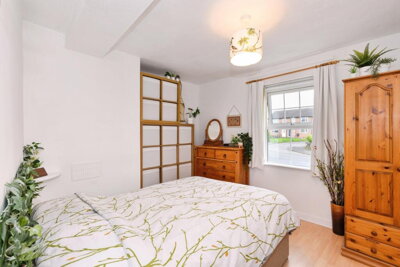
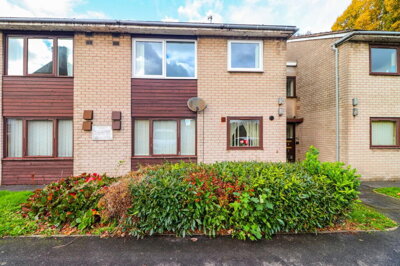
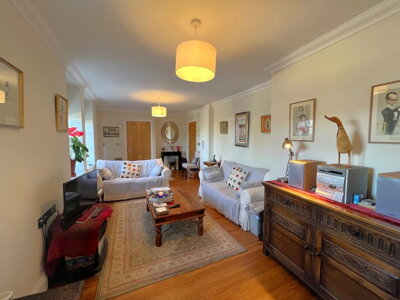
Browse 3 homes for sale in CA4 from local estate agents.
One bed apartments provide a separate bedroom alongside distinct living space, bathroom, and kitchen areas. Properties in CA4 are available in various building types including mansion blocks, contemporary developments, and house conversions.
£0k
0
0
0
Source: home.co.uk
Showing 0 results for 1 Bedroom Flats for sale in CA4.
When browsing homes for sale in CA4, you will encounter a varied landscape of property types and price points, with recent Land Registry data indicating 143 property sales over the past twelve months. Detached properties command the highest prices, averaging £337,300, offering generous space and gardens that appeal to growing families and those seeking a more substantial home. Semi-detached homes, averaging £194,100, represent the most common property type in the area and provide an excellent balance of space and affordability for first-time buyers and upsizers alike.
Terraced properties in CA4 average £156,000, making them particularly attractive to first-time buyers entering the market with more modest budgets. These homes often feature the charming character of older Cumbrian architecture, with many dating back to the Victorian or Edwardian periods. Flats in the postcode average £104,250, offering an affordable entry point for young professionals or those seeking a low-maintenance lifestyle. Market trends show a modest softening across all property types, with overall prices declining 3.8% over the past year, creating potential opportunities for buyers who may find more negotiating room in the current climate.
Price movements have varied across different property types over the past twelve months. Detached properties experienced the largest decline at 4.8%, while semi-detached homes showed more resilience with a 3.0% reduction. Terraced properties fell by 3.7% and flats proved most stable with just a 1.7% decrease. These variations suggest different market conditions for each property type, which may influence your buying strategy depending on whether you are seeking a family home or a more modest starter property.

The CA4 postcode serves a population of approximately 10,200 residents across around 4,200 households, creating a close-knit community atmosphere that distinguishes this area from busier urban centres. According to Census data for the broader Carlisle District, the housing stock comprises 22.1% detached properties, 33.0% semi-detached homes, 28.5% terraced properties, and 15.6% flats and maisonettes. This mix creates neighbourhoods where families, professionals, and retirees coexist harmoniously, contributing to a balanced demographic that supports local schools, shops, and community facilities.
The character of CA4 is shaped by its Cumbrian heritage, with properties frequently featuring the distinctive local sandstone, red brick, and rendered finishes that define the region's architectural identity. Many properties predate 1919, carrying the craftsmanship of Victorian and Edwardian builders with solid walls, original timber floors, and slate roofs. The proximity to the River Eden brings green spaces and riverside walks to residents' doorsteps, while the surrounding countryside offers endless opportunities for outdoor activities. Local villages within CA4 maintain their own identities with village greens, historic churches, and traditional pubs that serve as gathering points for community life.
We frequently advise buyers to consider the specific construction materials used in CA4 properties, as the local sandstone and red sandstone construction brings both character and unique maintenance considerations. Properties built with these materials may show signs of weathering or erosion over time, and our inspectors always assess the condition of stonework during surveys. Understanding these local building traditions helps buyers appreciate the craftsmanship that went into these homes while anticipating any maintenance requirements that may arise from the natural aging of traditional materials.

Education in the CA4 area serves students of all ages, with primary schools in surrounding villages and the wider Carlisle catchment providing strong foundations for young learners. Parents moving to CA4 will find a selection of primary schools within reasonable distance, many of which benefit from the rural setting and smaller class sizes that allow for more individual attention. Secondary education is typically accessed through schools in Carlisle, with students travelling to the city for their secondary education where they can benefit from broader curriculum choices and extracurricular activities.
The presence of the University of Cumbria in Carlisle adds a further educational dimension to the area, offering higher education opportunities for local students and contributing to the cultural and economic vitality of the region. Families considering CA4 should research specific school catchments and admissions criteria, as these can significantly impact which properties prove most suitable for their circumstances. The academic year runs from September to July, with most primary schools offering before and after-school clubs to support working parents. Transport arrangements for secondary school students are generally well-established, with bus services connecting CA4's villages to schools across Carlisle.
We recommend that families thoroughly investigate current school Ofsted ratings, admission policies, and catchment boundaries before finalising their property search in CA4. School performance can directly impact property values in specific areas, and understanding these dynamics helps buyers make informed decisions about location. Our team can provide guidance on which neighbourhoods within CA4 fall within desirable school catchments, ensuring your purchase aligns with your family's educational needs.

The CA4 postcode enjoys excellent connectivity despite its semi-rural character, with Carlisle city centre accessible within a short drive for daily amenities and employment. The city's central railway station provides direct services to major destinations including London Euston, Edinburgh, Glasgow, and Manchester, making CA4 surprisingly well-connected for commuters who occasionally travel further afield. Daily commute times to Carlisle city centre are typically under 20 minutes by car, while bus services offer an affordable alternative for those preferring public transport. The A69 trunk road runs nearby, providing straightforward access to Newcastle upon Tyne and the wider North East motorway network.
For those working locally, the CA4 area benefits from proximity to employment hubs in and around Carlisle, reducing the need for lengthy commutes. Major employers including the NHS, local government offices, retail centres, and manufacturing facilities are all within easy reach. Cyclists will find some scenic routes through the countryside, though the hilly terrain requires a reasonable level of fitness. Parking provision varies by specific location within CA4, with village properties typically offering generous off-street parking, while those closer to Carlisle may face more limited options. Property listings in CA4 often highlight parking facilities as a key feature, reflecting the importance of this consideration for many buyers.
Our inspectors regularly note parking availability as a significant factor when assessing properties in CA4, particularly in villages where off-street parking can substantially enhance a property's value and practicality. We advise buyers to verify parking arrangements during viewings and consider how garage space or driveway access might influence their daily routines. For commuters relying on public transport, we also recommend checking specific bus routes and timetables, as service frequencies can vary between different villages within the CA4 postcode.

Explore different neighbourhoods within CA4, from the villages surrounding Carlisle to properties closer to the city. Consider your commute needs, school requirements, and preferred lifestyle before focusing your search. We recommend visiting different areas at various times of day to get a genuine feel for each neighbourhood's character and amenity provision.
Speak to a mortgage broker to obtain an agreement in principle before viewing properties. This strengthens your position when making offers and demonstrates to sellers that you are a serious buyer with financing secured. Given CA4's average property price of £222,060, most buyers will find mortgage products readily available, though speaking to a broker helps identify the best rates for your circumstances.
View multiple properties across different price points to understand what your budget can achieve in the CA4 market. Take notes on condition, location, and any concerns that arise during each visit. We suggest creating a shortlist of must-have features and nice-to-have items to help prioritise your search effectively.
Commission a Level 2 Survey (homebuyer report) before proceeding with your purchase. Given the age of many properties in CA4, this survey identifies structural issues, damp problems, and other defects that may not be visible during a standard viewing. Our qualified inspectors have extensive experience with local construction types and will assess everything from roof condition to potential flood risk concerns.
Choose a conveyancing solicitor to handle the legal aspects of your purchase. They will conduct searches, handle contracts, and coordinate with the seller's solicitor through to completion. Local solicitors familiar with CA4 properties can provide valuable insight into any specific issues affecting properties in this postcode.
Once all searches are satisfactory and financing is confirmed, your solicitor will exchange contracts and set a completion date. On completion day, the remaining funds are transferred and you receive the keys to your new home. We recommend arranging buildings insurance before completion and coordinating with removal firms well in advance.
Properties in the CA4 area present some unique considerations that buyers should carefully evaluate before committing to a purchase. The local geology presents a moderate to high shrink-swell risk in areas with significant clay content, which can affect properties with shallow foundations. This risk is particularly relevant during prolonged dry spells when clay soils contract, potentially causing subsidence that manifests as cracks in walls or doors that stick. A thorough RICS Level 2 Survey will assess foundation condition and identify any signs of movement that may require attention or negotiation with the seller.
The CA4 area is underlain by Permian and Carboniferous rocks, including sandstone and mudstone, with superficial deposits often featuring glacial till (boulder clay) and river alluvium. These geological conditions mean that our inspectors pay close attention to foundation depths and any evidence of ground movement, particularly in properties built before modern building regulations. Properties with existing cracks or signs of structural movement should be investigated thoroughly before purchase, as remedial works can be costly.
Flood risk is a genuine consideration for parts of CA4, given the proximity to the River Eden and its tributaries. Properties in low-lying areas or those adjacent to watercourses face elevated risk of both river flooding and surface water flooding during periods of heavy rainfall. Buyers should check the Environment Agency flood risk maps for their specific property address and consider whether flood resilience measures such as non-return valves, property-level flood barriers, or raised electrical outlets have been installed. Insurance costs may be higher for properties in identified flood risk zones, and this ongoing expense should factor into your budgeting calculations.
The prevalence of older properties in CA4 means that many homes feature traditional construction methods that require informed maintenance. Solid walls, common in pre-1919 properties, do not offer the same insulation performance as modern cavity walls, potentially leading to higher heating costs and condensation issues. Timber sash windows, while characterful, may require restoration rather than replacement to maintain the property's appearance and value, particularly in conservation areas. Electrical wiring in older properties frequently predates current safety standards and may require partial or complete rewire before or shortly after purchase.
Our inspectors commonly identify damp issues in CA4 properties, including rising damp from failed damp proof courses, penetrating damp from defective rainwater goods or porous stone walls, and condensation resulting from poor ventilation in solid-walled properties. We also frequently note roof condition concerns, including slipped or broken slates, deteriorated leadwork around chimneys and valleys, and timber deterioration in roof structures. These defects are particularly common in older properties and can be addressed through targeted repairs, but buyers should factor these costs into their overall budget when purchasing period properties in this area.

Understanding the construction methods used in homes for sale in CA4 helps buyers appreciate the character and maintenance requirements of different property types. The predominant building materials in this area include local sandstone, red sandstone, and traditional brick, reflecting the historical architecture of Cumbria and the practical use of locally sourced materials. Properties built during the Victorian and Edwardian periods often feature solid wall construction with thick stone or brick walls that provide excellent thermal mass but require different approaches to insulation compared to modern cavity wall properties.
Many homes in CA4 retain original features including timber sash windows, cast iron radiators, and exposed beam ceilings that contribute to their character and charm. These period features often require specialist maintenance and restoration rather than replacement, particularly in conservation areas where planning restrictions may apply. Our surveyors assess the condition of original features during every inspection and advise buyers on appropriate maintenance strategies that preserve character while ensuring structural integrity and energy efficiency.
The housing stock in CA4 spans multiple eras, from Victorian terraces with their distinctive bay windows and ornate brickwork to post-war semis with more modest proportions and cavity wall construction. More recent developments post-1980 have introduced contemporary designs and materials, though these represent a smaller proportion of the overall housing stock. This diversity means buyers can choose between character-rich period properties requiring some modernisation and more recent homes offering contemporary specifications and lower maintenance requirements.

The average house price in CA4 is currently £222,060 according to recent Land Registry data. Detached properties average £337,300, semi-detached homes £194,100, terraced properties £156,000, and flats around £104,250. Property prices have shown a modest decline of 3.8% over the past twelve months, creating potential opportunities for buyers in this Cumbrian postcode. The market has seen different movements across property types, with detached homes experiencing the largest price reduction at 4.8% while flats proved most resilient with just 1.7% decline.
Properties in the CA4 postcode fall under Carlisle City Council's jurisdiction for council tax purposes. Bands range from A through to H, with the majority of properties typically falling in bands A through D, reflecting the mix of property values across the area. Prospective buyers should check the specific band with the Valuation Office Agency, as council tax forms a significant part of ongoing running costs. The banding depends on the property's assessed value at 1991 prices, meaning similar properties in the same street may sometimes have different bands based on their specific characteristics.
The CA4 area benefits from several primary schools in surrounding villages and the wider Carlisle catchment, with many receiving positive Ofsted ratings. Secondary education is provided through schools in Carlisle, which offer a broader range of GCSE and A-level subjects. The University of Cumbria provides higher education opportunities locally. Parents should verify current school catchments and admission policies, as these can change and directly impact which properties are most suitable for families with school-age children. Primary schools in the CA4 villages often benefit from smaller class sizes and strong community connections, making them popular choices for families prioritising primary education quality.
CA4 benefits from regular bus services connecting villages to Carlisle city centre, with journey times typically ranging from 15 to 30 minutes depending on specific location. Carlisle railway station offers direct trains to London, Edinburgh, Glasgow, Manchester, and Newcastle. The A69 provides road connections to Newcastle and the wider motorway network. While a car is beneficial for the most convenient access to all amenities, CA4 is well-served by public transport for those who need it. Train services from Carlisle to London Euston take approximately three and a half hours, making day trips to the capital feasible for those working remotely or enjoying occasional leisure travel.
CA4 offers several factors that may appeal to property investors, including relatively affordable purchase prices compared to major cities, a stable local rental market driven by Carlisle's employment base, and steady demand from tenants. The presence of the University of Cumbria creates a student rental market in areas close to the city. Property values have shown modest recent softening, which may present buying opportunities for investors with a medium to long-term horizon. As with any investment, prospective buyers should conduct thorough research into rental yields, void periods, and local demand before committing. The local economy benefits from diverse employment sectors including retail, public services, manufacturing, and logistics, providing a stable foundation for rental demand.
Stamp Duty Land Tax rates from April 2025 start at 0% for residential purchases up to £250,000, rising to 5% on the portion from £250,001 to £925,000, 10% from £925,001 to £1.5 million, and 12% above £1.5 million. First-time buyers benefit from relief on the first £425,000, paying 5% on the portion between £425,001 and £625,000. Given CA4's average price of £222,060, many buyers may qualify for first-time buyer relief or find their purchase falls entirely within the lower bands. The lower average property prices in CA4 compared to many other areas mean that stamp duty costs are unlikely to be a significant barrier to purchase for most buyers in this postcode.
Parts of CA4 are located within flood risk zones due to proximity to the River Eden and its tributaries. Both river flooding and surface water flooding are identified risks in certain areas, particularly low-lying locations and properties adjacent to watercourses. The Environment Agency publishes detailed flood maps that prospective buyers should check for their specific address. Properties with flood history may be priced accordingly, but buyers should factor in potential insurance costs and any required flood resilience measures. Our surveyors always check for evidence of previous flooding during inspections and can advise on appropriate surveys and investigations for properties in identified flood risk zones.
While CA4 itself is primarily rural and suburban, properties on its fringes or in older villages may fall within or near conservation areas that affect planning permissions and property maintenance requirements. The city of Carlisle borders parts of CA4 and has numerous listed buildings and conservation areas where specific regulations apply to alterations and renovations. Properties designated as listed buildings (Grade I, II*, or II) require specialist surveys and consent for most works, making a thorough RICS Level 3 Building Survey advisable alongside the standard Level 2 Survey. Buyers considering period properties in CA4 should verify whether their intended purchase falls within any designated areas and understand the implications for future works and maintenance.
Understanding the full costs of purchasing property in CA4 extends beyond the advertised price to include stamp duty, survey fees, legal costs, and moving expenses. The current Stamp Duty Land Tax thresholds for residential purchases starting from April 2025 apply 0% duty on the first £250,000 of the purchase price. For a typical CA4 property at the average price of £222,060, most buyers would pay no stamp duty at all, making this an attractive entry point into the property market. This zero stamp duty threshold represents a significant saving compared to many other areas of the country where average prices exceed the threshold.
First-time buyers purchasing properties up to £425,000 can claim relief paying no duty on the first £425,000 and 5% only on the portion between £425,001 and £625,000. This relief applies to the entire purchase price for most CA4 properties given the local average of £222,060. Properties above £625,000 do not qualify for first-time buyer relief. Additional costs to budget for include RICS Level 2 Survey fees ranging from £400 to £700 depending on property size, conveyancing fees typically starting from £499, and land registry fees for registering your ownership.
Beyond the purchase itself, buyers should factor in removal costs, potential renovations or updates to older properties, and the ongoing costs of homeownership including council tax, utility bills, and building insurance. Properties in CA4 with older construction may carry higher maintenance costs, particularly those with traditional solid wall construction or older heating systems. Setting aside a contingency fund equivalent to 10-15% of your purchase price is prudent for unexpected repairs or improvements that become apparent after moving in. Our team can provide guidance on typical costs associated with different property types and ages in the CA4 area to help you budget accurately.

From 4.5%
Competitive mortgage rates from trusted lenders
From £499
Expert legal services for your property purchase
From £400
Professional homebuyer survey for CA4 properties
From £80
Energy performance certificate for your new home
Properties for Sale In London

Properties for Sale In Plymouth

Properties for Sale In Liverpool

Properties for Sale In Glasgow

Properties for Sale In Sheffield

Properties for Sale In Edinburgh

Properties for Sale In Coventry

Properties for Sale In Bradford

Properties for Sale In Manchester

Properties for Sale In Birmingham

Properties for Sale In Bristol

Properties for Sale In Oxford

Properties for Sale In Leicester

Properties for Sale In Newcastle

Properties for Sale In Leeds

Properties for Sale In Southampton

Properties for Sale In Cardiff

Properties for Sale In Nottingham

Properties for Sale In Norwich

Properties for Sale In Brighton

Properties for Sale In Derby

Properties for Sale In Portsmouth

Properties for Sale In Northampton

Properties for Sale In Milton Keynes

Properties for Sale In Bournemouth

Properties for Sale In Bolton

Properties for Sale In Swansea

Properties for Sale In Swindon

Properties for Sale In Peterborough

Properties for Sale In Wolverhampton

Enter your details to see if this property is within your budget.
Loans, cards, car finance
Estimated property budget
Borrowing + deposit
You could borrow between
Typical borrowing
Monthly repayment
Est. at 4.5%
Loan-to-value
This is an estimate only. Your actual budget may vary depending on interest rates, credit history, and personal circumstances. For an accurate affordability assessment, speak to one of our free mortgage advisors.
This calculator provides estimates for illustrative purposes only and does not constitute financial advice. Your home may be repossessed if you do not keep up repayments on your mortgage. Estimates based on 4.5% interest rate, repayment mortgage. Actual rates depend on your circumstances.
Homemove is a trading name of HM Haus Group Ltd (Company No. 13873779, registered in England & Wales). Homemove Mortgages Ltd (Company No. 15947693) is an Appointed Representative of TMG Direct Limited, trading as TMG Mortgage Network, which is authorised and regulated by the Financial Conduct Authority (FRN 786245). Homemove Mortgages Ltd is entered on the FCA Register as an Appointed Representative (FRN 1022429). You can check registrations at NewRegister or by calling 0800 111 6768.

We use cookies to show you personalised content and improve your experience of our website. Find out more in our Privacy policy and Cookie policy.