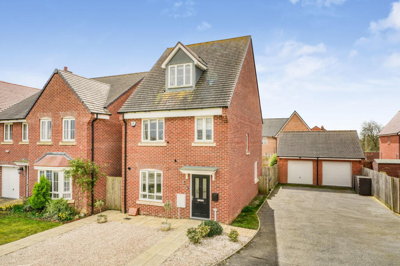
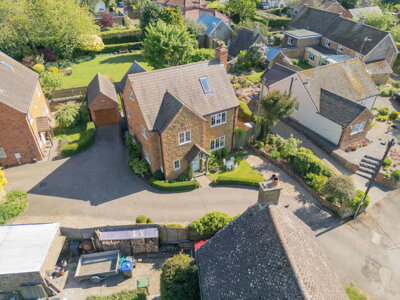
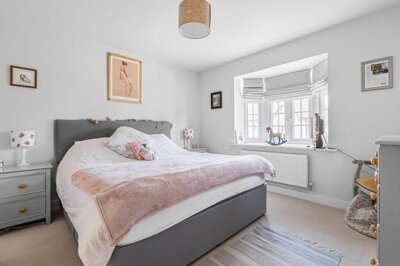
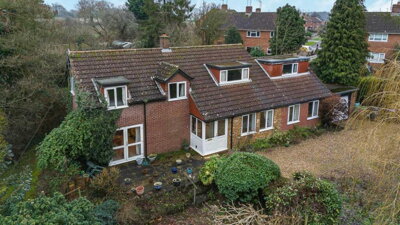
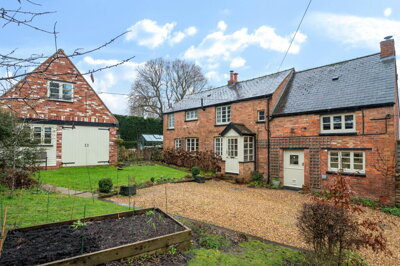
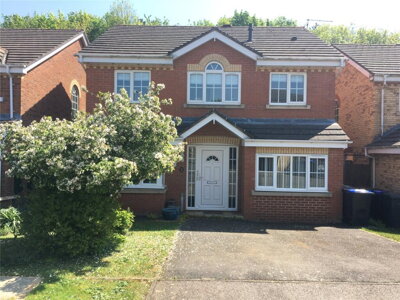
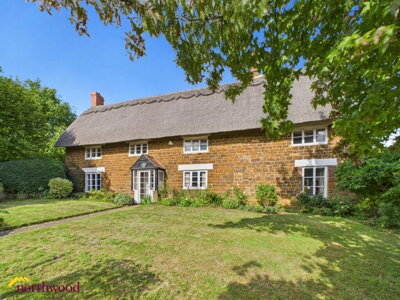
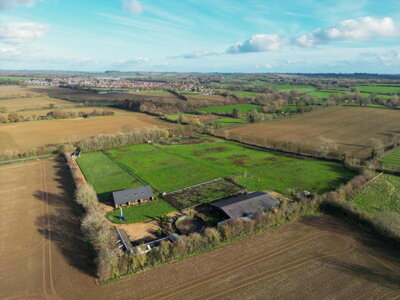
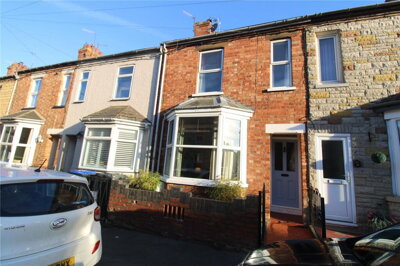
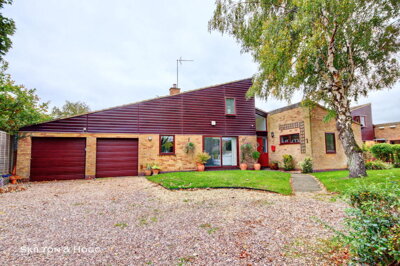
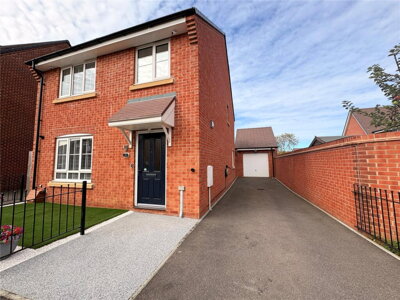
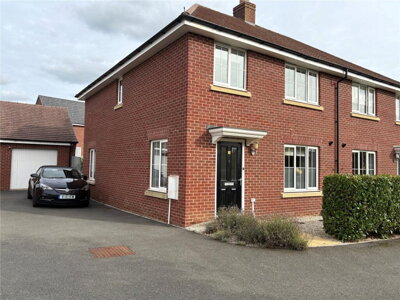
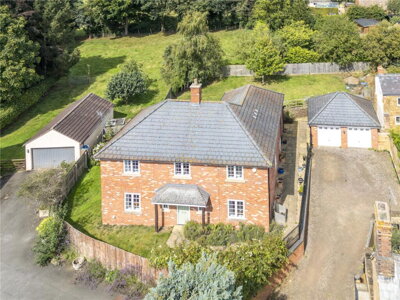
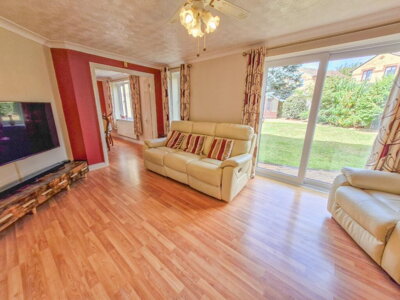
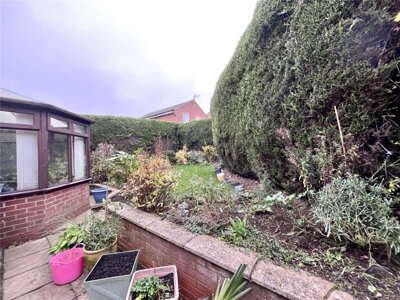
Browse 28 homes for sale in Byfield, West Northamptonshire from local estate agents.
The larger property sector typically features multiple bathrooms, substantial reception space, and private gardens or off-street parking. Four bedroom houses in Byfield span detached, semi-detached, and occasionally terraced configurations, with styles ranging from period properties to modern executive homes.
£613k
4
0
56
Source: home.co.uk
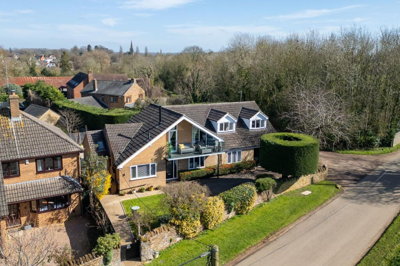
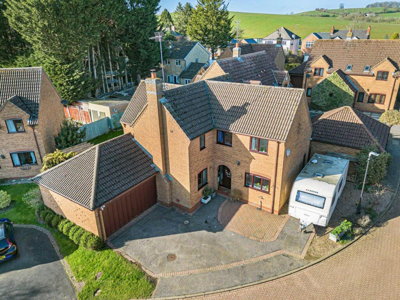
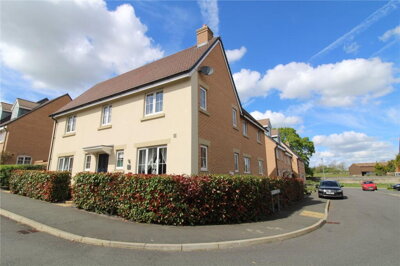
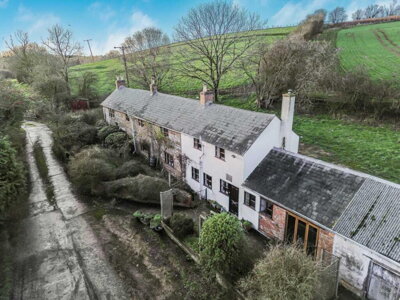
Showing 4 results for 4 Bedroom Houses for sale in Byfield, West Northamptonshire. The median asking price is £612,500.
Source: home.co.uk
Detached
4 listings
Avg £656,250
Source: home.co.uk
Source: home.co.uk
The Byfield housing market reflects the character of this historic Northamptonshire village, with detached and semi-detached properties dominating the available stock. According to Rightmove data, the overall average sold price in Byfield over the last 12 months stands at £364,308. Detached properties command the highest values at an average of £449,600, while semi-detached homes average £319,714 and terraced properties sold for approximately £250,000 on average. No flats were recorded as sold during this period, highlighting the predominantly house-based nature of the village housing stock. Zoopla reports a slightly lower average of £352,192 for the same period, while OnTheMarket indicates £368,000 as of February 2026.
Recent market trends indicate a cooling period following the post-pandemic peak. Prices in Byfield are currently 8% down on the previous year and 18% down from the 2022 peak of £446,498, according to Rightmove data. OnTheMarket reports a more modest decline of 0.9% over the last 12 months, suggesting market stabilisation may be underway. For buyers, these conditions present an opportunity to enter the Byfield market at more accessible price points compared to the peak years, while still benefiting from the village's enduring appeal and strong community spirit. The 15 properties sold over the past year comprised 8 semi-detached and 7 detached homes, with no flats or terraced properties changing hands during this period.
Looking at new build activity, planning applications indicate potential future development within the village boundary. A significant outline planning application for Land at Woodford Road proposes 78 residential dwellings, with 10% designated as affordable housing. Another application for Land to the East of Lovett Road seeks permission for 14 dwellings, with 12 of these designated as affordable housing. These developments, if approved and constructed, could expand the housing options available in the village while contributing to local housing needs. For buyers not requiring immediate possession, these future developments may offer opportunities to purchase new homes in the village in coming years.

Byfield village is well-provided for despite its rural setting, offering everyday amenities that meet the needs of residents without requiring trips to larger towns. The village centre features a primary school with nursery facilities, two village shops, a post office, petrol station, and a traditional public house. These amenities contribute to the village's self-sufficiency and support the strong community atmosphere that defines life in Byfield. The village church, dedicated to the Holy Cross and dating back to the medieval period, serves as a focal point for community gatherings and events throughout the year, from harvest festivals to Christmas services.
The demographics of Byfield reflect a balanced community with 1,302 residents recorded in the 2021 Census, representing growth from 1,277 in 2011. The village comprises three distinct areas: Church End, High Street, and Westhorp, each with its own character while contributing to the cohesive village identity. Housing tenure in the broader West Northamptonshire area shows 66.38% owner-occupied properties, with the remainder split between social renting, housing association, and private rental sectors. This tenure mix suggests a stable community with long-term residents invested in the area. The population estimate for 2024 stands at 1,287, indicating continued steady growth.
The agricultural heritage of Byfield remains visible in the surrounding landscape, with approximately 10 working farms still operating in the parish despite modern economic changes. Employment patterns reflect a mix of commuting to larger employment centres, self-employment, and locally-based part-time work. The wider Northamptonshire economy provides additional opportunities through its strengths in advanced engineering, automotive manufacturing, logistics and distribution, and growing creative and digital industries. This economic diversity supports the housing market by providing varied employment options within reasonable commuting distance of the village.

Education provision in Byfield centres on Byfield Primary School, which serves families with children of primary school age. The school includes nursery facilities, providing early years education within the village and reducing the need for young families to travel to surrounding towns for childcare and early education. For secondary education, residents typically access schools in nearby market towns, with several options within reasonable daily commuting distance. Parents researching the Byfield area should verify current catchments and admission arrangements through West Northamptonshire Council's school admission portal, as these can change and may influence property values in specific streets.
The presence of quality educational facilities within a village community adds significant value for families considering a move to Byfield. Primary schools in rural villages often benefit from strong community engagement and smaller class sizes, providing individual attention that supports pupil development. For secondary education, options in the surrounding area include both state and independent schools, with the nearest secondary schools located in Daventry and other nearby towns. Sixth form provision is available at secondary schools and further education colleges in the wider area, supporting students continuing their education beyond GCSE level.
Families moving to Byfield should research school performance data through the Gov.uk school performance tables, which provide detailed information on attainment and progress measures. The village's proximity to Daventry means families have access to secondary schools there, with several options offering sixth form courses. For those considering independent education, there are independent schools in the wider Northamptonshire area accessible from Byfield. Early registration for school places is recommended given the village's popularity with families seeking rural living without compromising on educational access.
Transport connectivity from Byfield combines the benefits of rural living with access to major road networks. The village sits within easy reach of the A361 and A425 roads, providing connections to Daventry and surrounding market towns. For those travelling to larger centres, the M1 motorway is accessible within approximately 20-30 minutes by car, opening routes to Northampton, Milton Keynes, Leicester, and Birmingham. This road connectivity makes Byfield viable for commuters working in these larger employment centres while maintaining the quality of life benefits associated with village living.
Rail services are available at stations in nearby towns, with journey times to Birmingham, Northampton, and London accessible through connections. The nearest mainline stations are typically found in larger towns within the region, offering regular services to major cities. For daily commuting, residents commonly rely on car transport, with parking facilities available at most rail stations for those combining rail travel with driving. Bus services connect Byfield with surrounding villages and towns, providing options for those without access to private vehicles, though frequency may be limited compared to urban routes.
Local road conditions and traffic patterns within Byfield reflect its village character, with narrow lanes and traditional street layouts in the historic centre. The village has experienced some through-traffic pressure from developments in surrounding areas, particularly along routes connecting to Woodford Halse. Cyclists benefit from quieter rural lanes, though care is needed on busier roads. For international travel, Birmingham Airport provides global connectivity within approximately 45 minutes drive, while Luton Airport is also within reasonable reach for broader travel options. Commuters working in Northampton can typically reach the town centre within 30 minutes by car, while those heading to Milton Keynes should allow approximately 35-40 minutes depending on traffic conditions.
Start by exploring current listings in Byfield to understand available properties, price ranges, and what's included. Our platform shows 15+ properties recently sold in the area, with detached homes averaging £449,600 and semi-detached properties around £319,714. Use our comparison tools to assess whether buying in Byfield aligns with your budget and requirements. Consider attending open viewings in the village to get a feel for different neighbourhoods within Church End, High Street, and Westhorp areas.
Before arranging viewings, obtain a mortgage agreement in principle from a lender. This strengthens your position when making offers and demonstrates to sellers that you have financing secured. With current average prices around £364,308 for Byfield properties, you can calculate realistic borrowing requirements and monthly payments. Speak to a mortgage broker who can help navigate the various mortgage products available and find competitive rates suited to your financial situation.
Visit properties that match your criteria to assess their condition, location within the village, and proximity to amenities like the school, shops, and transport links. Given Byfield's mix of older listed buildings and period properties, pay particular attention to the condition of traditional construction materials and any signs of maintenance needs. View multiple properties before making an offer to ensure you find the right home for your circumstances.
Once your offer is accepted, arrange a RICS Level 2 Home Survey before proceeding. For properties in Byfield, with their traditional ironstone construction and potential clay-related ground conditions, a thorough survey is essential. Expect to pay between £395 and £1,250 depending on property size and value. A RICS Level 2 survey will identify any structural issues, signs of damp, roof condition, and other defects that may not be visible during viewings.
Appoint a conveyancing solicitor to handle the legal aspects of your purchase. They will conduct searches, check titles, and manage the transfer of ownership. Your solicitor will also advise on any planning restrictions or conservation area requirements affecting the property. Given Byfield's Conservation Area designation and numerous listed buildings, additional legal checks may be required.
Once searches are satisfactory and finances are confirmed, your solicitor will arrange contract exchange with the seller. A deposit is paid at this stage, with the remaining balance transferred on completion day. You will receive your keys and can move into your new Byfield home. Plan your removal logistics in advance, particularly if moving from outside the region.
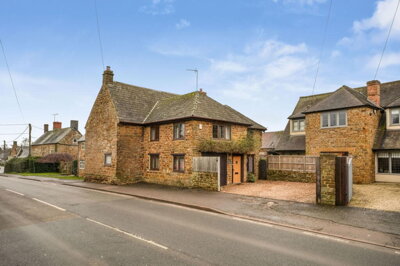
Properties in Byfield showcase the traditional building techniques that have shaped Northamptonshire villages for centuries. The predominant building material is local ironstone, particularly dark ironstone, which was historically quarried from deposits in the surrounding area. This stone is notably durable and actually becomes more resistant to weathering over time, which explains why many centuries-old buildings in the village remain in good structural condition. The durability of local ironstone means that period properties in Byfield often have robust wall structures, though the mortar between stones may require attention in older buildings.
Alongside ironstone, properties in Byfield commonly feature Marlstone Rock, a calcareous ironstone found in the local geology. Buildings constructed from materials sourced from the Northampton Sand Formation use various ironstones, sandstones, and sandy limestone that reflect the underlying geology of the area. Post-war residential developments in the wider Northamptonshire region often used brick, which can be found in some more recent properties in and around the village. Traditional construction methods used lime-based mortars and renders rather than modern cement products, which is important to consider when planning any maintenance or renovation work on period properties.
The construction of older properties in Byfield typically features stone walls with lime-based pointing and render, original timber roof structures with clay tile or slate coverings, and traditional floor constructions that may include suspended timber boards over voided areas. Interior finishes often include lathe and plasterwork, a traditional technique using horsehair mixed with plaster that creates distinctive textured surfaces. Understanding these construction methods helps buyers appreciate the character of Byfield properties while identifying areas that may require specialist attention during renovation or maintenance work.
Properties in Byfield present unique considerations for buyers due to the village's historic character and local geology. The village has designated Conservation Areas and numerous listed buildings, including the Grade I listed Church of Holy Cross, the Grade II* listed Manor House, and many Grade II listed structures along High Street, Church Street, Banbury Lane, Bell Lane, and Woodford Lane. If you are considering a listed property, be aware that planning permission may be required for alterations that would not normally need consent, and any unauthorised works become your responsibility as new owner. Specialist surveys for historic properties are recommended to assess their condition and any heritage implications before purchase.
The underlying geology of Byfield presents specific considerations for property buyers. The parish sits across valleys of south-flowing tributary streams, with Upper Lias Clay in the northern areas and Lower and Middle Lias Clay in valley bottoms. This clay-rich geology creates a shrink-swell risk, where soil volume changes with moisture content can cause subsidence or heave. Properties with original trees nearby, or those built on or near clay soils, may be more susceptible to movement. A thorough building survey can identify signs of subsidence, crack patterns, and other indicators that require attention before purchase. The UK faces significant costs from shrink-swell damage annually, and this risk is projected to increase with climate change, making geological surveys particularly valuable in this area.
Building materials in Byfield properties typically include local ironstone, Marlstone Rock, and materials from the Northampton Sand Formation. These traditional materials are durable and contribute to the village's distinctive character, but they require appropriate maintenance and repair using compatible materials. Older properties may have outdated electrical systems, plumbing, and insulation that require upgrading to meet modern standards. When viewing properties, check for signs of damp, roof condition, and the maintenance history of traditional features. With much of the housing stock pre-dating 1919, understanding the condition of key structural elements and services is essential for budgeting any renovation or repair works. Pay particular attention to hidden gutters behind parapet walls, which can be a source of penetrating damp in older properties.
The average sold house price in Byfield over the last 12 months is £364,308 according to Rightmove data, though OnTheMarket reports £368,000 and Zoopla indicates £352,192. Detached properties average £449,600, semi-detached homes £319,714, and terraced properties approximately £250,000. No flats were recorded as sold during this period, which reflects the village's predominantly house-based housing stock. Prices have adjusted from the 2022 peak of £446,498, falling 18% overall and 8% compared to the previous year, making the market more accessible for buyers looking to enter this historic Northamptonshire village.
Properties in Byfield fall under West Northamptonshire Council's jurisdiction. Council tax bands in the area typically range from A to F depending on property value and size. Most traditional village properties, including period cottages and family homes, fall within bands B to E. You can check specific bandings for individual properties through the West Northamptonshire Council website or the Valuation Office Agency. Given Byfield's mix of period properties, council tax bands can vary significantly depending on the property's size, condition, and historical listing status.
Byfield Primary School serves the village with Reception and Key Stage 1 education, including nursery facilities on site. The school provides primary education within the community, reducing travel requirements for younger families. For secondary education, families typically access schools in surrounding towns including Daventry, with several options available within daily commuting distance. When buying in Byfield, verify current catchment areas through West Northamptonshire Council, as these can affect school placement eligibility and may influence property values in specific streets. School performance data is available through Gov.uk school performance tables for those wanting to research educational outcomes before purchasing.
Byfield has limited public transport options typical of a rural Northamptonshire village. Bus services connect the village with surrounding towns and villages, though frequencies are reduced compared to urban areas. The nearest rail stations are located in nearby towns, offering connections to major cities including Birmingham and London. For commuting and daily travel, most residents rely on private vehicles, though the village's position near the A361 and A425 provides reasonable access to road networks including the M1 motorway within 20-30 minutes drive. Birmingham Airport is accessible within approximately 45 minutes for those requiring international travel.
Byfield offers several factors that may appeal to property investors. The village has a stable population of 1,302 residents with a mix of owner-occupiers and renters. Housing tenure in the wider West Northamptonshire area shows 66.38% owner-occupation, with 17.07% privately rented. Proposed developments including the Land at Woodford Road application for 78 dwellings could bring new residents to the area. However, the rural location, limited transport options, and absence of flats in recent sales data suggest limited rental demand compared to urban areas. Any investment decision should consider local market conditions, potential rental yields, and the village's position within the broader West Northamptonshire housing market.
Stamp Duty Land Tax (SDLT) applies based on property purchase price. For standard purchases, you pay 0% on the first £250,000, 5% on £250,001 to £925,000, 10% on £925,001 to £1.5 million, and 12% above £1.5 million. First-time buyers benefit from relief on the first £425,000 (0% rate) with 5% applied between £425,001 and £625,000. For most properties in Byfield with average prices around £364,308, first-time buyers would pay no SDLT while other buyers would pay 5% on the amount above £250,000, which equates to approximately £5,715 on an average-priced property.
The clay-rich geology underlying Byfield creates a shrink-swell subsidence risk, particularly during periods of drought or heavy rainfall. The northern part of the parish sits on Upper Lias Clay at elevations of 165m-200m above OD, while valley bottoms feature Lower and Middle Lias Clay. Properties with mature trees or those built on clay soils may experience ground movement affecting foundations. The village has also experienced surface water flooding during heavy rainfall events. A RICS Level 2 survey is particularly valuable in this area to assess foundations, signs of movement, drainage, and roof condition before committing to purchase.
Yes, Byfield has designated Conservation Areas, and many properties are listed buildings protected for their historic significance. The village contains a Grade I listed building (Church of Holy Cross), a Grade II* listed Manor House, and numerous Grade II listed structures along High Street, Church Street, Banbury Lane, Bell Lane, and Woodford Lane. Within Conservation Areas, planning permission may be required for alterations including extensions, demolition, or changes to windows and doors that would not normally need consent. Listed buildings have additional restrictions on any works affecting their character or fabric. Before purchasing, verify whether the property is listed or within a conservation area through West Northamptonshire Council's planning portal, and factor any consent requirements into your renovation plans.
Given Byfield's predominantly older housing stock with many period properties, several common defects are frequently encountered. Damp issues are very common in older properties, often caused by inadequate waterproofing, poor ventilation, leaking roofs, or failed damp-proof courses. Roof deterioration including missing tiles, sagging, and leaks affects many traditional properties. Structural movement may manifest as cracks in walls or ceilings, uneven floors, and doors that do not close properly. Outdated electrical systems in older properties often do not meet modern safety standards. A thorough RICS Level 2 survey will identify these issues and help you budget for any necessary repairs.
From 4.5% APR
Compare mortgage deals from leading lenders
From £499
Expert legal support for your property purchase
From £395
Thorough condition report for Byfield properties
From £85
Energy performance certificate for your property
When purchasing a property in Byfield, understanding the full cost of buying is essential for budgeting effectively. The Stamp Duty Land Tax rates for 2024-25 are: 0% on the first £250,000 of purchase price, 5% on amounts from £250,001 to £925,000, 10% on £925,001 to £1.5 million, and 12% on any amount above £1.5 million. For a typical Byfield property at the current average price of £364,308, buyers pay 5% on £114,308 (the amount above £250,000), equating to £5,715 in SDLT for standard purchasers. First-time buyers purchasing properties up to £425,000 would pay no SDLT under current relief provisions, meaning most first-time buyers in Byfield would benefit from complete SDLT exemption on average-priced village properties.
Beyond stamp duty, buyers should budget for additional costs including mortgage arrangement fees (typically 0-0.5% of loan amount), valuation fees, broker fees if using a mortgage broker, and survey costs. For Byfield properties, a RICS Level 2 survey typically costs between £395 and £1,250 depending on property value and size. Larger detached homes averaging £449,600 would be at the higher end of this range, while smaller terraced properties around £250,000 would be at the lower end. Solicitors fees for conveyancing typically start from £499 for standard transactions, with complex purchases involving listed buildings or conservation area properties potentially costing more due to additional legal work required for heritage considerations.
Additional moving costs include removal expenses, buildings insurance (required from completion date), land registry fees for title transfer, and potential remedial works identified by surveys. Given Byfield's mix of older properties, survey-identified defects such as damp, roof issues, or outdated electrics are common in period homes. Budgeting a contingency of 10-15% above purchase price for immediate repairs and improvements is prudent for older properties. The West Northamptonshire Council search fees, typically £200-300, are paid to the conveyancing solicitor alongside their legal fees for handling the purchase. If the property you are buying is listed, budget for additional specialist surveyor fees as standard surveys may not fully assess heritage considerations.
Properties for Sale In London

Properties for Sale In Plymouth

Properties for Sale In Liverpool

Properties for Sale In Glasgow

Properties for Sale In Sheffield

Properties for Sale In Edinburgh

Properties for Sale In Coventry

Properties for Sale In Bradford

Properties for Sale In Manchester

Properties for Sale In Birmingham

Properties for Sale In Bristol

Properties for Sale In Oxford

Properties for Sale In Leicester

Properties for Sale In Newcastle

Properties for Sale In Leeds

Properties for Sale In Southampton

Properties for Sale In Cardiff

Properties for Sale In Nottingham

Properties for Sale In Norwich

Properties for Sale In Brighton

Properties for Sale In Derby

Properties for Sale In Portsmouth

Properties for Sale In Northampton

Properties for Sale In Milton Keynes

Properties for Sale In Bournemouth

Properties for Sale In Bolton

Properties for Sale In Swansea

Properties for Sale In Swindon

Properties for Sale In Peterborough

Properties for Sale In Wolverhampton

Enter your details to see if this property is within your budget.
Loans, cards, car finance
Estimated property budget
Borrowing + deposit
You could borrow between
Typical borrowing
Monthly repayment
Est. at 4.5%
Loan-to-value
This is an estimate only. Your actual budget may vary depending on interest rates, credit history, and personal circumstances. For an accurate affordability assessment, speak to one of our free mortgage advisors.
This calculator provides estimates for illustrative purposes only and does not constitute financial advice. Your home may be repossessed if you do not keep up repayments on your mortgage. Estimates based on 4.5% interest rate, repayment mortgage. Actual rates depend on your circumstances.
Homemove is a trading name of HM Haus Group Ltd (Company No. 13873779, registered in England & Wales). Homemove Mortgages Ltd (Company No. 15947693) is an Appointed Representative of TMG Direct Limited, trading as TMG Mortgage Network, which is authorised and regulated by the Financial Conduct Authority (FRN 786245). Homemove Mortgages Ltd is entered on the FCA Register as an Appointed Representative (FRN 1022429). You can check registrations at NewRegister or by calling 0800 111 6768.

We use cookies to show you personalised content and improve your experience of our website. Find out more in our Privacy policy and Cookie policy.