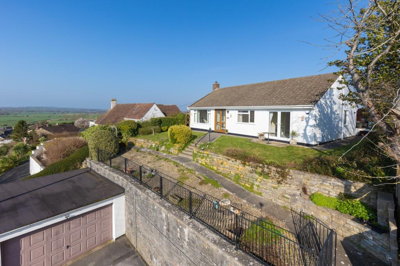
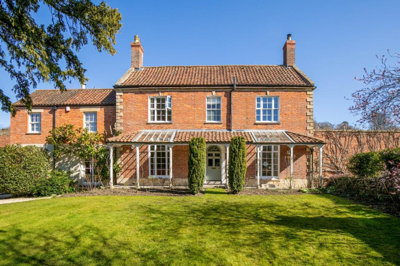
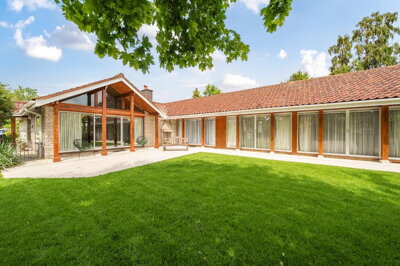
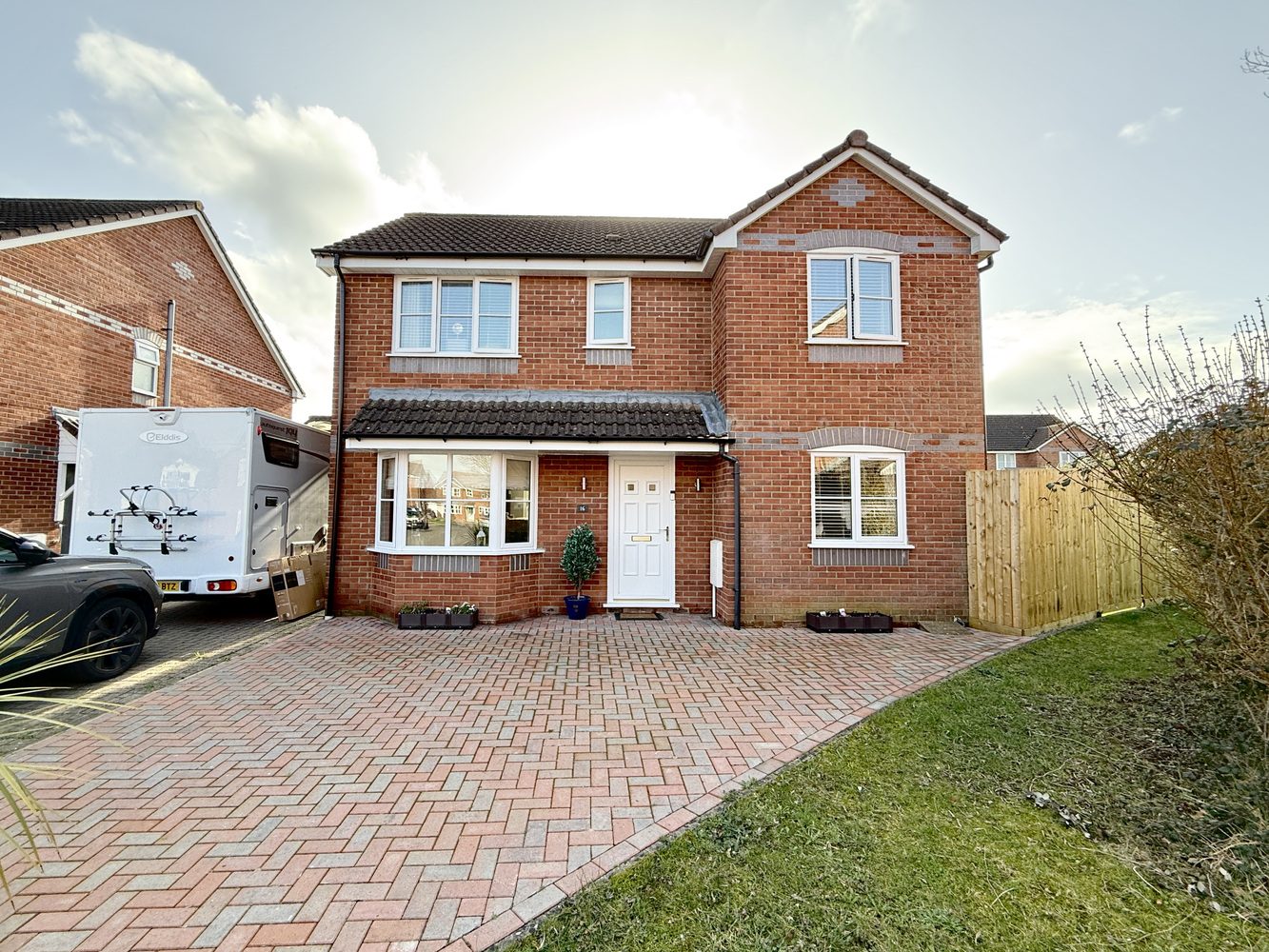
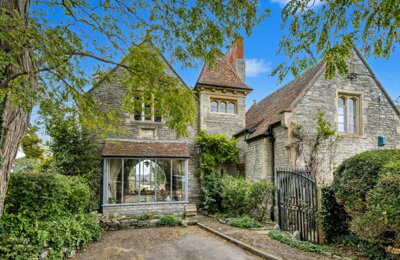
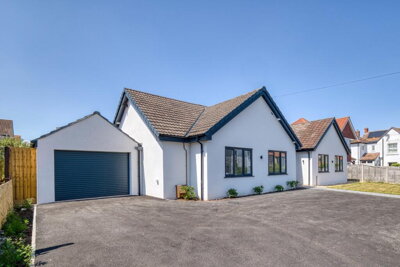
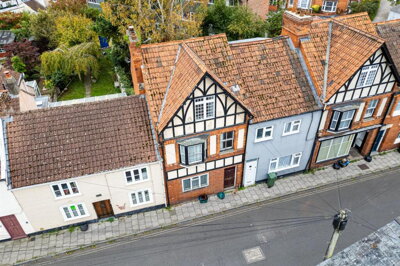
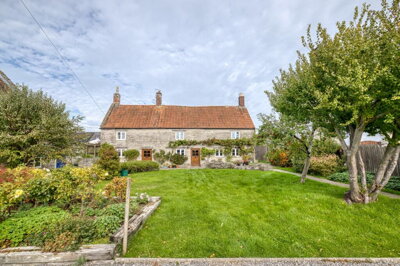
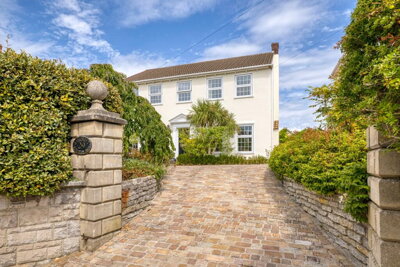
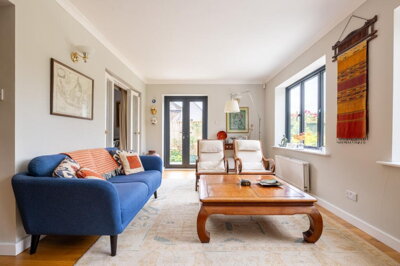
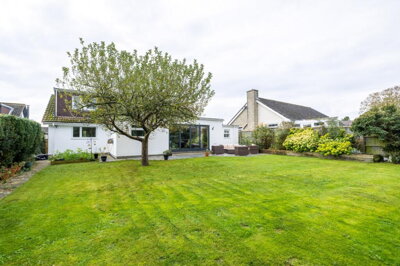
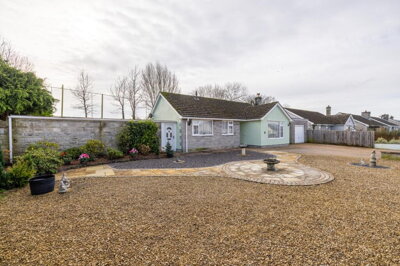
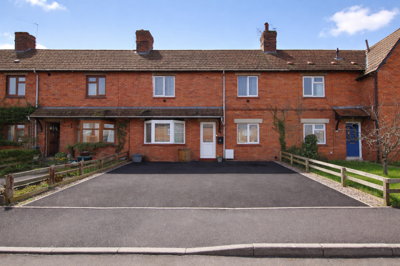
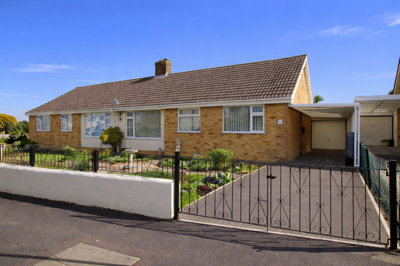
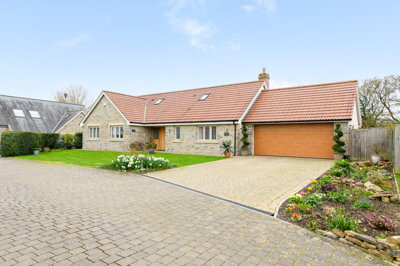
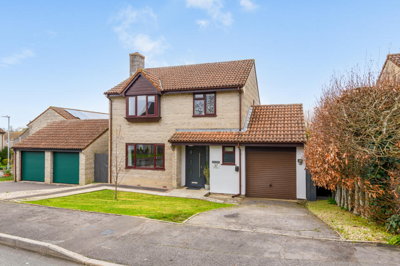
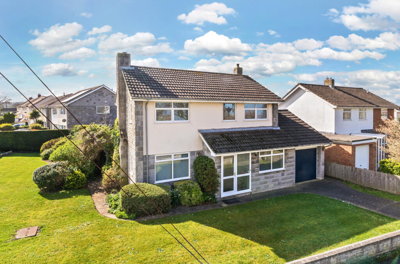
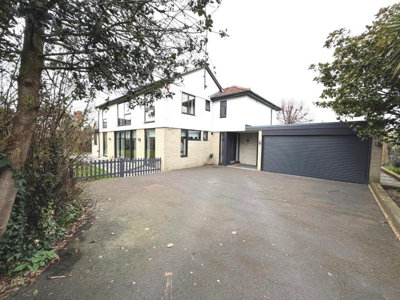
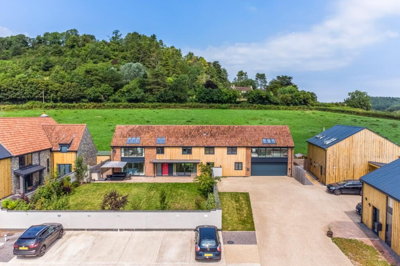
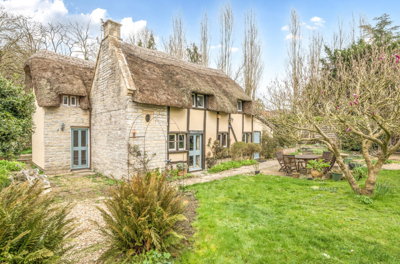
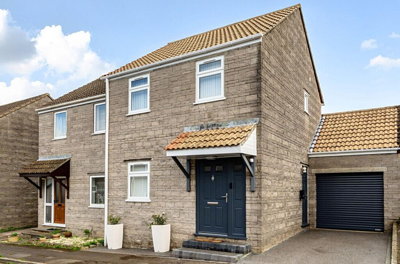
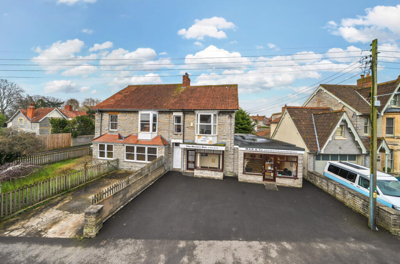
Browse 196 homes for sale in Butleigh, Somerset from local estate agents.
£725k
25
2
111
Source: home.co.uk
Source: home.co.uk
Detached
14 listings
Avg £847,854
Character Property
2 listings
Avg £185,000
Semi-Detached
2 listings
Avg £510,000
Apartment
1 listings
Avg £330,000
Barn Conversion
1 listings
Avg £1.00M
Bungalow
1 listings
Avg £600,000
Detached Bungalow
1 listings
Avg £370,000
End of Terrace
1 listings
Avg £475,000
Ground Flat
1 listings
Avg £280,000
Link Detached House
1 listings
Avg £360,000
Source: home.co.uk
Source: home.co.uk
£449,333
Average Sold Price
£239,500
Median Price
-26%
Annual Change
£977,500
Peak Price (2019)
The Horsington property market has experienced notable adjustment over recent years, with the average sold price falling from a 2019 peak of £977,500 to approximately £449,333 according to Rightmove data. This 54% decline from peak prices has created opportunities for buyers looking to enter the South Somerset rural property market at more accessible price points. Zoopla reports a slightly lower average sold price of £406,500 for the last twelve months, while Land Registry data indicates a 37.1% fall over the past twelve months, suggesting the market is working through a correction phase. With 274 total sales recorded at a median price of £239,500, there is reasonable transaction activity for a village of this size.
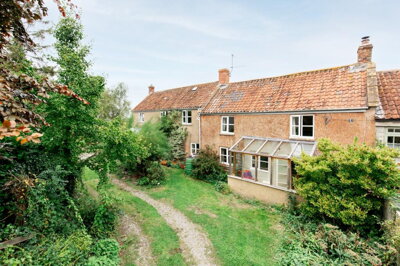
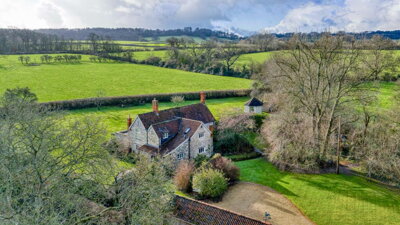
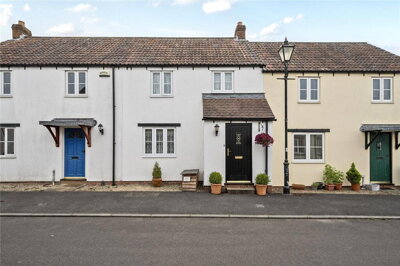
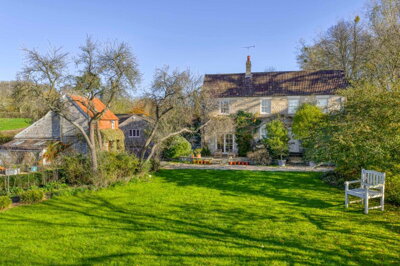
Property types available in Horsington cater to various buyer requirements, with detached homes averaging £509,000 and terraced properties averaging around £330,000. The village's housing stock reflects its agricultural heritage, with many homes built using local Doulting stone and Welsh slate roofing materials that characterise the listed buildings scattered throughout the parish. New build activity remains limited within the BA8 postcode area, though recent planning applications indicate some smaller residential developments. These include proposals at Southland Farm on Marsh Lane near South Cheriton, where permission has been sought for seven new dwellings, and a replacement dwelling at Sandhills Cottage on Cabbage Lane in Horsington itself.
The historic nature of much of the village means buyers should expect properties with character and traditional construction methods, which often require careful surveying before purchase. Recent sales activity in 2025 includes two detached properties, one semi-detached home, and two terraced houses, showing continued market engagement despite broader economic conditions. Properties at the higher end of the market command significant premiums for their period features, setting them apart from newer alternatives in surrounding towns.
Horsington is a small but vibrant rural parish with a population of 579 residents according to the 2021 census, spread across 262 households. The village sits within the Blackmoor Vale, an area of outstanding natural beauty characterised by gentle hills, working farmland, and the meandering River Cale that flows along the village's eastern edge. The settlement pattern reflects traditional English village design, with properties clustered around the historic Church of St John the Baptist, a Grade II* listed building that dominates the local skyline. The village cross, erected in 1284, stands as one of the oldest surviving features and testament to Horsington's long history.
The local economy remains rooted in agriculture, with farming operations continuing to shape both the landscape and community character. The village benefits from several listed buildings including Horsington House, a Grade II listed country house built in 1839 on the site of a 16th-century manor house, and Horsington Manor, constructed from 1748 by Matthew Spencer for the Gowens family who had owned the manor since the previous century. These historic properties contribute to the architectural richness of the area, which falls within designated conservation areas where planning restrictions help preserve the village's traditional appearance. Further listed structures include Rookes House, Gould's Farmhouse with its nearby barn, Cheriton House Farmhouse, and Beechfield Lodge, all reflecting the agricultural heritage that defines the parish.
Daily amenities include a village pub serving the community, while the proximity to Templecombe provides access to further shops, a post office, and community facilities. Weekend activities often revolve around countryside walks, with the surrounding farmland and marshland offering scenic routes for residents. The local geography includes Cornbrash limestone terrain, which generally presents lower shrink-swell risk compared to clay-rich soils, though areas near the marsh require appropriate consideration. A short-lived spa operated in the village during the early 19th century, reflecting the Victorian fashion for rural retreats, though this chapter of local history has left little physical trace.

Families considering a move to Horsington will find educational options available within reasonable driving distance, though the village itself does not host a secondary school. Primary education is available at Milborne Port First School and Stower Provost Primary School, both serving the local catchment areas and providing education for children up to Key Stage 2. For secondary education, parents typically consider schools in surrounding towns including King Arthur's School in Wincanton, setup College in Gillingham, or the independent schools available in nearby Shaftesbury and Salisbury. The presence of grammar school options in Somerset means that academically selective pupils may sit entrance exams for schools in Yeovil or other nearby towns.
Early years provision includes playgroups and childcare facilities operating within the village and surrounding parishes, providing flexibility for working parents. Secondary school pupils frequently travel to nearby towns using dedicated school bus services, though parents should verify current routes and availability with Somerset County Council before purchasing property. Further education colleges in Yeovil, Salisbury, and Frome offer A-level and vocational courses for older students, with good transport links making these accessible from the village. School catchment areas can influence property values and demand in rural locations, so confirming enrollment options with the local education authority represents an important step during the property search process.
The village school and school house, both Grade II listed buildings, served the community for generations and reflect the historical importance of education in rural Somerset. While the current provision requires travel to nearby towns for secondary education, the presence of strong primary schools and established transport links means families can access good educational standards without sacrificing the benefits of village living. Parents should note that school transport eligibility depends on distance thresholds set by the local authority.
Transport connections from Horsington rely primarily on road networks, as the Somerset and Dorset Joint Railway that once served the village closed in 1966. The A357 road provides the main arterial route through the area, connecting Horsington to Templecombe where the nearest railway station is located. The railway once carried agricultural produce and goods from the surrounding farmland, with the line opening in 1862 and operating for over a century before closure. Templecombe station offers South Western Railway services running between Exeter St Davids and London Waterloo, with journey times to the capital typically taking around two and a half hours. This rail connection, while modest, provides a useful commuting option for those working in London or Bristol who prefer not to drive the full distance.
For motoring, the A303 lies a short distance north of Horsington, providing high-quality dual carriageway access across Hampshire and Wiltshire towards London and the South Coast. The journey to Salisbury takes approximately 40 minutes, while Bristol is reachable in around an hour depending on traffic conditions. Bus services operated by South Somerset District Council and local providers connect Horsington to nearby towns including Wincanton and Gillingham, though rural bus frequencies mean that a car remains essential for most daily activities. Local cycling is popular on quieter country lanes, though the marshland areas and agricultural traffic require appropriate care when cycling through the surrounding farmland.
Commuters working in Yeovil, approximately 25 miles away, can access major employers including Airbus, Leonardo, and the hospital trust, making Horsington a viable base for professionals in these sectors. The A357 route through the Blackmoor Vale offers scenic but sometimes narrow roads, so journey times vary depending on traffic and road conditions. Those regularly travelling to London may find the train from Templecombe more reliable than driving, particularly during peak hours when the A303 can experience congestion.
Properties in Horsington often feature traditional construction methods that differ from modern standards, requiring careful consideration during the buying process. The village's geology includes Cornbrash limestone terrain, which generally presents lower shrink-swell risk compared to clay-rich soils, though any property with trees or hedgerows nearby should be assessed for potential foundation movement. The proximity to Horsington Marsh and the River Cale means certain properties, particularly those on lower ground near the river, may carry elevated flood risk that should be investigated through official flood maps and local knowledge before commitment. Surface water flooding can also occur during periods of heavy rainfall given the local topography and clay content in some soils.
Conservation area designations and listed building status affect many properties in the village, imposing restrictions on alterations, extensions, and exterior changes. With over fifteen listed buildings including the Church of St John the Baptist, Horsington House, and numerous farmhouses and cottages, buyers should verify whether consent is required for any planned works and factor these considerations into their purchase decision. Properties within the conservation area may require planning permission for works that would not otherwise need consent, and this can affect renovation budgets and timelines.
Older properties frequently require updating of electrical systems, plumbing, and insulation, with surveys identifying areas requiring investment. Properties built before 1999 may contain asbestos in insulation, artex coatings, or floor tiles, requiring specialist removal. Outdated wiring in Victorian or Edwardian properties can pose fire risks and may require complete rewire. Lead or galvanized steel pipes, common in older homes, can corrode and affect water quality. Given the prevalence of stone construction using Doulting stone, external render and pointing maintenance should be assessed, as deterioration can allow water ingress that affects internal walls and timbers.
Service charges and ground rent arrangements should be confirmed for any leasehold properties, while freehold homes offer straightforward ownership but may carry higher maintenance responsibilities for traditional buildings. Properties on private drainage systems, common in rural locations, require regular maintenance and may face compliance requirements under current regulations. Our team can arrange a RICS Level 2 survey to identify these issues before you commit to a purchase.

Begin by reviewing current property listings in Horsington and surrounding BA8 postcode area. Understanding recent sale prices, property types available, and how long homes typically stay on the market will help you set realistic expectations and identify the right properties for your requirements. Rightmove and Zoopla data show prices ranging from around £330,000 for terraced properties to over £500,000 for detached homes, with significant variation depending on condition and features.
Contact a mortgage broker to discuss your borrowing capacity and obtain an agreement in principle before viewing properties. Given the rural nature of the market and higher property values, having your finances confirmed will strengthen your position when making offers on desirable homes. Rural properties sometimes require specialist lending approaches, particularly for non-standard construction or listed buildings.
Schedule viewings of shortlisted properties, taking time to assess the property condition, neighbourhood character, and proximity to local amenities. Consider visiting at different times of day to gauge noise levels, traffic patterns, and community atmosphere. The village pub, local walks, and proximity to Templecombe station are all factors that may influence your decision.
Once your offer is accepted, instruct a RICS Level 2 survey to assess the property condition. Given Horsington's older housing stock and listed buildings, identifying defects early prevents unexpected costs after purchase. Surveyors experienced with traditional Somerset properties will understand local construction methods including Doulting stone walls and Welsh slate roofs. Properties requiring specialist assessment may benefit from a RICS Level 3 Building Survey instead.
Appoint a solicitor to handle the legal aspects of your purchase, including local searches, title verification, and coordination with the seller's legal team. Conveyancers familiar with South Somerset properties can flag any area-specific issues including flood risk near the River Cale, conservation area restrictions, or rights of way across agricultural land.
Final preparations include building insurance, property surveys, and mortgage confirmation. On completion day, funds transfer and keys are released, marking your official move to Horsington and the beginning of your life in this attractive Somerset village. Budget for stamp duty, legal fees, and survey costs in addition to your mortgage and deposit.
Understanding the full costs of purchasing property in Horsington requires careful budgeting beyond the advertised asking price. Stamp Duty Land Tax represents the most significant additional expense, with standard rates applying 0% on the first £250,000, 5% between £250,001 and £925,000, 10% up to £1.5 million, and 12% above that threshold. For a property at the village average of £449,333, stamp duty costs would amount to approximately £9,966.50 at current rates. First-time buyers purchasing properties up to £625,000 may qualify for relief, with no SDLT applying on the first £425,000 and 5% on the portion up to £625,000.
Professional services add further costs to the purchase process. Conveyancing fees for a standard transaction typically start from £499 for basic legal work, rising for more complex titles or leasehold properties. RICS Level 2 survey costs vary depending on property value and size, with average costs around £445 nationally, though larger or more complex properties in Horsington may incur higher charges given the prevalence of older construction and listed buildings. A detached home averaging £509,000 would typically attract survey fees toward the upper end of the range, potentially £586 or more, while terraced properties may cost less to survey.
Additional searches including local authority, drainage, and environmental reports typically total £200-£300. Flood risk searches are particularly important for properties near Horsington Marsh or the River Cale. Building insurance must be arranged from the point of exchange, while removal costs, furnishings, and potential renovation works should also feature in your moving budget. Properties requiring modernisation may need additional budget for electrical rewire, new heating systems, or roof repairs identified during survey.
The average house price in Horsington, Somerset, stands at approximately £449,333 according to Rightmove data for the past year, with a median price of £239,500 based on 274 recorded sales. Detached properties command higher prices averaging around £509,000, while terraced homes average approximately £330,000. The market has experienced a notable correction, with prices falling 26% from the previous year and 54% from the 2019 peak of £977,500, creating more accessible entry points for buyers. Zoopla reports a slightly lower average of £406,500, while the wider Templecombe BA8 area averages around £483,000.
Properties in Horsington fall under South Somerset District Council for council tax purposes. The district uses Bands A through H to calculate charges, with rural properties and traditional cottages typically assessed at lower bands than larger modern homes. The village's mix of period cottages, farmhouses, and later infill properties means council tax bands vary considerably across the market. Prospective buyers should check specific bandings with the Valuation Office Agency, as band assignments affect ongoing running costs and should be factored into the overall budget when purchasing property in the area.
Horsington does not host its own secondary school, but primary-aged children can attend local schools including Milborne Port First School and Stower Provost Primary School within the catchment area. Secondary education options in surrounding towns include King Arthur's School in Wincanton and setup College in Gillingham, both accessible via school transport from the village. Somerset's grammar school system provides selective education options for academically able pupils, with schools in Yeovil accessible from the village. The village school and school house are themselves Grade II listed buildings, reflecting the historical importance of education in this rural community.
Public transport options from Horsington are limited, with the village not served by railway following closure of the Somerset and Dorset Joint Railway in 1966. The nearest railway station at Templecombe provides South Western Railway services to London Waterloo and Exeter St Davids, with journey times to London taking around two and a half hours. Bus services connect the village to nearby towns including Wincanton and Gillingham, though frequencies are typical of rural Somerset and may not suit daily commuting. Most residents rely on private vehicles for everyday transport, with the A303 providing efficient road access to Salisbury, Bath, and beyond.
Horsington offers appeal for buyers seeking rural lifestyle investment, with property prices having corrected significantly from the 2019 peak of £977,500. The village's conservation area status and listed building concentrations help protect property values over time, while demand from buyers seeking village life within reach of major employers supports rental potential. Properties requiring renovation may offer value opportunities, particularly traditional stone cottages or farmhouses that could be modernised while retaining character. Capital growth prospects depend on broader South Somerset market conditions, limited new build supply, and any future infrastructure improvements affecting the A303 corridor.
Stamp duty rates from April 2024 start at 0% for properties up to £250,000, rising to 5% on the portion between £250,001 and £925,000. For a typical Horsington property at the average price of £449,333, this would result in stamp duty of approximately £9,966.50. First-time buyers benefit from relief on the first £425,000, reducing costs for eligible purchasers purchasing below £625,000. SDLT rates increase further for higher value detached properties averaging £509,000, where stamp duty would be approximately £17,466.50. Consulting a conveyancer about your specific situation ensures accurate calculation based on your circumstances and property type.
Horsington's location near Horsington Marsh and the River Cale means certain properties carry elevated flood risk, particularly those on lower ground or near watercourses. Surface water flooding can also occur during periods of heavy rainfall given the local topography and clay content in some soils. Before purchasing, buyers should consult the Environment Agency flood risk maps and request flood search results as part of their conveyancing process. Properties in higher areas of the village, away from the marsh and river, typically face lower risk, and insurance arrangements should reflect any identified flood exposure. A drainage and water search will indicate whether the property uses mains drainage or a private system, which is common in rural locations.
When viewing properties in Horsington, pay particular attention to the condition of traditional construction including Doulting stone walls, Welsh slate roofs, and period features that characterise many homes in the village. Signs of damp in solid-walled properties, particularly at low levels where rising damp may be present, require careful investigation. The age of electrical and plumbing systems should be assessed, as older properties may need complete rewiring or pipe replacement. Conservation area restrictions affect what alterations may be possible, so understanding these limitations before purchase prevents future frustration. For properties near the marsh or river, higher flood risk should be verified through official sources.
New build activity in Horsington remains limited, with most recent planning applications indicating smaller-scale residential developments rather than large housing estates. Recent applications include a proposal for seven dwellings at Southland Farm on Marsh Lane in nearby South Cheriton, and a replacement dwelling at Sandhills Cottage on Cabbage Lane in Horsington itself. Other applications have involved extensions and garage construction at properties including Wayside on Stowell Lane and The Mead in South Cheriton. Buyers seeking new build property may need to consider surrounding villages or towns, though the character of Horsington is largely defined by its older housing stock.
From 4.5%
Finding the right mortgage for your Horsington purchase
From £499
Legal services for your property transaction
From £350
Professional property survey for conventional homes
From £500
Comprehensive survey for older or complex properties
From £60
Energy performance certificate for your property
Properties for Sale In London

Properties for Sale In Plymouth

Properties for Sale In Liverpool

Properties for Sale In Glasgow

Properties for Sale In Sheffield

Properties for Sale In Edinburgh

Properties for Sale In Coventry

Properties for Sale In Bradford

Properties for Sale In Manchester

Properties for Sale In Birmingham

Properties for Sale In Bristol

Properties for Sale In Oxford

Properties for Sale In Leicester

Properties for Sale In Newcastle

Properties for Sale In Leeds

Properties for Sale In Southampton

Properties for Sale In Cardiff

Properties for Sale In Nottingham

Properties for Sale In Norwich

Properties for Sale In Brighton

Properties for Sale In Derby

Properties for Sale In Portsmouth

Properties for Sale In Northampton

Properties for Sale In Milton Keynes

Properties for Sale In Bournemouth

Properties for Sale In Bolton

Properties for Sale In Swansea

Properties for Sale In Swindon

Properties for Sale In Peterborough

Properties for Sale In Wolverhampton

Enter your details to see if this property is within your budget.
Loans, cards, car finance
Estimated property budget
Borrowing + deposit
You could borrow between
Typical borrowing
Monthly repayment
Est. at 4.5%
Loan-to-value
This is an estimate only. Your actual budget may vary depending on interest rates, credit history, and personal circumstances. For an accurate affordability assessment, speak to one of our free mortgage advisors.
This calculator provides estimates for illustrative purposes only and does not constitute financial advice. Your home may be repossessed if you do not keep up repayments on your mortgage. Estimates based on 4.5% interest rate, repayment mortgage. Actual rates depend on your circumstances.
Homemove is a trading name of HM Haus Group Ltd (Company No. 13873779, registered in England & Wales). Homemove Mortgages Ltd (Company No. 15947693) is an Appointed Representative of TMG Direct Limited, trading as TMG Mortgage Network, which is authorised and regulated by the Financial Conduct Authority (FRN 786245). Homemove Mortgages Ltd is entered on the FCA Register as an Appointed Representative (FRN 1022429). You can check registrations at NewRegister or by calling 0800 111 6768.

We use cookies to show you personalised content and improve your experience of our website. Find out more in our Privacy policy and Cookie policy.