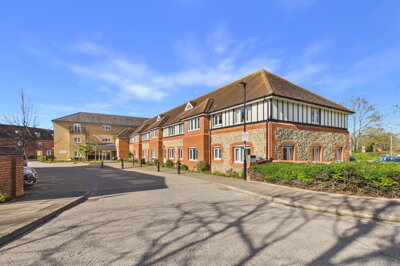
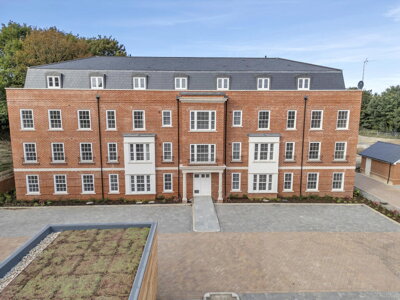
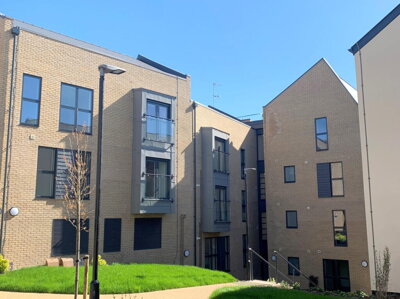
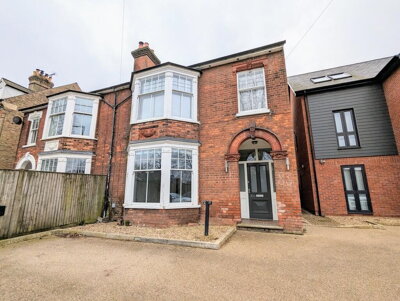
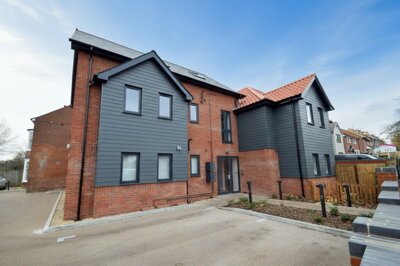
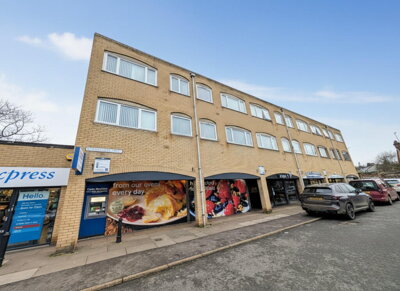
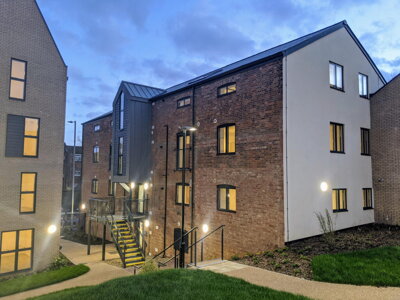
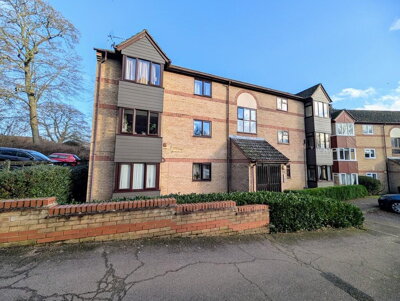
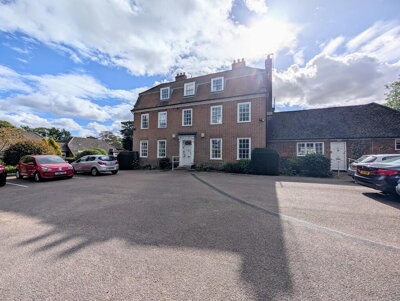
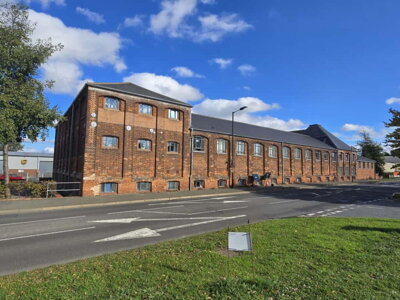
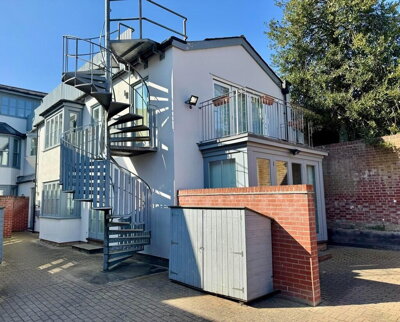
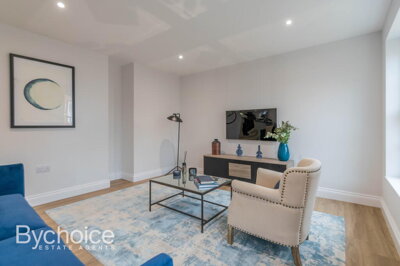
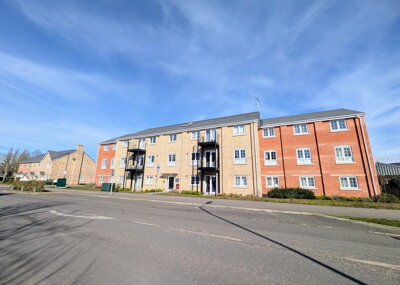
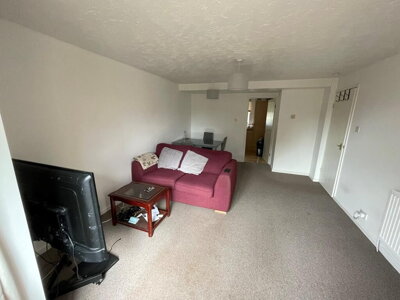
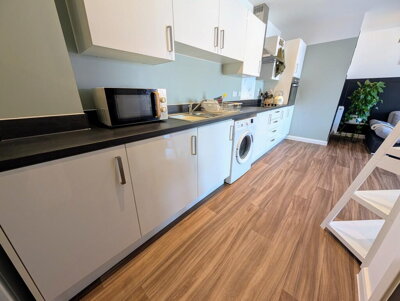
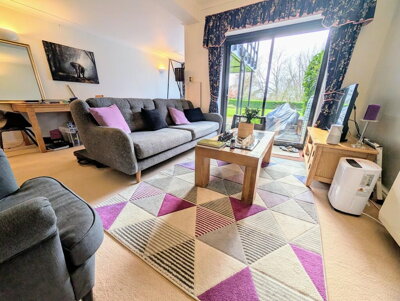
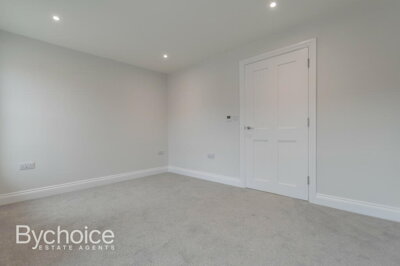
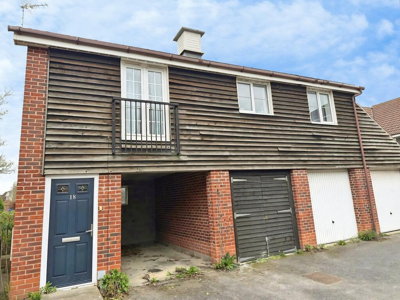
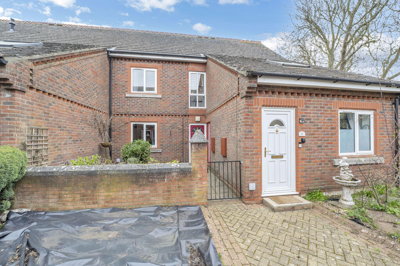
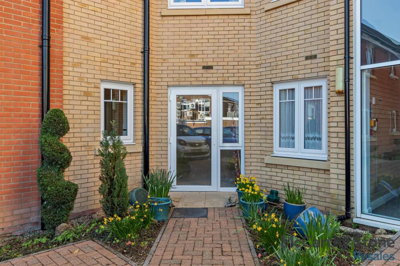
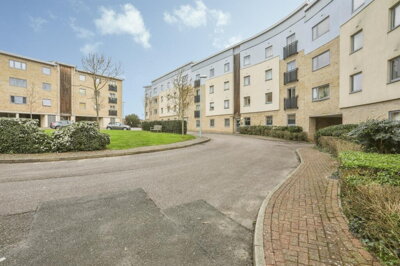
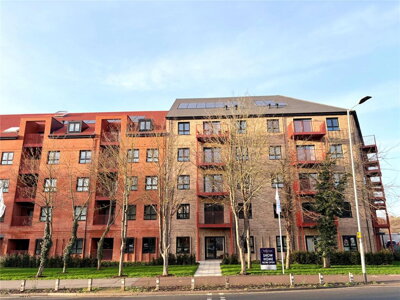
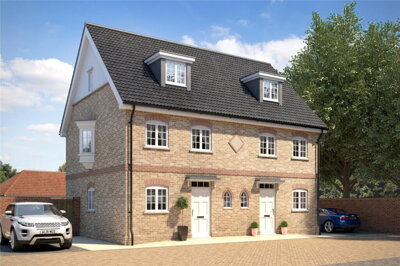
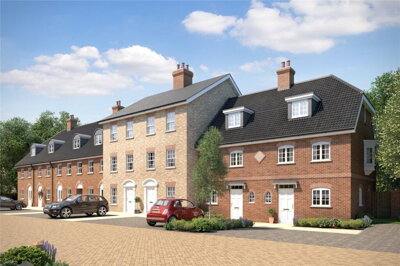
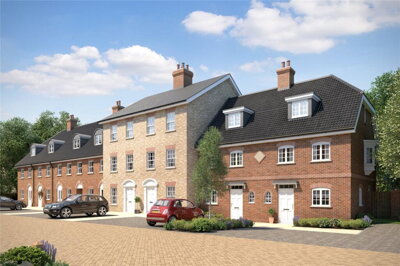
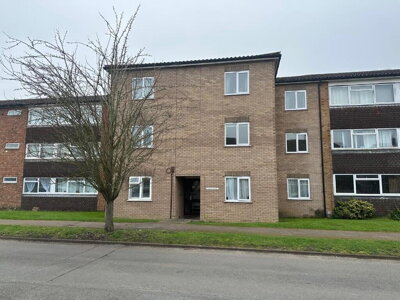
Browse 162 homes for sale in Bury St Edmunds from local estate agents.
Studio apartments feature open-plan living spaces without separate bedrooms, incorporating sleeping, living, kitchen, and bathroom facilities. The Bury St Edmunds studio market includes properties in modern apartment complexes, converted Victorian and Georgian buildings, and purpose-built developments.
The Bury St Edmunds property market demonstrates resilience and steady performance, with 508 residential sales recorded in the past year. Our data shows an overall average house price of £327,476, with the market experiencing a modest 0.25% increase over the last twelve months. Rightmove records indicate that sold prices have settled 2% below the previous year and 7% down from the 2023 peak of £351,014, suggesting a cooling period following recent growth. Despite this correction, the market remains active with second-hand houses accounting for 82% of all transactions, totalling 408 sales across the town. Postcodes IP33 1 and IP33 2 show slightly different performance, with house prices in IP33 2 growing 1.3% in the last year while IP33 1 fell by 0.2%, reflecting the varied appeal of different neighbourhoods within the town.
Property types in Bury St Edmunds cater to diverse budgets and preferences. Detached homes command the highest prices at an average of £467,699, making them ideal for families seeking generous space and gardens. Semi-detached properties average £329,583, representing strong value for buyers looking for three-bedroom family accommodation in a desirable town setting. Terraced homes, the most commonly transacted style, average £300,689 and offer excellent entry points to the Bury St Edmunds market. Flats remain the most affordable option at £215,727 average, appealing to first-time buyers and investors alike. The variety of property types across different price points ensures that the market accommodates everyone from first-time purchasers to those seeking premium family homes.
New build opportunities exist through developers such as Hopkins Homes, who offer two, three, and five-bedroom houses alongside coach houses priced from £280,000 to £785,000. Tennens Properties Ltd also provides a collection of two, three, four, and five-bedroom energy efficient homes on the edge of Bury St Edmunds, close to Nowton Park with two hectares of open space. Additional new developments on the town's periphery provide further choice for buyers prioritising modern construction and energy efficiency. With transaction volumes currently equivalent to 69% of the long-term average activity level, the market presents opportunities for buyers who act decisively in a competitive environment where desirable properties still attract multiple interest.
Bury St Edmunds rewards residents with an exceptional quality of life shaped by its rich heritage and contemporary amenities. The town centre, designated as a conservation area, preserves the medieval street pattern and architectural character that makes browsing the independent shops along Honey Hill and The Traverse such a pleasure. The Abbey Gardens provide 14 acres of beautifully maintained parkland surrounding the ruins of the Benedictine abbey where Saint Edmund was once buried, offering residents a stunning natural retreat in the heart of the town. This blend of historic atmosphere and green space defines daily life in Bury St Edmunds.
The local economy benefits from diverse employers that ensure stable employment and sustained housing demand. Greene King, one of Britain's oldest and largest brewers, maintains its headquarters in the town and provides significant employment alongside related hospitality sectors. The West Suffolk Hospital serves as a major healthcare employer and ensures residents have access to quality medical services without travelling to larger cities. The proximity to RAF Honington and RAF Lakenheath, home to United States Air Force units, creates additional employment opportunities and contributes to demand for rental properties in surrounding areas. These diverse employment sources help buffer the local economy from sector-specific downturns.
Residents enjoy access to excellent leisure facilities including the Apex cinema and theatre, the medieval Moyse's Hall Museum, and regular markets in the Cornhill. Weekend farmers markets showcase local produce, while the annual Bury St Edmunds Running Festival and literary festivals demonstrate the vibrant community spirit that makes living in this historic market town so appealing to families and professionals alike. The town's location in the heart of Suffolk places residents within easy reach of the Constable walking country around Dedham and Flatford, the vineyards of the Suffolk countryside, and the beautiful coastal villages of Aldeburgh and Southwold. This combination of local amenities and accessibility to the wider region makes Bury St Edmunds an ideal base for those who appreciate both town conveniences and countryside escapes.

Families considering Bury St Edmunds will find an impressive range of educational options from early years through to further education. The town hosts several primary schools that consistently achieve above-average results in national assessments, with St Edmund's Catholic Primary School and Sexton's Manor Primary School particularly noted for their supportive environments and strong academic foundations. The Westgate Community Primary School serves families in the northern residential areas with modern facilities and an engaging curriculum. Primary school catchment areas are determined by West Suffolk Council, and parents should verify specific catchment zones before committing to a property purchase. Early years provision includes numerous private and maintained nurseries throughout the town, providing flexible childcare options for working families.
Secondary education in Bury St Edmunds is served by several well-regarded institutions including King Edward VI School, a long-established grammar school offering excellent A-level provision and consistently strong examination results. St Benedict's Catholic School provides faith-based education with strong academic performance and extensive extracurricular programmes. The county-focused Stour Valley Community School offers smaller class sizes and individualised attention in a supportive setting. For sixth-form education, these schools provide comprehensive A-level programmes alongside vocational qualifications, meaning students rarely need to travel outside the town for post-16 study. The variety of secondary options ensures families can select schools that align with their children's learning styles and aspirations.
Higher education opportunities are accessible through the University of Suffolk's Bury St Edmunds campus, offering undergraduate and postgraduate programmes in subjects including business, health, and digital technologies. Further education facilities include the West Suffolk College, providing vocational courses and apprenticeships that serve local employers and support career development in sectors from construction to healthcare. The concentration of quality educational institutions makes Bury St Edmunds particularly attractive to families with children, ensuring consistent demand for homes in catchments of the most sought-after schools. Properties within good school catchments typically command premiums and retain their value well due to sustained demand from families prioritising educational access.
Bury St Edmunds offers practical transport connections that balance peaceful town living with accessibility to major employment centres. The town's railway station provides regular services to London Liverpool Street, with journey times of approximately 1 hour 40 minutes making day commuting feasible for those working in the capital. Direct trains also serve Cambridge, Ipswich, and Norwich, opening employment opportunities across the region without requiring a car. For drivers, the A14 trunk road passes close to the town, providing dual carriageway access to Cambridge to the northwest and Ipswich with its port and ferry connections to the southeast. The planned upgrade to the West Anglia Main Line will eventually enable faster services from Liverpool Street, further improving connectivity for commuters.
Local bus services operated by First Group and other providers connect residential areas with the town centre, supermarkets, and surrounding villages. The number 16 and 756 services provide regular connections for those without cars, though private vehicles remain advantageous for accessing out-of-town employment sites and rural amenities. The town centre offers several public car parks including the Ram Meadow and Mustow Street facilities, though residential parking in the historic centre can be limited for those in terraced properties. Cycle lanes along major routes and the nearby Sustrans Route 13 encourage cycling for shorter journeys, providing an environmentally friendly alternative for local travel.
For air travel, London Stansted Airport is approximately 50 minutes by car, offering domestic and European flights alongside long-haul connections. Norwich Airport provides additional regional flight options including connections to Amsterdam Schiphol for international travel beyond Europe. These transport advantages make Bury St Edmunds practical for professionals who need regional and national connectivity while enjoying the benefits of living in a historic market town. The combination of rail, road, and air connections ensures residents can access global destinations and major UK cities without the inconvenience of living in a larger, more congested urban area.

Start by exploring Bury St Edmunds neighbourhoods to find areas matching your lifestyle needs. Consider proximity to schools if you have children, commute times if you work in London or Cambridge, and access to the town centre and green spaces. Get mortgage agreement in principle from a lender to understand your true budget before viewing properties. The IP33 1 and IP33 2 postcode areas show slightly different price trends, so researching specific neighbourhoods can help identify areas offering better value.
Use Homemove to browse all available properties in Bury St Edmunds from every local estate agent. Shortlist homes matching your criteria and arrange viewings through the listed agents. View several properties before making decisions to understand value differences between streets and property conditions. Pay particular attention to property age when viewing, as Victorian and Edwardian homes in conservation areas may have different maintenance requirements than post-war properties or new builds.
When you find your ideal home, submit an offer through the estate agent with proof of your mortgage agreement in principle. In Bury St Edmunds competitive market, sellers may receive multiple offers, so be prepared to negotiate on price and terms while remaining within your budget limits. For properties in the town centre or near the Abbey Gardens, be aware that premium locations can command significantly higher prices. First-time buyers should factor in SDLT relief where applicable when calculating their offer ceiling.
Appoint a conveyancing solicitor to handle legal work from your Homemove panel of experts. Book a RICS Level 2 Survey if buying an older property, particularly for Victorian or Edwardian homes where defects like damp, roof condition, and outdated electrics are more common. The survey provides negotiating leverage if issues are identified, and for listed buildings, may reveal specialist requirements for any future works. Properties built before 1970 are more likely to have solid wall construction or original damp-proof courses that require attention.
Your solicitor will conduct searches including local authority checks, drainage and water searches, and environmental assessments for flood risk from the River Lark. Properties near the River Lark require particular attention to flood risk, and your solicitor should obtain specialist drainage reports for low-lying areas. Once all searches are satisfactory and your mortgage offer is confirmed, you will exchange contracts and pay your deposit. Completion typically follows within 2-4 weeks, when you receive keys and become the legal owner.
Property buyers in Bury St Edmunds should pay particular attention to flood risk given the town's location on the River Lark. While major flooding is uncommon, properties in low-lying areas near the river require careful consideration. Surface water flooding can also occur during heavy rainfall in urban areas with older drainage systems. Your solicitor should conduct thorough drainage and environmental searches to identify any flood risk before you commit to a purchase. Insurance costs may be higher for properties with significant flood history, so obtaining quotes before completion is advisable. Postcodes near the river in areas like Westgate and the town centre should be researched carefully.
The significant number of listed buildings and conservation areas in Bury St Edmunds requires careful attention during the buying process. Properties with listed status may be Grade II, Grade II*, or Grade I designated, each imposing varying restrictions on alterations, extensions, and even internal redecoration. Planning permission from West Suffolk Council may be required for works that would otherwise be permitted development. Buyers should verify the listed status of any period property and understand these obligations before purchase, as restrictions can affect future renovation plans and resale value. For listed buildings, a RICS Level 3 Survey may be more appropriate than a standard Level 2 Survey to fully assess the unique construction and materials.
Older properties in Bury St Edmunds, particularly Victorian and Edwardian terraces and semis built before 1919, commonly exhibit defects that surveys will identify. These include rising damp where the original damp-proof course has failed, roof deterioration on heritage slate or tile coverings, and electrical systems that do not meet current regulations. Many older homes have solid walls rather than cavity wall construction, which may have higher heating costs and require specialist insulation approaches. The local geology includes clay soils, which can cause shrink-swell movement affecting foundations, particularly during prolonged dry or wet periods. Properties built with traditional timber-framed construction may also show signs of woodworm or rot in structural elements, especially where damp-proofing has deteriorated.
For leasehold flats, scrutinise the remaining lease term, annual service charges, and any planned major works that could result in special assessment contributions. Bury St Edmunds town centre has numerous period conversion flats where understanding the lease terms is essential for protecting your investment. Check whether the freehold is held by a residents' management company or an external landlord, as this affects service charge transparency and future management responsibilities. Request details of recent maintenance expenditure and any planned external works before committing to a purchase.
The average house price in Bury St Edmunds is £327,476 according to recent market data, though HM Land Registry figures put the mean slightly lower at £313,687. Detached properties average £467,699, semi-detached homes £329,583, terraced houses £300,689, and flats £215,727. The market has shown modest growth of approximately 0.25% over the past year, with sold prices currently around 7% below the 2023 peak of £351,014. Prices vary considerably by neighbourhood, with properties near the Abbey Gardens and in sought-after streets commanding premiums. The IP33 2 postcode area has shown stronger growth at 1.3% compared to IP33 1 which fell slightly by 0.2%.
Properties in Bury St Edmunds fall under West Suffolk Council's jurisdiction. Council tax bands range from A to H based on property valuation, with the majority of residential properties falling in bands A through D. Band A properties pay approximately £1,400 annually while band D properties pay around £2,000. New developments and larger period homes often occupy higher bands. Prospective buyers can verify the specific council tax band of any property through the West Suffolk Council website using the property address.
Bury St Edmunds offers excellent educational options at all levels. Primary schools including St Edmund's Catholic Primary and Sexton's Manor Primary achieve strong results, while King Edward VI School serves as the main grammar school with outstanding A-level outcomes. St Benedict's Catholic School provides an alternative secondary option with strong academic reputation. The Westgate Community Primary School and other primaries serve northern residential areas. Early years provision includes numerous private and maintained nurseries throughout the town. Higher education is available locally through the University of Suffolk Bury St Edmunds campus and West Suffolk College for vocational qualifications.
Bury St Edmunds railway station offers regular services to London Liverpool Street with journey times around 1 hour 40 minutes, plus direct connections to Cambridge, Ipswich, and Norwich. The A14 trunk road provides dual carriageway access to Cambridge and Felixstowe ports. Local bus services connect residential areas with the town centre and surrounding villages, though car ownership remains advantageous for accessing rural amenities. Stansted Airport is approximately 50 minutes by car for air travel. The planned West Anglia Main Line upgrade will eventually enable faster rail services to London.
Bury St Edmunds offers strong fundamentals for property investment. The diverse local economy including Greene King, West Suffolk Hospital, and proximity to RAF Honington and RAF Lakenheath provides stable employment that sustains housing demand. Rental yields are supported by demand from professionals, healthcare workers, and military personnel seeking quality accommodation. The town's desirability as a place to live ensures consistent demand from buyers, while new build activity remains limited enough not to oversupply the market. Period properties in conservation areas tend to hold their value well given the restricted supply of such homes. With 508 sales in the past year, transaction volumes show continued market activity despite broader economic uncertainties.
Standard SDLT rates apply for purchases in Bury St Edmunds as it falls outside London and most Special Provisions areas. No stamp duty is payable on properties up to £250,000, with 5% charged on the portion between £250,001 and £925,000. First-time buyers benefit from relief on the first £425,000 of their purchase, paying 5% only on the amount between £425,001 and £625,000. For a typical Bury St Edmunds property at £327,476, a first-time buyer would pay approximately £4,899 in SDLT while a subsequent buyer would pay £6,374.
Period properties in Bury St Edmunds, particularly those built before 1919, commonly face issues with damp where original damp-proof courses have failed. Roof conditions on heritage slate or tile coverings often require attention, and electrical systems in older homes frequently do not meet current regulations. The presence of clay soils in the area can lead to shrink-swell movement affecting foundations. Properties in conservation areas may have restrictions on alterations, while listed buildings require planning consent for many works. A thorough survey before purchase is essential for any Victorian or Edwardian property to identify these issues and provide negotiating leverage.
Several new build developments are available in and around Bury St Edmunds. Hopkins Homes offers two, three, and five-bedroom houses plus coach houses ranging from £280,000 to £785,000. Tennens Properties Ltd provides energy efficient homes with two to five bedrooms near Nowton Park. New properties typically offer lower maintenance requirements, improved energy efficiency, and the benefit of modern construction methods. Buyers prioritising move-in condition and reduced immediate maintenance costs often find new builds attractive, though they typically command premiums over equivalent older properties.
From 4.5% APRC
Compare mortgage deals from leading lenders
From £499
Expert solicitors to handle your property legal work
From £350
Detailed condition report for any property type
From £80
Energy performance certificate for your property
Understanding the full costs of buying property in Bury St Edmunds helps you budget accurately and avoid delays during your purchase. The primary additional cost is Stamp Duty Land Tax, which for a typical property at the current average price of £327,476 means a subsequent buyer pays £6,374. First-time buyers benefit from relief that reduces this to approximately £4,899, provided the property is priced at or below £625,000. Properties above £1.5 million attract the highest rate of 12% on the portion above that threshold, making Bury St Edmunds's relatively affordable market particularly attractive compared to London and the Southeast.
Beyond stamp duty, budget for solicitor fees which typically range from £500 to £1,500 depending on the complexity of your transaction and whether the property is freehold or leasehold. Search fees conducted by your solicitor include local authority searches, drainage and water searches, and environmental reports, usually totalling £250 to £400. For properties near the River Lark, additional flood risk reports may be advisable. A mortgage arrangement fee of around £1,000 to £2,000 may apply depending on your lender, though many deals are available with lower or no arrangement fees. Survey costs for a RICS Level 2 Survey on a typical Bury St Edmunds property start from £350, though larger or more complex properties may cost more.
Moving costs including removal vans, packing services, and potential temporary storage should also be factored into your budget. Buildings insurance must be in place from the day of completion, while contents insurance is advisable from the point you move belongings into the property. For leasehold properties, you will typically pay a transfer fee to the freeholder and potentially legal fees for assigning the lease. Setting aside a contingency fund of around 5% of your purchase price above your mortgage and deposit ensures you can handle any unexpected costs without stress during what should be an exciting life transition. Our Homemove platform connects you with recommended conveyancing solicitors and surveyors who understand the Bury St Edmunds market.
Properties for Sale In London

Properties for Sale In Plymouth

Properties for Sale In Liverpool

Properties for Sale In Glasgow

Properties for Sale In Sheffield

Properties for Sale In Edinburgh

Properties for Sale In Coventry

Properties for Sale In Bradford

Properties for Sale In Manchester

Properties for Sale In Birmingham

Properties for Sale In Bristol

Properties for Sale In Oxford

Properties for Sale In Leicester

Properties for Sale In Newcastle

Properties for Sale In Leeds

Properties for Sale In Southampton

Properties for Sale In Cardiff

Properties for Sale In Nottingham

Properties for Sale In Norwich

Properties for Sale In Brighton

Properties for Sale In Derby

Properties for Sale In Portsmouth

Properties for Sale In Northampton

Properties for Sale In Milton Keynes

Properties for Sale In Bournemouth

Properties for Sale In Bolton

Properties for Sale In Swansea

Properties for Sale In Swindon

Properties for Sale In Peterborough

Properties for Sale In Wolverhampton

Enter your details to see if this property is within your budget.
Loans, cards, car finance
Estimated property budget
Borrowing + deposit
You could borrow between
Typical borrowing
Monthly repayment
Est. at 4.5%
Loan-to-value
This is an estimate only. Your actual budget may vary depending on interest rates, credit history, and personal circumstances. For an accurate affordability assessment, speak to one of our free mortgage advisors.
This calculator provides estimates for illustrative purposes only and does not constitute financial advice. Your home may be repossessed if you do not keep up repayments on your mortgage. Estimates based on 4.5% interest rate, repayment mortgage. Actual rates depend on your circumstances.
Homemove is a trading name of HM Haus Group Ltd (Company No. 13873779, registered in England & Wales). Homemove Mortgages Ltd (Company No. 15947693) is an Appointed Representative of TMG Direct Limited, trading as TMG Mortgage Network, which is authorised and regulated by the Financial Conduct Authority (FRN 786245). Homemove Mortgages Ltd is entered on the FCA Register as an Appointed Representative (FRN 1022429). You can check registrations at NewRegister or by calling 0800 111 6768.

We use cookies to show you personalised content and improve your experience of our website. Find out more in our Privacy policy and Cookie policy.