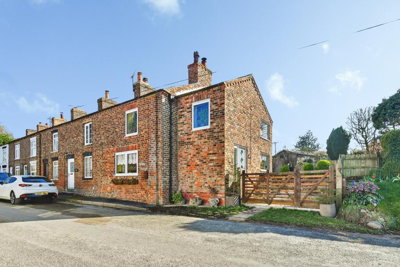
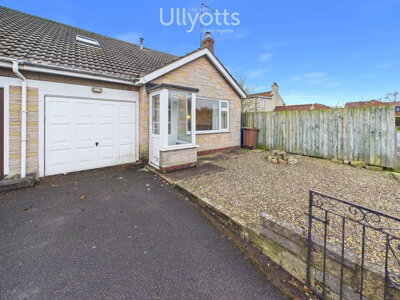
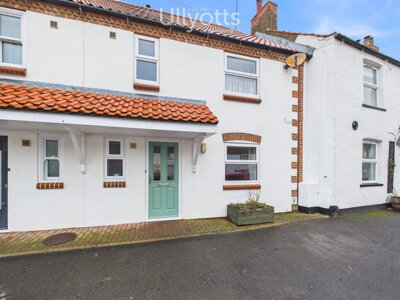
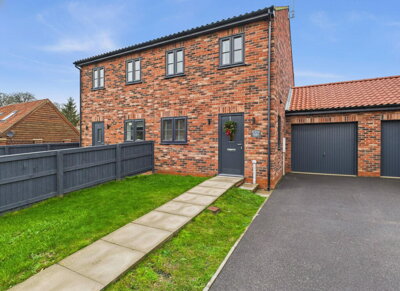
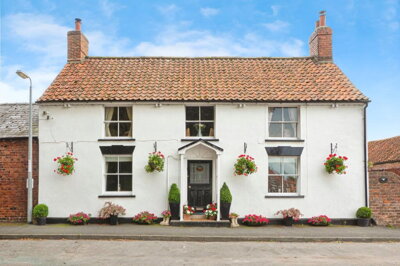
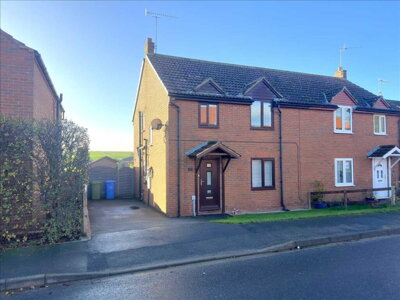
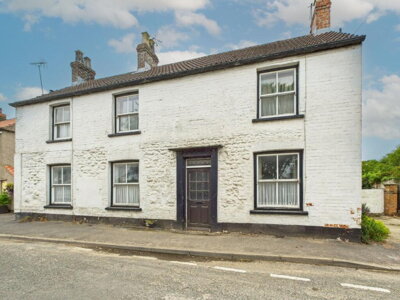
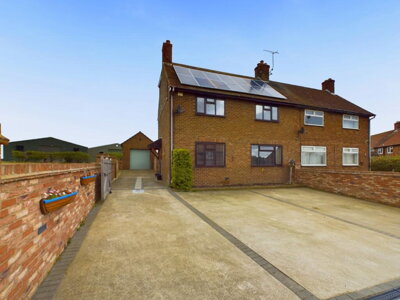
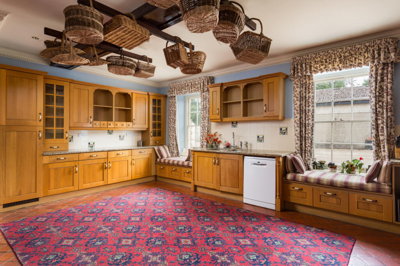
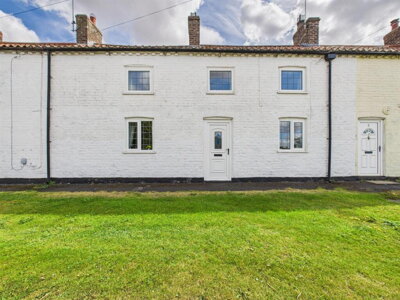
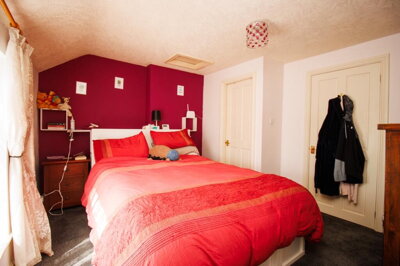
Browse 18 homes for sale in Burton Fleming from local estate agents.
£232,000
Average Property Price
+13%
12-Month Price Change
29%
Below 2023 Peak
£206,500
Semi-Detached Average
£270,250
Detached Average
The Burton Fleming property market has demonstrated notable resilience and growth potential over the past twelve months, with overall house prices increasing by 13% year-on-year. Despite this recent upward trajectory, current prices remain 29% below the 2023 peak of £325,000, presenting buyers with an opportunity to enter the market at a more accessible price point than the previous high. Our data shows the overall average property price in Burton Fleming sits at £232,000, while Zoopla records an average sold price of £209,000 for properties transacted in the last twelve months, indicating solid value in this desirable village location.
Property types available in Burton Fleming cater to a variety of buyer requirements and budgets. Semi-detached properties represent a significant portion of the local housing stock, with an average price of £206,500 making them an attractive option for first-time buyers and families seeking good value without compromising on space. Detached homes command a premium, with average prices around £270,250, reflecting the additional bedrooms, larger gardens, and parking provision that this property type offers. Terraced properties, though less common in the village, occasionally appear on the market, with recent sales data showing properties such as 2 School Lane in nearby Driffield achieving prices around £202,000.
New build activity within Burton Fleming itself has been limited, with no active developments specifically within the village boundaries. However, the surrounding YO25 postcode area offers opportunities for buyers interested in newer construction, with nearby villages such as Rudston and Thwing occasionally featuring new build properties. Properties in Burton Fleming typically feature UPVC double glazing throughout and oil-fired or LPG central heating systems, reflecting the rural nature of the village where mains gas may not be available. These modernisations ensure comfortable living conditions while maintaining the character of traditional village homes.
Burton Fleming embodies the essence of traditional Yorkshire village life, sitting comfortably within the designated Yorkshire Wolds, an Area of Outstanding Natural Beauty that draws visitors from across the region for its breathtaking scenery and excellent walking opportunities. The village forms part of the East Riding of Yorkshire local authority area, providing residents with access to comprehensive local services while maintaining the intimate scale and friendly atmosphere of a small rural community. The surrounding landscape features the characteristic rolling chalk hills of the Wolds, with farmland, hedgerows, and scattered woodland creating a quintessentially English countryside setting that changes beautifully with each season.
The local economy of Burton Fleming and the surrounding villages is traditionally rooted in agriculture, with farming remaining an important industry in the wider area. This agricultural heritage is evident in the village's architecture, which features traditional farmhouses, period cottages, and converted agricultural buildings alongside more modern residential properties. Residents benefit from the practical support networks that strong rural communities provide, including local pubs, village shops, and community facilities that serve the surrounding area. The village attracts a mix of permanent residents, including families, retired couples, and professionals who appreciate the quality of life that village living offers while commuting to larger employment centres.
The broader area around Burton Fleming offers excellent access to recreational facilities and natural attractions. The Yorkshire Wolds provide endless opportunities for outdoor pursuits, including walking, cycling, and horse riding along the network of public footpaths and bridleways that crisscross the landscape. The coastline of Bridlington and Filey is within easy driving distance, offering sandy beaches, coastal walks, and traditional seaside amenities during the summer months. The nearby town of Driffield provides additional shopping, dining, and leisure facilities, ensuring that residents have access to comprehensive services without needing to travel to major cities.

The housing stock in Burton Fleming reflects the village's long history, with properties spanning several eras of construction from period farmhouses to modern family homes. Traditional properties in the village often feature solid wall construction rather than modern cavity wall insulation, which affects thermal performance and heating costs. These older properties frequently require more attention to insulation and energy efficiency improvements, though their solid construction provides excellent thermal mass that helps regulate indoor temperatures throughout the year. Many properties in the village have been sympathetically modernised over the years, with the addition of UPVC double glazing and updated heating systems that improve comfort without compromising the character of original features.
The village features a variety of property styles that appeal to different buyer preferences and budgets. Detached properties, which command the highest prices averaging around £270,250, typically offer generous gardens, off-street parking, and versatile accommodation that suits growing families or those requiring home office space. Semi-detached homes form the backbone of the local market and represent excellent value at an average of £206,500, offering practical family accommodation with manageable gardens. Smaller buyers and those seeking their first step onto the property ladder often find the terraced properties and cottages in and around the village an attractive entry point, with prices typically ranging from £150,000 to £220,000 depending on condition and location within the village.
Most properties in Burton Fleming rely on oil-fired or LPG central heating systems, a characteristic of many rural East Riding villages where mains gas is not available. Prospective buyers should factor in the cost of oil or LPG deliveries when calculating running costs, particularly given recent energy price volatility. Storage tank capacity, age of the heating system, and the condition of any LPG pipework should form part of any property assessment. Our team recommends commissioning a thorough survey before proceeding with any purchase in the village, as the age of much of the housing stock means that defects may not be immediately apparent during a standard viewing.
Understanding the construction methods typical of Burton Fleming properties helps buyers appreciate the characteristics and potential maintenance requirements of homes in this East Riding village. Traditional properties in the village typically feature solid brick or stone walls, often with render or pebble-dash finishes that were common in West Yorkshire and East Riding construction during the mid-twentieth century. These solid wall constructions lack the cavity insulation of modern properties, resulting in different thermal performance characteristics that buyers should factor into their assessment of heating costs and comfort levels.
The underlying geology of the Yorkshire Wolds, where Burton Fleming is situated, consists primarily of chalk bedrock that generally provides good ground stability for foundations. This chalk geology influences drainage characteristics in the area, with soakaways often required for surface water management given the free-draining nature of chalk soils. Properties on larger plots or those near watercourses should be assessed on a case-by-case basis, though the risk of significant ground movement is typically lower in chalk areas compared to clay-rich soils. Our inspectors check foundation depths and any signs of ground disturbance when surveying properties in the village.
Roof construction in Burton Fleming typically follows traditional patterns, with pitched roofs featuring either tile or slate coverings. Many older properties retain original clay tiles or Welsh slate, which can be attractive features but may require periodic maintenance or replacement as they age. The condition of roof coverings, including ridge tiles, pointing, and felt underlay, should be assessed carefully during any property survey. Properties that have been converted from agricultural use or feature unusual roof configurations may require specialist assessment to ensure structural integrity and weatherproofing meet current standards.
Families considering a move to Burton Fleming will find a range of educational options available within the local area, with primary schooling accessible in nearby villages and towns. The village falls within the catchment area for several well-regarded primary schools in the surrounding area, many of which serve multiple villages across the rural Wolds landscape. Primary schools in the East Riding of Yorkshire generally maintain good standards, with Ofsted ratings available for parents to research specific institutions in their intended catchment area. The small class sizes typical of village schools provide children with excellent individual attention and strong community connections that many families find invaluable during their formative educational years.
Secondary education options include schools in nearby market towns such as Driffield, which offers comprehensive secondary schooling with strong academic and extracurricular programmes. The East Riding of Yorkshire maintains a selective education system, with grammar schools available in towns including Beverley and Hull for academically able students who pass the entrance examination. Parents should research specific school catchment areas and admission policies, as these can vary and may influence property values in particular streets or neighbourhoods. For families prioritising educational provision, viewing properties within preferred school catchments is advisable, as demand for homes near good schools remains consistently strong in the region.
Sixth form and further education provision is available at schools and colleges in larger nearby towns, with Driffield, Beverley, and Hull offering comprehensive options for students continuing their education beyond GCSE level. The proximity of Hull College and the University of Hull provides opportunities for older students pursuing higher education, with transport links making daily commuting feasible from Burton Fleming for students without vehicles. Transport arrangements for secondary school students typically involve school bus services connecting rural villages to nearby secondary schools, though parents should confirm specific arrangements with the local education authority before purchasing property in the area.

Transport connectivity from Burton Fleming centres on road networks that link the village to the surrounding market towns and major cities, with the A165 and A166 providing key routes into the area. The village sits approximately 8 miles from the market town of Driffield, which serves as the primary service centre for the surrounding villages and offers supermarkets, independent shops, and professional services. The coastal town of Bridlington is approximately 12 miles away, providing additional shopping, dining, and leisure facilities along with the traditional seaside attractions that draw visitors throughout the year. Hull, the nearest major city, lies approximately 30 miles from Burton Fleming and is accessible via the A165 and A164 roads.
The A164 has benefited from recent improvements that have enhanced connections between the East Riding and Hull, including better access to the Humber Bridge for those travelling further afield. These infrastructure upgrades have made commuting from Burton Fleming to Hull more manageable, though most residents still rely on private vehicles for daily travel. The journey to Hull city centre typically takes around 45 minutes to an hour depending on traffic conditions, while Leeds and York remain accessible at approximately 90 minutes to two hours by car. Cycling is popular among residents who work locally, with the rolling terrain of the Wolds providing manageable routes to nearby villages and towns for those comfortable with rural road cycling.
Public transport options serving Burton Fleming include bus services that connect the village to surrounding towns, though frequencies are limited compared to urban routes, reflecting the rural nature of the area. The nearest railway stations are located in Bridlington and Hull, offering connections to the wider rail network including services to York, Leeds, and London. Hull Paragon station provides direct trains to London Kings Cross with journey times of approximately 2.5 hours, making the capital accessible for business travel or weekend visits. Residents commuting to Hull or other major employment centres typically rely on private vehicles, with adequate parking provision at most properties in the village accommodating this requirement.
Before committing to a purchase in Burton Fleming, spend time exploring the village at different times of day and week to understand the local atmosphere, noise levels, and community dynamics. Visit nearby Driffield to assess practical amenities and consider your commuting requirements carefully, as the rural location means reliance on a car for most daily activities.
Contact lenders or use Homemove's mortgage comparison service to obtain an agreement in principle before beginning property viewings. This demonstrates your serious intent to sellers and estate agents, particularly important in a village market where properties may attract multiple interested parties. Current mortgage rates should be compared across providers to secure the most favourable deal for your circumstances.
Arrange viewings of properties matching your requirements, paying particular attention to the condition of older properties which make up a significant portion of the local housing stock. Once you have identified your preferred property, commission a RICS Level 2 Survey to assess the condition of the building thoroughly and identify any defects that may require attention or price negotiation before proceeding.
Choose a conveyancing solicitor from Homemove's panel of experienced providers to handle the legal aspects of your purchase. Your solicitor will conduct searches with the local authority, handle land registry documentation, and manage the transfer of funds through to completion. Having a local or regional solicitor familiar with East Riding of Yorkshire properties can smooth the transaction process considerably.
Once all searches are satisfactory and financing is confirmed, your solicitor will arrange for contracts to be signed and deposit funds transferred. On completion day, the remaining funds are transferred and you receive the keys to your new Burton Fleming home. At this point, you become the legal owner and can begin moving into your new village property.
Properties in Burton Fleming typically feature traditional construction methods that buyers should understand before proceeding with a purchase. The rural East Riding location suggests many homes will have solid wall construction rather than modern cavity wall insulation, which affects thermal performance and heating costs. Most properties in the village use oil-fired or LPG central heating systems, so prospective buyers should factor in the cost of oil or LPG deliveries when calculating running costs, particularly given recent energy price volatility. The age of the heating system and the condition of storage tanks should form part of any property survey assessment.
The Yorkshire Wolds geology, characterised by chalk bedrock, generally provides good ground stability, though specific geological surveys may be advisable for properties on larger plots or where there is any indication of ground movement. The absence of significant mining activity in the immediate area means mining-related subsidence is unlikely, unlike some other parts of Yorkshire. However, properties with large trees close to the foundations should be assessed carefully, as root systems can affect foundations over time regardless of the underlying soil type. Flood risk in Burton Fleming itself is minimal due to the village's inland location, though standard drainage and soakaway assessments should still be conducted.
When viewing properties in the village, check the condition of roofs carefully, as older properties in the area commonly feature pitched roofs with tile or slate coverings that may require periodic maintenance. Look for signs of damp, particularly in older properties that may lack modern damp-proof courses, and assess the ventilation in properties that have been modernised with new windows and insulation. Electrical and plumbing systems should be checked for age and compliance with current standards, as older rural properties may still contain original wiring or lead piping that requires updating. The conservation status of the village should be confirmed with the local planning authority, as any works to listed buildings or properties in conservation areas will be subject to specific planning requirements.
The average house price in Burton Fleming over the past year stands at £232,000 according to property market data. This figure represents an increase of 13% compared to the previous year. However, current prices remain 29% below the 2023 peak of £325,000, suggesting that buyers today can access the market at a more favourable entry point. Semi-detached properties average around £206,500, while detached homes command higher prices averaging approximately £270,250. Individual property prices will vary based on condition, size, location within the village, and specific features.
Properties in Burton Fleming fall under East Riding of Yorkshire Council administration, with properties typically assigned council tax bands A through E depending on their value and characteristics. The specific band for any property can be confirmed through the East Riding of Yorkshire Council website or your conveyancing solicitor during the purchase process. Rural village properties in the Yorkshire Wolds generally span the full range of bands, with smaller terraced properties and bungalows typically occupying lower bands while larger detached family homes occupy higher bands.
Primary education in the Burton Fleming area is served by village schools in surrounding communities, with specific options depending on your catchment area. Secondary schools in nearby Driffield offer comprehensive education, with the town also providing access to grammar school options for academically able students through the selective admissions process. The East Riding of Yorkshire has several primary and secondary schools rated Good or Outstanding by Ofsted, and parents should research specific catchment areas and admission policies when considering properties, as school places are allocated based on proximity in many cases.
Public transport options from Burton Fleming are limited compared to urban areas, reflecting its status as a rural village. Bus services connect the village to surrounding towns including Driffield and Bridlington, though service frequencies are lower than those found in urban areas. The nearest railway stations are in Bridlington and Hull, with Hull Paragon offering direct services to London Kings Cross with journey times of approximately 2.5 hours. Most residents rely on private vehicles for daily commuting and activities, so prospective buyers should ensure they have access to suitable transport before committing to a purchase in the village.
Burton Fleming offers several factors that may appeal to property investors, including its location within the Yorkshire Wolds Area of Outstanding Natural Beauty and proximity to the coast. The village benefits from steady demand driven by buyers seeking rural lifestyles within practical reach of larger towns and cities. Property prices have shown resilience with a 13% increase over the past year, and the gap between current prices and the 2023 peak suggests potential for future appreciation. Rental demand in the village is likely driven by those seeking temporary accommodation while house hunting in the area or rural workers requiring village-based housing.
Stamp duty land tax (SDLT) in England applies at standard rates of 0% on the first £250,000 of purchase price, 5% on the portion from £250,001 to £925,000, 10% up to £1.5 million, and 12% above that threshold. First-time buyers benefit from relief on the first £425,000, with 5% applied between £425,001 and £625,000. At the average Burton Fleming price of £232,000, a standard buyer would pay no stamp duty, while a first-time buyer would also pay nothing. Your solicitor will calculate the exact SDLT liability based on your specific circumstances and purchase price.
Understanding the full cost of purchasing property in Burton Fleming extends beyond the advertised sale price, with stamp duty land tax representing one of the most significant additional expenses. For a property at the current average price of £232,000, buyers purchasing with a mortgage or owning other property will pay no SDLT on the first £250,000 of the purchase price, resulting in a zero SDLT liability at current thresholds. First-time buyers purchasing at this price point will also pay nothing due to their increased threshold of £425,000. However, SDLT rates increase progressively above these thresholds, so purchases above £250,000 for additional property buyers will incur costs that should be factored into your budget calculations.
Beyond stamp duty, buyers should budget for survey costs which are particularly important in Burton Fleming given the age and character of many village properties. A RICS Level 2 Survey typically costs between £350 and £800 depending on the property size and value, providing a thorough assessment of the building's condition that can identify defects requiring attention or price negotiation. For older period properties or those with unusual construction, a more comprehensive RICS Level 3 Building Survey may be advisable despite the higher cost, as this provides detailed analysis of structure and materials. An Energy Performance Certificate is legally required before marketing a property, though buyers can request a copy from the seller or vendor's estate agent.
Conveyancing costs for property purchases in the East Riding of Yorkshire typically start from £499 for standard transactions, with costs increasing for leasehold properties, buy-to-let purchases, or transactions involving complications such as right to buy arrangements or shared ownership. Local search fees with East Riding of Yorkshire Council typically range from £150 to £300, covering matters such as planning history, highways, and environmental factors specific to the Burton Fleming area. Land registry fees, telegraphic transfer charges, and disbursements will add several hundred pounds to the overall legal costs. Buyers should also factor in moving costs, potential renovation or repair expenses identified during survey, and the ongoing costs of establishing a new home including council tax, utilities, and insurance premiums.
Properties for Sale In London

Properties for Sale In Plymouth

Properties for Sale In Liverpool

Properties for Sale In Glasgow

Properties for Sale In Sheffield

Properties for Sale In Edinburgh

Properties for Sale In Coventry

Properties for Sale In Bradford

Properties for Sale In Manchester

Properties for Sale In Birmingham

Properties for Sale In Bristol

Properties for Sale In Oxford

Properties for Sale In Leicester

Properties for Sale In Newcastle

Properties for Sale In Leeds

Properties for Sale In Southampton

Properties for Sale In Cardiff

Properties for Sale In Nottingham

Properties for Sale In Norwich

Properties for Sale In Brighton

Properties for Sale In Derby

Properties for Sale In Portsmouth

Properties for Sale In Northampton

Properties for Sale In Milton Keynes

Properties for Sale In Bournemouth

Properties for Sale In Bolton

Properties for Sale In Swansea

Properties for Sale In Swindon

Properties for Sale In Peterborough

Properties for Sale In Wolverhampton

Enter your details to see if this property is within your budget.
Loans, cards, car finance
Estimated property budget
Borrowing + deposit
You could borrow between
Typical borrowing
Monthly repayment
Est. at 4.5%
Loan-to-value
This is an estimate only. Your actual budget may vary depending on interest rates, credit history, and personal circumstances. For an accurate affordability assessment, speak to one of our free mortgage advisors.
This calculator provides estimates for illustrative purposes only and does not constitute financial advice. Your home may be repossessed if you do not keep up repayments on your mortgage. Estimates based on 4.5% interest rate, repayment mortgage. Actual rates depend on your circumstances.
Homemove is a trading name of HM Haus Group Ltd (Company No. 13873779, registered in England & Wales). Homemove Mortgages Ltd (Company No. 15947693) is an Appointed Representative of TMG Direct Limited, trading as TMG Mortgage Network, which is authorised and regulated by the Financial Conduct Authority (FRN 786245). Homemove Mortgages Ltd is entered on the FCA Register as an Appointed Representative (FRN 1022429). You can check registrations at NewRegister or by calling 0800 111 6768.

We use cookies to show you personalised content and improve your experience of our website. Find out more in our Privacy policy and Cookie policy.