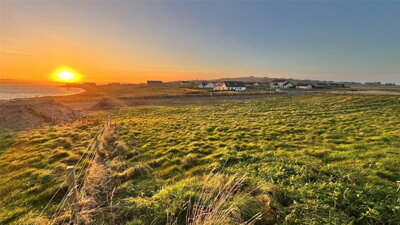
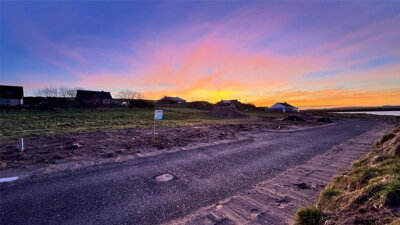
Browse 2 homes for sale in Burray, Orkney Islands from local estate agents.
The larger property sector typically features multiple bathrooms, substantial reception space, and private gardens or off-street parking. Four bedroom houses in Burray span detached, semi-detached, and occasionally terraced configurations, with styles ranging from period properties to modern executive homes.
£395k
1
0
309
Source: home.co.uk
Showing 1 results for 4 Bedroom Houses for sale in Burray, Orkney Islands. The median asking price is £395,000.
Source: home.co.uk
Detached
1 listings
Avg £395,000
Source: home.co.uk
Source: home.co.uk
The Burray property market reflects the unique dynamics of Orkney island living. As of February 2026, the average house price in Burray stands at £235,000, representing a 5% increase over the preceding twelve months. This steady growth indicates sustained interest in Orkney island properties despite their remote location. The market here operates differently from mainland Scotland, with fewer transactions but strong buyer commitment from those seeking the island lifestyle. On average, approximately 10 properties sell in Burray each year, creating a tight-knit market where buyers often need to act decisively when suitable properties become available.
Property types in Burray offer variety for different buyer requirements. Detached properties command the highest prices, averaging £250,000, reflecting the desirability of space and privacy that island living affords. Semi-detached homes typically sell for around £175,000, while terraced properties average £150,000. Flats remain scarce in Burray, with average prices around £120,000 when available. The predominance of detached and semi-detached housing reflects Orkney's traditional building patterns and the practical needs of island residents who require robust construction suited to the maritime environment.
New build activity in Burray and the wider KW17 postcode area remains limited to individual self-builds and small-scale local developments rather than large housing estates. This scarcity of new construction means the existing housing stock, much of it traditional stone-built property, continues to meet buyer demand. For those seeking modern specifications, opportunities may be found in recently completed individual builds or properties that have undergone substantial renovation. The age distribution of properties includes Victorian-era farmhouses, mid-20th century council housing, and scattered post-1980 constructions, giving buyers a range of options from character-filled traditional homes to more modern accommodation.

Life in Burray embodies the essence of island community that defines Orkney living. With a population of approximately 400 residents across an estimated 180-200 households, Burray offers an intimate community where neighbours know one another and local connections run deep. The island provides the kind of peaceful, unhurried lifestyle that increasingly appeals to buyers seeking escape from urban pressures. Community spirit remains strong here, with residents gathering for local events and supporting one another through the seasons. The annual calendar includes various community gatherings that bring residents together, fostering the strong social bonds that characterise successful island communities.
The island's economy draws from traditional sectors including agriculture and fishing, supplemented by tourism related to the Churchill Barriers and Orkney's rich Viking and prehistoric heritage. Many residents commute to Kirkwall for work, taking advantage of the road connection provided by the Churchill Barriers that transformed Burray's accessibility when completed in the 1940s. Local services on Burray include essential amenities, with more extensive shopping, healthcare, and cultural facilities available in Kirkwall just a short drive across the causeways. The practical balance between island tranquility and mainland access defines daily life for many Burray residents.
The surrounding landscape shapes daily life in Burray, with dramatic coastlines, open moorland, and the ever-present influence of the North Sea. Traditional buildings throughout the island feature local flagstone and stone construction, reflecting centuries of building expertise adapted to Orkney's challenging maritime climate. The geology of the area, dominated by Old Red Sandstone, creates the distinctive reddish tones visible in many older properties and natural rock formations along the coastline. This geological foundation also influences local building practices, with traditional construction methods refined over generations to withstand the rigours of island exposure.

Education provision in Burray serves the island's younger residents through local primary schooling, with secondary pupils typically travelling to schools in Kirkwall. The small-scale educational environment allows for individual attention and strong community involvement in school activities. Parents considering relocation to Burray can expect their children to receive quality education within a supportive rural setting, while access to Kirkwall's more extensive educational facilities remains straightforward for secondary-level students. The island's primary school serves as a focal point for family activity, with parents actively participating in school events and community life.
Orkney as a whole maintains excellent educational standards, with the local authority supporting schools across the islands to deliver the Scottish Curriculum for Excellence. Primary-aged children in Burray benefit from smaller class sizes that allow teachers to provide dedicated support for each pupil. For families requiring secondary education, daily transport links to Kirkwall's secondary schools ensure that older children can access a broader range of subjects and extracurricular activities while still enjoying island life. The transport arrangement via the Churchill Barriers means secondary pupils can travel to Kirkwall and return within a reasonable day, maintaining family connections and allowing participation in after-school activities.
Further and higher education opportunities in Orkney include Orkney College UHI, which offers various vocational and degree programmes, reducing the need for young people to leave the islands for all but the most specialised courses. This provision helps maintain community connections as younger generations can study locally while remaining part of the island community. Parents moving to Burray can therefore plan for their children's education across all stages without concern about accessing quality provision. The college also offers adult education opportunities, allowing parents and residents to pursue continuing professional development or personal interests throughout their lives.
Transport connectivity defines Burray's relationship with the rest of Orkney and the wider world. The Churchill Barriers, built during the Second World War and now functioning as road causeways, connect Burray to the Orkney mainland and specifically to Kirkwall, Orkney's administrative centre. This connection transformed island life when completed, making daily commuting to Kirkwall practical for residents who work in the town while living in the more peaceful island environment. The barriers themselves have become a landmark and tourist attraction, celebrated for both their historical significance and scenic value. The wartime history of the barriers adds depth to the island's character, with many properties offering views across these historic structures.
For travel beyond Orkney, residents connect through Kirkwall's airport and ferry terminals. Logan's Airfield provides flights to Aberdeen and Edinburgh, while the ferry port at Thurso on the Scottish mainland offers longer crossings to Orkney for those preferring sea travel. Within Orkney itself, bus services operated by Orkney Islands Council provide public transport connections, though private vehicles remain the primary mode of transport for most residents given the rural nature of the islands. The frequency of services reflects the island's small population, so prospective buyers should consider their transport requirements carefully when moving to Burray.
Local transport within Burray itself is straightforward, with the island's compact size meaning most destinations are accessible within minutes by car. Cycling proves popular given the relatively flat terrain and traffic-free roads, while walking allows residents to enjoy the stunning coastal scenery and open landscapes that characterise the island. Parking presents no issues in Burray, unlike the congestion experienced in larger towns, with properties typically offering private parking and generous outdoor space. The low-traffic environment makes Burray particularly suitable for families with children, who can explore the island with greater independence than would be possible in urban settings.
Before committing to a purchase, explore current listings and recent sales data for Burray. Understanding that the market here is smaller than mainland areas helps set realistic expectations about available stock and typical pricing. Review the differences between property types, from traditional stone cottages to more modern constructions, and consider which best suits your needs and budget. Given that only around 10 properties sell annually, patience and preparedness are essential qualities for successful island property buyers.
Visit Burray in person to experience the island lifestyle directly. Spend time exploring different neighbourhoods, visiting local amenities, and speaking with residents about what makes the community special. Consider factors like distance to Kirkwall, proximity to the coast, and access to local services when evaluating specific properties. Ask about the property's exposure to prevailing winds, its position relative to known flood risk areas, and any historical issues with the building's construction or maintenance that current owners might share.
Secure your financing before making an offer. Contact mortgage lenders or brokers to discuss your options, particularly noting that island properties may have specific considerations for lending. An agreement in principle strengthens your position when making offers in a market where properties, while less frequent, can attract multiple interested buyers. Some lenders have specific policies regarding island properties, so discussing these considerations early helps avoid delays during the transaction process.
Given Burray's prevalence of older traditional properties, a comprehensive survey is essential. The coastal environment and age of many properties mean issues like damp, timber decay, and traditional roofing require professional assessment. Budget approximately £450-750 for a Level 2 survey depending on property size and type, with more comprehensive surveys recommended for listed buildings or properties showing significant wear. The investment in a thorough survey protects against unexpected repair costs that can be substantial in traditional island properties.
Once your offer is accepted, instruct a conveyancing solicitor experienced with Scottish property transactions. The process differs from England and Wales, and local knowledge of Orkney properties can prove valuable. Complete all legal requirements, pay Land and Buildings Transaction Tax in Scotland, and arrange your move to your new Burray home. Factor in the logistics of moving to an island, including potential ferry costs for belongings and any specialist moving services required for the crossing.
Property buyers in Burray should pay particular attention to how traditional construction methods perform in Orkney's coastal environment. Many properties feature local stone walls and traditional flagstone roofing, both of which require specific maintenance approaches. When viewing properties, look for signs of penetrating damp, particularly in exposed walls facing the prevailing wind and salt spray. Timber elements, from window frames to structural members, should be checked for decay that can occur more rapidly in the maritime climate than in more sheltered locations. Properties built before the 1980s may also have electrical systems that require updating to meet current standards.
Flood risk represents a genuine consideration for Burray property buyers. The island's low-lying nature means coastal flooding can occur during storm surges and high tides, particularly affecting properties close to the shore. Surface water flooding can also affect low-lying areas after heavy rainfall. Before purchasing, investigate the property's exact position relative to known flood risk areas and consider whether appropriate flood resilience measures are in place or would need to be installed. Properties on slightly elevated ground away from the coastline generally face lower flood risk, though all island properties benefit from appropriate insurance coverage.
Listed buildings require particular attention if your purchase falls under listing designation. Burray contains several listed properties, primarily traditional farmhouses and historic structures. These require specialist surveys and any modifications must obtain Listed Building Consent before proceeding. The additional requirements and costs of maintaining listed buildings should be factored into your decision, though the unique character they offer often makes this worthwhile for the right buyer. A RICS Level 3 Building Survey is generally recommended for listed properties given the specialist knowledge required to assess traditional construction methods and materials.
Understanding the distinction between freehold and leasehold ownership matters for all buyers, though leasehold properties are uncommon in Burray. Most properties sell as freehold, giving owners full ownership of both structure and land. Confirm the tenure of any property you are considering and understand what ongoing costs, such as factor fees for any communal areas, may apply. Properties with shared access roads or common areas may involve maintenance agreements with neighbouring owners that should be documented in the title deeds.
As of February 2026, the average property price in Burray, Orkney Islands is £235,000. This figure represents a 5% increase over the previous twelve months, indicating steady growth in the island property market. Prices vary significantly by property type, with detached properties averaging £250,000, semi-detached around £175,000, terraced properties at £150,000, and flats averaging approximately £120,000. The island's relatively accessible pricing compared to mainland Scotland makes it attractive to buyers seeking value alongside the island lifestyle. With only around 10 property sales recorded annually, the market operates with limited stock but consistent demand from buyers committed to island living.
Properties in Burray fall under Orkney Islands Council's jurisdiction. Council tax bands in Orkney are set based on the Valuation Roll and typically range from Band A for lower-value properties up to Band H for the highest-value homes. Given the predominance of traditional stone properties and the modest property values in the area, many Burray homes fall into Bands A through C. Prospective buyers should check the specific banding for any property they are considering through the Scottish Assessors Association portal, as bands affect ongoing annual costs for utilities and council services.
Burray has a local primary school serving the island's younger children, offering quality education in a small, supportive environment with the advantages of smaller class sizes. Secondary education is provided in Kirkwall, accessible via the Churchill Barriers road connection, with daily transport arrangements available for students. Orkney College UHI provides further and higher education opportunities locally. Parents moving to Burray can expect their children to receive excellent educational support throughout all stages of schooling, with the small community fostering close relationships between teachers, pupils, and families.
Burray connects to Orkney's transport network through the Churchill Barriers, which provide a direct road link to Kirkwall and the rest of the Orkney mainland. Within Orkney, bus services operated by Orkney Islands Council serve the island, though private vehicles remain the primary transport mode. For travel to mainland Scotland, Kirkwall airport offers flights to Aberdeen and Edinburgh, while ferry services from Orkney provide connections to Thurso. The island is essentially car-dependent for most daily needs, making vehicle ownership important for residents.
Property investment in Burray appeals to buyers prioritising lifestyle over maximum financial returns. The island market is smaller and less liquid than mainland markets, with only around 10 property sales recorded annually. However, steady price growth of 5% annually indicates sustained demand from buyers seeking the island lifestyle. Properties in Orkney also benefit from the archipelago's popularity as a tourist destination, potentially offering opportunities for holiday lets, though prospective investors should research local planning requirements and any restrictions carefully. The limited supply of properties and consistent demand from buyers attracted to island living suggest long-term value retention for property owners.
In Scotland, stamp duty is known as Land and Buildings Transaction Tax (LBTT). For properties purchased at the current average price of £235,000, first-time buyers would pay zero LBTT up to £425,000 under first-time buyer relief. Standard rates apply 0% up to £145,000, 2% from £145,001 to £250,000, and 5% on the portion above £250,000. At £235,000, a non-first-time buyer purchasing at average price would pay approximately £1,800 in LBTT. Always verify current thresholds with your solicitor as these can change.
Traditional properties in Burray often exhibit defects related to the harsh coastal environment. Penetrating damp affects many stone-built properties, particularly those exposed to prevailing westerly winds and salt spray. Timber decay in window frames, door frames, and structural elements occurs more rapidly than in sheltered locations. Traditional flagstone and slate roofs frequently require specialist repair work, with slipped coverings and deteriorating mortar common issues. Properties built before the 1980s often have electrical systems that fail to meet current standards and may require complete rewiring. A thorough survey by a qualified RICS surveyor helps identify these issues before purchase.
Burray's low-lying topography creates genuine flood considerations for property buyers. Coastal flooding during storm surges and high tides can affect properties near the shoreline, particularly those at lower elevations. Surface water flooding also occurs in low-lying areas after periods of heavy rainfall. The underlying geology of Old Red Sandstone and glacial till generally presents low shrink-swell risk, meaning foundation movement from soil conditions is unlikely. Prospective buyers should check the Scottish Environment Protection Agency maps for specific flood risk at any property under consideration, and ensure buildings insurance covers flood damage.
Property insurance in Burray requires careful consideration given the island's exposure to coastal weather and the age of much of the housing stock. Premiums may be higher than mainland equivalents due to flood risk, storm exposure, and the presence of older traditional construction. Some insurers apply specific conditions for island properties or properties within certain distance of the coastline. Prospective buyers should obtain insurance quotes before completing purchase to understand ongoing costs. Properties with recent renovations, updated electrical systems, and flood resilience measures may qualify for more competitive premiums.
Understanding the total costs of buying property in Burray helps buyers plan their budget accurately. The primary government tax is Land and Buildings Transaction Tax (LBTT), Scotland's equivalent of stamp duty. For a property at Burray's average price of £235,000, first-time buyers benefit from relief covering properties up to £425,000, meaning zero LBTT would be payable on an average-priced home. Standard buyers would calculate LBTT at 0% on the first £145,000 and 2% on the amount between £145,001 and £235,000, totalling approximately £1,800. Your solicitor typically handles LBTT calculation and payment as part of the conveyancing process.
Additional buying costs include solicitor fees for conveyancing, which typically range from £500 to £1,500 depending on complexity and whether the property is leasehold or freehold. Survey costs should also be budgeted, with RICS Level 2 surveys in the Burray area estimated between £450 and £750 depending on property size and type. Given the prevalence of traditional properties in Burray, a thorough survey is particularly valuable to identify any issues with stone construction, traditional roofing, or the effects of the coastal environment. For listed buildings, a more comprehensive Level 3 survey is recommended, costing £1,000 or more.
Moving costs to Orkney deserve special consideration given the logistics involved. Transporting belongings to the island requires either ferry transport or specialist moving companies experienced with island relocations. Budget accordingly for these logistics, which may include ferry costs for vehicles and belongings or the premium charged by removal companies offering island-to-mainland services. Factor in potential storage costs if your move requires temporary accommodation in Orkney while finalising your purchase arrangements. Some buyers choose to sell mainland belongings and purchase replacement items in Orkney, which can offset moving costs while supporting the local economy.
Burray offers a distinctive proposition for buyers seeking to escape the pressures of urban life without completely disconnecting from modern amenities. The island's connection to Orkney's mainland via the Churchill Barriers means residents enjoy the best of both worlds: the peace and community of island living alongside practical access to Kirkwall's shops, healthcare, and employment opportunities. Properties at an average of £235,000 represent genuine value when compared to comparable lifestyle locations on the Scottish mainland or elsewhere in the UK.
The Orkney archipelago enjoys an international reputation for natural beauty, historical significance, and quality of life that translates into sustained demand for island properties. Buyers drawn to Burray often cite the dramatic coastline, abundant wildlife, dark skies for stargazing, and the genuine sense of community that characterises island life. The relatively small number of annual transactions means properties rarely remain on the market for long, and serious buyers who understand the local market dynamics find success in securing their ideal island home.
For those considering relocation rather than investment, Burray provides a lifestyle rarely available elsewhere in Scotland. The lower property prices compared to mainland equivalents, combined with the strong community bonds and natural surroundings, create conditions for a high quality of life. Families appreciate the safe environment and educational opportunities, while retirees value the peaceful pace and strong neighbourly connections. The opportunity to join an established island community while maintaining access to Orkney's broader amenities makes Burray an increasingly attractive destination for discerning buyers.
From 4.5%
Finance your Burray property purchase with competitive rates
From £499
Scottish property solicitors experienced with island transactions
From £450
Professional survey recommended for traditional island properties
From £80
Energy performance certificate for your Burray property
Properties for Sale In London

Properties for Sale In Plymouth

Properties for Sale In Liverpool

Properties for Sale In Glasgow

Properties for Sale In Sheffield

Properties for Sale In Edinburgh

Properties for Sale In Coventry

Properties for Sale In Bradford

Properties for Sale In Manchester

Properties for Sale In Birmingham

Properties for Sale In Bristol

Properties for Sale In Oxford

Properties for Sale In Leicester

Properties for Sale In Newcastle

Properties for Sale In Leeds

Properties for Sale In Southampton

Properties for Sale In Cardiff

Properties for Sale In Nottingham

Properties for Sale In Norwich

Properties for Sale In Brighton

Properties for Sale In Derby

Properties for Sale In Portsmouth

Properties for Sale In Northampton

Properties for Sale In Milton Keynes

Properties for Sale In Bournemouth

Properties for Sale In Bolton

Properties for Sale In Swansea

Properties for Sale In Swindon

Properties for Sale In Peterborough

Properties for Sale In Wolverhampton

Enter your details to see if this property is within your budget.
Loans, cards, car finance
Estimated property budget
Borrowing + deposit
You could borrow between
Typical borrowing
Monthly repayment
Est. at 4.5%
Loan-to-value
This is an estimate only. Your actual budget may vary depending on interest rates, credit history, and personal circumstances. For an accurate affordability assessment, speak to one of our free mortgage advisors.
This calculator provides estimates for illustrative purposes only and does not constitute financial advice. Your home may be repossessed if you do not keep up repayments on your mortgage. Estimates based on 4.5% interest rate, repayment mortgage. Actual rates depend on your circumstances.
Homemove is a trading name of HM Haus Group Ltd (Company No. 13873779, registered in England & Wales). Homemove Mortgages Ltd (Company No. 15947693) is an Appointed Representative of TMG Direct Limited, trading as TMG Mortgage Network, which is authorised and regulated by the Financial Conduct Authority (FRN 786245). Homemove Mortgages Ltd is entered on the FCA Register as an Appointed Representative (FRN 1022429). You can check registrations at NewRegister or by calling 0800 111 6768.

We use cookies to show you personalised content and improve your experience of our website. Find out more in our Privacy policy and Cookie policy.