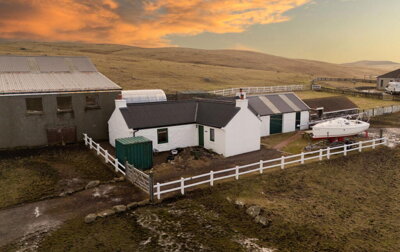
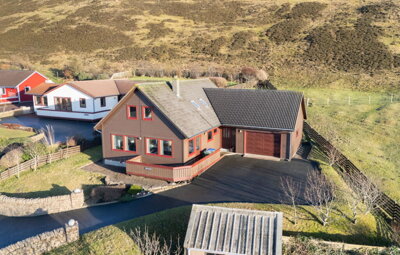
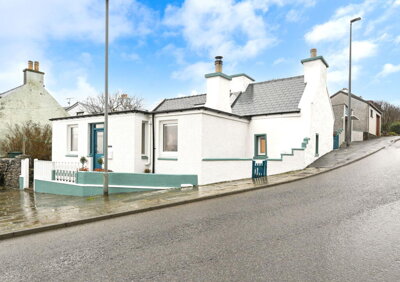
Browse 3 homes for sale in Burra and Trondra from local estate agents.
The 2 bed house market features detached, semi-detached, and terraced properties with two separate bedrooms plus living spaces. Properties in Burra And Trondra range from Victorian and Edwardian period homes to modern new builds, with pricing varying across different neighbourhoods.
£200,269 - £277,500
Average Property Price
Approximately 800
Population
Since 1971
Connected to Mainland
Scalloway (<10 minutes)
Nearest Town
The property market in Burra and Trondra reflects the unique character of this island community, with prices demonstrating both stability and recent growth across different parts of the area. In Trondra, the average property price over the last year stood at £200,269, with semi-detached properties being the most common sales type at an average of £199,937. Flats in the area sold for an average of £171,087, while terraced properties commanded an average of £202,844. Property prices in Trondra were down 2% on the previous year and 2% down on the 2022 peak of £205,391, suggesting a stabilising market in this part of the islands.
Bridge End, situated centrally within Burra and connecting East and West Burra, presents a distinctly different market profile with an average property price of £277,500 over the last year. Detached properties dominate this part of the market, selling for an average of £367,500, which reflects the premium placed on space, privacy, and Atlantic views in this scenic location. Notably, house prices in Bridge End have surged 78% compared to the previous year and stand 33% above the 2022 peak of £208,400, indicating exceptionally strong demand for properties in this central village position with its convenient access to both the bridge connections and local amenities.
Across the wider Shetland Islands, the provisional average house price in December 2025 reached £202,000, marking a 9.9% annual increase that demonstrates the growing appeal of island living in this northern archipelago. Average prices by property type for the wider Shetland Islands show detached properties at £275,000, semi-detached at £193,000, terraced at £136,000, and flats at £100,000. Zoopla reports the Shetland average sold house price at £207,325, with 2,567 properties sold over the last decade across the islands. This supply and demand dynamics suggests continued interest in the Burra and Trondra area from buyers seeking the quality of life that island living provides.
Life in Burra and Trondra revolves around the rhythms of island existence, where traditional industries blend with contemporary living in a setting of outstanding natural beauty. The local economy has evolved from its historical foundations in fishing, crofting agriculture, and the famous Shetland knitting and weaving crafts, to include salmon and mussel farming operations in the sheltered waters surrounding the islands. Artists and craftspeople have long been drawn to this light-filled landscape, contributing to a vibrant creative community that adds cultural richness to everyday life and supports a year-round arts scene that attracts visitors from across Scotland and beyond.
The island community maintains strong social connections through local events, crofting activities, and the shared appreciation for outdoor pursuits that define the Shetland way of life. West Burra faces the open Atlantic and experiences occasionally spectacular winter storms, a reminder of the powerful forces that have shaped this landscape over millennia. In contrast, the eastern shores and Trondra benefit from more sheltered waters, creating varied microclimates across the islands that support different recreational activities throughout the year. The local amenities in nearby Scalloway provide essential services including shops, schools, and healthcare facilities, while Lerwick offers a broader range of cultural attractions, supermarkets, and specialist services just a short drive across the causeway.
Shetland's National Scenic Area status ensures the preservation of the dramatic coastlines, rolling moorland, and pristine beaches that make this location so distinctive. The area's proximity to some of Scotland's most spectacular coastal scenery, combined with excellent walking routes and wildlife watching opportunities, provides residents with an unparalleled quality of life that continues to attract new residents seeking to escape the pressures of more urban environments. Community spirit remains strong, with residents organising regular events, maintaining local facilities, and welcoming newcomers to this distinctive corner of Scotland.

Families considering a move to Burra and Trondra will find educational provision centred primarily in the nearby town of Scalloway, which serves as the main service centre for the western mainland and surrounding islands. Scalloway Primary School provides early years and primary education within a short journey of most properties in Burra and Trondra, offering a familiar and supportive environment for young children. The school benefits from small class sizes that are characteristic of Shetland education, allowing teachers to provide individual attention and support that many parents consider a significant advantage over larger urban schools.
For secondary education, pupils typically attend Scalloway High School, which serves a wide catchment area across western Shetland and provides comprehensive curriculum coverage from S1 through to S6. The school offers a full range of subjects and extracurricular activities, with students able to progress to further and higher education through established pathways. The education system in Shetland operates under the Shetland Islands Council, which maintains a strong commitment to supporting island communities and ensuring quality educational provision regardless of location. This means that despite the remote setting, families in Burra and Trondra can expect their children to receive a high standard of education with access to modern facilities and resources.
Transport links via school buses connect outlying areas including Burra and Trondra to the main schools in Scalloway, with journey times remaining manageable for daily commutes. The council provides transport assistance for pupils living beyond walking distance from their catchment school, ensuring that geographic location does not create barriers to education. For families requiring childcare or early years provision, community-led initiatives in Scalloway offer flexible options, though availability can vary seasonally given the remote location. The small class sizes and strong pupil-teacher relationships that characterise Shetland schools continue to be cited by parents as key reasons for their satisfaction with island education.

Transport connectivity has transformed Burra and Trondra from an isolated island community into a surprisingly accessible location within Shetland's broader infrastructure. The construction of bridges connecting West Burra, Trondra, and the Shetland mainland in 1971 marked a turning point for the local economy and daily life, opening up employment opportunities in Lerwick and Scalloway that were previously difficult to access. Today, residents benefit from this well-maintained road connection, with the journey to Scalloway taking less than 10 minutes by car and Lerwick approximately 20 minutes away, making regular commuting entirely feasible for those working in the islands' main centres of employment.
The islands are served by local bus routes that connect Burra and Trondra to Scalloway and onward services to Lerwick, providing public transport options for those without private vehicles. The bus journey to Scalloway takes approximately 15-20 minutes, while Lerwick is around 30-40 minutes away depending on connections. The ferry terminal at Grutness on the southern tip of Mainland Shetland provides ferry connections to the Out Skerries, offering access to some of Scotland's most remote communities and creating a gateway to further island adventures for residents and visitors alike.
For travel beyond Shetland, Sumburgh Airport in the south of the Mainland offers flights to Aberdeen and Edinburgh, with regular services connecting the islands to the Scottish mainland and beyond. These flights provide essential connectivity for business, family visits, and holiday travel, typically taking around one hour to Aberdeen and approximately 90 minutes to Edinburgh. Within the local area, the road network is generally well-maintained, though the rural nature of some minor roads requires appropriate care, particularly during winter months when weather conditions can change rapidly and daylight hours are limited.
Start by exploring current property listings in Burra and Trondra on Homemove to understand the range of properties available, from traditional stone cottages to modern detached homes. The market offers semi-detached properties around £200,000 in Trondra, terraced homes from £202,000, and detached properties in Bridge End reaching £367,500. Understanding these price ranges will help you set realistic expectations and identify the areas within Burra and Trondra that match your budget and lifestyle preferences.
Before arranging viewings, obtain a mortgage agreement in principle from a lender to confirm your borrowing capacity. With Shetland properties typically ranging from £150,000 for flats to over £360,000 for premium detached homes, securing your financial position early will give you confidence when making offers. Local mortgage brokers understand the Shetland market and can help navigate the specific considerations of island property purchases, including the logistics of managing a property from a distance if you are relocating from the mainland.
Visit Burra and Trondra to view properties in person and get a feel for the different neighbourhoods, from Trondra's sheltered village centre to Bridge End's elevated positions with Atlantic views. Consider seasonal variations, as winter weather conditions can differ significantly from summer visits, and the limited daylight hours during winter months affect how properties feel at different times of day. Take time to explore Scalloway and Lerwick to assess the accessibility of amenities and services that will support your daily life.
Once you have agreed a purchase, arrange for a Level 2 Survey (formerly Homebuyer Report) to assess the property's condition. Given that much of Burra and Trondra's housing stock includes traditional construction with stone walls and harled finishes, an independent survey is essential to identify any structural concerns, roof condition issues, or damp problems common in older island properties. The survey report will give you leverage for price negotiations and help you budget for any repairs identified.
Appoint a solicitor experienced in Shetland property transactions to handle the legal aspects of your purchase, including local searches, title checks, and registration with the Land Register of Scotland. Island properties may have specific title issues related to crofting rights or shared access arrangements that require specialist knowledge. Your solicitor will coordinate with the seller's representatives and manage the transfer of ownership through to completion, ensuring all local requirements are properly addressed.
Once all surveys, searches, and legal checks are satisfactory, your solicitor will arrange for the signing of contracts and transfer of funds. Completion typically occurs within a few weeks of exchange, with keys handed over on the agreed date. Remember that SDLT (Land and Buildings Transaction Tax) applies to purchases in Scotland, with thresholds of 0% up to £145,000 for residential properties, rising to 5% on the portion between £145,001 and £250,000.
Property purchases in Burra and Trondra require careful consideration of factors specific to island living that may not be relevant in more urban locations. The exposure of West Burra to Atlantic weather systems means properties in this area should be assessed carefully for signs of weather-related wear, including roof condition, window seals, and the integrity of traditional construction materials. Traditional Shetland properties often feature stone construction with traditional render or harling, which provides character but requires ongoing maintenance to prevent damp penetration and deterioration. A thorough building survey will identify any areas requiring attention and help you budget for necessary repairs.
Flood risk assessment is important for any property purchase in Burra and Trondra, particularly those near the coastline or in low-lying areas. The presence of sheltered waters and the proximity to beaches at Meal and Minn suggest that coastal flooding should be considered during your property assessment. Checking with the Shetland Islands Council about any recorded flood events and viewing the property during different weather conditions will help you understand potential risks. Given the Atlantic exposure, particular attention should be paid to the condition of coastal defences, retaining walls, and drainage systems that protect the property from storm damage.
The tenure of properties in Burra and Trondra warrants careful investigation, as some island properties may be subject to crofting rights or have shared responsibilities for maintaining access roads, shared boundaries, or common areas. Traditional croft houses often have associated land rights that can affect future use and development potential. Understanding these arrangements before completing your purchase ensures you are fully aware of your rights and responsibilities as the new owner. Properties with significant garden ground or outbuildings may offer opportunities for small-scale crofting activities, which many buyers find appealing about island life in Shetland.
Several additional considerations apply specifically to property purchases in this part of Shetland. The islands' status as a National Scenic Area means that planning restrictions may affect your ability to make external alterations to properties. You should investigate who is responsible for maintaining minor roads, as some may be maintained by crofting communities rather than the council. Private water supplies through springs or shared boreholes are common in rural Shetland, and you should verify the quality and reliability of supplies before purchase. Septic tank arrangements also differ from mainland properties and should be inspected as part of any survey. Broadband speeds vary across the islands and should be checked if you work from home, though mobile coverage has improved significantly in recent years.
Property prices in Burra and Trondra vary significantly by location within the islands. In Trondra, the average property price stands at £200,269, with semi-detached properties at £199,937, terraced properties at £202,844, and flats averaging £171,087. Bridge End, the islands, commands higher prices with an average of £277,500 and detached properties averaging £367,500. The wider Shetland Islands average was £202,000 as of December 2025, showing a 9.9% increase from the previous year, indicating continued demand for island properties. Prices in Bridge End have risen 78% compared to the previous year, reflecting strong demand for premium properties in this central location.
Properties in Burra and Trondra fall under Shetland Islands Council's jurisdiction and are assigned council tax bands based on their valuation band. Scotland uses bands A through H, with most residential properties in the Burra and Trondra area likely falling within bands A to D given current property values ranging from £150,000 to £367,500. You can check the specific banding for any property through the Scottish Assessors Association website or by contacting Shetland Islands Council directly. Council tax payments fund local services including education, roads maintenance, and waste collection across these island communities.
Education for Burra and Trondra residents is primarily provided through Scalloway Primary School and Scalloway High School, both located in the nearby town of Scalloway less than 10 minutes away by car. Scalloway Primary serves children from early years through to P7, while Scalloway High provides secondary education from S1 to S6 with comprehensive curriculum coverage and extracurricular activities. The small school sizes in Shetland typically offer favourable pupil-to-teacher ratios that parents often cite as a significant advantage of island education. The local education authority provides transport assistance for pupils living beyond walking distance from their catchment school.
Burra and Trondra are connected to the Shetland mainland by a series of bridges constructed in 1971, with local bus services providing public transport links to Scalloway and Lerwick. The bus journey to Scalloway takes approximately 15-20 minutes, while Lerwick is around 30-40 minutes away depending on connections. For travel beyond Shetland, Sumburgh Airport offers flights to Aberdeen and Edinburgh, with inter-island connections available through ferry services from Grutness to the Out Skerries. Private transport remains the most convenient option for daily commuting and accessing services across the islands.
Burra and Trondra offer a unique investment proposition combining stable property values with a distinctive lifestyle appeal that attracts buyers seeking island living. House prices in Bridge End have risen 78% compared to the previous year, demonstrating strong demand, while the wider Shetland market has shown consistent growth of around 9.9% annually. Properties near Scalloway benefit from the town's service centre role, while those with coastal views or beach access command premium valuations. The limited supply of properties in this small community, combined with ongoing demand from buyers seeking Shetland's quality of life, suggests continued interest in the area.
As Burra and Trondra are located in Scotland, buyers pay Land and Buildings Transaction Tax (LBTT) rather than UK Stamp Duty. The current residential LBTT thresholds are 0% on the first £145,000, 2% on the portion from £145,001 to £250,000, 5% from £250,001 to £325,000, 10% from £325,001 to £750,000, and 12% above £750,000. First-time buyers in Scotland receive increased relief with 0% up to £175,000 and 2% from £175,001 to £250,000. For example, a £200,000 property would incur £1,100 in LBTT for a non-first-time buyer.
The property market in Burra and Trondra offers a diverse range of property types to suit different buyers and budgets. Semi-detached properties are the most common in Trondra, typically priced around £200,000, while terraced homes start from approximately £202,000. Detached properties command significant premiums, particularly in Bridge End where they average £367,500. Traditional croft houses with associated land provide options for those seeking a rural lifestyle, while flats offer more affordable entry points averaging around £171,000. The market includes properties suitable for first-time buyers, growing families, and those seeking premium homes with Atlantic views.
Beyond the purchase price, buyers should budget for several additional costs when purchasing property in Burra and Trondra. Land and Buildings Transaction Tax (LBTT) applies based on the purchase price, starting at 0% for the first £145,000 and rising to 2% on the portion between £145,001 and £250,000. Solicitor fees for conveyancing typically range from £500 to £1,500 depending on complexity. A RICS Level 2 Survey costs from £350 for a standard property, potentially more for larger or older homes. An Energy Performance Certificate typically costs £80 to £120. Mortgage arrangement fees vary by lender but often range from £0 to £1,500. For those relocating from mainland Scotland or beyond, shipping costs for belongings and travel to view properties should also be considered.
RICS Level 2 Surveys are particularly valuable for properties in Burra and Trondra due to the age and construction methods of much of the local housing stock. Traditional Shetland properties often feature stone construction with rendered or harled finishes that require specialist assessment. The Atlantic exposure of West Burra creates weather-related stresses that may not affect properties in more sheltered locations. Crofting tenure introduces additional considerations around rights, obligations, and shared arrangements that a surveyor can help identify. Given Shetland's remote location, the cost and logistics of any necessary repairs should be carefully considered before purchase.
From 4.5%
Compare mortgage rates from leading lenders
From £499
Expert solicitors to handle your property purchase
From £350
Comprehensive property survey by qualified inspectors
From £80
Energy performance certificate for your new home
Properties for Sale In London

Properties for Sale In Plymouth

Properties for Sale In Liverpool

Properties for Sale In Glasgow

Properties for Sale In Sheffield

Properties for Sale In Edinburgh

Properties for Sale In Coventry

Properties for Sale In Bradford

Properties for Sale In Manchester

Properties for Sale In Birmingham

Properties for Sale In Bristol

Properties for Sale In Oxford

Properties for Sale In Leicester

Properties for Sale In Newcastle

Properties for Sale In Leeds

Properties for Sale In Southampton

Properties for Sale In Cardiff

Properties for Sale In Nottingham

Properties for Sale In Norwich

Properties for Sale In Brighton

Properties for Sale In Derby

Properties for Sale In Portsmouth

Properties for Sale In Northampton

Properties for Sale In Milton Keynes

Properties for Sale In Bournemouth

Properties for Sale In Bolton

Properties for Sale In Swansea

Properties for Sale In Swindon

Properties for Sale In Peterborough

Properties for Sale In Wolverhampton

Enter your details to see if this property is within your budget.
Loans, cards, car finance
Estimated property budget
Borrowing + deposit
You could borrow between
Typical borrowing
Monthly repayment
Est. at 4.5%
Loan-to-value
This is an estimate only. Your actual budget may vary depending on interest rates, credit history, and personal circumstances. For an accurate affordability assessment, speak to one of our free mortgage advisors.
This calculator provides estimates for illustrative purposes only and does not constitute financial advice. Your home may be repossessed if you do not keep up repayments on your mortgage. Estimates based on 4.5% interest rate, repayment mortgage. Actual rates depend on your circumstances.
Homemove is a trading name of HM Haus Group Ltd (Company No. 13873779, registered in England & Wales). Homemove Mortgages Ltd (Company No. 15947693) is an Appointed Representative of TMG Direct Limited, trading as TMG Mortgage Network, which is authorised and regulated by the Financial Conduct Authority (FRN 786245). Homemove Mortgages Ltd is entered on the FCA Register as an Appointed Representative (FRN 1022429). You can check registrations at NewRegister or by calling 0800 111 6768.

We use cookies to show you personalised content and improve your experience of our website. Find out more in our Privacy policy and Cookie policy.