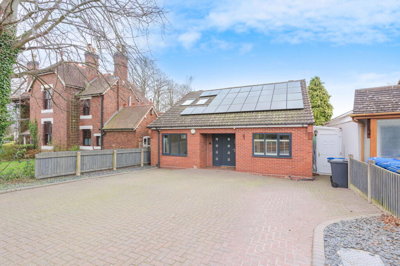
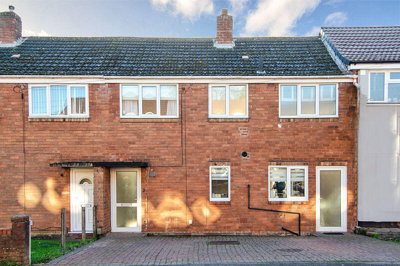
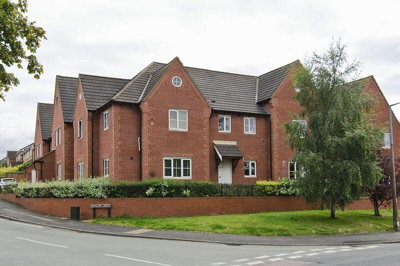
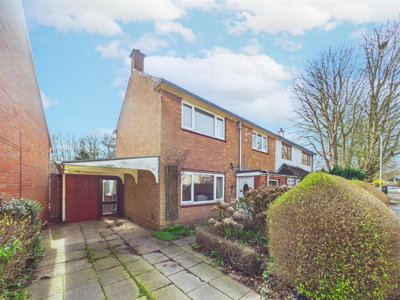
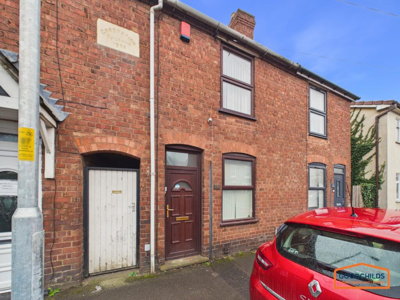
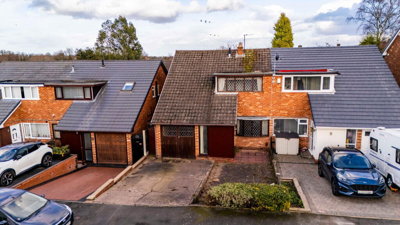
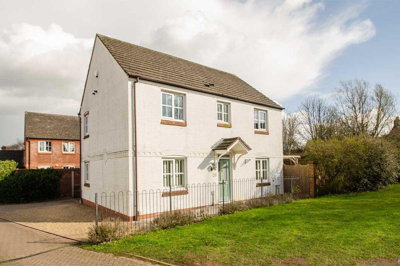
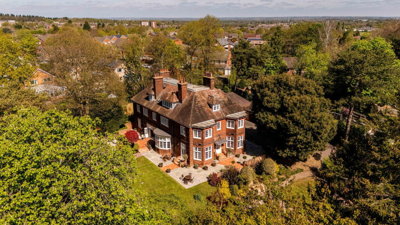
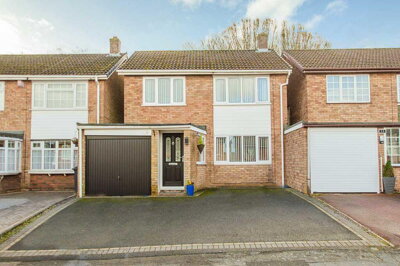
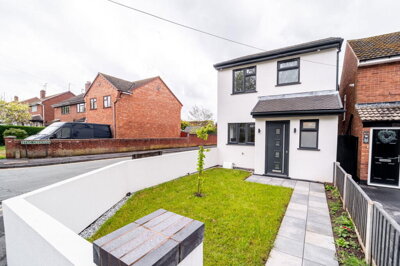
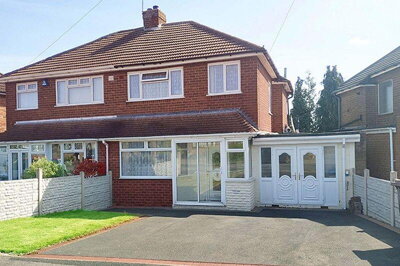
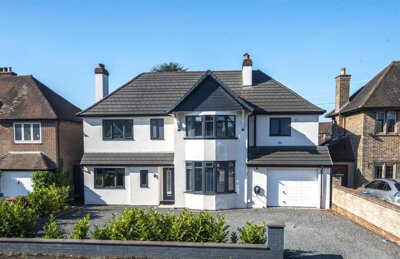
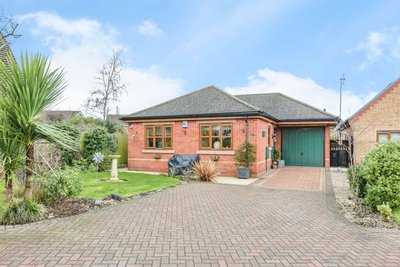
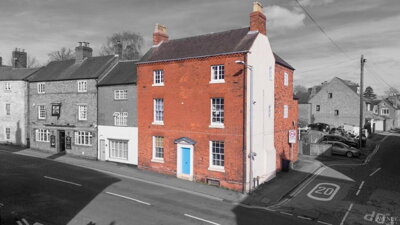
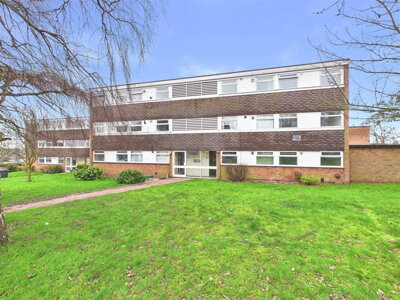
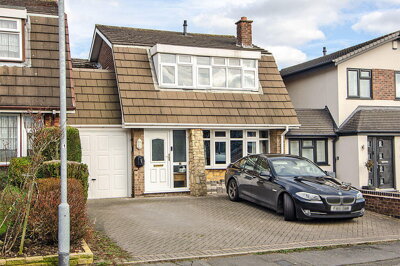
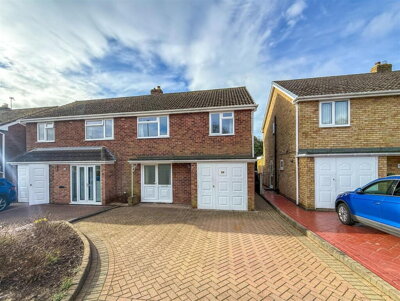
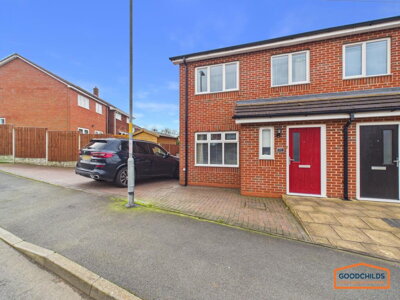
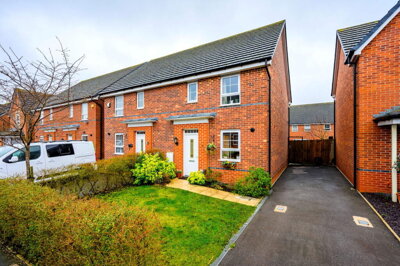
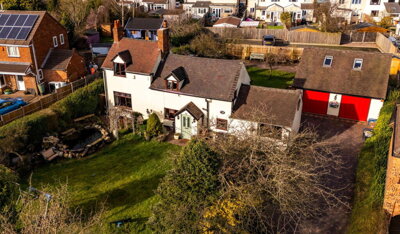
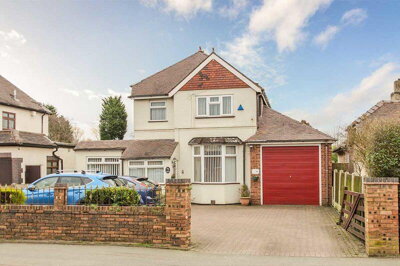
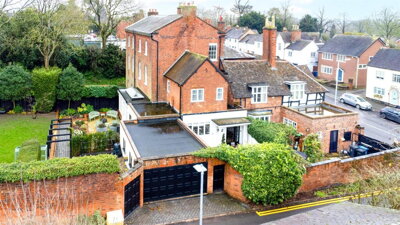
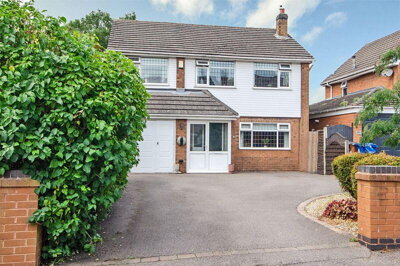
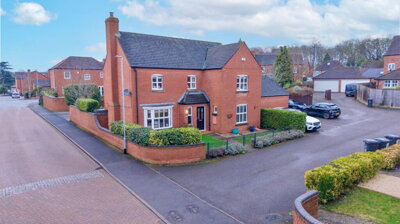
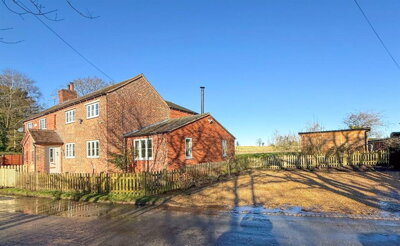
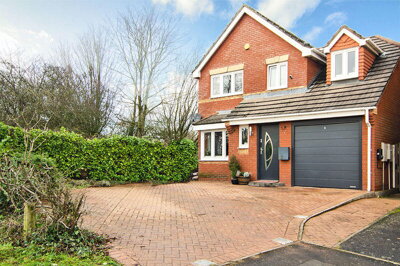
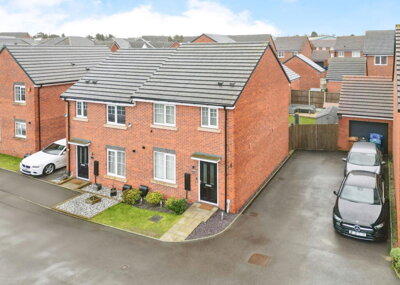
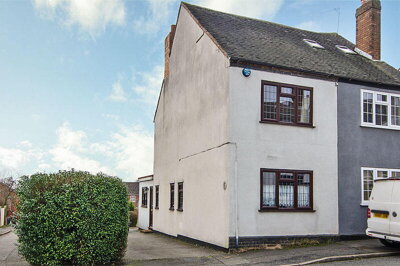
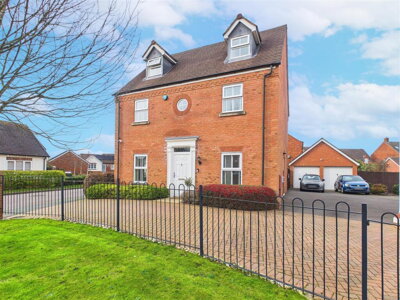
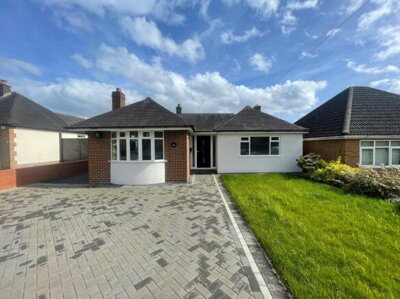
Browse 657 homes for sale in Burntwood, Lichfield from local estate agents.
£280k
116
1
139
Source: home.co.uk
Source: home.co.uk
Detached
38 listings
Avg £429,157
Semi-Detached
30 listings
Avg £266,833
Detached Bungalow
10 listings
Avg £340,995
Terraced
8 listings
Avg £231,250
End of Terrace
7 listings
Avg £245,714
Apartment
4 listings
Avg £180,000
Bungalow
4 listings
Avg £255,000
Flat
3 listings
Avg £136,667
House
2 listings
Avg £607,500
Link Detached House
2 listings
Avg £325,000
Source: home.co.uk
Source: home.co.uk
The property market in Halton West operates within the constraints of its Yorkshire Dales National Park location, where strict planning policies limit new development and preserve the traditional character of villages. Available properties typically consist of stone-built cottages, farmhouses, and converted agricultural buildings, with values reflecting both the rarity of homes for sale and the premium associated with National Park living. Our current listings show properties ranging from modest period cottages suitable for first-time buyers or holiday let investors, through to substantial farmhouse estates with land attachments that appeal to buyers seeking a rural smallholding lifestyle. The limited supply of available homes means that properties in good condition command strong interest, and buyers should be prepared to move quickly when suitable properties become available.
Exact transaction volumes for this small postcode area are not publicly recorded, but the broader Skipton and Craven district provides context for price movements in the surrounding market. Properties within the Yorkshire Dales consistently attract a price premium compared to comparable homes outside the National Park boundary, reflecting the scarcity of available stock and the desirability of living within this protected landscape. Traditional stone properties with original features, updated heating systems, and good structural condition tend to achieve the strongest prices, while homes requiring renovation may offer more negotiable pricing for buyers willing to undertake restoration work. The holiday let market also influences values, with some buyers purchasing properties specifically for tourism income potential under National Park letting regulations.
The absence of any active new-build development within the BD23 4LL postcode area underscores how tightly restricted development remains in this part of the National Park. Unlike many rural areas where housing estates gradually expand outward, Halton West has seen virtually no new housing construction in recent years, reinforcing the established character of the village and limiting options for buyers seeking newly built homes. This supply constraint works in favour of existing property values but creates challenges for buyers who must compete for the rare properties that come to market. The typical property age distribution in villages like Halton West shows a heavy concentration of homes built before 1919, with most constructed during the 18th and 19th centuries when agricultural prosperity drove building activity in upper Ribblesdale.

Halton West sits in the upper reaches of Ribblesdale, a valley carved by glacial activity and sculpted by millions of years of limestone erosion to create the dramatic scenery that defines the Yorkshire Dales landscape. The village overlooks the River Ribble as it winds through the valley floor, with the surrounding fells rising to over 600 metres, providing residents with immediate access to some of Britain's finest walking and climbing terrain. The local geology comprises Carboniferous Limestone with deposits of gritstone and shale, creating the characteristic scars, caves, and dry valleys that attract geologists and outdoor enthusiasts alike. This ancient landscape has been shaped by human activity over millennia, with evidence of prehistoric settlement, medieval farming, and industrial-era lead mining visible in the surrounding countryside.
The demographic character of Halton West reflects that of a small rural community within a National Park, where resident populations are complemented by second home owners and holiday let operators who contribute to the local economy during peak seasons. The village itself offers limited everyday services, with residents typically travelling to nearby Settle or Skipton for groceries, medical appointments, and banking facilities. Local employment opportunities centre on agriculture, tourism, and hospitality sectors, with many residents commuting to larger towns for professional roles or working remotely where broadband connectivity permits. Community life revolves around the village hall, local pub where one exists, and the network of footpaths and bridleways that connect scattered farmsteads and neighbouring villages across the dales.
The broader Craven district, within which Halton West falls, has a population of approximately 55,000 residents spread across market towns and scattered rural communities. The nearest substantial town is Skipton, located approximately 6 miles to the east along the A59, offering comprehensive shopping facilities, secondary schools, a hospital, and direct rail services to Leeds, Bradford, and London. Settle, another market town approximately 7 miles to the northwest, provides additional services and hosts the famous Settle-Carlisle railway line that brings visitors from across the country to explore the Dales. The economy of the wider area relies heavily on tourism drawn to the National Park's landscapes, agricultural enterprises producing wool and livestock on traditional upland farms, and small local businesses serving both residents and visitors.

Families considering a move to Halton West will find educational options available at primary level within a reasonable travelling distance, though the rural geography means that school transport arrangements require careful planning. The nearest primary school is likely to be in a neighbouring village or the small town of Settle, with several primary schools serving the Ribblesdale area rated Good or Outstanding by Ofsted. Parents should note that many rural primary schools have small year groups, providing intimate learning environments but limited specialist subject teaching compared to larger urban schools. School catchment areas are determined by the local education authority, and property purchases should be verified against current admission policies to confirm eligibility.
Secondary education is provided at upper schools in Settle, Skipton, or Bentham, with students typically travelling by school bus along the valley roads. Ermysted's Grammar School in Skipton is a selective school admitting students based on entrance examination performance, while Skipton Girls' High School offers comprehensive secondary education. These schools have established reputations for academic achievement and attract students from across the wider Craven district, including families living in villages like Halton West. For sixth form and further education, Craven College in Skipton provides a range of vocational and academic courses, while students seeking university-level education have access to the full range of Yorkshire universities accessible via the Settle-Carlisle line or road connections to Leeds. Independent school options exist in the wider North Yorkshire region for families seeking private education, with daily transport arrangements possible from villages in the Dales.
The small scale of rural schools in communities like those serving Halton West brings both advantages and considerations for families. Class sizes are typically smaller than in urban schools, allowing teachers to provide more individual attention to each pupil and fostering strong community relationships between students and staff. However, specialist facilities for subjects such as modern languages, sciences, or arts may be more limited than those available in larger secondary schools, and parents should weigh these factors against the benefits of rural education when making relocation decisions. Many families find that the trade-off between smaller school environments and occasional travel for extracurricular activities is worthwhile given the lifestyle benefits of living within the National Park.
Transport connections from Halton West reflect its rural Dales location, with residents relying primarily on private vehicles for everyday travel supplemented by limited bus services and the nearby Settle-Carlisle railway line. The A59 runs through the region connecting Skipton to the Lancashire coast, providing the main arterial route for accessing larger towns and cities. From Halton West, the journey to Skipton takes approximately 20 minutes by car, while Leeds can be reached in around an hour and Manchester in approximately 90 minutes depending on traffic conditions. The winding single-carriageway roads through the Dales demand careful driving, and residents should anticipate longer journey times during peak tourist seasons when holiday traffic adds significant volume to the narrow lanes.
Settle railway station, located approximately 7 miles from Halton West, provides access to the iconic Settle-Carlisle line with its spectacular viaducts and tunnel engineering through the Pennines. Direct services run to Carlisle, Leeds, and intermediate stations, with the journey to Leeds taking around 75 minutes. This heritage railway line has become a major tourist attraction in its own right, drawing visitors from across Britain to experience one of the most scenic rail journeys in the country. For air travel, Leeds Bradford Airport is approximately 45 minutes drive, offering domestic and European flights, while Manchester Airport provides a broader range of international destinations within approximately 90 minutes travel time. Bus services connecting Halton West to surrounding villages and towns typically operate several times daily on weekdays with more limited weekend services, making private vehicle ownership essentially essential for most residents.
The seasonal increase in tourist traffic during spring and summer months creates additional pressure on the narrow lanes around Halton West, with camper vans, cyclists, and walking groups frequently using the same roads that residents need for everyday access. Planning journeys to Skipton or Settle outside of peak holiday periods can significantly reduce travel times, and residents quickly learn which routes offer the most reliable passage at different times of day. For commuters working in larger towns, the availability of remote working has transformed prospects for rural Dales residents, with many professionals now able to work from home for several days each week, reducing the need for daily commuting on what can be challenging roads in winter weather conditions.
Begin by reviewing current property listings in Halton West and surrounding Yorkshire Dales villages to understand the limited supply and typical property types available. Given the National Park location, familiarise yourself with planning restrictions that may affect your intended use of the property, whether as a primary residence, holiday let, or investment. Understanding which properties fall within conservation areas or carry listed building status is particularly important in Halton West, as these designations impose additional requirements on any alterations or improvements you may wish to make.
Contact estate agents active in the Skipton and Craven market to arrange viewings of suitable properties. Be prepared to travel for viewings and consider that properties may be occupied by tenants or farmers, requiring flexible appointment scheduling. Take time to assess the condition of traditional stone buildings, noting any signs of damp, roof deterioration, or outdated services. Given the age of most properties in the village, consider commissioning a preliminary survey before committing to a purchase, as structural issues in historic buildings can prove costly to remedy.
If you require financing, approach lenders or mortgage brokers to secure an agreement in principle before making an offer. Rural properties may require specialist lending arrangements, and the age of construction typical in Halton West means properties may require more detailed valuation assessments than modern homes. Some lenders have restrictions on properties in flood risk areas or those with non-standard construction, so it is worth confirming your eligibility before proceeding.
Before completing your purchase, arrange for a RICS Level 2 Survey to assess the condition of the property. Given the likely age of properties in Halton West, this survey will identify defects common to traditional stone construction including damp penetration, roof condition, timber defects, and the condition of outdated electrical and plumbing systems. For a property in the BD23 4LL area valued at around £300,000, a Level 2 Survey typically costs between £500 and £750 depending on the property size and specific characteristics.
Appoint a solicitor with experience in rural property transactions to handle the legal aspects of your purchase. Your solicitor should investigate any rights of way, common land agreements, or agricultural tenancies that may affect the property, as well as verify compliance with Yorkshire Dales National Park planning conditions. Rural properties in the Dales often have unusual arrangements for water supply, drainage, and private road maintenance that require careful investigation.
Once all enquiries are satisfactory and your mortgage offer is confirmed, your solicitor will arrange for contract exchange and set a completion date. On completion day, the remaining funds are transferred and you receive the keys to your new home in the Yorkshire Dales. Buildings insurance should be in place from exchange of contracts, and you should notify the local authority of your change of address for council tax and electoral roll purposes.
Properties in Halton West present both the charm of traditional Yorkshire Dales architecture and the potential challenges associated with historic buildings constructed using methods predating modern building regulations. Stone walls, while durable, may exhibit signs of penetrating damp or deterioration in mortar pointing, particularly on exposed elevations facing the prevailing weather. Roofs constructed of natural slate, while long-lasting, often require attention to individual slipped or damaged slates, with leadwork to flashings and verges needing periodic maintenance. The solid wall construction typical of pre-1919 properties means that thermal performance is generally poor compared to modern insulated cavities, and buyers should anticipate energy costs and consider what insulation improvements might be acceptable under National Park planning guidelines.
Flood risk requires careful consideration for properties near the River Ribble or its tributary streams. The Environment Agency flood maps indicate that parts of the Ribblesdale catchment are susceptible to flooding, and while Halton West itself sits at elevation, properties on lower ground near watercourses may face periodic flooding risk. Buildings insurance premiums may reflect this risk, and prospective buyers should obtain quotes before committing to a purchase. Similarly, the potential for radon gas should be investigated, as elevated levels have been recorded in some parts of Yorkshire where limestone geology occurs. A radon measurement test is a relatively inexpensive precaution that provides for buyers considering properties in this part of the Dales. The underlying geology of Carboniferous Limestone with gritstone deposits generally indicates a lower shrink-swell clay risk compared to areas with significant highly plastic clay deposits, though localised ground conditions can vary.
The Yorkshire Dales National Park designation imposes planning restrictions that significantly affect what changes owners can make to properties. Planning permission may be required for extensions, outbuildings, or changes of use, and permitted development rights may be more limited than in non-National Park areas. Properties may also be listed buildings, particularly those constructed from traditional stone, which impose additional requirements for consent before any alterations. Buyers should obtain copies of all available planning consents and building control sign-offs from previous works to verify that any modifications were properly authorised. Service charges and maintenance contributions for shared facilities or private roads should be verified, as rural properties often rely on private arrangements for water supply, drainage, and road maintenance.
Electrical and plumbing systems in older Halton West properties frequently require attention, as wiring installed before the 1980s rarely meets current standards and may pose safety risks. A qualified electrician should inspect any property where the consumer unit appears outdated or where there is visible wear on visible wiring. Similarly, plumbing systems in period properties may use galvanised steel pipes or lead supply pipes that require replacement. These renovation requirements should be factored into purchase budgeting alongside any structural concerns identified during survey work. Timber defects including woodworm and both wet and dry rot can affect structural elements in properties where damp conditions have developed over time, particularly in buildings with solid walls where moisture management is more challenging than in modern cavity wall construction.
Specific average house price data for this small postcode area is not publicly recorded due to the limited number of annual transactions. However, properties in the wider Skipton and Yorkshire Dales area have seen consistent value growth, with detached properties and traditional stone cottages typically commanding prices ranging from £200,000 for modest cottages to over £500,000 for substantial period farmhouses with land. The Yorkshire Dales National Park location typically adds a premium to property values, reflecting the scarcity of available homes and the desirability of living within this protected landscape. Our listings page shows current asking prices for properties available in Halton West and the surrounding BD23 postcode area, giving buyers the most up-to-date picture of what is available at any given time.
Properties in Halton West fall under the council tax jurisdiction of North Yorkshire Council, the unitary authority serving this part of the Yorkshire Dales. Council tax bands are assigned based on property valuation, and rural stone cottages and farmhouses may be valued differently than comparable modern properties due to their age, construction, and historical character. Prospective buyers should verify the specific band for any property they are considering, as this affects annual running costs. The current council tax bands and rates for North Yorkshire Council can be found on their official website or obtained from the listing agent, and buyers should factor these ongoing costs into their overall budgeting alongside mortgage payments and maintenance expenses.
The area is served by several primary schools in surrounding villages and towns, with several achieving Good or Outstanding Ofsted ratings. At secondary level, Ermysted's Grammar School and Skipton Girls' High School serve the Skipton catchment area, while Settle College provides comprehensive secondary education. For families considering private education, there are independent schools in the wider North Yorkshire region accessible via daily transport arrangements. School catchment areas are determined by the local education authority, and parents should verify which schools serve specific addresses before purchasing property, as catchment boundaries can affect eligibility for popular schools in the area.
Public transport connections from Halton West are limited, reflecting its small village character and rural location. The nearest railway station is Settle, approximately 7 miles away, offering services on the scenic Settle-Carlisle line to Leeds and Carlisle. Bus services operate between local villages and market towns, though frequencies are reduced compared to urban areas, typically running several times daily on weekdays with more limited weekend services. Most residents rely on private vehicles as their primary means of transport, and buyers without cars should carefully consider the practical implications of rural living for shopping, employment, and social activities. The Settle-Carlisle railway provides an excellent scenic service for leisure travel and occasional commuting, but daily reliance on public transport would be challenging for most residents of Halton West.
Property investment in Halton West benefits from the inherent scarcity created by Yorkshire Dales National Park planning restrictions, which limit new development and maintain a ceiling on housing supply. The holiday let market is active in the area, with visitors drawn to the Dales for walking, cycling, and scenic railway tourism, creating opportunities for buyers to generate rental income through short-term letting subject to National Park regulations. Long-term capital appreciation has historically been positive for Yorkshire Dales property, though the illiquid nature of the market and limited buyer pool mean that properties may take longer to sell than in urban areas. Investors should consider the costs of maintaining historic properties and the potential impact of energy efficiency requirements on older stone buildings, as regulations increasingly target improvements to insulation and heating systems in older housing stock.
Stamp Duty Land Tax applies to property purchases in England according to standard thresholds, with first-time buyer relief potentially reducing costs for eligible purchasers. For standard purchases, there is no SDLT on the first £250,000 of the purchase price, 5% on the portion from £250,001 to £925,000, and 10% on the portion from £925,001 to £1.5 million. First-time buyers purchasing properties up to £625,000 pay no SDLT on the first £425,000, with 5% on the portion from £425,001 to £625,000. For a typical cottage priced at £300,000, a first-time buyer would pay no SDLT while a non-first-time buyer would pay £2,500. These calculations can be verified using the HMRC SDLT calculator, and your solicitor will confirm the exact amount due when you instruct them on your purchase.
Given that Halton West lies within the Yorkshire Dales National Park, a significant proportion of properties are likely to be listed buildings or located within conservation areas, such is the emphasis on preserving the built environment in this protected landscape. Listed building status protects properties of special architectural or historic interest and means that any alterations, extensions, or even some repairs require consent from the local planning authority. Grade II listing is the most common designation for period properties in the Dales, applying to most traditional stone cottages and farmhouses built before 1850. Buyers should factor the additional responsibilities and potential costs of listed building compliance into their purchase considerations, as requirements for period-appropriate materials and methods can make even routine maintenance more expensive than for non-listed properties.
From 4.5%
Competitive mortgage rates for buyers
From £499
Expert solicitors for your property purchase
From £350
Essential survey for traditional stone properties
From £80
Energy performance certificate for your property
Understanding the full costs of purchasing property in Halton West is essential for budgeting purposes, as the total investment extends beyond the purchase price to include various taxes and professional fees. Stamp Duty Land Tax represents the most significant government levy, with current thresholds and rates applying as follows: standard buyers pay no SDLT on the first £250,000 of the purchase price, with 5% on values between £250,001 and £925,000. For a detached period farmhouse typical of the Halton West market priced at £450,000, a non-first-time buyer would incur SDLT of £10,000, while a first-time buyer of the same property would pay £1,250. These calculations can be verified using the HMRC SDLT calculator or with guidance from your solicitor, who will confirm the exact amount due on your specific transaction.
Professional fees form a substantial part of buying costs beyond the purchase price. Conveyancing costs for a straightforward rural property purchase typically start from around £500 for legal work, though complexity arising from historic titles, rights of way, or agricultural covenants may increase fees. A RICS Level 2 Survey, strongly recommended given the age and construction type of properties in Halton West, typically costs between £400 and £800 depending on property value and size. Valuation fees charged by mortgage lenders are additional and vary by lender. Buildings insurance should be arranged from the point of exchange, and contents insurance can be timed to commence on completion. Land Registry fees for registering your ownership are typically included in conveyancing costs. Overall, buyers should budget an additional 3-5% of the purchase price to cover these associated costs when calculating their total financial commitment to purchasing in Halton West.
The age and construction type of properties in Halton West means that buyers should anticipate additional costs beyond standard purchase fees. Properties with solid walls and no cavity insulation will have higher ongoing heating costs that should be factored into household budgeting, and energy performance certificate ratings for traditional stone buildings are typically lower than for modern properties. Buildings insurance for historic properties may cost more than for comparable modern homes, particularly if the property is listed or located in an area with identified flood risk from the River Ribble catchment. Survey and valuation costs for rural properties with non-standard construction may also be higher than standard residential fees, as lenders often require more detailed assessment of older buildings with traditional construction methods.
Properties for Sale In London

Properties for Sale In Plymouth

Properties for Sale In Liverpool

Properties for Sale In Glasgow

Properties for Sale In Sheffield

Properties for Sale In Edinburgh

Properties for Sale In Coventry

Properties for Sale In Bradford

Properties for Sale In Manchester

Properties for Sale In Birmingham

Properties for Sale In Bristol

Properties for Sale In Oxford

Properties for Sale In Leicester

Properties for Sale In Newcastle

Properties for Sale In Leeds

Properties for Sale In Southampton

Properties for Sale In Cardiff

Properties for Sale In Nottingham

Properties for Sale In Norwich

Properties for Sale In Brighton

Properties for Sale In Derby

Properties for Sale In Portsmouth

Properties for Sale In Northampton

Properties for Sale In Milton Keynes

Properties for Sale In Bournemouth

Properties for Sale In Bolton

Properties for Sale In Swansea

Properties for Sale In Swindon

Properties for Sale In Peterborough

Properties for Sale In Wolverhampton

Enter your details to see if this property is within your budget.
Loans, cards, car finance
Estimated property budget
Borrowing + deposit
You could borrow between
Typical borrowing
Monthly repayment
Est. at 4.5%
Loan-to-value
This is an estimate only. Your actual budget may vary depending on interest rates, credit history, and personal circumstances. For an accurate affordability assessment, speak to one of our free mortgage advisors.
This calculator provides estimates for illustrative purposes only and does not constitute financial advice. Your home may be repossessed if you do not keep up repayments on your mortgage. Estimates based on 4.5% interest rate, repayment mortgage. Actual rates depend on your circumstances.
Homemove is a trading name of HM Haus Group Ltd (Company No. 13873779, registered in England & Wales). Homemove Mortgages Ltd (Company No. 15947693) is an Appointed Representative of TMG Direct Limited, trading as TMG Mortgage Network, which is authorised and regulated by the Financial Conduct Authority (FRN 786245). Homemove Mortgages Ltd is entered on the FCA Register as an Appointed Representative (FRN 1022429). You can check registrations at NewRegister or by calling 0800 111 6768.

We use cookies to show you personalised content and improve your experience of our website. Find out more in our Privacy policy and Cookie policy.