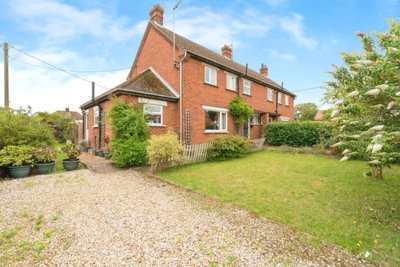
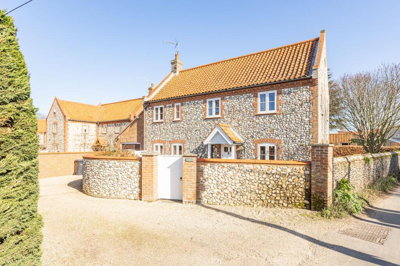
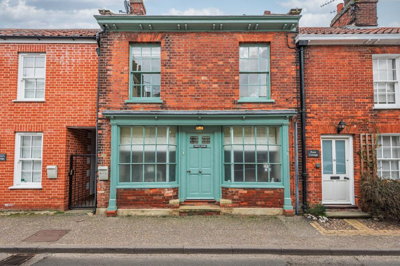
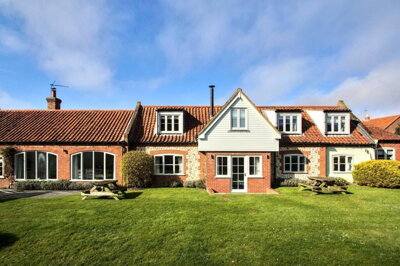
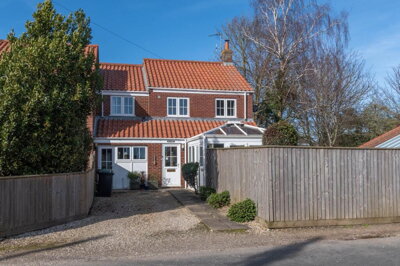
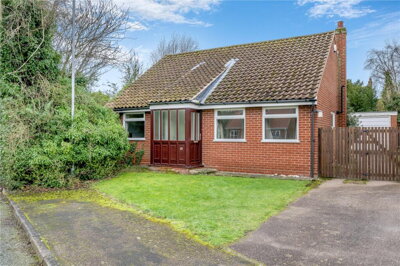
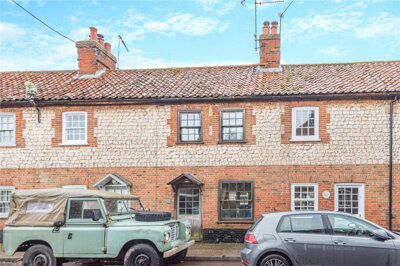
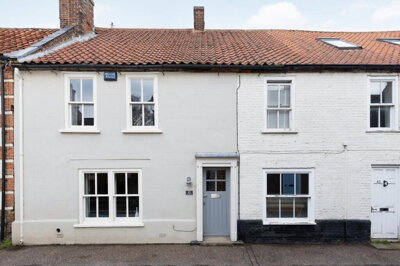
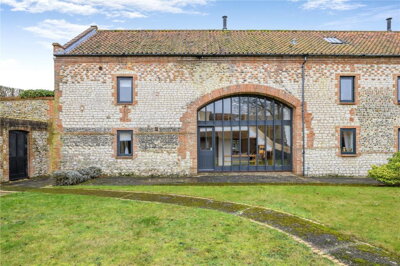
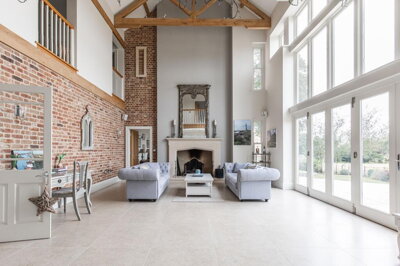
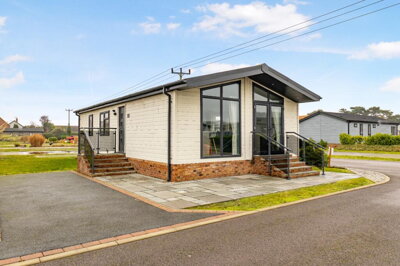
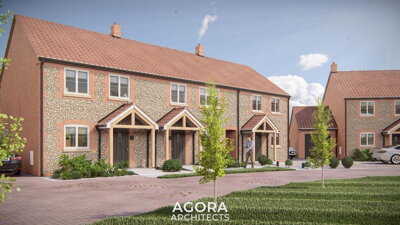
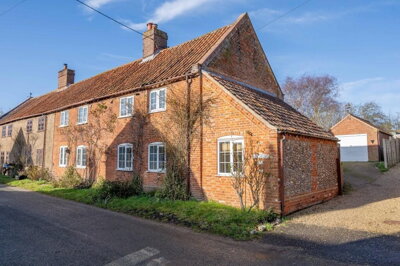
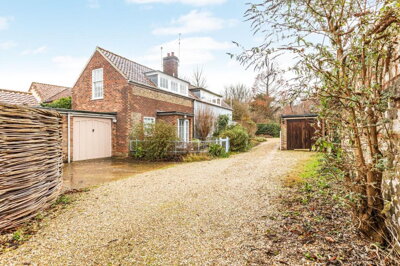
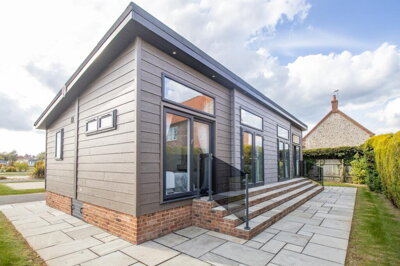
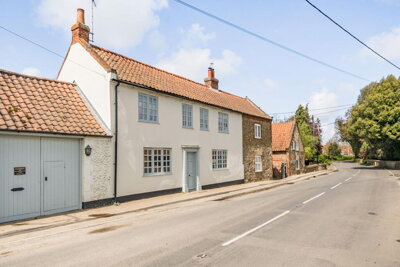
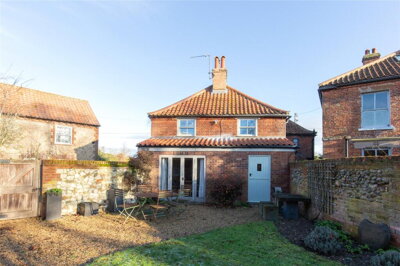
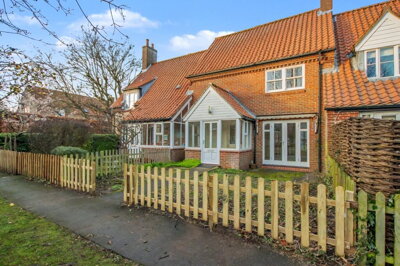
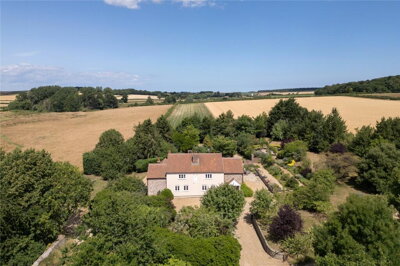
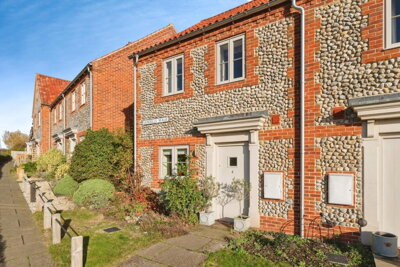
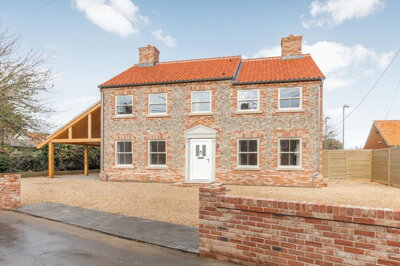
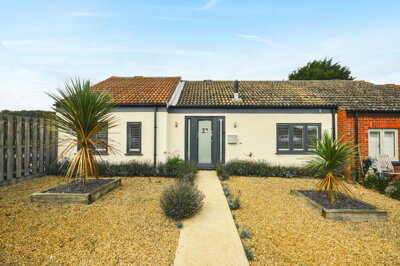
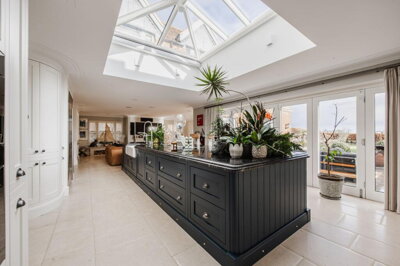
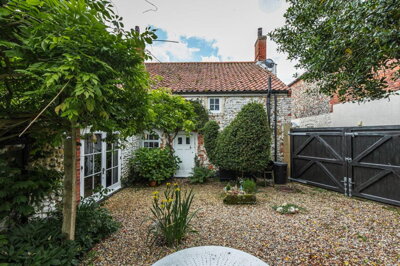
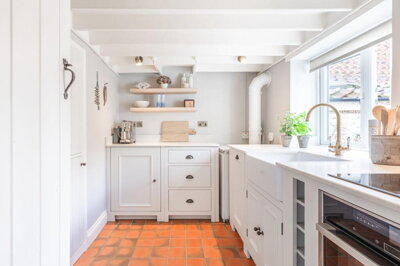
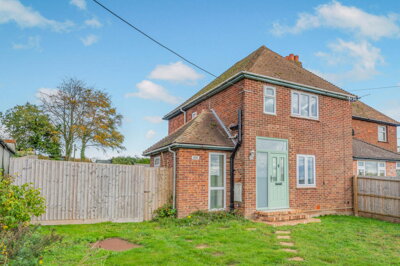
Browse 56 homes for sale in Burnham Thorpe from local estate agents.
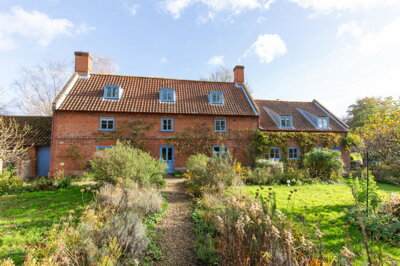
The Fenland property market offers buyers a distinctive mix of housing types rooted in the region's rich agricultural history. Village properties in Elm and similar parishes typically include traditional brick-built cottages, some dating back to the 18th and 19th centuries when the Fenland drainage works brought prosperity to the area. Semi-detached and detached family homes form a significant portion of the housing stock, reflecting the post-war expansion of village communities across Cambridgeshire's flat eastern reaches.
Property prices in Fenland generally sit below the Cambridgeshire county average, making this one of the more accessible areas in the region for buyers working within a modest budget. The village and parish settings mean that larger detached properties with generous gardens are often available at prices that would secure only a compact home in Cambridge itself. First-time buyers and families looking to maximize their living space will find that Elm and surrounding villages offer genuine affordability within the county.
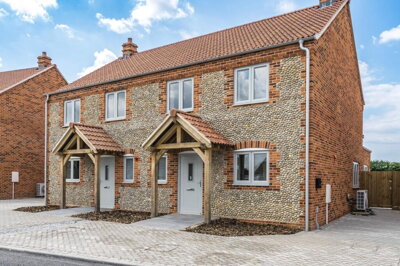
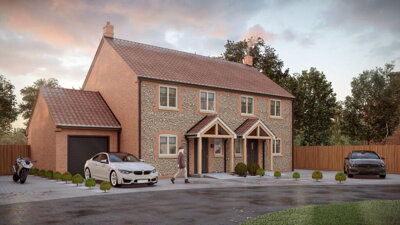
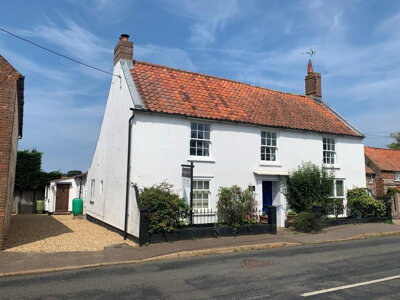
The housing stock in Fenland villages reflects centuries of agricultural prosperity and subsequent modern development. Traditional fenland properties often feature characteristic red brick construction, with some incorporating mathematical tiled facades or pantile roofs that distinguish them from other Cambridgeshire villages. More recent construction has introduced a variety of styles, from mock-Tudor semis to contemporary detached homes, providing options across different budgets and preferences.
Investment interest in Fenland has grown as buyers recognize the value proposition compared to nearby Cambridge. Our platform tracks listings across Elm and the surrounding villages, giving buyers a clear picture of what is available at any given time. The combination of affordable pricing, village character, and improving transport links has made this corner of Cambridgeshire increasingly popular with both owner-occupiers and landlords seeking rental yields.
The Fenland landscape that surrounds Elm is unlike almost anywhere else in England. The flat, expansive views stretch across drained marshland that was transformed into productive farmland through centuries of engineering ambition. Villages in this part of Cambridgeshire grew as agricultural communities serving the rich fen soils, and many retain that working village character today. Walking or cycling through the lanes around Elm, you will pass farmland, drainage ditches known as drains, and the occasional windmill that stands as a reminder of the region's history of managing water levels.
Local communities in Fenland villages centre around traditional pub establishments, village halls, and places of worship that have served their parishes for generations. The wider Fenland area provides access to market towns where weekly markets have continued unbroken for centuries, offering fresh local produce and the social focal point that village life revolves around. Cambridgeshire's Fenland district maintains a strong sense of regional identity despite its proximity to Cambridge, with residents valuing both the county connection and the distinct fenland heritage that sets this area apart.
The pace of life in Elm and similar fenland villages attracts people seeking an escape from urban pressures. Community events, local football clubs, horticultural societies, and village committees provide ample opportunity for new residents to integrate and build social connections. The strong parish system means that village life continues to function around these community anchors, with residents often knowing their neighbours by name and taking pride in local initiatives.

Families considering a move to Elm and the surrounding Fenland villages will find a range of educational options within reasonable travelling distance. Primary education is typically provided through village schools serving their local parishes, with several good-rated primaries operating in the wider Fenland area. These village schools often benefit from strong community connections and smaller class sizes that allow for more individual attention, something that parents frequently cite as an advantage of rural schooling in Cambridgeshire's fenland communities.
Secondary education options include schools in nearby market towns, with several of these institutions offering strong academic records and good Ofsted ratings. Schools in towns such as March, Wisbech, and Chatteris serve the surrounding fenland villages, with school transport arrangements making daily commuting feasible for secondary pupils. For families considering higher education within the county, Cambridgeshire's renowned schools and colleges remain accessible for daily commuting from Fenland villages.
The presence of Cambridge as a major educational centre adds further appeal for those planning their children's educational journey beyond secondary school, with the city offering sixth form and college options that are reachable from Fenland with advance planning. University access via regular rail services from Fenland stations makes Cambridge and Peterborough universities realistic options for older students who can manage the commute or choose to board during term time. Cambridgeshire continues to invest in educational provision across the county, with ongoing improvements to school facilities benefiting families throughout the fenland region.
Transport connectivity from Fenland villages like Elm has improved significantly in recent years, with the A47 providing a key arterial route through the region. This major road connects the Fenland market towns and provides access to Peterborough to the north and Cambridge to the south, making commute options feasible for those working in either city. The flat nature of the Fenland landscape also makes cycling a practical option for shorter local journeys, with dedicated routes increasingly available between villages and nearby towns.
Rail connections are accessible from stations in the wider Cambridgeshire area, with regular services running to Cambridge, Peterborough, and London from stations in larger Fenland towns. March railway station offers connections to Cambridge in approximately 45 minutes and to London Liverpool Street in around 90 minutes, making commuting from the capital feasible for those working hybrid schedules. These rail links have made Fenland increasingly attractive to commuters who wish to combine the affordability of village living with the convenience of rail access to major employment centres.
For those needing to travel further afield, Stansted Airport provides international connections within approximately an hour's drive of Elm and the surrounding villages. Norwich Airport offers additional regional flight options, while the proximity to the M11 motorway gives access to London and the south. The improving transport infrastructure across Fenland has reduced the historical isolation of village living, making locations like Elm increasingly practical for daily commuters.

Before viewing properties in Elm and the surrounding Fenland villages, obtain a mortgage agreement in principle from a lender. This strengthens your position when making offers and demonstrates to sellers that you are a serious, prepared buyer with financing already considered. Speak to a mortgage broker who understands the Cambridgeshire market, as they can advise on schemes available in the fenland area including shared ownership options that may assist first-time buyers in entering the local property market.
Spend time exploring Elm and nearby villages to understand the community, local amenities, and how the property market in Fenland compares to your expectations. Visit at different times of day and week to get a genuine feel for village life, and speak to residents where possible to learn about local issues such as drainage, broadband speeds, and school catchment areas that may affect your decision. Understanding the character of different fenland villages helps ensure you choose an area that genuinely suits your lifestyle.
Use Homemove to browse all available properties in Elm and the surrounding Fenland area. Our platform aggregates listings from multiple estate agents, giving you a comprehensive view of what is currently on the market. Set up property alerts to stay informed about new listings that match your criteria and budget, and use filters to narrow down options by price, property type, and number of bedrooms.
Schedule viewings of properties that interest you. Take time to examine the property condition, check for signs of damp common in older Fenland properties, and assess the garden and exterior thoroughly. Bring a torch, a camera, and a notepad to document any concerns. For period properties typical of the fenland area, pay particular attention to the condition of solid floors, wall finishes, and any signs of movement in the structure.
When you find the right property in Elm, submit an offer through your estate agent. In the Fenland market, negotiation on price and terms is standard practice, and a well-researched offer stands the best chance of acceptance. Consider factors such as the length of time the property has been on the market and any issues identified during viewing when framing your offer. Sellers in fenland villages often appreciate buyers who demonstrate genuine local knowledge and commitment to the area.
Once your offer is accepted, instruct a conveyancing solicitor to handle the legal work. Book a RICS Level 2 survey to assess the property condition, particularly important for older properties in the fenland region where drainage and damp can be concerns. Your solicitor will also conduct local searches including flood risk and drainage assessments that are particularly relevant given Elm's position in the low-lying fenland landscape.
Properties in Fenland villages like Elm require some specific considerations that buyers may not encounter in urban property searches. The distinctive hydrology of the fenland landscape means that drainage is a genuine practical concern. Properties in this area should be assessed for any history of flooding or water ingress, and buyers should examine the condition of drainage systems, sumps, and the pumps that are sometimes installed to manage water levels in areas where the water table sits close to the surface.
Many homes in Fenland villages are older properties built using traditional methods that predate modern building regulations. These period cottages and farmhouses may feature solid floors rather than suspended timber, different approaches to insulation, and older plumbing and electrical systems. A thorough survey by a qualified RICS surveyor will identify any issues that require attention or negotiation with the seller before completion. Properties with thatched roofs, if present, will require specialist maintenance knowledge and should be assessed accordingly.
The flat nature of the fenland terrain means that properties rarely have significant slopes, but this also means that water does not drain away as quickly as in hillier areas. Look for evidence of damp in ground-floor rooms, check the condition of skirting boards and architraves, and examine any timber fitted at low levels. Modern fenland homes have been designed with the landscape in mind, but older properties may require additional ventilation measures or damp-proofing works that should be reflected in your offer price or negotiated with the seller.
Electrical and plumbing systems in older fenland properties may predate current regulations, andrewiring or replumbing costs should be factored into your budget. Consumer unit upgrades, particularly in properties that have not been updated for several decades, can represent significant expenditure. A RICS Level 2 survey will flag any electrical or plumbing concerns, giving you the information needed to make an informed decision or renegotiate before completion.
Understanding the full costs of purchasing property in Elm, Fenland extends beyond the asking price. Stamp duty land tax represents a significant consideration, with current thresholds for standard buyers starting at zero percent on the first 250,000 pounds of the purchase price. For a typical family home in the Elm area, this threshold covers a substantial portion of the purchase price, resulting in a lower SDLT bill than buyers in more expensive parts of Cambridgeshire might face. First-time buyers benefit from an increased threshold of 425,000 pounds, further reducing costs for those eligible.
Beyond stamp duty, buyers should budget for solicitor conveyancing fees, which typically range from 500 to 1,500 pounds depending on the complexity of the transaction and property value. A RICS Level 2 survey costs between 400 and 650 pounds on average, with older or larger properties potentially attracting higher fees. Mortgage arrangement fees, valuation fees, and searches from Fenland District Council should also be factored into your budget. For village properties in Elm and the surrounding fenland area, additional searches related to flooding risk and drainage may be recommended by your solicitor given the local landscape characteristics.
Survey costs in the Elm area follow national pricing patterns, with a typical RICS Level 2 survey for a standard family home priced around 455 pounds. Properties valued over 500,000 pounds may incur higher survey fees averaging around 586 pounds, while compact flats or smaller cottages might be surveyed for less. Pre-1900 properties and those of non-standard construction can cost 10 to 40 percent more due to the additional expertise required to assess traditional building methods.
Moving costs including removals, surveyor fees, and potential furniture adjustments for larger properties should not be overlooked. Given that fenland properties often offer more space than equivalent-priced homes in Cambridge, buyers moving from city apartments may need to budget for additional furniture and storage solutions. Building and contents insurance premiums in Fenland may vary from other Cambridgeshire areas due to flood risk assessments, so obtaining quotes early in the process helps with budgeting accuracy.
While specific data for Elm village is limited, property prices in the Fenland district of Cambridgeshire tend to be among the more affordable in the county. The flat landscape and rural village setting mean that detached family homes with generous plots are often available at prices significantly below the Cambridgeshire average. Contact local estate agents for current listings to understand what is available within your budget range. Typical semi-detached homes in fenland villages may be priced between 180,000 and 280,000 pounds, while period cottages and detached properties range more widely depending on condition and location.
Properties in Elm fall under Fenland District Council for council tax purposes. Bands range from A through to H, with the majority of traditional village properties typically falling in bands A to D. The actual band depends on the property's assessed value, and you can verify the specific band through the Valuation Office Agency if purchasing a particular property. Council tax for band A properties in Fenland currently ranges around 1,400 to 1,500 pounds annually, making this one of the more affordable districts in Cambridgeshire for local taxation purposes.
Primary schools in the surrounding Fenland villages serve their local communities, with several receiving good Ofsted ratings. Secondary education is available at schools in nearby market towns, with particular options depending on your exact location within the Elm parish and surrounding area. Cambridgeshire County Council maintains school admission information for the Fenland district that prospective parents should consult. Schools in nearby March and Chatteris serve as major secondary options for fenland village families, with transport arrangements typically available for pupils within standard catchment distances.
Elm is a rural village, so public transport options are more limited than in urban areas. Bus services connect Fenland villages to nearby market towns, though frequencies may be reduced compared to city routes. Rail access requires travel to stations in larger Fenland towns such as March or Ely, with March offering direct services to Cambridge and London. The A47 road provides reliable access to Peterborough, Cambridge, and surrounding areas by car, though those relying entirely on public transport should verify current bus and rail timetables before committing to a purchase.
Fenland has attracted attention as an area where property remains more affordable than many parts of Cambridgeshire while offering steady demand from buyers seeking village living within reach of major cities. The government's growth agenda for Cambridgeshire has increased interest in areas beyond Cambridge itself. Buy-to-let investors in fenland villages report tenant demand from key workers and commuters seeking more affordable accommodation than Cambridge provides. Those considering investment should research specific local factors including rental yields, void periods, and any planned developments in the wider Fenland district.
Stamp duty land tax applies at standard rates for England: zero percent on the first 250,000 pounds of purchase price, five percent on the portion between 250,001 and 925,000 pounds, ten percent on the portion between 925,001 and 1.5 million pounds, and twelve percent on any amount above 1.5 million pounds. First-time buyers may benefit from relief on the first 425,000 pounds, paying five percent on the amount between 425,001 and 625,000 pounds. Given the typically lower property values in Fenland, many purchases fall entirely within the zero-rate band, resulting in no SDLT liability for standard residential transactions.
Given the low-lying nature of the Fenland landscape, special attention should be paid to damp, timber condition, and drainage during any survey. Properties with basements or cellars warrant particularly careful assessment. The RICS Level 2 survey provides a thorough condition report that highlights issues requiring attention, and for older properties in particular, this investment is strongly recommended before commitment. Specific areas to check include solid floor conditions, wall plaster at low levels, timber window frames and doors that may be prone to moisture, and any pumps or drainage systems installed to manage the local water table. A comprehensive survey typically costs between 400 and 650 pounds depending on property size and value.
The fenland landscape means that flood risk should be carefully considered when purchasing in Elm and surrounding villages. While major flooding events are relatively rare, the low-lying nature of the terrain and high water table mean that surface water and groundwater flooding can occur during periods of heavy rainfall. Property searches conducted during conveyancing will include flood risk assessments from relevant authorities, and buyers should review these carefully. Properties with existing flood history or those located near major drainage channels may face higher insurance premiums or conditions on mortgage offers that should be factored into your decision.
From 4.5% APR
Compare mortgage deals from leading lenders
From £499
Professional legal services for your property purchase
From £455
Thorough condition report by qualified surveyors
From £85
Energy performance certificate for your property
Properties for Sale In London

Properties for Sale In Plymouth

Properties for Sale In Liverpool

Properties for Sale In Glasgow

Properties for Sale In Sheffield

Properties for Sale In Edinburgh

Properties for Sale In Coventry

Properties for Sale In Bradford

Properties for Sale In Manchester

Properties for Sale In Birmingham

Properties for Sale In Bristol

Properties for Sale In Oxford

Properties for Sale In Leicester

Properties for Sale In Newcastle

Properties for Sale In Leeds

Properties for Sale In Southampton

Properties for Sale In Cardiff

Properties for Sale In Nottingham

Properties for Sale In Norwich

Properties for Sale In Brighton

Properties for Sale In Derby

Properties for Sale In Portsmouth

Properties for Sale In Northampton

Properties for Sale In Milton Keynes

Properties for Sale In Bournemouth

Properties for Sale In Bolton

Properties for Sale In Swansea

Properties for Sale In Swindon

Properties for Sale In Peterborough

Properties for Sale In Wolverhampton

Enter your details to see if this property is within your budget.
Loans, cards, car finance
Estimated property budget
Borrowing + deposit
You could borrow between
Typical borrowing
Monthly repayment
Est. at 4.5%
Loan-to-value
This is an estimate only. Your actual budget may vary depending on interest rates, credit history, and personal circumstances. For an accurate affordability assessment, speak to one of our free mortgage advisors.
This calculator provides estimates for illustrative purposes only and does not constitute financial advice. Your home may be repossessed if you do not keep up repayments on your mortgage. Estimates based on 4.5% interest rate, repayment mortgage. Actual rates depend on your circumstances.
Homemove is a trading name of HM Haus Group Ltd (Company No. 13873779, registered in England & Wales). Homemove Mortgages Ltd (Company No. 15947693) is an Appointed Representative of TMG Direct Limited, trading as TMG Mortgage Network, which is authorised and regulated by the Financial Conduct Authority (FRN 786245). Homemove Mortgages Ltd is entered on the FCA Register as an Appointed Representative (FRN 1022429). You can check registrations at NewRegister or by calling 0800 111 6768.

We use cookies to show you personalised content and improve your experience of our website. Find out more in our Privacy policy and Cookie policy.