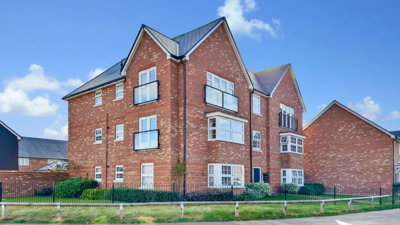
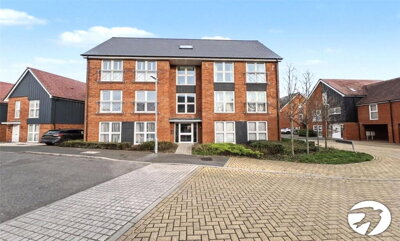
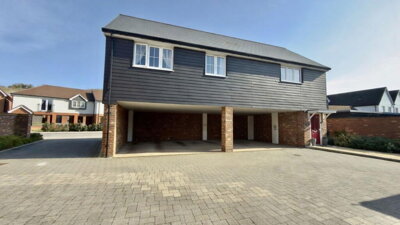
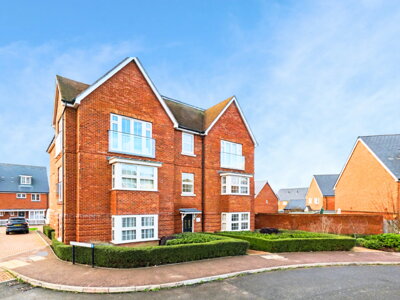
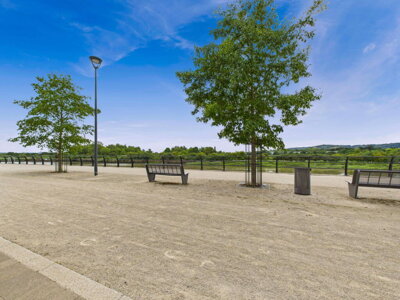
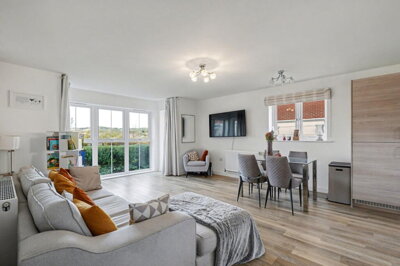
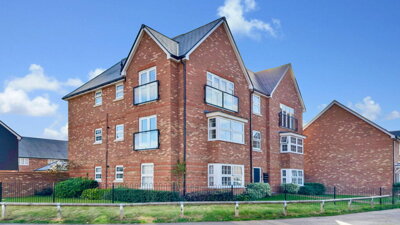
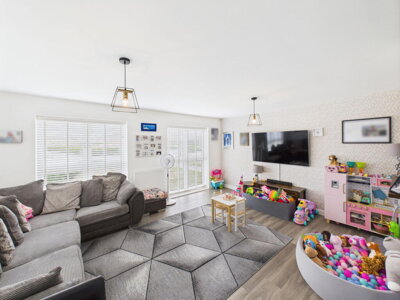
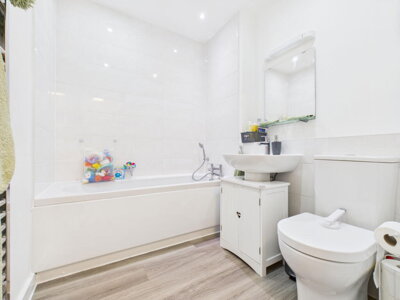
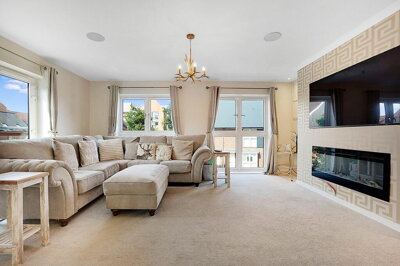
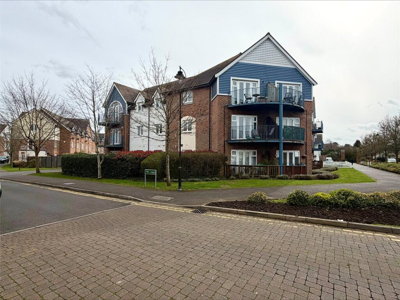
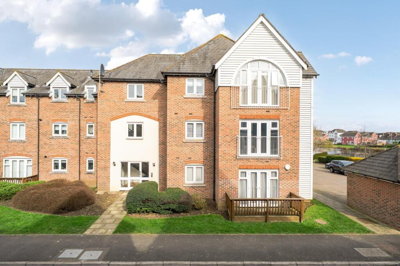
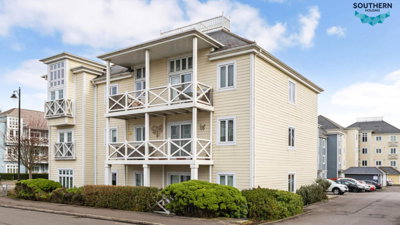
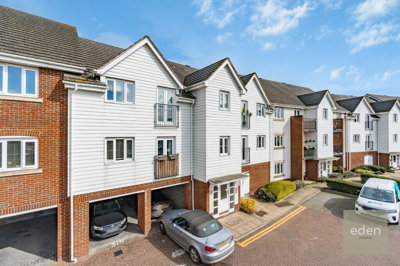
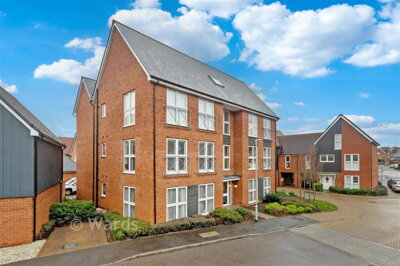
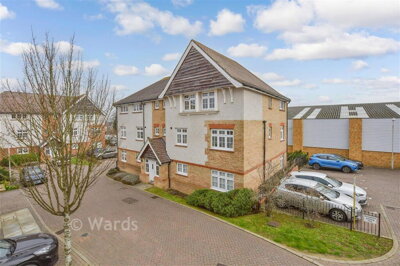
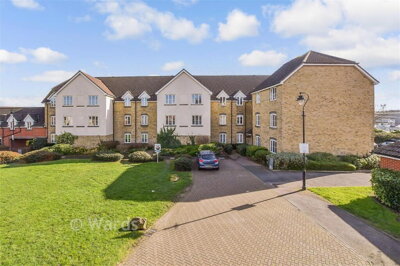
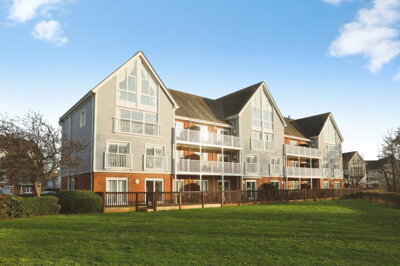
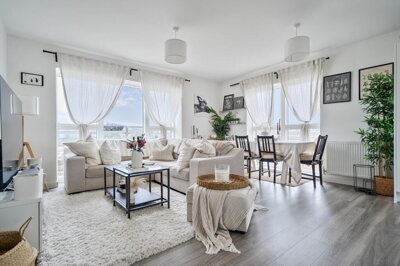
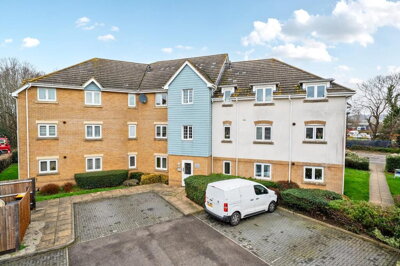
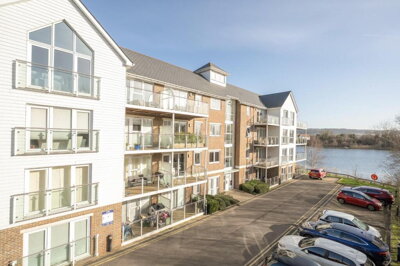
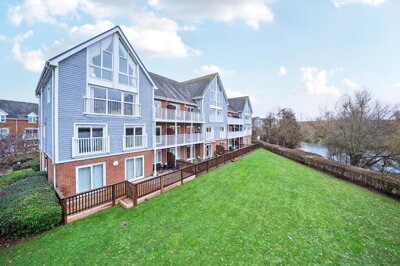
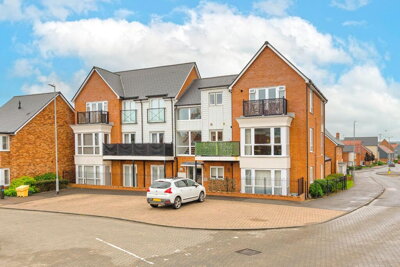
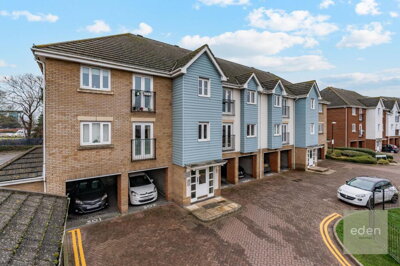
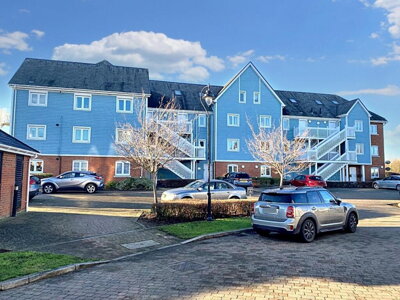
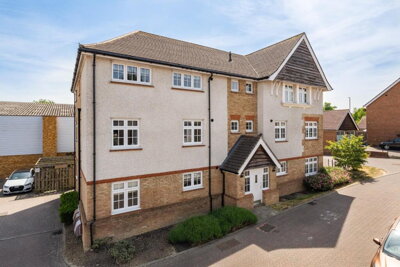
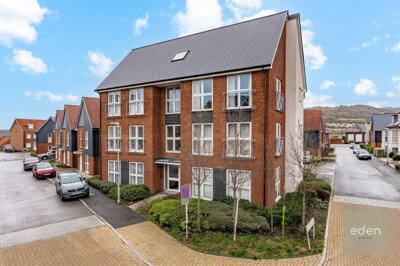
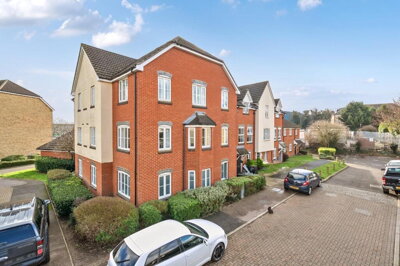
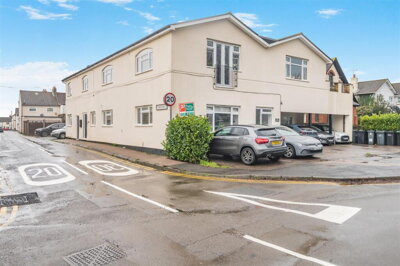
Browse 38 homes for sale in Burham, Tonbridge and Malling from local estate agents.
The 2 bed flat sector typically includes two separate bedrooms, dedicated living areas, and bathroom facilities. Properties in Burham span purpose-built blocks, converted period houses, and modern apartment complexes on various floors.
£0k
0
0
0
Source: home.co.uk
Showing 0 results for 2 Bedroom Flats for sale in Burham, Tonbridge and Malling.
The Chipstable property market operates as a niche segment within the wider Somerset housing landscape, characterised by limited stock and strong demand from buyers seeking rural lifestyles. Recent sold price data indicates properties in the village have achieved prices averaging around £463,500, though individual transactions can vary considerably based on property size, condition, and land holdings. Some sources suggest average prices around £496,000 as of early 2026, reflecting the village's position at the upper end of Somerset's rural property market. The neighbouring TA4 postcode area has recorded a modest 0.8% price increase over the past twelve months, with a more substantial 14.8% rise over the five-year period, suggesting sustained long-term value appreciation in this part of Somerset.
New-build development within Chipstable itself remains minimal, as the village's conservation character and planning restrictions protect its rural integrity. A notable recent listing includes a stunning six-bedroom detached rural property with approximately 5.7 acres, guide priced at £1,250,000, representing the upper end of the local market. Another significant transaction recorded at The Grange, Chipstable, TA4 2PZ shows a sale at £1,000,000 in October 2024, demonstrating continued appetite for premium rural holdings in this specific village. For comparison, wider Somerset averages show detached properties at £430,000, semi-detached homes at £280,000, terraced properties at £230,000, and flats at £160,000 as of late 2025, providing useful context for buyers evaluating value in this specific village.
Historical market data reveals some volatility in Chipstable prices, with sold prices reported as 54% down on the previous year and 40% below the 2022 peak of £767,000 for certain property types. This correction from peak values presents opportunities for buyers entering the market at more accessible price points while the underlying demand for rural Somerset property remains firm. First-time buyers and families relocating from urban areas continue to drive interest in village properties offering space and countryside amenities. The village's position within the TA4 2QQ postcode area shows that over the past 18 years, approximately 2 property sales have been recorded, highlighting how thin the market is in this specific location.
Chipstable embodies the quintessential English village experience, sitting within the Blackdown Hills Area of Outstanding Natural Beauty in west Somerset. The village centre centres around the historic Church of All Saints, a listed building dating from the 15th century with its tower restored in 1859 and nave, aisle, and porch rebuilt in 1869, providing the community with a focal point of considerable architectural heritage. The tight geographical footprint of the parish, home to just 312 residents, fosters a genuine sense of community where neighbours know one another and village events draw participation from across the locality. Several other properties in the village carry listed building status, contributing to the overall heritage character of this small Somerset settlement.
The traditional building materials of Chipstable reflect its Somerset heritage, with properties predominantly constructed using local stone and chert from the Blackdown Hills geology. Pickwell Down Sandstone features prominently in village buildings, often used as rubblestone for walls with more carefully worked stone for quoins and dressings. From the 17th century onwards, brick construction became more prevalent, creating the varied architectural character visible in village cottages and farmhouses today. Many older Chipstable properties may also feature cob construction, a traditional Somerset building material made from rammed earth and straw, which requires specialist understanding for maintenance and renovation. This material palette gives Chipstable its distinctive warm, golden appearance that distinguishes it from other Somerset villages.
Daily life in Chipstable revolves around access to the surrounding countryside, with extensive footpaths and rural lanes providing opportunities for walking, cycling, and exploring the Blackdown Hills landscape. The village operates as a residential community, with residents typically travelling to nearby towns such as Taunton for major shopping, healthcare, and employment requirements. Local employment opportunities are limited, with most residents working in agriculture, small local businesses, or commuting to towns in the surrounding area. The TA4 postcode area connects Chipstable to wider regional facilities while maintaining the seclusion and character that makes village living so appealing to buyers seeking respite from urban pressures. Many residents enjoy the flexibility of hybrid working arrangements, reducing the need for daily commuting while still maintaining professional careers.

The housing stock in Chipstable differs significantly from urban property markets, with a strong predominance of detached homes and period properties reflecting the village's rural character and history. Properties in the TA4 2QQ postcode area show that "other" property types make up around 50% of transactions, followed by detached properties, indicating a market dominated by characterful rural homes rather than conventional suburban housing. This distribution underscores why buyers seeking space, land, and authentic countryside character find Chipstable particularly appealing compared to more densely populated areas.
Traditional cottages in Chipstable typically date from the 18th or 19th century, featuring thick walls constructed from local stone or cob, thatched or slate roofs, and interior character including exposed beams, stone fireplaces, and flagstone floors. Period farmhouses in the village often retain original features while offering generous proportions suitable for family occupation, with multiple reception rooms, large kitchens, and attendant land. Detached family homes in Chipstable range from traditional stone-built properties to more recent constructions, though even newer builds tend to reflect local architectural traditions to blend with the village aesthetic.
The village's older properties, while full of character, may conceal issues that only become apparent through careful inspection. Traditional construction methods used in Chipstable homes, including cob walls, timber framing, and historic brickwork, each have their own maintenance requirements and potential defect patterns that differ from modern construction. A thorough survey by a qualified inspector experienced with period properties helps identify any structural concerns, former alterations, or maintenance needs before you commit to a purchase. Given the village's age and the traditional materials used throughout, this due diligence proves particularly valuable for Chipstable buyers.
Understanding the traditional building materials used in Chipstable properties helps buyers appreciate the construction quality and anticipate maintenance requirements for their potential new home. The Blackdown Hills geology provides distinctive building stones that have shaped village architecture for centuries. Pickwell Down Sandstone, named after the nearby Pickwell Down, features prominently in Chipstable's older buildings, prized for its warm golden colouring and relative ease of working. Chert, a hard sedimentary rock also found in the central Blackdown Hills, appears throughout village buildings, typically used as rubblestone for wall construction with more carefully dressed stone reserved for quoins, window surrounds, and other prominent features.
Traditional timber framing appears in some of Chipstable's oldest cottages and farmhouses, with oak or elm frames supporting the structure while infill panels of wattle and daub, brick noggin, or cob provide the walls. These older construction methods can perform well when maintained correctly but require understanding of their behavior, particularly regarding moisture management and structural movement. Specialist surveyors familiar with traditional Somerset construction can assess these properties more effectively than those only experienced with modern buildings.
Properties constructed from the 17th century onwards increasingly used brick, with Somerset bricks typically lighter and more varied in colour than those produced elsewhere in England due to local clay deposits and firing methods. This transition from stone to brick creates the interesting architectural variety visible in Chipstable today, with some properties featuring stone lower walls topped with brick above, or pure brick construction for later buildings. Planning restrictions in the Blackdown Hills AONB and any applicable conservation considerations help preserve this architectural heritage, maintaining the village's distinctive character and supporting property values for character homes.

Families considering a move to Chipstable will find educational facilities available within reasonable driving distance, though the village itself does not host a primary school. The nearest primary schools serve surrounding villages and small towns in the TA4 postcode area, with several rated highly by Ofsted for quality of education. Parents should research specific catchment areas and admissions criteria when prioritising school proximity, as rural catchment zones can extend across considerable distances and vary between schools. The village's small population means that demand for school places is relatively modest compared to urban areas, potentially reducing competition for places at popular schools within the catchment.
Secondary education options in the region include schools in nearby towns that serve the Blackdown Hills villages, with some families choosing independent schools within reasonable travel range. Transport arrangements for secondary school pupils typically involve school bus services operating from outlying villages to central secondary sites. Sixth form and further education provision is concentrated in Taunton, approximately 12-15 miles from Chipstable, where comprehensive college facilities serve students from across the wider Somerset area. Families should plan for school transport arrangements when considering a move to Chipstable, particularly for secondary-aged children who will require daily travel to their school of choice.
Early years childcare and preschool facilities may be available in neighbouring villages, with some operating from village halls on a part-time schedule. Given the rural location, families should confirm current provision and waiting list situations when planning a move to Chipstable with young children. Many families in similar rural Somerset locations choose to combine preschool arrangements with flexible working patterns, taking advantage of the lifestyle opportunities that village living provides while managing childcare logistics. The close-knit nature of the Chipstable community can also support families through shared childcare arrangements and local networks.
Transport connectivity from Chipstable reflects its rural village character, with residents typically relying on private vehicles as the primary means of daily travel. The village sits approximately 15 miles from Taunton, the county town of Somerset, which provides access to the national rail network via Taunton railway station. Regular bus services operate along key routes connecting Blackdown Hills villages to market towns, though frequencies may be limited compared to urban services, making car ownership effectively essential for most residents. The road network connecting Chipstable to surrounding areas consists primarily of country lanes, which while scenic require careful driving and add time to any journey.
Taunton railway station offers direct rail connections to major destinations including Bristol, Exeter, London Paddington, and Plymouth, with journey times to London typically around 2 hours. For commuters working in Bristol or Exeter, living in Chipstable requires careful consideration of journey times and flexibility in working arrangements, though the quality of life benefits of rural Somerset living often offset the practical challenges of longer commutes. Some residents opt for hybrid working arrangements that reduce the frequency of commuting required, taking advantage of improved broadband connectivity in rural Somerset that supports home working.
Road access from Chipstable operates via country lanes connecting to the A358 and A38 trunk roads that link the Blackdown Hills to the wider road network. The M5 motorway is accessible via Taunton, providing connections to the Midlands and the South West peninsula. For leisure and recreation, the cycling infrastructure in the area has improved in recent years, with popular routes through the Blackdown Hills attracting both residents and visitors seeking to explore the scenic countryside on two wheels. National Cycle Network routes pass through the region, offering traffic-free options for cycling to nearby towns and linking into the wider South West cycling network.
Explore current listings in Chipstable and the surrounding TA4 postcode area. Understand the village character, planning restrictions, and what makes this part of Somerset special. Our platform provides comprehensive property search tools alongside detailed area information to support your research. Pay particular attention to how few properties come to market in any given year, as this will help calibrate your expectations and search strategy.
Arrange viewing trips to Chipstable to experience the village atmosphere firsthand. Explore the surrounding countryside, visit local amenities in nearby towns, and speak with residents to understand daily life in this rural community. Timing visits across different days and seasons provides the most complete picture of what living in the village would actually involve. Consider visiting at different times of day to assess noise levels, traffic, and community activity patterns.
Obtain a mortgage agreement in principle before making offers on properties. Rural properties can sometimes involve unique financing considerations, particularly for older properties with non-standard construction or those with substantial land holdings. Our mortgage comparison tools help you find competitive rates from UK lenders. Factor in the additional costs associated with traditional construction properties, including potential specialist surveys and maintenance requirements.
Work with a local estate agent to submit your offer on your chosen property. Once accepted, instruct a conveyancing solicitor to handle the legal aspects of your purchase. The solicitor will conduct searches, review contracts, and manage communications with the seller's legal team throughout the transaction. For Chipstable properties, searches may include drainage assessments, septic tank compliance, and environmental searches specific to the Somerset area.
A RICS Level 2 survey is advisable for most properties, providing a thorough assessment of condition and identifying any issues requiring attention. Additional searches specific to rural properties may include drainage assessments, septic tank compliance, and environmental searches for the Somerset area. For period properties in Chipstable, consider whether a more detailed Level 3 survey would be appropriate given the traditional construction methods likely to be present.
Once all enquiries are resolved and financing is confirmed, you will exchange contracts and pay your deposit. Completion typically follows within days or weeks, after which you will receive the keys to your new Chipstable home. Register your ownership with HM Land Registry and update your address details with relevant organisations. Arrange buildings insurance from exchange of contracts onwards, as this is a legal requirement.
Purchasing property in Chipstable requires attention to several considerations specific to rural Somerset locations. The age and construction of village properties deserves careful scrutiny, as many homes feature traditional building methods using local stone, cob, or historic brickwork that may require different maintenance approaches compared to modern construction. A thorough survey can identify any structural concerns, while understanding the property's construction history helps anticipate future maintenance requirements and costs. Be particularly attentive to the condition of roofs, as period properties often feature original or historic roof structures that may have been repaired over many years.
Planning permissions and restrictions in the Blackdown Hills AONB can affect what owners can do with their properties, including extensions, outbuildings, and alterations. Buyers should review the local planning authority records for any relevant permissions or conditions affecting the property. Conservation considerations may apply to listed buildings or properties within designated heritage areas, potentially limiting permitted development rights and requiring planning approval for certain works. Always check whether a property is listed before assuming what works might be permissible under permitted development rights.
Drainage arrangements for rural properties often differ from urban homes, with many Chipstable properties relying on private septic tanks or treatment systems rather than mains sewerage. These systems require regular maintenance and may need upgrading to meet current regulations. Buyers should commission a drainage survey as part of their due diligence and factor any necessary improvements into their overall purchase budget. Similarly, rural water supply arrangements should be confirmed to ensure consistent and safe water provision, whether from mains supply or private sources.
Properties with land or substantial gardens require understanding of boundary responsibilities, rights of way, and any agricultural or maintenance obligations that may attach to the property. Your solicitor can advise on these matters during the conveyancing process. For properties in the Blackdown Hills AONB, the planning landscape is more restrictive than in non-designated areas, which helps preserve the rural character that makes Chipstable desirable but also limits what modifications owners can make to their properties.
The average house price in Chipstable is approximately £463,500 based on recent transaction data, though individual property values vary considerably based on size, condition, and land holdings. Some sources indicate average prices around £496,000 as of early 2026. The village has experienced some price correction from the 2022 peak of £767,000, though long-term appreciation in the TA4 postcode area shows a 14.8% increase over five years. Buyers should note that Chipstable operates as a niche market with limited available stock, which can influence pricing dynamics compared to larger towns. Properties with substantial land holdings, such as holdings of several acres, can command significantly higher prices reflecting the value of rural land in this area.
Council tax bands for Chipstable properties follow Somerset Council's valuation system, with bands ranging from A through H based on property value. Specific band allocations for individual properties can be checked through the Valuation Office Agency website using the property address. Given the predominantly older and character property stock in the village, many homes fall in mid-range bands, though larger detached properties with land may attract higher valuations and correspondingly higher council tax charges. Period farmhouses with multiple bedrooms and land holdings often fall into bands E through G, while smaller cottages may be categorised in bands B or C. First-time buyers and those moving to the village from higher-band urban properties may find their council tax costs reduce following a purchase.
Primary and secondary school provision in the Chipstable area is spread across villages in the Blackdown Hills, with several well-regarded schools within driving distance. Exact school performance and Ofsted ratings change over time, so parents should research current information directly through official government channels. School transport arrangements for secondary pupils typically operate via dedicated bus services from outlying villages to schools in nearby towns. Families moving to Chipstable should confirm catchment areas, admissions policies, and available transport arrangements when evaluating school accessibility. The closest primary schools are typically located in surrounding villages within the TA4 postcode area, with journey times requiring car transport in most cases.
Public transport connectivity from Chipstable reflects its rural village location, with bus services providing connections to nearby towns but at frequencies lower than urban areas. Bus routes through the Blackdown Hills typically operate at hourly or two-hourly intervals during daytime hours, with reduced services on weekends and public holidays. The nearest railway station is Taunton, approximately 15 miles away, offering direct services to Bristol, Exeter, and London Paddington. Most residents rely on private vehicles as their primary transport mode, making car ownership essential rather than optional for daily life in this part of Somerset. Residents working in Bristol or Exeter commonly drive to Taunton station for rail connections, rather than relying on bus services for commuting.
Property investment in Chipstable benefits from the enduring appeal of rural Somerset locations within the Blackdown Hills AONB, where limited supply of quality homes sustains demand. The village benefits from proximity to good transport links via Taunton while offering the tranquil lifestyle that attracts buyers willing to commute. Properties with land, character features, or potential for improvement tend to hold their value well. However, the small market size means capital growth may be slower than in areas with higher transaction volumes and more diverse buyer demand. Investors should also consider the liquidity of the Chipstable market, as properties may take longer to sell than in more active markets. The village's status within the AONB provides some protection against over-development that could diminish the rural character driving demand.
Stamp Duty Land Tax rates for residential purchases start at 0% on the first £250,000 of property value, rising to 5% on the portion between £250,001 and £925,000. For properties above £925,000, the rate increases to 10% up to £1.5 million, with 12% applying above that threshold. First-time buyers can claim relief on the first £425,000 of a purchase, paying 5% between £425,001 and £625,000 with no relief above that amount. The purchase price of your Chipstable property determines which rate applies to your situation. For a typical Chipstable property at the village average of £463,500, standard SDLT would be approximately £10,675, calculated at 5% on the £213,500 portion above £250,000.
Chipstable lies within the Blackdown Hills Area of Outstanding Natural Beauty, which imposes additional planning considerations beyond standard Somerset Council requirements. Development within AONBs is tightly controlled to protect landscape character, meaning exterior alterations, extensions, and new buildings face stricter scrutiny than in non-designated areas. Several village properties carry listed building status, adding further restrictions on alterations to their historic fabric. Permitted development rights may be more limited than in other locations, requiring planning permission for works that might normally proceed without consent elsewhere. We recommend consulting Somerset Council's planning department before committing to any purchase where you anticipate making changes to the property.
Many Chipstable properties operate on private drainage systems rather than mains sewerage, including septic tanks, treatment plants, or Package Treatment Systems that require regular emptying and maintenance. These systems must comply with relevant regulations, and buyers should commission a drainage survey to assess the condition and compliance of any private system. Water supply in Chipstable typically comes from the mains network, though some properties may rely on private boreholes or springs, which require different testing and maintenance approaches. Electricity and gas connections should be verified with relevant utility providers, while broadband speeds have improved in rural Somerset but should be confirmed with local providers before purchase.
Understanding the full costs of purchasing property in Chipstable helps buyers budget accurately and avoid surprises during the transaction process. The primary government levy is Stamp Duty Land Tax, calculated on a progressive scale starting at zero percent on the first £250,000 of purchase price for standard residential buyers. For a typical Chipstable property at the village average of £463,500, this means SDLT of approximately £10,675, calculated at 5% on the amount above £250,000. The SDLT calculation works on the portion of price falling within each band, so for a £463,500 property you pay nothing on the first £250,000 and 5% on the remaining £213,500.
First-time buyers purchasing property in Chipstable benefit from increased thresholds, paying nothing on the first £425,000 and 5% on the amount between £425,001 and £625,000. This relief can significantly reduce costs for first-time buyers purchasing at average price levels, though the relief does not apply to purchases above £625,000. Properties above £925,000 attract higher SDLT rates of 10% on the portion between £925,001 and £1.5 million, and 12% above that threshold. Given Chipstable's average price level sits below the first-time buyer threshold ceiling, many buyers entering the local market from renting may qualify for first-time buyer relief, substantially reducing their upfront purchase costs.
Beyond SDLT, buyers should budget for solicitor conveyancing fees typically ranging from £499 to £1,500 depending on complexity and property value. A RICS Level 2 survey costs between £416 and £639 nationally, providing detailed assessment of property condition essential for older Chipstable homes with traditional construction. Additional costs include Land Registry fees for registering your ownership, search fees for local authority and environmental searches, and potential mortgage arrangement fees if borrowing. Buildings insurance must be in place from exchange of contracts, and removals costs complete the typical purchase budget. Our conveyancing comparison tool helps you find competitive rates from verified solicitors experienced with Somerset property transactions.
Properties for Sale In London

Properties for Sale In Plymouth

Properties for Sale In Liverpool

Properties for Sale In Glasgow

Properties for Sale In Sheffield

Properties for Sale In Edinburgh

Properties for Sale In Coventry

Properties for Sale In Bradford

Properties for Sale In Manchester

Properties for Sale In Birmingham

Properties for Sale In Bristol

Properties for Sale In Oxford

Properties for Sale In Leicester

Properties for Sale In Newcastle

Properties for Sale In Leeds

Properties for Sale In Southampton

Properties for Sale In Cardiff

Properties for Sale In Nottingham

Properties for Sale In Norwich

Properties for Sale In Brighton

Properties for Sale In Derby

Properties for Sale In Portsmouth

Properties for Sale In Northampton

Properties for Sale In Milton Keynes

Properties for Sale In Bournemouth

Properties for Sale In Bolton

Properties for Sale In Swansea

Properties for Sale In Swindon

Properties for Sale In Peterborough

Properties for Sale In Wolverhampton

Enter your details to see if this property is within your budget.
Loans, cards, car finance
Estimated property budget
Borrowing + deposit
You could borrow between
Typical borrowing
Monthly repayment
Est. at 4.5%
Loan-to-value
This is an estimate only. Your actual budget may vary depending on interest rates, credit history, and personal circumstances. For an accurate affordability assessment, speak to one of our free mortgage advisors.
This calculator provides estimates for illustrative purposes only and does not constitute financial advice. Your home may be repossessed if you do not keep up repayments on your mortgage. Estimates based on 4.5% interest rate, repayment mortgage. Actual rates depend on your circumstances.
Homemove is a trading name of HM Haus Group Ltd (Company No. 13873779, registered in England & Wales). Homemove Mortgages Ltd (Company No. 15947693) is an Appointed Representative of TMG Direct Limited, trading as TMG Mortgage Network, which is authorised and regulated by the Financial Conduct Authority (FRN 786245). Homemove Mortgages Ltd is entered on the FCA Register as an Appointed Representative (FRN 1022429). You can check registrations at NewRegister or by calling 0800 111 6768.

We use cookies to show you personalised content and improve your experience of our website. Find out more in our Privacy policy and Cookie policy.