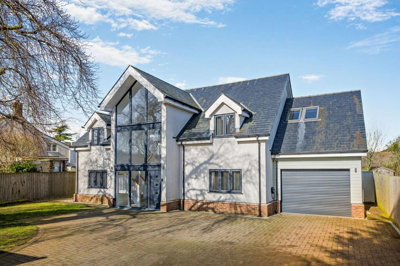
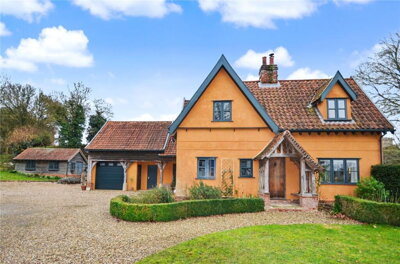
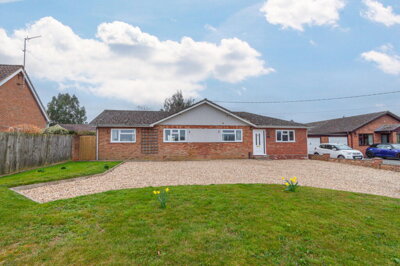
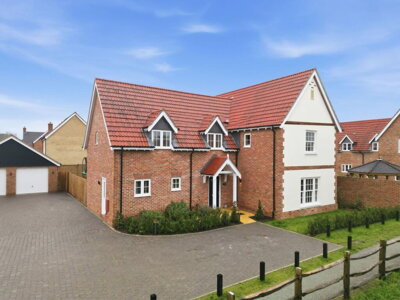
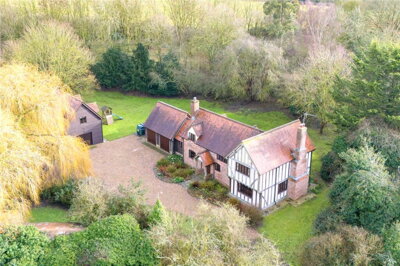
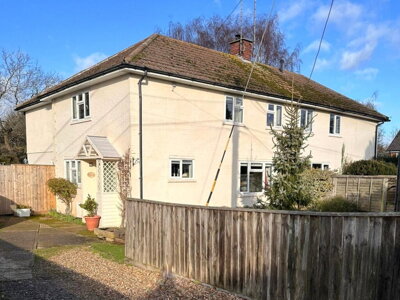
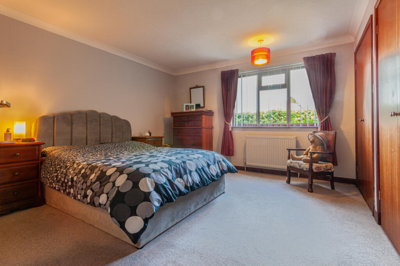
Browse 7 homes for sale in Burgh, East Suffolk from local estate agents.
The larger property sector typically features multiple bathrooms, substantial reception space, and private gardens or off-street parking. Four bedroom houses in Burgh span detached, semi-detached, and occasionally terraced configurations, with styles ranging from period properties to modern executive homes.
£0k
0
0
0
Source: home.co.uk
Showing 0 results for 4 Bedroom Houses for sale in Burgh, East Suffolk.
The property market in Burgh, East Suffolk, reflects the dynamics of rural Suffolk living, with an overall average house price of £154,000 recorded over the past year. This figure positions Burgh as an accessible option within the broader East Anglian property landscape, where prices have generally remained more stable than in metropolitan areas. The village forms part of the Suffolk Coastal district, which has seen varying levels of activity across different property types, from traditional cottage conversions to purpose-built family homes. Data from major property portals indicates that homes in Burgh and the surrounding IP13 postcode area have experienced a notable price correction, with values falling by 33% compared to the previous year and a 28.5% decline over the most recent 12-month period as of January 2026.
For buyers considering a purchase in Burgh, the current market conditions present both opportunities and considerations. The significant price adjustment over the past year suggests that properties may be available at more competitive valuations than in previous market peaks. This could be particularly attractive to buyers prioritising long-term value and lifestyle over rapid capital appreciation. The village's proximity to Woodbridge, Saxmundham, and the Heritage Coastline adds to its appeal, potentially supporting property values as more buyers discover the attractions of rural Suffolk living. Our listings database updates regularly to capture new properties coming to market in Burgh and the surrounding parishes, ensuring you have access to the most current selection of homes available.
The housing stock in Burgh predominantly consists of traditional Suffolk construction, including period cottages, farmhouses, and converted agricultural buildings that reflect the village's agricultural heritage. Many properties date from the Georgian or Victorian eras, featuring characteristic peg tile roofs, original timber joinery, and solid brick or flint walls that require different maintenance approaches compared to modern construction. The village's location within the River Deben catchment area means that properties on lower ground or near watercourses may warrant additional consideration during the conveyancing process. Prospective buyers should factor in the age and construction type of any property when assessing renovation costs and ongoing maintenance requirements.
Investment potential in Burgh and the wider IP13 area merits careful consideration given the recent price movements. While the village may not offer the rapid capital appreciation seen in commuter belt locations, the combination of affordable entry prices, strong lifestyle credentials, and improving transport connections to London via Woodbridge station creates a foundation for steady long-term value retention. Properties with good access to the A12 and those within reasonable commuting distance of Woodbridge tend to maintain their appeal to buyers seeking the rural Suffolk lifestyle without complete isolation from employment centres.

Life in Burgh, East Suffolk, offers a quintessentially English village experience set within the stunning Suffolk countryside. The village forms part of the East Suffolk district and sits within the River Deben catchment area, surrounded by productive agricultural land and ancient woodland. The local landscape is characterised by rolling farmland, hedgerow-lined lanes, and scattered farmsteads that have defined this part of Suffolk for centuries. The presence of historic listed buildings, including properties such as Ancient House at Burgh Corner, speaks to the architectural heritage that pervades the village. The village community is active and engaged, with regular events at the village hall and the local pub serving as gathering points for residents throughout the year.
Daily life in Burgh is supported by the amenities available in nearby towns. Woodbridge, approximately five miles to the southeast, provides comprehensive shopping facilities including independent retailers, supermarkets, and weekly markets. The town also offers healthcare facilities, banks, and a range of restaurants and cafes. For larger shopping trips or cultural activities, Ipswich is accessible via the A12 trunk road or by rail from Woodbridge station. The surrounding Suffolk countryside offers extensive walking and cycling opportunities, with the Suffolk Coast and Heaths Path and Sandlings Walk providing access to some of the county's most beautiful landscapes. The nearby coast at Aldeburgh, Thorpeness, and Sizewell offers sandy beaches and coastal walks, while the Broads National Park lies to the northeast, providing additional recreational opportunities.
The local economy around Burgh is largely agricultural, with farms in the surrounding area producing cereals, vegetables, and livestock that contribute to the Suffolk agricultural reputation. Small-scale rural businesses, artisan producers, and craft workshops add diversity to the local economy, while the proximity to Woodbridge and Saxmundham provides access to broader employment opportunities. The village's position within easy reach of the A12 corridor supports commuting to larger employers in Ipswich and along the Suffolk coast. Many residents work remotely, taking advantage of the peaceful environment while maintaining connections to employers in London and other major cities.

Education provision for families considering a move to Burgh, East Suffolk, centres on the strong primary school network in the surrounding area and the excellent secondary options available in nearby towns. Within the local area, several primary schools serve the village and surrounding parishes, many of which are rated favourably by Ofsted and cater to children from Reception through to Year 6. These rural primary schools typically benefit from smaller class sizes, strong community connections, and dedicated teaching staff who know each pupil individually. The Church of England primary schools in the region maintain close ties with local parishes, offering an education rooted in Christian values while following the national curriculum.
Several primary schools in the surrounding villages serve Burgh families. Eyke Primary School, located in the nearby village of Eyke approximately three miles from Burgh, provides education for children in the local area and maintains a good reputation among families in the IP13 postcode. Wickham Market Primary School, situated in the larger village of Wickham Market to the north, offers additional primary provision with good facilities and a broad curriculum. Both schools feed into secondary schools in the wider area, and parents should verify current catchment boundaries as these can affect admissions decisions. The rural nature of these schools means that school transport arrangements may be relevant for families without private vehicles.
Secondary education in the area is well-served by several options accessible from Burgh. The Hartismere School in Eye, approximately 10 miles to the northwest, is a popular choice and has achieved good Ofsted ratings, offering a comprehensive curriculum and strong academic results. Woodbridge School, an independent secondary school in the nearby town, provides private education options for families seeking an alternative to the state sector. For sixth form and further education, students can access courses at Suffolk One in Ipswich, the College of West Anglia, or the sixth form facilities at King Edward VI School in Bury St Edmunds. Parents should research specific catchment areas and admissions criteria, as these can vary depending on the precise location of the property within the IP13 postcode area.
Transport connectivity from Burgh, East Suffolk, combines the tranquility of rural living with practical access to major urban centres. The village sits near the A12 trunk road, which runs north-south through Suffolk and provides the primary road route to Ipswich to the south and Norwich to the north. The A14 trunk road, connecting Felixstowe port to the Midlands, is accessible via the A12 and provides links to Cambridge, Birmingham, and the wider motorway network. For air travel, Norwich International Airport offers domestic and European flights, while London Stansted Airport is approximately 90 minutes away by car. The proximity to these major transport hubs makes Burgh viable for commuters who need occasional access to international travel.
Rail services in the surrounding area provide connections to the national network. Woodbridge railway station, approximately five miles from Burgh, offers services on the East Suffolk Line with connections to Ipswich, where faster services to London Liverpool Street are available. The journey time from Woodbridge to London Liverpool Street is approximately 75 minutes, making day commuting feasible for those working in the capital. Saxmundham railway station, also within easy reach, provides additional options on the East Suffolk Line with similar connectivity to Ipswich. Local bus services operated by First Group and other providers connect Burgh to nearby towns, though frequencies are limited on some routes, making a car virtually essential for daily life in this rural location. The village benefits from good cycling infrastructure, with quiet country lanes popular with recreational cyclists and commuters alike.
The A12 provides the main arterial route for Burgh residents, connecting the village to the wider Suffolk road network. From Burgh, the A12 offers straightforward access south to Woodbridge (approximately 15 minutes), then onward to Ipswich (approximately 30 minutes) and the A14 interchange. Northbound, the A12 connects to Saxmundham (approximately 15 minutes), Leiston, and to Great Yarmouth via the A47. Traffic levels on the A12 can increase during summer months when visitors travel to the Suffolk coast, so residents travelling during peak season should allow additional time for journeys. The village's position off the main A12 route does provide some protection from through traffic, maintaining the peaceful character that residents value.
Contact a mortgage broker or bank to obtain an Agreement in Principle before beginning your property search. Having this in place demonstrates your seriousness to sellers and estate agents, and helps you understand your realistic budget when searching for homes in Burgh. Our partners at Homemove offer competitive mortgage rates and can connect you with suitable lenders who understand the Suffolk property market. Given the average property price in Burgh of £154,000, many buyers will find they can access favourable mortgage terms with relatively modest deposits.
Review current listings in Burgh and the surrounding IP13 postcode area to understand what is available at various price points. Consider engaging with local estate agents who have detailed knowledge of the village and can alert you to properties coming to market before they appear on major portals. Factor in the recent price trends when assessing value. The 33% price correction over the past year means buyers may find better value than in previous market cycles, though thorough due diligence remains essential.
Arrange viewings of properties that match your criteria and take time to explore Burgh and the surrounding villages. Visit at different times of day to understand traffic, noise levels, and community atmosphere. Check proximity to schools, transport links, and local amenities that matter most to your household. We recommend exploring the village at weekends and on weekday evenings to get a full picture of the community atmosphere.
Once you find a property you wish to purchase, instruct a solicitor with experience in Suffolk property transactions. Your solicitor will handle searches, contracts, and the legal transfer of ownership. Using a local solicitor familiar with East Suffolk properties can help identify any specific issues relevant to the area, including drainage arrangements common to rural properties and any rights of way that may affect the property.
Arrange a RICS Level 2 HomeBuyer Report or Level 3 Building Survey to assess the condition of the property. Local surveys in the Burgh area typically start from £350, depending on property size. Your solicitor will also conduct local authority searches, drainage searches, and environmental searches specific to the property's location. Given the age of many properties in Burgh, a thorough survey is particularly important to identify any issues with traditional construction methods.
Once all surveys and searches are satisfactory and your mortgage offer is confirmed, you will exchange contracts and pay your deposit. Completion typically follows within 2-4 weeks, after which you will receive the keys to your new home in Burgh, East Suffolk. Our team can recommend local removal firms and connect you with utility providers to make your move as smooth as possible.
Purchasing a property in Burgh, East Suffolk, requires careful consideration of several factors specific to rural Suffolk properties. The age of housing stock in the village and surrounding area means that many homes will have been constructed using traditional methods and materials, potentially including peg tile roofs, original timber frames, and solid brick or flint construction. Properties of this age may require more maintenance than modern equivalents, and buyers should budget accordingly for any renovation or improvement works. A thorough RICS Level 2 HomeBuyer Report or Level 3 Building Survey will identify any structural concerns, potential damp issues, or roof condition problems that are common in older properties.
Flood risk is an important consideration for properties in parts of rural Suffolk, particularly those near rivers or in low-lying areas. While Burgh itself sits at a moderate elevation, properties in the surrounding countryside may be subject to surface water flooding or proximity to flood plains. Your solicitor should conduct appropriate drainage and flood risk searches as part of the conveyancing process. Listed buildings, such as the historic property at Burgh Corner, require special consideration as they may have restrictions on alterations and will require listed building consent for significant works. Planning restrictions in the conservation area, if applicable, may also limit permitted development rights. Always verify the exact boundaries and rights attached to any property with your solicitor before proceeding.
Several common issues affect period properties in the Burgh area and warrant careful inspection. Traditional Suffolk properties often feature lime-based mortars and renders that allow the building fabric to breathe, and inappropriate modern insulation or renovation work can trap moisture and cause deterioration. Roofs on older properties may have been partially re-tiled over the years, leading to mixed construction that can create maintenance challenges. Electrical wiring in period properties frequently requires updating to meet current standards, and buyers should budget for re-wiring if the property retains original or partially updated electrics. Subsidence risk in the area is generally low, but properties on clay soils should be checked for any signs of movement or historic cracking.
The average house price in Burgh, Suffolk, is £154,000 based on transactions over the past year. This reflects a significant price adjustment, with values falling by 33% compared to the previous year and 28.5% over the most recent 12-month period. This positions Burgh as an affordable option within the Suffolk property market, though buyers should note that individual properties may vary considerably based on type, condition, and location within the village. The current market conditions offer opportunities for buyers seeking value in rural Suffolk, though the recent price trends suggest caution for those expecting rapid appreciation.
Properties in Burgh, East Suffolk, fall under East Suffolk Council (previously Suffolk Coastal District Council). Council tax bands in the area range from Band A through to Band H, depending on the property's assessed value. Most traditional village cottages and smaller properties in Burgh typically fall into Bands A to C, meaning annual charges are among the lowest in the country. Band A properties in East Suffolk currently pay approximately £1,300-1,400 per year, though buyers should verify the specific banding with East Suffolk Council as part of their conveyancing process.
The area around Burgh offers good educational options across all levels. For primary education, schools in the surrounding villages such as Eyke Primary School and Wickham Market Primary School serve the local community and have positive reputations. At secondary level, The Hartismere School in nearby Eye is a popular choice with good Ofsted ratings. Woodbridge provides additional options including the independent Woodbridge School. Families should research specific catchment areas and admissions criteria, as entry to popular schools can be competitive depending on proximity and available spaces.
Public transport options from Burgh are limited, reflecting its rural village location. The nearest railway stations are at Woodbridge and Saxmundham, offering services on the East Suffolk Line with connections to Ipswich and London Liverpool Street. Bus services connect Burgh to nearby towns, though frequencies are reduced compared to urban areas, typically running hourly or less on weekdays. The A12 trunk road provides road access to Ipswich and Norwich, while the proximity of the A14 enables longer-distance travel. Most residents find that car ownership is essential for daily life in Burgh and the surrounding rural area.
Burgh offers potential for certain types of property investment, though buyers should approach with realistic expectations. The village's affordability compared to other parts of Suffolk and the Southeast makes it accessible for first-time buyers and those seeking lifestyle purchases. Properties in rural Suffolk with good transport links to London, such as those near Woodbridge, tend to hold their value reasonably well. The recent 28.5% price correction may present buying opportunities for long-term investors. However, rental demand in small rural villages can be limited, and capital appreciation prospects should be weighed against ongoing costs. Always consult with a local property professional before making investment decisions.
Stamp duty rates in England for 2024-25 are structured as follows: no duty is payable on properties up to £250,000, 5% on the portion from £250,001 to £925,000, 10% from £925,001 to £1,500,000, and 12% above £1,500,000. First-time buyers benefit from relief on properties up to £625,000, paying 0% on the first £425,000 and 5% on the remainder up to £625,000. Given that the average property price in Burgh is £154,000, most buyers would pay no stamp duty at all, making this an exceptionally cost-effective location for first-time buyers or those purchasing at the lower end of the market.
Properties in Burgh and the surrounding IP13 postcode area predominantly consist of traditional period homes including Victorian and Georgian cottages, terraced workers' houses, and detached farmhouses. Many homes in the village date from the 18th and 19th centuries and feature characteristic Suffolk construction methods such as peg tile roofs, red brick or flint walls, and original timber windows. Detached family homes with gardens are available but tend to command higher prices within the village. The historic property at Ancient House, Burgh Corner demonstrates the quality of period architecture available, though such properties may require ongoing maintenance and specialist care.
Burgh contains several listed buildings that reflect its historic heritage, including properties along Burgh Corner that are protected for their architectural and historical significance. Listed buildings in the village require special consideration during purchase as they may be subject to restrictions on alterations and require listed building consent for significant works. Properties in conservation areas, where applicable, may have reduced permitted development rights that limit the scope for extensions or outbuildings. We recommend instructing a solicitor with experience of listed property transactions to ensure you understand any obligations before proceeding with a purchase.
From 3.94%
Competitive mortgage rates from trusted lenders
From £499
Expert property solicitors for your Burgh purchase
From £350
Thorough inspection of your Burgh property
From £60
Energy performance certificate for your new home
Buying a property in Burgh, East Suffolk, involves several costs beyond the purchase price that buyers should factor into their budget. The most significant additional cost is the Stamp Duty Land Tax (SDLT), though at current average property prices in Burgh of £154,000, most buyers will find this charge minimal or non-existent. Standard buyers pay no SDLT on properties up to £250,000, which covers the vast majority of homes in this village. First-time buyers enjoy even more favourable terms, with no SDLT payable on the first £425,000 of a property purchase, meaning that a first-time buyer purchasing an average-priced home in Burgh would pay no stamp duty whatsoever.
Beyond SDLT, the total cost of purchasing a property includes solicitor conveyancing fees, which typically range from £500 to £1,500 depending on the complexity of the transaction and whether the property is freehold or leasehold. Local searches with East Suffolk Council usually cost between £150 and £300, while mortgage arrangement fees typically add another £0 to £2,000 depending on the lender and deal selected. A RICS Level 2 HomeBuyer Report costs from £350 to £600 depending on property size, while an Energy Performance Certificate is required for all sales and costs from £60. Surveyors experienced in Suffolk properties, particularly those familiar with traditional construction methods common in the area, can provide valuable insights into any issues affecting older village homes. Removal costs, decorator costs, and potential renovation budgets should also be considered when calculating the total cost of your move to Burgh.
For buyers purchasing in Burgh with a mortgage, the additional costs can add approximately 2-5% to the purchase price. A typical purchase of a £154,000 property might include solicitor fees of £800-1,200, survey costs of £350-500, search fees of £200-300, and mortgage arrangement fees of £0-1,000 depending on the deal selected. Removal costs typically range from £500 to £2,000 depending on the volume of belongings and distance moved. We recommend obtaining quotes from multiple providers for each service to ensure competitive pricing. Our recommended partners can provide bundled packages that represent good value for buyers in the Burgh area.
Properties for Sale In London

Properties for Sale In Plymouth

Properties for Sale In Liverpool

Properties for Sale In Glasgow

Properties for Sale In Sheffield

Properties for Sale In Edinburgh

Properties for Sale In Coventry

Properties for Sale In Bradford

Properties for Sale In Manchester

Properties for Sale In Birmingham

Properties for Sale In Bristol

Properties for Sale In Oxford

Properties for Sale In Leicester

Properties for Sale In Newcastle

Properties for Sale In Leeds

Properties for Sale In Southampton

Properties for Sale In Cardiff

Properties for Sale In Nottingham

Properties for Sale In Norwich

Properties for Sale In Brighton

Properties for Sale In Derby

Properties for Sale In Portsmouth

Properties for Sale In Northampton

Properties for Sale In Milton Keynes

Properties for Sale In Bournemouth

Properties for Sale In Bolton

Properties for Sale In Swansea

Properties for Sale In Swindon

Properties for Sale In Peterborough

Properties for Sale In Wolverhampton

Enter your details to see if this property is within your budget.
Loans, cards, car finance
Estimated property budget
Borrowing + deposit
You could borrow between
Typical borrowing
Monthly repayment
Est. at 4.5%
Loan-to-value
This is an estimate only. Your actual budget may vary depending on interest rates, credit history, and personal circumstances. For an accurate affordability assessment, speak to one of our free mortgage advisors.
This calculator provides estimates for illustrative purposes only and does not constitute financial advice. Your home may be repossessed if you do not keep up repayments on your mortgage. Estimates based on 4.5% interest rate, repayment mortgage. Actual rates depend on your circumstances.
Homemove is a trading name of HM Haus Group Ltd (Company No. 13873779, registered in England & Wales). Homemove Mortgages Ltd (Company No. 15947693) is an Appointed Representative of TMG Direct Limited, trading as TMG Mortgage Network, which is authorised and regulated by the Financial Conduct Authority (FRN 786245). Homemove Mortgages Ltd is entered on the FCA Register as an Appointed Representative (FRN 1022429). You can check registrations at NewRegister or by calling 0800 111 6768.

We use cookies to show you personalised content and improve your experience of our website. Find out more in our Privacy policy and Cookie policy.