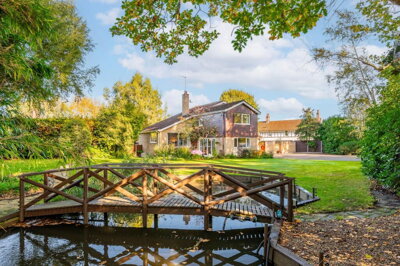
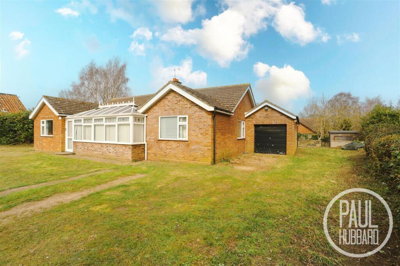
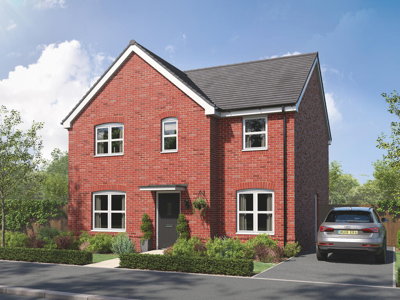
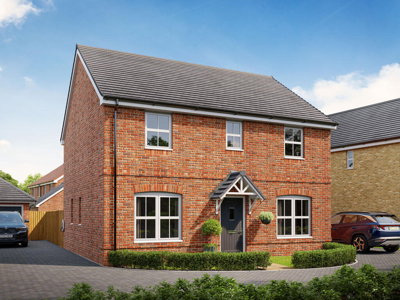
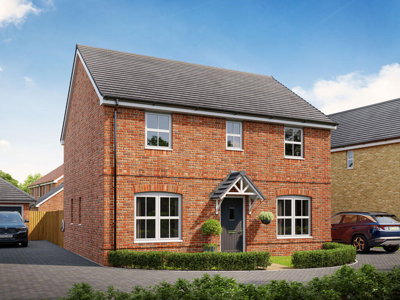
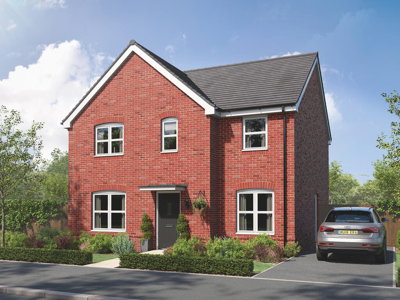
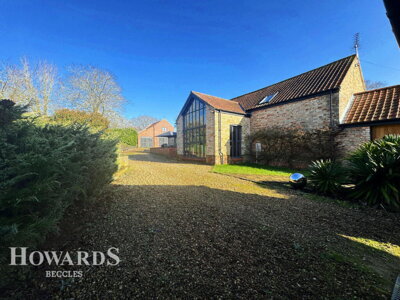
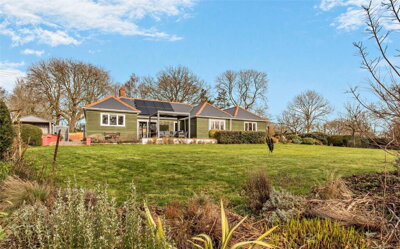
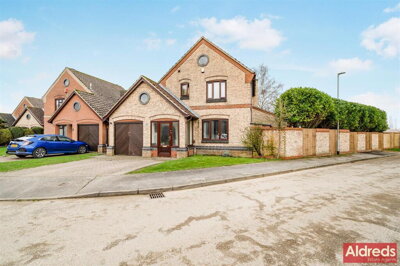
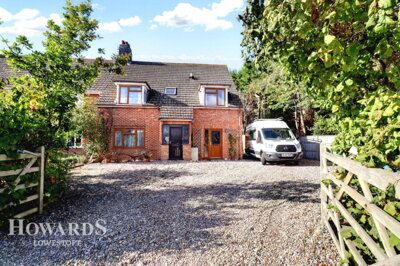
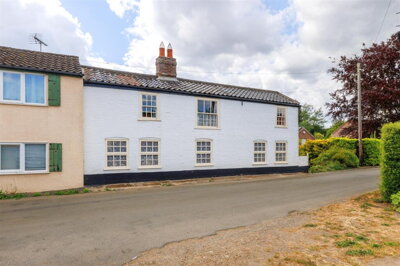
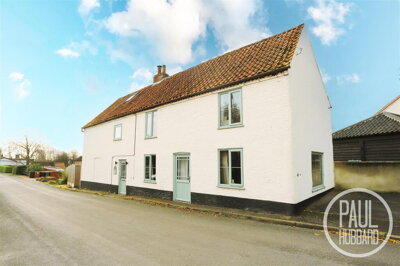
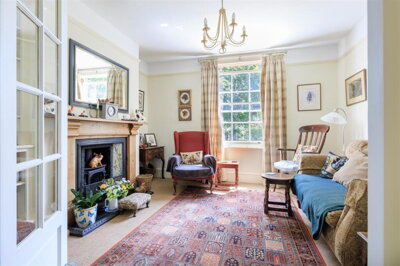
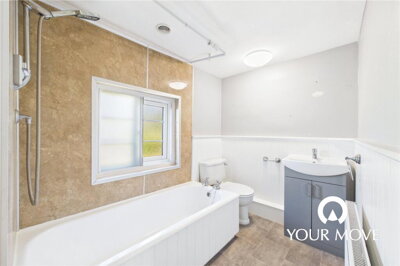
Browse 14 homes for sale in Burgh St. Peter from local estate agents.
Peter from local agents. The larger property sector typically features multiple bathrooms, substantial reception space, and private gardens or off-street parking. Four bedroom houses in Burgh St. Peter span detached, semi-detached, and occasionally terraced configurations, with styles ranging from period properties to modern executive homes.
The Burgh St. Peter property market centres predominantly on detached family homes, which have achieved an average price of £402,886 over the past year. Semi-detached properties in the village have sold at slightly lower averages of around £370,422, offering excellent value for buyers seeking generous internal space and gardens within this sought-after rural location. The village benefits from a mix of property ages, with at least one notable historic property believed to date back to the 1760s, having formerly served as the village post office. This blend of character homes and more recent constructions creates a diverse housing stock that caters to various preferences and budgets.
Property prices in Burgh St. Peter have shown interesting dynamics over recent years, with the market reaching a peak average of £511,000 in 2023 before experiencing a correction of approximately 22%. Despite this adjustment, the current average of £416,300 for properties sold in the past 12 months indicates sustained buyer interest in the village. The market has rebounded positively with that 5% year-on-year increase, suggesting confidence in Burgh St. Peter as a desirable place to live. New build activity within the village itself remains limited, with available listings primarily comprising traditional residential properties rather than newly constructed homes.
Our analysis of recent sales activity shows that homes with river views or proximity to the Waveney Valley command premium prices in this village. Properties overlooking the marshes and surrounding farmland consistently attract buyer interest, with garden size and orientation playing significant roles in determining value. The limited supply of available properties in Burgh St. Peter means that competition among buyers remains moderate, with well-presented homes typically achieving asking price or above in this established market.

Burgh St. Peter occupies a picturesque position within the Waveney Valley, offering residents sweeping views across the marshes and proximity to the River Waveney itself. The village landscape is characterised by agricultural fields, traditional Norfolk cottages, and the kind of peaceful surroundings that attract buyers seeking refuge from urban pressures. The Waveney Valley and Marshes create a distinctive natural environment, supporting diverse wildlife and providing recreational opportunities for walkers, birdwatchers, and nature enthusiasts. This riverside setting shapes daily life in the village, with the changing seasons bringing different colours and moods to the surrounding countryside.
The village maintains essential community links while retaining its peaceful, agricultural character that has defined it for centuries. Local property listings frequently reference the attractive views towards the river and across the surrounding marshes, highlighting how the natural landscape remains central to the area's appeal. The NR34 postcode places Burgh St. Peter within the South Norfolk district, giving residents access to the administrative services and community programmes supported by the local authority. Nearby towns including Beccles and Bungay provide additional shopping, dining, and entertainment options within a short drive, ensuring residents need not travel far for everyday conveniences.
For those who appreciate outdoor activities, the proximity to the Broads National Park opens up extensive opportunities for sailing, kayaking, and wildlife photography. The River Waveney itself offers fishing rights in certain stretches, with local angling clubs maintaining membership options for residents. The surrounding footpaths and bridleways provide excellent routes for dog walking and countryside exploration, connecting Burgh St. Peter to neighbouring villages and the broader rural network that makes South Norfolk so appealing to countryside lovers.

The housing stock in Burgh St. Peter reflects its rural Norfolk heritage, with detached properties dominating the market and accounting for the majority of sales over the past year. These detached homes typically offer generous plot sizes, with gardens extending to the rear and sometimes side boundaries, reflecting the agricultural nature of the village setting. Many properties sit on plots exceeding 0.25 acres, providing ample outdoor space that appeals to families, hobby gardeners, and those seeking a rural lifestyle with room to breathe.
Traditional Norfolk construction methods feature prominently throughout the village, with properties built using brick and flint techniques that were common in this part of East Anglia. Roofs typically feature clay or concrete tiles, with older properties potentially using Norfolk thatch or pantile roofing materials that require specialist maintenance. The village's historic properties may incorporate original features including exposed beams, inglenook fireplaces, and flagstone floors that add character but also require ongoing maintenance investment.
Semi-detached homes in Burgh St. Peter offer an accessible entry point to village life, with the average sold price of £370,422 representing good value compared to detached alternatives. These properties often benefit from good-sized gardens while maintaining a more compact footprint suitable for first-time buyers, smaller households, or those seeking a property requiring less intensive upkeep. The shared boundary arrangements with neighbours can offer increased security and companionship for those transitioning from urban living to a quieter village setting.
Families considering a move to Burgh St. Peter will find educational provision available through a network of primary and secondary schools in the surrounding South Norfolk and Waveney district area. Primary education within reasonable distance includes schools in neighbouring villages and towns, with the broader area served by institutions that cater to children from reception through to Year 6. The local educational landscape reflects the rural nature of the community, with smaller class sizes often available compared to urban settings, allowing for more individualised attention and a strong sense of community within schools.
Secondary education options serve students progressing from primary school, with schools in towns such as Beccles and Bungay offering comprehensive curricula and extracurricular programmes. Parents should research specific catchment areas and admission policies when considering properties in Burgh St. Peter, as school places are allocated based on proximity and specific criteria set by Norfolk County Council. The proximity to these market towns means that secondary school students may require transport arrangements, though school bus services operate in the rural area to support families. For sixth form and further education, students typically travel to larger centres including Norwich, which offers comprehensive college and sixth form provision.
Private and independent schooling options exist within reasonable driving distance for families seeking alternative educational approaches. Schools in the wider Norfolk area offer various curricular emphases, from academic excellence to creative and vocational pathways. Parents should factor travel times and transport arrangements into their property search criteria, particularly if seeking specific educational provision outside the immediate village catchment.
Transport connectivity from Burgh St. Peter centres on road networks that link the village to surrounding market towns and employment centres throughout Norfolk and Suffolk. The A146 provides an important artery connecting the village to Norwich in the north and Beccles in the south, with Beccles railway station offering direct rail services to Norwich, with journey times typically around 30-40 minutes. The station also provides connections to Lowestoft and routes toward Ipswich and London Liverpool Street, making Burgh St. Peter viable for commuters who need occasional access to the capital or other major centres.
For daily commuting, the village location requires careful consideration of transport options, as bus services in rural Norfolk operate on reduced frequencies compared to urban areas. Residents typically rely on private vehicles for regular commuting, with Norwich city centre approximately 20-25 miles north of the village, depending on exact route taken. The proximity to the Broads National Park to the east opens up recreational travel opportunities, with the Norfolk coastline also within reasonable driving distance for weekend getaways. Cycling infrastructure in the area continues to develop, though the winding rural lanes require careful cycling, particularly during busy agricultural periods.
Those working from home will find Burgh St. Peter well-suited to remote working lifestyles, with superfast broadband available in parts of the village and mobile network coverage improving across the area. The peaceful environment and lack of urban distractions can enhance productivity for home workers, while the attractive countryside setting provides an ideal backdrop for work-life balance that city living rarely matches.
Explore available properties in Burgh St. Peter using Homemove, comparing prices against the village average of £398,828 and understanding the mix of detached and semi-detached homes available. Consider factors such as proximity to the river, garden sizes, and any period features that properties may offer. Our platform updates regularly with new listings, helping you stay informed about the latest opportunities in this sought-after Waveney Valley village.
Before arranging viewings, obtain a mortgage agreement in principle from a lender to understand your budget and demonstrate your seriousness to sellers. This step is particularly important in competitive rural markets where properties may sell quickly. Speak with our mortgage partners who understand the Norfolk property market and can guide you through the application process efficiently.
Visit shortlisted properties in person to assess their condition, orientation, and the surrounding neighbourhood. Pay particular attention to access roads, nearest amenities, and the village atmosphere during different times of day. We recommend viewing properties during both weekday and weekend periods to gauge traffic levels and community activity accurately.
For older properties dating from the 1760s through to post-war construction, a Level 2 Survey provides essential inspection of condition, identifying any defects that may require attention before purchase. Our RICS-qualified surveyors understand Norfolk construction methods and can identify issues common to properties in the Waveney Valley, including drainage concerns related to the local marshland setting.
Choose an experienced property solicitor to handle the legal aspects of your purchase, including searches, contracts, and registration with HM Land Registry. Conveyancing costs typically start from £499 for standard purchases in this area. Our recommended conveyancers have experience with rural Norfolk properties and understand the specific considerations that can arise in village transactions.
Once all searches are satisfactory and finances are confirmed, your solicitor will exchange contracts and set a completion date. On completion day, the remaining balance is transferred and you receive the keys to your new Burgh St. Peter home. We recommend arranging buildings insurance from the point of exchange to protect your investment from the first moment you become legally responsible for the property.
Purchasing a property in Burgh St. Peter requires attention to specific local considerations that reflect the village's rural Norfolk setting. Properties in the Waveney Valley benefit from proximity to water features, though buyers should make enquiries about flood risk with local estate agents and through official Environment Agency flood maps. The presence of marshes and rivers means that some properties may require specific insurance considerations, and mortgage lenders increasingly request flood risk assessments as part of their due diligence. Viewing properties at different times of year can reveal how the landscape changes and whether any areas experience standing water or access difficulties.
The age of properties in Burgh St. Peter warrants careful structural assessment, with historic buildings potentially requiring maintenance investment in areas such as roofs, foundations, and period features. Properties dating from the 1760s onwards may have non-standard construction elements or heritage considerations that affect renovation options and costs. Rural properties often include significant land holdings, outbuildings, or septic tank systems rather than mains drainage, all of which require thorough investigation before purchase. Buyers should also confirm the tenure arrangements, as some properties may be freehold while others in converted buildings could carry leasehold terms or shared ownership arrangements.
Our surveyors frequently identify drainage and damp issues in older Norfolk properties, particularly those with solid floors or limited sub-floor ventilation. Check the condition of any original windows, as timber sash windows common to period properties may require restoration rather than replacement if planning restrictions apply. The age and condition of heating systems deserves particular attention, as older properties may rely on oil-fired boilers or solid fuel systems that require updating to meet modern efficiency standards.
Properties in Burgh St. Peter typically benefit from private water supplies or boreholes rather than mains water, which can offer cost savings but requires regular testing and maintenance. Borehole water should be tested for bacterial contamination, mineral content, and flow rate before purchase to ensure adequate supply throughout the year. Private water supplies serving multiple properties may involve shared responsibility for maintenance costs and equipment replacement.
Sewage disposal in the village commonly relies on septic tanks or package treatment plants, with properties rarely connected to mains drainage. These systems require regular emptying, typically annually or bi-annually depending on usage and tank capacity, with costs ranging from £150 to £300 per empty. Environmental regulations require septic tank owners to ensure their systems do not cause pollution, and discharging to waterways may require an environmental permit. Our conveyancing partners can advise on the maintenance history and compliance status of any private drainage system you are considering purchasing.
Agricultural land boundaries in Burgh St. Peter may include features such as drainage ditches, hedgerows, and field gates that define ownership and maintenance responsibilities. These rural boundary arrangements can differ significantly from urban property boundaries and require careful investigation during the conveyancing process. Access rights over neighbouring land, known as easements, may be essential for reaching properties that do not have direct road frontage.
The average property price in Burgh St. Peter over the past year was £398,828, according to current market data. Detached properties have achieved an average of £402,886, while semi-detached homes have sold at approximately £370,422. Sold prices in the past 12 months averaged £416,300, representing a 5% increase compared to the previous year, though this remains 22% below the 2023 peak of £511,000. These figures indicate a stable market that has recovered from recent price corrections, making it an opportune time for buyers considering properties in this South Norfolk village. Our platform provides real-time price tracking for all properties currently listed and recently sold in the NR34 postcode area.
Properties in Burgh St. Peter fall under South Norfolk Council for council tax purposes, with bands ranging from A through to H depending on the property's assessed value. Rural properties with larger gardens or land holdings may attract higher banding, while modest cottages could fall into lower bands. Prospective buyers should request the specific council tax band from the seller or verify through South Norfolk Council's online valuation portal before committing to a purchase, as this annual cost forms part of the overall household budget calculation. Current South Norfolk Council rates for a Band D property are approximately £1,800 annually, though this figure changes annually based on council budget decisions.
Burgh St. Peter itself has limited school provision, with primary education typically accessed through schools in neighbouring villages and towns. The surrounding Waveney and South Norfolk areas include several primary schools rated Good or Outstanding by Ofsted, with admission typically based on catchment area proximity. Secondary education options include schools in Beccles and Bungay, both of which serve the village's wider catchment area. Parents should verify current school performance data, admission policies, and transport arrangements when considering a move, as school places can be competitive in popular rural catchments. The nearest primary schools typically operate catchment zones extending 2-3 miles from the school site, though admission criteria can vary based on sibling attendance and faith-based enrollment where applicable.
Public transport options from Burgh St. Peter are limited, reflecting its rural village location. The nearest railway station is Beccles, approximately 5-8 miles from the village, offering services to Norwich and connections to Lowestoft and London Liverpool Street. Bus services operate on reduced schedules compared to urban areas, making private vehicle ownership essential for most residents. The A146 road provides the main route connecting the village to surrounding towns, with Norwich city centre approximately 20-25 miles north. Plan your transport arrangements carefully if commuting to work or accessing regular services. Some residents find that car clubs operating in nearby market towns provide flexibility for occasional urban access without full vehicle ownership.
The Burgh St. Peter property market has demonstrated consistent appeal, with prices rising 5% year-on-year following a period of adjustment from the 2023 peak. The village attracts buyers seeking rural lifestyles with good connections to market towns, supporting long-term demand. Properties with character, river views, or additional land tend to command premiums, while the limited new build supply helps sustain values for existing homes. Rental demand in the broader Waveney Valley area exists but is relatively modest, so investment buyers should carefully assess rental yield potential against local market conditions. Our data suggests that properties within the village centre with good access to the A146 tend to retain value well, though all property investments carry risk and should be assessed against individual circumstances.
Stamp duty land tax applies to all property purchases in England, with current thresholds starting at 0% for properties up to £250,000. For purchases between £250,001 and £925,000, the rate is 5%, rising to 10% for properties between £925,001 and £1.5 million. First-time buyers benefit from relief on purchases up to £425,000, paying 0% on the first £425,000 and 5% on the portion between £425,001 and £625,000. Given the average property price of £398,828 in Burgh St. Peter, many buyers may qualify for reduced SDLT costs, particularly first-time purchasers. A standard buyer purchasing at the village average would pay approximately £7,441 in stamp duty, while a first-time buyer might pay nothing if purchasing below the £425,000 threshold.
When viewing properties in Burgh St. Peter, pay particular attention to the property's proximity to water features and any signs of damp or water damage, particularly in older properties. Check the condition of roofs, which may be original on period properties, and enquire about the heating system age and efficiency. Rural properties often have private drainage systems or septic tanks that require maintenance, so factor in potential costs for these elements. Views across the Waveney Valley and marshes are highly desirable and can significantly affect property values, so assess the outlook carefully during viewings. We recommend requesting copies of any previous survey reports, electrical certificates, and heating system maintenance records during the viewing process to build a complete picture of the property's condition.
Properties in Burgh St. Peter sit near the River Waveney and adjacent to extensive marshland, which creates potential flood risk considerations that buyers should investigate thoroughly. The Environment Agency flood maps show that certain areas of the village, particularly those with lower elevations near water features, may be susceptible to flooding during periods of heavy rainfall or river spates. Mortgage lenders often require flood risk assessments for properties in areas adjacent to rivers and marshes, and buildings insurance premiums may reflect the location. We recommend requesting information about any historical flooding incidents from current owners and checking the long-term flood risk assessment for any specific property you are considering purchasing.
Broadband connectivity in Burgh St. Peter has improved in recent years, with superfast broadband available in parts of the village through various providers. However, rural broadband speeds can vary significantly depending on location and infrastructure, with some properties still relying on slower connections. Mobile phone coverage has similarly improved with the rollout of 4G services across South Norfolk, though certain areas with poor line-of-sight to phone masts may experience reduced signal strength. We recommend testing mobile signal strength during property viewings and checking Ofcom's broadband and mobile coverage maps for the specific property postcode before committing to purchase.
Understanding the full costs of purchasing property in Burgh St. Peter helps buyers budget accurately and avoid surprises during the transaction process. Beyond the property price, additional costs include stamp duty land tax, solicitor fees, survey costs, and mortgage arrangement fees. For a typical property at the village average of £398,828, a standard buyer would pay no SDLT on the first £250,000 and 5% on the remaining £148,828, totalling approximately £7,441 in stamp duty. First-time buyers benefit from relief, paying nothing on the first £425,000 and potentially reducing their SDLT liability significantly.
Solicitors handling conveyancing in rural Norfolk typically charge between £499 and £1,500 depending on complexity, with the average purchase falling within this range. A RICS Level 2 Survey costs from £350 and provides essential inspection of the property condition, particularly valuable for older homes in Burgh St. Peter where properties may date from the 1760s onwards. Mortgage arrangement fees vary by lender but commonly range from £500 to £2,000, though many lenders offer fee-free deals that compensate through slightly higher interest rates. Building insurance must be in place from exchange of contracts, and removals costs should also be factored into your overall moving budget for this rural location.
Additional costs to budget for include Land Registry fees for registering the transfer, typically around £150-200, and search fees from your solicitor which can range from £200-400 for the standard local authority, drainage, and environmental searches required for properties in South Norfolk. If the property you are purchasing has been recently constructed or modified, you may also need to budget for chancel repair liability insurance, which covers potential costs for maintaining the local church roof.
From 4.5%
Expert mortgage advice tailored to your property purchase
From £499
Property solicitors experienced in rural Norfolk transactions
From £350
Comprehensive condition report for properties in Burgh St. Peter
From £60
Energy performance certificate for your new property
Properties for Sale In London

Properties for Sale In Plymouth

Properties for Sale In Liverpool

Properties for Sale In Glasgow

Properties for Sale In Sheffield

Properties for Sale In Edinburgh

Properties for Sale In Coventry

Properties for Sale In Bradford

Properties for Sale In Manchester

Properties for Sale In Birmingham

Properties for Sale In Bristol

Properties for Sale In Oxford

Properties for Sale In Leicester

Properties for Sale In Newcastle

Properties for Sale In Leeds

Properties for Sale In Southampton

Properties for Sale In Cardiff

Properties for Sale In Nottingham

Properties for Sale In Norwich

Properties for Sale In Brighton

Properties for Sale In Derby

Properties for Sale In Portsmouth

Properties for Sale In Northampton

Properties for Sale In Milton Keynes

Properties for Sale In Bournemouth

Properties for Sale In Bolton

Properties for Sale In Swansea

Properties for Sale In Swindon

Properties for Sale In Peterborough

Properties for Sale In Wolverhampton

Enter your details to see if this property is within your budget.
Loans, cards, car finance
Estimated property budget
Borrowing + deposit
You could borrow between
Typical borrowing
Monthly repayment
Est. at 4.5%
Loan-to-value
This is an estimate only. Your actual budget may vary depending on interest rates, credit history, and personal circumstances. For an accurate affordability assessment, speak to one of our free mortgage advisors.
This calculator provides estimates for illustrative purposes only and does not constitute financial advice. Your home may be repossessed if you do not keep up repayments on your mortgage. Estimates based on 4.5% interest rate, repayment mortgage. Actual rates depend on your circumstances.
Homemove is a trading name of HM Haus Group Ltd (Company No. 13873779, registered in England & Wales). Homemove Mortgages Ltd (Company No. 15947693) is an Appointed Representative of TMG Direct Limited, trading as TMG Mortgage Network, which is authorised and regulated by the Financial Conduct Authority (FRN 786245). Homemove Mortgages Ltd is entered on the FCA Register as an Appointed Representative (FRN 1022429). You can check registrations at NewRegister or by calling 0800 111 6768.

We use cookies to show you personalised content and improve your experience of our website. Find out more in our Privacy policy and Cookie policy.