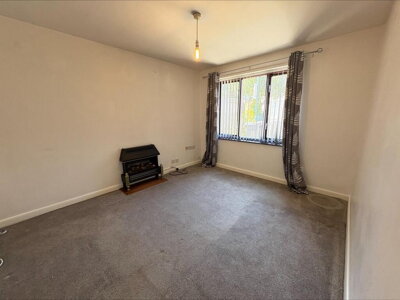
Browse 1 home for sale in Burgh le Marsh from local estate agents.
One bed apartments provide a separate bedroom alongside distinct living space, bathroom, and kitchen areas. Properties in Burgh Le Marsh are available in various building types including mansion blocks, contemporary developments, and house conversions.
Life in Burgh le Marsh offers a quintessentially English village experience, where community spirit and rural charm combine to create an appealing environment for residents of all ages. The village supports a population of 2,096 people across 960 households, creating a close-knit community where neighbours often know one another and local events bring residents together throughout the year. The village centre provides essential daily amenities, while the surrounding countryside offers extensive walking routes and scenic landscapes characteristic of the Lincolnshire Wolds fringe area.
The local economy benefits from several sectors, with tourism playing a significant role given the village's proximity to the popular Lincolnshire coast. Many residents work in hospitality, leisure, and related service industries, while agriculture continues to underpin the wider rural economy. Within the village itself, local shops, schools, and service providers offer employment opportunities that reduce the need for lengthy commutes to larger towns. This economic diversity helps maintain a stable community despite the rural location.
Architectural heritage defines much of the village character, with St Peter and St Paul's Church standing as a Grade I listed landmark that anchors the Conservation Area. This medieval church, dating largely from the 14th century with later additions, serves as the spiritual and geographical heart of the village. The presence of numerous listed buildings dating from the 18th and 19th centuries creates an attractive streetscape that appeals to those who appreciate historic architecture. Red brick construction predominates throughout the Conservation Area, reflecting traditional building practices specific to this part of Lincolnshire where local clay deposits provided readily available materials for generations of builders.
The Burgh le Marsh property market reflects the character of this historic Lincolnshire village, offering a mix of property types that cater to different buyer requirements. Detached properties command the highest average price at £280,317, making them ideal for families seeking generous living space and gardens. Semi-detached homes, averaging £195,500, represent excellent value for first-time buyers or those looking to upsize from terraced accommodation. The village maintains strong appeal for those prioritising space and character over urban conveniences.
Price trends over the past twelve months show a modest correction of 2.6% across the overall market, with detached properties seeing a 3.1% decrease and semi-detached homes experiencing a smaller 1.5% decline. Terraced properties fell by 2.5% to an average of £156,000, while the flat market remained stable with no change recorded. These movements suggest a balanced market where properties are still attracting buyer interest despite broader economic uncertainties affecting the national housing sector.
Property age distribution in Burgh le Marsh reveals a substantial proportion of older housing stock, with many homes built before 1919 particularly concentrated within the designated Conservation Area. The village also features properties from the inter-war period, post-war developments, and more recent constructions. This variety means buyers can choose between the charm of period features in historic cottages and the modern conveniences offered by homes built in later decades. Our listings are updated regularly to reflect new instructions from local estate agents across the PE24 postcode area.

Education provision in Burgh le Marsh centres on the local primary school, which serves families with children of primary school age within the village and surrounding catchment area. Parents considering a move to the village should research current Ofsted ratings and admission arrangements, as catchment areas can influence school placement decisions. The presence of a village primary school eliminates the need for young families to travel to larger towns for early years education, a significant advantage for those seeking a truly local community experience.
Secondary education options in the area include schools in nearby towns, with school transport arrangements typically providing routes from Burgh le Marsh to institutions in towns such as Spilsby, Horncastle, or Skegness. Parents should verify current transport arrangements and consider journey times when evaluating secondary school options, as these factors can significantly impact family routines and daily schedules. Sixth form provision in the area tends to be concentrated in larger towns, requiring older students to travel for advanced level courses.
For families prioritising educational outcomes, researching school performance data, curriculum offerings, and extracurricular activities is essential before committing to a property purchase. The village's position within East Lindsey district means that school performance can vary, and proactive research helps ensure alignment between educational priorities and available local options. First-time buyers with young families should factor school catchment areas into their property search to avoid disappointment when admission offers are made.
Transport connectivity from Burgh le Marsh reflects its status as a rural Lincolnshire village, with road travel forming the primary means of accessing surrounding towns and cities. The A158 road provides a key route connecting the village to larger settlements including Lincoln to the west and Skegness to the east. This road serves as the main artery for daily commuting, school runs, and accessing services not available locally. Bus services operate routes connecting Burgh le Marsh with neighbouring towns, though frequency may be limited compared to urban areas.
For residents requiring rail connections, the nearest railway stations are located in towns such as Wainfleet or Thorpe Culvert, offering access to the East Midlands and national rail network. Journey times to larger employment centres vary depending on the destination, with Lincoln accessible via road in approximately 45 minutes under normal traffic conditions. The village's rural location means that car ownership remains important for most residents, though the peaceful nature of the surrounding road network makes driving through the Lincolnshire countryside pleasant rather than stressful.
Cycling infrastructure in the area includes rural lanes that are popular with recreational cyclists, particularly during summer months when the flat terrain of the Lincolnshire landscape provides accessible routes for cyclists of varying abilities. Walking opportunities abound with footpaths crossing farmland and linking the village to nearby settlements. For commuters working from home or running local businesses, the village offers the quiet environment necessary for productive remote working while maintaining reasonable access to larger towns for occasional meetings or client visits.
Before viewing properties, spend time exploring Burgh le Marsh at different times of day and week. Visit local shops, observe traffic patterns, and speak with residents to understand the community atmosphere. Consider proximity to your workplace, school catchment boundaries, and how flooding risk in lower-lying areas might affect properties you are considering.
Obtain a mortgage agreement in principle from a lender before starting your property search. This strengthens your position when making offers and demonstrates to sellers that you are a serious buyer. Factor in all purchase costs including stamp duty, solicitor fees, survey costs, and removal expenses. For properties in Burgh le Marsh, budget approximately £400-£500 for a RICS Level 2 Survey on homes up to £200,000.
Use Homemove to browse all available properties in Burgh le Marsh, filtering by price range, property type, and number of bedrooms. Once you identify suitable homes, contact estate agents to arrange viewings. Take notes during viewings and revisit properties before making offers to ensure they continue to meet your requirements.
When you find your ideal home, submit an offer through the selling estate agent. Be prepared to negotiate on price, particularly for properties that have been on the market for several weeks. Your mortgage agreement in principle and proof of funds strengthen your negotiating position. Consider including conditions such as a mortgage offer deadline to protect your position.
Once your offer is accepted, instruct a solicitor to handle the conveyancing process and a surveyor to assess the property condition. Given the number of older properties in Burgh le Marsh, a RICS Level 2 Survey is advisable for most homes. Properties in the Conservation Area or those over 100 years old may benefit from a more comprehensive RICS Level 3 Survey.
Your solicitor will handle local authority searches, property checks, and contract exchange. On completion day, the remaining balance is transferred and you receive the keys to your new Burgh le Marsh home. Register your ownership with HM Land Registry and update your address with relevant organisations.
Properties in Burgh le Marsh present several considerations that buyers should investigate thoroughly before committing to a purchase. The village sits on soils that include boulder clay deposits overlying bedrock chalk and limestone, which can exhibit shrink-swell behaviour during periods of dry weather or heavy rainfall, potentially affecting foundations. A thorough survey can identify signs of past movement such as cracking to walls or doors that no longer close properly. Properties with large trees nearby may face increased risk of foundation movement as tree roots extract moisture from the clay subsoil.
Flood risk represents another important consideration, with parts of Burgh le Marsh identified as having surface water flooding potential, particularly in lower-lying areas. The Environment Agency flood maps indicate affected zones, and we always recommend prospective buyers check the specific property location and review any historical flooding incidents. Properties in affected areas may face higher insurance premiums, and sellers are required to complete a Flood Risk questionnaire as part of the conveyancing process. Discussing flood resilience measures with current owners or surveyors provides valuable insight into how any issues have been managed.
The Conservation Area designation affects properties within its boundaries, requiring planning permission for certain alterations, extensions, and demolitions. Buyers considering works to period properties should verify whether their plans would require Conservation Area consent. Listed buildings carry additional restrictions on alterations, and any works typically require Listed Building Consent from East Lindsey District Council. Factor in the potential costs of maintaining traditional materials when budgeting for a period property purchase.
Building materials in older properties warrant close inspection during surveys. Traditional brick construction, common throughout Burgh le Marsh, can exhibit rising damp if original damp-proof courses have failed or were never installed. Solid walls typically have less thermal performance than modern cavity wall construction, potentially resulting in higher heating costs. Electrical wiring in older properties may require updating to meet current safety standards, particularly for homes where the wiring has not been replaced in several decades.

The average house price in Burgh le Marsh stands at £227,902 as of February 2024, according to property market data. Detached properties average £280,317, semi-detached homes £195,500, terraced properties £156,000, and flats £100,000. Over the past twelve months, overall prices have decreased by 2.6%, suggesting a buyer-friendly market where properties may be negotiated below asking price. The village offers relatively accessible pricing compared to larger towns in the East Midlands region.
Properties in Burgh le Marsh fall under East Lindsey District Council's jurisdiction for council tax purposes. Bands range from A through H depending on the property's assessed value, with most period properties in the village likely falling into bands A through D. Prospective buyers should check the specific property's council tax band on the Valuation Office Agency website, as this cost forms part of the ongoing household budget alongside mortgage payments, utilities, and maintenance expenses.
Burgh le Marsh has a primary school serving the local community, with families travelling to nearby towns for secondary education options at institutions in Spilsby, Horncastle, and Skegness. Research current Ofsted inspection reports and performance data to assess school quality, as ratings can change over time and vary between institutions. School transport arrangements exist from the village to these secondary schools, though parents should verify current routes and timings. Consider catchment area boundaries when selecting properties, as these affect admission chances and should factor into your property search.
Public transport options in Burgh le Marsh include bus services connecting the village to neighbouring towns and rail stations at Wainfleet and Thorpe Culvert, both offering connections to the wider rail network. However, service frequency may be limited compared to urban areas, making car ownership practically essential for most residents. The village's position on the A158 road provides reasonable road connections to Lincoln and the coast, with Skegness reachable in approximately 20 minutes under normal traffic conditions. Commuters should factor journey times and transport availability into their decision-making process.
Burgh le Marsh offers potential for buyers seeking a rural lifestyle at accessible price points, though returns may be more modest than in high-growth urban areas. The village benefits from proximity to the Lincolnshire coast, which attracts tourism and could support rental demand for holiday lets or long-term tenancies. Properties in the Conservation Area with character features may hold their value well due to limited supply, while those with flood risk considerations require more careful evaluation before purchase. Consider your investment horizon and whether long-term capital growth or rental income better matches your financial objectives.
Stamp Duty Land Tax rates from April 2024 require buyers to pay 0% on the first £250,000 of residential property purchases, 5% on the portion from £250,001 to £925,000, 10% from £925,001 to £1.5 million, and 12% above £1.5 million. First-time buyers qualify for relief on purchases up to £625,000, paying 0% on the first £425,000 and 5% between £425,001 and £625,000. At Burgh le Marsh's average price of £227,902, most buyers would pay no stamp duty at all, though additional property purchases incur a 3% surcharge on the total purchase price.
Parts of Burgh le Marsh face surface water flooding risk, particularly in lower-lying areas and during periods of heavy rainfall when drainage systems can become overwhelmed. The Environment Agency's flood maps show affected zones throughout the village, and sellers must provide flooding information as part of the conveyancing process under the Property Information Form requirements. Properties with flooding history may have elevated insurance costs or face difficulties obtaining coverage, so we recommend requesting insurance quotes before completing purchase. A thorough survey by our inspectors assesses any signs of past water ingress and advises on potential remediation measures that could mitigate future risk.
No active new-build developments have been verified within the Burgh le Marsh postcode area, with most new housing activity concentrated in larger towns within the East Lindsey district. Buyers seeking brand new properties may need to consider surrounding towns or accept that new options within the village itself are limited. Existing properties offer character and established gardens that new homes cannot replicate, and the village's historic housing stock provides alternatives for buyers prioritising period features, established neighbourhoods, and the charm of traditional Lincolnshire construction.
From 4.5% APR
Compare mortgage deals from leading lenders
From £499
Expert solicitors for your property purchase
From £400
Thorough inspection for properties in Burgh le Marsh
From £80
Energy performance certificate for your new home
Understanding the full costs of purchasing property in Burgh le Marsh helps buyers budget accurately and avoid unexpected expenses during the transaction process. The most significant cost for most buyers is Stamp Duty Land Tax, which applies to purchases above £250,000 at rates of 5% on the portion between £250,001 and £925,000. Given that the average property price in Burgh le Marsh is £227,902, many buyers purchasing at or below average price will pay no stamp duty at all, making this an attractive entry point for first-time buyers entering the property market.
First-time buyers benefit from enhanced relief that increases the zero-rate threshold to £425,000 and applies 5% to the next £200,000, potentially saving thousands compared to previous thresholds. This relief applies to buyers who have never owned property anywhere in the world and who are purchasing solo or jointly with another first-time buyer. For purchases above £625,000, first-time buyer relief does not apply, and standard rates become payable. Investors and those purchasing additional properties pay a 3% surcharge on all bands, which significantly affects the economics of buy-to-let investments in the village.
Beyond stamp duty, buyers should budget for solicitor fees typically ranging from £800 to £1,500 depending on complexity and property value. Survey costs vary by property type and report level, with RICS Level 2 Surveys for homes up to £200,000 priced from £400 to £500 locally, while larger or more complex properties command higher fees. Removal costs, mortgage arrangement fees, and surveying valuations add further expenses that can total £2,000 to £3,000 or more depending on individual circumstances. Setting aside a contingency fund of at least 5% of the purchase price covers these costs and provides a buffer for any unexpected issues discovered during the survey process.
Properties for Sale In London

Properties for Sale In Plymouth

Properties for Sale In Liverpool

Properties for Sale In Glasgow

Properties for Sale In Sheffield

Properties for Sale In Edinburgh

Properties for Sale In Coventry

Properties for Sale In Bradford

Properties for Sale In Manchester

Properties for Sale In Birmingham

Properties for Sale In Bristol

Properties for Sale In Oxford

Properties for Sale In Leicester

Properties for Sale In Newcastle

Properties for Sale In Leeds

Properties for Sale In Southampton

Properties for Sale In Cardiff

Properties for Sale In Nottingham

Properties for Sale In Norwich

Properties for Sale In Brighton

Properties for Sale In Derby

Properties for Sale In Portsmouth

Properties for Sale In Northampton

Properties for Sale In Milton Keynes

Properties for Sale In Bournemouth

Properties for Sale In Bolton

Properties for Sale In Swansea

Properties for Sale In Swindon

Properties for Sale In Peterborough

Properties for Sale In Wolverhampton

Enter your details to see if this property is within your budget.
Loans, cards, car finance
Estimated property budget
Borrowing + deposit
You could borrow between
Typical borrowing
Monthly repayment
Est. at 4.5%
Loan-to-value
This is an estimate only. Your actual budget may vary depending on interest rates, credit history, and personal circumstances. For an accurate affordability assessment, speak to one of our free mortgage advisors.
This calculator provides estimates for illustrative purposes only and does not constitute financial advice. Your home may be repossessed if you do not keep up repayments on your mortgage. Estimates based on 4.5% interest rate, repayment mortgage. Actual rates depend on your circumstances.
Homemove is a trading name of HM Haus Group Ltd (Company No. 13873779, registered in England & Wales). Homemove Mortgages Ltd (Company No. 15947693) is an Appointed Representative of TMG Direct Limited, trading as TMG Mortgage Network, which is authorised and regulated by the Financial Conduct Authority (FRN 786245). Homemove Mortgages Ltd is entered on the FCA Register as an Appointed Representative (FRN 1022429). You can check registrations at NewRegister or by calling 0800 111 6768.

We use cookies to show you personalised content and improve your experience of our website. Find out more in our Privacy policy and Cookie policy.